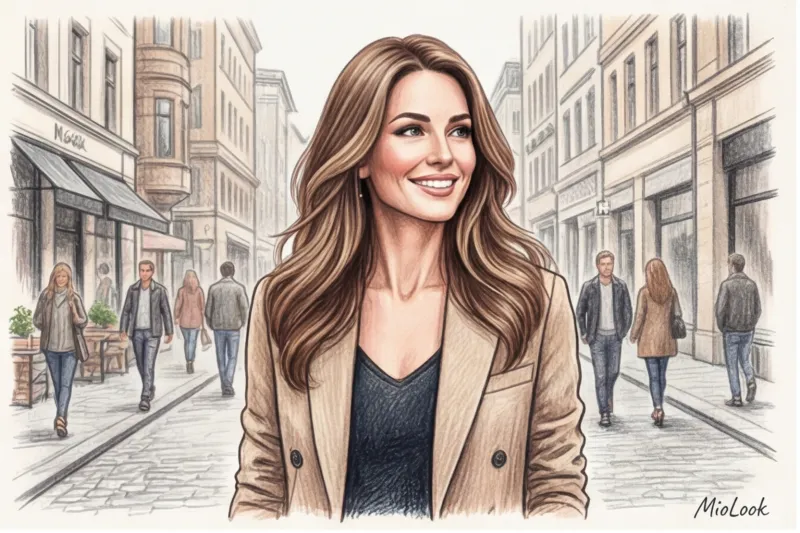
Long Hair After 35: Breaking the Main Stereotype of Hairdressers
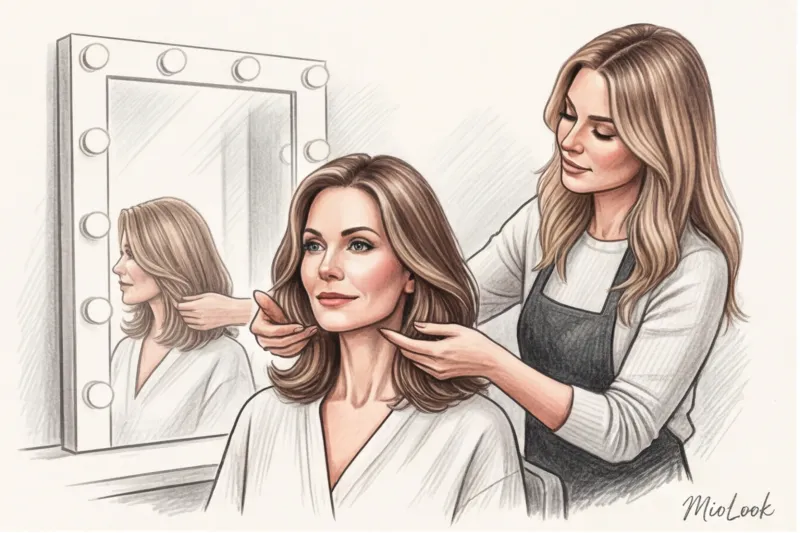
Just a month ago, a stunning 38-year-old client came to me for a styling consultation. She sat down in the chair, nervously tugged the tight elastic from her ponytail, and almost tearfully blurted out, "My last stylist said long hair after 35 is inappropriate. He told me to get a bob, otherwise I'll look like an aging mermaid." Spoiler alert: we didn't cut off a single centimeter of her main length. We changed the structure, and she looked five years older.
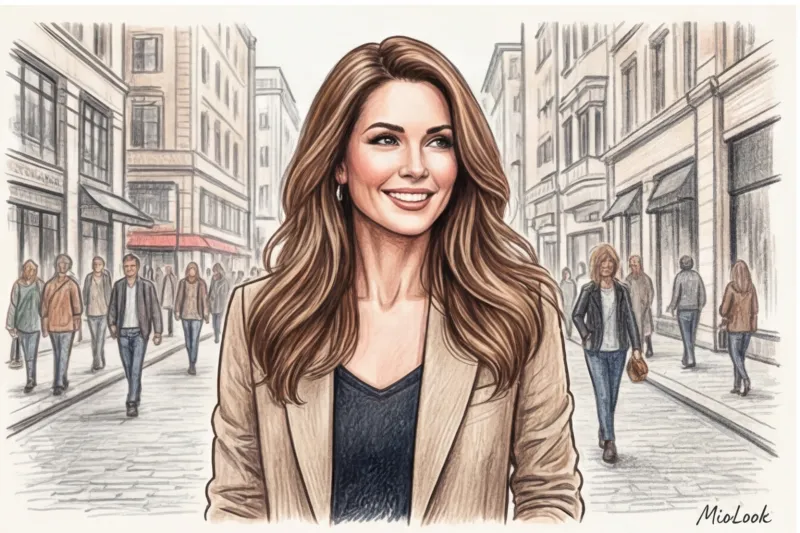
The stereotype that "the older a woman is, the shorter her hair" dates back to the last century. Let's be honest: in the 1980s and '90s, harsh perms, lack of heat protection, and harsh dyes left hair looking like straw by age 40. Back then, a short haircut was a necessary measure, the only way to cut away damaged hair. Today, with lipid masks, plexes (disulfide bond reducers), and gentle dyes at our disposal, the quality of our hair allows us to wear it long into our 40s and 60s.
We covered more details on how to correctly work with facial proportions in our complete guide. Anti-aging haircuts: rules for women 35+ But the main insight I want to convey today is that age isn't revealed by length in centimeters. It's revealed by static, dull color, and a lack of volume in the right areas.
The Geometry of Age: Why the Old Length Rules No Longer Work
To understand why your usual hairstyle suddenly stops flattering you, you need to look at your face with the eyes of an architect. Between 20 and 25, the face forms a "triangle of youth": a wide base at the level of high cheekbones and a narrow peak at the chin. At this age, sleek, straight hair falling along the cheeks looks great—it creates a beautiful frame for a firm, oval-shaped face.
After 35-40, gravitational ptosis sets in. The triangle of youth inverts: cheekbones lose volume, and hints of jowls appear in the lower third of the face. And here, the rule taught at the renowned Vidal Sassoon Academy comes into play: haircuts always redirect the viewer's gaze.
The dangerous effect of "vertical lines"
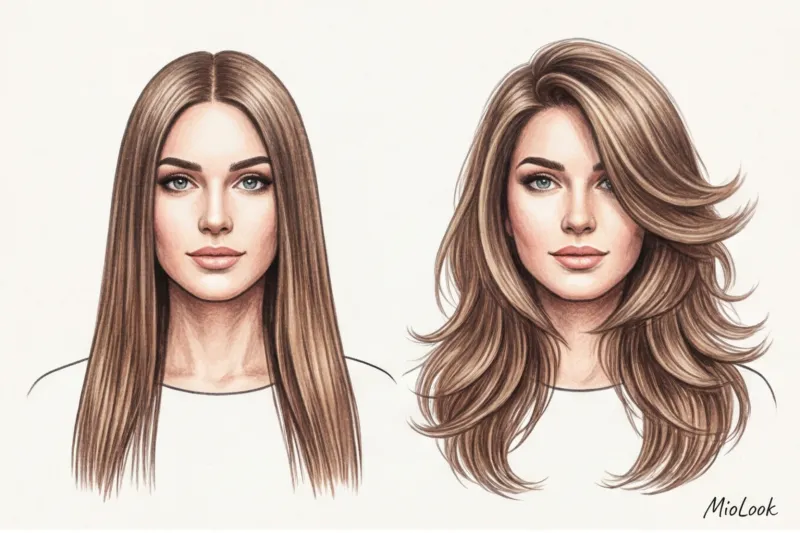
Long, straight hair is considered youthful because it's subconsciously associated with schoolgirls. In practice, straight strands of the same length, hanging without volume, act like neon signs. They create sharp, downward parallels that literally pull facial features downward. The human eye involuntarily follows these lines straight to the nasolabial folds and the sagging jawline.
Curtain-like hair is the worst enemy of those with a tired or deformed aging pattern. We need a visual lift, not a gravitational weight.
Your perfect look starts here
Join thousands of users who look flawless every day with MioLook's AI stylist. Upload your photo and try out new hairstyles virtually.
Get access — €0.99 onceThe Anatomy of Rejuvenating Length: 3 Golden Rules
If you decide to keep your hair long, you need to style it properly. Over 12 years of working as a colorist and image consultant, I've discovered three inviolable rules for rejuvenating long hair.
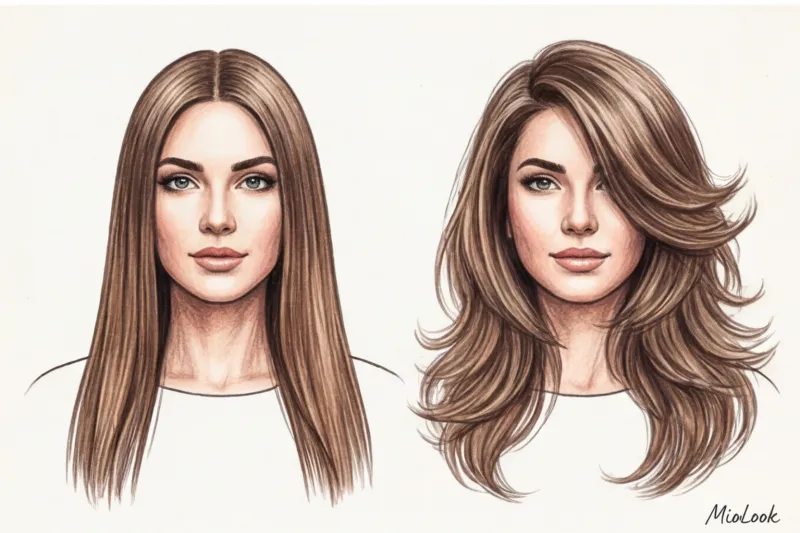
Rule 1: Invest in quality ends. Do you know what ages a woman more than gray hair? Long, thinning, translucent ends that thin out toward the bottom. It's better to have a dense, full cut at collarbone level than three translucent strands reaching to the waist. A dense cut conveys health and energy.
Rule 2: Volume transfer. Our goal is to bring the focus back to the cheekbones. The bulk of the hair and its volume should be concentrated not at the jawline (where it widens the lower part of the face), but in the area from the temples to the cheekbones. This is achieved through proper graduation.
Rule 3: Face-framing. Harsh, straight lines should be broken up with soft diagonals. Extended curtain bangs, starting at the cheekbones and gradually fading into the main length, create those upward lines that provide a lifting effect.
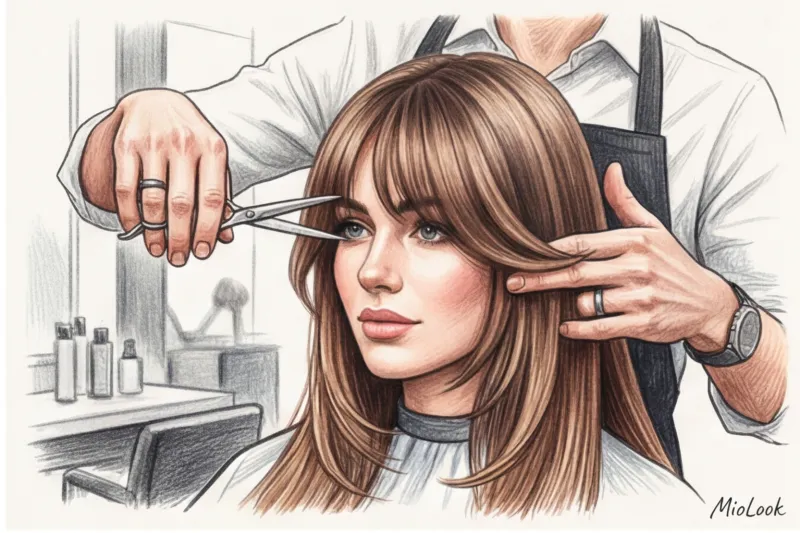
Dynamics instead of statics: how layers work
We're not talking about the choppy layers of the 2000s, which made the crown look like a cap and the ends like rat tails. The modern answer is ghost layers. The hairstylist works within the hair, creating texture without altering the outer length.
Layers add dynamism to hair. When you walk, your hair moves, flows, and the air plays with it. This lightness and fluidity instantly erases 5-7 years from your face, because static hair is associated with the monumentality of age, while dynamism is associated with youth.
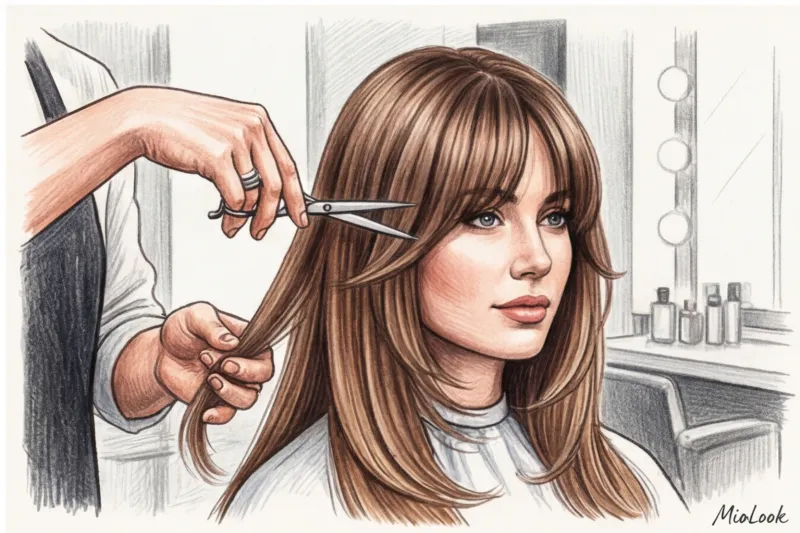
Color Decides: How Coloristics Saves Long Hair
As a certified colorist, I can confidently say: shape is only half the battle. The other half is color. One of my most frequent observations is women who dye their hair the same dark color for years with household dye. A deep, dark monochrome on long hair acts as a light absorber. It casts harsh shadows on the face, highlighting every wrinkle, rosacea, and dark circles under the eyes.
On the other hand, a flat, rootless blonde makes hair look like a wig and takes away volume.
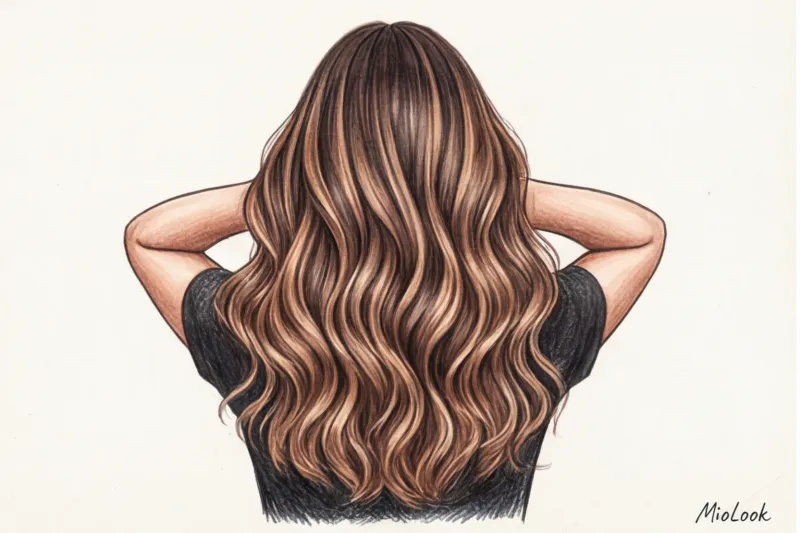
The key to achieving length lies in textured coloring. Techniques like AirTouch, balayage, and shatush create a play of light and shadow. According to WGSN research (2024), multidimensional coloring with soft highlights visually increases hair volume by 30-40%. Light strands near the face (money pieces) act as a ring light, illuminating the skin and counteracting the shadows of aging. Furthermore, this complex color perfectly camouflages regrowing gray hair.
Access to MioLook for €0.99 — one-time payment
Not sure which shade or shape will suit your face shape? Our smart AI stylist will find the perfect look for you.
Choose an imageChecklist: Is Long Hair Right for You Right Now?
I'm always in favor of maintaining length if the client wants it. But there are situations when I honestly say, "This won't work right now." Here's my professional self-diagnosis checklist. Check yourself.
- End density test: Gather the bottom third of your hair into a fist. If the ponytail's volume at the ends is three times thinner than at the roots, the length is working against you. The hair should be trimmed to the point where the tight cut begins.
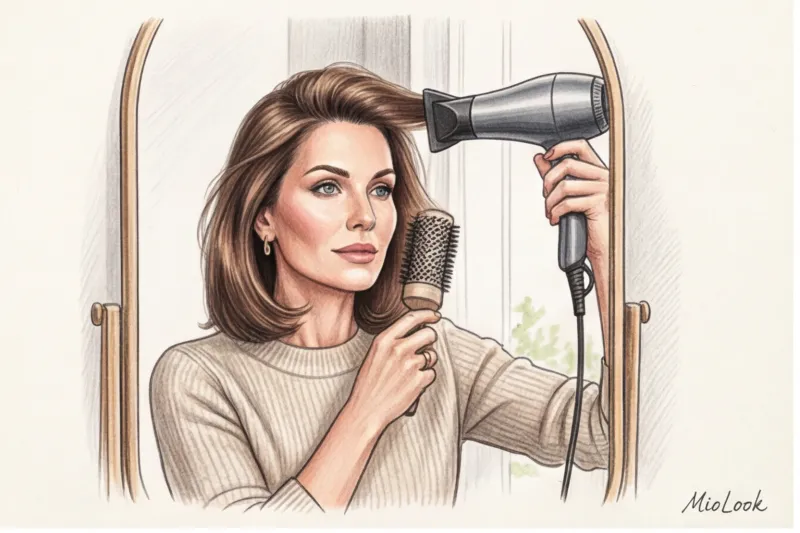
- Time test: Are you ready to spend 15-20 minutes styling your hair with a brush after every wash? Now here's the harsh truth: long hair without styling after age 35 looks unkempt. If your maximum is to wash your hair and go to bed, consider a stylish bob.
- Scalp condition: According to the International Society of Trichologists (2023), after age 35, due to a natural decline in estrogen production, women lose up to 20% of the natural density and moisture in the hair shaft. If you notice significant thinning, it's best to temporarily switch to a medium-length cut (an elongated bob) and consult a trichologist to correct the deficiency.
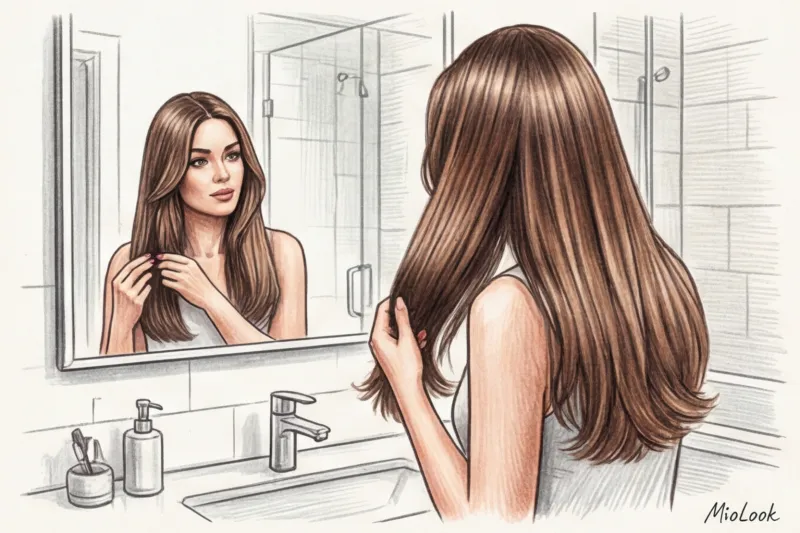
Action Plan: What to Tell Your Hairdresser to Renew Your Length
The biggest mistake a salon makes is to tell them to "just trim the ends and shape them." Thinning shears on fine, mature hair are a crime; they chop off the ends and make them frizzy.
To achieve a modern, rejuvenating shape, use this client dictionary:
- "I want to keep the length, but I want a close cut without thinning out the ends."
- "Let's create ghost layers inside the canvas to give the hair movement as it walks."
- “I need face-framing, starting from the cheekbones, to visually lift the oval of my face upward.”
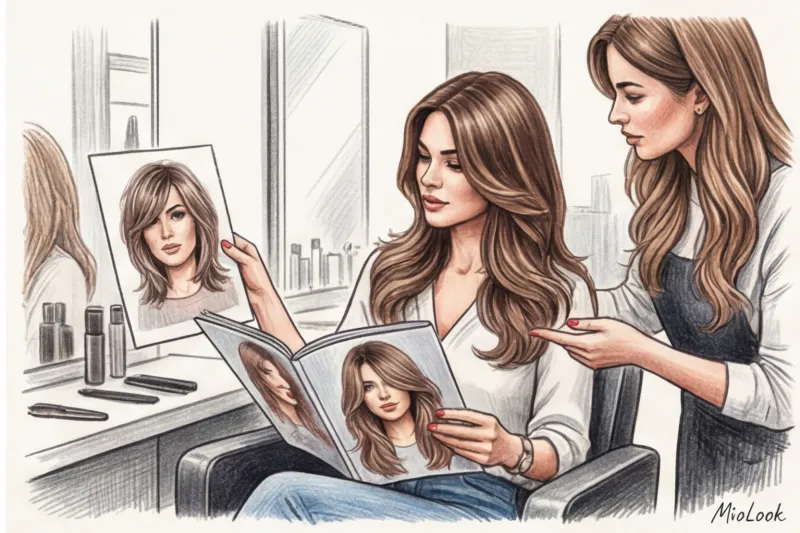
"Long hair after 35 isn't a taboo, but a luxury that requires modern styling and conscious care. Don't be afraid of length, but be afraid of static and flat colors."
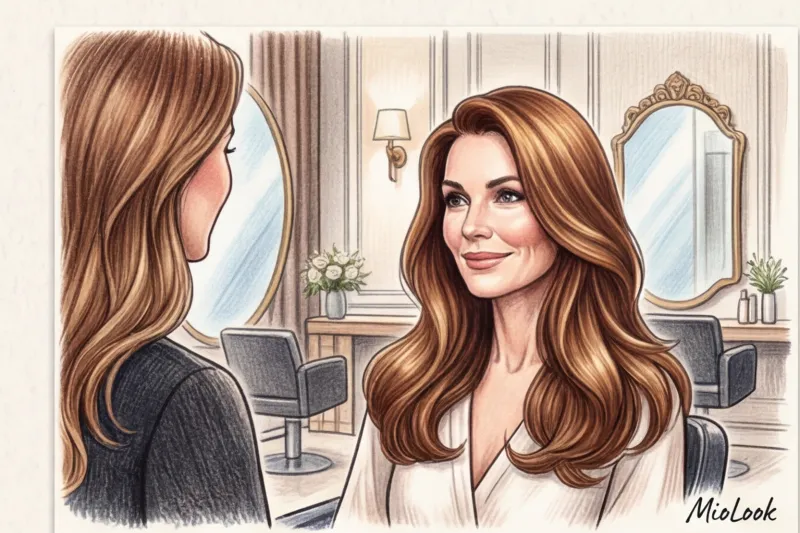
You have every right to wear your hair at the length that makes you happy and confident. Forget the rules invented half a century ago. Get a smart layered cut, add a bold color, invest in a good styling product for volume—and enjoy your luxurious hair at any age. After all, true youth lies not in the date on your passport, but in the ease and dynamism of your look.