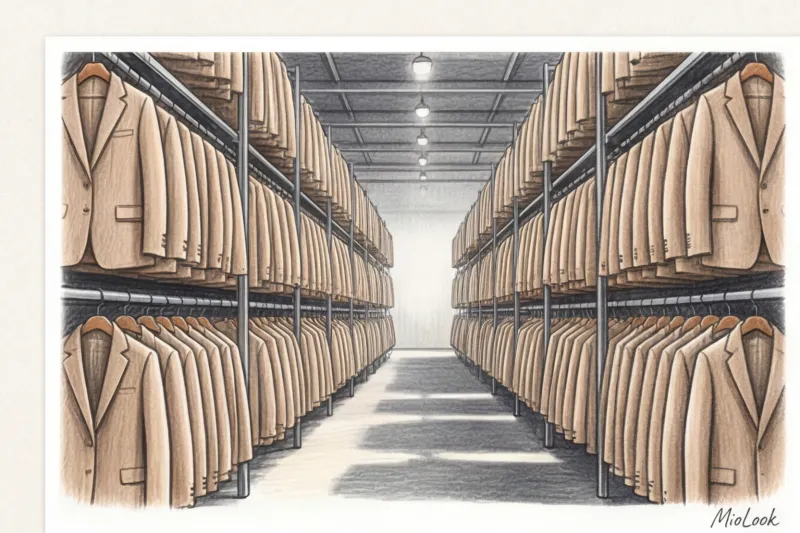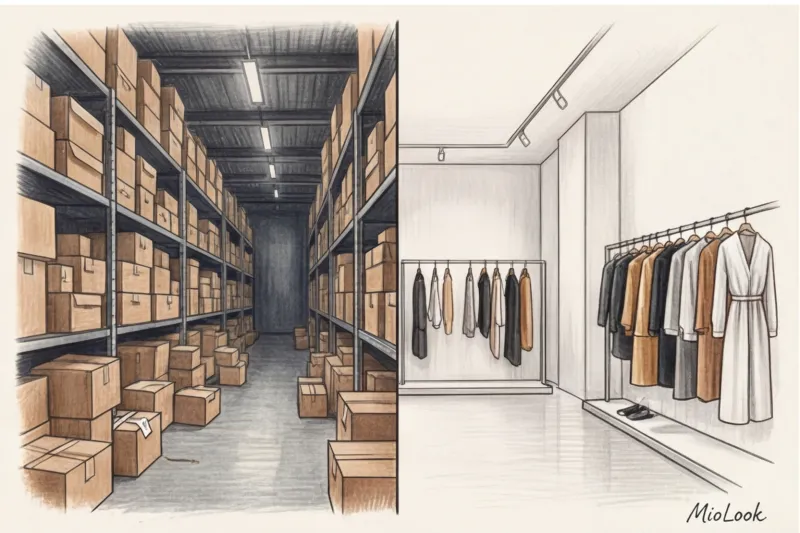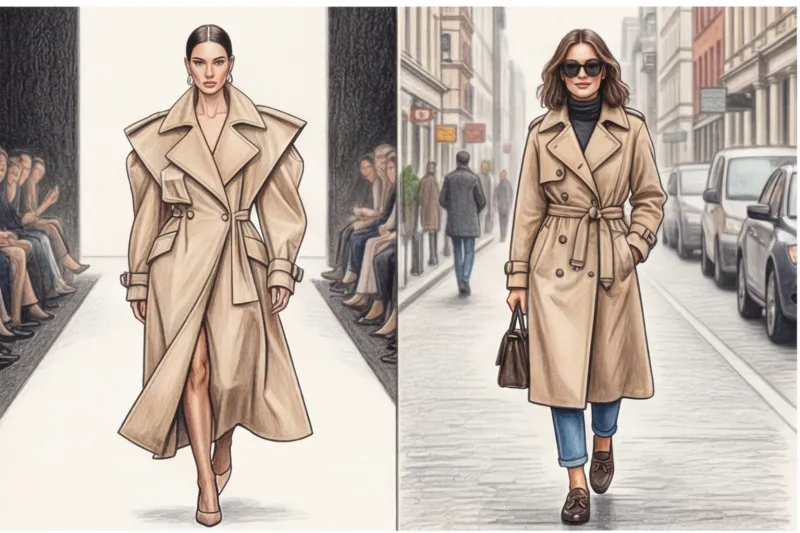
Imagine a disaster: a brand produces 10,000 pieces of trendy sheer dresses, capitalizing on a viral social media aesthetic. The collection hits retail... and ends up sitting on shelves like dead weight. Why? Because algorithms create the illusion of a unified global demand, erasing climatic and cultural boundaries. But what garners millions of views against the backdrop of Milanese architecture sells very differently on the windy streets of Helsinki or in sweltering Dubai. Deep clothing market analysis — it's more than just collecting dry demographic statistics. It's the art of translating macrotrends into the language of patterns, fabric densities, and regional color palettes. We've covered how algorithms predict global changes in more detail in our comprehensive guide. Analytics for the Fashion Business: AI and Trend Forecasting In this article, I'll show how catwalk hits work in practice only after rigorous "cultural and climate filtering" on the ground.
Your perfect look starts here
Join thousands of users who look flawless every day with MioLook.
Get access — €0.99 onceGlobal Trends vs. Local Reality: Why Apparel Market Analysis Is Necessary
We've become accustomed to the belief that globalization has made audiences more uniform. This is the most dangerous trap for any buyer. According to the authoritative McKinsey State of Fashion (2023) report, up to 30% of manufactured clothing ends up as overstock or recycled, not because of poor design decisions. The main reason is critical errors in the geographic distribution of product matrices.
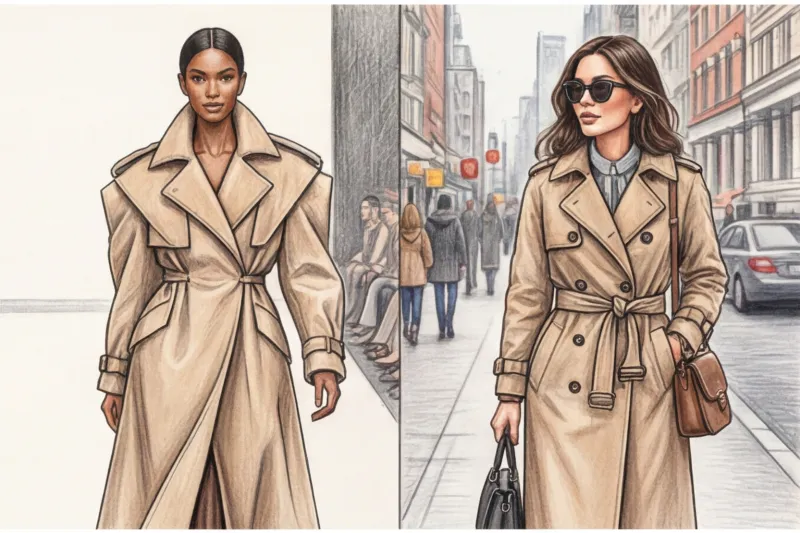
In my consulting practice, I experienced a painful but instructive experience. In 2019, an ambitious mid-market brand (with outerwear retailing around €150–250) released a batch of heavy wool coats in a trendy, hyper-voluminous cut. They distributed the supply evenly across their entire network. The result? Their northern branches were sold out within three weeks. And in the southern regions, the company experienced 80% returns and overflowing warehouses. Clients in the south wanted a relaxed silhouette, perfect for throwing over a silk dress on a cool evening, not a rigid, three-kilogram coat. The trend was right, but without a local context, it simply burned through the budget.
Three Pillars of Regional Adaptation: Climate, Culture, and Wallet
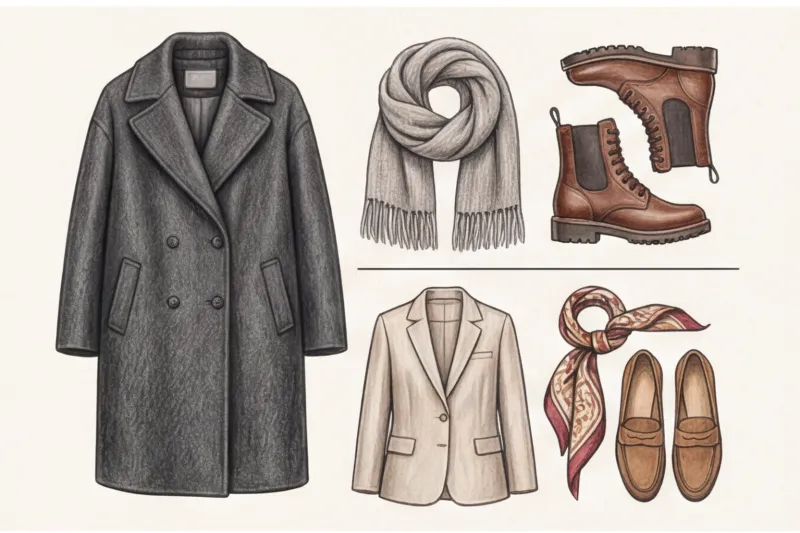
Any professional clothing market analysis It begins with studying your client's physical environment. I call this searching for a "local fashion code," which is always formed at the intersection of three fundamental factors: weather, local mentality, and purchasing power.
Climate factor and seasonal matrix
The word "winter" in a supply table is a dangerous abstraction. The illusion of a single season forces brands to make the same mistakes year after year. For a region with mild, humid winters (around 5°C), the foundation of a winter capsule collection is complex layering: thin cashmere turtlenecks, windproof trench coats, and lightweight quilted vests under coats. For a harsh continental climate, the same capsule should be built around high-tech membrane insulation and thick knitwear.
Have you ever noticed how the same sweater can feel different in different cities? The difference in fabric density for the same seasonal collection in different latitudes can reach 400 grams per square meter. In practice, this means that the material plays a much more important role than the cut itself.
Cultural codes and level of conservatism
The degree of acceptable body exposure, attitudes towards neon flashes or extravagant asymmetry are dictated exclusively by local culture.
Let's take business dress codes. In large IT hubs women's business casual The brand embraces relaxed silhouettes: high-quality basic T-shirts paired with a loose jacket and minimalist sneakers. Trying to sell tailored two-piece suits there will be a flop. However, in industrial, financial, and bureaucratic centers, it's precisely the strict formal dress code that generates the brand's bulk of revenue. Ignoring this rule is voluntarily handing over profits to competitors.
Access to MioLook for €0.99 — one-time payment
A smart AI stylist will select the perfect look based on your individual parameters.
Get access — €0.99 onceDigital Revolution: How AI Collects Data for Local Analysis

The era when buyers made decisions based on intuition and ten-person focus groups is gone forever. Today, big data rules the roost. Algorithms from international agencies like WGSN and predictive analytics are completely changing the rules of the retail game.
As a fashion journalist, I regularly explore the underbelly of retail technology and see what modern computer vision is capable of. Intelligent modules like street style analysis technologies MioLook , processes thousands of photos taken on the streets of a specific city. The neural network recognizes more than just colors—it records skirt lengths, pant leg widths, layering styles, and even the texture of materials worn by passersby. This allows for monitoring local demand in real time, rather than relying on a rearview mirror.
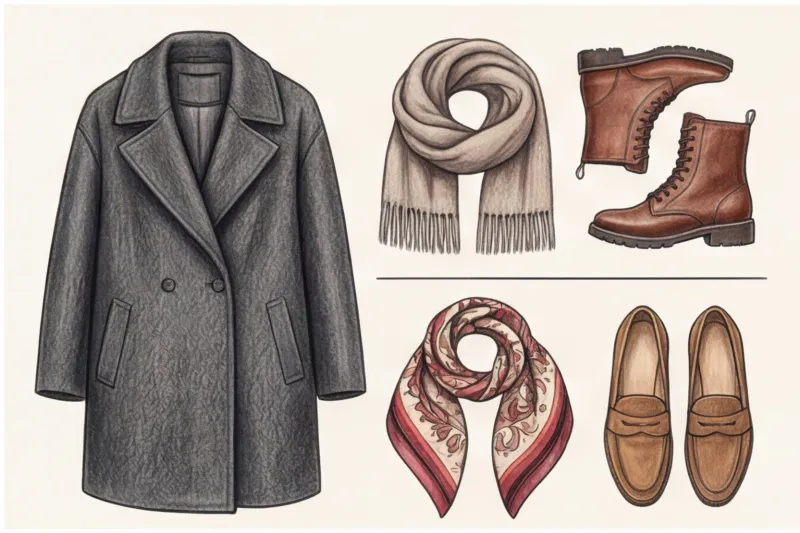
From Report to Templates: An Algorithm for Adapting a Collection to a Region
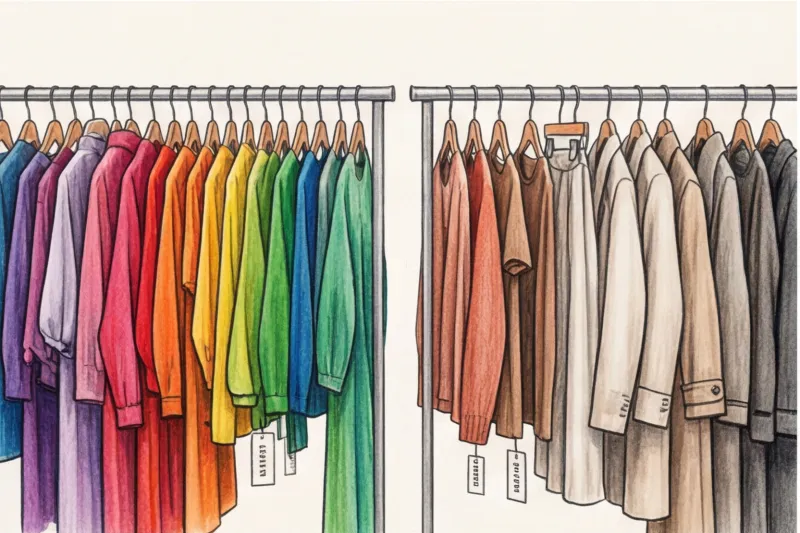
How do you translate a massive amount of digital data into a tangible commercial product? Over the years of working in the industry, I've developed a clear algorithm used by the most successful product managers at international brands.
- Step 1: Selecting the "core" of the collection. You define the key silhouettes of the season. For example, wide-leg palazzo pants and a structured oversized jacket. This is your overall denominator.
- Step 2: Adaptation of materials. This is where the magic of localization begins. The same trouser cut is made in three variations: heavy wool suiting (for northern climates), a viscose-elastane blend (for moderate climates), and 100% linen or lyocell (for hotter regions).
- Step 3: Localizing the color palette. The balance of base and accent shades directly depends on the level of insolation (number of sunny days) in the region. In cloudy cities, complex, dusty shades often look "dirty," calling for cleaner, more contrasting, or, conversely, deeper, darker tones.
- Step 4: Test micro drops. Instead of ordering a staggering 50,000-unit batch, modern brands release limited-edition capsules, measure the first-week sell-through rate in specific locations, and only then reorder the volume.
Case Study: When One Color Sells Differently
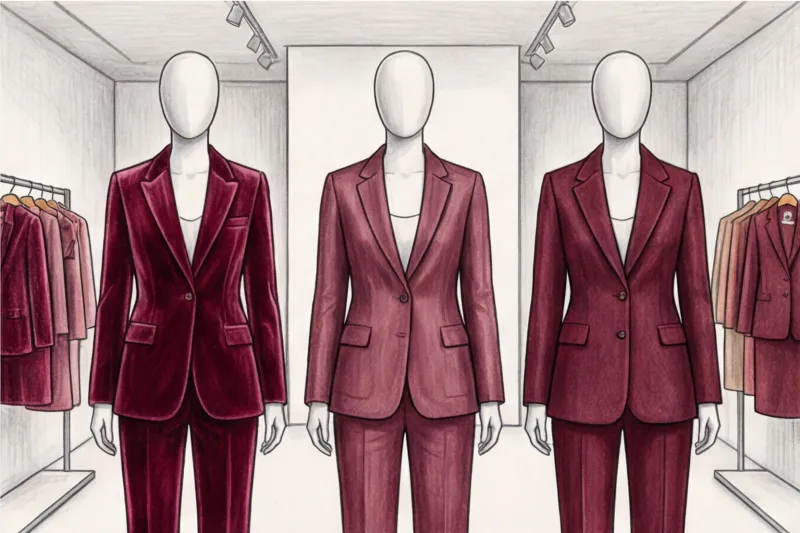
Let's look at how a trendy shade works (or doesn't work) without regard to texture. Consider the recent boom in butter yellow and deep burgundy.
One major mass-market brand took a risky bet on the versatility of these colors. They shipped identical smooth knit tops and synthetic skirts to all their stores. In southern locations, the "butter" color was indeed a hit, but exclusively In lightweight, breathable fabrics—linen shirts and cotton sundresses. Synthetic knitwear failed there. In the northern regions, this same delicate shade found its way into dense, textured, chunky-knit cardigans and voluminous scarves.
The brand's mistake was that they tried to sell "just color," forgetting the main rule: the visual perception of shade is inseparable from the tactility of the fabric and the temperature outside.
Ready to get started?
Try the free plan—no commitments. Create your smart wardrobe in just a few clicks.
Get access — €0.99 onceMyths about regional demand that are killing the fashion business
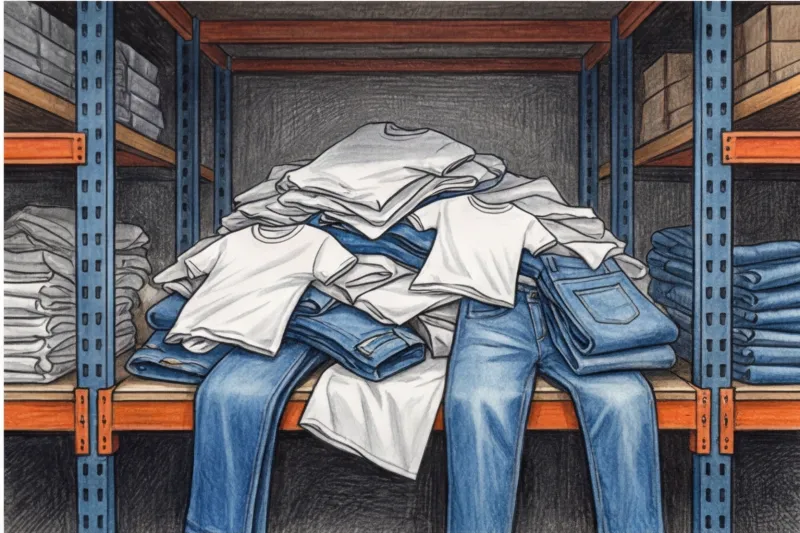
Working with retailers, I constantly encounter a condescending approach to regional markets. Let's dispel the main illusions that cost companies millions of euros.
Myth 1: “The base is sold the same way everywhere.”
It's counterintuitive, but there's no such thing as a universal basic wardrobe. Straight-leg jeans and a white T-shirt aren't a given. In the South, the "perfect white T-shirt" is a lightweight, semi-fitted, 120g/m² cotton. In the North, a dense, structured 180g/m² cotton is considered a basic, offering opacity and excellent shape under a heavy sweater.
Myth 2: "Regions are 2-3 years behind the capitals."
Perhaps this was the case fifteen years ago. Today, algorithms have leveled the information field. A girl in a small northern town sees the same runway shows as a city dweller. Only the practical applicability of the trend differs: for example, a categorical rejection of micro-shorts in favor of trendy maxi skirts made of thick wool due to the climate.
Myth 3: “Everyone wants to look expensive.”
The concept of "expensive" and local status codes differ dramatically. In one region, status is still emphasized by flashy accessories and recognizable silhouettes. In another, it's through obsessive attention to composition (in the €300+ price range, a buyer will look for 100% cashmere for a sweater) and a completely anonymous, minimalist cut in the style of "quiet luxury."
Summary: How to Make Analytics Your Key Buyer

A competent analysis of the apparel market isn't blindly copying competitors or playing a guessing game with Excel spreadsheets. It's a deep, empathetic integration into your local customer's daily lifestyle. When you understand how someone gets to work, what the weather is like nine months a year, and what fabrics make them feel confident, numbers translate into successful collections.
The future of the fashion industry belongs to those who reject the dictates of intuition in favor of objective data. Flexible product matrices and the understanding that the same jacket for two different latitudes requires completely different execution—this is your shield against overproduction. Don't try to force a client to wear your trend. Adapt the trend so that the client won't want to take it off.