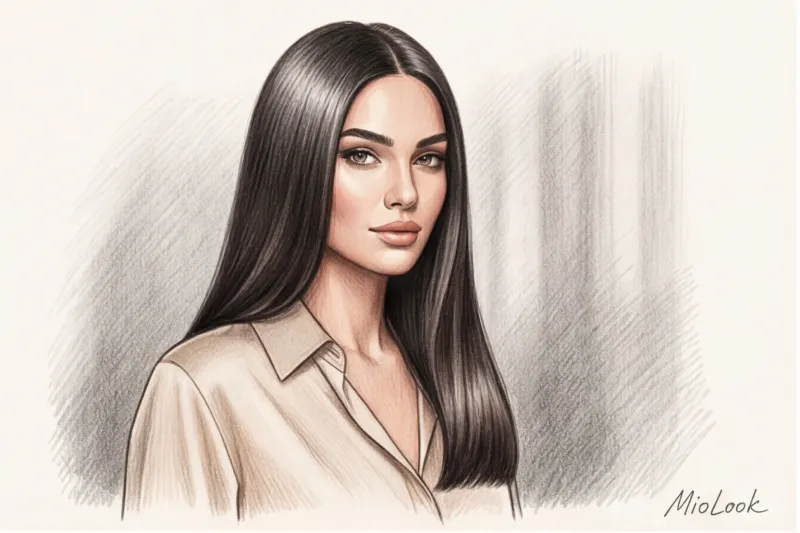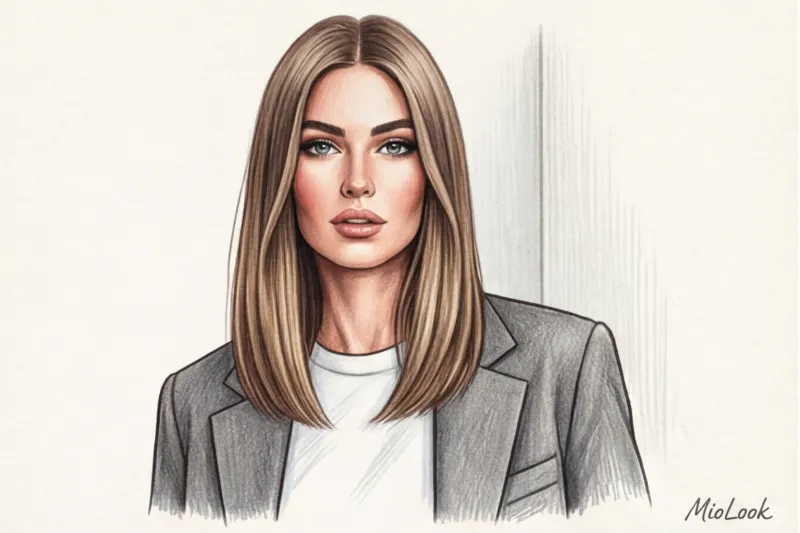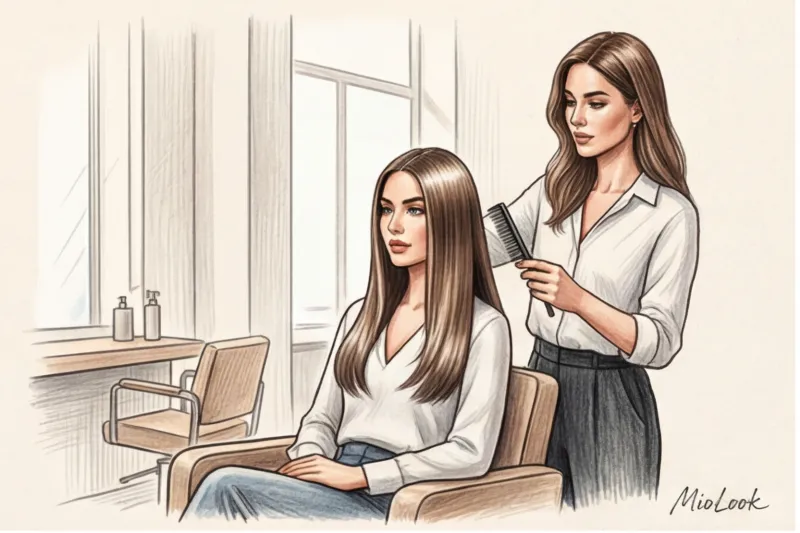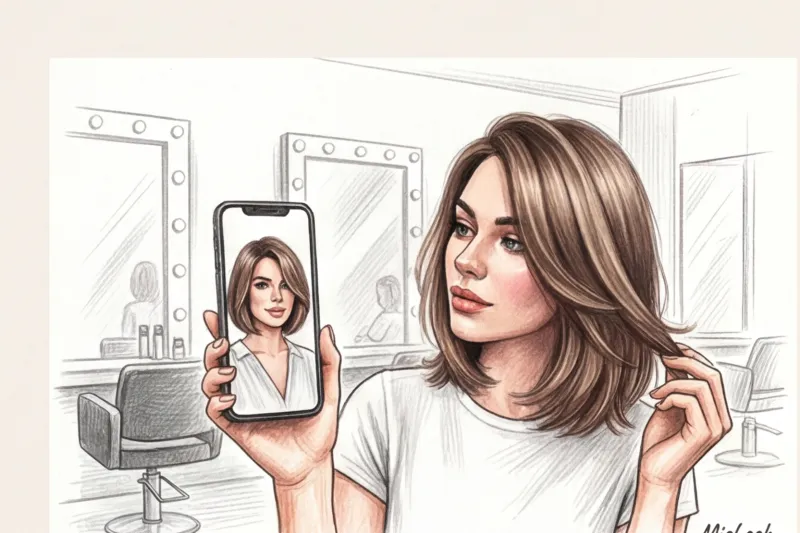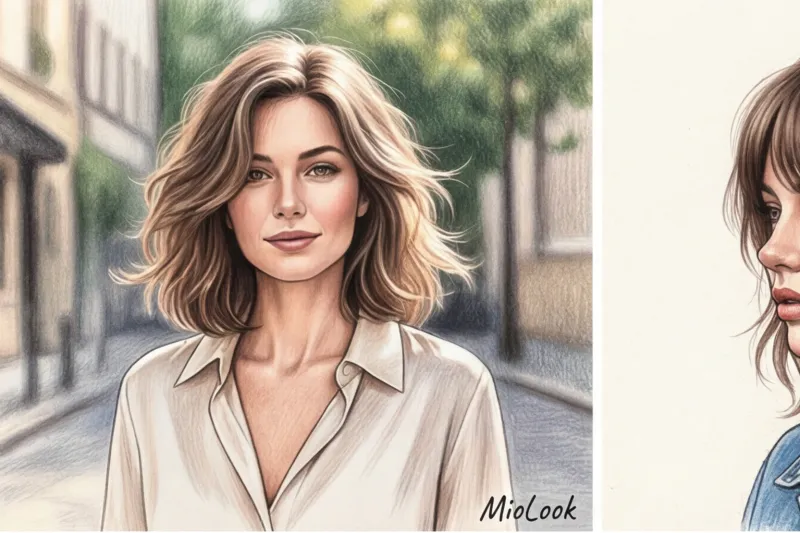
I remember the day Anna, the CFO of a large company, came to see me. She sat in my chair with a perfectly long, heavy bob that took forty minutes every morning to style, using a flat iron and gallons of smoothing cream. "I look too prim, like a strict teacher, and I want to project modern confidence," she sighed. I suggested a longer wolf cut. Her eyes were filled with absolute horror: "Isabella, that's for punks and TikTok teenagers! They won't understand me at the board meeting."
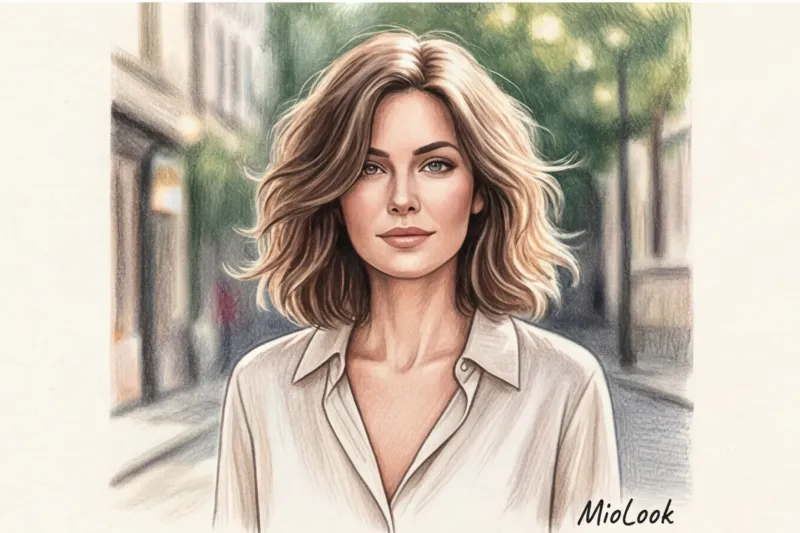
We took a chance. A week later, Anna sent me a selfie from the business center elevator: "It's magic. My formal wool suits suddenly took on a new look, their mothballed look disappeared, and getting ready in the morning now takes exactly seven minutes." Her asymmetrical hair texture was the perfect contrast to her minimalist wardrobe.
This case perfectly illustrates how correct layered haircuts for women have transcended the boundaries of subcultures. Today, they have become a powerful tool for creating status images in the style of "quiet luxury." We discussed in more detail how these trends emerged in our a complete guide to fashionable women's haircuts In this article, we'll explore the shaggy, mullet, and wolf cut not just as trends, but as elements of a smart wardrobe that work for you, not against you.
The Architecture of Freedom: Why Layered Women's Haircuts Have Become the New Classic
For years, the beauty industry has sold us the idea of perfectly smooth hair. But this standard comes at a price. A large-scale study by Dyson, published in 2023, confirmed what trichologists have been saying for years: daily exposure to temperatures above 150°C inevitably destroys the hair's keratin bonds. As a stylist, I constantly see this "glass noodle effect"—hair that's straight but completely lifeless.
The modern approach takes us back to the philosophy of the legendary Vidal Sassoon school: the haircut's architecture should hold itself Layering is the pinnacle of hairdressing, where the stylist creates the inner framework of the shape.
What does a well-executed multi-layer form give?
- Enormous time savings: You reduce your styling time by 70-80% (from the usual half an hour to 5-7 minutes).
- Healthy tips: Avoiding daily straightening allows you to grow a thick cut.
- Dynamics in the image: The hair reacts to your every movement, creating a feeling of lively, expensive carelessness (expensive hair).
Shaggy: French casualness and facial geometry correction
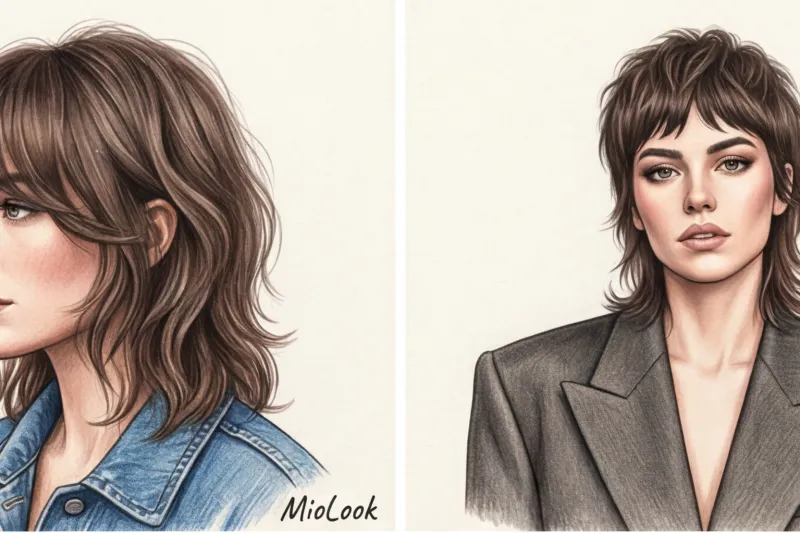
Shaggy haircut (from English shaggy The shaggy hairstyle has come a long way from the rock 'n' roll scenes of the '70s to the aesthetic of modern Parisian women. Today's reincarnation of this style is devoid of its former aggressiveness. Its main features are soft, choppy strands around the entire perimeter of the head and the obligatory long curtain bangs.
"A shaggy cut works better than any facial sculptor. The right length of layers can visually alter the face's geometry without a drop of makeup," says Isabella Garcia.
In my practice, the shag has been a lifesaver for clients with a heavy jawline (square or rectangular face shapes). We once did a wardrobe review with a woman who constantly wore turtlenecks to hide what she perceived as a short neck. We reshaped the cut, creating layers in the shag that ended just below the cheekbones, revealing the collarbones. The neck visually lengthened by several centimeters, and the heaviness of the chin was offset by a soft texture.
But there is an important limitation: Shaggy hair is absolutely unsuitable for hair that has been chemically damaged to a straw-like consistency (for example, after a failed total blonde). Torn ends on a damaged base will look untidy and transparent. In this case, you first need to restore the hair's density.
Access to MioLook for €0.99 — one-time payment
A smart AI stylist will select the perfect look based on your individual features and your new haircut.
Get access — €0.99 onceMullet: Debunking Stereotypes About the Most Controversial Haircut
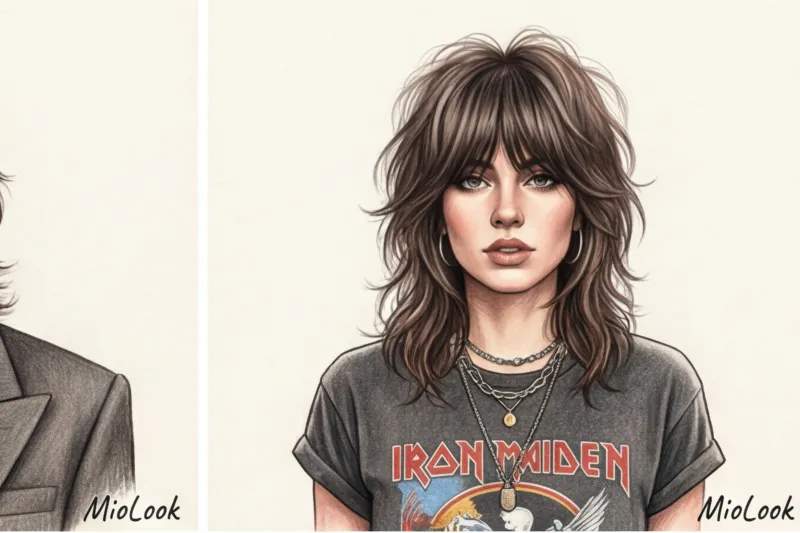
If the word "mullet" conjures up images of David Bowie as Ziggy Stardust or '80s action heroes with their "business in the front, party in the back" mentality, it's time for a refresher. The runways of recent years (from Tom Ford to Gucci and Jil Sander) have proven that the mullet has been reborn as a chic look. soft mullet.
Unlike the classic version, where the transition between short sides and a long back was sharp and graphic, the soft mullet involves a smooth blend. The layers flow gently into each other, creating an elongated silhouette at the back and a textured "cap" on top.
Herein lies my favorite stylistic paradox (counter-intuitive insight). A common myth holds that a mullet is the enemy of office dress codes, making you look like a rebel. The truth lies in the rule of polar contrasts. If you wear a hoodie and ripped jeans, a mullet will indeed take you into a grunge mood. But if you pair a soft mullet with a sharp, double-breasted menswear jacket, a smooth silk shirt, and minimalist stud earrings, you'll achieve the look of a classy intellectual. This haircut instantly takes the edge off overly formal, "age-conscious" suits.
Wolf Cut: The Perfect Hybrid for Maximum Volume
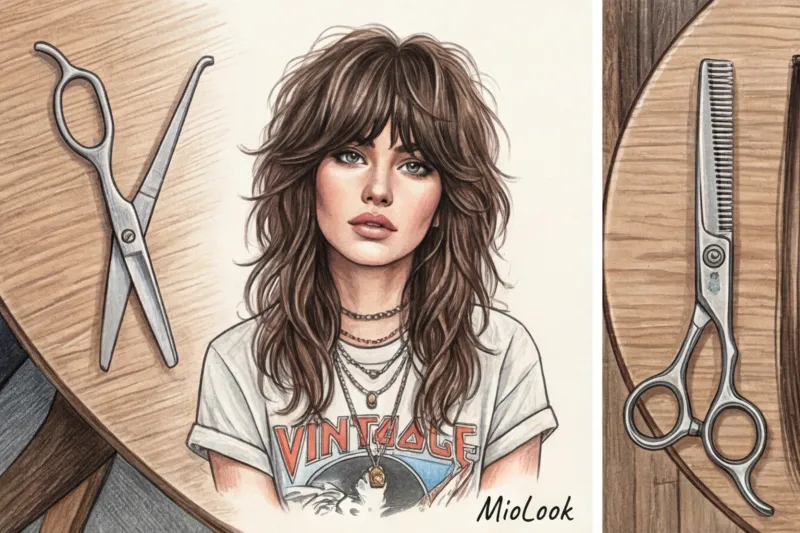
The wolf cut is a brilliant fusion of the shag and mullet that has literally taken the industry by storm. It combines the best of both worlds: the voluminous, full crown of the mullet and the soft, face-framing layers of the shag.
The wolf cut's anatomy is based on strong thinning of the ends while maintaining density at the roots. This is why it creates phenomenal root volume even on heavy hair. And this is where its main cost-effective advantage lies.
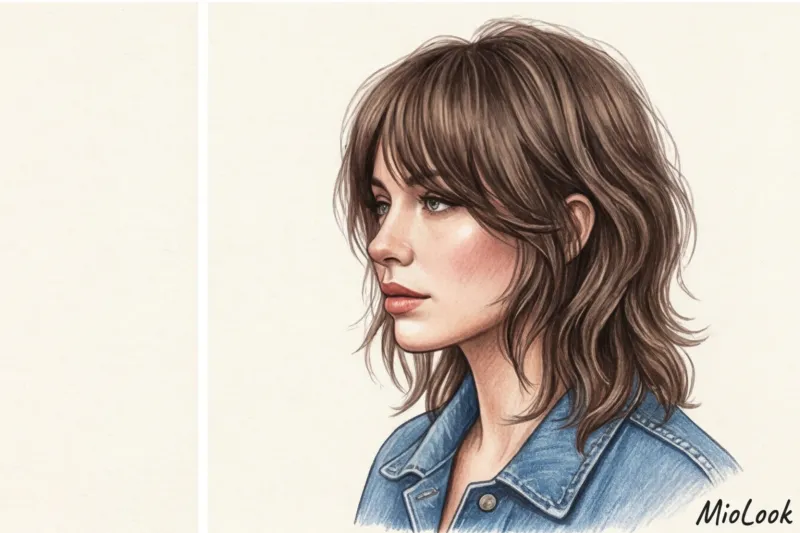
In its 2024 report, the analytical agency WGSN noted the trend for "long-lasting haircuts." The wolf cut grows out incredibly harmoniously. Unlike a bob, which loses its shape after 3-4 weeks and requires correction, the wolf cut maintains a wearable shape for up to 8-10 weeks. The top layers gradually lengthen, transforming the cut into a classic shag and then a cascade.
Secret from the top masters: A competent wolf cut is done using the following method point-cut Point cutting is a technique where the scissors cut sharply at an angle. If your hairdresser picks up classic thinning shears (serrated) and starts mercilessly chopping strands from the roots, run. This is a surefire way to a droopy crown and fluffy ends.
Your perfect look starts here
Join thousands of users who look flawless every day with the MioLook AI assistant.
Get access — €0.99 onceAnatomy of a Shape: Choosing Layers for Your Hair Type
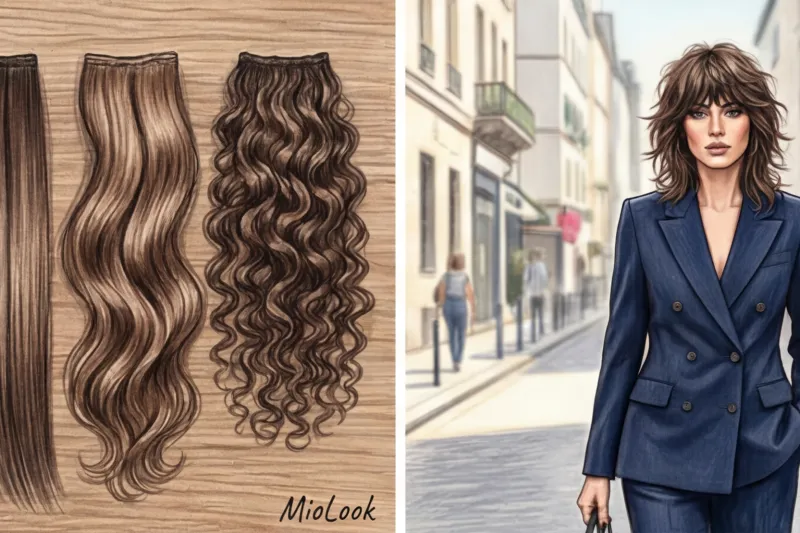
The main rule of an architectural haircut: the shape should adapt to your natural texture, not disrupt it. What looks luxurious on thick Asian hair will ruin thin Slavic hair.
For fine and straight hair
For girls with fine hair, deep thinning is a death sentence. The ends will instantly become transparent and look like a spider web. For this type of hair, stylists use the technique hidden layers (invisible layers) and slicing (sliding cut). The outer layer of hair remains dense, while the inner shortened layers create an invisible frame that lifts the top strands, creating the illusion of thickness.
For thick, porous and curly hair
Layers are the best gift you can give to thick, heavy curls. Without layers, curly hair often takes on a triangle or tent shape, widening at the base. A shag or wolf cut removes excess weight from the perimeter, allowing the curls to form naturally into bouncy spirals.
For curly girls, the rule is critically important dry cut Hair stretches when wet, and the stylist can't predict how the curl will bounce when dry. Dry cutting allows you to sculpt the shape like a sculpture.
Hair as an accessory: harmonizing your haircut with your wardrobe
As a personal stylist, I always say: your hair is your most important accessory, the one you wear every single day. And it doesn't exist separately from your clothes. If you're switching from a sleek cut to a textured one (shaggy, mullet), your approach to your wardrobe needs to change. By uploading your new photos to the "smart wardrobe" feature in MioLook , you will immediately notice how the geometry of your usual combinations changes.
My secret formula for layered haircuts is based on a balance of textures:
- Complex hair textures require simple fabrics. Opt for smooth textures: suit wool (super 100s and above), heavy cotton (180 g/m² and above), silk, and satin. They provide a calm backdrop for a more active hairstyle.
- Status formula: A wolf cut + a straight-cut double-breasted jacket (in the style of Massimo Dutti) + wide palazzo shoes + leather loafers = instant chic. The jacket's crisp lapels perfectly offset the boldness of the haircut.
Dangerous combinations (when it DOESN'T work): Pairing a choppy shaggy haircut with clothing featuring a bold, small print (especially floral boho) or an abundance of ruffles and lace creates visual noise. The look instantly becomes fragmented, chaotic, and downright cheap.
The Smart Shape Rule: A Texture-Care Checklist Without Heat
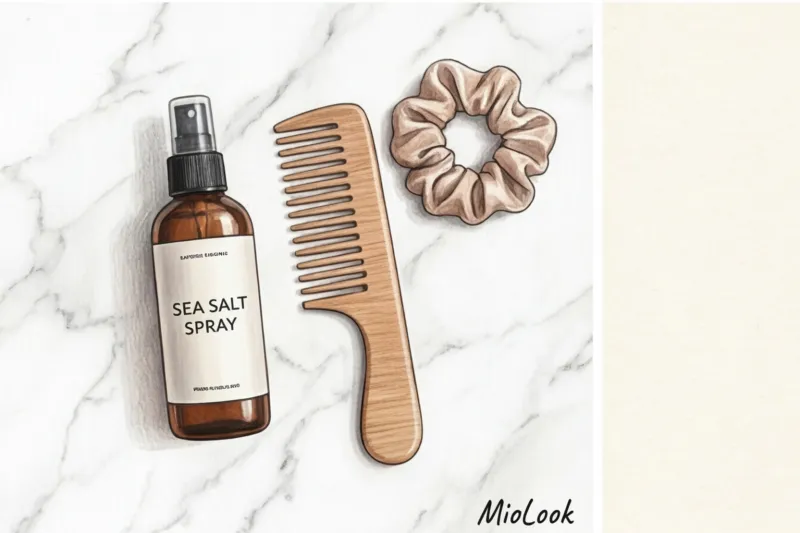
To get a haircut that looks as cool as the day you left the salon, you'll have to ditch the fine-tooth comb and classic strong-hold hairsprays. Here's my tried-and-true new-school styling checklist:
- Wash and dry: After washing, don't rub your hair with a towel. Use the "plopping" technique: gently pat your hair dry with a microfiber turban or an old cotton T-shirt. Then, blow-dry your hair with a diffuser attachment on medium heat, with your head upside down.
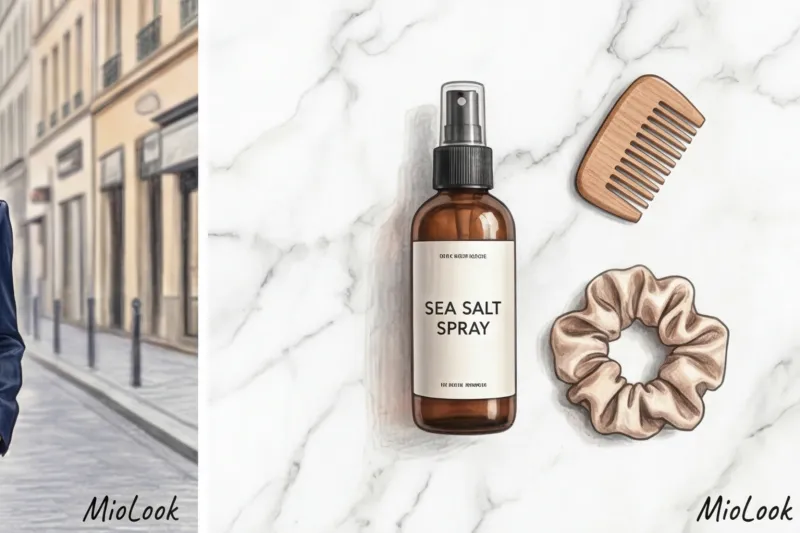
- Styling: Your new best friend is sea salt spray. Choose options without harsh alcohols (in the mid-price range of €15–€30, you can find excellent products from brands like Davines or Kevin Murphy). Apply the spray to damp roots and lengths, and shape strands with your hands. To accentuate the ends, use a pea-sized amount of matte texturizing paste.
- Refresh on the second day: No need to re-wash your hair. Lightly dampen your hair with a spray bottle of water and apply a pea-sized amount of leave-in conditioner, scrunching strands from the bottom up.
Conclusion: Your best investment in image
Layered haircuts for women—whether an elegant shag, a bold mullet, or a voluminous wolf cut—are more than just a passing fad. They represent a global shift toward embracing one's natural texture and eschewing the grueling daily rituals of hot curling irons.
A well-designed cut, tailored to your face and hair structure, frees up time for more important things while still looking modern and sophisticated. Find a stylist who understands the cut's architecture, abandon the idea of "hair-on-hair combing," and you'll see how this subtle casualness transforms your entire wardrobe, making it incredibly stylish and modern.