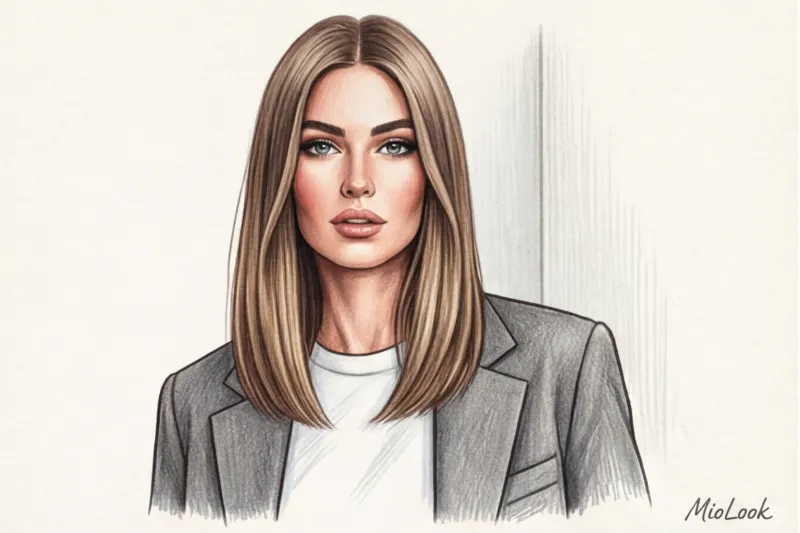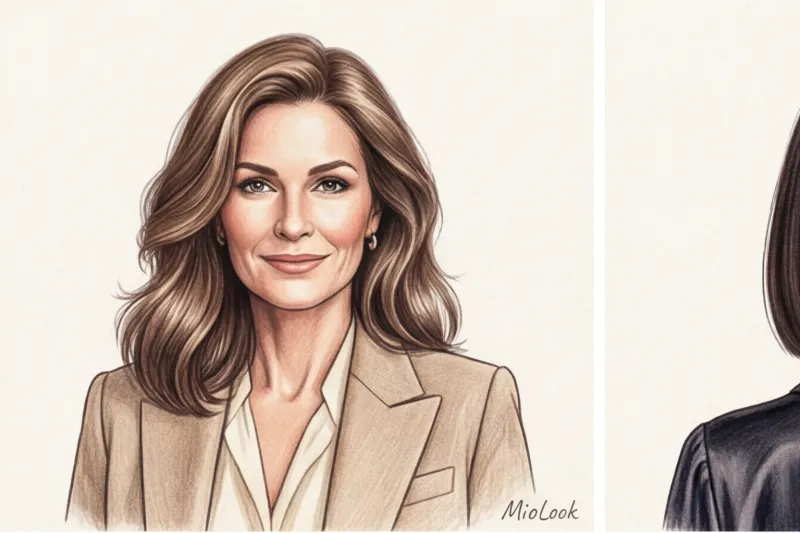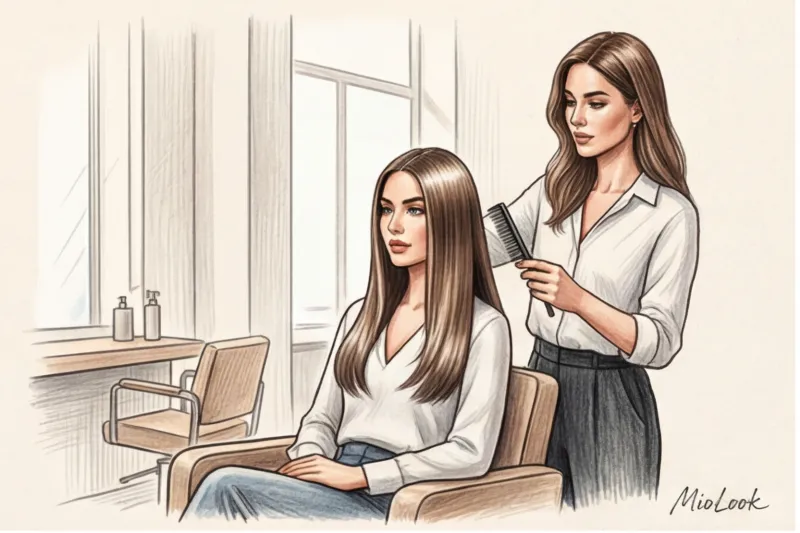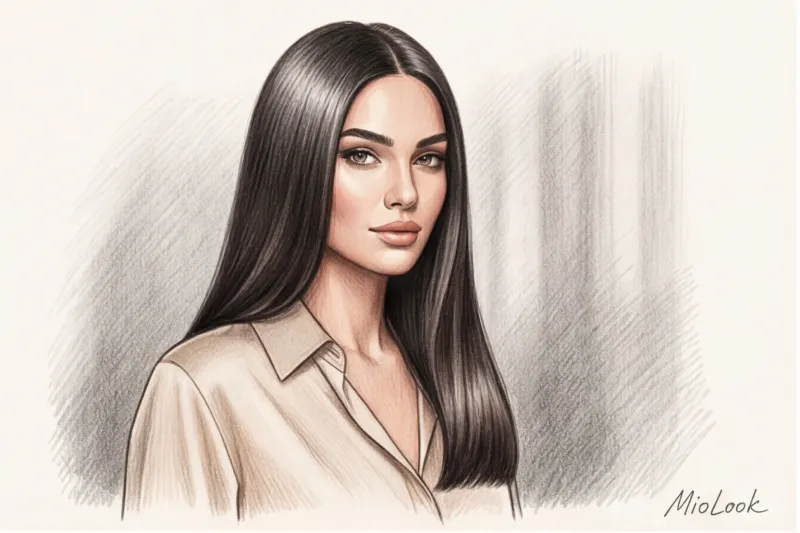
Філософія «розумної» форми: чому модні жіночі стрижки змінили вектор
Чи помічали ви, що можна одягнути базові джинси з простою білою футболкою, і при цьому виглядати на мільйон, якщо ваше волосся лежить бездоганно? І навпаки: найдорожча сукня від Khaite або The Row миттєво втратить свій блиск, якщо на голові тьмяні, пересушені пасма невизначеної форми. За 14 років роботи персональним стилістом я засвоїла одне залізне правило: волосся - це ваш найголовніший аксесуар. Той самий, який ви «носите» щодня, не знімаючи. На відміну від сумки чи улюблених туфель, зачіску не можна залишити вдома, якщо вона раптом не підійшла до настрою. Саме тому сьогодні модні жіночі стрижки - Це не просто сезонний тренд з глянцю, а фундаментальна база всього вашого персонального стилю.
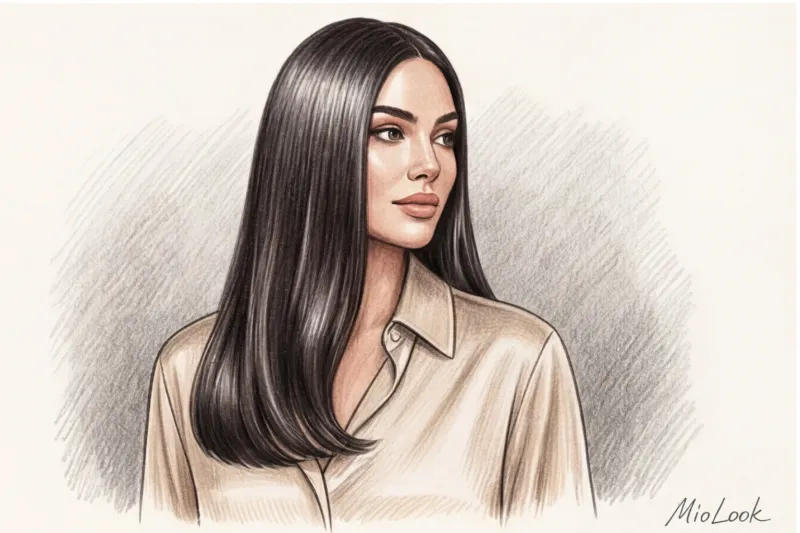
Зараз ми переживаємо глобальне зрушення парадигми. Епоха складних багатогодинних укладок з літрами лаку сильної фіксації остаточно пішла в минуле. На їхнє місце прийшла концепція «тихої розкоші» (quiet luxury) у б'юті-сфері. Що це означає на практиці? У фокусі - абсолютно здорове, струменеве і сяюче волосся з щільним зрізом, що читається. Статусність образу тепер вимірюється не складними завитками, побудованими волосок до волоска, а живою динамікою пасм та їх природним блиском. Подивіться на останні покази Jil Sander або Bottega Veneta — моделі виходять на подіум із так званими expensive hair («дорогим волоссям»): доглянутим, рухомим і без видимої присутності стайлінгу.
У зв'язку з цією головною вимогою до сучасних перукарів стало правило: форма повинна триматися сама. У 2023 році компанія Dyson опублікувала масштабне дослідження, що підтверджує катастрофічні наслідки щоденного термічного впливу: виявилося, що колосальний відсоток жінок незворотно пошкоджують структуру волосся прасками і гарячими плойками, просто намагаючись «утихомирити» стрижку, що не підходить. На моїй практиці цей сценарій постійно повторюється. Одна з моїх клієнток, топ-менеджер IT-компанії, роками витрачала по 40 хвилин щоранку на випрямлення свого пористого, злегка кучерявого волосся. Коли ми переконали її змінити майстра і зробити зріз, що враховує її природну текстуру, відбулося справжнє диво. Ми перейшли до «розумної» форми, і лише за півроку якість волосся повністю відновилася, а ранкова рутина скоротилася до 10 хвилин.
Секрет криється у правильній архітектурі. Грамотно збудований кут відтяжки та філігранний розподіл ваги волосся дозволяють обходитися без брашингу - пасма самі лягають у потрібному напрямку при природному висиханні. Це та сама розумна стрижка, що не вимагає укладання про яку сьогодні мріє кожна жінка. Якщо вам цікава механіка цього процесу, рекомендую вивчити наш матеріал про розумні стрижки за структурою волосся.
Перехід до природної текстури вимагає нагляду та розуміння своїх пропорцій. Перш ніж зважитися на кардинальну зміну іміджу в салоні (де якісна стрижка у хорошого майстра сьогодні обійдеться в діапазоні 80–150 €), варто «приміряти» силует віртуально. Ви можете використовувати програму MioLook щоб проаналізувати, як геометрія нової стрижки впишеться у ваш поточний гардероб і чи підійде вона до форми вашого обличчя. Пам'ятайте: правильна форма – це ваша головна інвестиція в ранковий час та щоденну впевненість у собі.
Головні модні жіночі стрижки цього року: геометрія, шари та текстура
Давайте будемо чесні: те, що надзвичайно виглядає в TikTok під ідеальним світлом кільцевої лампи, о восьмій ранку у вівторок перед виходом в офіс часто перетворюється на неохайну катастрофу. Соціальні мережі щодня генерують десятки мікротрендів - від екстремальної стрижки-медузи (jellyfish cut) до рваного "вовчого" каскаду. Але життєвий цикл таких трендів складає від сили місяць-півтора.
Як практикуючий стиліст, я завжди говорю своїм клієнткам старше тридцяти: нам потрібна не вірусна картинка, а передбачувана, статусна форма. Справжні модні жіночі стрижки Сьогодні базуються на чистій архітектурі. Ми повертаємося до зрозумілої геометрії та розумної текстури, які адаптуються під ваш графік, а не вимагають годинникових танців із брашингом біля дзеркала.
Секрет дорогого образу полягає в тому, що ваша стрижка має виглядати так, ніби ви взагалі не намагалися її укладати. Але за цією «недбалістю» завжди стоїть математично точний зріз та розуміння вашої природної текстури волосся.
Боб та його актуальні варіації: від Old Money до Italian
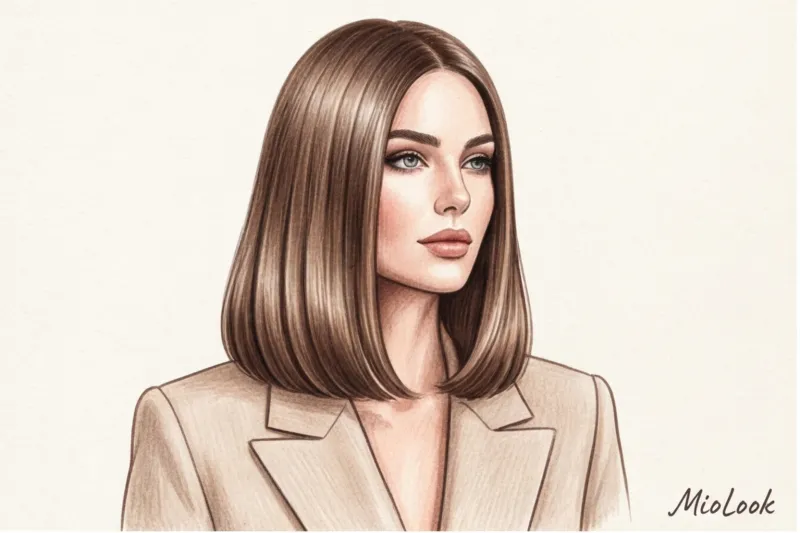
Якби мене попросили назвати головну стрижку десятиліття, я б без вагань вибрала біб. Але цього сезону він зазнав важливих змін. На зміну ідеально гладкому, витягнутому праскою скляному бобу (glass hair) прийшла розслаблена, розкішна естетика.
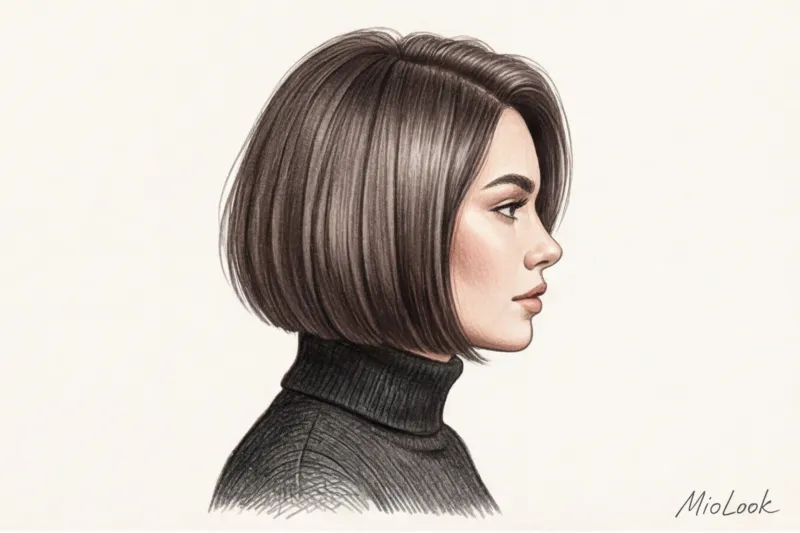
Абсолютний фаворит року - італійський боб. Його основні відмінні риси:
- Щільний, густий зріз. Жодного агресивного філіровки на кінцях. Лінія має бути візуально важкою.
- Природний обсяг біля коріння. Волосся не прилизане до голови, воно рухливе і повітряне.
- Довжина трохи нижче за підборіддя. Це та сама довжина, яка граціозно відкриває шию, але при цьому дозволяє волоссю красиво перекочуватися під час руху.
Ця стрижка ідеально вписується в естетику Old Money, транслюючи доглянутість та статус. Однак підтримання такої геометрії потребує регулярного коригування кожні 5-6 тижнів. У європейських салонах оновлення якісного зрізу у топ-майстра зараз коштуватиме в діапазоні 80–150 €, і це ті інвестиції у свій імідж, які окупаються щоденною економією часу.
Для тих, хто не готовий до кардинальних змін, існує подовжений боб (lob - long bob). Довжина до ключиць робить його безпечною і варіативною стрижкою. Ви зберігаєте можливість зібрати волосся у низький хвіст чи пучок (що критично важливо для спортзалу чи побутових справ), але у розпущеному вигляді отримуєте стильну, оформлену лінію.
Кому протипоказаний суворий геометричний боб? Я завжди відмовляю клієнток з вираженою квадратною щелепою або важкою нижньою третиною обличчя від зрізу по лінії підборіддя. Пряма горизонтальна лінія тут спрацює як маркер, візуально розширивши обличчя ще більше. У таких випадках ми зміщуємо акцент: або відводимо довжину нижче за ключиці, або додаємо м'яку асиметрію.
Доступ до MioLook за €0,99 — разовий платіж
Розумний AI-стиліст підбере ідеальний образ
Відкрити доступ — €0,99 разовоКаскад нового покоління та «невидимі» шари
При слові «каскад» багато хто досі зі здриганням згадує нульові: жорсткі рвані пасма, витончені кінці-бурульки і величезна шапка об'єму на маківці. Забудьте про це. Сучасні шаруваті стрижки – це зовсім інша ліга перукарського мистецтва.
Головна інновація останніх років, яку підтверджує і глобальний звіт WGSN Beauty (2024), — техніка ghost layers (невидимі шари). Як це працює технічно? Майстер не торкається верхнього покривного шару волосся, зберігаючи загальну щільність і довжину. Натомість він вистригає більш короткі пасма всередині маси волосся. Ці короткі внутрішні волоски працюють як невидимий каркас (або подушка), піднімаючи довгі пасма від коріння.
Особливо блискуче ця техніка працює на тонкому волоссі. Одна з моїх клієнток багато років мучилася з класичною слов'янською структурою: волосся довге, але на кінцях просвічувало, а об'єму не було зовсім. Ми відмовилися від класичного градуювання, зробили щільний зріз знизу і додали невидимі внутрішні шари. Візуально маса волосся збільшилася вдвічі, хоча довжина залишилася незмінною.
Ще один хіт - стрижка-метелик (butterfly cut). Це розкішна форма для густого волосся, де шари починаються від лінії підборіддя і плавно йдуть вниз, обрамляючи обличчя подібно до крил.
Невід'ємна частина сучасного шаруватого силуету. чубчик-шторка (curtain bangs). Це вічна класика, яка вирішує одразу три стилістичні завдання:
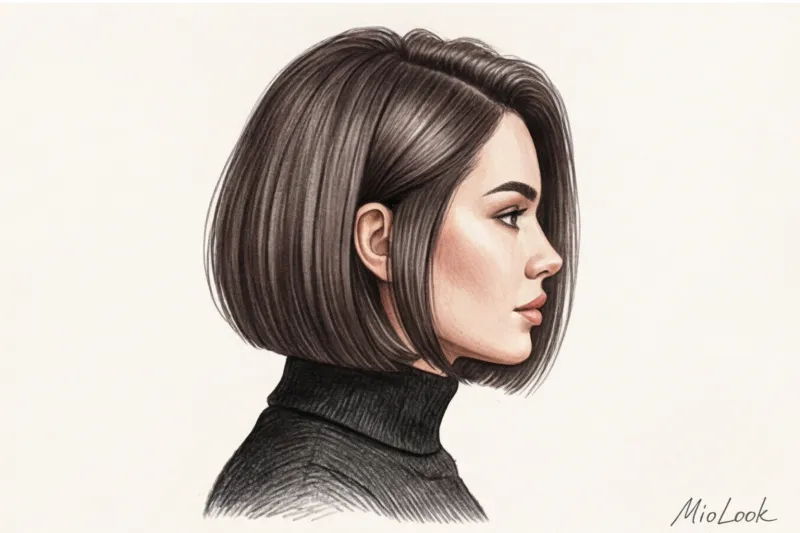
- Приховує вікові зміни в зоні чола та куточків очей.
- Візуально звужує обличчя та підкреслює вилиці.
- Плавно відростає, не вимагаючи походу в салон кожні два тижні (на відміну від прямої густої чубчика).
Короткі форми: бікси та м'яка піксі
Короткі зачіски цього року втратили свою агресивність. Час виголених скронь і жорсткого стайлінгу залишився в минулому. Фокус змістився на жіночність, м'якість та гру текстур.
Найсвіжіший гібрид сезону. бікси (bixie). Як відомо з назви, це симбіоз боба та піксі. Від піксі ця стрижка взяла зухвалість, об'єм на маківці та відкриту шию, а від боба — подовжені м'які пасма на скронях і потилиці. Це ідеальне рішення для жінок, які хочуть стрижку під хлопчика, але бояться втратити жіночність. Бікси не вимагає складного укладання феном - достатньо розтерти в долонях горошину пасти, що текстурує, і збити волосся пальцями.
Як стиліст, я обожнюю короткі стрижки за їхню здатність кардинально змінювати пропорції фігури. Мало хто замислюється, але довжина волосся це повноцінний елемент архітектури тіла.
Мініатюрним дівчатам зростом до 160 см я часто рекомендую розглянути піксі або бікси. Довге, важке розпущене волосся візуально «прибиває» невисоку фігуру до землі, порушуючи правило пропорції голови до тіла (голова починає здаватися занадто великою). Як тільки ми прибираємо довжину і відкриваємо шию, відбувається магія: лінія шиї оптично подовжується, плечі розправляються, і весь силует витягується нагору мінімум на 3-5 візуальних сантиметрів. Ви буквально починаєте здаватися вищими і стрункішими.
Вибір короткої форми також вимагає сміливості показати обличчя таким, яке воно є. М'яка піксі з подовженою асиметричною чубчиком відмінно нівелює легку асиметрію обличчя та привертає максимальну увагу до очей. Головне правило тут – уникати жорсткої фіксації лаком. Волосся має залишатися живим, щоб крізь нього можна було вільно пропустити пальці.
Укладки, які виглядають дорого: мінімум зусиль, максимум статусу
Дослідження в галузі корпоративного іміджу регулярно підтверджують цікавий факт: у строгому бізнес-середовищі абсолютно пряме, гладке волосся підсвідомо зчитується партнерами як маркер дисципліни, контролю та високого статусу. Одна з моїх клієнток, топ-менеджер у банківському секторі, якось зізналася, що з гладко витягнутим автоскладні переговори завжди йдуть продуктивніше. У той же час активні, пружні кучері часто асоціюються з творчим підходом, креативністю та спонтанністю. Саме тому вибір повсякденного укладання це не просто питання естетики, це потужний інструмент невербального спілкування.
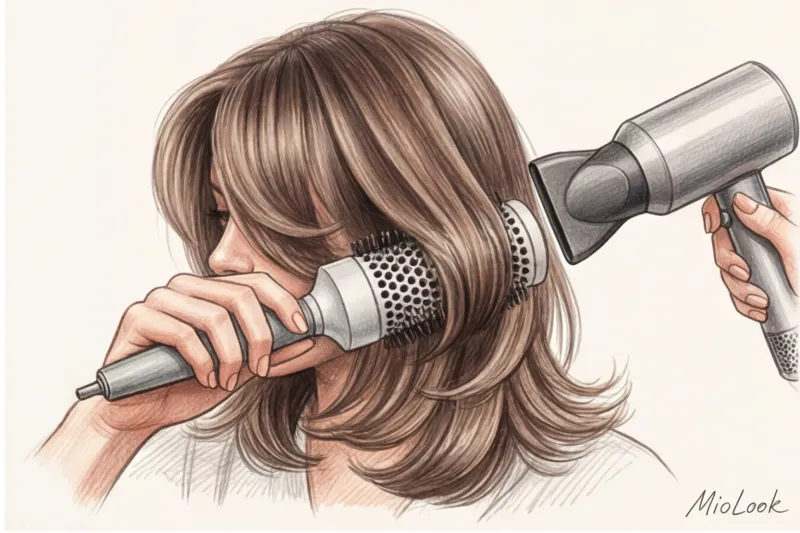
Гладкий шик (Blowout): тріумфальне повернення 90-х
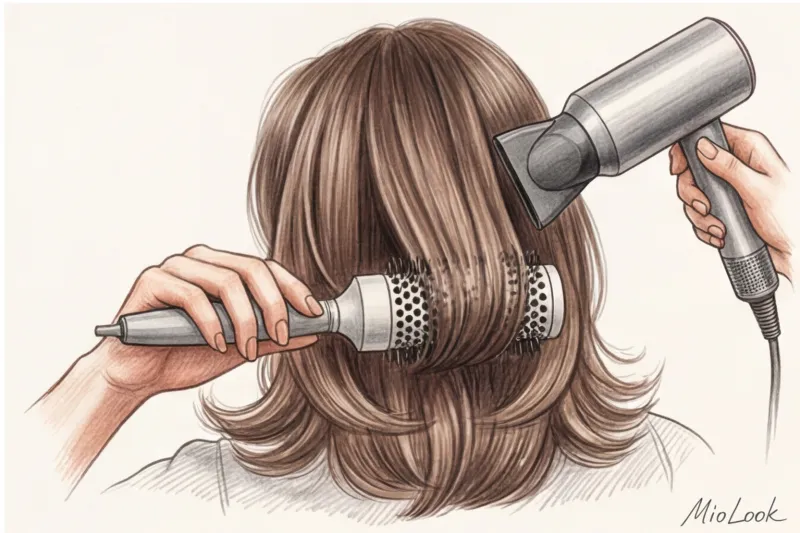
Якщо говорити про те, як виглядають по-справжньому дорогі модні жіночі стрижки в динаміці, то на перше місце виходить Blowout - естетика супермоделей дев'яностих років. Суть цього прийому криється в колосальному, але дуже рухомому обсязі біля коріння та м'яко підкручених кінцях. Для створення правильного ефекту вам знадобиться великий брашинг і фен з вузьким соплом, щоб спрямувати потік повітря вздовж кутикули волосся.
Головна помилка, що вбиває будь-яке дороге укладання - це нанесення лаку або текстуризатора на вже висушені пасма. Це правильний спосіб отримати ефект «дерев'яного», склеєного волосся, яке хочеться негайно змити.
Тут просто зобов'язана поділитися своїм головним професійним лайфхаком. Запам'ятайте: весь активний стайлінг наноситься виключно до сушіння феном. Будь то базовий ущільнюючий лосьйон за 15 € або люксовий мус для об'єму за 45 € - розподіляйте їх по вологому волоссю. Волога працює як ідеальний провідник. Під впливом гарячого повітря продукт буквально «впаюється» у структуру волосся, фіксуючи форму зсередини. В результаті ви отримуєте те саме розкішне укладання, до якого можна торкатися, а волосся при цьому струмує крізь пальці.
Текстура «після пляжу» (Beachy waves): грань між свіжістю та неохайністю
Повна протилежність до гладкого шику — текстура beachy waves. Однак у преміальному прочитанні вона не має нічого спільного зі сплутаними пасмами після триденного походу. Свіжа, а не неохайна «пляжна» хвиля будується на грамотному контрасті: довжина може бути трохи заломлена праскою або підкреслена сольовим спреєм, але кінці повинні залишатися прямими, щільними і добре зволоженими. Ще одна хитрість: наносите текстурующий продукт тільки на середню частину пасма, відступаючи від коріння і категорично уникаючи кінчиків. Якщо кінці пушатся, укладання миттєво дешевшає.
Архітектура проділу: правило однієї зони
Щоб будь-яка з цих укладок виглядала гармонійно та завершено, я завжди навчаю клієнток золотому «правилу однієї зони». Його суть полягає в грамотному балансі між геометрією та хаосом:
- Якщо волосся гладке (blowout, витягнуте праскою): вам необхідний ідеально рівний, прокреслений гребінцем-хвостиком проділ. Ця чітка лінія виступає як архітектурний каркас, збираючи весь образ докупи і додаючи йому строгості.
- Якщо волосся текстурне (хвилі, локони, активні шари): проділ має бути максимально «розмитим». Створіть його, просто перекинувши пасма пальцями злегка зигзагоподібно. Ідеально рівний проділ на текстурованому волоссі виглядає навмисне штучно.
Коли ви плануєте свій гардероб на день у програмі MioLook завжди враховуйте цю гру контрастів. Суворий діловий костюм-двійка в парі з розмитим проділом і легкою хвилею набуде актуальної розслабленості, рятуючи вас від ефекту «жінки у футлярі». У той же час ідеальна гладкість з вивіреним проділом здатна зробити навіть найпростіший об'ємний светр оверсайз.
Ілюзія простоти: розвінчуємо міф про «паризьку недбалість»
За даними глобального звіту WGSN (2024) про б'юті-тренди, понад 60% жінок, які обирають візуально «прості» природні укладання, щодня витрачають на них більше косметичних засобів, ніж любительки суворих гладких форм. Парадокс? Зовсім ні.
Фраза "зробіть мені стрижку, щоб я просто встала, помила голову і пішла" - це, мабуть, найруйнівніший міф у сучасній індустрії краси. Як стиліст, я регулярно бачу розчарування дівчат, які приносять до салону фотографії Каролін де Мегре або Жанни Дамас, очікуючи, що одні лише ножиці майстра скасують закони гравітації. Важливо розуміти: актуальні модні жіночі стрижки з ефектом «я щойно прокинулася» — це завжди результат вивіреної архітектури та грамотного нашарування стайлінгу, а не вдалої генетики.
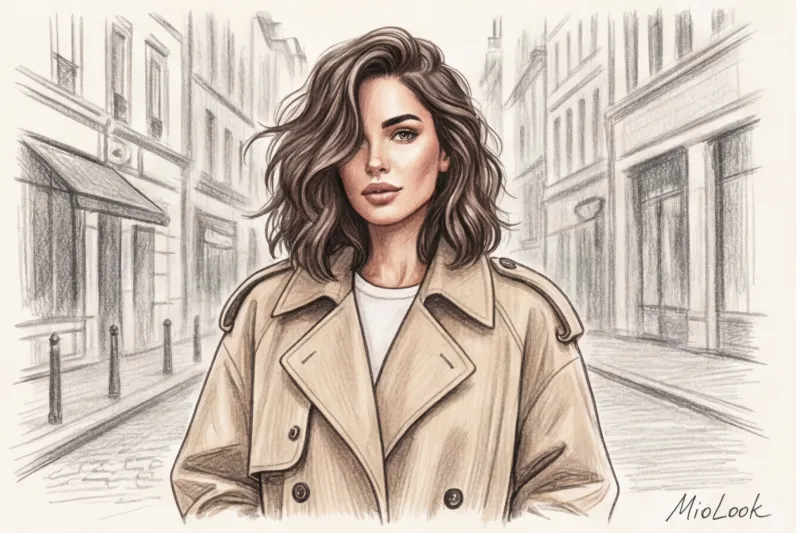
Знаменитий феномен french girl hair - Це не відсутність догляду. Це ретельна, майже інженерна підготовка, спрямовану зміну текстури. Секрет у штучному створенні правильної пористості. Щоб пасма лягали красивою, трохи розпатланою хвилею, вони фізично не повинні бути занадто слизькими і сильно зволоженими.
Буквально минулого тижня ми з клієнткою розбирали її ранкову рутину: вона скаржилася, що її свіжий текстурний боб вже за годину виглядає плоско і похмуро. Помилка була типовою для нашого регіону — рясне використання важких масок, що розгладжують, і масел перед сушінням. Мій контрінтуїтивний інсайт, яким я завжди поділяюся на консультаціях: «недбале» укладання часто вимагає значно більше інвестицій і часу, ніж строгий гладкий хвіст або класичний прямий зріз.
Справжня паризька недбалість будується на парадоксі: ви наносите сухий шампунь не на брудне, а на абсолютно чисте, щойно висушене феном коріння для створення щільності.
Потім йдуть якісні сольові спреї, рідка пудра або сухий текстуризатор (базовий набір таких засобів обійдеться вам приблизно в діапазоні 40-80 €). Тільки ці продукти створюють той самий невидимий «каркас», який фіксує волосся в потрібному хаотичному положенні і не дає їм збитися в неохайні бурульки.
Доступ до MioLook за €0,99 — разовий платіж
Почніть створювати ідеальні образи за допомогою штучного інтелекту та підберіть стрижку, яка ідеально впишеться у ваш гардероб.
Відкрити доступ — €0,99 разовоОднак тут криється фізіологічна пастка, про яку майстри в гонитві за трендом часто замовчують. Цей стиль фізично нездійсненний для власниць важкого, склоподібного прямого волосся. Гладка, щільно закрита кутикула такого волосся відкидає легкі текстуризатори. Спроби створити вітер паризьких вулиць без агресивної гарячої завивки обернуться лише ефектом недоглянутої голови.
Це та сама точка чесності в побудові стилю: якщо ваше волосся розсипається важким, щільним шовком, не варто витрачати 40 хвилин вранці на боротьбу з їх природою. У вашому випадку гладкий низький пучок з ідеальним проділом виглядатиме в рази дорожче і статусніше, вимагаючи від вас п'ять хвилин часу перед виходом.
Архітектура образу: як подружити актуальну стрижку з гардеробом
В інституті Марангоні на курсах стайлінгу є негласне правило: образ починається із взуття, а закінчується лінією зрізу волосся. Волосся - це таке ж продовження вашого одягу, як шарф, сумка або комір. Саме тому найбездоганніші модні жіночі стрижки втрачають весь свій лиск, якщо вони вступають у конфлікт з геометрією вашого гардеробу. Довжина ваших пасм буквально диктує, які вирізи ви можете дозволити собі без шкоди для пропорцій.
Яскраво пам'ятаю випадок із практики: ми з клієнткою збирали базову капсулу, і вона придбала приголомшливий двобортний вовняний жакет (до речі, річ коштувала близько 450 €, і сидіти мала бездоганно). Але на примірці відбувалося щось дивне — шия здавалася короткою, а силует важким. Проблема крилася не в лекалах, а в довжині волосся: густі пасма лягали рівно на широкі лацкани, створюючи хаотичний об'єм у плечовому поясі. Як тільки ми прибрали 10 сантиметрів довжини, зробивши рівний щільний зріз до шиї, жакет миттєво «заробив».
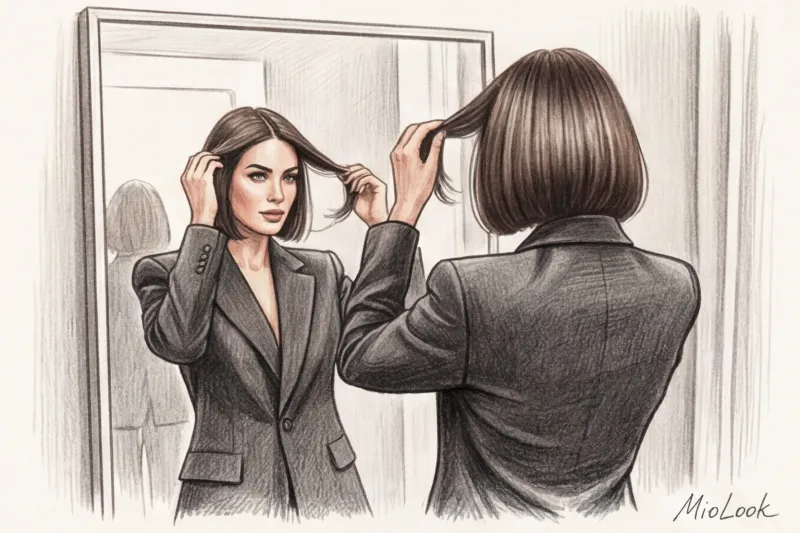
Піджаки з жорстким, гіпертрофованим плечем у дусі Saint Laurent та класичний гладкий боб – це ідеальна геометрія сили. Коли лінія каре закінчується за пару сантиметрів до коміра жакета, відкриваючи тонку смужку оголеної шкіри, створюється цей вишуканий контраст крихкості і маскулінності. Волосся не ламається об тканину, не плутається на спині, а ваш профіль виглядає скульптурно і дорого.
З довгим розпущеним волоссям працюють зовсім інші закони пропорцій. Головна стилістична помилка - надіти об'ємний светр великої в'язки або худорлявої з щільного футера і залишити локони вільно лежати поверх тканини. Виникає ризик повного зникнення шиї: голова візуально зливається з тулубом, утворюючи монолітний блок, який збільшує верхню частину фігури мінімум на кілька розмірів. Щоб цього уникнути, використовуйте трюк, який стилісти називають "волосяний french tuck" - просто заправте кінці волосся за комір светра, залишивши легкий, недбалий напуск у обличчя. Це виглядає неймовірно естетично і рятує кінчики від механічних пошкоджень (адже тертя об грубу шерсть неминуче веде до перетину).
Якщо ж ваш вибір на сьогодні - глуха водолазка або топ з високим коміром-стійкою, розпущене волосся краще виключити. Тут на допомогу приходять високі укладання. Гладко зачесані тугі хвости, структурні пучки на маківці або волосся, недбало зібрані металевим крабиком, працюють як потужна вертикаль. Вони штучно витягують силует, компенсуючи повністю закриту зону декольте та акцентуючи увагу на лінії вилиць.
Щоб наочно побачити, як довжина і форма укладання змінюють ваші пропорції в улюблених речах, спробуйте сфотографуватися в тому самому образі із зібраним і розпущеним волоссям. Завантажте ці кадри в функцію «розумний гардероб» у MioLook. Ви відразу помітите, як грамотна архітектура зачіски здатна візуально зробити вас вище, підкреслити крихкість ключиць або, навпаки, «вбити» найрозкішніше вбрання, якщо знехтувати правилами обсягів.
Чек-лист: як вибрати «свою» стрижку та правильно поставити завдання майстру
За даними опитувань міжнародних перукарських асоціацій, близько 70% жінок хоча б раз виходили із салону з непереборним бажанням негайно вимити та перевкласти голову. Справа далеко не завжди в низькій кваліфікації спеціаліста. Найчастіше корінь проблеми криється у колосальному розсинхроні очікувань. Нещодавно я проводила ревізію гардеробу з топ-менеджером великої компанії: вона мала бездоганну капсулу, але образ візуально «дешевив» через стрижку — тонкі пасма були нещадно профільовані в марній спробі створити обсяг. Ми склали чітке технічне завдання її майстра, і нова форма миттєво зібрала весь силует воєдино. Модні жіночі стрижки працюють лише тоді, коли вони кастомізовані під вашу фізіологію. Ось покроковий план, як цього досягти.
Крок 1. Аудит вихідних даних: структура волосся та архітектура черепа
Перш ніж сісти в крісло, вивчіть свою анатомію. Майстер бачить вас вперше, а ви живете зі своїм волоссям щодня. Зверніть увагу на потиличну кістку: якщо потилиця анатомічно плоска, вам категорично протипоказаний рівний зріз без градуювання на короткій довжині - профіль вийде «плескатим». Оцініть крайову лінію росту волосся у шиї та наявність вихрів на лобі (саме вони визначають, чи ляже у вас популярна чубчик-шторка).
Також чесно визнайте свою структуру. Склоподібні, важкі пасма ніколи не ляжуть у пишний каскад, що летить, без жорсткого стайлінгу. А якщо волосся від природи пористе, воно миттєво реагуватиме на вологість: ідеальна геометрія в салоні через годину на вулиці перетвориться на безформну трапецію.
Крок 2. Правильні референси та «помилка того, хто вижив»
Ви можете заплатити за візит до салону 30€ або 150€, але якщо перукар спирається на невірний візуальний орієнтир – результат однаково вас розчарує. Найчастіша помилка – приносити фотографії умовної Хейлі Бібер, повністю ігноруючи різницю у густоті та типі волосся.
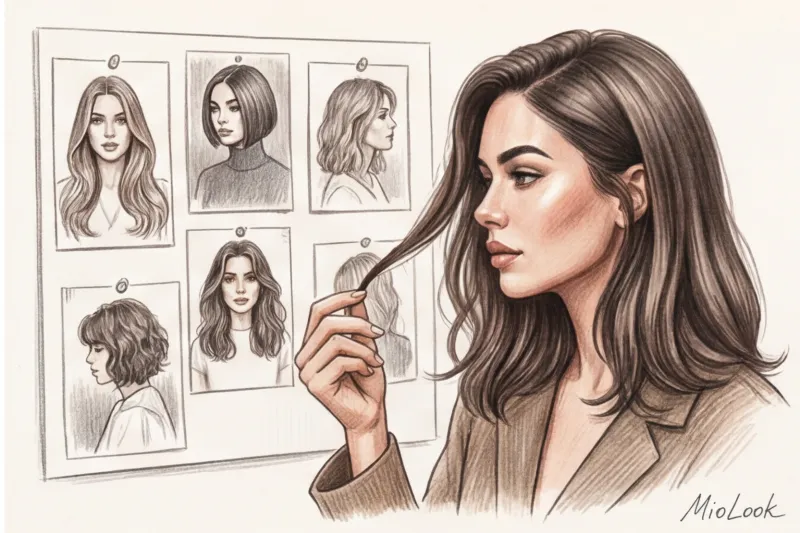
Шукайте референси прицільно. Введіть у пошуку Pinterest англомовні запити із зазначенням вашої текстури: "fine straight hair bob" (для тонких прямих) або "thick wavy lob" (Для густих хвилястих). Фотографія має демонструвати дівчину з вашим типом обличчя. Покажіть майстру два-три варіанти того, що вам подобається, і це навіть важливіше одне фото того результату, якого ви панічно боїтеся.
Крок 3. Краш-тест вашого способу життя
У салоні ми схильні ідеалізувати себе. «Звичайно, я укладатиму шари на брашинг щоранку!» — кажете ви, хоч насправді вибігаєте з дому з вологим пучком. Проведіть чесний розрахунок часу. Якщо ваш ліміт на ранкові збори складає 5-7 хвилин, озвучте це до першого клацання ножиць. Також згадайте, якщо ви регулярно займаєтеся спортом, носите шоломи, тугі кепки або маєте звичку постійно заправляти пасма за вуха - все це впливає на вибір довжини обличчя.
Крок 4. Словник клієнта: перекладаємо емоції професійною мовою
Перукарі мислять кутами відтяжки, міліметрами та площинами, а клієнти – емоціями. Щоб уникнути катастрофи, забудьте розмиті формулювання. Ось як звучить правильний переклад:
- Замість «Зніміть лише кінчики» кажіть конкретно: «Приберіть рівно 2 сантиметри щільним зрізом, мені важливо зберегти поточну масу і густоту». Можете фізично показати цю довжину на пальцях.
- Замість «Приберіть об'єм» (після цієї фрази часто в хід йдуть ножі, що перетворюють, що перетворюють кінці в пух) скажіть: «Пропрацюйте внутрішні шари, щоб волосся лежало компактніше, але крайова лінія залишилася щільною, без філіровки».
- Замість «Додайте текстуру» попросіть: «Зробіть невидимі верстви (ghost layers). Я хочу, щоб у русі з'явилася динаміка, але візуально довжина видавалась монолітною».
Ваш ідеальний образ починається тут
Приєднуйтесь до тисяч користувачів, які щодня виглядають бездоганно з MioLook. Плануйте образи з урахуванням нової стрижки в один клік.
Відкрити доступ — €0,99 разовоГрамотно підібрана форма - це не данина швидкоплинним трендам, а інвестиція у вашу щоденну впевненість. Коли стрижка вибудувана архітектурно правильно, волосся стає розкішною рамою для особи, яка працює на вас, а не вимагає нескінченного обслуговування. Підходьте до візиту до салону стратегічно, і ваше відображення у дзеркалі радуватиме вас без зайвих зусиль.
Глави гайда
Як підібрати зачіску до сукні: секрети стилю
Ідеальне укладання здатне перетворити будь-яке вбрання і підкреслити вашу портретну зону. Розповідаємо, як правильно поєднувати зачіску із вирізом одягу.
Ефект мокрого волосся укладання: подіумні hair-тренди
Зализані пучки та вологий фініш – це не просто тренд, а справжня маска, що відновлює. Дізнайтеся, як створити дорогий образ, що лікує волосся.
Швидкі та легкі укладання на кожен день за 5 хвилин
Забудьте про годинник перед дзеркалом і паніку вранці. Відкрийте алгоритм стиліста для створення трендової зачіски всього за 300 секунд.
Найкращі стрижки на кучеряве волосся: ідеї від стиліста
Правильна форма завитків здатна змінити як ваш образ, а й стиль життя. Погляд іміджмейкера на те, як приборкати кучері та підібрати ідеальну стрижку.
Стрижки які молодять після 40: поради стиліста
Забудьте про стереотипи, що з віком обов'язково потрібно стригтися коротко. Розповідаємо, як правильна архітектура волосся повертає молодість та свіжість.
Кращі стрижки, що надають об'єм тонкому волоссю.
Секрет пишної зачіски криється не в літрах стайлінгу, а у правильній архітектурі зрізу. Розбираємо, як створити візуальну густоту на тонкому волоссі.
Багатошарові стрижки жіночі: шеггі, малет і wolf cut
Розбираємо на реальних прикладах, як шеггі, малет та wolf cut вийшли за рамки субкультур. Дізнайтеся, чому текстурні стрижки додають статусності та економлять час.
Як підібрати стрижку за формою обличчя: поради стиліста
Овальне обличчя більше не зразок. Персональний стиліст розповідає, як вибрати ідеальну стрижку, працюючи з вашою природною геометрією та текстурою волосся.
Укладання олд мані: як створити ефект «дорогого» волосся
Справжній стиль Old Money – це не тонни лаку, а бездоганна якість волосся. Розбираємо секрети створення по-справжньому дорогого укладання.
Модна чубчик: шторка, рвана та мікро під ваш стиль
Вибираєте чубчик лише формою обличчя? Стиліст розповідає, як підібрати ідеальну шторку, рвану або мікро-чілку з урахуванням гардеробу та ритму життя.
Усі види стрижки боб: гід на вибір ідеальної форми
Правильна стрижка – це повноцінний елемент гардеробу. Розбираємо актуальні форми боба та вчимося підбирати варіант, який ідеально доповнить ваш стиль.
Розумні стрижки, що не вимагають укладання: тренди
Стрижка - фундамент вашого стилю та аксесуар, який з вами 24/7. Відкрийте для себе розумні форми, які ідеально лежать без довгого стайлінгу.
Модні стрижки на довге волосся: тренди та форми
Зачіска - такий самий важливий елемент стилю, як і базовий одяг. Розбираємо актуальні форми для довгого волосся очима стиліста-архітектора.
Модні короткі стрижки жіночі: піксі, гарсон, бобі
Коротка стрижка – це не просто б'юті-тренд, а потужний інструмент архітектури стилю. Розбираємо, чому розлучення з довжиною може стати вашим найкращим рішенням.
Стрижки на середнє волосся: тренди та поради стиліста
Волосся – ваш головний аксесуар, що створює статус всього образу. Дізнайтеся про актуальні стрижки на середню довжину, що не потребують складного укладання.