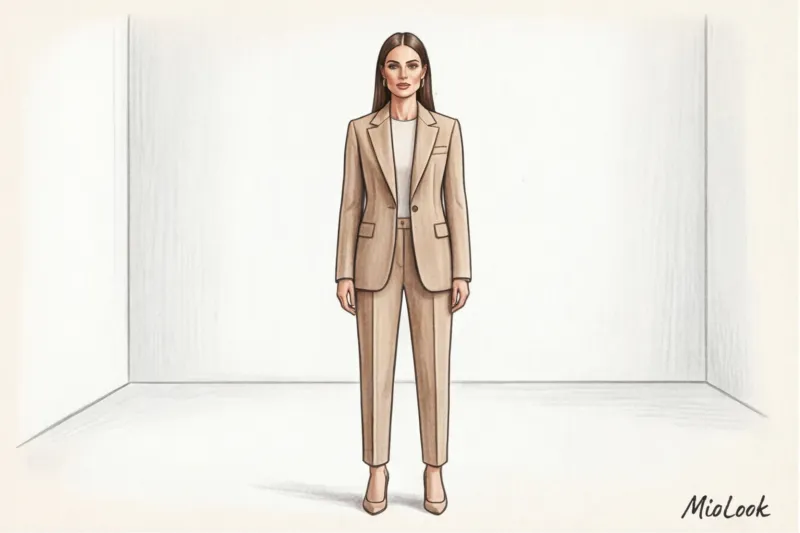
In twelve years of working as a luxury stylist, I've learned one absolute but cruel rule: the more perfect a woman's natural proportions, the more mercilessly cheap clothes look on her. What might look like "playful French casualness" on a Gamine figure turns into downright sloppiness on a balanced figure. If you're a classic, according to Larson, your wardrobe tolerates no compromises in quality.
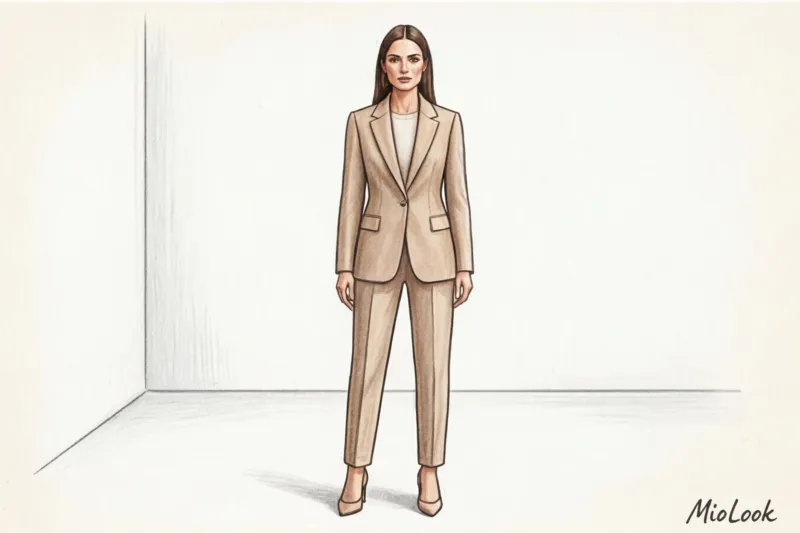
Before we delve into the cutting architecture, let me remind you of the context. I wrote more about the mathematics of this system in our The complete guide to Larson's body types: how to find your style based on your face and body type In this article, we'll discuss why balanced personality types should forever abandon the mass market and how the concept of "quiet luxury" is becoming not just a trend for them, but the only true stylistic strategy.
Who is Larson's Classic: The Anatomy of a Rare Balance
Dvin Larson's system isn't abstract reasoning about "what mood you're in"; it's pure geometry. According to Larson's theory, body and facial proportions are assessed on a 20-point scale, which analyzes the distribution of Yin (softness, roundness) and Yang (hardness, angularity) energies. The Classic is the point of perfect balance.
Unlike David Kibby's system, which identified "Soft" and "Dramatic" Classics as distinct, large groups, Dwyn Larson's statistics are unforgiving: pure Classics make up less than 2% of women. This is an extremely rare type, lacking a single dominant feature—no excessively long legs, no sharp jawline, no excessively curvy hips. Everything is perfectly proportional.
"In my practice, eight out of ten clients who came to their first consultation considered themselves Classics simply because they didn't see any striking features. But when we began mathematically measuring their proportions with a tape measure, these illusions vanished. A true Classic isn't an absence of features; it's a precisely calibrated symmetry," says Julia Rossi.
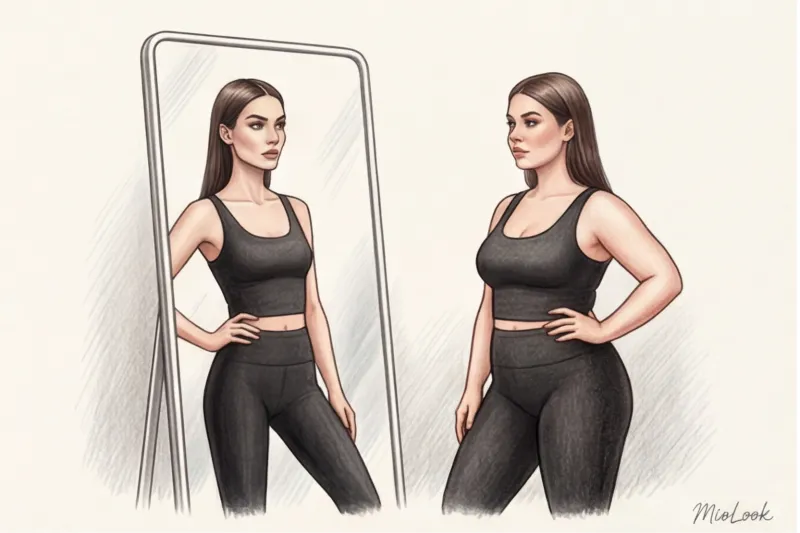
It's this symmetry that plays a cruel joke on women. They feel that everything looks "boring" on them, and they begin experimenting with oversized or asymmetrical cuts, ruining their natural harmony.
Access to MioLook for €0.99 — one-time payment
A smart AI stylist will select the perfect look based on your natural proportions and body type.
Get access — €0.99 onceThe main myth of stylistics: "A classic according to Larson is an office clerk."
The worst crime against this type is to advise them to dress in a "classic style." Sounds paradoxical? Let me explain.
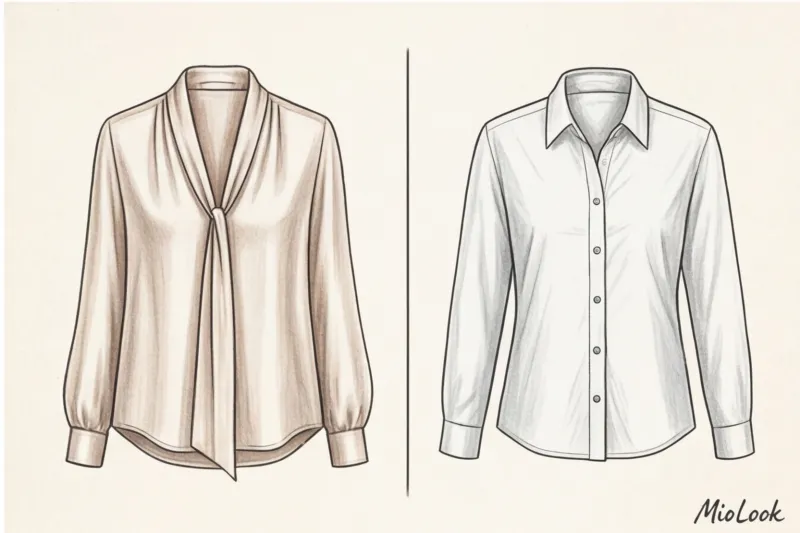
In most people's minds, classic style is a white cotton shirt, black pleated trousers, and a crisp, fitted jacket. But the standard office dress code kills the individuality of Larson's Classic. The difference between classic style of clothing (dress code) and classic type (body architecture) is colossal.
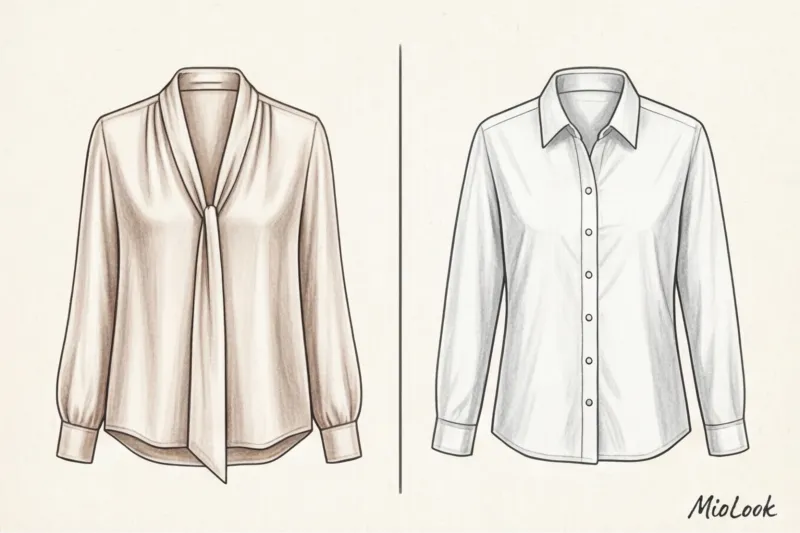
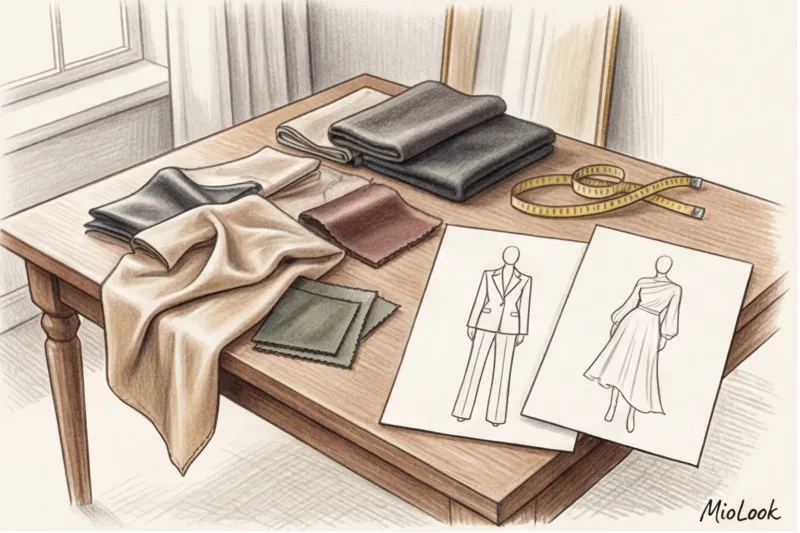
One of my clients, a top manager at a large IT company, had been trying for years to look more formal and prestigious by wearing thick, cardboard-like mass-market jackets and starched collars. These clothes made her look like a tired bank clerk, not a confident executive. We tossed out about a dozen stiff shirts and replaced them with three symmetrical blouses in thick, matte silk by Loro Piana. The soft symmetry of the fabric instantly restored a fresh look to her face and a sense of luxury to her image.
Your style isn't "white collar." Your style is defined by impeccable tailoring, which can even be expressed in casual looks made of premium cashmere knits. The stiff, stiff fabrics and sharp angles of inexpensive office wear create an imbalance with your calm, natural lines.
Investment Wardrobe: Why Classics Shouldn't Wear Mass-Market Styles
The Classic figure has a "blank canvas" effect. While on a woman with a bold, dramatic figure, an uneven seam or a cheap plastic button might get lost against her contrasting appearance, on you, any flaw becomes glaringly obvious.
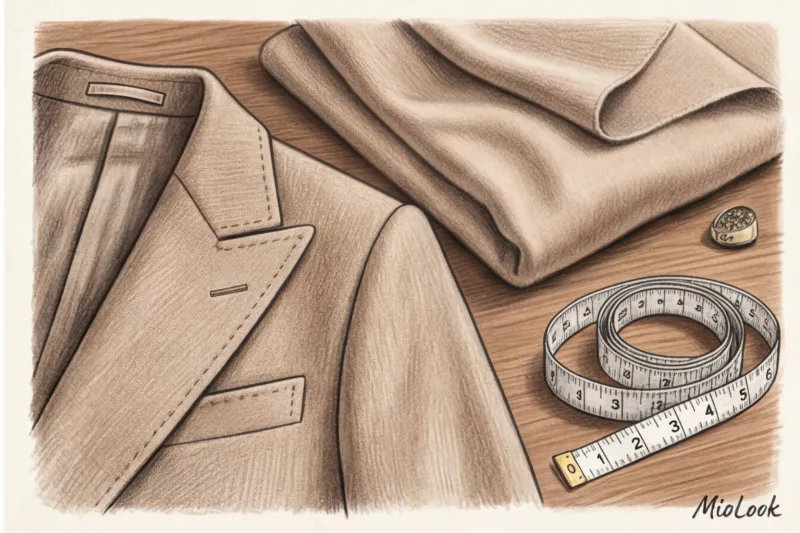
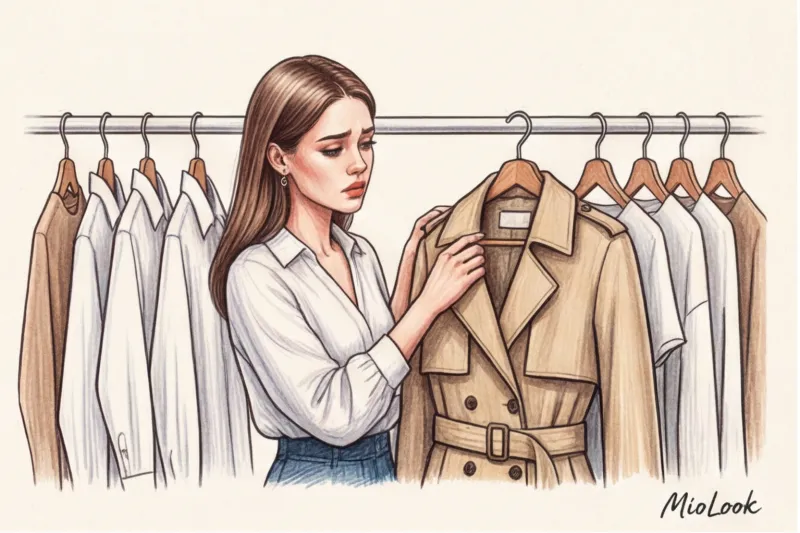
I always teach my clients to think in categories Cost-per-wear (cost per exit) Let's do the math. You could buy five trendy raincoats at a mass market for €80 each, spending €400. Because of the poor cut and cheap polyester, you'll only wear each one about ten times before it starts to look worn out. Total: €8 for one outing in a mediocre item.
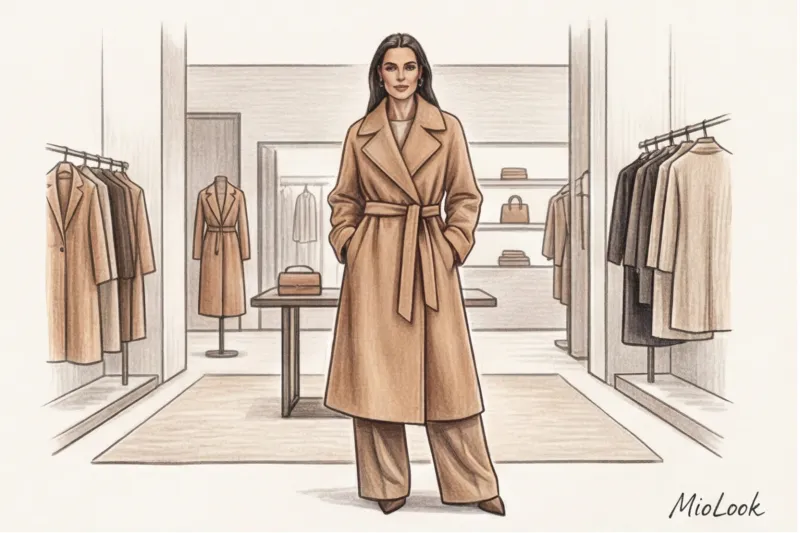
The alternative is one perfect premium cashmere robe coat for €1,200. You'll wear it 150 days a year for five years. The cost per coat is only €1.60. For balanced body types, investing in luxury fabrics pays for itself the fastest.
Ideal fabrics: density, texture and nobility
According to WGSN research (2024), the global trend toward "quiet luxury" will continue until at least 2028, and this is the best news for Classics. Matte and semi-matte finishes are your base.
- Silk: Choose a weight between 19 and 22 momme. Thin, translucent silk looks cheap on you.
- Wool: Look for Super 120s or higher. This is a fine-wool wool that holds its shape but isn't stiff.
- Knitwear: Double-layer cashmere, dense merino wool. Flimsy, stretchy knits or overly loose bouclé are strictly prohibited.
Cut and Fit: The Mathematics of Absolute Symmetry
Italian tailors know a secret: the perfect garment is constructed from the shoulder down. For a Classic, the set-in sleeve should sit millimeter for millimeter above the shoulder joint. Avoid oversized garments and dropped shoulders—they disrupt your natural contours, turning a harmonious figure into a shapeless rectangle. Necklines should be symmetrical: a perfect V-neck, a soft square, or a sophisticated boat neck.
Your perfect look starts here
Join thousands of users who look flawless every day with MioLook. Digitize your wardrobe and create stylish combinations in seconds.
Get access — €0.99 onceMixed types: Dramatic-Classic, Natural-Classic and others
Let's be honest: pure Classics are rare. About 15% of women have a strong Classic influence in their appearance, and over 85% are a mixture of types. Therefore, my advice is to buy only items with perfect symmetry. doesn't work 100% , if you have a strong admixture of another type.
How to adapt your wardrobe if you're not a blank canvas?
- Dramatic-Classic: Your foundation is classic, but you're allowed to add a little edge. Slightly stiffer fabrics, longer jacket lapels, contrasting color combinations. You'll pull off architectural tailoring better than anyone.
- Natural-Classic: You need classic pieces with a touch of freedom. Soften the lines: instead of a rigid briefcase, choose a bag made of premium suede. Swap out crisp wool for thick linen and silk in the summer.
- Romantic-Classic: Add soft draping, slightly deeper necklines, and a waist accent to a symmetrical cut. Your fabric should flow a little more.
- Gamin-Classic: The only subtype that suits a subtle silhouette breakdown. You can play with the scale of prints and add slightly shorter jacket lengths while maintaining overall symmetry.
Accessories as a status investment for the Classic
Shoes and bags are what reveal your level of taste. As an expert on premium brands, I often see the same mistake: an elegant cashmere look is ruined by a shapeless hobo bag with an oversized logo.
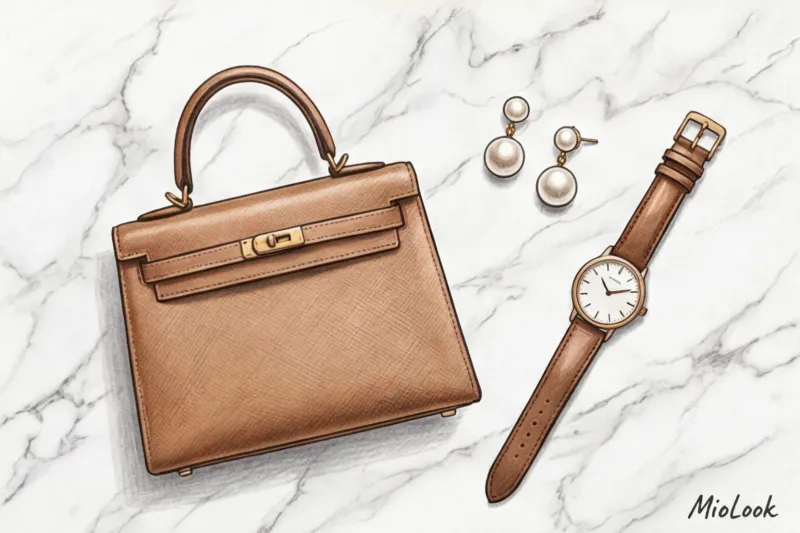
A Classic bag should be able to stand on its own on a table. You need rigid or semi-rigid frames, smooth leather, and perfectly symmetrical hardware. Ideal stylistic reference points include the Hermès Kelly, classic Celine models (like the Classic Box), or Valextra. No protruding threads, excessive rivets, or flashy logos.
When it comes to jewelry, the golden rule is: one expensive piece is better than a set of cheap ones. If it's pearls, then a perfectly spherical one. If it's a watch, then a simple dial on a leather strap or a smooth metal bracelet, without a scattering of rhinestones.
Checklist: 5 Things Classic Should Invest in This Year
If you've decided to reorganize your closet using investment wardrobe principles, start with this capsule. By loading these items into MioLook smart stylist feature , you'll be surprised how easily they combine with each other.
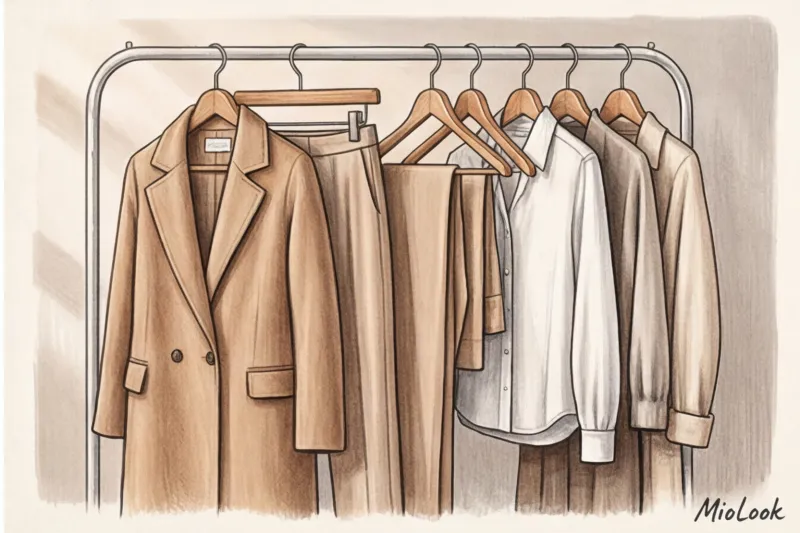
- Semi-fitted jacket. Perfect suit wool, straight shoulder line. Don't skimp here: a good Italian-cut jacket will cost between €300 and €600, but it will pull together any look.
- Trousers with arrows. The length should be adjusted to the specific height of your typical heel. A classic look doesn't look good with a pleated bottom.
- Silk blouse. Neutral shades (milky, camel, deep blue), hidden button placket or minimalist hardware. Density from 19mm (price range: €150–€250).
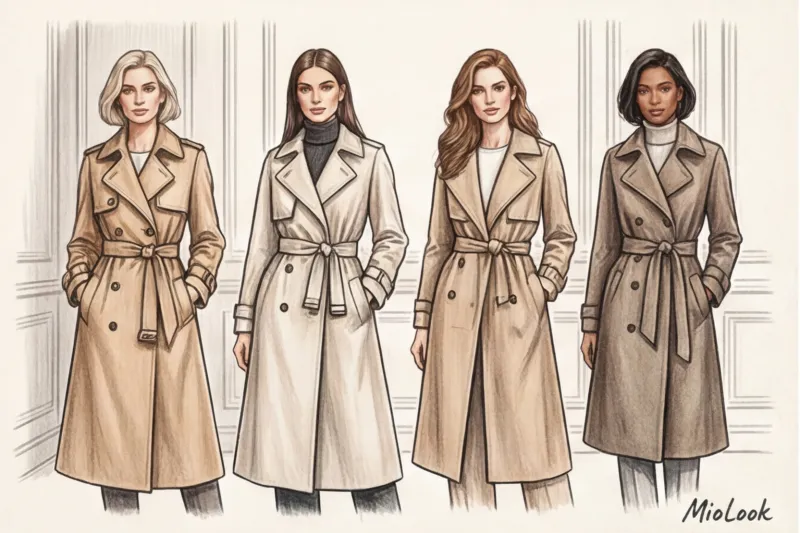
- Cashmere robe coat or classic trench coat. An investment that will last for decades (from €500 for quality pieces). Midi length, perfect belt for symmetry.
- Medium sized structured leather bag. No visible logos, correct geometric shape.
Summary: Your balance is your greatest asset
Many women sigh when they discover their type: "A classic according to Larson—that must be so boring..." Trust me: it's the greatest stylistic privilege.
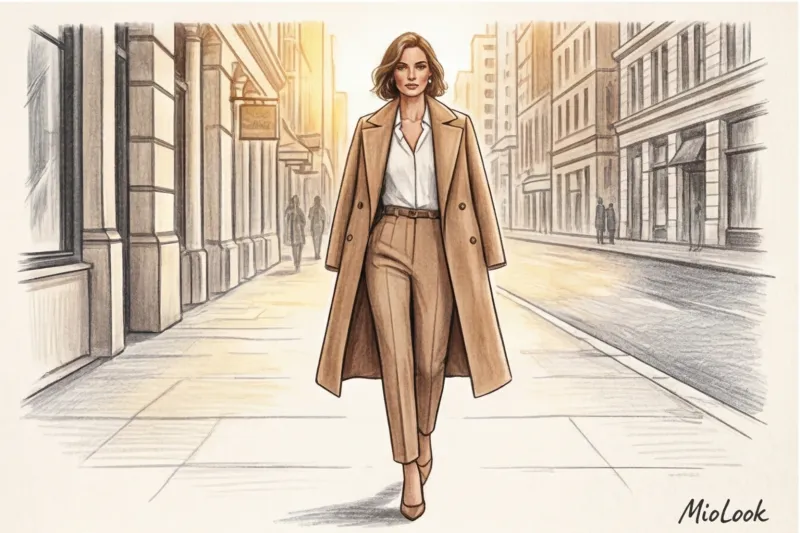
Being a Classic means having the perfect natural canvas for projecting high status and impeccable taste. You don't need to hide behind ruffles, asymmetry, or neon colors to be noticed. Your superpower is that a refined minimalism that makes other women look pale reveals your natural beauty.
Forget about fast trends and fleeting fads. Go through your closet today: ruthlessly get rid of flimsy knits and crooked seams. Invest in tailoring, and you'll see your look take on a whole new, luxurious quality.