

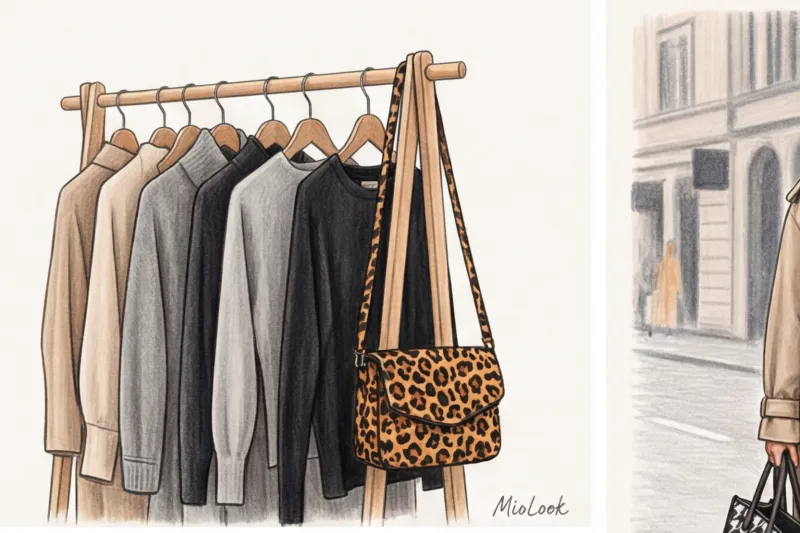
Do you know what 90% of my clients' wardrobes have in common? In the back of their closets, there's always a "ghost item." Usually, it's a dress with a bold, incredibly beautiful print, bought in a dopamine rush for change. It's been hanging there with the tag for a year because it's too bright for the office, too formal for the weekend, and there's just no suitable occasion.
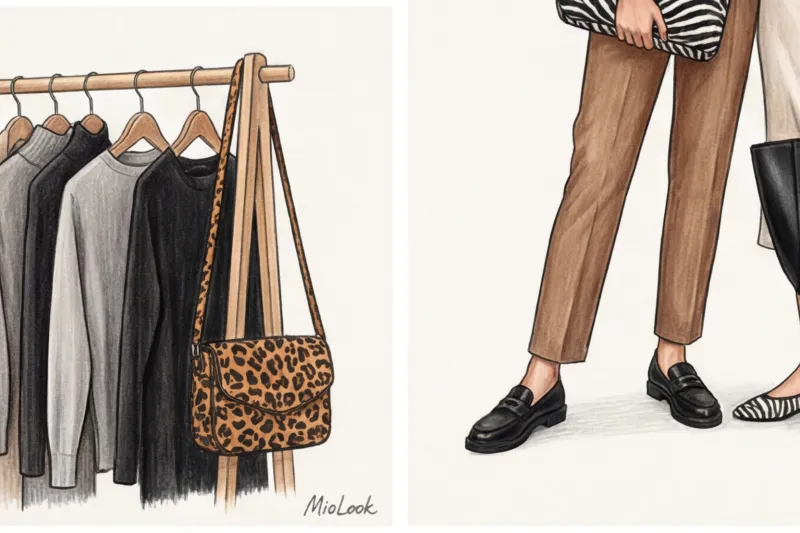
As an expert in textiles and sustainable fashion, I see this mistake often. We try to incorporate color and pattern through large, complex shapes. If you've read our A complete guide to fashionable prints in clothing , you know that overloading a silhouette is a dangerous path. It's much smarter, cheaper, and more environmentally friendly to transfer this visual weight into the details. The main question I get asked during consultations: how to wear printed accessories to look classy and not garish?
Today, we'll explore the architecture of style down to its molecular level: from the properties of silk fibers to the mathematics of cost per wear. Let's forget the boring rules of the 2000s and learn how to work with accents like professional stylists.
Why Printed Accessories Are the Best Start for a Minimalist
According to the Textile Exchange's 2023 report, the production of trendy clothing with vibrant patterns has a huge impact on the environment, as such items are thrown away (or end up in closets) three times faster than basic ones. The psychology of dopamine-driven shopping dictates, "Buy this bright dress, and your life will be a celebration." But the reality is that we wear it twice.
Let's count Cost Per Wear (CPW).
- You'll wear a printed jacket from a mass-market store for €80 a season, at most, but people will quickly remember the bright color. CPW = €16.
- A high-quality silk scarf with an abstract print for the same €80 can be worn around the neck, on a bag, in the hair, or on the wrist at least 45 times a year. CPW = €1.70.
The difference is almost tenfold. A high-quality accent accessory is an investment that works for you every day, changing the mood of even the most ascetic gray sweater from COS or Uniqlo.
The 80/20 Rule for a Smart and Sustainable Wardrobe
To permanently eliminate the "closet full, but nothing to wear" effect, I recommend my clients stick to an 80/20 ratio. Exactly 80% of your closet should be basic, neutral pieces of impeccable cut and quality (cashmere, heavyweight cotton over 180 g/m², good suiting wool).
The remaining 20% is your stylistic "fuel." Shoes, bags, and scarves with leopard, snake, or geometric patterns set the mood, refresh your basics without overindulging, and personalize your look.
Your perfect wardrobe starts here.
Tired of racking your brain over outfit combinations? MioLook's smart AI stylist will analyze your items and create stylish looks based on the 80/20 rule in just a few seconds.
Get access — €0.99 oncePrinted Accessories: How to Wear Them Without Looking Too Much
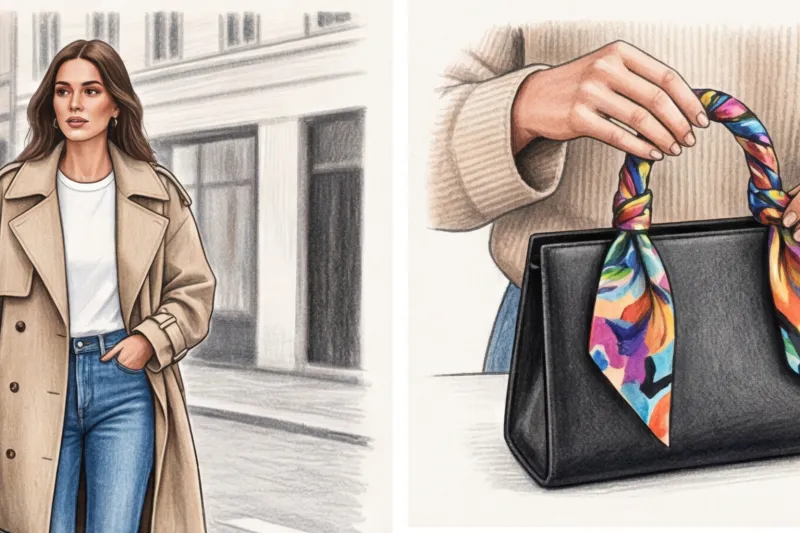
There's an ironclad rule of visual weight in style, confirmed by research from the analytical agency WGSN: The more active the print, the more laconic the shape of the item should be.
"A print alone creates visual noise and dynamism. Add complex cuts, ruffles, draping, or excessive embellishment to it, and the viewer's eye becomes overwhelmed. The garment begins to look cheap, even if it costs thousands of euros."
I had a great example in my practice. My client Katarzyna adored leopard print, but it always looked vulgar. Why? She'd buy chiffon leopard-print blouses with ruffles and asymmetrical hemlines. We removed this wardrobe disaster and replaced it with sharp, crisp leopard-print loafers. The shoe's masculine, clean-cut shape perfectly tamed the aggressiveness of the predatory pattern. Paired with straight-leg jeans and a white shirt, it created a casual chic effect.
To balance the visual weight of a printed accessory, use solid, matte textures. Heavy denim, cashmere, and smooth wool make the perfect canvas. Shiny fabrics (satin, lurex) paired with a printed bag can create a "Christmas tree" effect.
Shawls and scarves: silk, cotton and geometric patterns
As a textile expert, I implore you: never skimp on scarves. The difference between natural silk twill and polyester is colossal, and it's not just a matter of tactility but also the physics of light refraction.
Natural silk absorbs dye deep into the fiber structure. The print is voluminous, and the colors are deep and refined. Polyester is simply coated with dye: it has a cheap, plasticky sheen, and the print appears flat. The main indicator of quality is the backing. Expensive silk squares have a pattern on the back that is almost as vibrant as the front.
Here are 3 creative ways to incorporate a scarf if you're tired of wearing one around your neck:
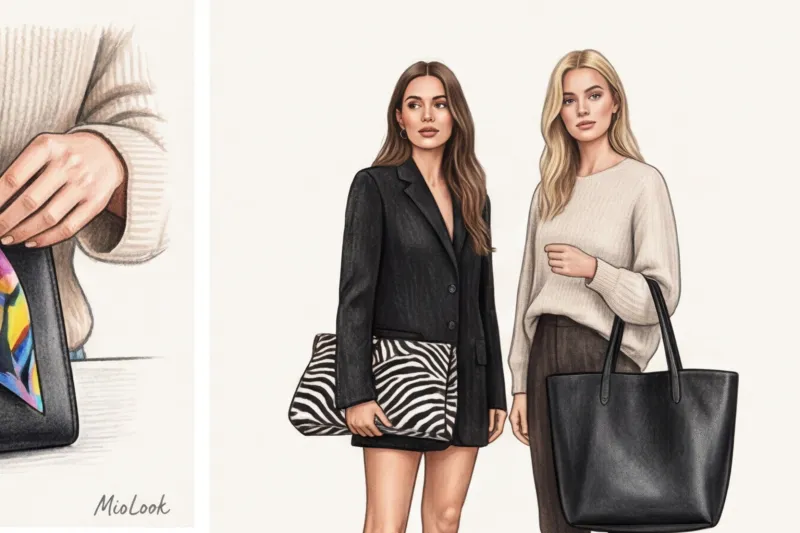
- On the handle of a structured bag. Wrap the handle of a basic black or caramel bag (such as this one from Massimo Dutti) tightly with silk twill ribbon. This will protect the leather from getting greasy and add a pop of color.
- Instead of a belt. Thread a rolled scarf through the belt loops of wide-leg palazzo pants or basic jeans.
- As an accent on the wrist. Tie a small scarf (45x45 cm) in a knot around your wrist instead of a bracelet, leaving the ends hanging freely from under the cuff of your jacket.
Advice: Choose geometric (stripes, color blocking) or abstract patterns. Photorealistic flowers or overtly tropical leaves become outdated after just one season, while geometric patterns remain relevant for decades.
Accent shoes: leopard, snake and textile patterns
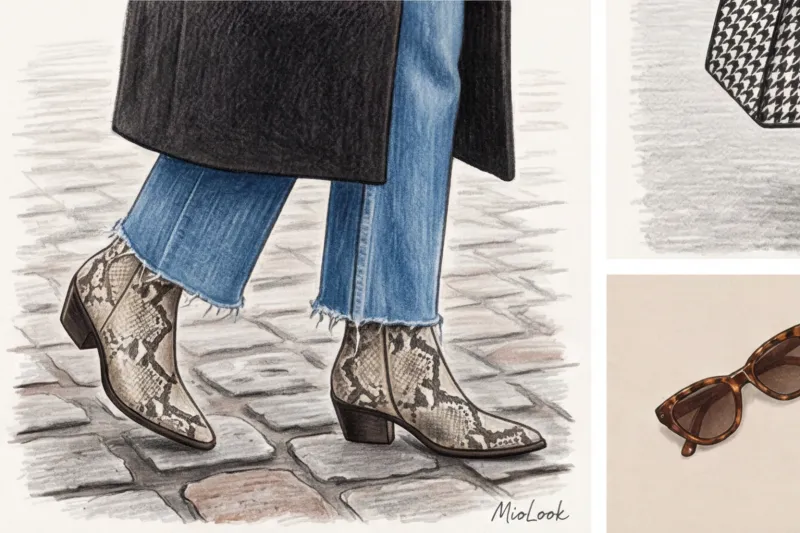
Animal prints are long overdue for relegation to the "new neutrals" category. Leopard print comes in black, beige, and brown—basic colors that complement any wardrobe. Snake print in gray tones is a stunning substitute for boring black shoes in formal attire.
However, texture is crucial here. Python print shoes Necessarily It should be embossed. Smooth leather, which is simply printed with a scale pattern, betrays cheap production and quickly becomes covered in unsightly creases. Embossed leather, on the other hand, conceals minor scratches and ages beautifully.
When it does NOT work: Shoes with textile prints (such as jacquard or printed satin) are completely unsuitable for humid climates and urban slush. Even water-repellent treatments won't protect the pigment from chemicals. Such shoes should be reserved exclusively for dry weather, the office, or special events.
Not sure what to wear with leopard print shoes?
Upload a photo of your shoes to MioLook, and the algorithm will select the perfect outfit from your own items based on visual balance rules.
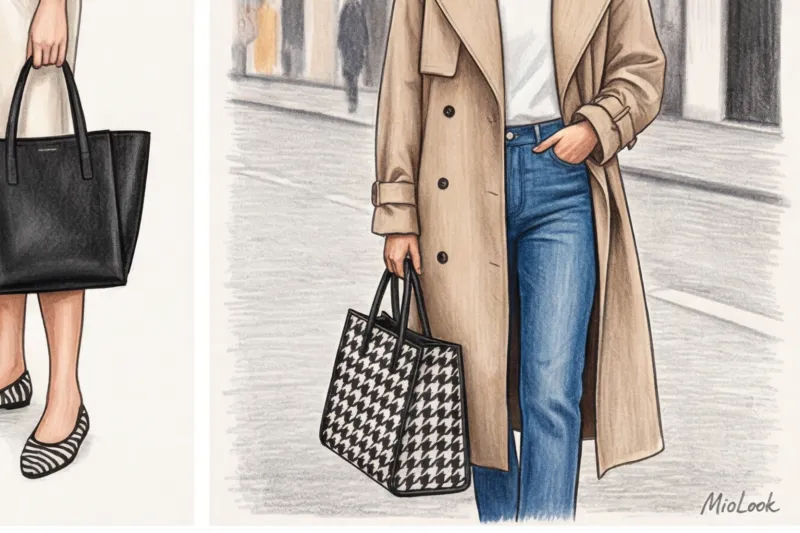
Bags with active prints: from canvas to embossed leather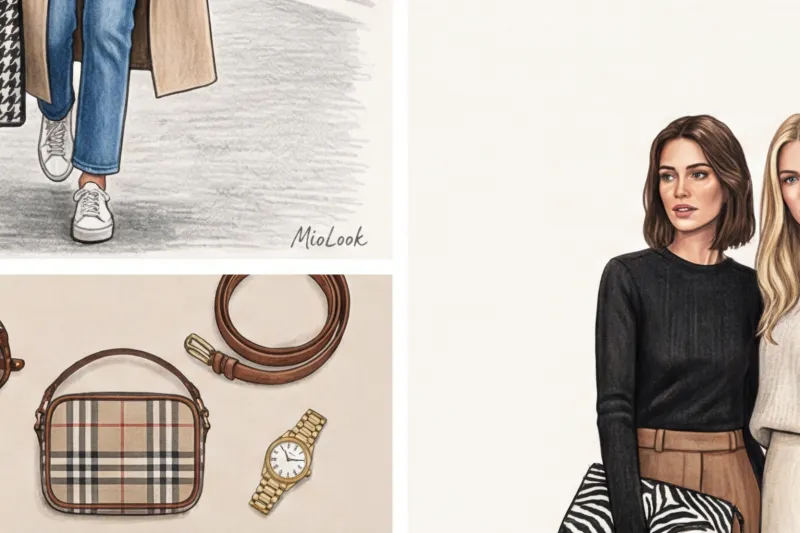
Printed canvas (a thick canvas with a special coating) is a legendary material in the bag world. But let's be honest: it doesn't last forever. In 12 years of studying wardrobe durability, I personally put it to the test. A shopper bag made of pure printed canvas, priced around €150, began to show wear at the bottom corners after just eight months of active urban use.
My advice: If you're choosing a printed bag made of fabric or canvas, be sure to look for models with rigid leather trim around the corners and bottom. The leather will absorb most of the friction.
For smart-casual looks, strict patterns like houndstooth, tartan, or a classic monogram are ideal. This is where the rule of proportions comes into play: The more aggressive and larger the pattern, the smaller the bag should be A huge duffel bag with a bright floral print will "eat up" your silhouette. A miniature crossbody bag with the same pattern will be a sophisticated detail.
The Myth of the Perfect Pair: Why You Shouldn't Match Your Bag to Your Shoes
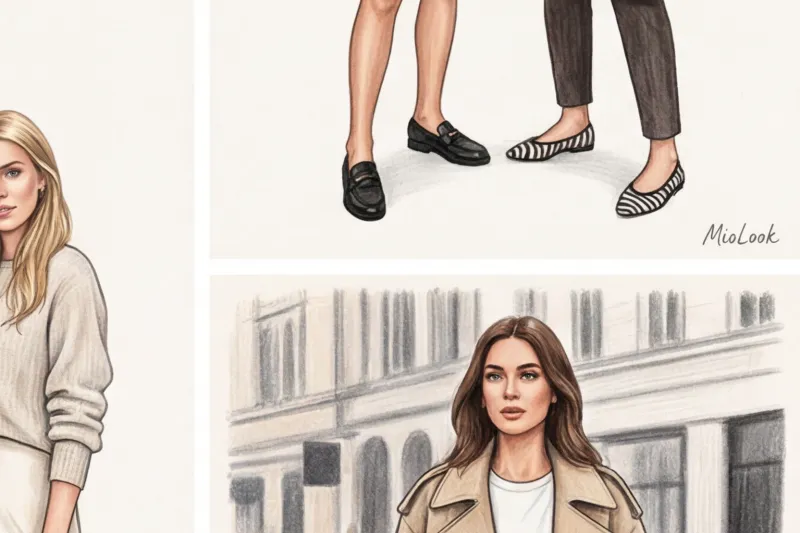
If you want to instantly add 10 years to your age and give your look a more provincial feel, simply match your printed bag to your printed shoes. This 2000s rule is long gone.
Modern architecture style is based on harmonious asymmetry A leopard-print pumps and clutch look like you've tried too hard to dress up. It kills the Parisian casualness we're aiming for.
What to do instead? Use the "roll call" technique. If you have zebra-print shoes (black and white), skip the black and white bag. Go for a sleek black bag and add a tiny white element in the face area—like pearl studs or a white tee under the jacket. Pull it out one shade from the print and duplicate it with a solid texture in another part of the look.
Checklist: How to check the quality of a printed accessory before purchasing
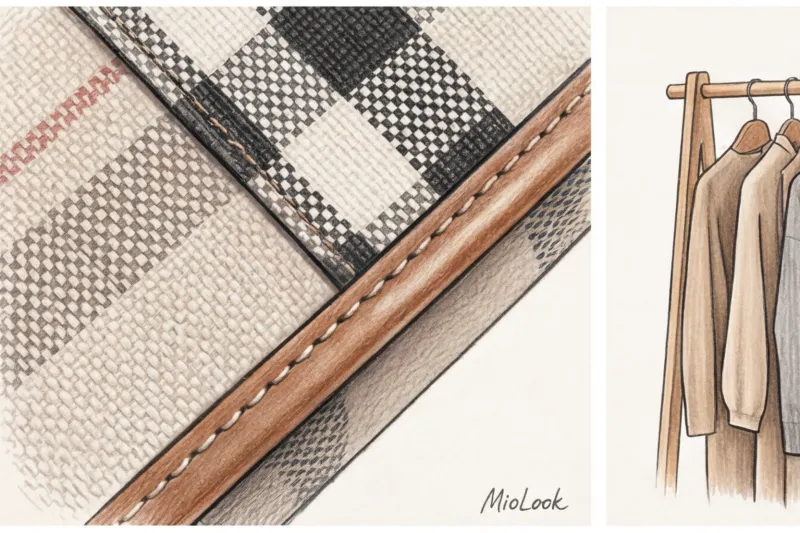
If you're ready to invest in a statement piece, run it through a professional stylist's checklist. These four unmistakable signs of mass-market style:
- Joining the pattern at the seams. This is the main indicator. In cheap items, the fabric is cut without looking. In a high-quality bag or shoe, the geometric pattern or stripe will match perfectly at the seams and pockets.
- Fittings. A printed piece is eye-catching on its own. Add the shiny, overtly yellow gold of cheap zippers and the look is ruined. Look for matte hardware, aged brass, or minimalist silver metal.
- Clarity of contours. Look closely at the edges of the design. If you see any slight blurriness or, worse, pixelation (like in a bad photo), leave the item in the store.
- Smell and tactility. Cheap polymer coating on faux leather smells of chemicals and creaks under your fingers. High-quality leather printing is applied in such a way that you feel the texture of the leather itself (the grain), not the layer of paint on top.
Conclusions and your next step in style
Buying a bag, a pair of shoes, or a quality patterned scarf isn't wasting money on a flashy trend. It's a smart investment in the versatility of your wardrobe. One well-chosen leopard loafer can make up for a dozen boring basic sweaters.
I'm not suggesting you immediately open brand websites and place orders. Your practical assignment for this week: take your most boring, tired basic outfit out of your closet (for example, gray pants and a black turtleneck). Put it on and go to the nearest good accessories store. Simply try on a textured printed bag or drape a geometric silk scarf over your shoulders with this outfit. Look in the mirror. You'll be surprised how little it takes to completely transform the feel of familiar pieces.
Ready to rethink your style?
Try MioLook: your personal AI stylist will help you seamlessly integrate complex prints and statement accessories into your everyday wardrobe.
Get access — €0.99 onceFrequently Asked Questions
What dress code suits you?
Find out what style of clothing for work and life perfectly reflects you
About the author
Unlock MioLook
for €0.99
Start creating perfect outfits with artificial intelligence
Get access — €0.99 onceRelated Articles
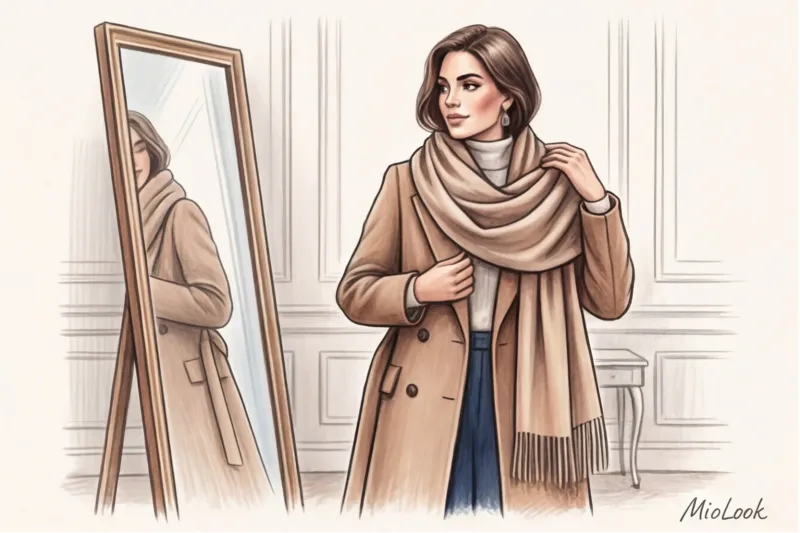
Stylist Tips: How to Wear a Flattering Oversized Scarf
A voluminous scarf not only provides warmth but also creates an optical illusion...
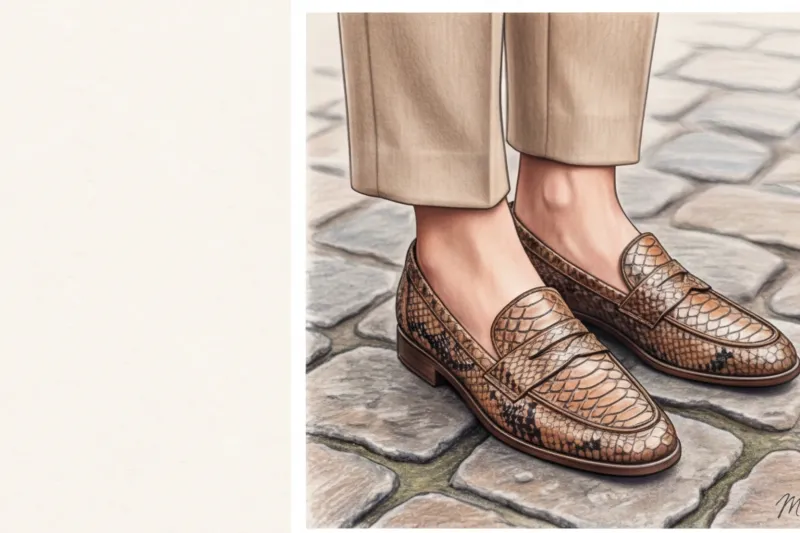
What to wear with printed shoes: how to incorporate them into your wardrobe
Tired of your boring basic wardrobe? Find out how just one accent piece can live...
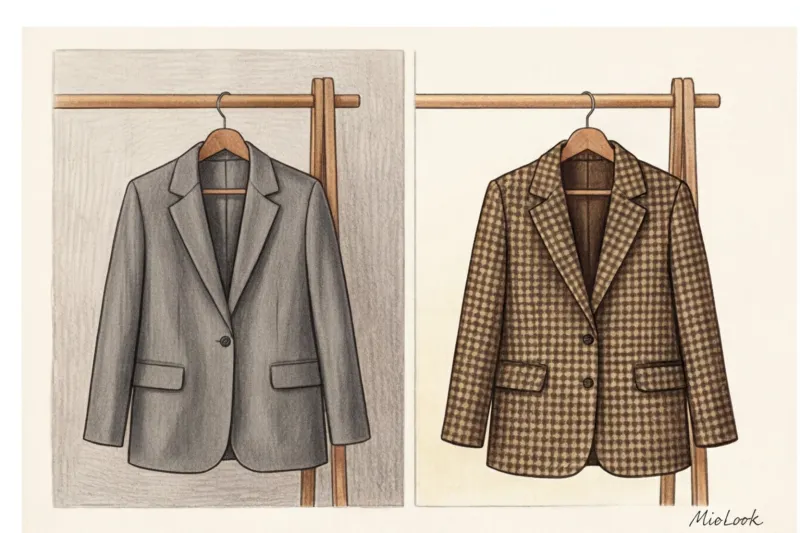
Basic Printed Wardrobe: How Many Accents Do You Need?
Minimalism doesn't mean boredom. Find out how many accent pieces you need for th...
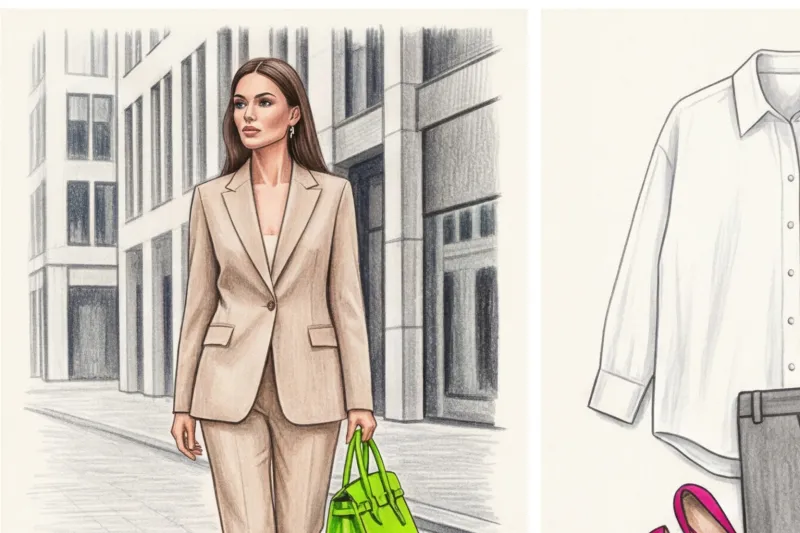
Bright Accessories for Your Look: Secrets of Color Accents
Adding color requires careful calculation, not intuition. Learn how to stylishly...