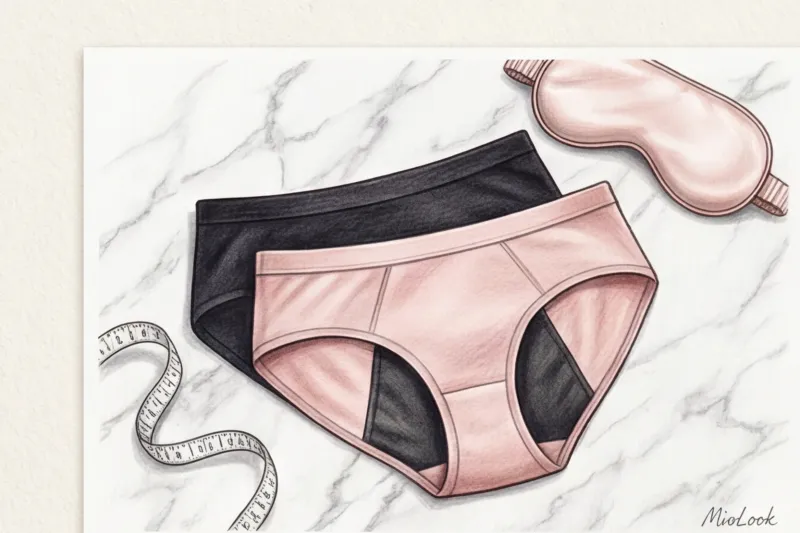
Recently, one of my clients, a top manager at a major IT company, called me almost in a panic. On the eve of an important board meeting, she'd put on her favorite wide-leg, fine wool trousers (the very same, perfectly cut, €400) and realized their silhouette had been hopelessly ruined. Strange lumps were visible beneath the fabric, and when she walked, she heard a telltale rustling sound, like a supermarket bag. The culprit turned out to be premium menstrual panties from a €150 set, which she'd unknowingly thrown into the dryer the day before. The membrane had melted, deformed the elastane, and turned the high-tech garment into a piece of hard plastic.
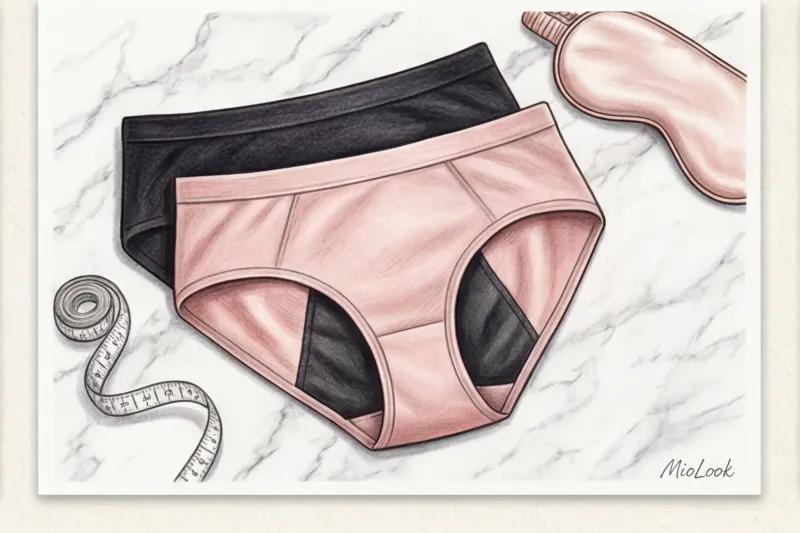
As a stylist, I constantly have to remind myself that what you wear underneath dictates how the clothes fit. That's why the question of How to wash menstrual panties This isn't a boring hygiene manual. It's the science of preserving your wardrobe investment and personal confidence. Smart underwear requires smart care.
By the way, if you have any doubts about the basic rules of sorting and choosing a temperature regime, take a look at our A complete guide to caring for underwear and delicate fabrics - this is the foundation that you cannot do without.
The Anatomy of Comfort: Why Period-Proof Panties Require a Special Approach
Let's shift the paradigm right away. These aren't just cotton briefs. They're a multilayered textile technology packaged within a few millimeters of fabric. According to technology reports from brands like Thinx and Modibodi, high-quality menstrual underwear consists of moisture-wicking cotton, an antibacterial finish, an absorbent layer, and, most importantly, a polyurethane lamination (PUL).
PUL is the invisible membrane that makes the fabric waterproof yet breathable. It's also its weakest point. If the membrane stretches from a hard spin or deforms from heat, it will pull the outer layer of the fabric with it. The result is wrinkled underwear that disrupts the fit of tailored office trousers or silk skirts, creating visual noise where impeccable smoothness should be.
"The cost of a good set of menstrual underwear today is comparable to a luxury lace bra. Would you boil Agent Provocateur? An innovative membrane deserves the same respect," says Isabella Garcia.
The Golden Rule of the First 15 Minutes: Pre-Care
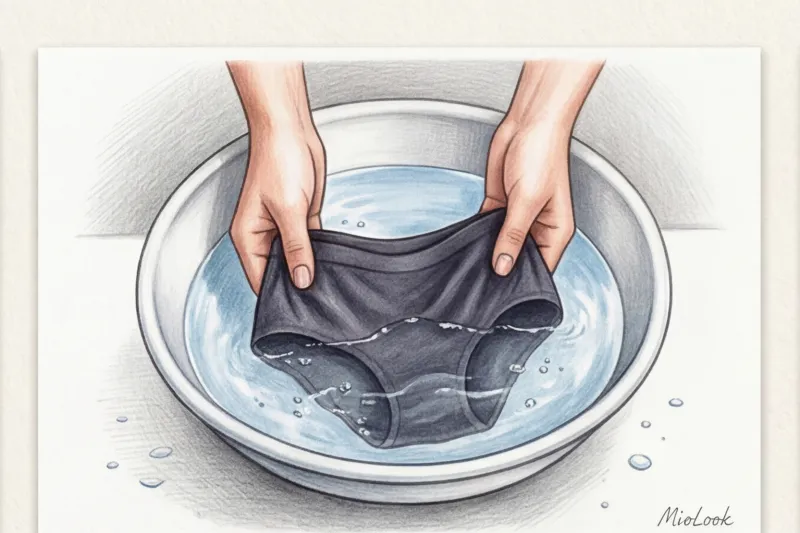
There's a dangerous myth about washing underwear containing bodily fluids: the hotter the water, the cleaner the result. In the case of menstrual underwear, this is a surefire way to ruin the garment. Hot water (above 40°C) acts as a catalyst, literally "baking" blood proteins directly into the fabric fibers at the molecular level.
What you need to do:
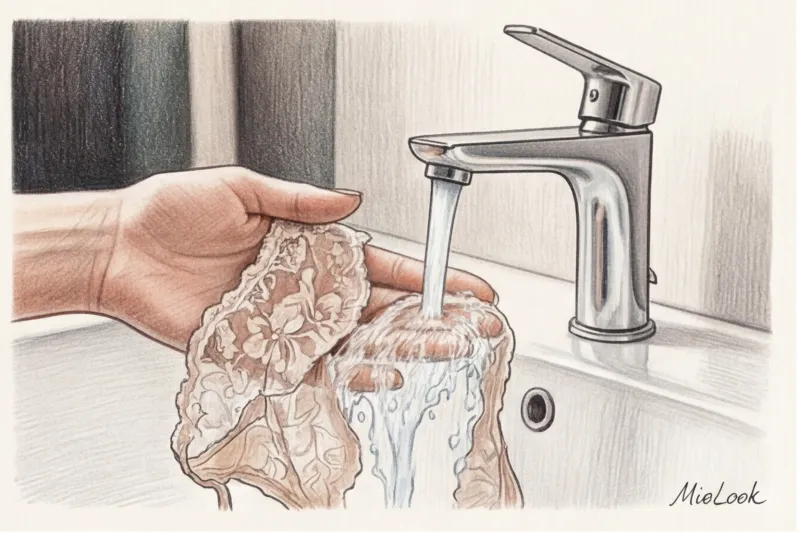
- Remove the laundry and immediately place it under running ice-cold or cool water (strictly up to 30°C).
- Gently massage the gusset with your fingers until the water runs clear.
- Use the "gentle wringing" technique: do not twist the fabric into a rope (this will tear the elastane), but simply squeeze it into a ball between your palms, squeezing out excess moisture.
Only after this stage is the item ready for the washing machine or further hand washing. And if you want to delve deeper into the topic of extending the life of your items, I recommend studying Secrets of a Long-Lasting Wardrobe.
Your perfect look starts here
Join thousands of users who look flawless every day by planning their looks wisely.
Get access — €0.99 onceHow to Machine Wash Period Panties: Step-by-Step Instructions
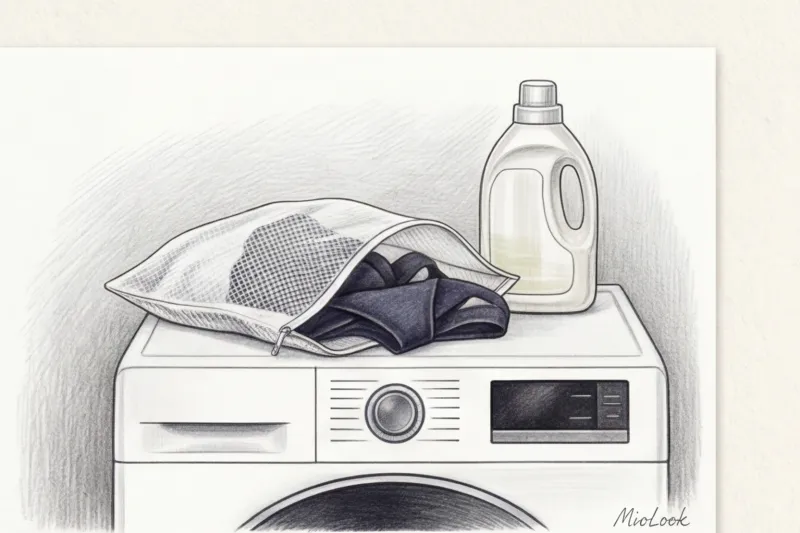
Machine washing is completely safe for the membrane, as long as you monitor the surroundings. I always tell my clients: delicate fabrics hate roughness. Never wash menstrual underwear with heavy denim, jackets, or items with exposed metal zippers. One unfortunate rub against a Levi's zipper tooth and the PUL layer will develop a micro-puncture, leading to leakage.
Use a thick mesh laundry bag. This will create a buffer zone and protect the lace inserts from snagging.
Choosing a Detergent (and Why Fabric Softener is Your Enemy)
Studies by textile institutes (specifically, data from the Hohenstein Institute for 2023) show that using fabric softener reduces the absorbency of innovative fabrics by 70%. Fabric softeners contain silicones, which coat the fibers with a film. For a regular sweater, this means softness, but for menstrual underwear, it kills functionality, as the fabric's pores become "sealed."
What to use?
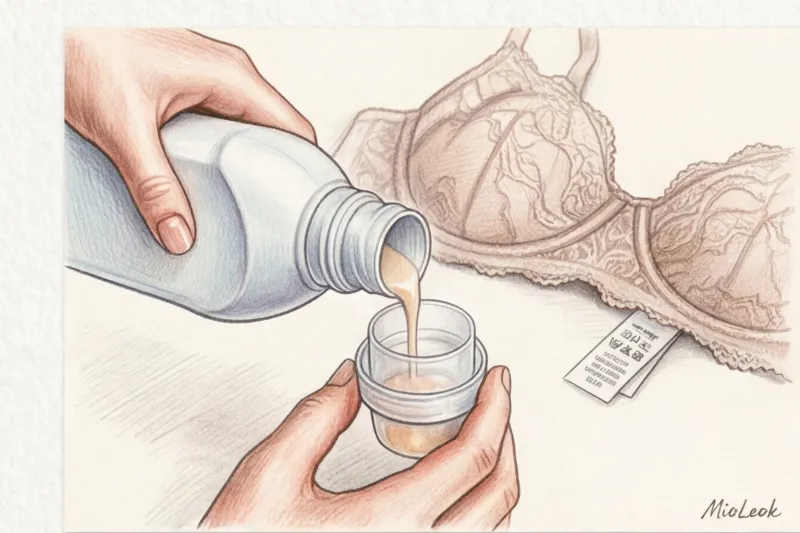
- Yes: Liquid enzyme gels for delicate fabrics with neutral pH.
- No: Granular powders (may not dissolve in cold water and clog pores).
- Absolute taboo: Any bleaches, including oxygen-based ones, will chemically corrode the polyurethane layer.
Washing machine settings
If you can't read washing symbols on clothes , remember the universal formula for smart underwear:
- Temperature: Strictly 30°C.
- Mode: "Hand wash", "Delicate" or "Wool/Silk".
- Spin: No more than 600–800 rpm. Anything above 1000 rpm creates centrifugal force, which can cause the lamination to delaminate.
Hand washing: how to avoid damaging the membrane while traveling
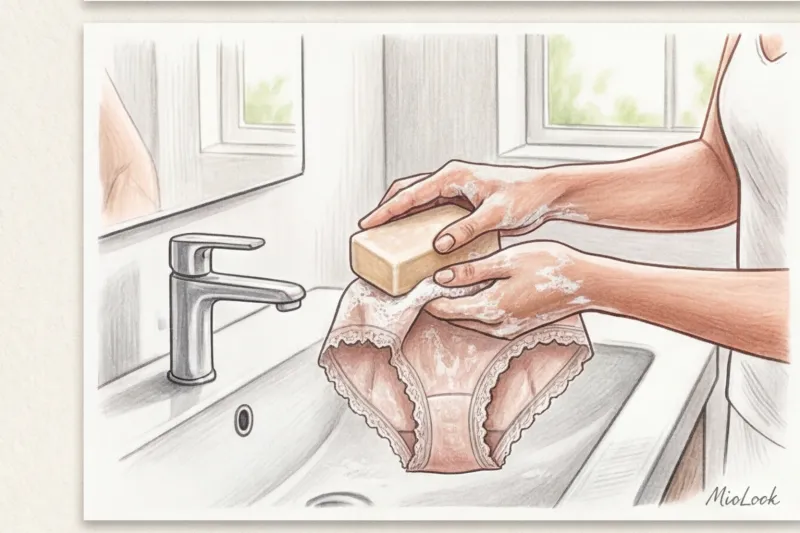
Hand washing is a lifesaver on business trips and vacations. But there's a hidden danger. Last year, a client of mine flew to Milan for a conference and decided to wash her period panties with regular hotel bar soap. The result? The soap's alkaline composition left a white residue in the fibers, making the fabric impermeable.
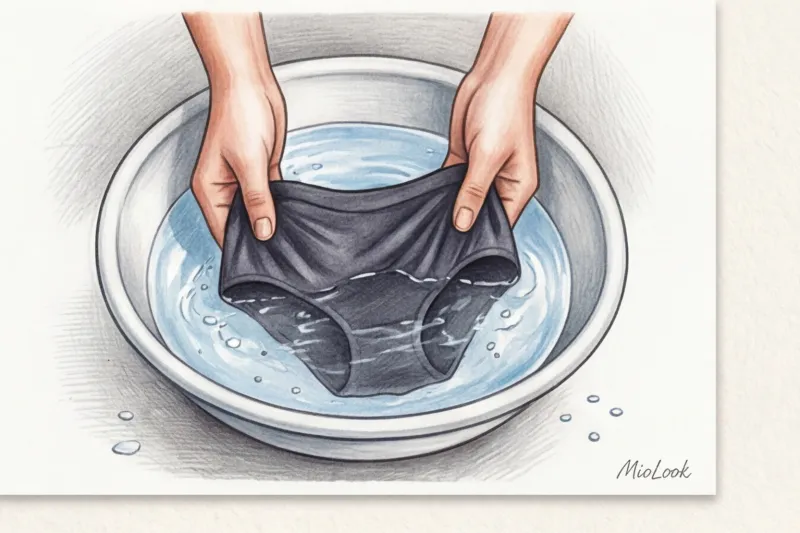
When traveling, always use either a miniature version of your regular laundry detergent or, in a pinch, baby shampoo. When hand washing, avoid aggressive rubbing. Use gentle, pressing motions—think of kneading very delicate dough.
Important limitation: This method doesn't work well if the water in your area is extremely hard. In this case, magnesium and calcium salts can settle into the fabric. If you know your water is hard, increase the pre-soak time by 10 minutes and use slightly more liquid gel.
Drying: The Critical Mistake That's Costing You Your Laundry
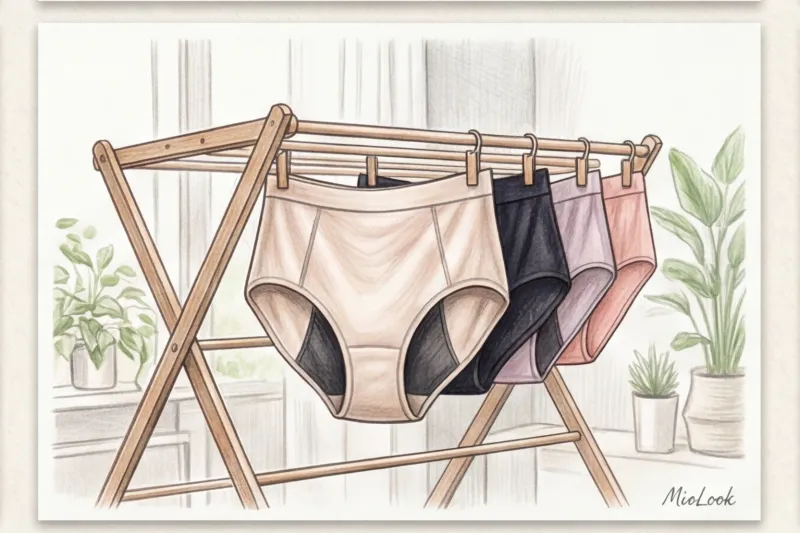
Machine drying reduces the lifespan of menstrual underwear from 2-3 years to 2-3 months. Heat is the main enemy of polyurethane. Radiators, heated towel rails, and hair dryers (yes, some people try to speed up the process) are strictly prohibited.
How to dry correctly?
- Hang laundry in a well-ventilated area.
- Critical nuance: Use clips to fasten your underwear to the waistband (elastic), not the gusset. The multi-layered gusset absorbs a lot of water and becomes heavy. If you hang your underwear by it, the weight of the water will stretch the elastane, causing the underwear to lose its tight fit.
- Allow for the right amount of time: Due to the multiple layers, this type of laundry takes 24 to 48 hours to dry, depending on the humidity.
Because of the long drying time, you need a full-size underwear capsule during your period. If you only have two pairs of underwear, you'll be stressed. The optimal set is 5-7 pairs of varying absorbency.
Access to MioLook for €0.99 — one-time payment
A smart AI stylist will select the perfect look for any dress code, taking into account your comfort and mood.
Create an imageChecklist: How to restore freshness if your laundry has become stiff or smelly
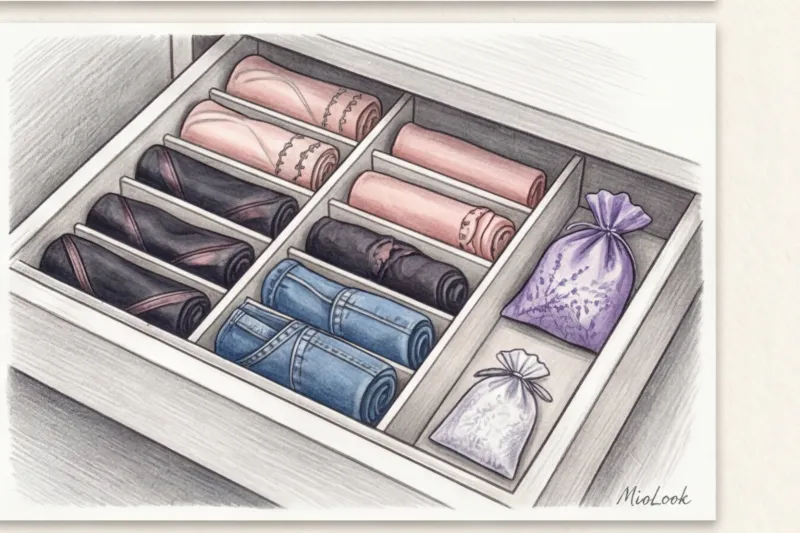
Over time (usually after 8-10 months of regular use), even with proper care, you may notice the gusset becoming slightly stiff. Don't panic and resist the urge to boil the garment.
In my experience, it works best vinegar rinse Add half a cup of regular white vinegar to the fabric softener compartment of your washing machine. Vinegar is a brilliant natural softener that dissolves mineral deposits from hard water and neutralizes lingering odors without damaging the PUL.
Sunbathing (drying under direct UV rays) is an excellent natural disinfectant, but I recommend it with caution. UV light does kill bacteria, but it also burns pigment. If your underwear is black, dry it in the sun inside out and for no more than a couple of hours.
But let's be realistic - nothing lasts forever. If you It's a shame to throw away an expensive thing , just check it for these three signs of membrane “death”:
- When you stretch the gusset slightly, you hear a soft cracking sound (the PUL has burst).
- The underwear started leaking at the seams.
- The elastic waistband has become wavy and no longer holds its shape.
If at least one point matches, it’s time to say goodbye.
Confidence Starts From Within: The Philosophy of the Perfect Silhouette

We often spend hours choosing a jacket, checking the length of trousers, and polishing shoes. But I firmly believe: A chic look + uncomfortable or misshapen underwear = failure You'll be tugging at your skirt, avoiding any sudden movements, and worrying only about whether there's a leak.
Proper care of your menstrual underwear isn't just about washing it. It's about ensuring you can slip into a white business suit or a form-fitting evening dress any day of the month and feel completely invincible. Your posture will improve, your gait will become lighter, and your focus will shift from your clothes to your actual goals.
Remember this style formula: an invisible foundation creates visible success. Treat technical items with respect, read instructions, use cold water, and your wardrobe (both outer and inner) will serve you well for years to come.