The Secret Foundation: Why Understanding Fabrics Is More Important Than Labels
Have you ever calculated how much money you spend at the dry cleaners every year or replacing sweaters that suddenly get ruined? Over 12 years of working as a personal stylist in Europe, I've noticed one paradoxical thing: women can spend weeks hunting for the perfect jacket, but have absolutely no idea How to properly care for clothes After shopping. Shopping gives us a quick dopamine rush, but the chore of washing and ironing feels like a tedious chore. The result of this approach is always the same: the expensive item loses its shine after the first wash, and we're back to the store.
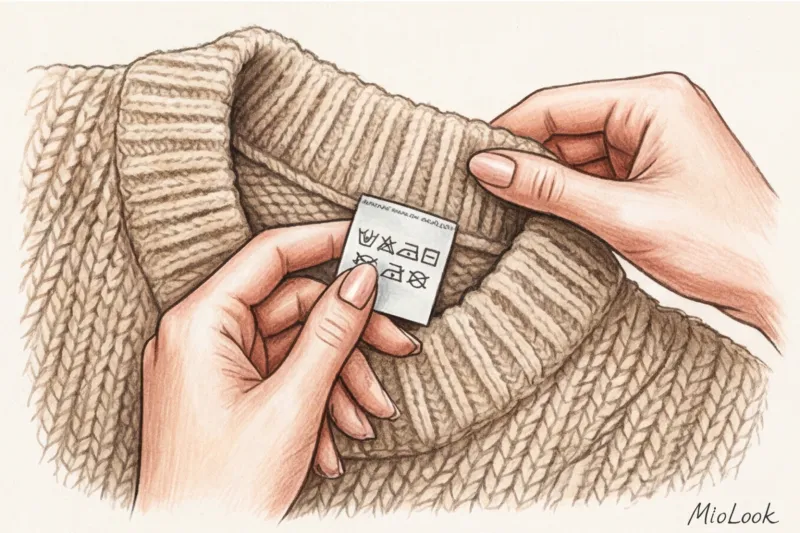
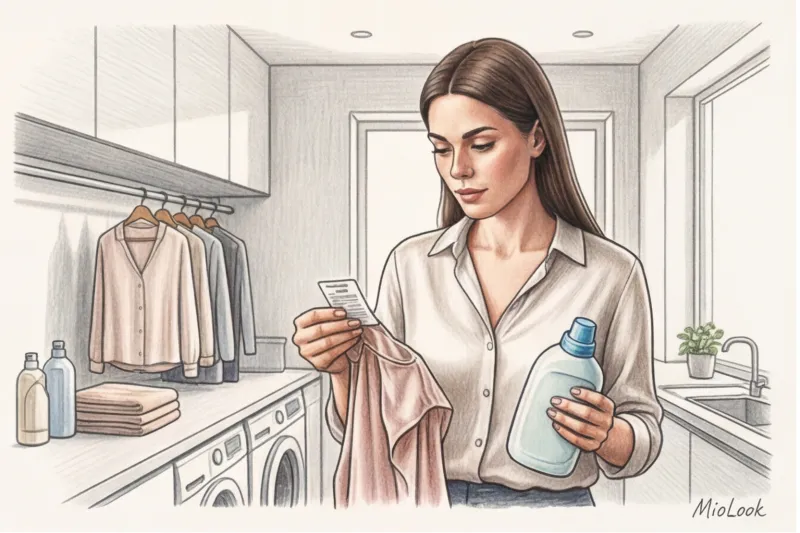
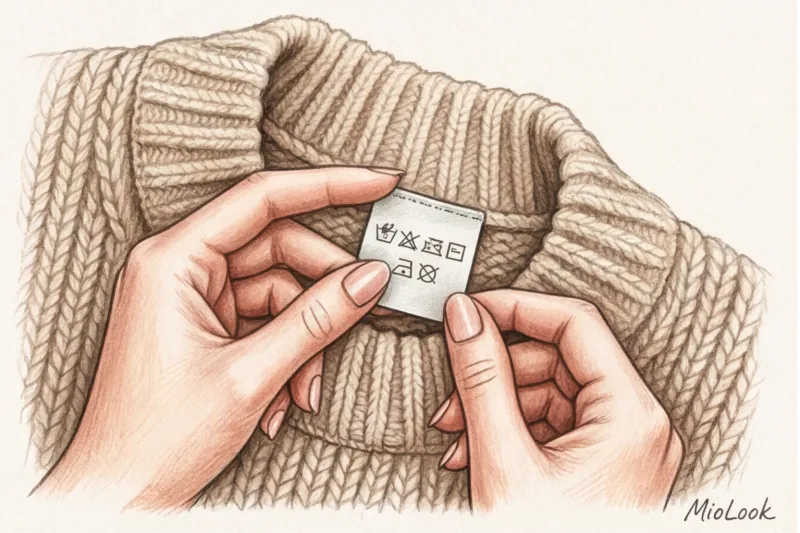
Many of you blindly trust labels. You see the dreaded crossed-out basin icon or the letter "P" (Dry Clean Only) and obediently take your basic turtleneck to an expensive repair shop. I'll let you in on a professional secret: manufacturers often play it safe.
It's legally much safer and cheaper for mass-market and mid-market manufacturers to label their garments as "dry clean only" than to risk mass returns from customers who accidentally washed a delicate cardigan alongside a pair of stiff jeans at 60 degrees.
In 70% of cases, items that are strictly prohibited for machine or even hand washing can withstand delicate washing at home. Your main guide to care is not the pictograms, but the actual fabric composition.
Let's explore this mechanics using popular fabrics from the European mid-range segment as an example. In the collections of brands like COS, Massimo Dutti, or &Other Stories, you'll rarely find boring, pure fabrics. They rely on complex cuts and textures, using blends such as wool with added lyocell (Tencel), silk with cotton, or dense knits made of viscose, polyamide, and elastane. Caring for these materials requires a balanced approach.
For example, polyamide is added to COS sweaters to help them retain their shape, but it's incredibly sensitive to hot ironing—it'll simply melt or become shiny. And if the fabric contains at least 30% natural wool, it absolutely mustn't be exposed to temperature fluctuations (wash in warm water and rinse in ice water). No magic involved, just the chemistry of the fibers.
But if there's one material that can safely be called the enemy of beginners, it's viscose. In my experience, eight out of ten clients have hopelessly ruined a viscose dress at least once. Frankly, when I was just starting out in styling, I fell for this myself.
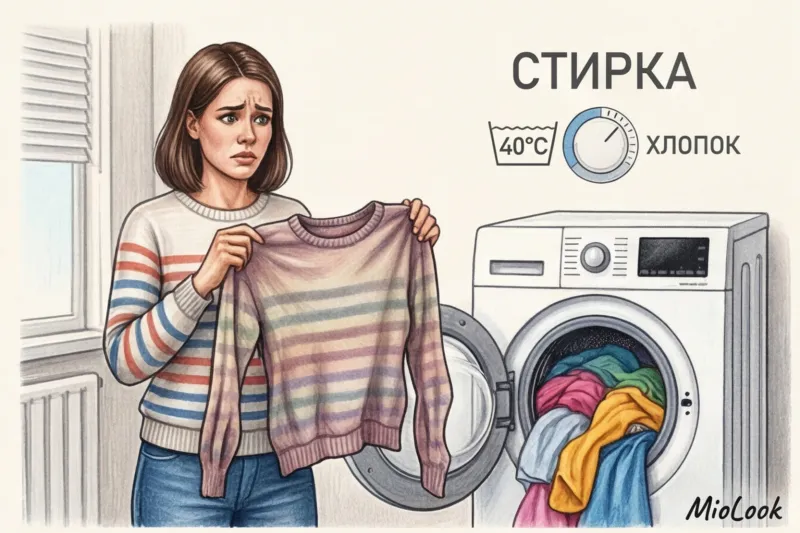
I bought a stunning 100% viscose dress at Zara. The label said it was washable, so I threw it in the washing machine on a standard cycle at 40 degrees. When I took it out of the machine, I couldn't believe my eyes: it had shrunk exactly one size. The sleeves had jumped up, the hem had shortened by 10 centimeters, and the fabric itself had become as stiff as cardboard. Why did this happen? Viscose is a man-made fiber made from natural wood cellulose. When wet, it loses up to 50% of its strength and instantly shrinks from heat and mechanical friction.
Since then I have developed for myself and my clients the golden rule of viscose:
- Wash strictly in cold water (up to 20–30 degrees) or on the “Hand wash/Silk” setting.
- We categorically do not twist or wring at high speeds.
- If the item appears slightly "shrunken" after drying, this is normal. Simply run a good steamer over it while it's damp, gently stretching the seams—it will return to its original shape.
Closet Investing: How Cost Per Wear Calculations Vary with Care
When you collect quality capsule wardrobe of basic items , the durability of each element comes to the forefront. This is where the indicator comes into play. Cost Per Wear (CPW) — the cost of wearing an item. The formula is simple: take the item's price, add the cost of care (dry cleaning, repairs), and divide by the number of times you wear it.
Let's use a concrete example to calculate this. Let's say you bought a cheap, trendy T-shirt for €15. You wash it with a harsh detergent along with the rest of your laundry. After two washes, the neckline stretches out and the fabric becomes covered in pilling. You wear it twice. The result: each wear costs you €7.50.
At the same time, you invest in a premium basic T-shirt made of thick cotton for €60. You take proper care of it: wash it at 30 degrees with color-safe detergent and hang it to dry flat. This T-shirt will easily last you 3 years of regular wear. Let's say you wear it 100 times during that time. Its Cost Per Wear is only €0.60!
Can you feel the difference? A cheap item, ruined by improper care, costs you 12 times more than a premium one. Caring for your clothes isn't just about keeping them clean; it's about protecting your financial investment. Tracking the actual wearability of your clothes is incredibly convenient through electronic wardrobe I highly recommend my clients to use the app. MioLook By digitizing your closet, you'll clearly see the statistics: which items truly earn every cent invested, and which have fallen victim to improper washing and are sitting idle, increasing their CPW with each passing day.
How to Properly Care for Clothes: The Main Mistakes That Are Ruining Your Wardrobe
According to a 2024 report by the WGSN research platform, approximately 30% of modern clothing deteriorates not due to physical wear and tear, but due to aggressive and improper maintenance. The paradox is that many sincerely believe that rich suds, high temperatures, and frequent laundry visits guarantee a long life for their clothes. But when clients ask me during consultations how to properly care for their clothes, I first and foremost challenge this harmful stereotype. Proper care is not an excess of chemicals in the drum, but a precise understanding of what exactly is damaging the fabric.
Take fabric softener, for example. Commercials have conditioned us to pour it generously on every wash for the elusive softness and scent of alpine meadows. However, for sportswear, technical fabrics, and anything containing elastane, fabric softener is a slow but sure killer. The chemical composition of fabric softener coats the fibers with a dense hydrophobic film. In sports bras or leggings, this film blocks the micropores: the fabric stops wicking away moisture and literally traps bacteria and sweat odor.
Things are even worse with elastane (which is found in 90% of mass-market jeans and basic knitwear today). Exposure to fabric softener lipids causes its fibers to degrade and permanently lose their elasticity. Those hopelessly stretched knees on your favorite €100 trousers are often the result of a fragrant fabric softener, not a manufacturing defect.
The second fatal mistake I see in wardrobes all the time concerns washing denim and items with stiff hardware. Throwing jeans in the washing machine "as is"—buttoned and right side out—is absolutely forbidden. Firstly, the friction against the drum quickly washes out the indigo—the precious pigment found in denim. Secondly, exposed metal zippers, rivets, and buttons act like a veritable kitchen grater on adjacent delicate items.
Research by the Hohenstein Institute proves that up to 40% of microdamage, pilling, and snagging in fine knitwear occurs due to friction against loose metal parts in the drum during spin cycles at 800–1000 rpm. A professional stylist's rule is strict: any items with metal fittings should be fully fastened and turned inside out before washing.
Access to MioLook for €0.99 — one-time payment
A smart AI stylist will select the perfect look from your items and suggest how to best combine textures to make them last longer.
Get access — €0.99 onceThe myth of the need for frequent washing and the dangers of dry cleaning
We live in a culture of hyper-cleanliness, where wearing something once to the office and then automatically throwing it in the laundry basket at night is considered the gold standard of hygiene. Structured clothing, such as blazers, suit pants, wool coats, and lined skirts, are particularly susceptible to this habit.
One of my clients, a top executive with an impeccable business wardrobe, was accustomed to dry cleaning her favorite wool blazer from Massimo Dutti every month. She firmly believed this kept it looking its best. Imagine her surprise when, after six months, the premium fabric acquired an unpleasant, cheap sheen, the lapels lost their stiffness, and the fibers began to fray.
The harsh truth is that the chemicals used in dry cleaning (particularly perchloroethylene) are extremely harsh. They're great at dissolving stubborn grease stains, but they also mercilessly dry out the natural fibers of wool, cashmere, and silk. The fabric is stripped of its natural oils, becoming brittle and vulnerable. Considering that a basic jacket cleaning in Europe costs an average of €15-25, you're not only regularly paying for the destruction of your garment but also reducing its lifespan by a third.
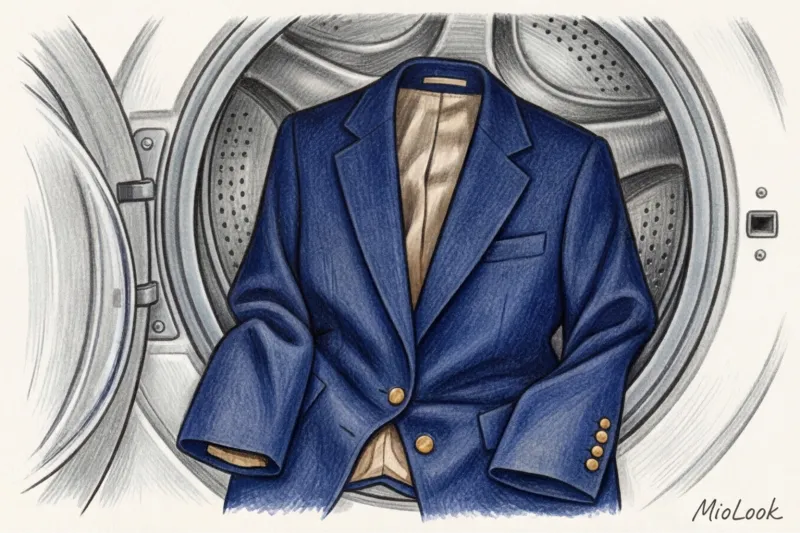
So what's the alternative for maintaining a classy look? The styling industry has long embraced more eco-friendly and gentle methods. Rule number one: ventilation in frosty or fresh cool air Natural wool has phenomenal self-cleaning properties. Low temperatures kill odor-causing bacteria and restore the fibers to their original elasticity.
Second rule: high-quality clothes brushes Invest €30–40 in a good natural boar bristle brush. Brushing away city dust and lint daily after returning home prevents dirt from becoming embedded in the fabric. It's this ingrained dust that makes suits look worn.
And finally, the gold standard - local stain removal If you spill sauce or coffee on your lapel, that's no reason to send your entire suit to the toxic dry cleaner. Simply spot-treat the stain with a mild stain remover or blot it with a damp microfiber cloth without rubbing the fibers. This will save you money and keep your favorite pieces looking impeccable.
Smart Wash: A Step-by-Step Guide to Extending the Life of Your Clothes
A washing machine drum is essentially a chamber for extreme mechanical and chemical testing. Research by Germany's Hohenstein Institute, which specializes in textiles, shows that approximately 70% of premature fiber wear occurs during the spin cycle. Therefore, throwing everything into the drum without looking is the fastest way to turn a stylish wardrobe into a mountain of cleaning rags.
The first step to mindful care is PRO-level sorting. Most of us learned the simple rule from childhood: separate whites, blacks, and colors. But for modern clothing, this is woefully inadequate. Items need to be separated by weight and texture. Imagine what happens inside a washing machine at 800 rpm: heavy, water-soaked jeans slamming against a delicate blouse made of cupra or viscose. Rough denim acts like sandpaper, literally abrading the top layer of delicate fabrics. My uncompromising rule: never wash heavy pants or hoodies together with lightweight tops and dresses, even if they are a perfect shade match.
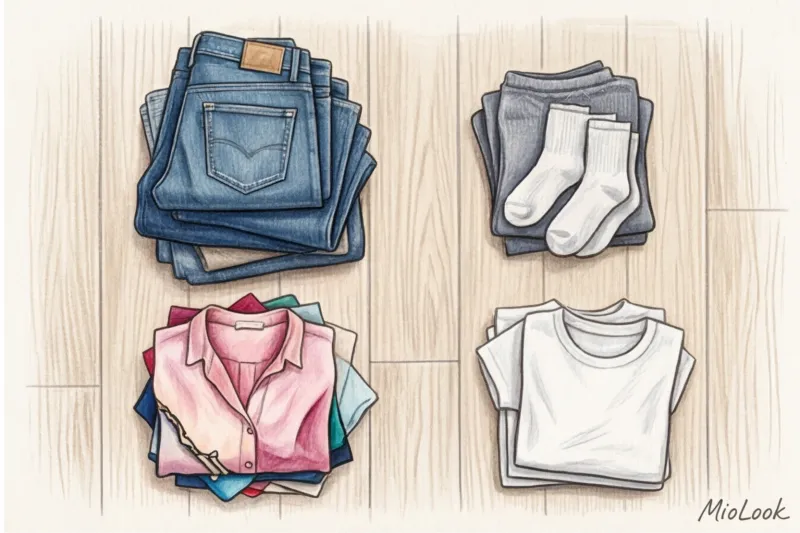
The second essential protective element is laundry bags. Many people buy them exclusively for lace lingerie, but in reality, they're the key to preserving the texture and hardware of your entire wardrobe. Metal zippers, buttons, and rivets inevitably snag on adjacent items during the wash. One unzipped jacket zipper can leave an irreparable snag on your favorite sweater. I recommend investing in high-quality mesh bags of various sizes and always packing any garments with exposed hardware, as well as all knitwear, in them.
The third pillar of smart care is minimalism in household cleaning products. Marketers try to sell us separate capsules for black, red, sports, and down, but in practice, such an arsenal only drains the budget and clutters the bathroom. A basic set, which will cover 95% of your needs and cost no more than €15–20, consists of just three items:
- Special liquid detergent for wool and silk: It has a neutral pH and is enzyme-free. This is critical, as enzymes, which are excellent at removing stains from cotton, literally dissolve the protein fibers of natural pile.
- Universal gel for main wash: A basic product suitable for cotton, viscose and blended fabrics for everyday use.
- Oxygen bleach: A safe alternative to aggressive chlorine for local soaking and removing stubborn stains.
A life hack from my styling practice: Forever ditch dry laundry detergents in favor of liquid gels. The fact is, the modern gold standard for gentle washing is 30 degrees. At such low temperatures, the crystalline granules of the detergent simply don't have time to completely dissolve. As a result, the detergent doesn't rinse out, clogging the fibers (making the fabric stiff), and leaving those annoying whitish stains on dark items. Gels are gentler and rinse out completely even in cold water.
To prevent this whole routine from turning into chaos before each wash, the process needs to be systematized. If you already use MioLook To digitize your closet, simply tag each sensitive item with "delicate wash" or "wash in bag." On wash day, you can filter out the necessary clothes in a couple of clicks and ensure you don't put delicate wool in the same cycle with harsh cotton. This saves a ton of time and prevents annoying mistakes like forgetting to read the label on a new blouse in a rush.
Drying and ironing: how to keep your clothes looking their best after a perfect wash
The physics of fabrics is merciless: about 70% of the deformation of your favorite items occurs not in the washing machine drum, but in the first two hours of drying. Understanding that How to properly care for clothes , many people obsessively focus on choosing a delicate powder, and then take out a perfectly clean item and hang it to dry so that it forever loses its original silhouette.
Let's start with the fundamental law of care, which in my practice I call horizontal rule Any knitwear—from a thick, chunky knit sweater to the finest merino or cashmere cardigan—should be dried flat. This is due to the fiber properties: wet wool or cotton yarn becomes 2-3 times heavier. If you hang such a damp sweater on a traditional drying rack or hanger, gravity will immediately do its job. The shoulder seams will stretch hopelessly, creating unsightly, pointed "ears," and the garment will increase in length by a couple of sizes, completely distorting its proportions.
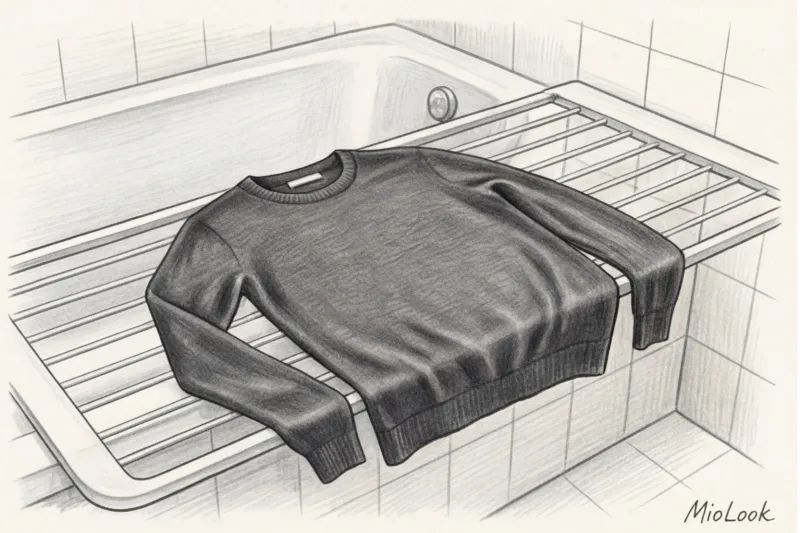
The rescue algorithm is simple: lay a clean terry towel on a flat surface, place the damp knitwear on it, carefully straighten the seams with your hands, and return the garment to its original shape (shape the neckline, straighten the sleeves). After a couple of hours, be sure to replace the towel with a dry one, otherwise the moisture will stagnate and cause an unpleasant musty odor.
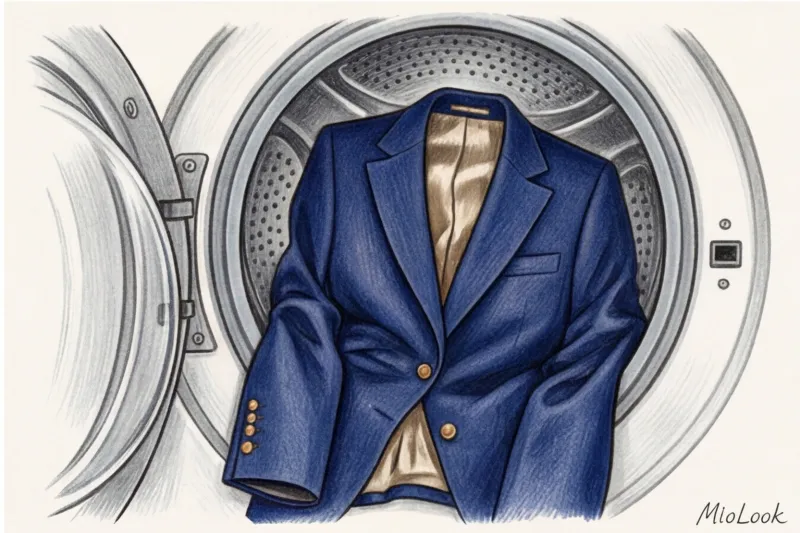
Another hidden danger in care is our attempts to artificially speed up the process. The dangers of direct sunlight and radiators on the pigment and structure of fabrics are often underestimated. A hot central heating radiator acts on elastane and viscose like a scorching frying pan, literally "baking" and drying the fibers. After such torture, the garment becomes stiff and brittle. Meanwhile, ultraviolet radiation from the sun can burn out even the most durable dye in just a few hours. This is especially critical for black and dark blue, which quickly acquire a cheap, rusty or dusty-white tint under direct sunlight. Ideal drying occurs at room temperature in the shade with good ventilation.
But there's good news: a smart dryer can replace lazy ironing. To minimize ironing, dry shirts and blouses directly on hangers. The key: choose wide plastic or wooden hangers that mimic the shape of the shoulder (thin metal ones will leave dents). After removing the damp shirt, fasten the top button of the collar and every other button after that. Then shake the garment thoroughly and firmly run your palms along the damp seams, button placket, and collar, pulling them down. As it dries, the fabric will "remember" this even geometry.
My personal styling trick, which never fails to amaze my clients, is to dry classic suit trousers upside down. Use a hanger with clothespins, securing them to the very bottom of the legs. Under the impressive weight of the thick waistband, pockets, and zipper, the damp fabric will be pulled downwards under its own weight. This will practically straighten the creases, and any creases will disappear.
Access to MioLook for €0.99 — one-time payment
Start creating perfect looks with AI and save your stylish finds in one place while planning your capsules for the week ahead.
Get access — €0.99 onceSteamer vs. Iron: A Stylist's Choice for Statement Looks
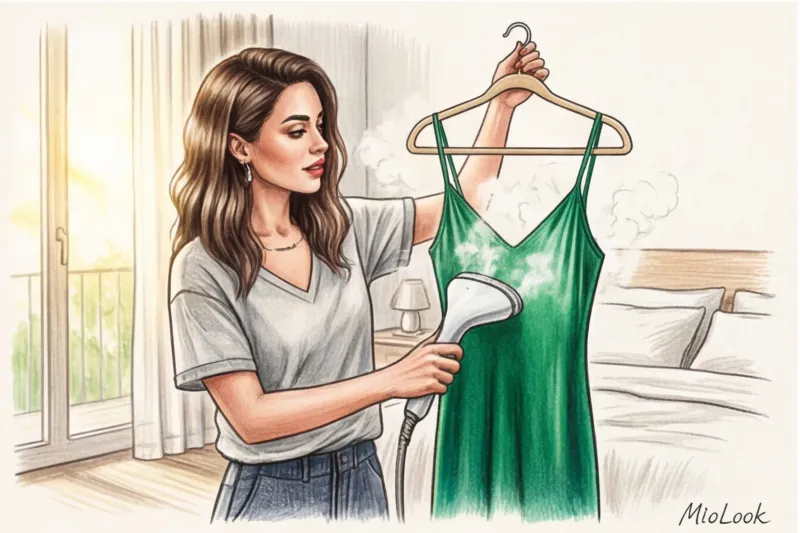
In my practice, I often encounter an irrational fear of buying items made from complex fabrics—silk, fine viscose, or lyocell. There's always one solution to this problem: a high-quality steamer. For €50–€150, you can find an excellent handheld or stationary steamer (for example, with a power of 1500W or higher) that will completely transform your morning routine. Unlike a hot iron, which physically flattens the fibers and takes away their natural volume, steam gently penetrates the fibers, causing them to relax and straighten.
Why is a steamer safer for modern items? Most of the current models from the European mid-market (like COS or & Other Stories) are made from complex blends. It's very easy to burn, deform, or "stick" such fabric with an iron. Steam, on the other hand, is completely safe: it leaves no marks, preserves the 3D texture of the fabric (which is critical for crinkled or pleated fabrics), and also refreshes items between washes by killing bacteria.
Does this mean the iron can be thrown in the trash? Absolutely not. An iron is indispensable when your look requires a rigid, architectural form. You'll never get perfect, razor-sharp creases on trousers with a steamer. It won't handle the stiff collars on cotton poplin shirts or give the desired firmness to French cuffs. An iron fixes the shape, and for a strict dress code, it's essential.
However, using an iron on modern fabrics requires professional caution. The biggest mistake beginners make is the appearance of so-called "glaze" (treacherously shiny marks left by the hot sole) on dark trousers or jacket lapels. This shine isn't dirt, but locally melted microfibers of synthetics or wool, and it's virtually impossible to remove. To avoid this, always iron suit fabrics from the inside out. If you need to iron the right side (for example, to press a pocket or restore a crease), be sure to use ironer This can be a special heat-resistant mesh or simply a piece of clean white cotton cloth lightly dampened with water. The iron will create a reliable steam cushion and protect the pigment and structure from direct heat shock.
Storage Architecture: How to Organize a Closet to Let Things "Breathe"
Every time I visit a new client to sort through their wardrobe, the first thing I notice is the sound. If the hangers creak and struggle to slide apart on the rod, I already know some of the clothes are hopelessly ruined. When people ask me how to properly care for clothes, I always answer: start with how they're stored in your closet. We spend huge budgets on gentle laundry detergents, but forget about the basic storage architecture that causes clothes to lose their shape before they even leave the house.
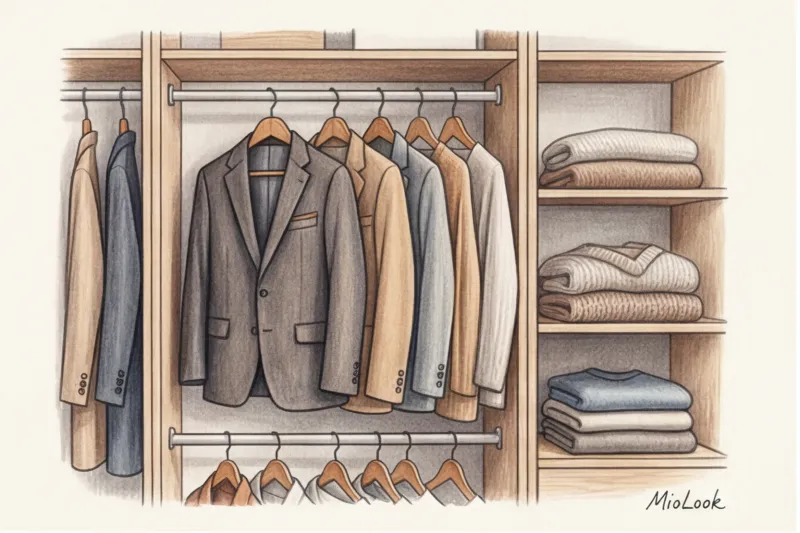
The main rule of high-end boutiques and professionally organized dressing rooms is the principle of open space. Your closet should be no more than 80% full, leaving at least a fifth of the closet rail completely empty. Why is this crucial? Natural fabrics (cotton, wool, linen) require constant air circulation. In a tightly packed closet, the fibers accumulate residual moisture after wear, leading to a musty odor. Moreover, the constant friction of tightly hung items against each other is the main cause of micro-pilling on the sides of your favorite jackets and trousers.
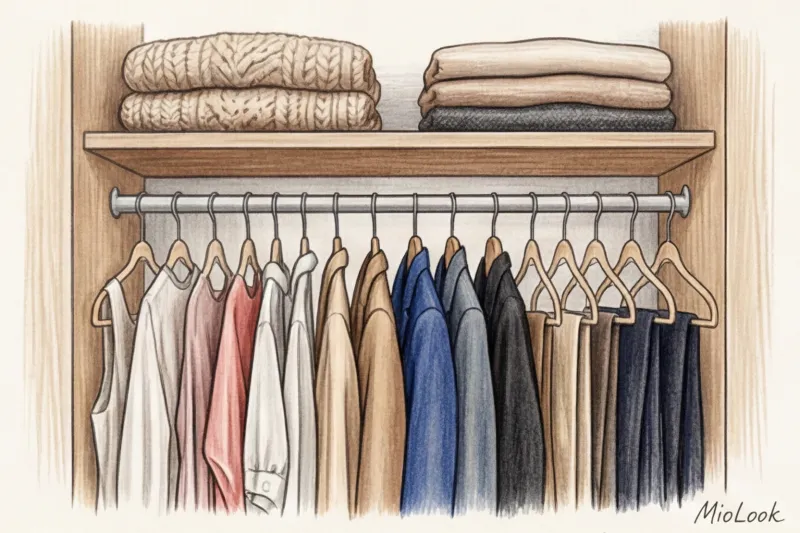
The next, and perhaps most common, enemy of a good wardrobe is thin wire hangers from the dry cleaner. Remember: they are intended solely for transporting items from the pickup point to your apartment. Leaving clothes on them is a true crime against the cut. An incorrectly thin hanger creates elongated "ears" (sharp bumps) on the shoulders of knit tops, cardigans, and blouses. This defect immediately ruins the silhouette: instead of a beautiful shoulder line, you get unsightly lumps that are often impossible to remove even with a powerful professional steamer. The entire weight of the garment presses on two millimeter-thick support points—the fabric simply can't withstand such mechanical stress.
For structured items—heavy, thick wool jackets, coats, and trench coats—use only wide wooden hangers that follow the natural curve of the shoulder. For lightweight viscose and silk blouses and shirts, thin velvet hangers are ideal. They prevent slipping (no more fabric falling onto the closet floor) and save precious space. A basic set of 50 high-quality velvet hangers will cost you around €20–€25, but this tiny investment will save hundreds of euros in items and dramatically improve the visual appearance of your dressing room.
While dresses and blouses require proper hanging, gravity is the worst enemy of any knitwear. Proper storage of sweaters, jumpers, and cashmere turtlenecks completely eliminates the use of a hanging rod. They should never be hung, even on the most anatomically correct hangers. Under their own weight (especially for heavy cotton blends like COS or chunky knits), the garment will stretch out, permanently losing its original proportions.
Knitwear should be rolled tightly or folded vertically in dresser drawers using the Marie Kondo method (in neat rectangles). This way, you can see your entire collection at a glance without having to pull the bottom item out of the stack or disturb the yarn structure. To avoid forgetting about folded items that are visually hidden, I recommend moving your base items to MioLook smart wardrobe Digital cataloging allows you to create outfits right on your phone, without rummaging through shelves looking for that perfect gray sweater.
Seasonal Storage: Why Vacuum Bags Are Bad for Wool
The change of seasons often brings with it the mass packing of down jackets and winter sweaters in plastic vacuum bags and vacuuming the air out. This seems like a brilliant solution for saving space on overhead shelves, but it conceals a dangerous contrarian insight. Vacuuming physically breaks down the fibers of natural wool, down, and silk.
When you compress a down jacket or cashmere sweater under extreme pressure, depriving it of air for six months, the natural pile structure is irreversibly deformed. The fragile feathers inside the down jackets crack and break, and the microscopic scales of sheep's wool become crushed and lose their natural ability to retain heat. Once removed from such a package, the item permanently loses its original volume and elasticity. If you've ever taken out your favorite winter jacket and it looks like a thin, flat windbreaker with no volume, these are the direct consequences of vacuum packing.
The only safe alternative for long-term seasonal storage of premium and natural products is spacious trunks made of breathable, dense cotton or spunbond. They reliably protect against household dust and fading, yet allow air to circulate freely. Be sure to place a sachet of natural cedar balls or dried lavender inside each trunk. Unlike toxic mothballs, these natural repellents gently protect your investment from moths, leaving a subtle, delicate scent on the fabric until the next cold weather sets in.
Wardrobe Resuscitation: How to Save Things That Seem to Be Ruined
Have you ever wondered how many perfectly good basics get thrown away or thrown into the trash because of a single washing mistake or unsightly lint? As a personal shopper, the "decluttering" stage often turns into a real rescue operation. Instead of immediately writing off ruined clothes, let's apply a few professional tricks.
One of the most striking cases happened to a client of mine a couple of years ago. In desperation, she was about to throw away a luxurious cashmere sweater she'd bought in Milan for €300. The reason was simple: thick pilling had formed on the sleeves and sides from constant friction against the strap of her crossbody bag. The garment truly looked untidy. I pulled out an electric pilling machine from my work bag, bought at a regular supermarket for €15, and in five minutes, I restored the knitwear to its pristine condition. The client couldn't believe her eyes.
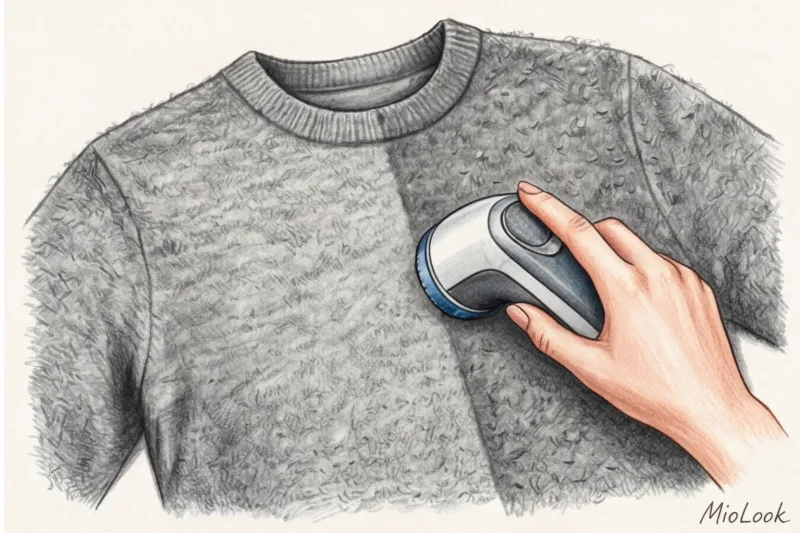
Remember this simple rule: pilling isn't a sign of poor fabric quality, but a natural part of wear and tear. An electric machine is your most important and cost-effective investment in care. It pays for itself after you've saved the first sweater. No razors (they cut the warp threads and create microscopic holes) or tape—just a special device with a metal mesh.
The second common panic scenario: what to do if an item has shrunk after exposure to hot water? When new clients ask me how to properly care for clothes after heat shock, I always share a chemical life hack. Natural fibers—wool, cotton, cashmere—are very similar in protein structure to human hair. In hot water, their scales shrink. To relax the fibers, you'll need a regular hair conditioner.
Dissolve three to four tablespoons of fabric conditioner in a basin of warm (never hot!) water and soak the shrunken jumper for 30–40 minutes. The conditioner will soften the threads and make them elastic. Afterward, gently squeeze out the water through a terry towel, lay the sweater flat, and begin to gently stretch it with your hands in all directions. This method brings up to 80% of shrunken natural items back to life.
Your ideal image
it begins Here
Join thousands of users who look flawless every day with MioLook. A smart outfit planner and closet digitalization in one app.
Get access — €0.99 onceFinally, the hidden enemy of any wardrobe is lingering odors. You've gone to an Asian restaurant or a loud party, and your favorite wool blazer from Massimo Dutti smells of food and tobacco. Wash the jacket? Absolutely not—water will ruin its inner architecture. Theater costume designers, who are physically unable to wash complex historical costumes after every performance, use a brilliant trick.
How to remove unpleasant odors without washing? Pour the cheapest vodka into a spray bottle and spray the lining of the garment evenly from a distance of 20-30 centimeters, paying particular attention to the underarm area. The alcohol instantly destroys the cell membranes of odor-causing bacteria and then evaporates completely, leaving no alcohol residue. Air the garment outdoors overnight, and it will be absolutely fresh in the morning.
Checklist: A Wardrobe Routine for Busy Women
According to statistics from the British Association of Textile Care Specialists (2023), the average city dweller spends about 14 minutes each morning struggling with her clothes: trying to smooth out creases on a shirt, urgently scrubbing out last night's coffee stains, or searching for tights without snagging. Multiply this by a month, and it adds up to hours of wasted time at the start of the day. The main secret to properly caring for your clothes isn't buying expensive gadgets and endless trips to the dry cleaner, but rather implementing a system of micro-habits.
In my guide, which I give to clients after creating a basic capsule, care is divided into three clear time periods. This process architecture allows items to always look as if you just cut the tags off them.
Daily Routine: The Two-Minute Rule
The most dangerous illusion is taking off an item after work and immediately hanging it back in a tightly packed closet or, worse, tossing it on the proverbial "clothes chair." This daily routine should take exactly two minutes, but it saves the fabric from irreversible damage.
- Remove and air: Natural fibers (wool, silk, cotton) absorb body moisture. If you immediately lock them in the closet, the fabric will begin to deform and the odor will set in. Hang your blazer or dress on a hanger or on the closet door for at least two hours before hanging it up.
- Inspect for stains: A quick scan of the collar, cuffs, and hem. A fresh drop of sauce can easily be removed locally with a damp cloth or a drop of soap. If the stain sits in the closet for a week, it will oxidize and become permanently embedded in the fabric.
- Empty your pockets: Left keys, coins, or a phone overnight will stretch the fabric, permanently distorting the silhouette of a jacket or cardigan.
Weekly Routine: Investing in Peaceful Mornings
Sunday evening is the perfect time to clean out your wardrobe. Instead of frantically ironing every morning, create a prep cycle.
Steaming the capsule for a week ahead: Choose 5 looks for the upcoming work week. This is the perfect time to open the "smart wardrobe" feature in MioLook , assemble ready-made outfits from digitally stored items and prepare them physically right away. Turn on the steamer once and steam all your shirts, pants, and dresses. Batch steaming saves up to 40 minutes per week compared to daily prep.
Delicate wash: Gather all delicate blouses, silk tops, and cashmere that require hand washing or a delicate cycle. Soak them in cool water with liquid detergent at the same time. This will prevent you from running the washing machine over just one turtleneck and will reduce wear and tear on your items.
Seasonal Routine: Closing the Fashion Gestalt
The changing seasons are a stress test for your style investments. Clothes deteriorate during the six months you don't wear them if the preservation procedures aren't followed.
- Dry cleaning before storage: Never put coats, down jackets, or warm sweaters away without cleaning them first. Clothes moths feed not on the wool itself, but on microscopic skin particles and sweat residue left on the fibers. One unwashed stain can cost you your entire cashmere parka.
- Shoe shaping and processing: Before storing your mid-season boots, clean them, apply a nourishing leather cream (to prevent drying and cracking), and be sure to insert cedar shoe trees. High-quality shoe trees will cost around €20–€25, but they will keep your €200 loafers in shape for years to come, drawing out excess moisture and smoothing out creases.
- Correct packaging: As we've already established, no vacuum bags for natural fabrics. Only breathable cotton bags and sachets with lavender or cedar beads.
Stylist's advice: Yes, it sounds like a plan for a perfect world, and there are days when we simply collapse on the bed from exhaustion. But if you start implementing at least the daily two-minute rule (airing and inspecting), you'll already be extending the life of your favorite things at least twice as long.
Smart grooming isn't a chore, but a sign of respect for yourself and your money. An organized wardrobe gives us the most valuable asset in the morning rush: peace of mind, confidence in your flawless appearance, and an extra 15 minutes for a leisurely breakfast.
Guide Chapters
A reliable remedy for moths in the closet: saving things
Why doesn't traditional lavender protect cashmere and wool anymore? We explore modern and effective methods for protecting your wardrobe from moths.
How to wash membrane clothing without losing its properties
Regular detergent and fabric softener can permanently ruin expensive sportswear. We'll explain how to properly care for technical fabrics.
How to wash linen to make it softer: care secrets
Linen items don't need to be constantly dry-cleaned. Master the Mediterranean care method to keep your linen softer with each season.
How to care for eco-leather and leather: stylist's advice
One wrong product can ruin your favorite trench coat forever. We'll explore the most common mistakes and care tips for faux and genuine leather.
How to Wash Silk: Secrets for Dry-Cleaning-Free Care
Dry cleaning often damages delicate fabrics, leaving them stiff and dull. We'll explain how to properly care for your favorite silk items at home.
What is better: a clothes steamer or an iron?
Do you often damage delicate fabrics when ironing? Ask a stylist for advice on the best technique for safe and quick ironing.
Which hangers are best for clothes: a guide to choosing
The wrong hanger can permanently ruin even the most expensive item. Learn how to choose the perfect hanger for different fabric types and styles.
What to do if your clothes have shrunk after washing: tips
Has your favorite sweater shrunk a couple of sizes? Learn how to properly restore a shrunken garment by understanding its fabric structure.
How to wash jeans to keep them from fading: stylist tips
Is it true that jeans shouldn't be washed for years? We debunk popular myths and share denim care tips from a professional stylist.
How to properly store winter clothes so they don't get ruined
Vacuum bags can permanently ruin your favorite coat. We'll tell you how to prepare and put away your winter wardrobe for the summer without compromising the quality of the fabrics.
How to dry knitted items to avoid deformation
Stretched sleeves and misshapen shoulders are often the result of improper drying, not poor quality. Learn the laws of fiber physics and save your knitwear.
How to Wash a Cashmere Sweater: Stylist Tips
Dry cleaning ruins your favorite items. Learn the secrets of proper at-home care for wool and cashmere from a professional stylist.
How to remove pilling from clothes without damaging the fabric
Pilling on clothes isn't always a sign of cheap fabric. We'll tell you how to properly care for them and eliminate pilling like a pro.
How to remove yellow stains from white clothes: stylist's tips
Tired of yellow stains on your favorite light-colored items? We're sharing professional stylist tips for safely removing stains without damaging the fabric.
How to wash a down jacket in a washing machine without clumping
A step-by-step guide from a stylist: how to safely wash a winter jacket at home. Debunking tennis ball myths and saving on dry cleaning.