How to look expensive without spending a lot: an optical illusion, not a price tag magic
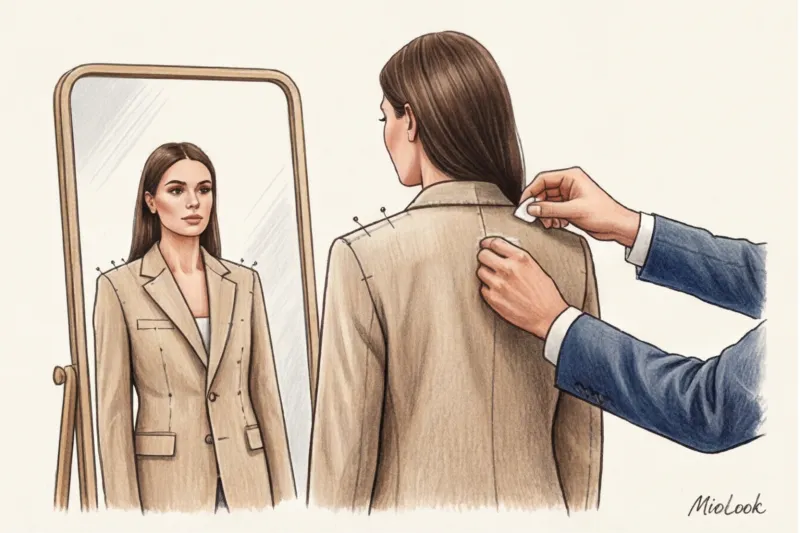
Recently, my client Lena showed up to a meeting wearing a flawless black jacket. "The new Yves Saint Laurent?" her colleague asked. Lena just smiled mysteriously. In fact, the jacket was bought on sale at a high-street store for €45, after which we took it to a tailor: they cinched the waist for €15 and replaced the plastic buttons with horn ones for another €10. A total of €70—and it perfectly fit the "quiet luxury" aesthetic.
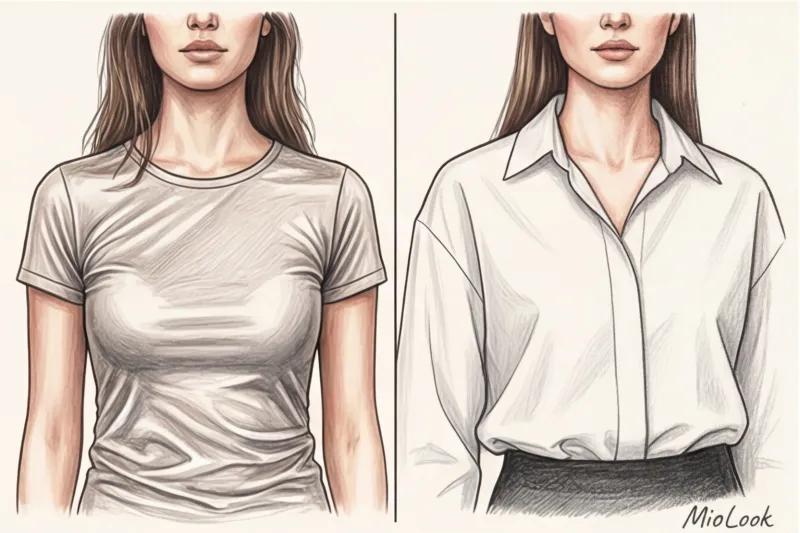
The secret to looking expensive without breaking the bank isn't logos or hunting for knockoffs of famous brands. As a stylist and colorist, I constantly explain to my clients: the visual value of a garment is a matter of simple physics. More precisely, optics. How "status" your look appears depends solely on how the fabric absorbs and reflects light, and on the geometric shapes it can hold in space.
We talked about the mathematics of conscious shopping in more detail in our A complete guide to building a basic wardrobe on a budget , but today we're talking specifically about visual tricks. Forget the "just wear beige" advice. Let's explore the anatomy of truly expensive pieces and learn how to find them even on a budget.
The Anatomy of "Status" Fabric: Which Textures Deceive the Eye
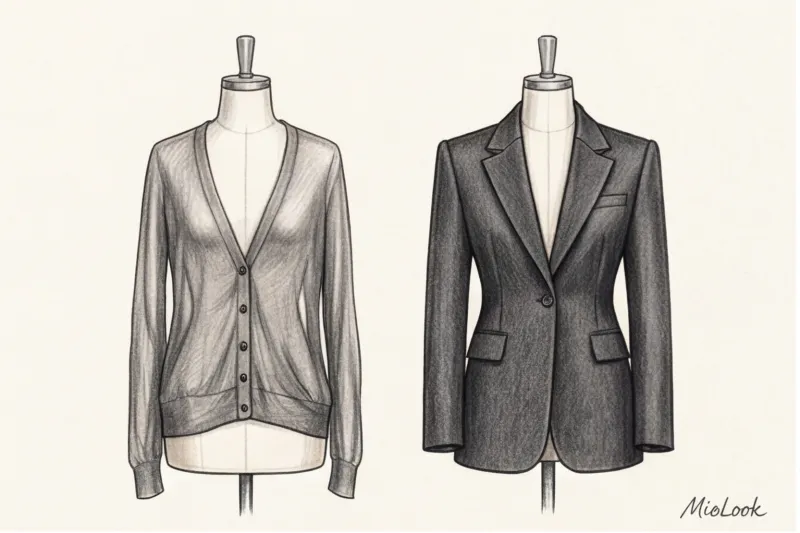
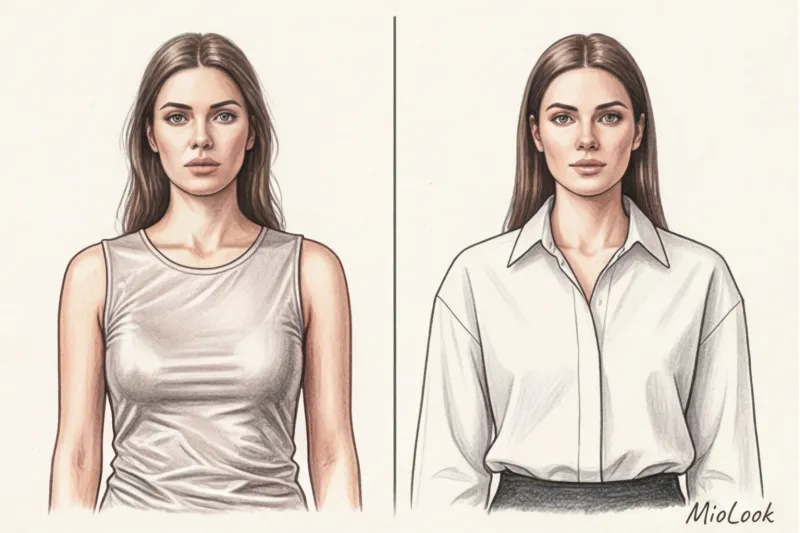
The main enemy of elegance on a budget is thin, flimsy knitwear. You know those turtlenecks that are see-through in the light and highlight even the folds you don't have? They reveal their price from the very first moment.
According to a 2024 report by the analytical agency WGSN on the transformation of dress codes, the concept of "premium" has in recent years been strictly tied to heavyweight fabrics. Why? Because heavyweight fabrics don't cling to the body like a second skin, but instead create their own distinct silhouette. They conceal figure nuances and create that perfect drape associated with bespoke tailoring.
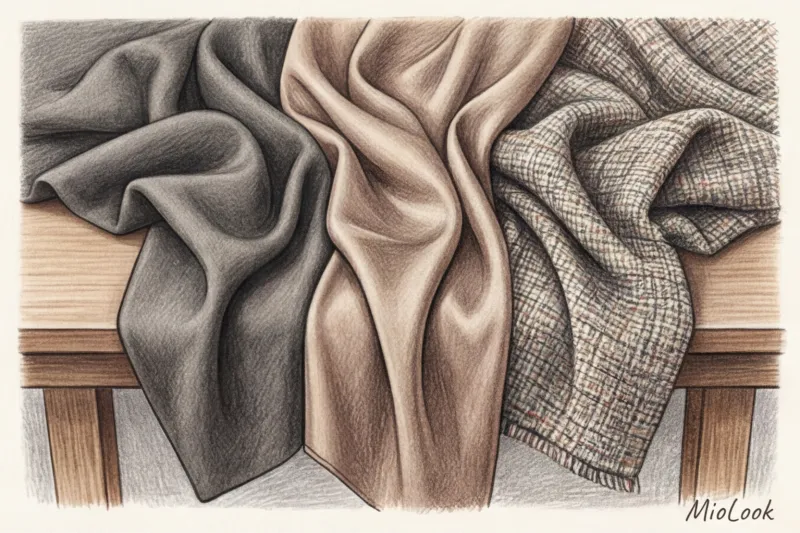
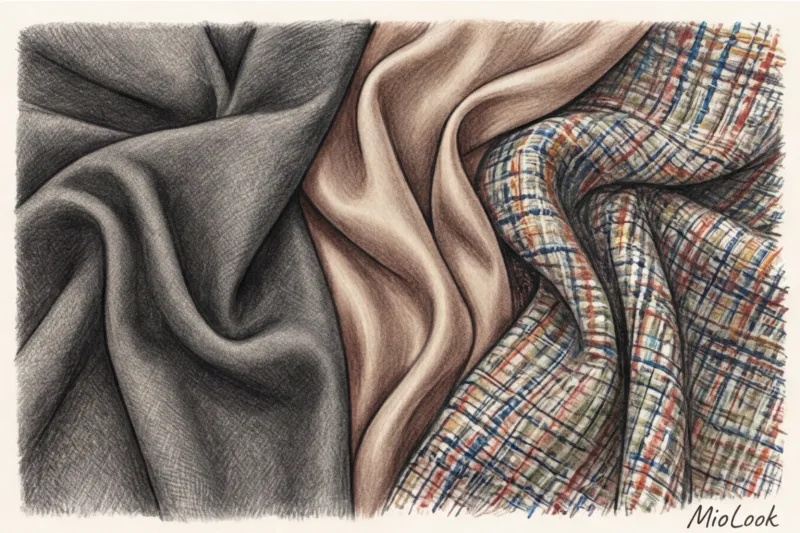
"Matte always looks more expensive than glossy when it comes to inexpensive fabrics. Cheap polyester has a distinctive, greasy sheen because its smooth synthetic fibers reflect light in a focused and sharp manner. Matte fabrics absorb light, creating the illusion of depth and a velvety feel."
During shopping sessions, I always ask clients to pay attention to how the fabric behaves when they move. If it "shivers" and flows in small waves, we leave it on the hanger. If it forms large, heavy folds, we take it to the fitting room.
The Density Rule: Why Things Should Stand Still
The density of a fabric determines its dimensional stability. If your budget is tight, denim, heavy cotton (such as diagonal weave), gabardine, and tweed are your best friends. These materials are inherently structural.
When buying a basic T-shirt, don't just grab the first one you see. Look for the density (GSM—grams per square meter) on the label or in the website description. A high-quality, "expensive"-looking T-shirt starts at 180–200 g/m². These are the kind you'll find in the men's departments at Uniqlo (the U line) or COS—they're thick, wrinkle-resistant, and hold their sleeves in place.
Geometry of cut: lines that instantly elevate the status of an image
Look at the shows of Jil Sander or The Row. What do they have in common? Impeccable architecture. The human eye subconsciously perceives clean geometric lines as a sign of high-status clothing.
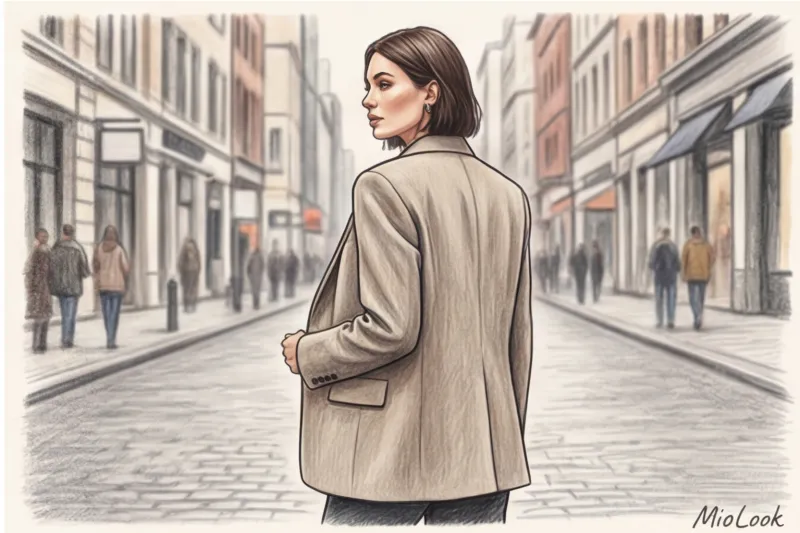
The first rule of geometry is the architecture of the shoulder girdle. A jacket or coat with built-in shoulder pads automatically looks three times more expensive than its actual price. A clear, horizontal shoulder line sets the frame for the entire look, visually straightens posture, and makes the silhouette more composed.
The second professional secret is air. A semi-fitted look always looks more prestigious than a tight fit. When I assemble capsule collections for clients at mass-market stores like Zara or Massimo Dutti, I often order jackets, shirts, and coats one or even two sizes larger. This creates that all-important "air" between the body and the fabric, which tells others: this garment was made with a generous amount of good fabric, and they didn't skimp on you.

Access to MioLook for €0.99 — one-time payment
A smart AI stylist will select the perfect look based on your proportions and your existing wardrobe.
Get access — €0.99 onceThe Main Myths: What Materials Are We Overpaying for?
There's a cast-iron stereotype: natural is always good and expensive, while artificial is bad and cheap. This is the most dangerous myth, causing us to waste money.
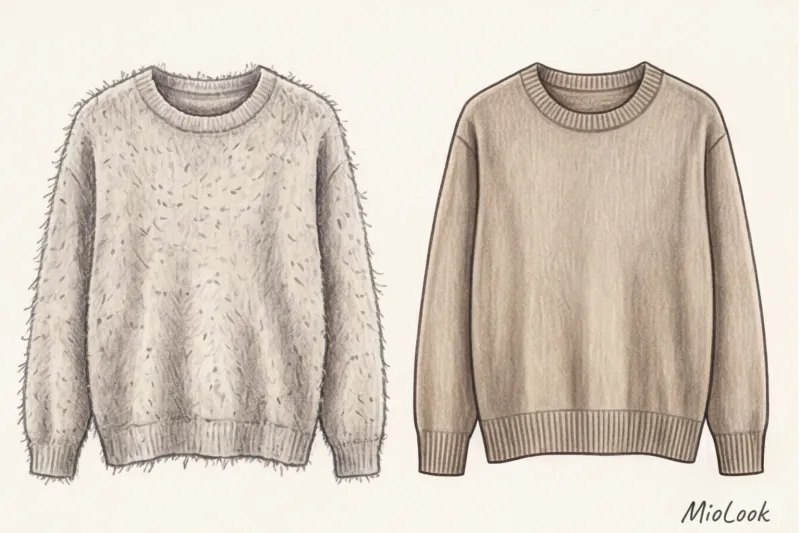
Many people chase cheap cashmere, buying jumpers for €50–70 on sale, sincerely believing they've made an investment. As someone who has studied materials science, I'm going to disappoint you. According to Textile Exchange standards, high-quality cashmere requires a fiber length of at least 34–36 mm. In the budget segment, short tows (15–20 mm) are used. What does this mean in practice? Such a jumper will become covered in horrific pilling after exactly three days of wear, wherever it rubs against a bag or outerwear.
Have you ever noticed how cheap natural silk behaves? It gets staticky, sticks to your tights, and the seams come apart after the first wash.
Counterintuitive stylist advice: On a budget, a high-quality blend or modern synthetic fiber is always better than a cheap natural one. Good, dense viscose, cupro, modal, or tencel (lyocell) will cost you the same €40–€80, but they will visually create a luxurious, heavy drape, the matte sheen of expensive silk, and last five times longer.
The 10 Percent Rule: How a Tailor Transforms Mass-Market into Luxury
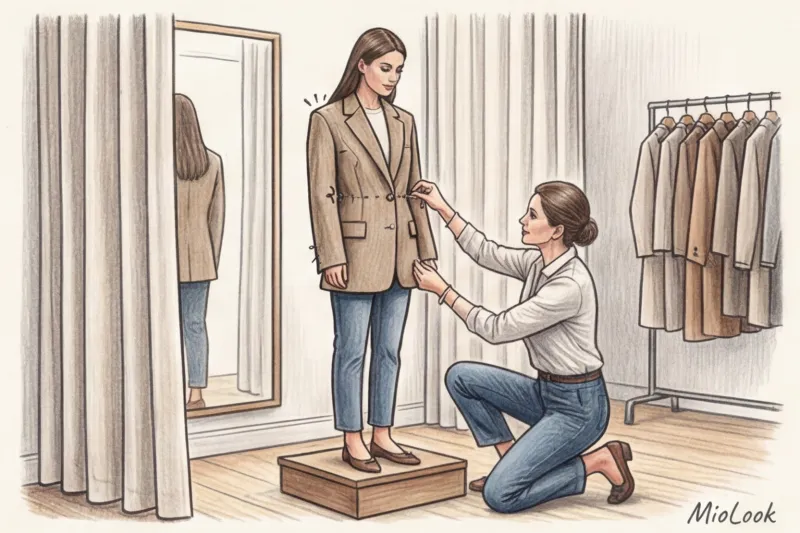
It's a favorite secret of Italian fashionistas: buy a mid-range item, but be sure to have it tailored to your figure. Brands make clothes to average measurements. But you don't have an average figure—you have a unique height, shoulder height, and back arch.
What should be redone immediately after purchase:
- Sleeve length. The sleeve of a jacket or coat should end at the wristbone, revealing the shirt cuff or watch. Sleeves that are too long (a common practice among many brands) create a sloppy look.
- Fit at the waist. If you remove excess volume from the back of a jacket or dress (make darts), the item will begin to look as if it was custom-made.
- Fittings. This is the cheapest and most effective trick. Cut the shiny plastic buttons off your H&M trench coat or cardigan. Buy metal, horn, or fabric-covered buttons at a fabric store. The cost is €5-€10, but the effect is worth hundreds of euros.
By the way, internal analytics Smart wardrobe features in MioLook reveals an interesting statistic: tailored items are worn 65% more often than standard-fit garments. This dramatically reduces the cost per wear (CPW). You spend an extra €15 on tailoring, but the item lasts for years.
Your perfect look starts here
Join thousands of users who look flawless every day with MioLook's intelligent look selection.
Get access — €0.99 onceInvesting Wisely: A Stylist's Pre-Purchase Checklist
Before taking your item to the checkout, do a quick check right in the fitting room. These three steps will save you from disappointing purchases.
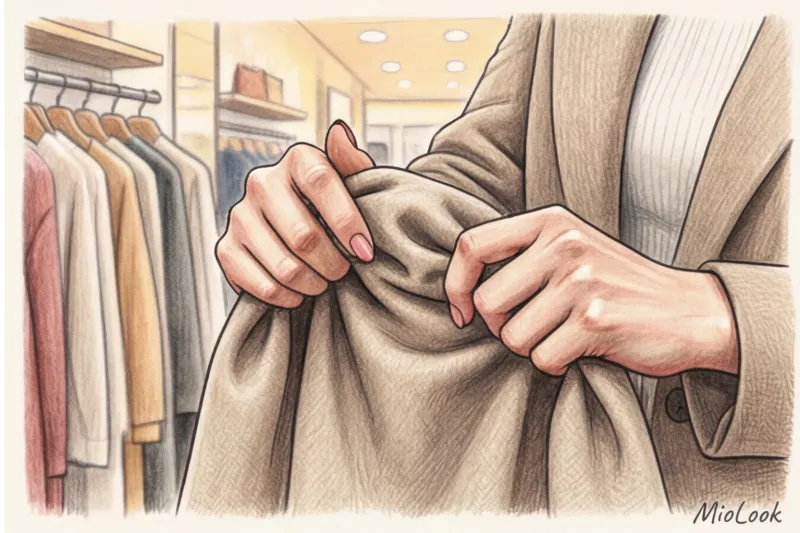
- "Test in the fist." Squeeze the edge of the fabric in your fist, hold it for 5 seconds, and release. If the fabric is chewed up like a piece of paper, don't use it. The item will lose its appearance the moment you sit down in a taxi or office chair for the first time.
- Matching prints. If you're choosing a checked, striped, or geometric patterned item, check the side seams. Expensive items (and high-quality mass-market items) have perfectly matched seam patterns. If the stripes are "smudged," it's a sign of skimping on fabric, which cheapens the overall look.
- Checking the lining. Budget brands often make excellent outerwear but attach cheap, squeaky 100% polyester linings. This will accumulate static and ruin the fit. Look for viscose or acetate linings.
An important clarification to be honest with you: when these tips don't work A tailor's trick with fittings is useless if you're trying to save a dress cut on the bias from the finest shiny polyester. A tailor simply won't be able to remake fabric that doesn't hold its seams. Physics can't be completely fooled—if the base material is inherently flawed, no amount of buttons will save it.
Ultimately, looking luxurious on a budget is a matter of being well-informed and avoiding impulse purchases. Stop looking for a big name or the cherished words "100% silk" on the tag. Look for density, a matte finish, the architecture of the cut, and the correct fit. Then, when asked, "Is this the new Celine collection?" you'll be able to answer with the same enigmatic smile.