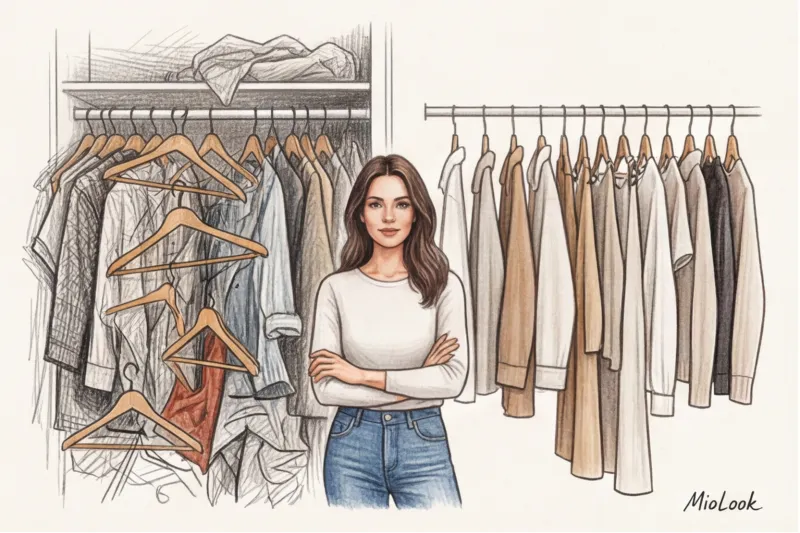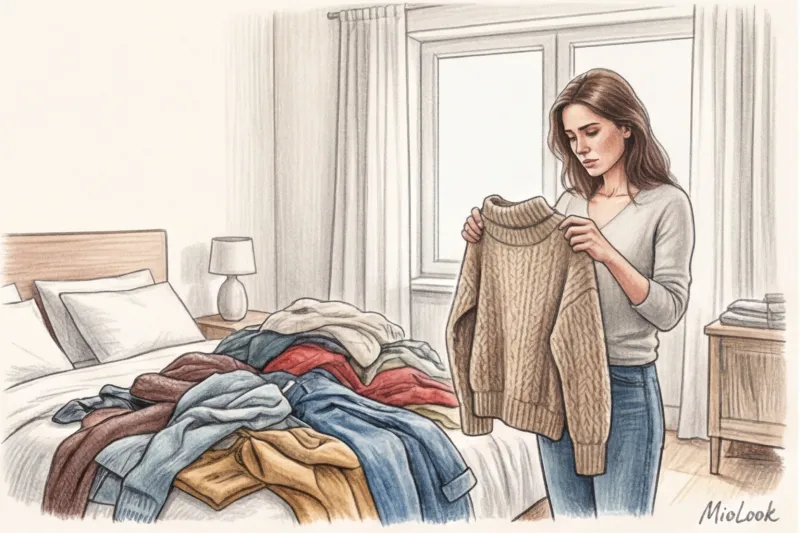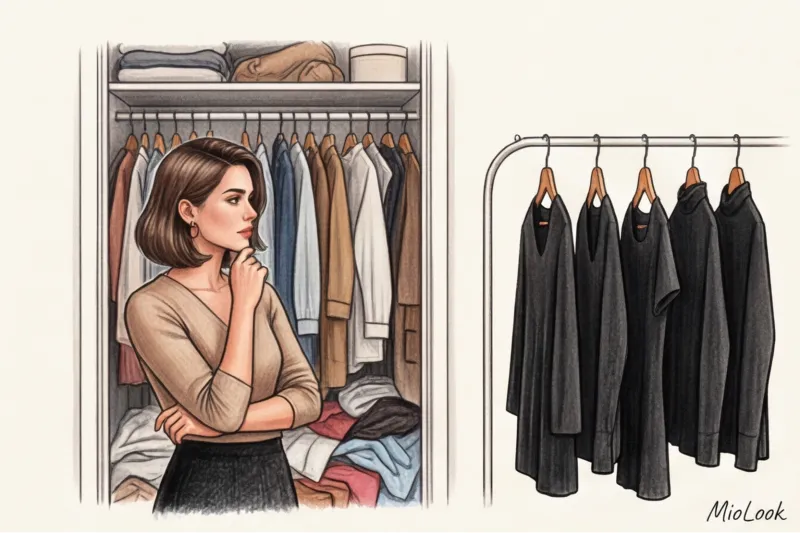
One day, while sorting through the closet of one of my clients—let's call her Anna, a top IT manager—we discovered eight pairs of nearly identical black cigarette pants. Eight! And yet, her morning monologue in front of the mirror invariably began with the irritated phrase, "I have absolutely nothing to wear to the office." It was then that I realized: the physical presence of clothes in the closet and our understanding of our wardrobe are two completely different universes.
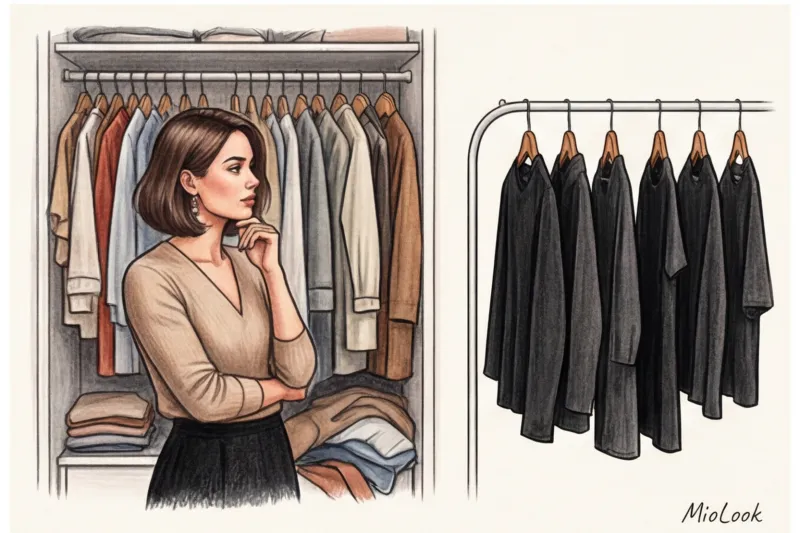
The solution to this problem isn't buying new storage organizers or another spring cleaning. The answer is transferring your closet to your smartphone. If you've been searching for information on how to... How to digitize your wardrobe Forget the typical internet advice that encourages you to spend your entire weekend photographing every pair of socks. In this article, I'll share a professional "chunky start" strategy that will transform a tedious inventory into a profound personal style audit.
It's important to understand that virtualizing your belongings has not only aesthetic but also global value. We discussed this in more detail in our a complete guide to the impact of digitalization on the environment Now let's figure out how to make this tool work for you.
Why You Really Need to Digitize Your Wardrobe: Hidden Benefits
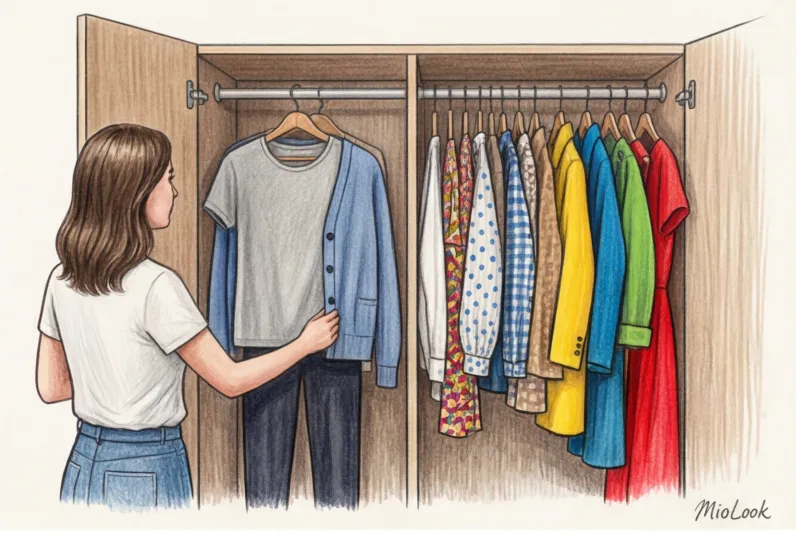
If you ask any woman how many items are in her closet, she'll be off by at least a factor of two. We only remember what we've worn in the last couple of weeks. In styling, these are called wardrobe "blind spots."
According to a large-scale report Ellen MacArthur Foundation (2023), the average number of times an item is worn has decreased by 36% compared to the early 2000s. We buy more and wear less. Why? Because our brains are lazy. In a rushed morning, they choose the familiar jeans and sweater combination from the top of the pile.
Digitizing things through virtual wardrobe app , you replay this scenario:
- You defeat the Pareto principle. We typically wear 20% of our clothes 80% of the time. A visual catalog makes you see the forgotten 80% and bring them back into rotation.
- The level of morning anxiety decreases. You collect images in the evening while lying in bed, or you trust AI algorithms to do it.
- Conscious consumption is being formed. The most eco-friendly (and economical) thing is the one that's already purchased and hanging in your closet.
"Your digital wardrobe is a mirror of your real habits. It mercilessly reveals the gap between who you want to appear and how you actually live."
The biggest mistake beginners make: why they give up halfway through

The biggest myth I regularly hear from new clients is: "To get started, I need to set aside a free weekend and photograph my entire closet." This is a disastrous mistake.
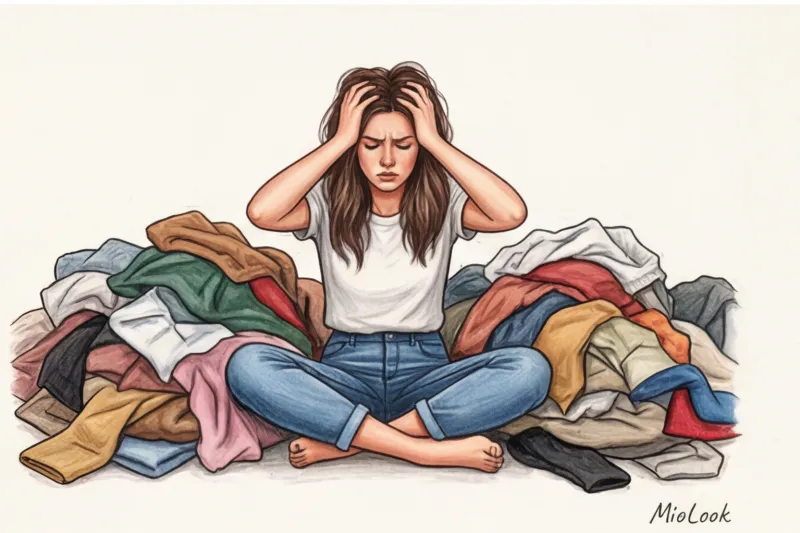
In my experience, nine out of ten women who try to digitize everything at once give up after the second dozen T-shirts, throwing things on the floor and deleting the app in a fit of burnout. Moreover, taking a complete inventory isn't just tedious—it's detrimental to your future style.
The "digital garbage" effect
A fair limitation of the method: digitization it won't work If you try to upload every single item of clothing to the app, you'll be in trouble. Items that are two sizes too small (but you're planning to lose weight), sweaters with pilling, and dresses that went out of style in 2014 shouldn't make it into your digital closet.
By uploading irrelevant things, you create "digital garbage." Algorithms MioLook and other smart platforms will start suggesting outfits with items you won't wear anyway. Choose only what you're ready to wear tomorrow.
Your perfect look starts here
Join thousands of users who look flawless every day. Scan your first 10 items and let AI create stylish outfits for you.
Get access — €0.99 onceHow to Digitize Your Wardrobe: A Step-by-Step Guide from a Stylist
I've worked through this algorithm on dozens of wardrobes—from minimalist capsule wardrobes to huge walk-in closets filled with heavy luxury. The secret lies in properly preparing the pieces for the shoot.
Step 1: A rigorous pre-shoot audit
Before you get out your camera, sift your belongings through a reality filter. I use the "three-piles rule": keep, give away/sell, and think about (put away in a box for six months). Only the first category makes it into the app. If you're unsure, I recommend reading the article about How to get rid of things that cheapen your look.
Step 2. Rules for perfect product photography of clothing
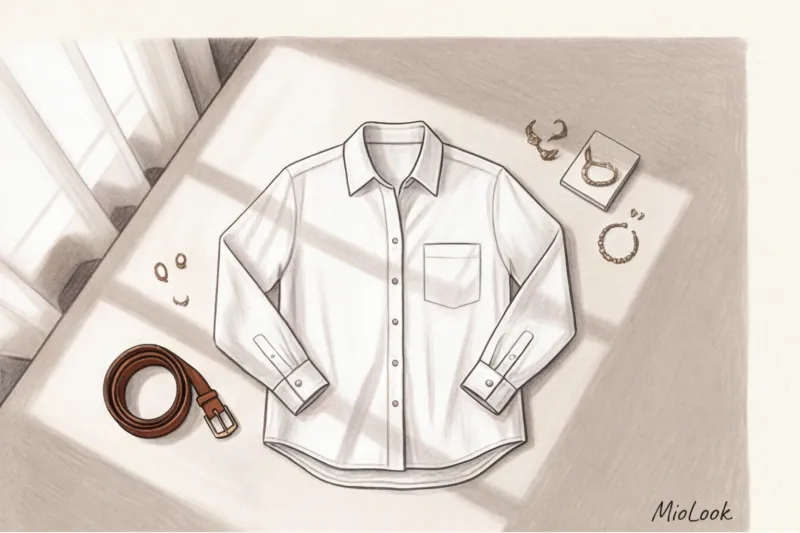
To ensure the app's neural network can accurately cut out the background and display the object without distortion, you need to shoot correctly:
- Light: Only shoot during the day near a window (diffused light). Artificial lighting distorts colors—a luxurious camel shade will turn dirty yellow, and dark blue will merge with black.
- Background: Lay a white sheet or piece of poster board on the floor. The higher the contrast between the item and the background, the better the background removal will be.
- Layout: Smooth out the sleeves, button up all the buttons on the shirt and fasten the zippers on the pants. The garment should lie flat, mimicking the shape of the body, rather than looking like a shapeless rag.
Step 3. Filling in metadata (tagging)
Don't skip this step. Assign each item the correct tags: season, color, category, dress code (casual, smart, evening). Be sure to include the brand and fabric composition—for example, "100% cashmere" or "heavy cotton." In the future, this analytics will help you understand why you avoid wearing certain blouses (spoiler: most often it's because of the uncomfortable synthetics).
The "Splinter Start" Strategy: How to Digitize Clothes Without Going Crazy
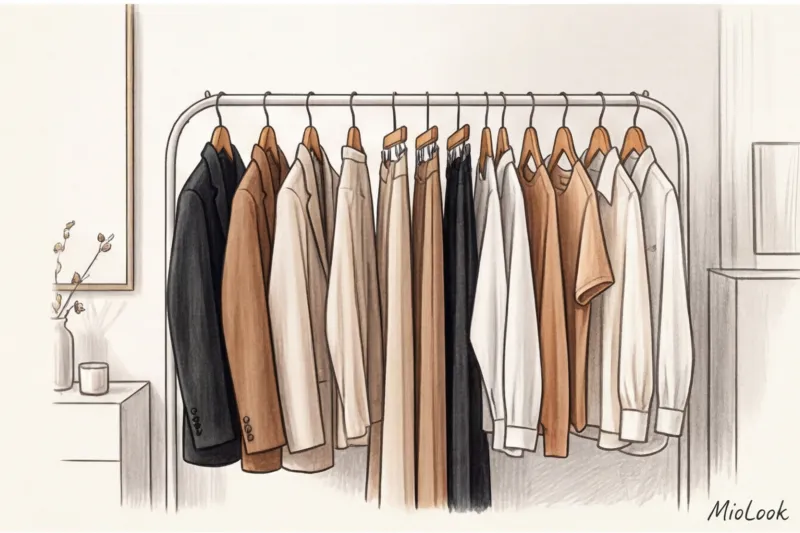
Forget about large-scale feats. I always migrate clients to digital in stages. There are two working methods:
1. One capsule method. Start by digitizing just your work wardrobe. Choose 15-20 items that you regularly wear to the office. Photograph only these. From these 15 items, the AI will create at least 30 combinations for you. That'll last you a month! You can add more later. capsule wardrobe of basic items for the weekend.
2. Current season method. If it's November, don't touch your summer sundresses and linen shorts. Only digitize your fall/winter wardrobe. You still have six months until summer.
For all new purchases, follow this rule: "I bought it, took a photo, and cut off the tag." An item is not integrated into the physical cabinet until it appears in the virtual one.
Lifehacks for the Advanced: What to Do with a Virtual Closet
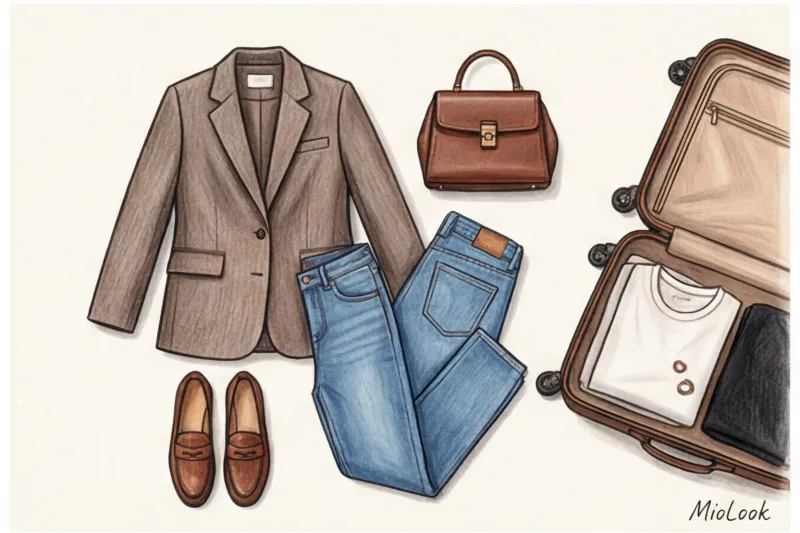
Once the database is loaded, the real stylistic magic begins. How do my clients utilize digitized items to their full potential?
- Sunday Planning (Lookbooks). Over a cup of coffee, you use the app to create seven looks for the coming week, taking the weather forecast into account. In the morning, all that's left to do is pull the finished outfit off the hanger.
- Visual suitcase. Planning a business trip or vacation? Get ready vacation wardrobe Check your phone, check your packing list, and only then open your real suitcase. You'll stop packing five t-shirts "just in case."
- Cost Per Wear (CPW) tracking. My favorite metric is cost per exit.
Let's do the math. Let's say you bought a high-quality basic wool jacket for €250. You wore it 100 times a year (to the office, with jeans at the movies, over a dress). Its CPW is 2.50 € At the same time, a trendy leopard print blouse from a mass market for €40, worn exactly once to a party, has a CPW 40 € Digitization ruthlessly reveals the mathematics of your style: the basics always pay off better than the latest trends.
Ready to get started?
Try the free plan—no commitments required. Upload items and see how your wardrobe starts working for you, not against you.
Get access — €0.99 onceStyle Analytics: What the Numbers Reveal About Your Shopping Habits
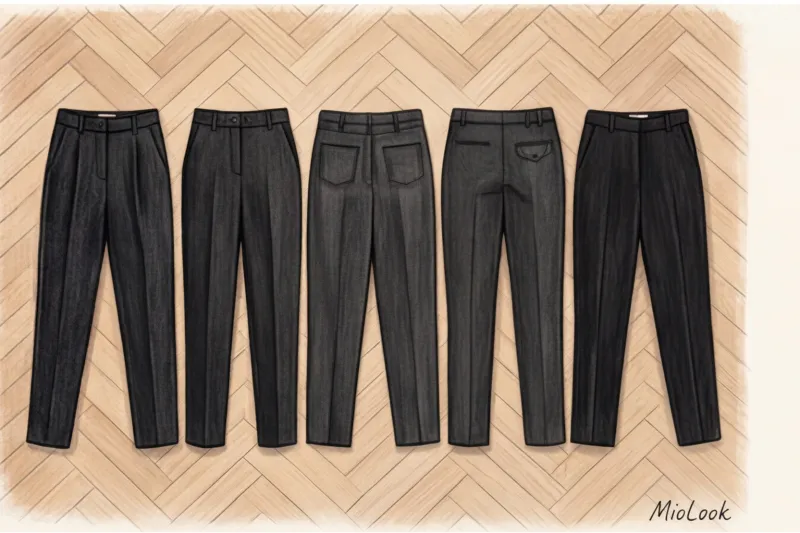
The virtual closet statistics are revealing. Remember my client Anna from the beginning of this article? Only after uploading her items to the app did we clearly see the so-called cloning syndrome — buying identical things due to fear of experimenting.
Apps are also great at identifying wardrobe inconsistencies with real-life lifestyles. One woman was surprised to discover that 40% of her wardrobe consisted of cocktail dresses and stiletto heels (a legacy of her former life as a party girl), even though she now works remotely and is raising a toddler. This realization shocked her and stopped her from buying another "going-out dress."
Checklist: How to start digitizing your wardrobe today
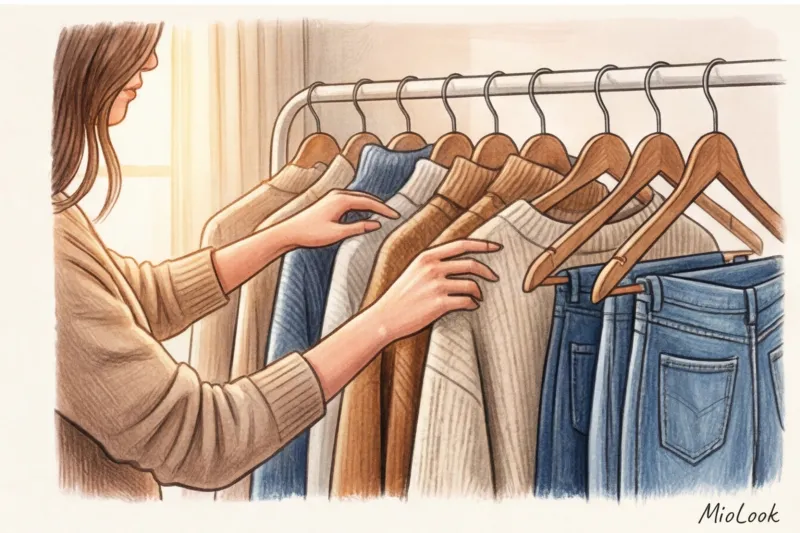
Enough theory, time to move on to practice. If you've read this far, take these four simple steps tonight:
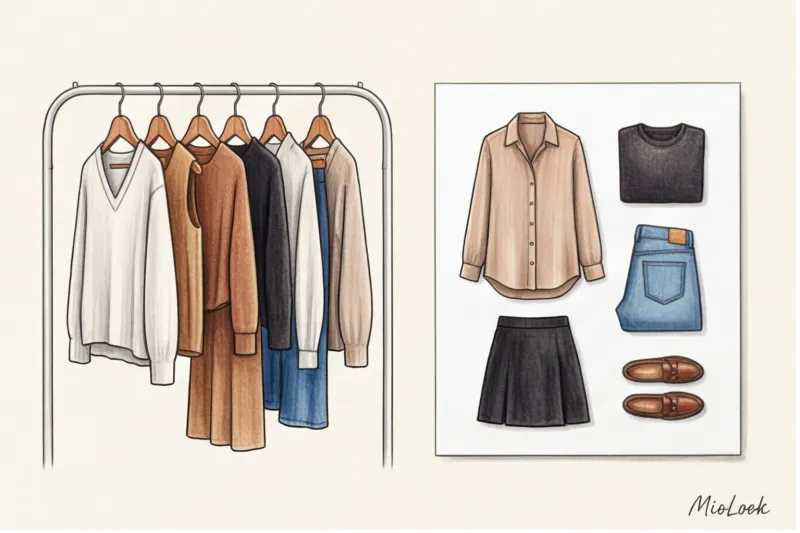
- Take out exactly 10 of your favorite and most frequently worn items of the current season from your closet (for example: your favorite jeans, basic trousers, a jacket, a pair of shirts, loafers).
- Place them on a flat, solid background in good daylight or bright room lighting without harsh shadows.
- Take 10 photos and upload them to MioLook app , allowing the AI to automatically remove the background.
- Brew some tea and create at least 5 fresh, unusual combinations from these 10 elements for the next work week.
Digitizing your wardrobe isn't a spring cleaning; it's creating a personal design studio right in your pocket. Start small, and you'll be surprised at how much untapped potential your closet holds.