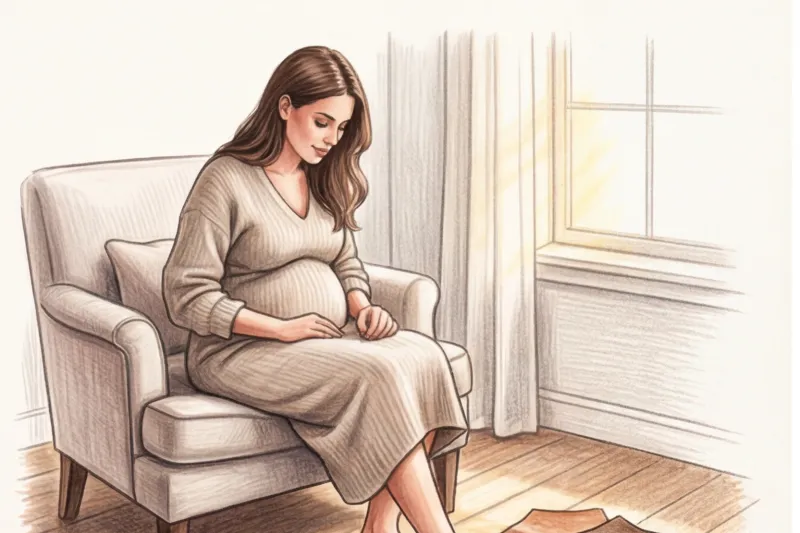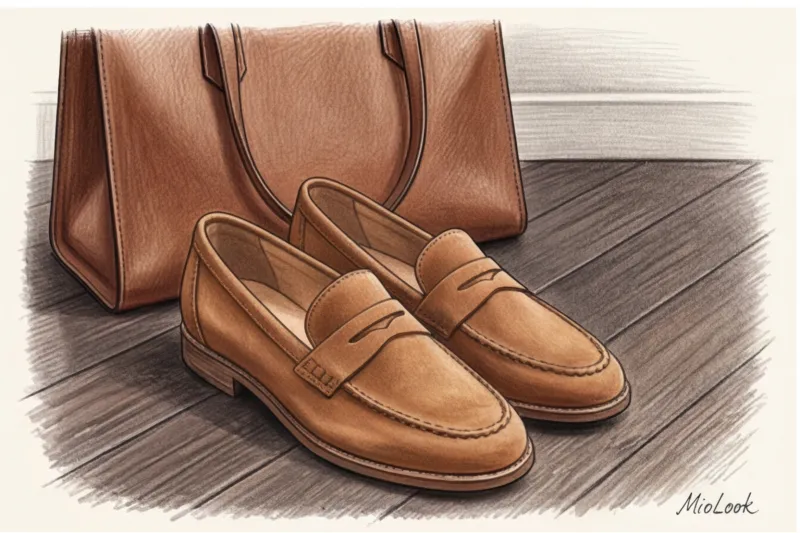
Did you know that 70% of women experience a half or even a full shoe size increase during pregnancy? It's not just a slight puffiness by the end of the day. It's a fundamental restructuring of the body's biomechanics. My name is Julia Rossi, I'm a stylist and wardrobe investment consultant, and today we'll talk about why. comfortable shoes for pregnant women These aren't shapeless, worn-out slippers, but a smart investment in your health and status.
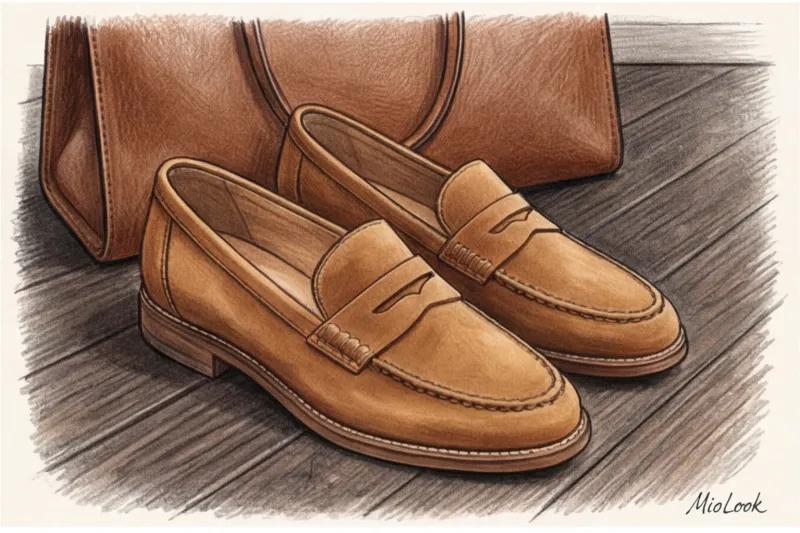
When my clients learn about their condition, their first instinct is to buy oversized items that they "don't mind throwing away." We've already discussed this mistake in more detail in our The complete guide to a basic maternity wardrobe The situation with footwear is even more dramatic: the wrong choice here affects not only your style but also your spine.
Why Specialized "Comfortable Maternity Shoes" Are a Marketing Trap
The maternity goods industry loves to capitalize on fears. Have you ever noticed how ordinary slip-ons suddenly increase in price by 30% just by attaching a "maternity" tag to them? Yet the quality of these products often leaves much to be desired: stiff faux leather, flat rubber soles, and zero ventilation.
One of my clients, Anna, bought three pairs of cheap, mass-market ballet flats a size too big for her usual size in her fifth month of pregnancy. "They're only good for a couple of months!" she argued. The result? By the third trimester, Anna had developed plantar fasciitis and flat feet, and spent three times as much on osteopathic visits as a pair of perfect suede Tod's loafers would have cost.
This is where my favorite rule comes into play. Cost per wear (Price per wear). It's cheaper to buy one pair of premium Italian loafers for 600 euros, which you'll wear for 300 days (2 euros per wear) and leave in your closet after giving birth, than three pairs of synthetic sneakers for 50 euros, which will end up in the trash after two months (and cost your health much more).
Access to MioLook for €0.99 — one-time payment
A smart AI stylist will select the perfect look.
Get access — €0.99 onceThe Anatomy of Comfort: What's Really Happening to Your Foot
Let's forget about fashion for a moment and turn to physiology. According to the American College of Foot and Ankle Surgeons (ACFAS, 2023 study), during pregnancy, the body actively produces the hormone relaxin Its purpose is to soften the pelvic ligaments in preparation for childbirth. But relaxin doesn't act locally. It relaxes ligaments throughout the body, including the feet.
- "Flattening" the foot: Under the pressure of increasing weight, the arch of the foot drops and the leg becomes wider and longer.
- Edema (fluid retention): Foot circumference can fluctuate by 1-2 centimeters throughout the day. Shoes should be able to accommodate these fluctuations.
- Shifting the center of gravity: The stomach pulls forward, the shoulders lean back. If at this point you're standing on a completely flat sole without an instep support, all the impact load goes to the lower back.
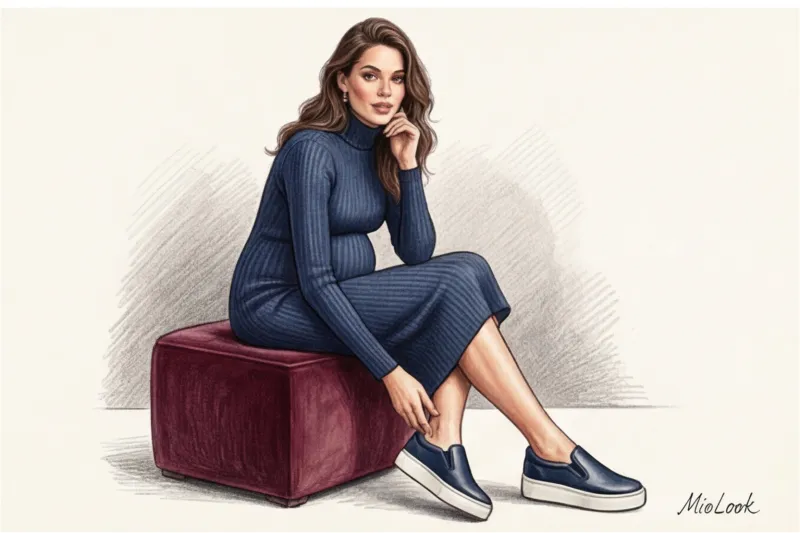
Comfortable shoes for pregnant women for every day: status and comfort
Being pregnant doesn't mean putting your style on hold. The high-end luxury and premium segments have long understood that true luxury lies in impeccable comfort. I always insist on refusing to compromise between aesthetics and health.
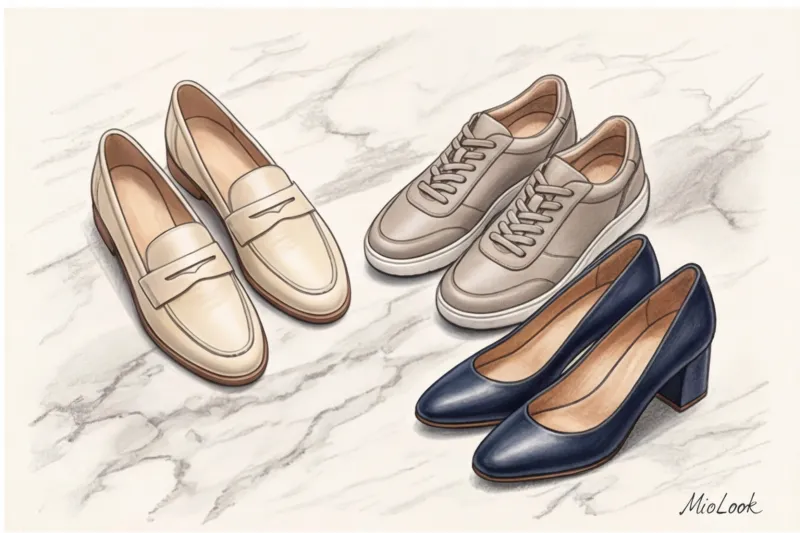
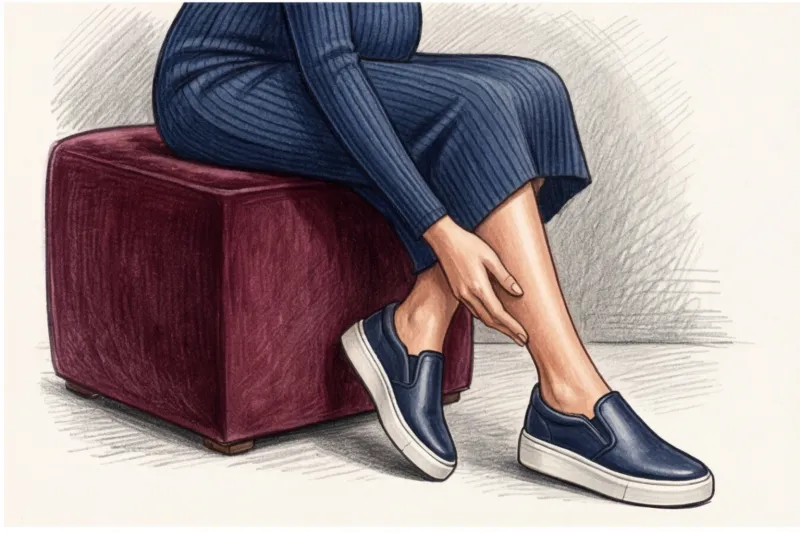
Loafers in nappa leather and soft suede
Over the years of working with shoe manufacturers in the Italian Marche region, I have learned the golden rule: material is everything. Nappa leather It undergoes a double tanning process. It is phenomenally soft and capable of delicately stretching in areas of greatest pressure (such as the pit) without losing its overall shape.
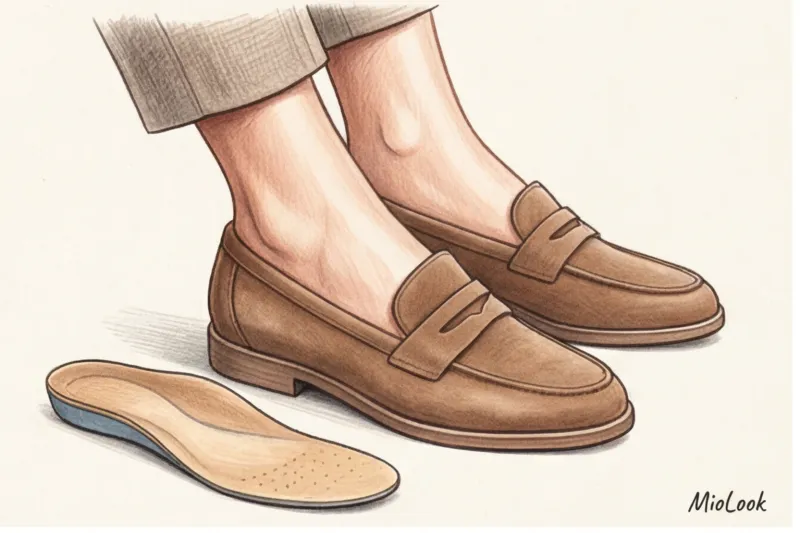
Avoid stiff patent leather or dense calfskin—they'll dig into your swollen feet like a vice. The ideal shoe for a pregnant woman is a classic slip-on loafer. In your eighth month, being able to put on shoes without bending over will be your top priority.
Premium sneakers with an anatomical last
There's a huge difference between cheap canvas sneakers with flat rubber soles and high-end running shoes. The former are a pain in the ass. The latter act like an orthopedic mattress.
Look for slip-on styles made from technical, breathable knitwear (like Loro Piana or Brunello Cucinelli), but be sure to choose a leather insole and a pronounced roll in the sole. This will relieve tension in your calf muscles during long walks.
Your perfect look starts here
Join thousands of users who look flawless every day with MioLook.
Get access — €0.99 onceSummer Season: Elegant Solutions for Severe Puffiness
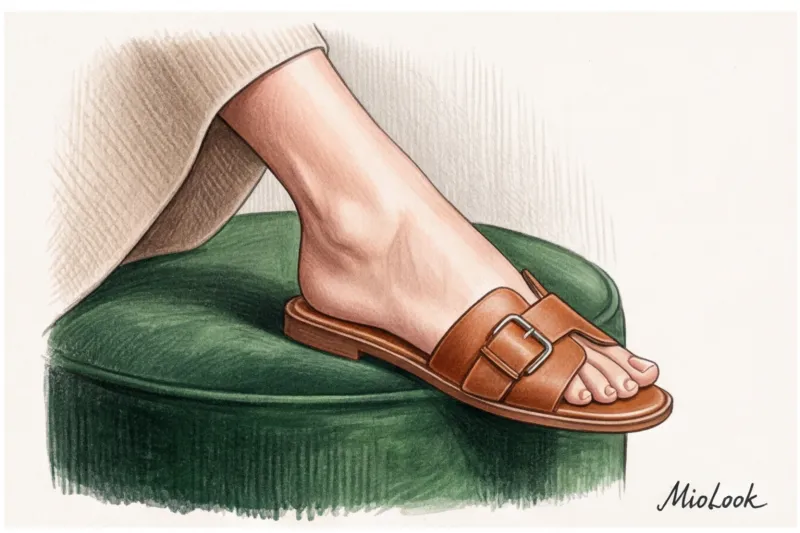
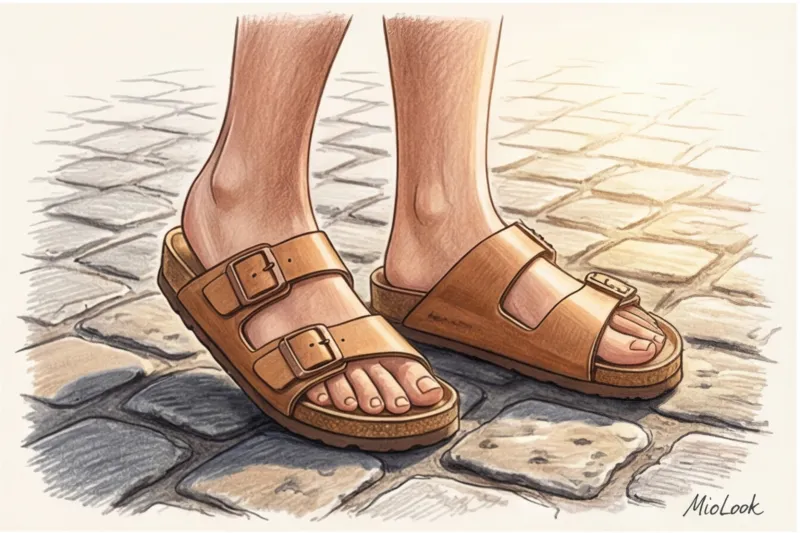
Summer and pregnancy are a tricky combination. The heat can increase swelling, and your usual closed-toe shoes can become uncomfortable by midday. Mules and clogs with a small, stable heel come to the rescue: the open heel allows your foot to move freely.
Birkenstocks and sandals with adjustable straps (buckles or hidden Velcro) occupy a special place in the summer wardrobe. See how brilliantly the Olsen sisters style this trend with "ugly shoes" in The Row collections. They take the rugged, orthopedic shape and craft it from the softest suede or lambskin with minimalist hardware. These sandals look impeccable with linen suits and silk maxi dresses.
Can you wear heels? Debunking the main myths
Here I will say something that often shocks my new clients: Absolutely flat shoes (ballet flats, sneakers with thin soles) are a pregnant woman's worst enemy.
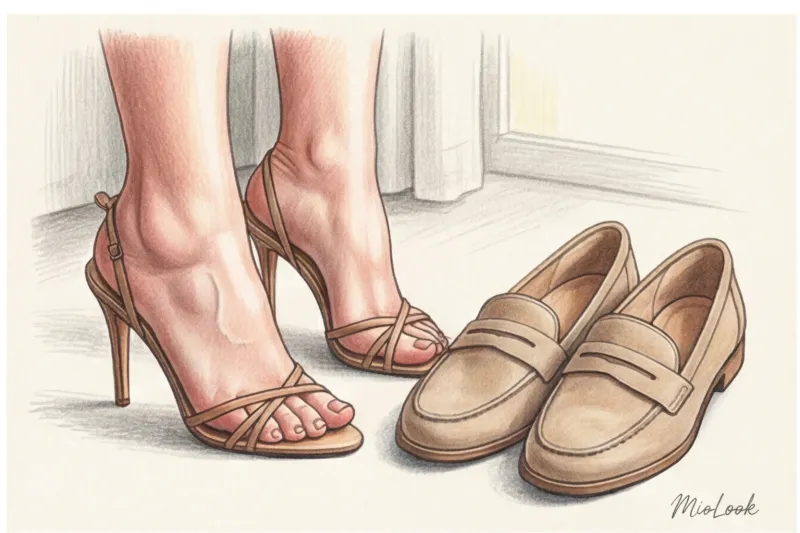
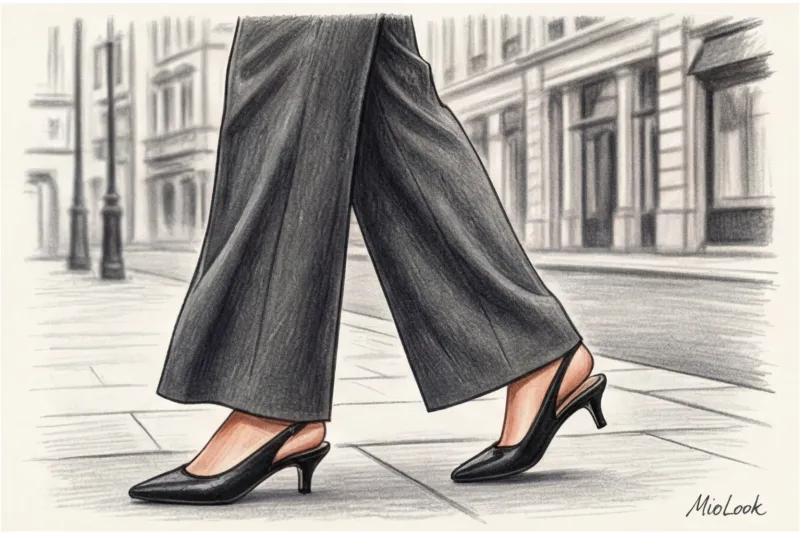
When the center of gravity shifts, a flat sole forces the Achilles tendon to stretch to its limit. This is a direct path to heel pain and microtrauma to the ligaments. Orthopedists agree: a kitten heel (3-4 centimeters) or a small wedge is much better for your back than no instep at all.
"A slight heel lift relieves the calf muscle and compensates for the arch in the lower back that inevitably occurs in late pregnancy," confirm Mayo Clinic specialists.
If you're heading to a business meeting or a night out, elegant slingbacks (open-toe shoes with a strap) are the perfect alternative to classic pumps. The strap gently secures your foot, but is easily adjustable if swelling occurs by evening.
Three fatal mistakes that ruin your legs and your budget
- Buying shoes 1-2 sizes larger. This is disastrous for your gait. When your foot wobbles in your shoe, you reflexively curl your toes to hold on to the shoe (the so-called "claw toe" effect). This causes calf muscle spasms. The right solution is to buy your size, but in a wide width (H) or choose soft, stretchable materials.
- Synthetic materials. Hormonal imbalances alter thermoregulation. Artificial leather or cheap polyester creates a greenhouse effect. The foot overheats, blood vessels dilate, and swelling doubles.
- Complex clasp. Shoes that take a long time to lace up or sandals with too many tiny buckles on the ankle will become your nightmare in the third trimester. Save yourself the effort and choose elastic inserts, hidden zippers, or slip-on styles.
A stylist's checklist: investing in shoes wisely
When you go shopping, keep this simple checklist in mind. It will save you hundreds of euros and keep your feet healthy.
- Fitting time matters. Go shopping strictly after 4:00 PM. This is when your feet are at their maximum volume for the day. If your loafers are comfortable in the evening, they won't let you down in the morning either.
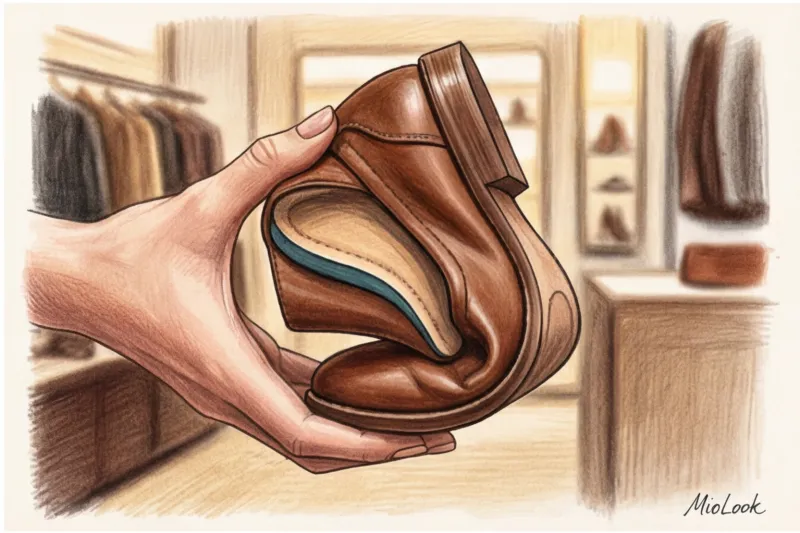
- Flexibility test. Take the shoe in your hands and bend it. A proper sole should bend evenly at the toe (where your toes bend as you step), but remain completely rigid and stable in the center (under the arch of the foot).
- Removable insole. This is a sign of expensive, well-designed footwear. During pregnancy, you may need a custom-fitted orthotic insole based on a foot mold. In high-quality sneakers or boots, the factory-fitted insole is easily removed, creating the desired volume.
- Life after childbirth. Ask yourself: "Will I wear this in a year, when my belly fat goes away?" If the answer is no, put the pair back on the shelf. To avoid mistakes when integrating a new pair into your current wardrobe, I recommend uploading a photo of your planned purchase to MioLook smart wardrobe Artificial intelligence will instantly show you which of your clothes these shoes will pair with to create flawless looks, both now and after pregnancy.
Of course, this advice doesn't work 100% of the time. I have to be honest: if you've been diagnosed with severe stage 3 gestosis and your swelling is extreme, even the most premium boutique shoes won't work for you. In such medical cases, specialized post-operative models with fully adjustable Velcro straps are required.
But for 90% of women, choosing the right shoes is a matter of basic principles, not medical diagnoses. Your body is doing a tremendous job creating a new life. The least you can do is provide reliable, beautiful, and stylish support for every step. Invest in quality, and your feet will thank you.