I analyzed the digital wardrobes of over 100 clients in the app. MioLook and made a startling, yet mathematically precise, discovery. The average modern woman has 14 bags gathering dust in her closet, but 90% of the time she only carries two of them. The remaining 12 are the result of emotional purchases, unfortunate compromises on sales, or blind adherence to outdated rules.
Every day we waste precious morning minutes shuffling keys and lipstick from one awkward "bag" to another. A properly chosen basic women's bag — it's not just an accessory. It's a productivity tool that reduces decision fatigue by 15%. I've already written about this architectural approach to things in our The complete guide to creating the perfect basic wardrobe.
Today, we'll explore why the traditional stylist advice from the 2010s no longer works, and we'll put together a functional minimum that will cover your needs for years to come.
A Hidden Wardrobe Problem: Why a Shapeless Black Bag Is the Worst Investment
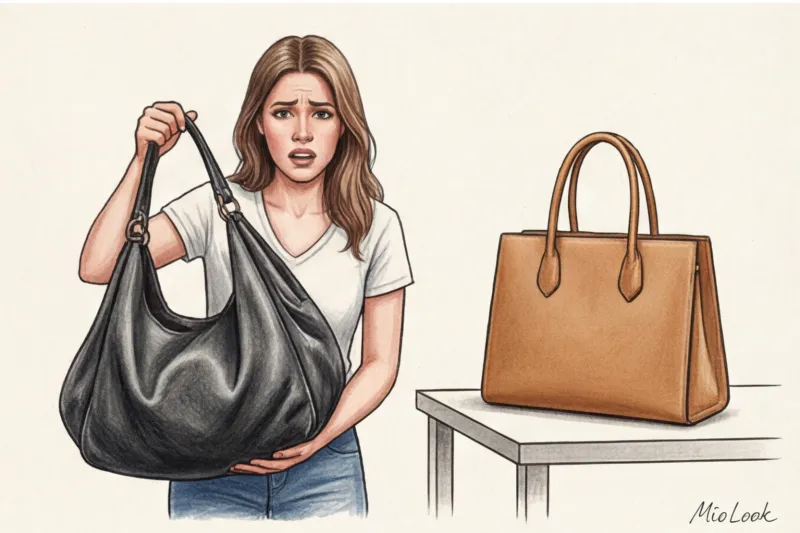
In my experience, the most common request is, "Emily, I need a versatile black soft bag for everyday use that will fit everything." And that's a major stylistic pitfall.
Black is the worst color to be considered "universal." According to the rule of contrast, a massive black bag mercilessly "cuts" light summer looks, creating a rough, heavy contrast against linen suits or flowing dresses. And in winter, against dark down jackets or wool coats, it simply blends into an indistinct black hole.
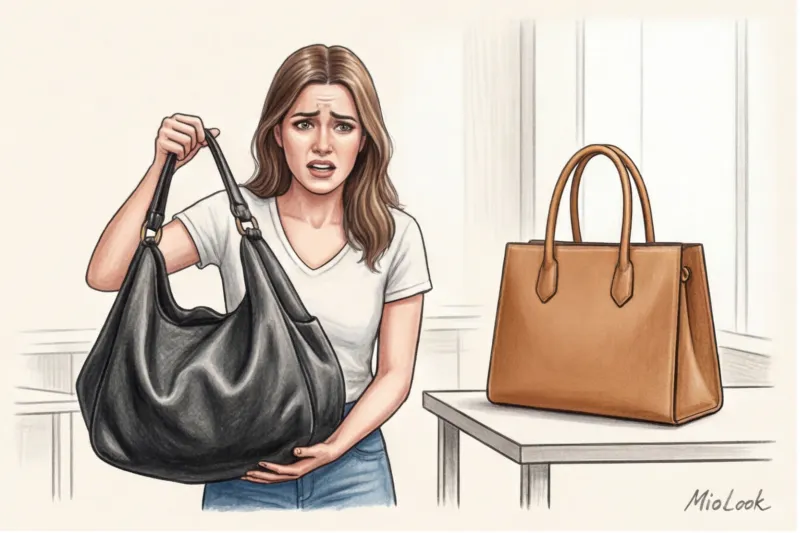
One of my clients once bought an expensive, incredibly soft black leather hobo bag for €400. Within three months, it had become a shapeless, dull bag that visually "killed" her formal office outfits. The soft shape makes the look sloppy and subconsciously conveys a relaxed attitude bordering on untidiness. The only exceptions are women with natural style type Or fans of the boho-chic aesthetic—soft textures suit them naturally. But if we're talking about a universal base for work and the city, we need architecture.
The Basic Women's Bag: The Anatomy of the Ideal Model
Let's look at choosing a bag through the lens of the Cost Per Wear (CPW) financial model. The formula is simple: divide the cost of an item by the number of days you wear it. If you buy a trendy statement bag for €50 and wear it five times, its CPW = €10. If you invest in a quality basic bag for €250 and wear it 200 days a year, its CPW = €1.25.
A basic bag should pay for itself, which means the quality of the materials is paramount. Look for products certified by the Leather Working Group (LWG). Avoid the label "genuine leather." Contrary to the translation, in the leather industry this term often refers to a lower grade of split leather (the bottom layer of the hide), generously coated with polyurethane. Such a bag will crack in the cold within the first season. Choose "full-grain" (leather with the natural grain preserved) or modern high-tech microfiber-based eco-leather.
The frame decides everything: rigid form versus soft
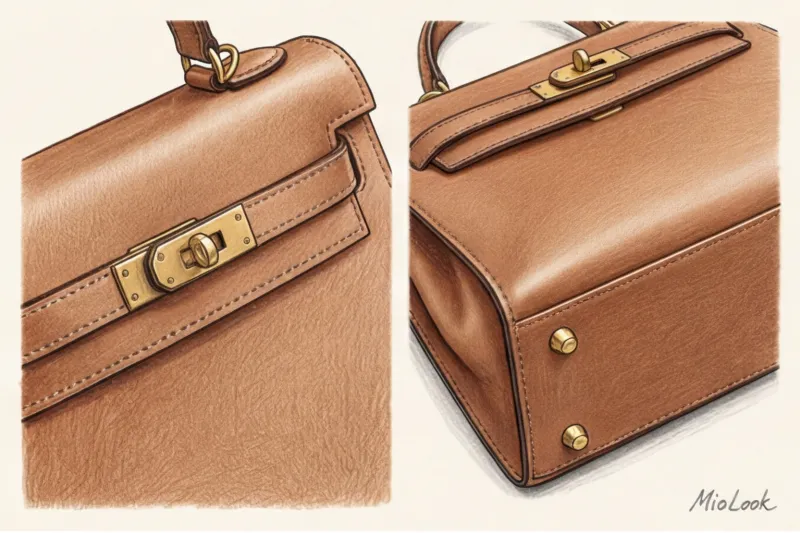
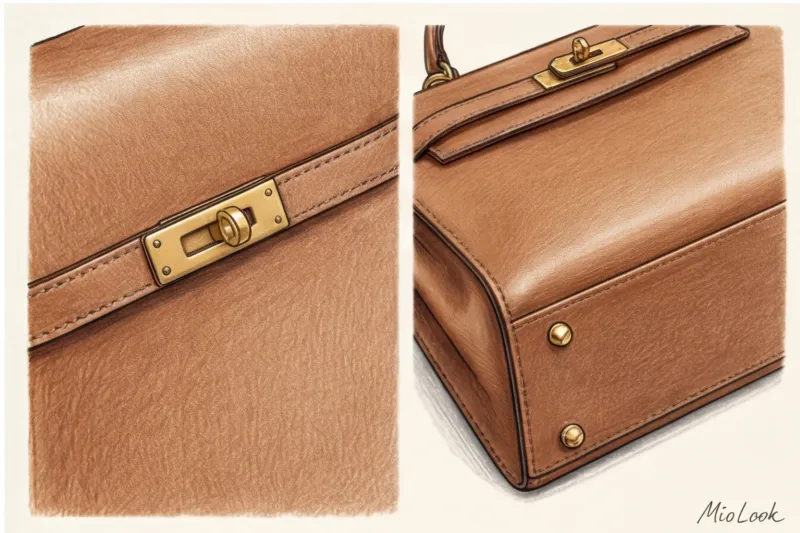
Rigid geometry (rectangle, trapezoid, or crescent) is the foundation. A bag that sits securely on a table completely empty looks three times more expensive than it actually is. Be sure to check for studs—metal feet on the bottom. This hidden quality marker protects the leather from scratches when you place the bag on the floor in a cafe or office.
Fittings: a litmus test of status
Glossy, eye-catching "samovar" gold cheapens any item. Look for matte metal, vintage gold, or subdued silver. Match the hardware to the temperature of jewelry you wear constantly (wedding ring, basic watch).
Carefully inspect the edge—the finished leather edge on the handles and seams. If it's covered with a thick layer of rubber, similar to plasticine, it will start peeling off in chunks after a couple of months. A high-quality edge should be thin, smooth, and fused into the material.
Your perfect look starts here
Join thousands of users who look flawless every day with MioLook.
Get access — €0.99 onceThe 3-Bag Formula: Packing the Essentials for Work and Play
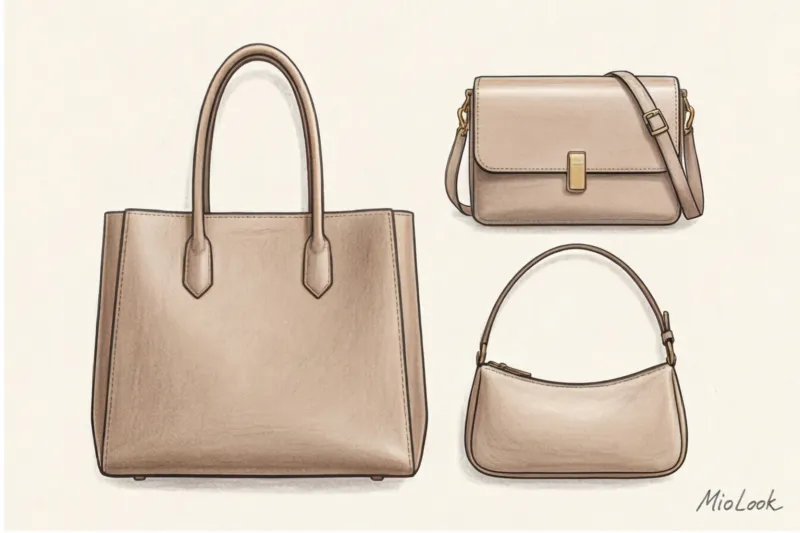
The idea of finding "one perfect bag for everything" is a stylistic utopia. You wouldn't go to the theater with a work shopper or to the office with a micro-baguette. To cover 95% of life's scenarios, it's enough to assemble a matrix of three correct models.
1. Tote or hard shopper: office and laptop
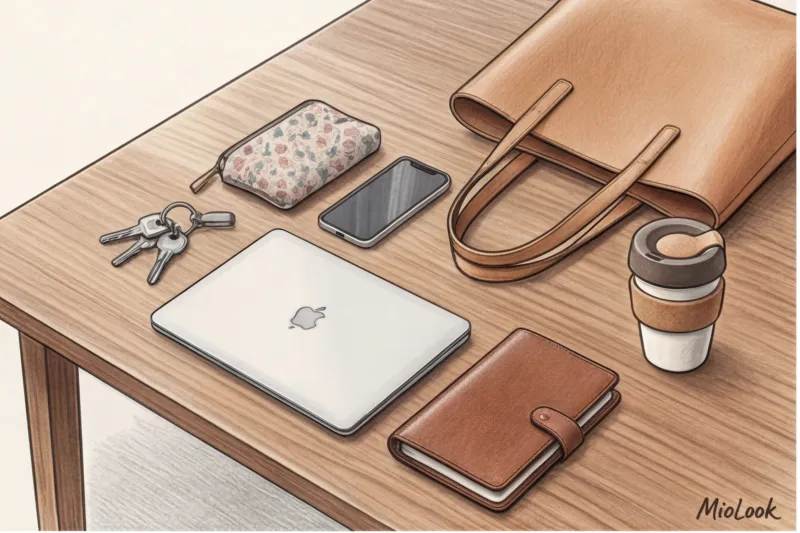
This is your main a workhorse for the office The requirements are strict: wide handles (so they don't cut into your shoulder), the ability to accommodate A4 documents or a 13-inch laptop, and a rigid bottom.
But there's an important nuance here. According to the American Chiropractic Association, the weight of a loaded bag shouldn't exceed 10% of your body weight. Ergonomic studies show that 80% of our daily essentials fit easily into a 1.5-3 liter volume. Yet, we stubbornly buy 15-liter bags and fill them to the brim. Choose a medium-sized tote to artificially limit the urge to carry half your apartment.
2. Medium Crossbody: City and Weekend
A hands-free style for meeting friends, taking walks, or shopping. The most important thing here is the strap. The bag should never hang across the widest part of your hips—this will visually add at least one size to your figure. The ideal crossbody length is when the top edge of the bag is at waist level and the bottom just above the hipbone.
3. Baguette or envelope: evening out and theater
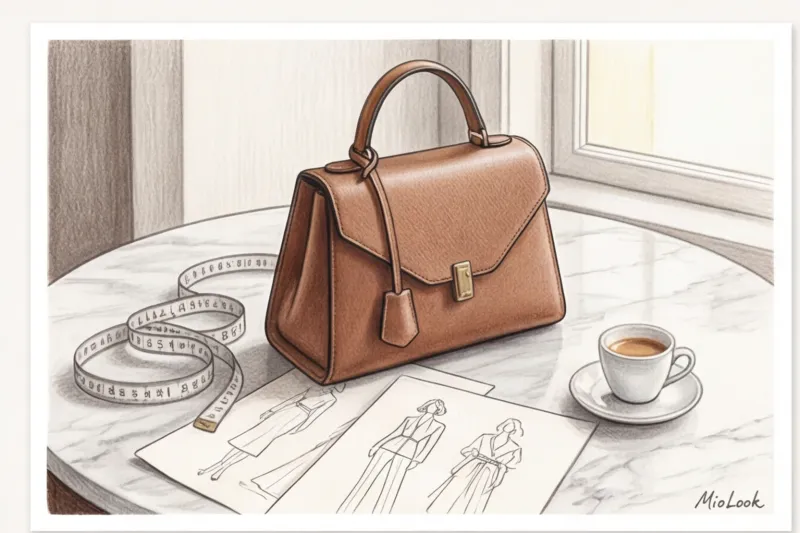
A miniature, structured bag for dates and special occasions. Choose models with a thin chain strap or leather cord that can be easily tucked inside, turning the bag into an elegant clutch. Keep embellishments to a minimum—no oversized logos or rhinestones—to ensure the bag remains timeless for decades to come.
The Perfect Shades for Basic Bags (Spoiler: Not Just Beige)
If not black, then what? As a practicing stylist, I always recommend sophisticated neutral shades to my clients. They blend seamlessly with any color scheme.
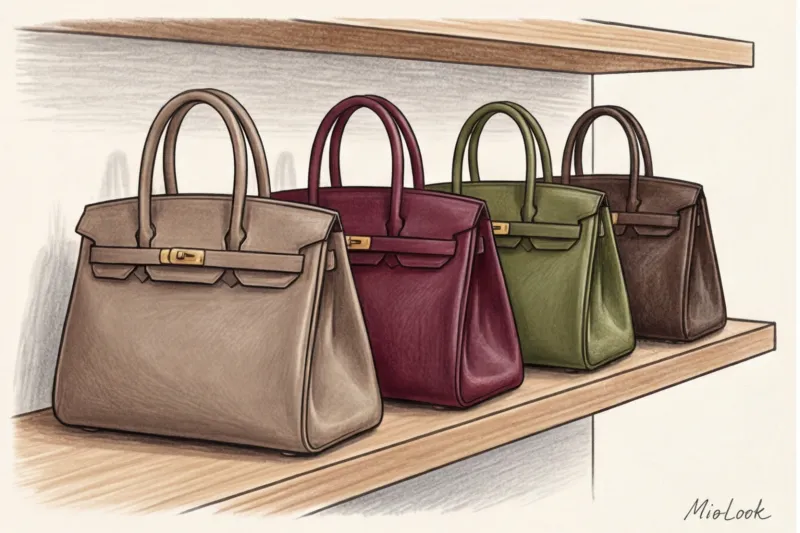
Write down this palette:
- Taupe (gray-beige) — the king of the basic wardrobe. Thanks to its blend of gray (cool) and beige (warm) tones, it perfectly ties together both cool and warm palettes in a single look.
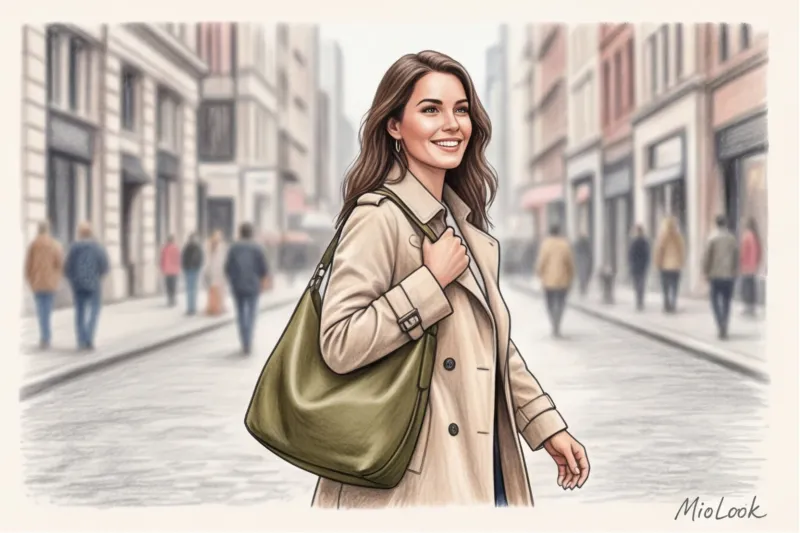
- Burgundy / Wine — works as a neutral color, but adds depth and luxury to the look. Pairs beautifully with denim, gray cashmere, and sand-colored trench coats.
- Deep emerald or dark chocolate - a great alternative to black for the cold season.
"The rule of choosing a bag that matches your shoes exactly is considered a stylistic faux pas these days. It makes your look flat, boring, and adds five to seven years to your age. The only exception is if you're intentionally going for a monochromatic look."
Pre-purchase checklist: test drive the bag in the fitting room
I never let my clients remove the tags from a new bag until they've completed three mandatory tests. Save this checklist before you go shopping:
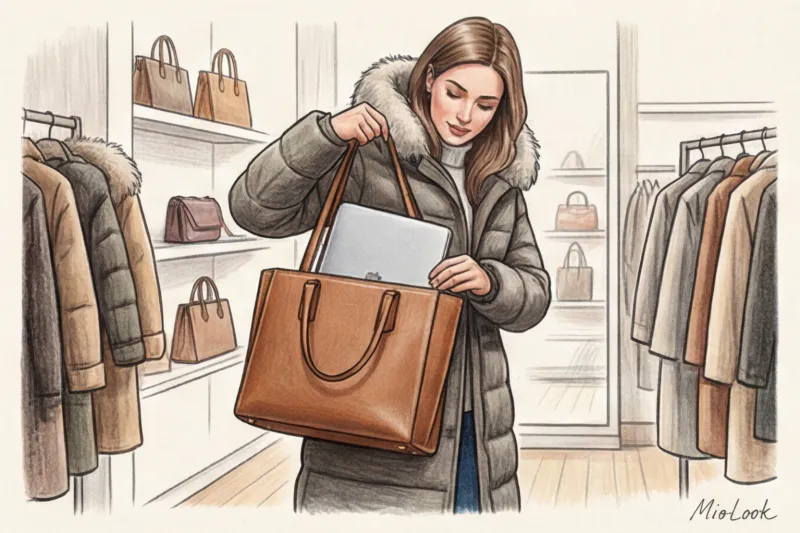
- Down jacket test (Drop test). Be sure to try the bag on over bulky winter clothing. What slides easily over a silk blouse in the summer may pinch your armpit in December. The drop handles for a tote should be at least 22–25 cm.
- Blind Search Test. Imagine holding a cup of coffee in one hand. Will you be able to unzip it and retrieve your ringing phone with your other hand? If a bag requires both hands and a lot of fiddling, it's a failure of ergonomics.
- Inspection of the lining. Cheap, thin polyester will tear on a keychain within a month. Look for heavy cotton, twill, or a high-quality viscose blend. A light lining is a huge plus; it prevents items from getting lost like in a dark hole.
Access to MioLook for €0.99 — one-time payment
A smart AI stylist will select the perfect look based on your wardrobe.
Get access — €0.99 onceHow to care for a basic bag so it lasts for years
Investing in a €200–€300 bag only makes sense if you know how to care for it. The difference between a style novice and an expert often lies in how you handle your belongings.
First, storage. Bags should be placed on a shelf, not hung on hooks (the handles will quickly stretch and crack). Always save the paper filling the bag came with. No paper? Use rolled-up clean cotton t-shirts to support the frame during storage.
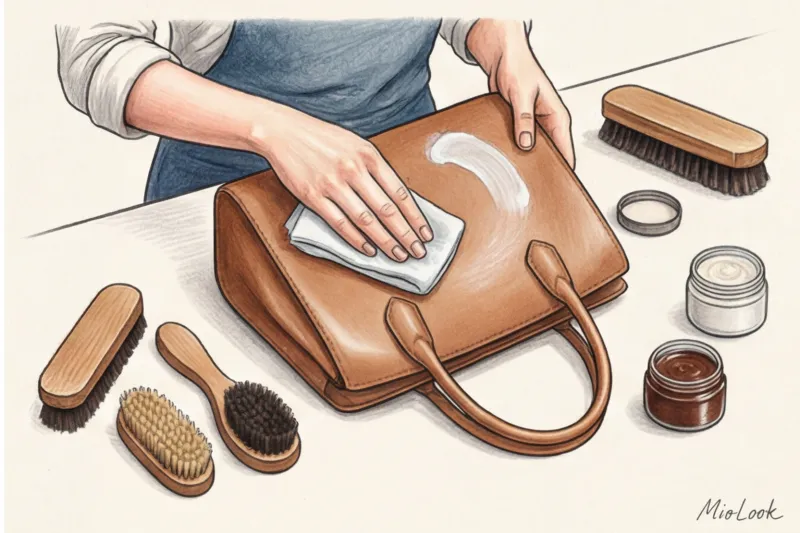
Secondly, leather care. Genuine leather is a porous material that dries out when exposed to radiators and air conditioners. Every 3-4 months, wipe your bag with a special colorless leather conditioner. And remember the perils of raw denim: new dark blue jeans can permanently stain a light taupe crossbody bag where they rub. If this happens, don't try to remove the stain with alcohol wipes (you'll rub off the bag's color)—take it to a professional bag dry cleaner.
Bottom Line: A Smart Basic Bag as a Foundation for Your Style
A basic bag is defined by a rigid form, a sophisticated, elegant hue, and an absolute absence of garish embellishment. It's more than just a container for carrying things; it's an architectural axis that brings together and disciplines any outfit.
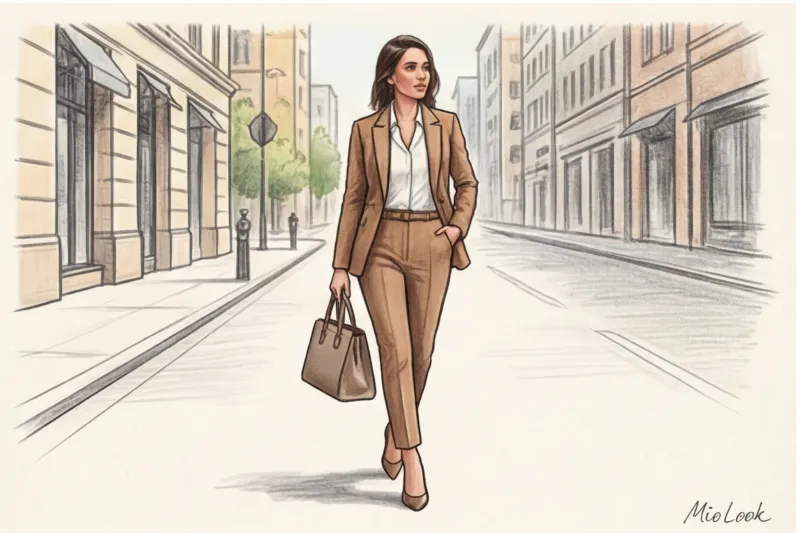
I suggest you open your closet tonight and do an honest inventory. Take out all your bags. Keep the three that hold their shape, match 80% of your clothes, and don't cause shoulder pain. Donate, sell, or put away the rest. Your style begins with mindfulness, and your confidence begins with keeping your belongings organized.