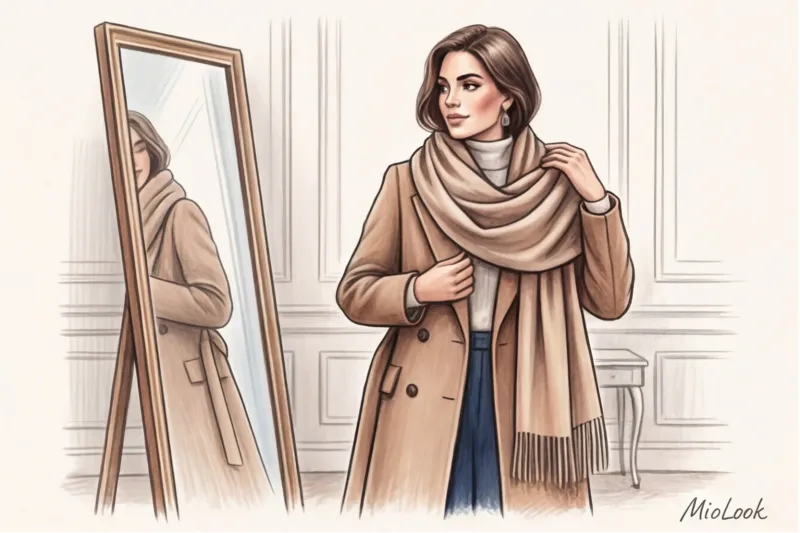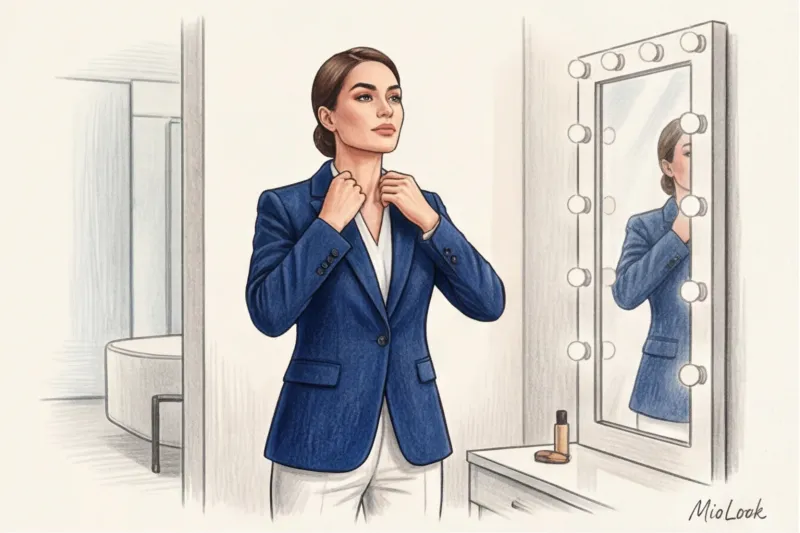
Do you know what surprises me most about my job as a stylist? Statistics. Research shows that 96% of people believe their emotional state dictates their daily clothing choices. But only 34% realize that this process can be reversed. We're used to thinking that we dress according to our mood, when in fact, our mood literally "wears" us along with our clothes.
When I first started working with smart wardrobes, I thought I was solving the "I have nothing to wear" problem. It turns out I was solving the problem of morning anxiety. We talked more about why we accumulate things we don't enjoy in our A complete guide to the psychology of shopping and avoiding unnecessary purchases In this article, we'll go further and explore not esoteric advice about "dressing for joy," but rather hard data and neuroscience. You'll learn how to use your closet as a control panel for your well-being.
The Neuroscience of Style: How Clothing Affects Self-Esteem at the Brain Level
If you've ever wondered, How does clothing affect self-esteem? From a scientific perspective, forget the glossy magazine articles of the 2000s. The answer lies in the term Enclothed Cognition (reified knowledge).
In 2012, researchers from Northwestern University conducted a now iconic experiment. They gave subjects identical white coats. One group was told they were doctors' coats, the other were told they were painters' coats. They were then given attention tests. The "doctor" group demonstrated significantly higher levels of concentration than the "painters" group. Their brains literally adopted the qualities associated with the coats they were wearing: focus, expertise, and responsibility.
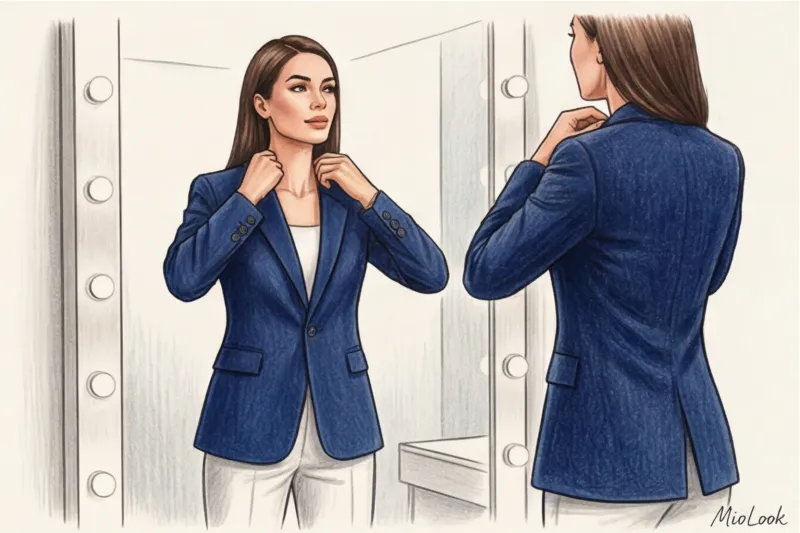
This feedback mechanism works every second. When you put on a structured jacket made of thick fabric, your posture changes not only physically (the armhole dictates the position of your shoulders), but also cognitively. You begin think as a person who has everything under control.
The Myth of the "Dopamine Wardrobe"
It's fashionable these days to talk about "dopamine dressing"—the idea that you should wear bright colors to lift your spirits. As a stylist who sees real wardrobes, I can tell you frankly: this doesn't always work. Dr. Karen Pine, in her book "Mind What You Wear" (2014), notes that clothing only influences confidence when it's congruent.
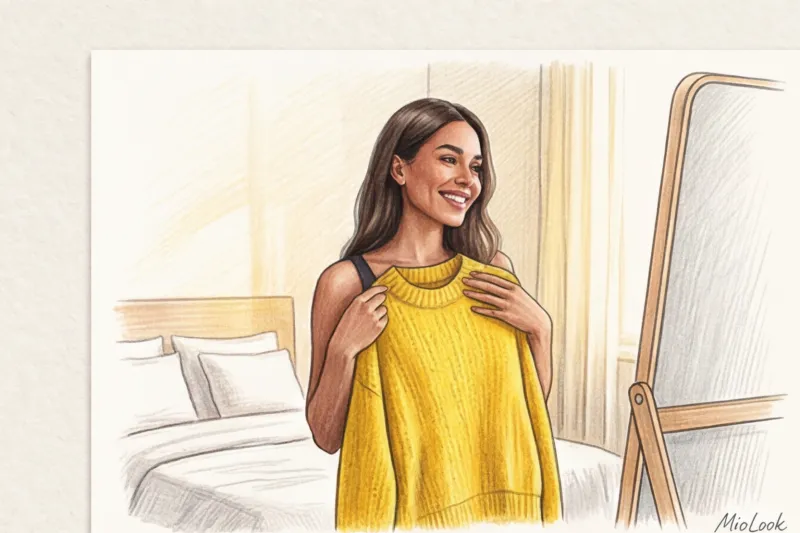
If you wake up deeply stressed and try to pull on a neon yellow maxi dress simply because it's the "color of joy," you risk experiencing cognitive dissonance. You'll feel like a clown at your own mood's funeral.
The true dopamine hit comes not from the color, but from the perfect match between who you want to be today and what the fabric and cut convey.
Your perfect look starts here
Join thousands of users who look flawless every day with MioLook. Digitize your wardrobe and reduce morning stress.
Get access — €0.99 onceThe 'Sweatpants' Trap: Why Excessive Comfort Sabotages Productivity
With the transition to remote work, many of us have fallen into what I call the "ultimate comfort trap." Sitting at a laptop in a baggy T-shirt and soft joggers seems like freedom. But this freedom comes with a hidden price.
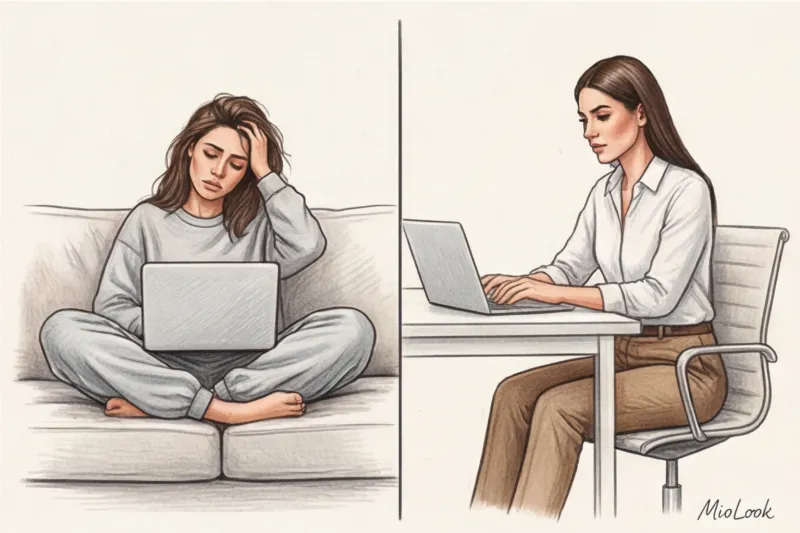
Shapeless, super-soft clothing sends a clear signal to your nervous system: "We're resting, boundaries are blurred, energy-saving mode is activated." As a result, you experience impostor syndrome during Zoom calls, lose focus faster, and procrastinate more often. The physical looseness of fabric (like old knitwear that's lost its shape) translates into mental looseness.
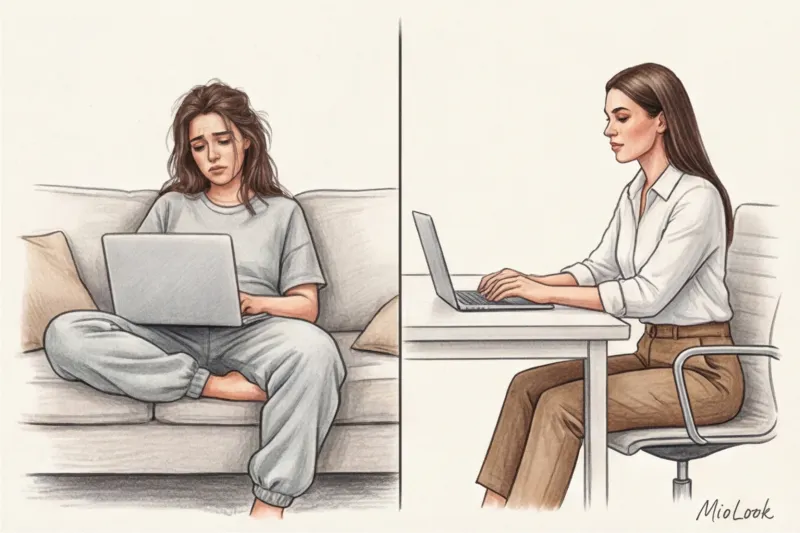
I'm not suggesting you sit at home in pumps and a pencil skirt. The solution is structured comfort Swap out your pajama bottoms for properly cut knit suits (made from heavyweight cotton (180 g/m² or higher) or viscose with 5-7% elastane, which hold their shape perfectly). In the €100-€150 range, brands like COS or Massimo Dutti always have sets that feel like pajamas but look like you're ready to host a board meeting.
Anxiety Triggers in Your Closet: What You Need to Get Rid of
Your closet isn't just a place to store things. It's a visual map of your self-esteem. And for many, it's riddled with mines. Over 12 years of decluttering closets, I've identified three key triggers that subtly drain our energy.
I had a particularly revealing case. My client, a successful CEO of an IT startup, admitted that she felt like a failure every morning. We opened her closet. In the most prominent spot hung a row of premium size S dresses that she hadn't fit into since 2019. These were clothes "for the best version of herself." Every morning, these dresses silently screamed at her: "You're not good enough, you haven't lost weight.".
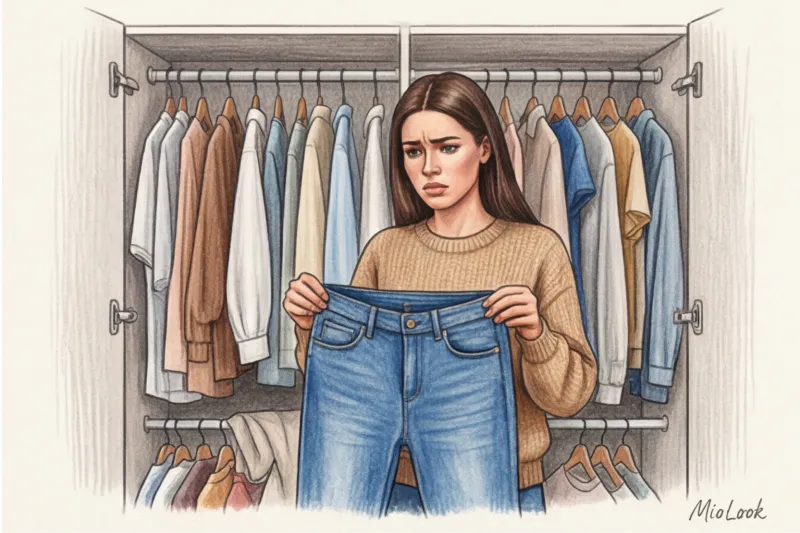
Psychologists confirm that keeping clothes that are too small reduces your body satisfaction by 30%. Get rid of them. Your wardrobe should serve your body TODAY, not a phantom version of yourself from the past or future.
Toxic Clothing and Cognitive Overload
Besides clothes that are the "wrong size," there are two other types of toxic items:
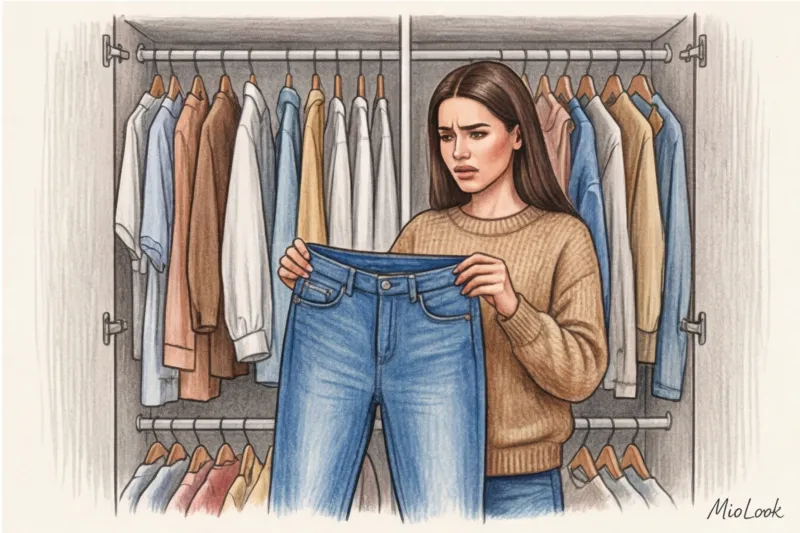
- Physical Aggressors: Itchy sweaters (even cashmere, which can be itchy), shoes that just sit comfortably, and jackets with tight armholes. The slightest physical discomfort triggers micro-releases of cortisol. You may not realize it, but by mid-day you'll feel exhausted.
- Emotional anchors: The dress you wore during a difficult conversation with your ex, or the blouse from your previous, hated job. The brain remembers context perfectly. Recycle these items.
Access to MioLook for €0.99 — one-time payment
A smart AI stylist will select the perfect look based on your preferences and mood.
Get access — €0.99 onceMood Remapping: How to Build a "Confidence Capsule" Using Data
Style isn't magic, it's data. And when we start treating our wardrobe like a database, anxiety subsides. Digitizing your belongings is a modern form of therapy. You literally regain control over chaos.
I tracked the “image-mood” correlation in my clients in MioLook app Over the course of six months, the results are astounding: if a woman assembles an image in less than three minutes (because the algorithm or pre-created capsule has already suggested options), her morning background anxiety level decreases by 40%.
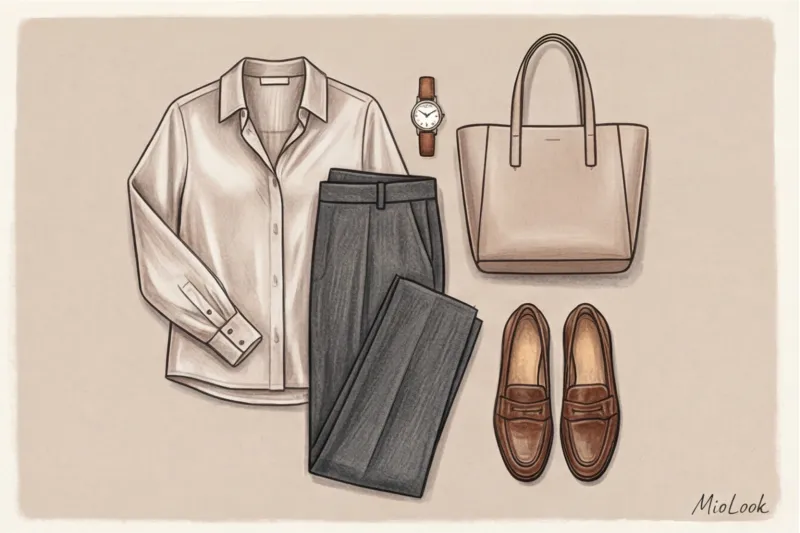
How to achieve this? Create signal images These are ready-made formulas (uniforms) that you wear for specific tasks. For example:
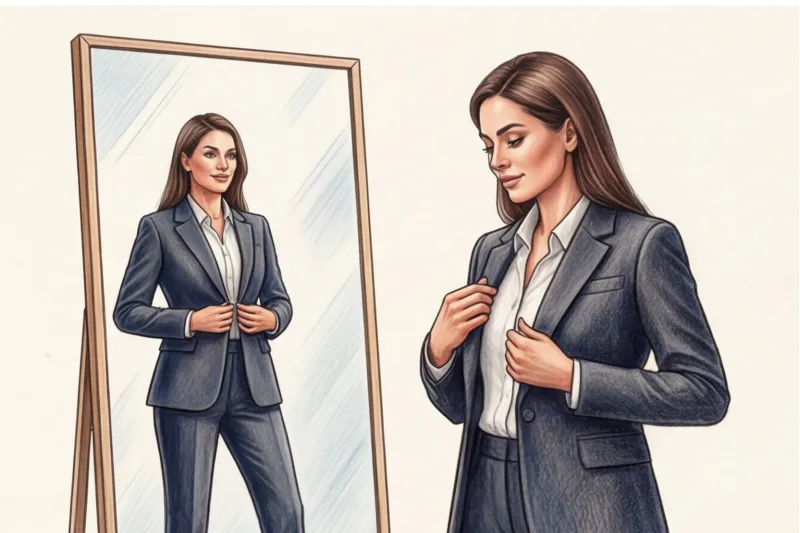
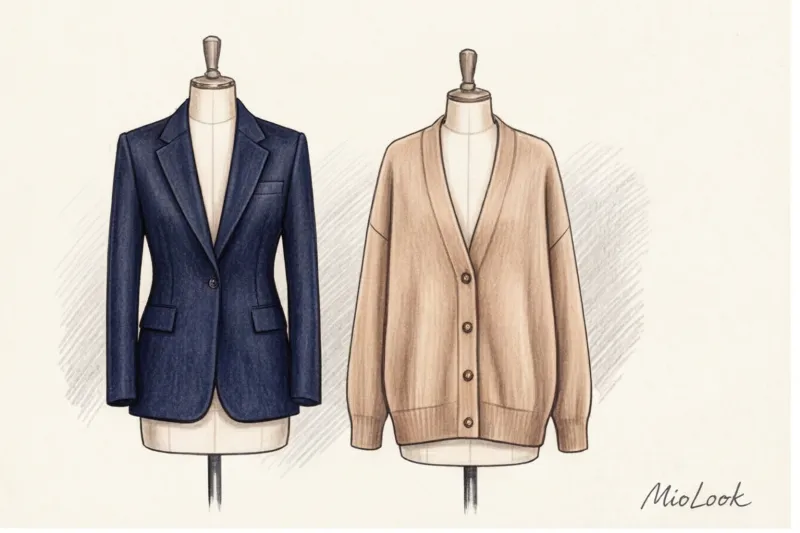
— Image for difficult negotiations: A dark monochrome suit + sleek shoes (signals stability and authority).
— Image for deep focused work: A soft but shapely cardigan + straight jeans (comfort without losing structure).
Checklist: Wardrobe Audit for Stress Levels
Clothes should be your armor, not a source of doubt. Here's a framework I give my clients as homework before we begin building a new capsule wardrobe. Go through your closet and ask yourself three questions.
- One Day Test. Will I be able to wear this item for 10 hours without ever tugging at the hem, adjusting a strap, or sucking in my stomach? If the answer is "no," it goes in the box for return.
- The 80/20 rule in emotions. 80% of the time, you should wear things that make you feel 100% confident. If a blouse gives you even a hint of doubt ("the color seems fatter," "I think this collar will forgive me"), get rid of it. Keep only those things that evoke a resounding "Yes!"
- Zero friction base. Do you have 5-7 items in your closet that you can blindly pair with each other? This is your safety net for the morning when you overslept or simply don't have the resources to make decisions.
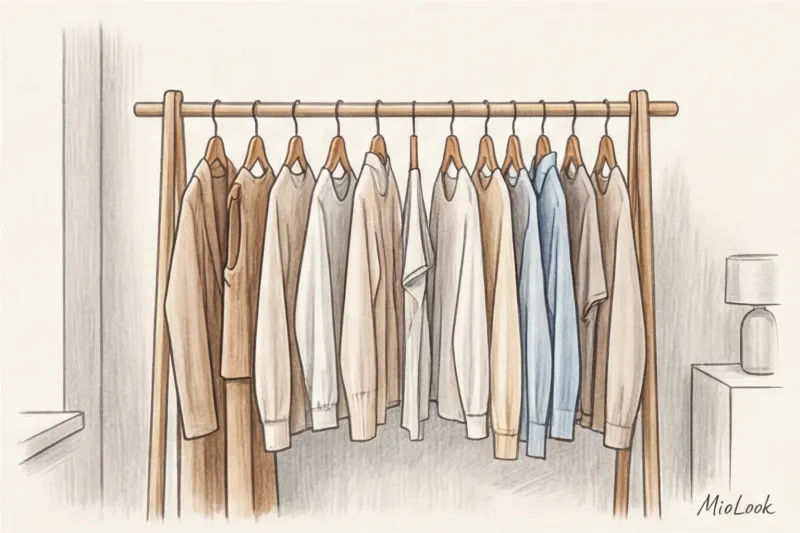
The Full Closet Paradox: Why Empty Shelves Make Us Happier
We tend to associate abundance with success. We think that the more things we own (say, 30 T-shirts from a mass-market store for €15 each), the more options we have and, therefore, the freer we are. This is a fundamental thinking error studied by behavioral economics.
The paradox of choice (formulated by psychologist Barry Schwartz) states that an excess of options paralyzes the will and reduces satisfaction with the outcome. Every morning, standing in front of a packed closet with clothes hanging three layers deep, you waste precious decision-making resources. You haven't even had your coffee yet, and your self-esteem has already taken a hit because you've tried on and taken off something that doesn't fit five times.
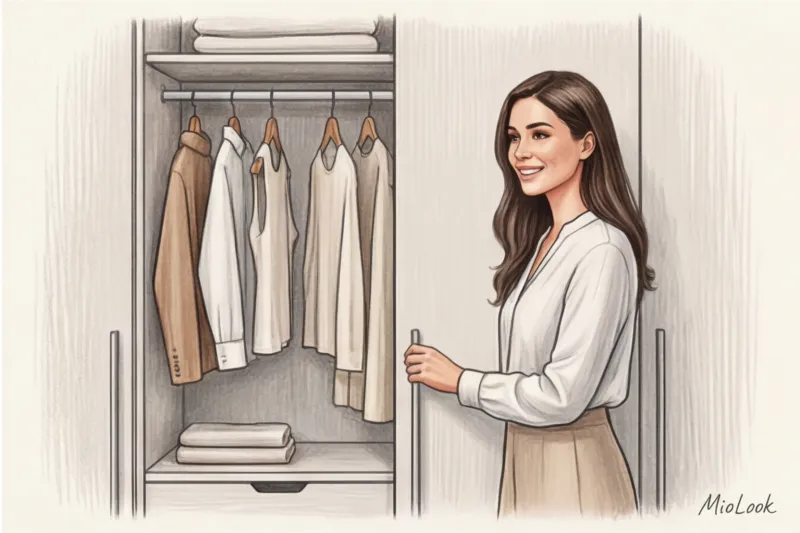
Wardrobe minimalism isn't about asceticism or eschewing fashion. It's about radically improving your quality of life. Ten perfect pieces, each one perfectly fitting and reflecting your expertise, will do a thousand times more for your self-esteem than fifty compromised items bought at sales during a shopping spree.
Your clothes are the closest tool you have to managing your well-being. Start small: remove from your closet anything that makes you feel guilty, insecure, or uncomfortable. Keep only what works for you. Because you deserve to open your closet doors every morning and see not a warehouse of problems, but an arsenal for conquering the world.