Yesterday, during a fitting, my client threw her new €800 jacket from a well-known brand down on the chair in frustration. "Isabella, why does it fit like a cardboard box, while my mom's old jacket from 1997 makes my waist look wasp-like?" I hear this question almost every day. We're used to thinking that modern technology makes clothes better. But the truth is, the patterns, fabric density, and cut architecture of twenty years ago remain an unattainable benchmark for most of today's brands.
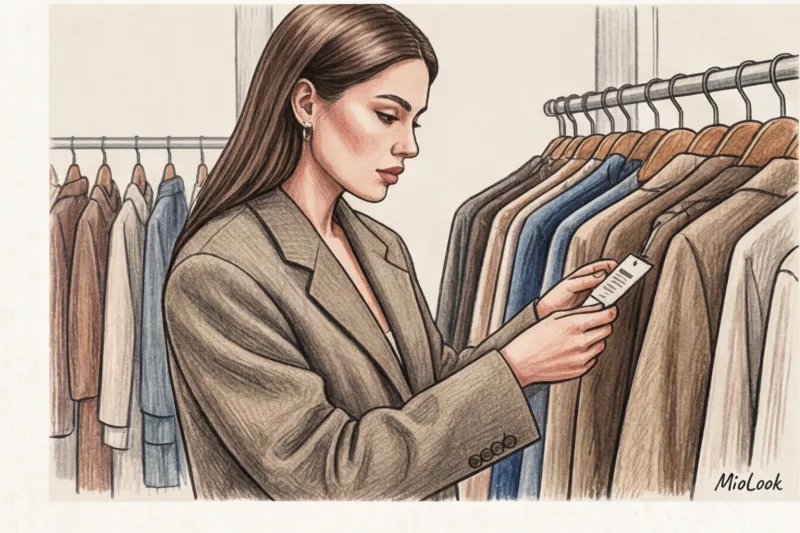
When the Y2K (Year 2000) wave hit social media, many grown women assumed the trend was all about low-rise jeans and neon tops from TikTok. But the real thing vintage items from the 90s and 2000s — this isn't a costume party. It's a strict cut, status accessories, and the opportunity to look luxurious without an astronomical budget. We've already written about the basics of working with archives and finding unique elements in our The complete guide to vintage clothing in a smart wardrobe.
Why Vintage Items from the '90s and '00s Are the Best Investment in a Smart Wardrobe
Let's talk about the mathematics of style. Over 12 years of working as a stylist, I've come up with a simple formula: buying vintage is the fastest way to elevate your look without overspending on marketing. A modern suit in the mid-price range (€250-€400) is often made of 60% polyester. Meanwhile, for €100-€150 on a resale platform, you can find a wool jacket from the late '90s whose density and twist correspond to modern luxury.
One of my clients found an original minimalist Jil Sander jacket from 1997 in a Parisian vintage boutique for €250. The quality of the inseams, the finishing of the lapels, and the fit make it look more luxurious than modern versions, which cost upwards of €2,000. The cuts of the 1990s were designed with natural anatomy in mind, shaping the shoulder girdle without the excessive rigidity sorely lacking in modern fast fashion.
Besides, vintage solves the main problem of modern times: cloning. When you go out in an archive, you're guaranteed not to see a colleague wearing exactly the same outfit. And to properly integrate these unique finds into your database, I recommend digitizing your closet. By uploading your items to MioLook app , you can create flawless combinations with vintage in just a couple of clicks.
90s Aesthetics: How to Find Minimalism That Looks Like a Million Dollars
The foundation of the '90s adult wardrobe isn't Kurt Cobain's grunge. It's the austere, expensive minimalism of which Carolyn Bessette-Kennedy was an icon. It's clean lines, monochrome, and a complete absence of flashy logos.
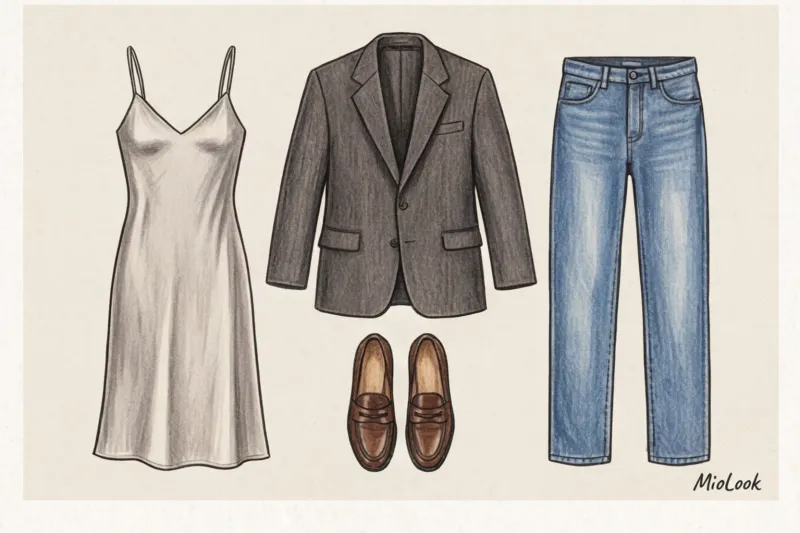
If you are just starting to form your capsule wardrobe When considering archival pieces, consider early collections by Calvin Klein, Jil Sander, Donna Karan, and Armani. Their pieces from those years are absolute masterpieces of design.
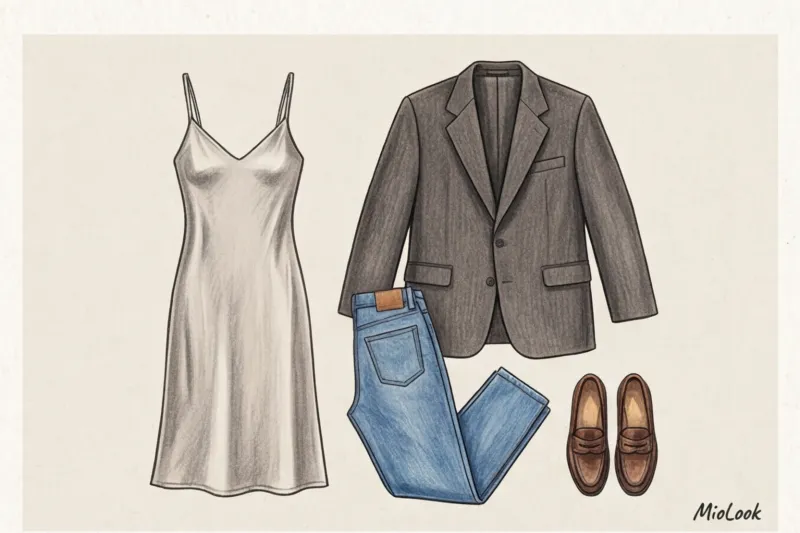
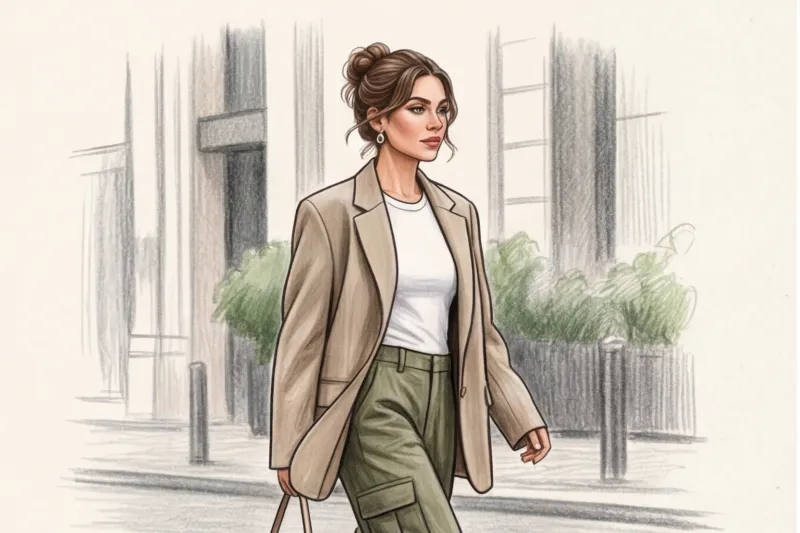
My favorite style formula that works without fail: a vintage 90s men's jacket + a modern flowy midi skirt + loafers = instant status and relaxed elegance.
What to look for first?
- Men's structured jackets. Look specifically in the men's section of vintage stores. They offer the right amount of oversize without looking baggy.
- Slip dresses. In the '90s, they were cut on the bias from thick, heavy silk. This cut beautifully accentuates curves without clinging to the stomach.
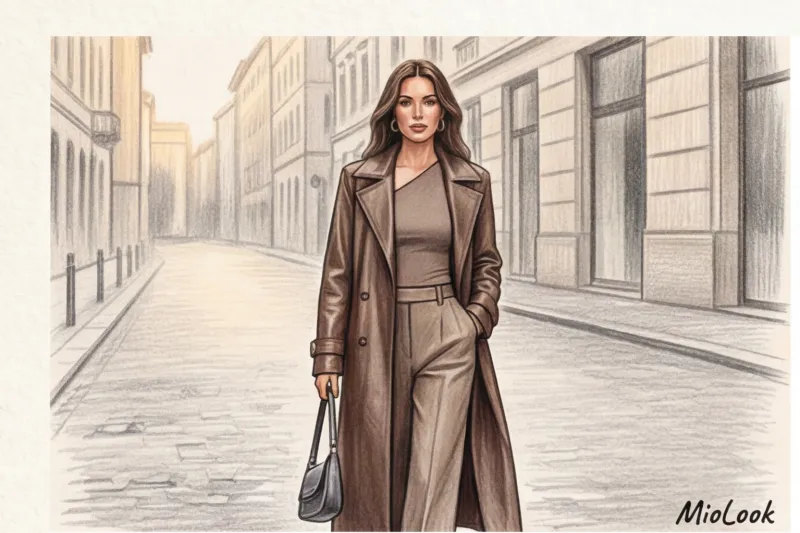
- Leather trench coats. Genuine leather from the 90s has a special patina that cannot be imitated in a factory today.
Jeans from the 90s: Why the Original Levi's 501 Remains the Benchmark
No modern mass-market denim can compare to vintage Levi's 501s. The secret lies in the composition: 100% cotton, 14 ounces, and a complete absence of elastane. Sure, they might be uncomfortable to sit in for the first half hour, but this stiff denim flatters your figure, lifts your butt, and doesn't bunch up at the knees by the end of the day.
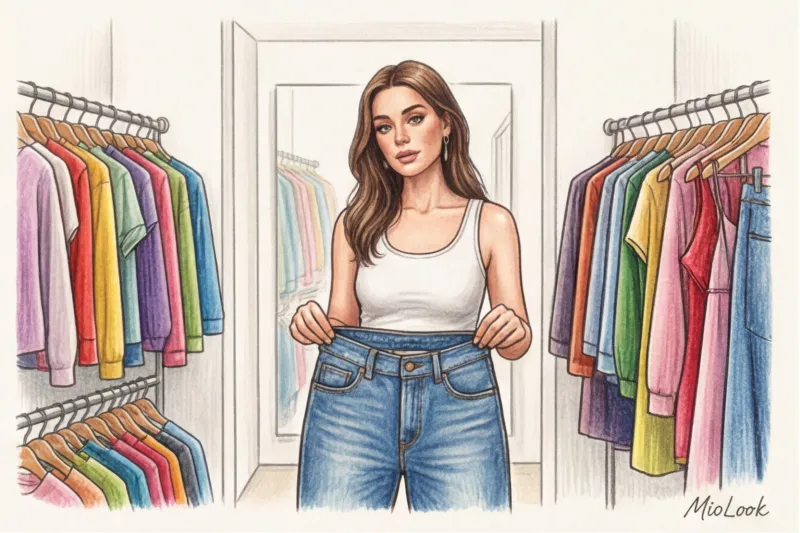
Be sure to consider the size chart: vintage denim always runs small. If you wear a size 27 today, you'll need to look for a size 29 or even 30 for vintage jeans from the '90s. Always ask the seller for exact waist and hip measurements in centimeters.
Your perfect look starts here
Join thousands of users who look flawless every day with MioLook, combining vintage and modern trends.
Get access — €0.99 onceY2K Era: How to Wear 2000s Trends Without Looking Like a Teenager
Early 2000s fashion is associated with extremely low waists, rhinestones, and plush suits. But as a stylist, I suggest looking at the other side of this era—the sexy glamour of early Tom Ford for Gucci and the opulent drama of John Galliano for Dior. The integration of these elements into business capsule wardrobe requires jewelry precision.
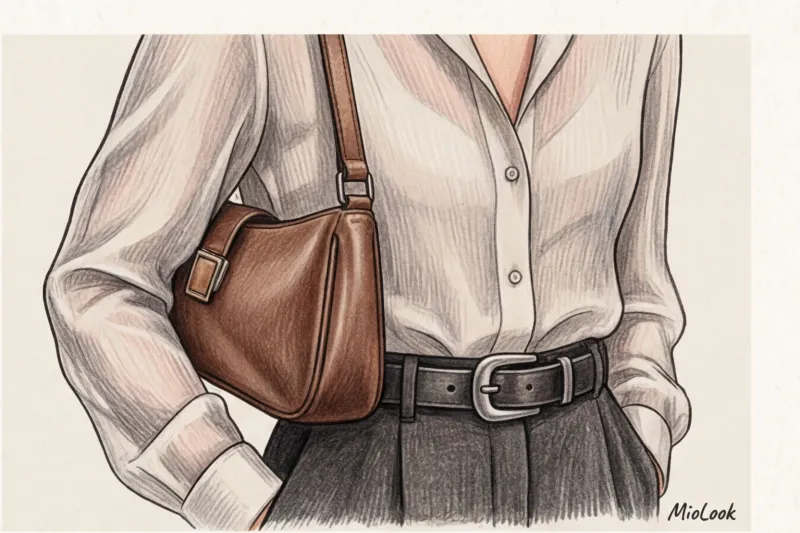
Instead of copying teen trends, we adapt them. We swap out the extremely low-rise trousers for a confident mid-rise that reveals just a hint of skin or is worn with a basic turtleneck tucked in. We swap neon tops for high-quality, semi-sheer silk organza blouses.
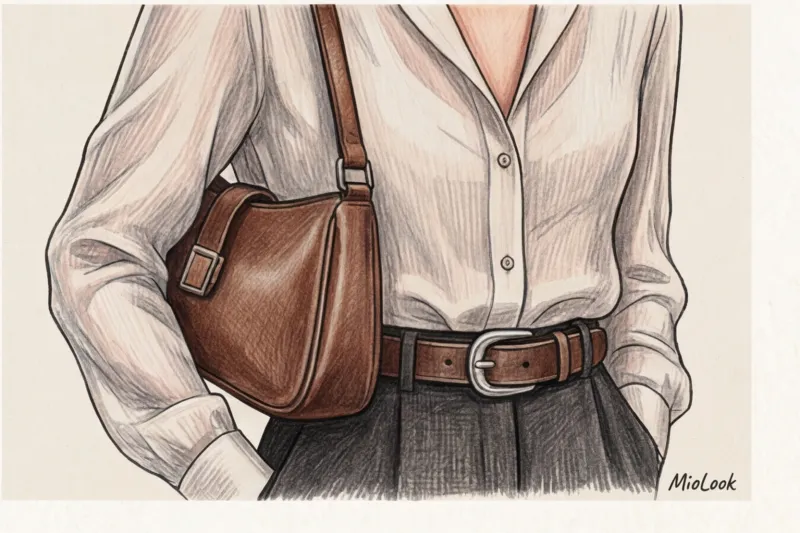
The best way to tame Y2K is to go all-in on accessories. I recently worked with a top IT executive. She wanted to add a little edge to her strict dress code. We found a vintage nylon Prada baguette baguette from the early 2000s and a chunky belt with a metal buckle. Paired with a classic gray suit, these details were a magnet for compliments—the look was no longer boring, but still retained its professionalism.
Beware of Synthetics: The Main Catch of 2000s Vintage
There's a popular myth: "All clothing used to be high-quality." This is a dangerous misconception. It was during the Y2K era that modern fast fashion emerged, and the market was flooded with cheap synthetics. While items from the 80s and 90s were mostly made from high-quality materials, vintage items from the 2000s require 10 times more stringent quality control.
Sheer tops, draped dresses, and flared pants from the early 2000s were often made of 100% "squeaky" polyester, which is prone to static and impermeable. Look for items made only of viscose, silk, or blended fabrics with no more than 30% synthetic content.
Where to find authentic vintage pieces from the 90s and 2000s
Searching through archives is a hunt. According to a 2024 study by McKinsey, the resale market is growing three times faster than traditional retail. Demand for high-quality vintage is enormous, so the best pieces are sold out in minutes.
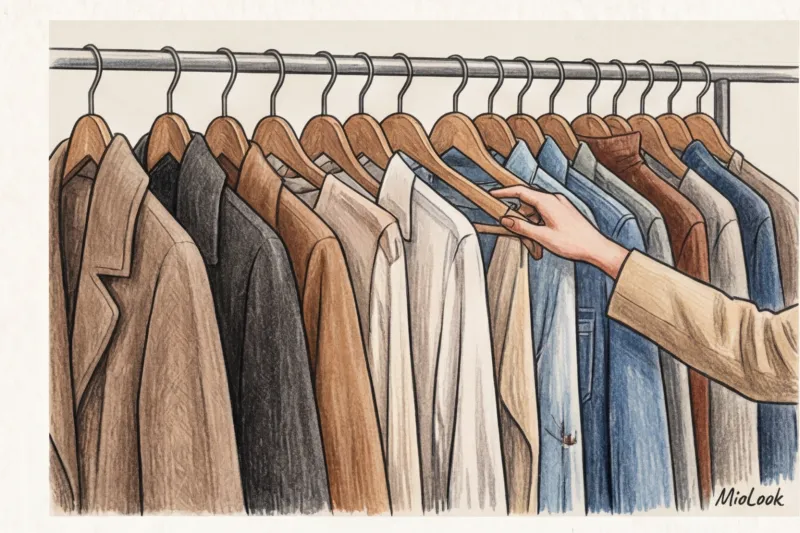
I divide search platforms into three categories:
- Global resale platforms (Vestiaire Collective, The RealReal). Expertly verified luxury is sold here. A report by The RealReal shows a 45% increase in demand for vintage Prada and Margiela over the past year. The downside is the high commissions charged by the platforms, which are factored into the price.
- Curatorial projects on social networks. Professional buyers have already done all the dirty work for you: they found, cleaned, steamed, and photographed your item beautifully. You pay 20-30% more for curation, but you save dozens of hours.
- Local marketplaces (Vinted, Avito, Depop). This is the Wild West, where you can find treasure for pennies.
My personal search secret: never just type in the word "vintage." Search for specific terms: "1998 silk slip dress," "100% Lana virgin blazer," "Riri zipper jacket," or specify specific collections, like "Tom Ford era Gucci."
Access to MioLook for €0.99 — one-time payment
A smart AI stylist will create the perfect look with your vintage finds and essentials in just a few seconds.
Get access — €0.99 onceA Stylist's Checklist: How to Check Archive Items Before Buying
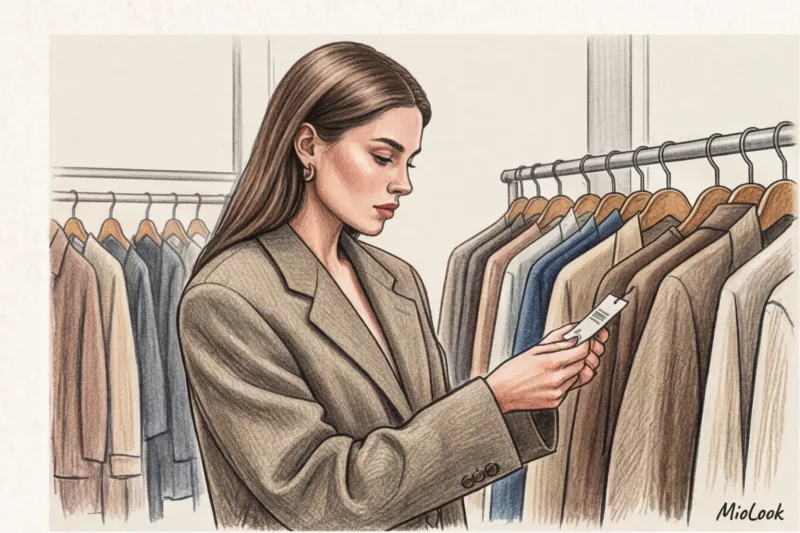
Vintage doesn't forgive inattention. Even if you've found amazing vintage pieces from the '90s and '00s at a great price, you should do some research before buying.
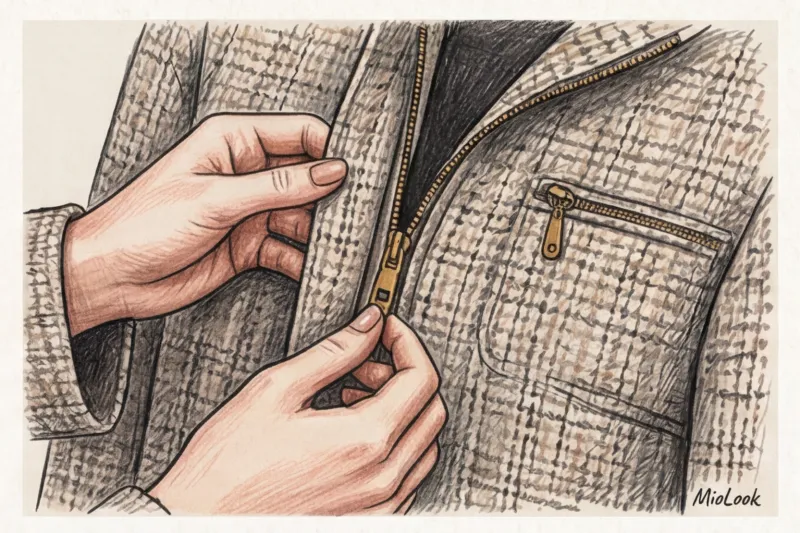
- Fittings as a passport. A zipper pull will tell you more about a garment's quality than a logo. Look for YKK, riri, Lampo, or OPTI engravings. Luxury brands of the 90s never skimped on hardware.
- Tags (Care tags). Fonts and logos have changed. A faded, washed-out inner ingredient label is normal, but a crookedly sewn, shiny-new brand label on old fabric screams counterfeit.
- Smell and lining. Underarm stains on silk linings are nearly impossible to remove. The distinctive "granny's chest" (mothball smell) from wool can be removed with a good ozonation at the dry cleaner, but the musty, moldy smell from leather is impossible to remove—don't buy it.
I should warn you: this approach doesn't always work. There's a term called "altered vintage." Sometimes sellers shorten long '90s coats into fashionable jackets or tailor men's blazers. Ask for a photo of the original hem—a home-made alteration will ruin the garment's aesthetic.
Integrating Vintage into a Modern Wardrobe: The Rules of Balance
To avoid the "I'm wearing all my mom's best clothes" look, use the balance rule. Vintage should look conscious. a stylistic device that emphasizes status , and not as a sign that you haven't updated your wardrobe for a long time.
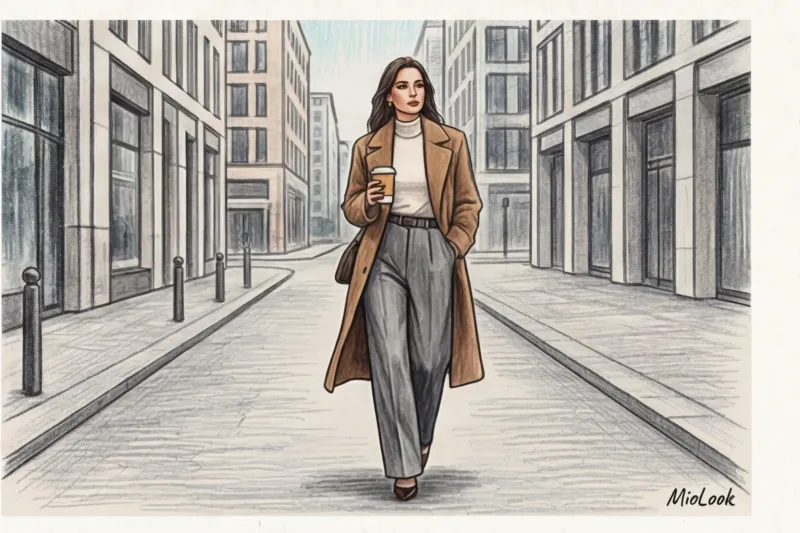
A stylist's golden rule: there should only be one accent vintage piece per look. If you're wearing a men's jacket from 1996, pair it with modern straight-leg jeans in the right wash and trendy square-toe shoes. If you've chosen an archival Y2K-style bag, keep the outfit as neutral and technical as possible.
The mix of eras creates an intellectual tension in your look. Swap your usual mass-market jacket for a well-tailored vintage one, add a chunky belt from the 2000s—and watch your posture change. Start small: find the perfect archival men's blazer, and it will become your visual signature, impossible to copy.