

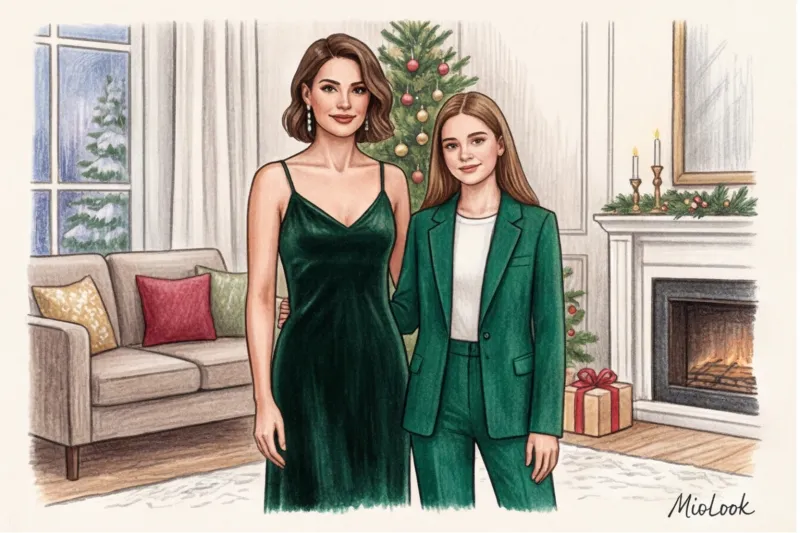
Last December, a client named Anna came to me in utter despair: her twelve-year-old daughter, tearfully refusing to wear the velvet dress she'd bought for €150 for a family photo shoot, refused. The reason? It was an exact, miniature replica of her mother's outfit. The teenager perceived this as a gross violation of her personal boundaries, and Anna was upset about the wasted money and the ruined mood. This situation perfectly illustrates the main problem with the modern approach to family style.
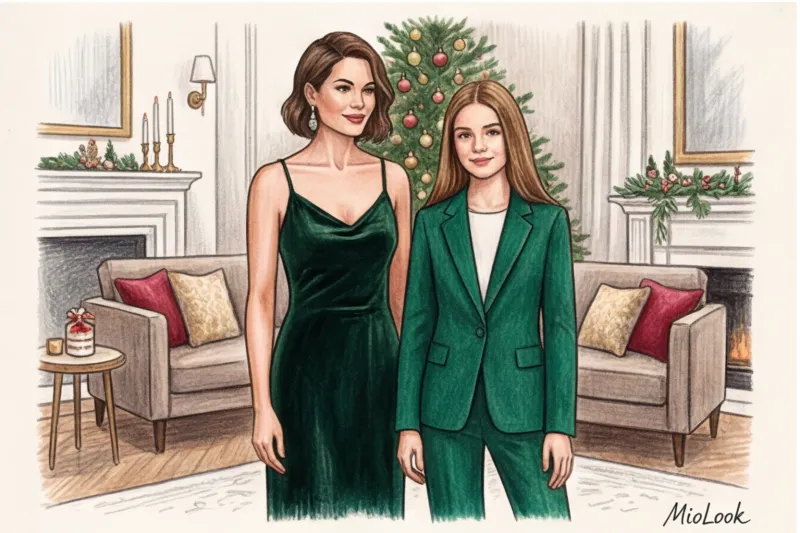
When we're looking for elegant mother-daughter dresses, our first instinct is to buy identical items. However, over 12 years of working as a stylist and fabric specialist, I've learned that blindly copying (so-called matchy-matchy) doesn't enhance family harmony. On the contrary, it visually cheapens the look, turning it into a uniform. We've covered the origins of this trend and its alternatives in more detail in our complete guide: Festive Family Look: Stylish Looks for Special Occasions.
Let's figure out how to create prestigious, luxurious, and, most importantly, comfortable paired looks, relying on the laws of color, sensory comfort, and sustainable fashion.
The Evolution of the Family Look: Why Matching Mother-Daughter Dresses Are No Longer Trendy
The peak of identical looks' popularity was in the mid-2010s. Back then, social media feeds were filled with photos of mothers and daughters in identical, fluffy tulle dresses. But today, this trend seems hopelessly outdated. Why?
Firstly, the "uniform" effect deprives a person of individuality. Only coordination—when items overlap but don't duplicate each other—appears luxurious and prestigious. Secondly, there's a serious psychological aspect. According to research in developmental psychology, clothing becomes a crucial tool for children from the age of three onward, symbolizing their individuality and self-expression. By imposing our own version of a dress on a child (especially one over seven), we unconsciously suppress their individuality.
"Identical clone dresses only work in photographs. In real life, they create the impression that you bought a single bolt of fabric from a wholesale warehouse and used it to make clothes for the whole family to save money." This is a tough but fair rule that I always emphasize during consultations.
Sensory Comfort: A Textile Expert's View
The biggest mistake mass-market manufacturers make when creating matching collections is using the same materials for adults and children. Children's metabolism works differently: a child requires 30% more breathable fabric than an adult. What's comfortable for a mother in a cool banquet hall will make a five-year-old girl sweat and act up within 20 minutes.
Furthermore, brands often cut corners by using stiff tulle, sequins, and cheap polyester for party dresses. For delicate children's skin, this is a sensory nightmare. Prickly seams and non-breathable synthetics are guaranteed to ruin the occasion. When choosing a dress, always check the inside of the bodice—it should have a soft lining.
The Rule of Status Harmony: How to Combine Looks Without the Cloning Effect
The main secret of an expensive visual range lies in the theory of color types. The same pure color rarely suits a mother and daughter perfectly, simply because their appearances may have different contrasts. For example, a deep emerald green might look stunning on a brunette mother, while the same color would make a daughter with light brown hair and fair skin look sickly pale.
Instead of buying items in the same color, use complementary shades from the same temperature range (pair warm with warm, cool with cool). Mom might choose a dress in a rich wine shade (burgundy), and her daughter might choose a soft powdery color with a cool pink undertone. They will look cohesive, without blending into one blob.
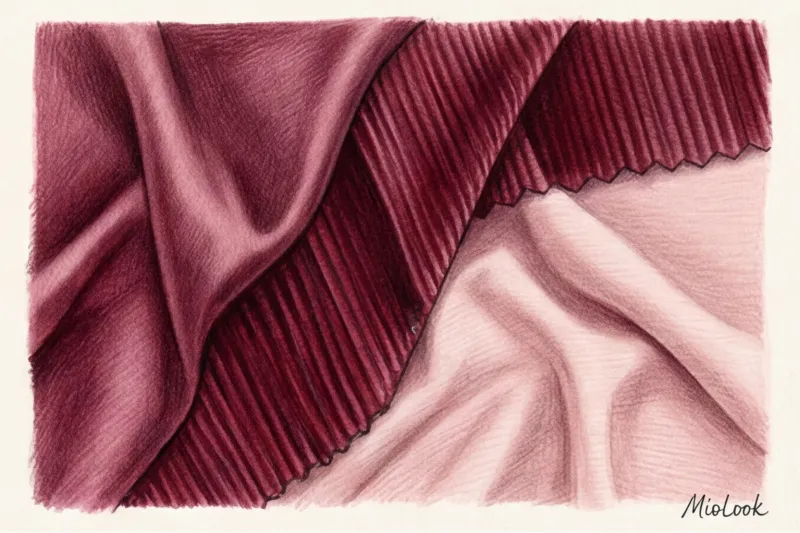
Texture is everything: silk, velvet and eco-friendly blended materials
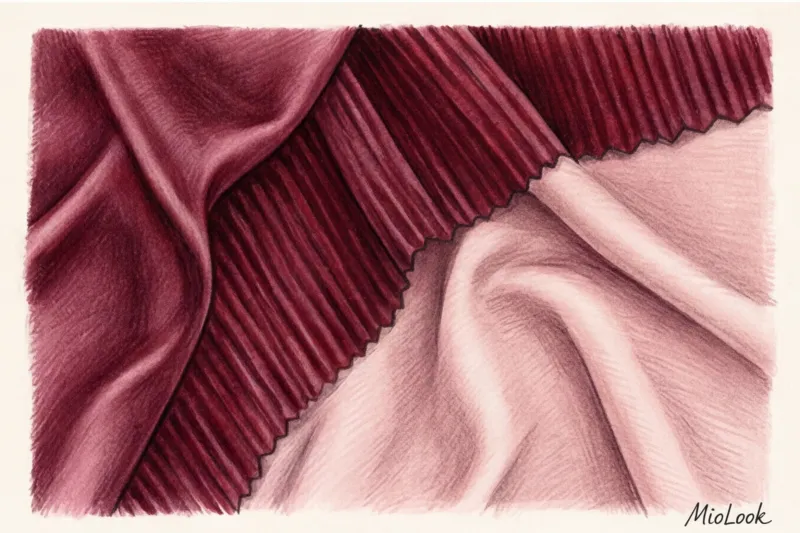
The most sophisticated styling technique is to combine looks through texture, choosing different colors. Or vice versa: use the same color but radically different textures. Imagine: a mother in a dress of thick matte velvet, and a daughter in a flowing gown of smooth silk in the same shade. The difference in the reflectivity of the fabrics will give the paired look depth and cinematic appeal.
From an eco-conscious perspective, I strongly recommend avoiding pure polyester (even if it shines beautifully on the hanger). According to the Textile Exchange platform's 2024 reports, sustainable alternatives have become more accessible. Look for materials such as cupra, tencel, or EcoVero viscose. They flow just as well as natural silk, but are highly breathable and produced with minimal impact on the environment.
Not sure which colors are right for you?
Upload a photo of you and your child to MioLook. A smart algorithm will determine your color type and suggest ideal palettes for paired looks.
Age Adaptation: Choosing Elegant Dresses for Mom and DaughterAn obvious but often ignored truth: a dress that looks stunning on a 35-year-old woman will look ridiculous on a three-year-old or comical on a teenager. Adapt styles to your child's age and needs.
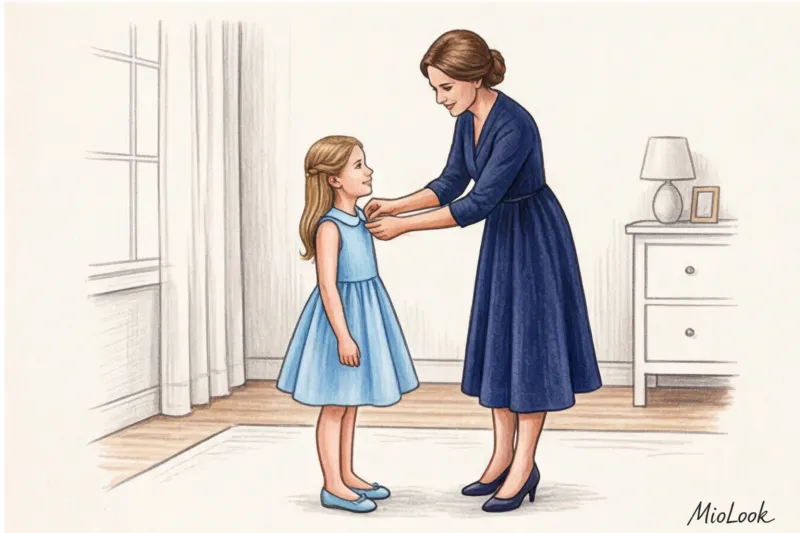
- 0–3 years: Absolute comfort is paramount. No tight belts, corsets, or heavy, multi-layered skirts that make it impossible to sit on the floor. Look for A-line dresses with a natural lining (cotton with a density of at least 180 g/m²).
- 4–9 years: This is the age of compromise between "wanting to be a princess" and comfort. Actively involve your child in the selection. Let your daughter choose the color from your suggested palette, and control the style and fabric yourself.
- 10–15 years: A collaborative approach is key. Forget about clone dresses. A fantastic technique my clients adore is playing with contrasts. If Mom wears a feminine silk slip dress, suggest your teenage daughter wear a relaxed pantsuit in a matching fabric, perhaps a grunge or smart-casual style.
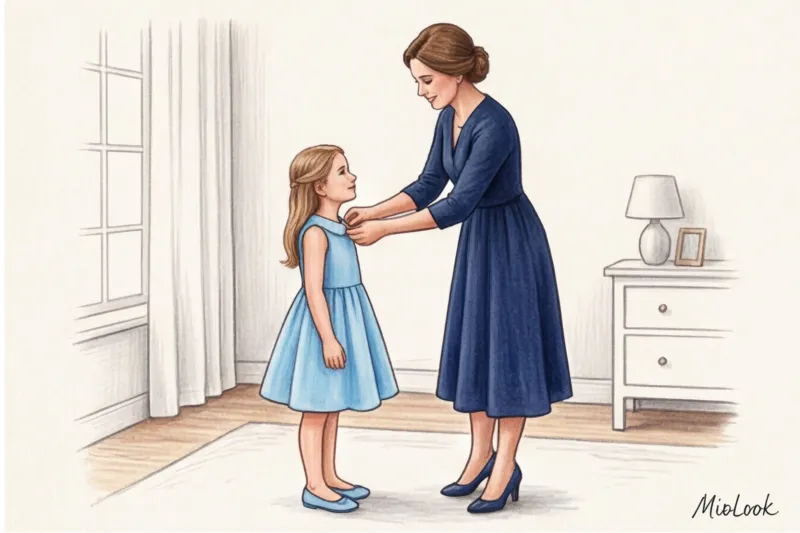
My personal professional rule: Never force an older teenager to wear the same clothes or the same colors as their five-year-old sibling. For a teenager, this is an aesthetic judgment.
Sustainability and Cost Per Wear: Why Identical Dresses Are a Bad Investment
Let's do the math. In professional styling, there's a metric called Cost Per Wear (CPW)—the cost of an item per wear. According to statistics from the analytical agency WGSN, highly specialized matching outfits (those same rhinestone dresses) are worn an average of 1.2 times—only for the holiday itself and perhaps for a photo by the Christmas tree. If the outfit cost you €150, then the cost per wear would be €150.
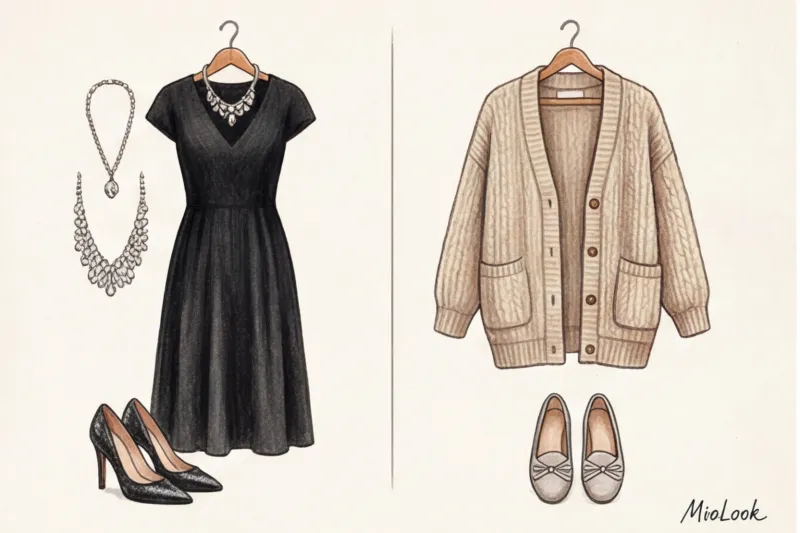
This is an environmental and financial crime. A well-crafted paired outfit should be easily broken down into its individual elements. A mother's dress after the celebration should look great with a voluminous cardigan and chunky boots for everyday wear. And a daughter's dress should be paired with a denim jacket and sneakers for a birthday party.
To avoid cluttering your closet with one-time purchases, I always recommend loading potential purchases into MioLook The app helps you calculate in advance what items in your current wardrobe a new item will pair with, reducing your CPW.
Create a smart wardrobe
Digitize your wardrobe with MioLook. Artificial intelligence will suggest how to integrate a dress into your everyday looks so it doesn't end up gathering dust in your closet.
Get access — €0.99 onceA Practical Guide: 4 Formulas for the Ideal Couple Look
Enough theory. Here are four specific stylistic formulas you can apply right now. They always produce premium-gloss results.
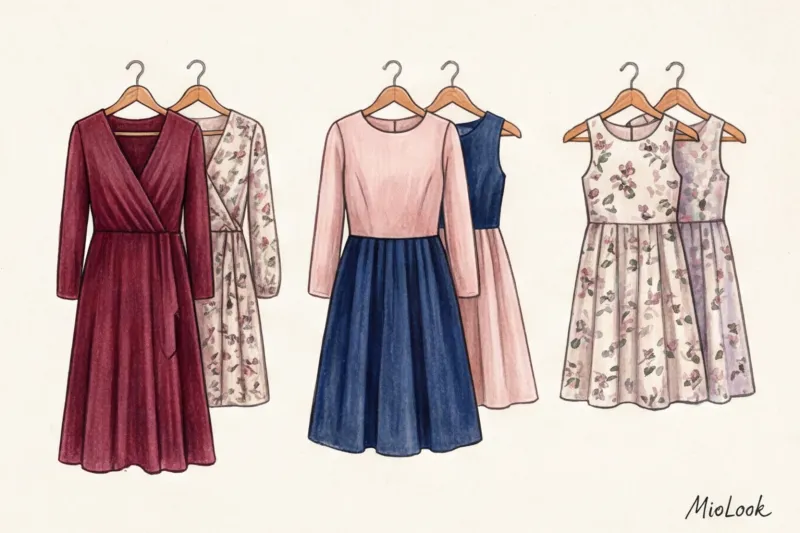
- Monochrome in different textures: Choose one deep shade (for example, navy blue). Mom wears a dress made of thick wool or crepe, and the daughter wears a light dress made of glossy satin or viscose. They're the same color, but the play of light creates a complex look and prevents them from blending.
- Color inversion: A classic royal wardrobe trick: The main color of the mother's dress becomes the color of the details in the daughter's outfit. For example: the mother in a beige dress with a black belt, the daughter in a black sundress over a beige blouse.
- Different styles, one print: If you find a fabric with a stunning floral pattern, don't sew two identical slipcovers out of it. For mom, it could be a flowing midi skirt with a solid top, and for daughter, a simple A-line dress.
- Unification through accent accessories: The most affordable (in the €30–€60 range) and modern option. You can wear completely different styles, but you'll be united by the same large velvet bows in your hair, identical Mary Jane shoes, or matching brooches.
Of course, it's worth mentioning: this rule doesn't apply to playful New Year's Eve pajamas at home. A fun family "uniform" with deer is perfectly appropriate and sets the right mood. But when it comes to going out or an elegant photo shoot, the above formulas work flawlessly.
Pre-purchase checklist: checking quality and fit
Before you take your items to the checkout or pay for your shopping cart online, do a quick check. As someone who works closely with garment production technologists, I recommend paying attention to three critical points:
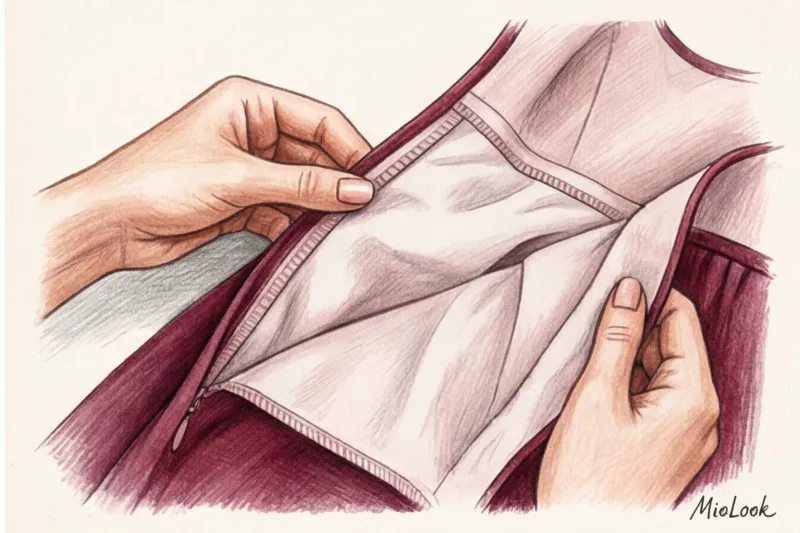
- Availability of natural lining: Synthetic lace should never touch a child's skin directly. Armholes and collars (areas of greatest friction) should be lined with cotton or soft viscose.
- Processing of internal seams: Turn the baby dress inside out. A quality dress will have closed seams (French seams) or neatly edged with soft binding. If you see any stiff overlock threads that scratch even your fingers, return the dress to the hanger immediately.
- Smart reserve for growth: Children grow in leaps and bounds. Buying a true-to-size dress for €80 for just one evening isn't smart. Look for styles with adjustable straps, hidden drawstrings at the waist, or wrap-around styles. This will allow you to wear the dress for at least two or three seasons without losing its perfect silhouette.
When choosing elegant dresses for mother and daughter, remember the most important thing: your true connection is expressed in your gazes, smiles, and the way you hold hands, not in identical pieces of fabric. Allow yourself and your child to be different, yet harmonious. Create your own unique family capsule collections, and if you're unsure about texture or color combinations, trust us to analyze and select them. to the smart stylist MioLook Holiday clothing should bring joy, not restrictions.
Frequently Asked Questions
What is your color type?
Find out your seasonal color type and choose clothes that highlight your natural beauty.
About the author
Unlock MioLook
for €0.99
Start creating perfect outfits with artificial intelligence
Get access — €0.99 onceRelated Articles

Stylist Tips: How to Wear a Flattering Oversized Scarf
A voluminous scarf not only provides warmth but also creates an optical illusion...
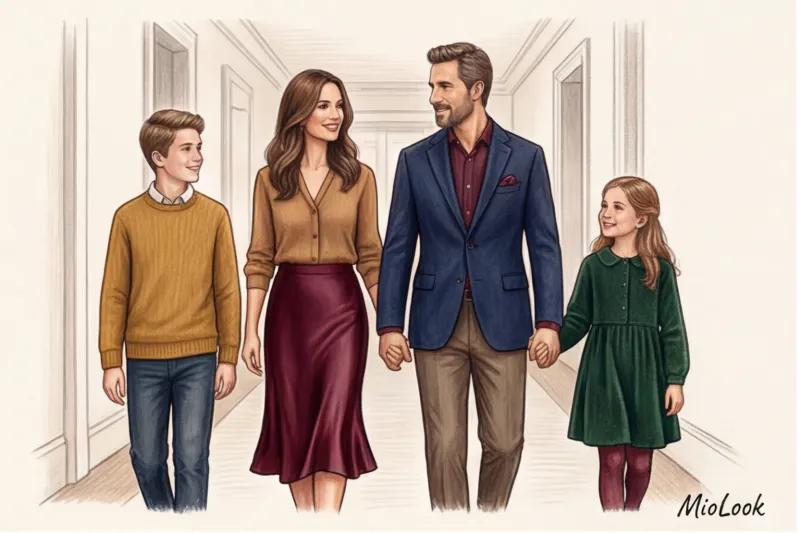
Festive Family Look: Stylish Looks for Special Occasions
Forget about identical, itchy sweaters and the cloning effect. We'll show you ho...
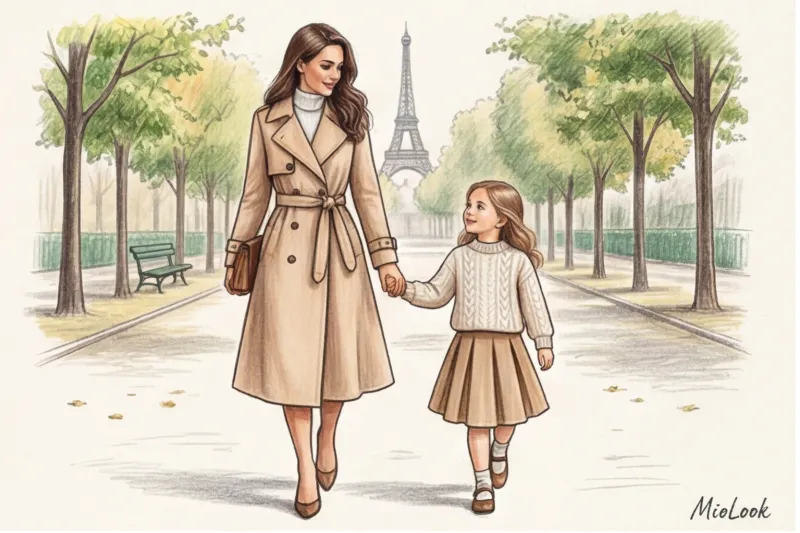
Perfect family look images without matching clothes
Forget about buying identical items only once. We'll show you how to create harm...

How to Match Family Clothes by Color: Family Look
Wearing the same outfit for a photo shoot is hopelessly outdated. We'll show you...