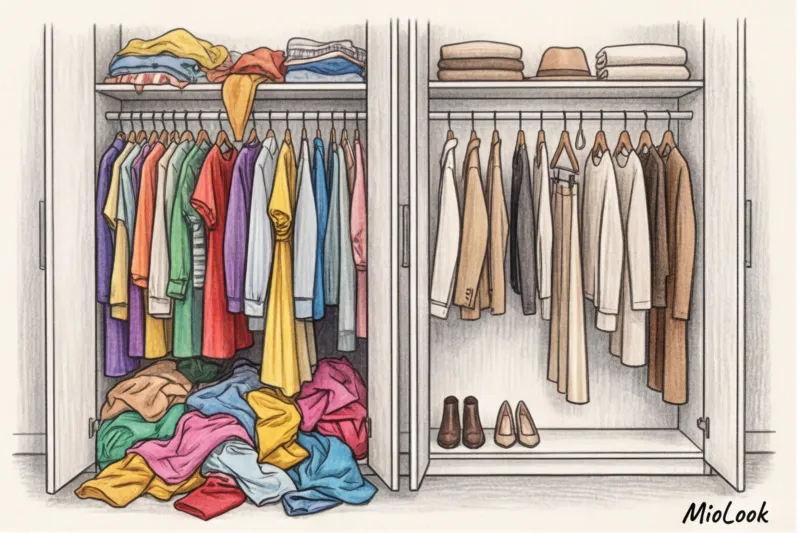

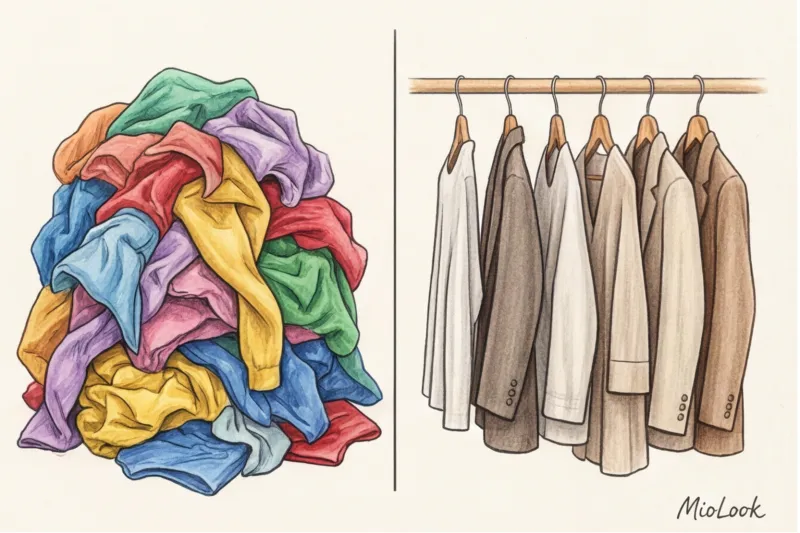
Last week, I was sorting through a new client's wardrobe. We pulled out a mountain of clothes onto the bed, the total cost of which, by my conservative estimate, exceeded 5,000 euros. Ninety percent of the hangers were taken up by one-season polyester blouses, stretched-out cardigans, and dresses with crooked seams. The client uttered the classic phrase: "My closet is bursting with clothes, and I have absolutely nothing to wear." It's in situations like these that the theoretical debate about fast fashion and slow fashion ceases to be an abstraction and hits your wallet and self-esteem directly.
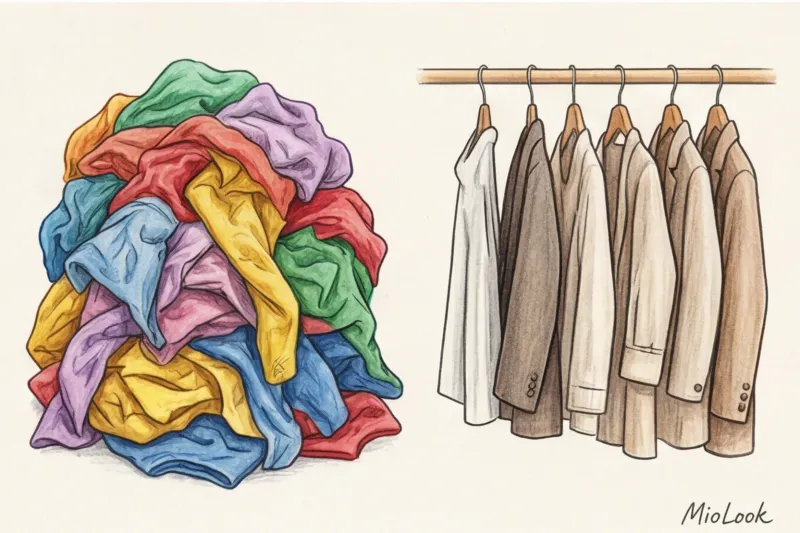
Instead of the typical stylist demonization of mass-market fashion, I propose a pragmatic approach. We won't burn H&M clothes. We'll make them work according to the rules of a smart wardrobe. I discussed the architecture of a functional closet in more detail in our basic guide: Conscious Fashion: How to Build an Eco-Friendly Wardrobe Today, we'll explore the pure mathematics of style: how to stop wasting your budget on flashy fashion and start investing in yourself.
Fast fashion and slow fashion: what's the real difference in the language of your wardrobe?
Marketing fluff aside, the difference comes down to how quickly your money turns over in your closet.
Fast fashion — it's an industry that operates on a 52-season schedule. The main goal of these brands is to copy the latest runway trends, minimize production costs (hello, 100% acrylic), and deliver the item to stores within a couple of weeks. You're buying an emotion for one Friday night.
Slow fashion — focuses on timeless cuts, natural materials (wool, silk, dense organic cotton), and durability. It's about capsule collections and ethical production. Here, you're investing in a solution that will meet your clothing needs for years to come.
According to a 2021 study by the Ellen MacArthur Foundation, today we wear purchased items on average 36% less often than we did 15 years ago. We've come to view clothing as disposable tableware.
The Hidden Cost of Cheap Clothing
You might think a basic cotton T-shirt for 5 euros is a great deal. It's an economic illusion. Have you ever wondered why the side seam of that T-shirt creeps up onto your stomach after just one wash?
The problem is that in mass-produced, ultra-cheap fabric cutting, fabric is not cut along the grain, but rather in an off-grain cutting process designed to save every millimeter of material. This compromises the fabric's natural properties. Add to this the thin threads and the lack of a heat-and-wet finish. Such fabrics lose their shape, become covered in pilling, and end up in the trash after just three washes.
The main myth of style: slow fashion is always expensive
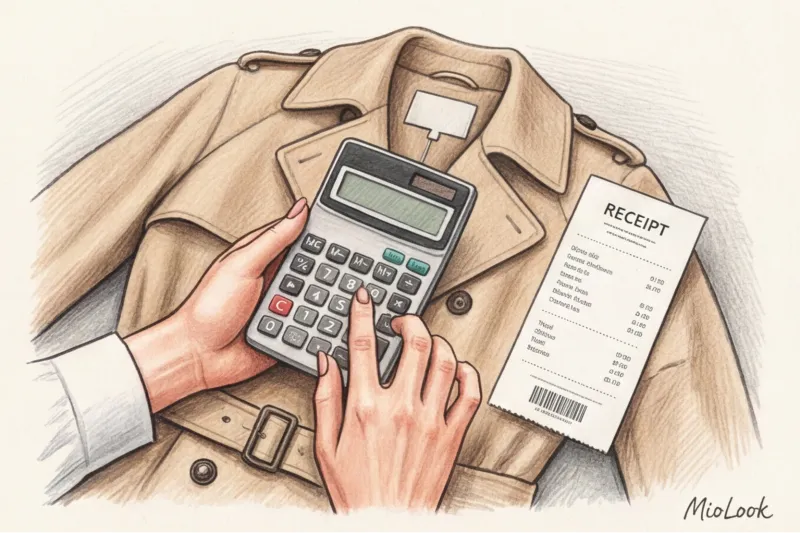
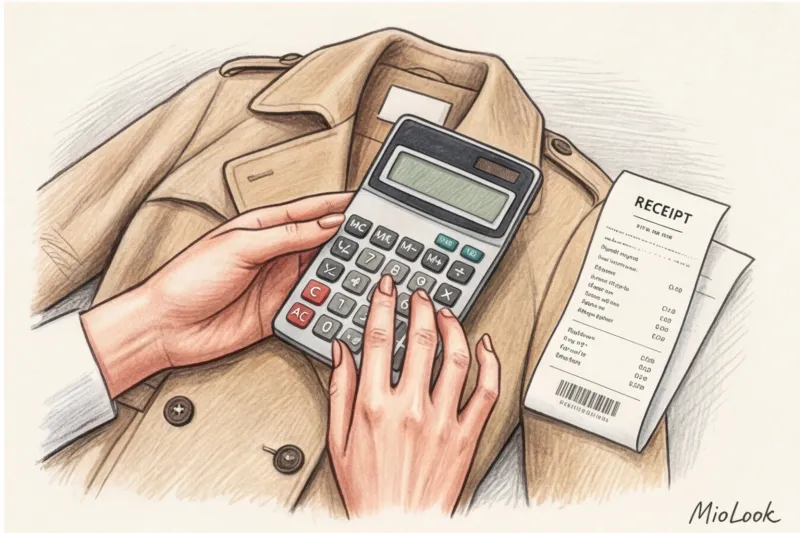
Over 12 years of working as a stylist in Europe, I've discovered an ironclad rule: mass-market brands consume more budget in the long run than mid-range brands. The answer lies in the formula. Cost-Per-Wear (CPW) — the cost of one output.
Let's do the math. You buy a trendy acrylic sweater from a fast-fashion brand for 30 euros. It starts to shrink and lose its shape after three wears. The cost per wear: 10 euros.
Now let's take a basic cashmere jumper from a premium brand for 300 euros. You wear it every winter, at least 2-3 times a week for three years. That's about 100 times. The cost per wear: 3 euros.
Let's return to the client from the beginning of the article. Her wardrobe contained 15 cheap, dubiously cut jackets, costing a total of €750. For that amount, we could have bought three impeccably fitted jackets made of fine Italian wool that would have garnered compliments for years. A poor wardrobe is often not a lack of money, but rather a waste of it on trivial items.
Stop buying things that don't last forever
MioLook's smart AI stylist will analyze your wardrobe and show you exactly which essential items you need to create the perfect look.
Get access — €0.99 onceThe Mindfulness Trap: How the Mass Market Engages in Greenwashing
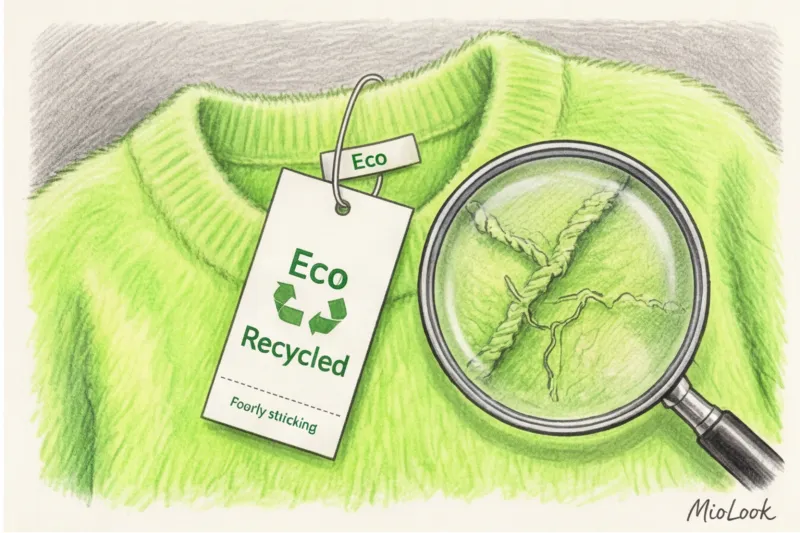
According to McKinsey & Company's "The State of Fashion 2024" report, consumers are increasingly seeking durability. Fast fashion giants have realized this and have launched a greenwashing campaign to create the illusion of sustainability.
You see a green cardboard tag in the store with the words "Conscious," "Join Life," or "Eco-friendly." Your hand instinctively reaches for your wallet. But turn over the inner care label sewn into the side seam. There you'll often see: 5% recycled wool, 65% polyester, 30% acrylic.
Stylist's instructions for reading ingredients:
- Always look at the first word in the composition—that's the material that's in the majority. If acrylic or polyester is listed first, no amount of added cashmere or alpaca wool will save the item from the greenhouse effect and pilling.
- Blended fabrics are fine, but proportions are important. Viscose with 5-10% elastane or polyester will last longer and wrinkle less than 100% viscose.
- The term "Vegan leather" in 99% of cases in the mass market means ordinary polyurethane (plastic), the production of which is extremely toxic.
Hybrid Wardrobe: How to Smartly Mix Fast Fashion and Slow Fashion
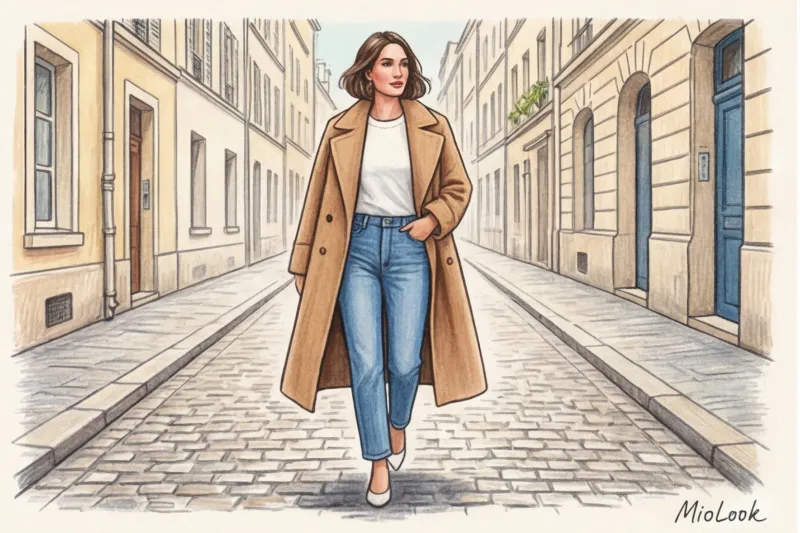
I love to break stereotypes. My main belief is: Fast fashion isn't always an absolute evil. Mindfulness isn't just about the brand on the tag; it's about your attitude toward the item. If you buy a perfectly tailored viscose-blend jacket from Mango and wear it for five years, it's become part of your personal slow fashion.
The secret to a perfect closet is a hybrid approach based on the 80/20 rule. 80% of your budget and space goes toward basics made from quality materials (slow fashion), leaving 20% for trendy experiments from the mass market.
What you shouldn't skimp on: the core of your wardrobe
These are the categories you should invest in without regret, choosing the highest quality you can afford:
- Outerwear: A wool coat, a quality trench coat. They set the tone for the whole look.
- Shoes and bags: A cheap bag instantly "kills" even an expensive suit. By the way, I wrote about status details in the article Quiet Luxury Accessories for the Executive.
- Structured things: jackets and trousers of perfect cut that hold their shape.
What you can safely buy in the mass market
Where is fast fashion really useful?
- Basic cotton t-shirts: White cotton yellows from deodorants and washing, regardless of whether it costs €15 or €150. Look for a weight of 180 g/m² or higher in the basic sections of mass-market stores.
- Trendy details for one season: Leopard-print tights, a sequined top, and trendy jewelry. If the trend is described in the article Spring/summer fashion trends: what to invest in? As a "fast microtrend", don't waste your slow fashion budget on it.
- Experiments with color: Want to try a bright red suit but aren't sure you'll wear it? Try it out on the budget side. You can find some ideas in this article. Bright Colors in Office Style: A Dress Code Without Boredom.
Your perfect look starts here
Tired of racking your brain over combinations? Join the thousands of users who look flawless every day with MioLook, combining their foundation and trends.
Get access — €0.99 onceStylist Secrets: How to Find Quality Items in the Mass Market
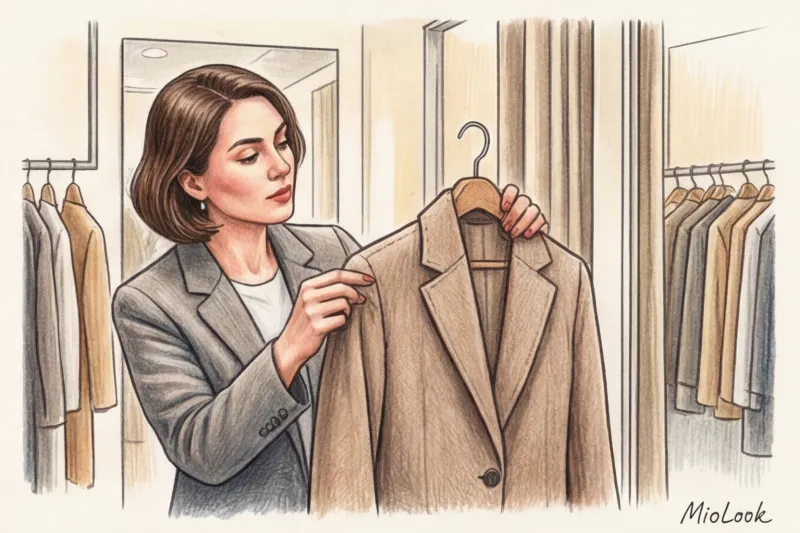
Mass-market fashion comes in many forms. Youthful lines featuring vibrantly colored polyester are one thing, while premium sub-brands from the same companies (COS, Arket, & Other Stories, Massimo Dutti, Zara Origins) are quite another. They offer quality comparable to the mid-market segment, but at more affordable prices.
Here's my strict checklist for checking things right in the fitting room:
- Crease test: Squeeze the edge of the fabric tightly in your fist for 5 seconds and release. If the fabric remains crumpled, it will look the same after an hour of wearing it in the office. The item remains in the store.
- Translucency test: Hold the knitwear or shirt up to the lamp. If the fabric is so translucent that you can see the outline of your fingers, it's too thin and will tear quickly and not hold its shape.
- Print docking: Look at the side seams of a plaid shirt or patterned dress. In a quality garment (even a mass-market one), the lines of the plaid or the pattern elements should match at the seam junction.
- Spare fittings: The presence of a pouch with a spare button or piece of thread is a sign that the manufacturer expects the product to last a long time.
I must admit: This approach of searching for gems in the mass market doesn't work for everyone. If you have a non-standard figure (for example, a large difference between your waist and hips), standard fast-fashion styles will fit poorly, no matter how good the fabric. Only slow fashion or bespoke tailoring can save you.
5 Steps to Stress-Free, Mindful Shopping
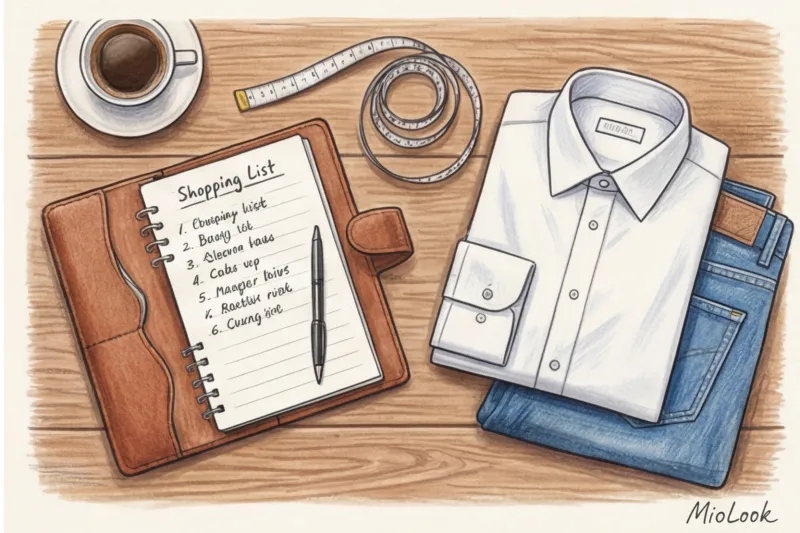
Mindfulness can't be bought; it can only be cultivated. Here are five practical steps I go through with every client:
Step 1. Honest audit. Open your closet and count the items with the tags still attached or those you've worn only once a year. Multiply their number by the average price. The resulting figure will be a great sobering reminder before your next shopping trip.
Step 2. The 24-hour rule. Seen a stunning skirt on sale? Take a photo of it on yourself, put it aside at the checkout, and go get a coffee. The dopamine rush from the desire to buy it will subside within an hour. If the next morning you still have a clear idea of where and how you'll wear it, buy it.
Step 3. Test three images. Never buy an item unless you can mentally create at least three outfits with it right in the fitting room from what's ALREADY hanging in your closet. Exception: evening dresses for special occasions. If you love the eclecticism we discussed in the article The Jester Archetype: Clothing Style, Eclecticism, and Clever Irony , make sure the new bright item complements your neutral base.
Step 4: Research local brands. Often, items from local niche designers are priced comparable to premium mass-market lines, but offer much better fabric quality and limited availability (you won't see three colleagues in the office wearing the same dress).
Step 5: Make friends with a good tailor. The secret to a luxurious look is a flawless fit. A €60 Zara jacket, tailored to your waist for €15, will look like a €500 luxury jacket. Invest in tailoring.
Summary: Your Personal Balance Between Fast and Slow Fashion
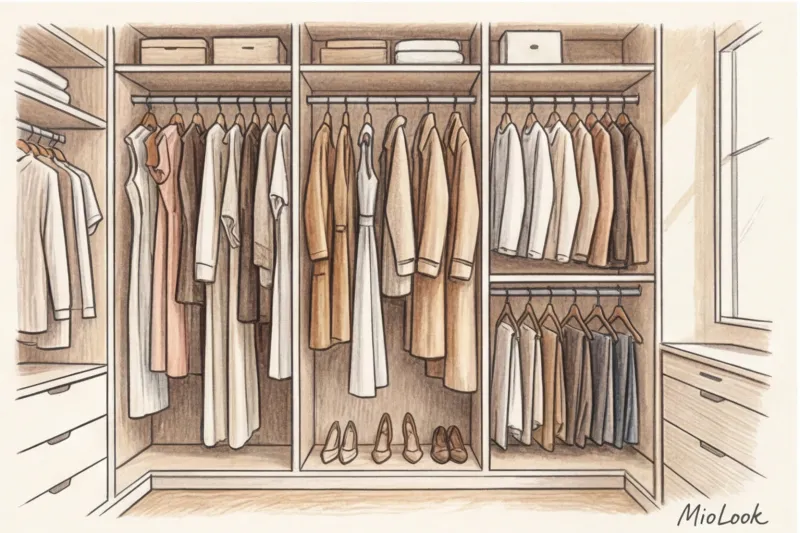
The battle between fast fashion and slow fashion isn't a choice between good and bad. It's a matter of smart proportions in your specific closet. Treat mass-market items like spices: they add spice and flavor to a dish, but you can't rely solely on them.
Don't try to become a perfect eco-fashionista overnight and throw out all your mass-market clothes (that's the least eco-friendly thing you can do, by the way). Start small: stop going to shopping malls "just to browse" or "to lift your spirits." Your clothes should work for you, earning every cent you spend, and giving you confidence every day, not just at the checkout.