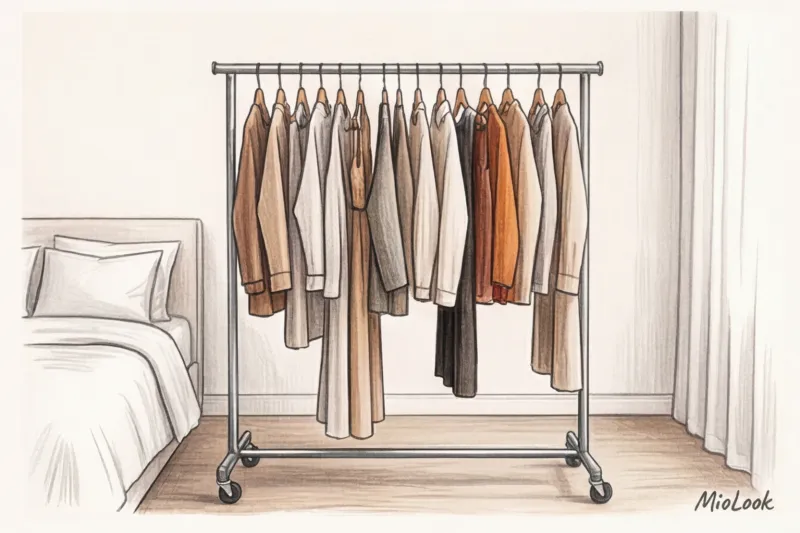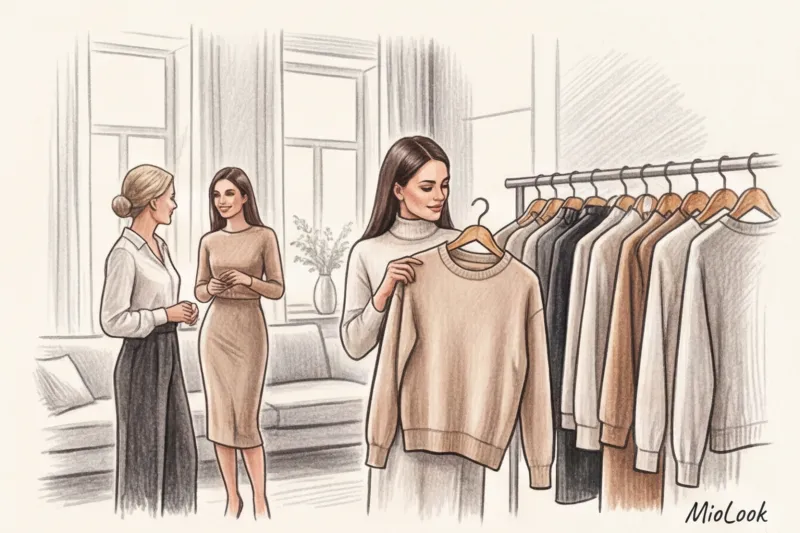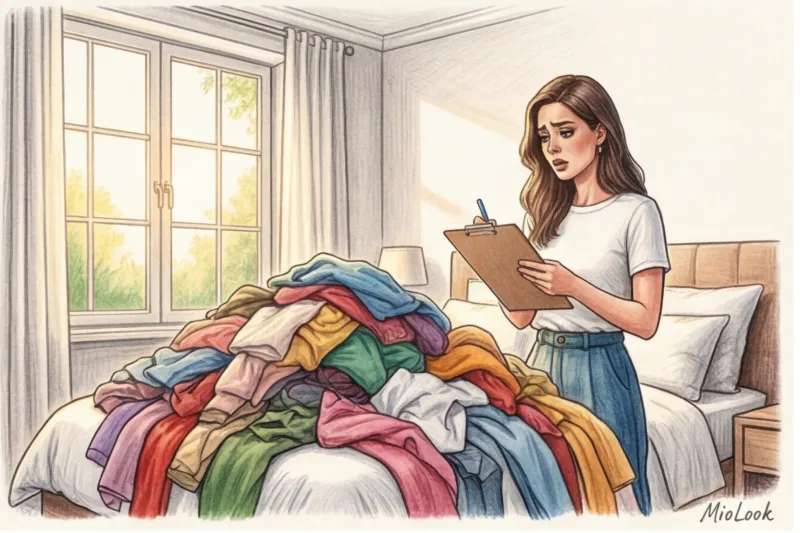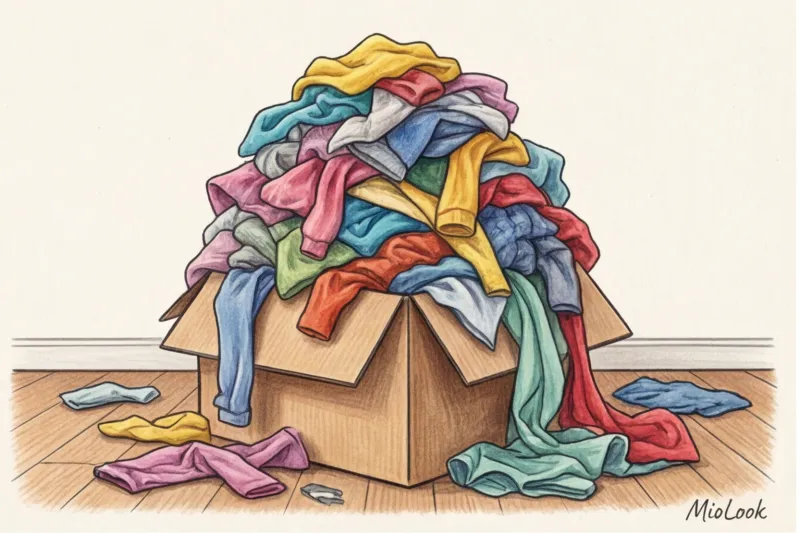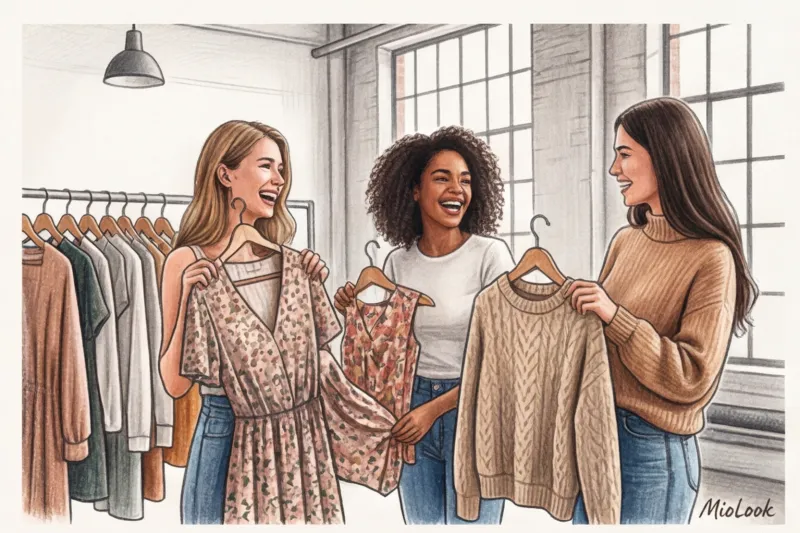
Did you know that, on average, we only actively wear 20% of the items in our closets? The remaining 80% is frozen capital, guilt over spending money, and daily morning stress. When new clients come to me, our work always begins not with a joyful shopping spree, but with a ruthless audit. And then the main problem arises: what to do with excellent, high-quality, but completely "not your thing" items?
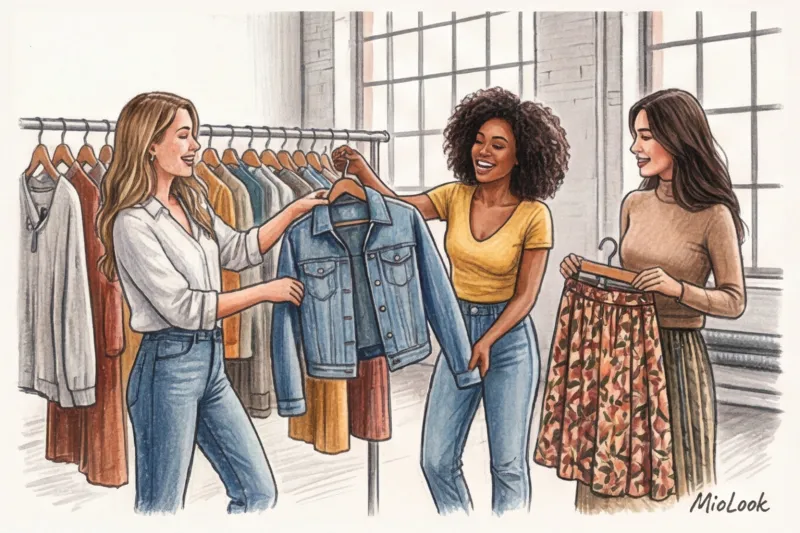
Simply throwing it away is an environmental crime (today, only about 15% of textiles are recycled; the rest rots in landfills). Donating to charity is the basic option. But there's a more strategic approach— exchanging old clothes for new ones through the fashionable swap format. We've already covered classic recycling in more detail in our a complete guide to recycling rules , and today we'll talk about how to turn decluttering into smart capsule refilling without spending a single euro.
What is a fashion swap and why is it more than just exchanging old clothes for new?
The word itself swap Translated from English as "exchange," the term "swap" originally originated as garage sales among activists, but today the culture has undergone a colossal paradigm shift. Modern swaps are prestigious fashion events with DJs, specialty coffee, and a rigorous curatorial selection.
According to data ThredUp Resale Report (2024) The popularity of resale and swapping clothes among millennials and zoomers is growing three times faster than the primary retail market. And it's not just about saving money. It's part of a broader wardrobe "offboarding" strategy. Knowing how to part with things sustainably is just as important as buying them wisely.
"Extending the life of just one item by nine months reduces its carbon footprint by 20-30%," according to a 2023 report from the Ellen MacArthur Foundation. Swapping transforms you from a passive consumer into a participant in the fashion cycle.
The Anatomy of a Perfect Swap: How Swap Parties Work
Forget about chaotic piles of clothes on tables. A professionally organized swap shop runs like a Swiss watch. Most often, a token system is used: at the entrance, curators evaluate your items (by condition, brand, relevance) and issue you an equivalent number of points or cards. One item given = one taken.
As a stylist, when I visit a swap show, the first thing I do is evaluate the zoning. At a good market, the rails are always separated. And not just by "skirts/pants" categories, but by fabric density or color blocking. This significantly reduces visual noise and allows the eye to more quickly pick out the desired textures.
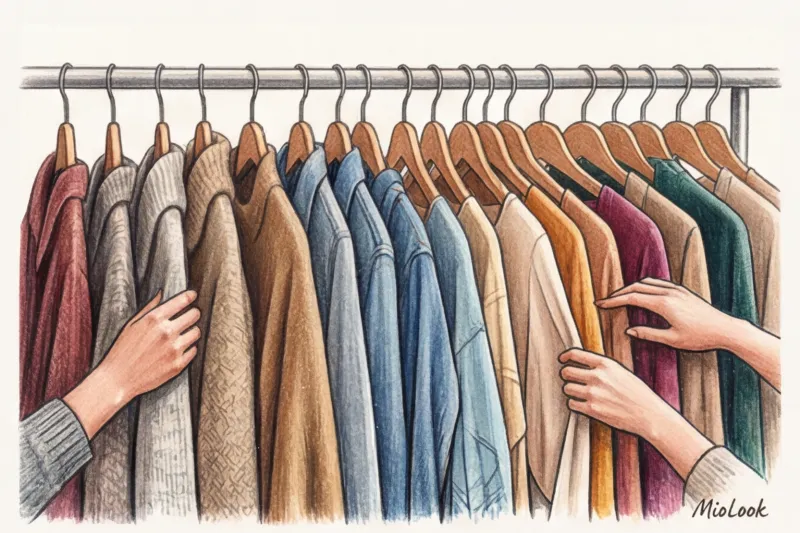
Swap formats: from chamber to festival
- Thematic: The most effective format. For example, only denim, only outerwear, or exclusively evening dresses (perfect before corporate party season).
- Home: Parties among friends or colleagues for 5-10 people with wine and snacks.
- Large city markets: Large events for hundreds of people, often featuring local brands, upcycling stations (where an old shirt can have its collar altered on the spot) and customization areas.
Your perfect look starts here
Join thousands of users who look flawless every day with MioLook. A smart AI stylist will help you sort through your wardrobe before your swap.
Get access — €0.99 oncePreparing your wardrobe: what you can and can't bring when exchanging old clothes for new
The success of an event depends entirely on the quality of the fund raised. The golden rule of swaps is: Bring only things you would happily give to your best friend.
Items in "good enough for the dacha" condition, stretched-out T-shirts, and outdated blouses from the 2010s—none of these items are eligible for exchange. These items should go directly to textile recycling bins. Swap is not a trash bin.
In my experience, the items that are most in demand at exchanges are: high-quality knitwear (cashmere, merino), outerwear (especially trench coats and oversized jackets), as well as statement accessories and mid-range bags (for example, from COS or Massimo Dutti).
Stylist's checklist before a swap:
- Washing and WTO: The item must be freshly washed and steamed. A wrinkled silk blouse looks like €5, but a steamed one looks like €150.
- Checking vulnerable areas: Be sure to check your underarm area for any yellow stains or whitish marks from your deodorant.
- Fittings and lining: All buttons should be in place, zippers should work smoothly, and the lining of your coat or jacket should not come apart at the seams.
- Peeling: Machine-scrub sweaters to remove pilling. It takes three minutes, but it significantly improves the garment's marketability.
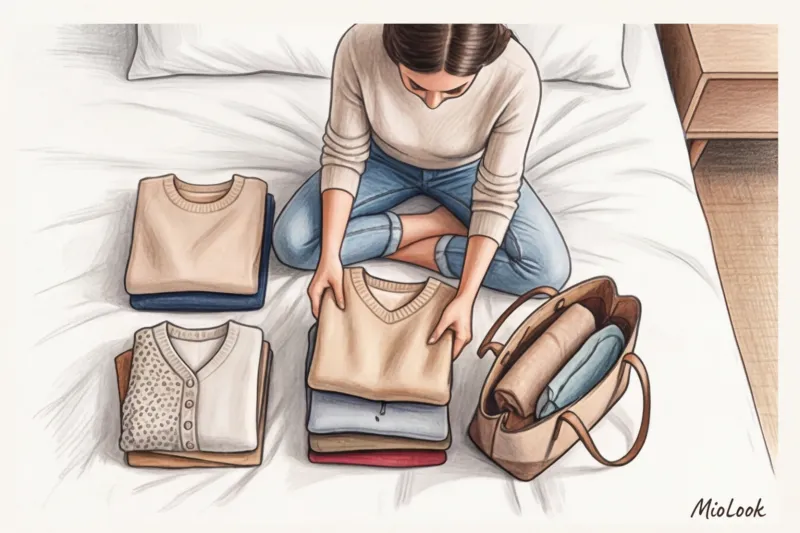
Swap Shopping Strategy: How to Avoid Buying Other People's Junk
A year ago, my client Anna wrote me excitedly: "Emily, I got 15 items from the swap meet, and they're all free!" A week later, the excitement turned to panic. We started trying on the haul, and it turned out the neon tops didn't go with her basic trousers, and the vintage jacket made her shoulders look square. None of the 15 items fit into the capsule collection.
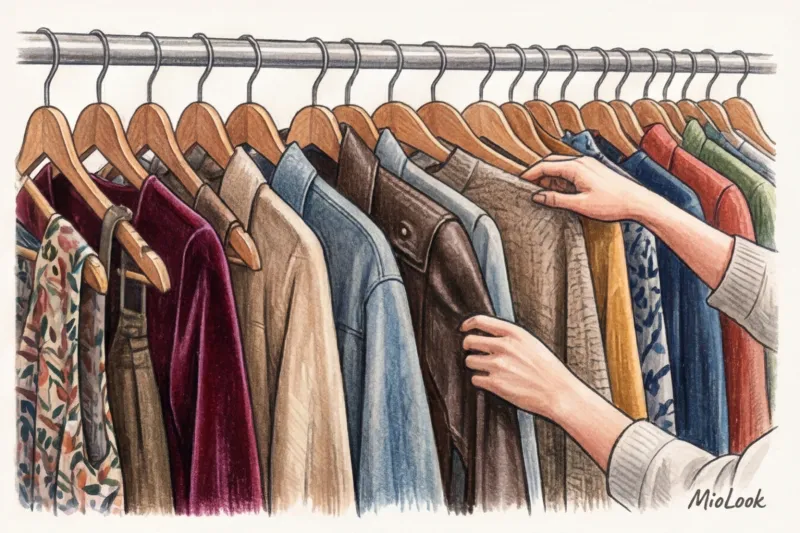
Herein lies the counterintuitive truth and the main pitfall of swaps: the illusion of free The absence of a price tag instantly disables our critical thinking. We buy things out of greed or excitement.
Remember: a free item isn't free. Your swap currency is your closet space, visual organization, and the time you spend trying to style it in the morning.
When choosing a piece of clothing at a market, you should follow the same strict criteria as when buying from an expensive boutique. Use the "Triple Integration" rule: if you can't come up with three complete looks with a piece from your current wardrobe right off the rack, hang it back.
How to filter things in a cluttered space
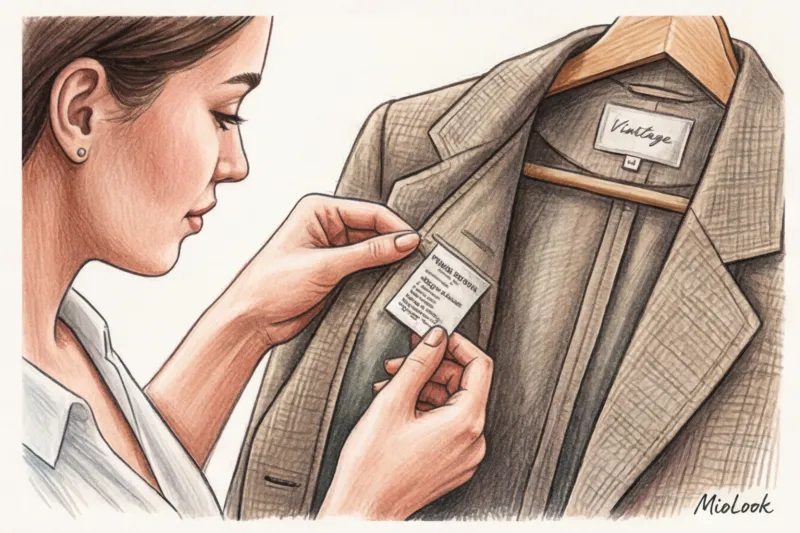
Large supermarkets can be crowded. Learn to scan for quality with your hands. Synthetics squeak and become staticky, thick cotton (180 g/m² and above) holds its shape, and natural wool quickly absorbs the heat of your hand. Always check the inner care label—look for silk, viscose, Tencel, and wool.
But let's be honest: there is one serious limitation. Swap - not the best place To find the perfect basic pleated trousers or a classic sheath dress, these items require a perfect fit down to the millimeter. Don't buy items at a swap with the thought of "I'll lose weight by summer" or "I'll take them to a tailor and have them tailored." Look for oversized pieces, knitwear, jeans, and outerwear.
Where to find swap parties and how to organize your own
The easiest way to find local communities is through Telegram channels searching for "eco swap [your city]," on social media for environmental projects, or on the platforms of modern creative clusters. A good marketplace always announces strict selection guidelines and offers fitting rooms with large mirrors.
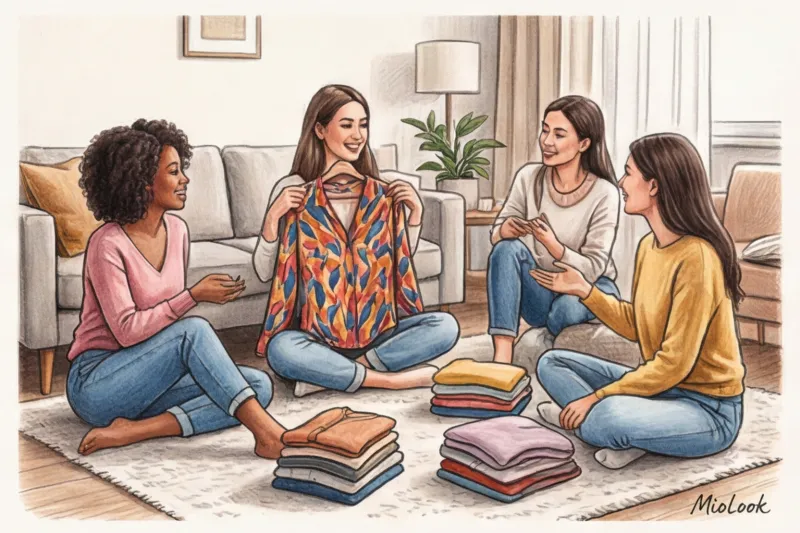
But if you're not ready for public events yet, organize a home-based format. Here's my personal organizer lifehack: invite girls with different body type, but similar aesthetics and overlapping sizes. What's a minidress for one person might be a great tunic for another; a size L jacket on a size S girl might look like a trendy oversized piece.
- Limit the number of participants to 5-7 people.
- Set a limit: for example, no more than 5-10 items from each.
- Prepare one large rail (you can rent it) and identical hangers - visual aesthetics increase the value of things.
- Don't forget a full-length mirror and good lighting.
Access to MioLook for €0.99 — one-time payment
A smart AI stylist will select the perfect look from your new finds and suggest what's missing from your capsule collection.
Get access — €0.99 onceTechnology and Swap: How AI and Apps Are Changing the Culture of Exchange
The digital-first approach has even reached decluttering. Today, there are apps that work like Tinder, but for clothing: you swipe on a dress you like, and if the owner likes your sweater, a match occurs, and you agree to a trade.
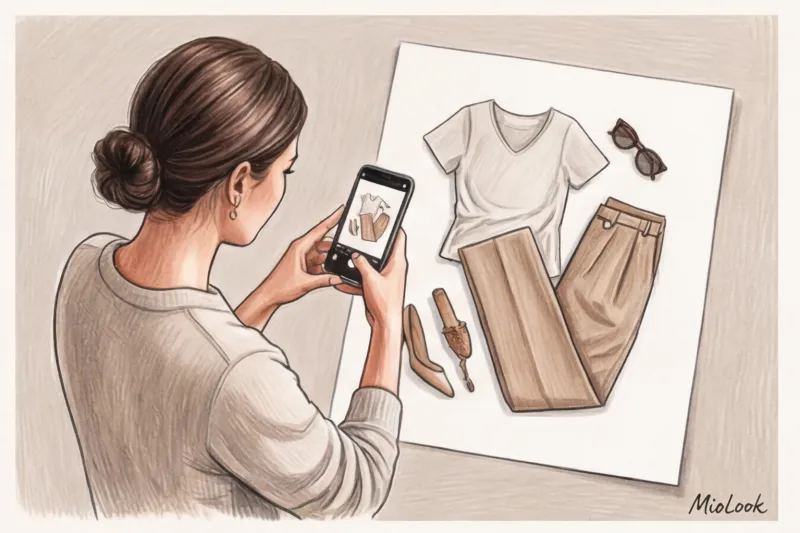
But the most important thing before any exchange is to digitize your own database. When you know exactly what you have, you won't bring home a third black turtleneck. This is where smart wardrobe management tools come in.
In the appendix MioLook There's a fantastic metric: tracking wear and calculating CPI (Cost Per Wear). If you buy a skirt for €120 and wear it only twice a year, its CPI is €60. That's a bad investment. It's the data on which items have been sitting around for months (even if they're beautiful and expensive) that helps you shed sentimentality and swap them out, making room for what works for you every day.
The Right Way to Swap Out Old Clothes for New as Part of a Smart Wardrobe: A Summary
Fashion swaps are no longer a way to survive or get clothes for free. They're a powerful tool for stylistic advancement and conscious consumption. They allow you to try out new styles, bright colors, and unusual textures without risking your budget.
Make the "one item in, one item out" rule the unwavering foundation of your wardrobe management. This will ensure your closet never becomes a cluttered warehouse, but rather functions like a well-oiled machine.
And to avoid putting off the theory, take one simple step today. Open your closet and find just three items you haven't worn in the last six months. Wash them, steam them, and put them in a beautiful shopping bag. You've just taken the first step toward your first swap.