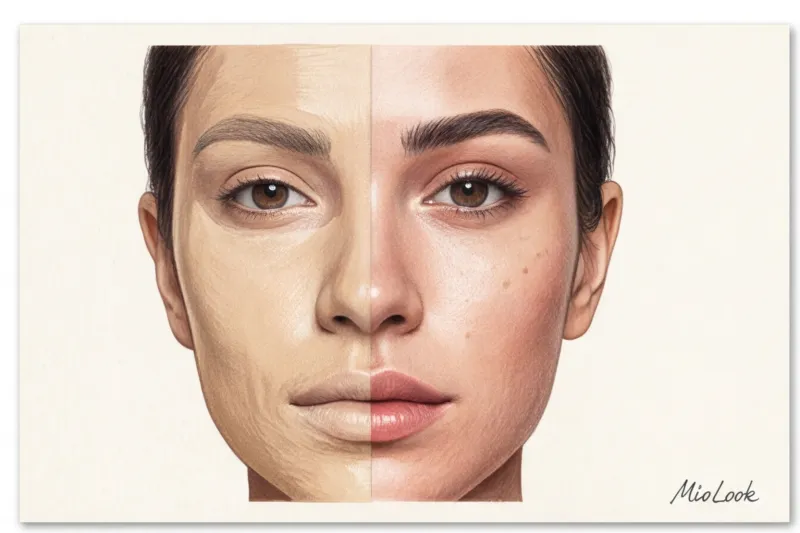
Over 12 years of working backstage at Paris and Milan Fashion Weeks, I've seen this hundreds of times: a top model, stressed out, develops a noticeable blemish in the most visible part of her skin just hours before the show. The designer demands "perfectly clean, bare skin" on the runway, there's no time for elaborate makeup, and the spotlights mercilessly highlight every imperfection. How do we fix the situation? Spoiler alert: we never use thick matte foundation.
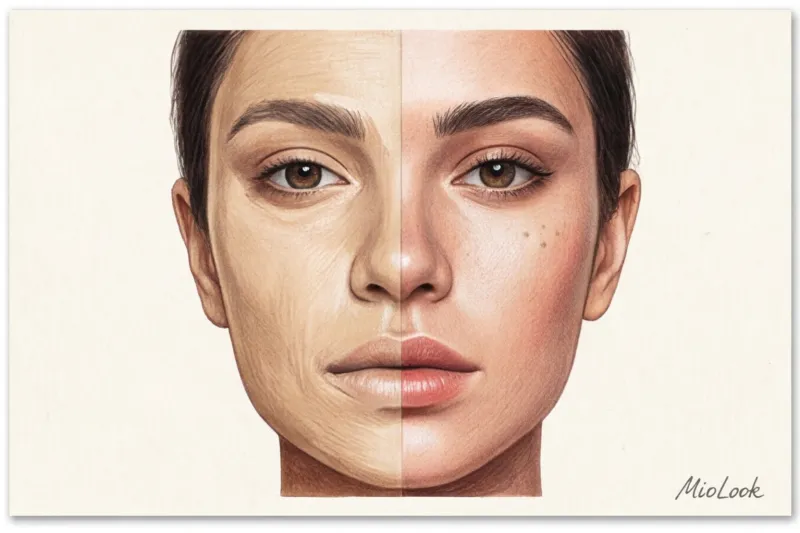
If you're used to hiding breakouts under a heavy layer of foundation, you've probably noticed that in daylight, your face looks tired, and the pimples themselves don't disappear, but simply turn into skin-colored bumps. Correct everyday makeup for problem skin is based on completely different principles. We'll be using optical illusions and point masking techniques. We've covered the basic rules and steps in more detail in our The Complete Guide to Everyday Makeup: Step-by-Step Tutorials and Ideas , and today we'll look at a specific strategy for dealing with acne.
The End of the 'Plaster' Era: Why Old Makeup Rules No Longer Work
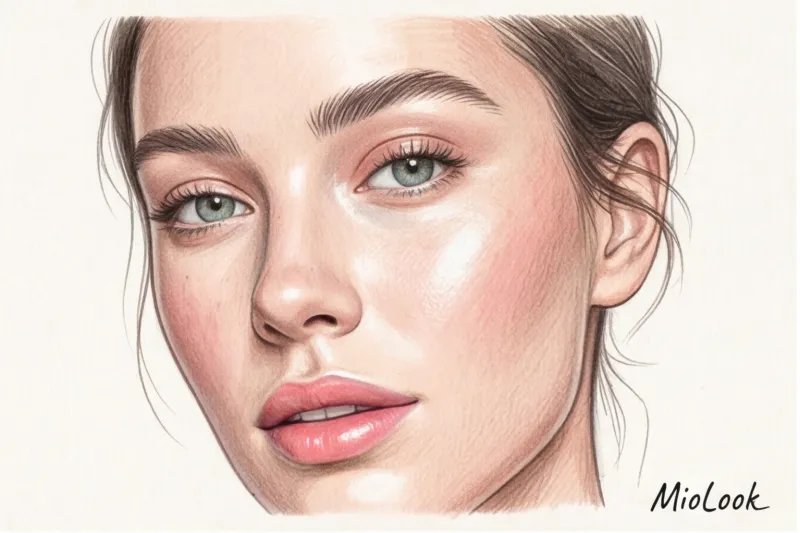
Let's be honest: the harsh contouring and "plastered" face of 2016 are gone forever. According to the analytical agency WGSN (2024), the dominant trend remains Skinimalism (skinimalism) is a concept where healthy, vibrant skin texture becomes your ultimate accessory.
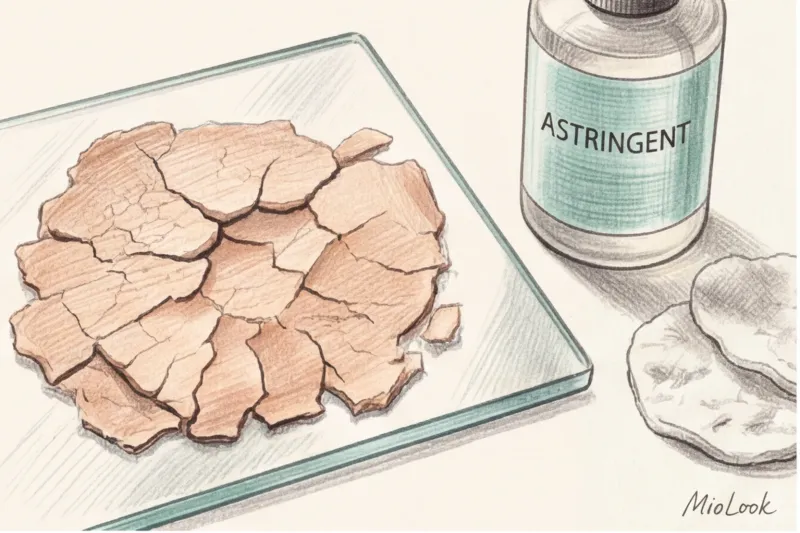
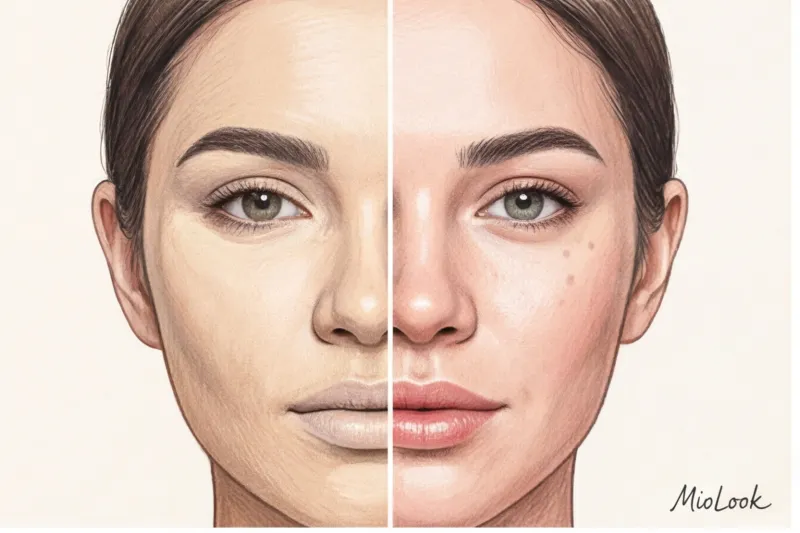
There's a common myth: to conceal acne, you need a thick matte foundation. In reality, layering matte makeup can visually add 3 to 5 years to your age. Why is this? It's pure physics of light.
The anatomy of a pimple is such that we can fill in its color with pigment, but we physically can't erase its texture. A matte texture absorbs light and casts micro-shadows under each bump on the face. The end result is a "moon crater" effect, where each blemish is accentuated by shadow.
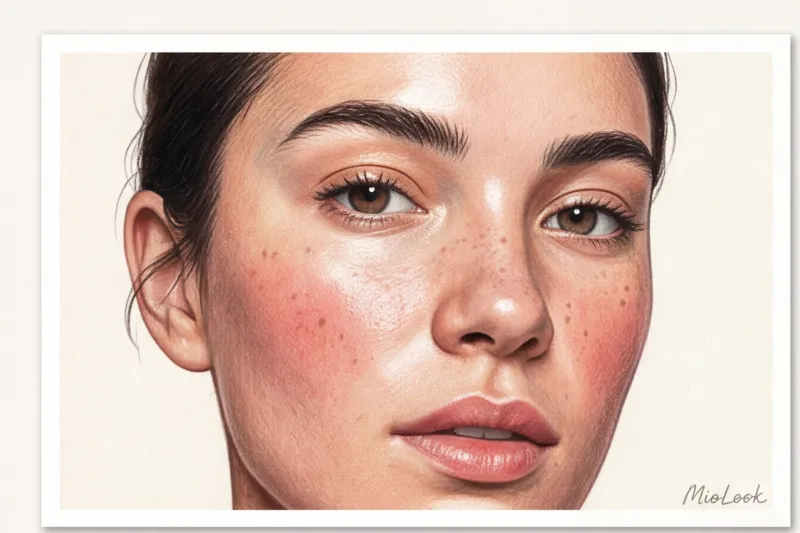
A subtle glow, on the other hand, reflects light, visually smoothing out texture and making the face appear flatter in a good way (in areas of unevenness).
Preparing the canvas: the care that does half the makeup artist's job
Women often come to my consultations with the same problem: foundation goes on in patches, creases, and accentuates flaking around breakouts. In 9 out of 10 cases, the cause isn't poor makeup, but rather harsh drying of the skin with alcohol-based lotions and medicated ointments before applying makeup.
Let me clarify an important point right away: acne treatment is strictly the responsibility of your dermatologist. My job as a stylist is aesthetic camouflage. But 70% of the success of invisible coverage depends on your skin's moisture level when applying foundation.
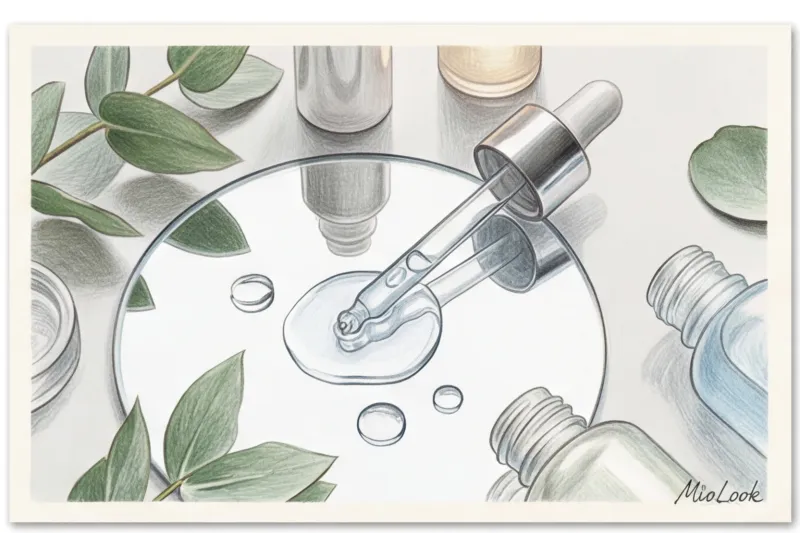
The formula for the perfect makeup base for acne-prone skin looks like this: light hydration + barrier restoration Look for hyaluronic acid, centella asiatica, and ceramides in basic morning serums. The paradox is that deeply hydrated skin produces less sebum throughout the day, meaning makeup lasts much longer.
Your perfect look starts here
Join thousands of users who look flawless every day with MioLook. A smart AI stylist will analyze your appearance and select harmonious combinations.
Get access — €0.99 onceEveryday Makeup for Problem Skin: A New Coverage Formula
Forget the "one solid foundation for the whole face" rule. Our new mantra: translucent fluid everywhere + high pigmentation only where needed.
To even out my overall complexion, I always use hybrid products. These include tinted serums or lightweight tints (Ilia, Kosas, and Erborian make excellent non-comedogenic options) that have a dewy, vibrant finish. Yes, even for oily skin! A subtle glow on the cheekbones and bridge of the nose distracts the eye from problem areas on the cheeks and chin.
Secret Weapon: Pinpoint Concealing
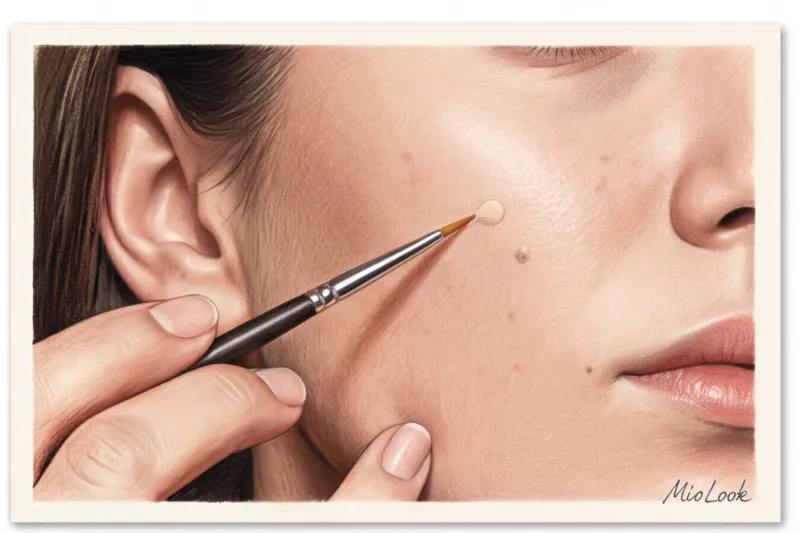
If you take only one piece of advice from this article, let it be this method Pinpoint Concealing This technique has long been popularized by legendary top makeup artist Lisa Eldridge, and it's an absolute game-changer.
You'll need an ultra-fine eyeliner brush (size 00 or 0 from an art supply store) and a very thick concealer in a jar (such as NARS Soft Matte Complete Concealer or MAC Studio Finish). Liquid concealers with applicators aren't suitable for this purpose—they're too watery and lack pigment.
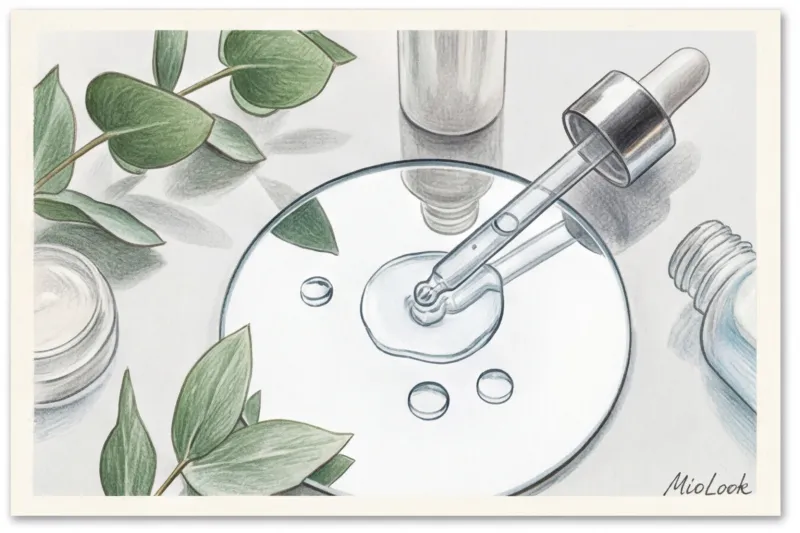
- Apply a microscopic amount of dense concealer to the tip of a thin brush.
- Place a dot exactly in the center of the redness, without going beyond its borders.
- Leave the product on your skin for 30–40 seconds. During this time, it will set slightly due to body heat.
- Then, using a clean, fluffy barrel brush or the tip of your little finger, blend with the lightest patting motions. only the edges this point, without touching the center of inflammation itself.
Color Correction Without the Shrek Effect: How to Neutralize Redness
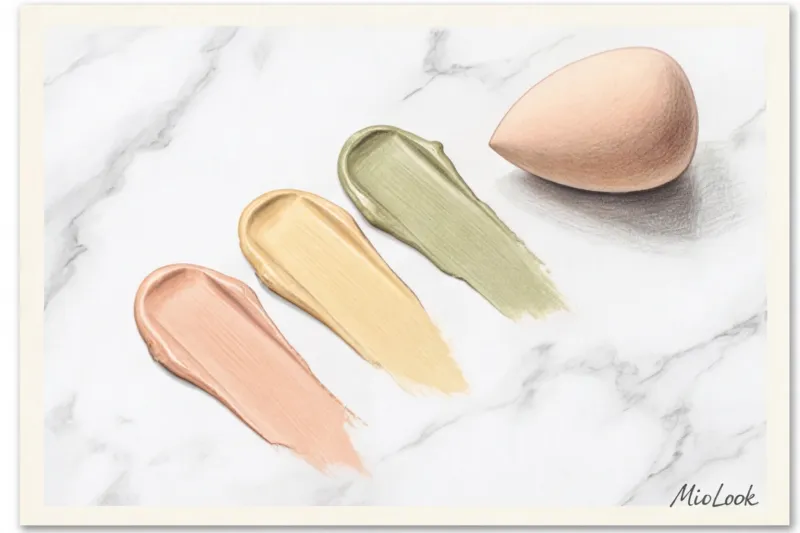
One of my clients' most common disappointments is using classic bright green correctors. In color theory, green does indeed neutralize red. In practice, the thick green paste often shows through foundation as a dirty gray stain, making the face look unhealthy.
As a stylist, I recommend switching to softer undertones: peach (for fair skin) and yellow-olive (for dark skin). They look much more natural.
It works here thin layer rule Pigment works by applying the correct color, not by layer thickness. Apply the concealer using the technique taping (tamping): Apply a drop of pigment and gently but firmly press it into the skin with the pad of your ring finger. No smudging—this simply removes the product.
Optical Illusions: How to Distract from Breakouts (Stylist Tips)
My unique expertise lies in translating the principles of wardrobe composition to your face. If you have wide hips that you don't want to emphasize, we'll choose a bright, statement bag and add a statement necklace to draw the eye upward. It works the same way with your face.
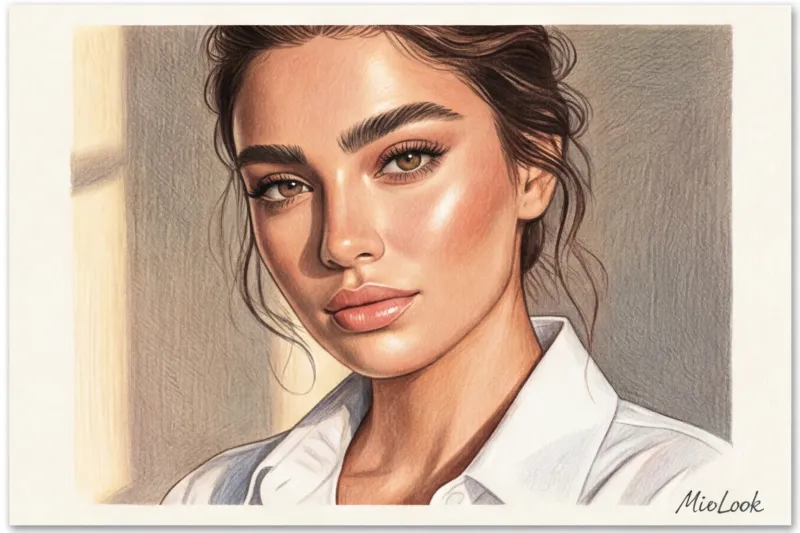
People look where there's contrast, color, and brightness. If you have acne breakouts on your chin or cheeks (the lower third of your face), create strong focal points in the upper third:
- Well-groomed, fluffy eyebrows: Brush them upward with a clear or tinted gel. Structured brows make your face look more lifted and attract 50% of your interlocutor's attention.
- Expressive eyelashes: Add volumizing mascara.
- Mediterranean lightness on the lips: Avoid dry matte lipsticks (they replicate the texture of dry, crusty skin). Use translucent tinted balms or lip oils. A soft shine adds a fresh, polished look.
Access to MioLook for €0.99 — one-time payment
A smart AI stylist will select the perfect look based on your individual characteristics, appearance contrasts, and personal preferences.
Get access — €0.99 onceAnti-rating: 4 mistakes that turn makeup into a heavy mask
Every time I go through my clients' makeup bags, I encounter the same patterns. Here's what you absolutely should NOT do if you have active breakouts:
- Baking: The technique of generously "baking" transparant powder under the eyes and on cheekbones with a damp sponge is devastating for problem skin. The powder instantly crystallizes on the flaky areas around acne, turning the face into parchment.
- Applying and blending concealer with your fingers on active inflammation: Firstly, the warmth of your fingers melts the product, and you unknowingly wipe it off the top of the pimple. Secondly, you're transferring bacteria. Use brushes.
- Powder with a shimmer effect (with mica) over the relief: We mentioned that a subtle glow is beneficial, but that only applies to liquid textures. Dry highlighters or shimmering powders applied directly to the bumps will act as a spotlight, screaming, "Look, I'm here!"
- Concealer is too light: Trying to cover a red spot with a concealer two shades lighter than your skin tone (like under-eye concealer) creates the effect of white leopard spots. A concealer should blend 100% with your skin tone.
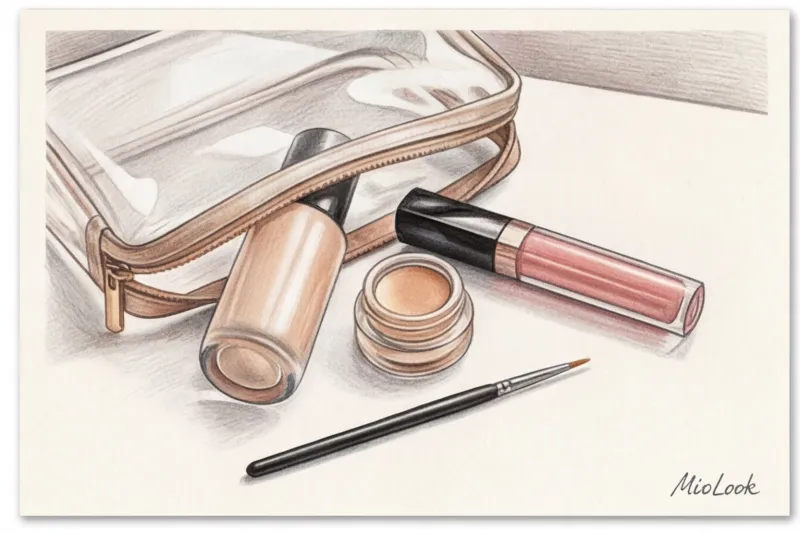
Checklist: Building the Perfect Cosmetic Bag for Problem Skin
You don't need a suitcase full of makeup to look flawless. Invest in the right textures and tools. A high-quality $5 micro brush will do more to conceal a pimple than a $100 luxury foundation.
Your basic set:
- Toning fluid or serum with caring components (light coverage).
- Highly pigmented cream concealer in a jar (maximum coverage, thick texture).
- The thinnest brush for eyeliner (for pinpoint technique).
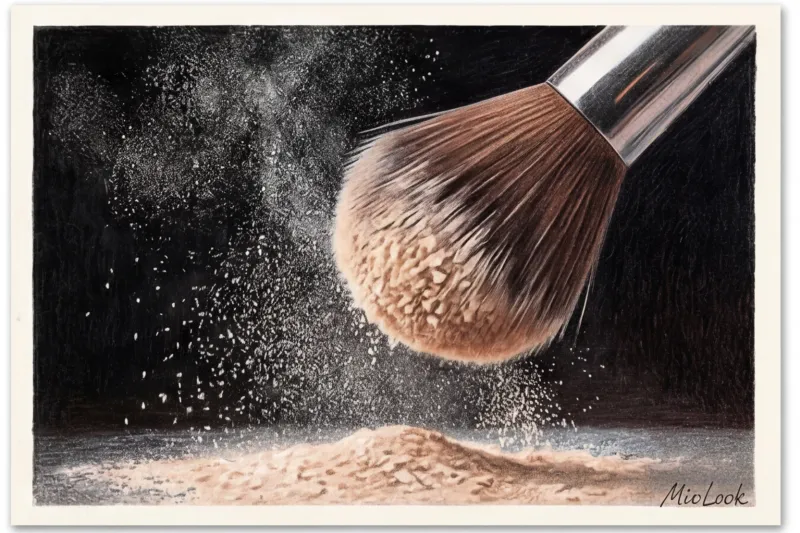
- Ultra-finely milled translucent powder - apply with a fluffy brush only to the T-zone, leaving cheeks naturally moisturized.
Beauty no longer requires sacrifice or layers of heavy, theatrical makeup. Your skin deserves to breathe, and you deserve to feel confident every day, regardless of whether an unexpected "guest" has appeared on your face. Use the rule of contrast, shift the focus to your best features, and remember that a touch of casualness always looks more valuable than a perfect, yet lifeless mask. If you want to create a cohesive look in which both makeup and clothing harmonize, try Smart wardrobe in the MioLook app - it will help you build your personal aesthetic down to the smallest detail.