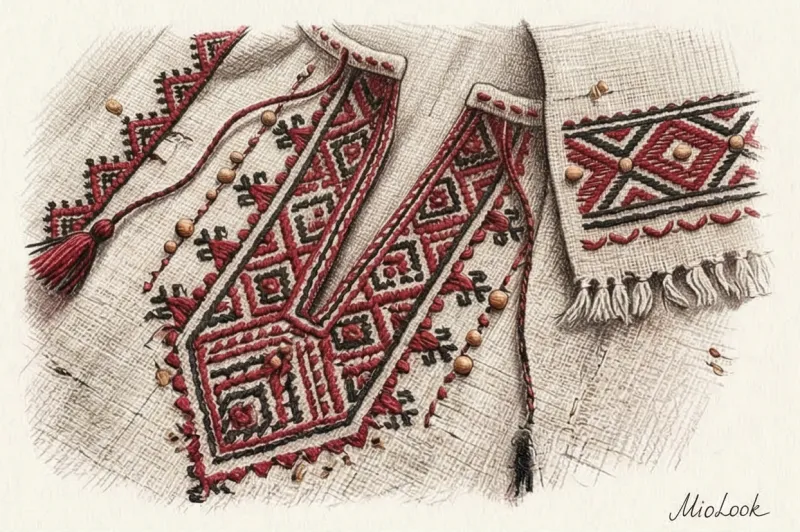
Ethnic style is a fashion trend based on integrating elements of traditional costumes into modern wardrobes. It features loose silhouettes, natural fabrics like linen or suede, and handcrafted details such as embroidery. People use this aesthetic to create relaxed everyday outfits.
What Is the Meaning of Ethnic Style in Fashion?
The ethnic style emerged as a distinct fashion movement in the 1960s, heavily driven by the hippie counterculture. Young people began rejecting mass-produced, synthetic garments in favor of individuality and global awareness. They actively incorporated Indian, African, Native American, and Eastern European motifs into their daily wear. This cultural exchange introduced Western fashion to new dyeing techniques, unconventional silhouettes, and rich textile traditions.
The core meaning of ethnic style does not lie in the precise historical reproduction of folk costumes. Instead, it relies on thoughtful stylization. Contemporary designers extract recognizable patterns, cutting techniques, and craft traditions from various cultures and translate them into modern silhouettes. A designer might take the geometric beadwork of a Native American tribe and apply it to a modern denim jacket, or use traditional Japanese kimono cutting techniques to create a lightweight summer coat. The goal is to celebrate global heritage while keeping the garments wearable and relevant for today.
Key Characteristics of Ethno Clothing
The ethnic trend remains easily recognizable due to its specific set of textures, patterns, and decorative elements. Unlike minimalist or futuristic aesthetics, ethno clothing feels tactile, warm, and deeply connected to nature.
Materials and Textures
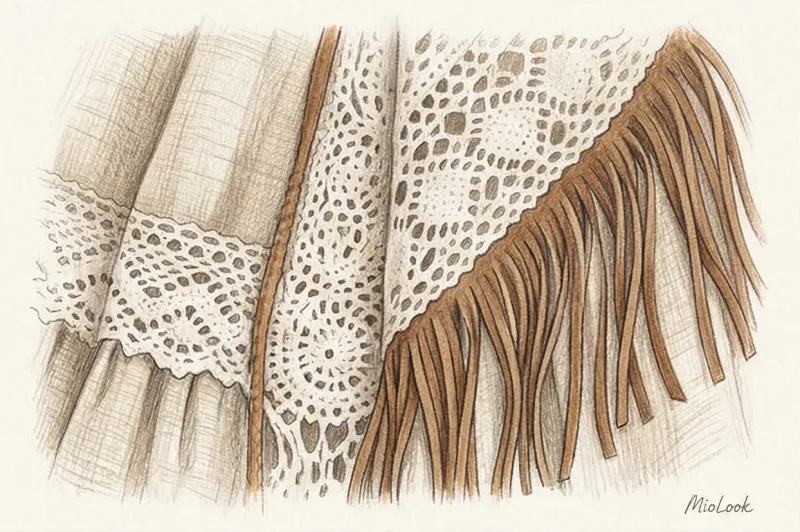
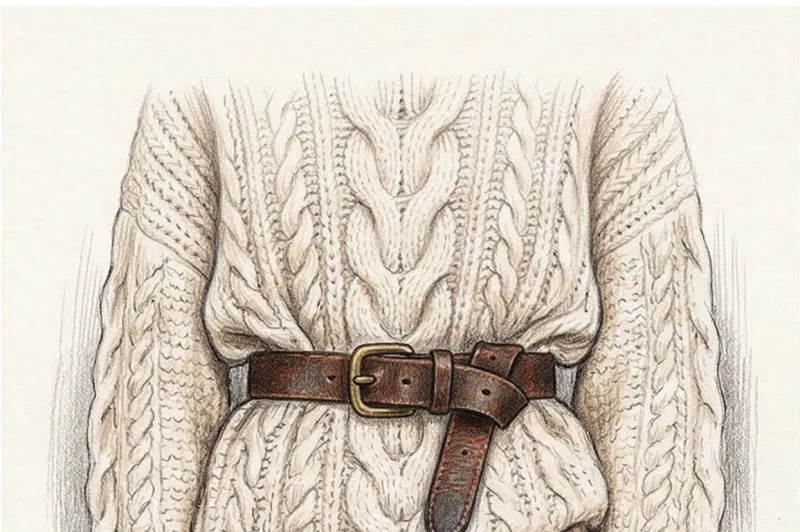
Ethno style is dominated by natural fabrics that showcase distinct, often irregular textures. Rough linen, breathable cotton, warm wool, and raw silk form the foundation of the wardrobe. Leather also plays a significant role, particularly matte leather and soft suede, which add a rugged, earthy feel to jackets, skirts, and footwear.
Ornaments and Prints
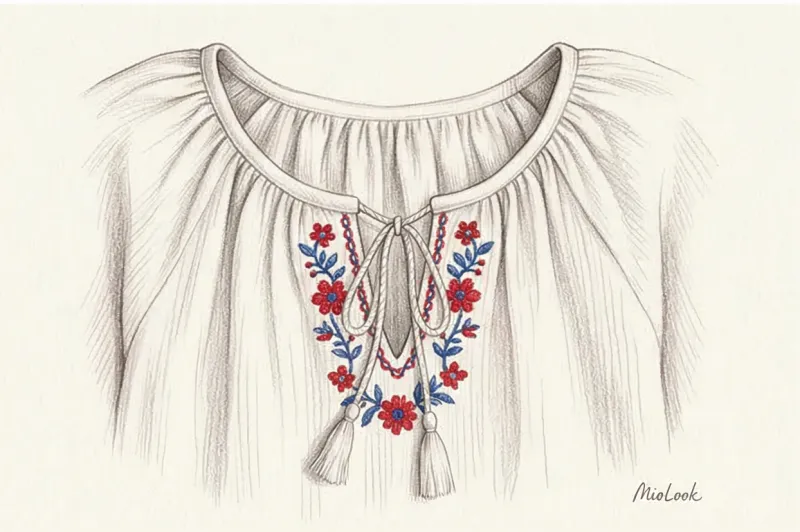
Visual impact in this aesthetic comes heavily from traditional patterns. Clothing frequently features bold geometric shapes, such as Navajo prints or intricate ikat weaves. Botanical motifs, most notably the teardrop-shaped paisley pattern originating from Persia and India, are equally common. Complex multicolored patterns and traditional cross-stitch or satin-stitch embroidery transform simple garments into statement pieces.
Decorative Elements
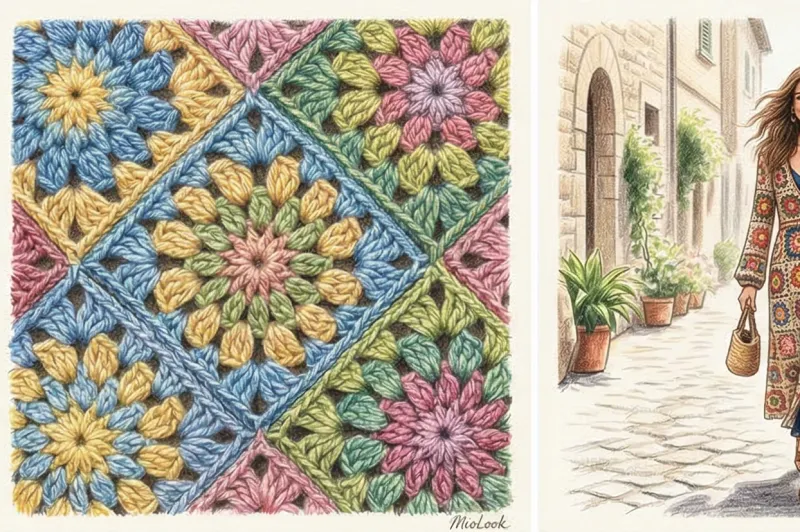
This style embraces an abundance of handcrafted work. Garments often feature long fringe, intricate beading, macramé panels, and patchwork construction. Tassels and voluminous thread embroidery serve as primary embellishments, adding three-dimensional texture and movement to the fabric.
Silhouettes and Fit
The cut of ethno clothing prioritizes comfort. Garments typically feature loose, flowing silhouettes that allow for completely unrestricted movement. Tight, restrictive tailoring is rarely seen. Typical examples include breezy tunics, flowing maxi dresses, wide-leg trousers, ponchos, and wrap-style kimonos.
Core Elements of the Ethno Look
To better understand how this aesthetic functions, review the fundamental components that define the wardrobe.
| Characteristic | Description | Typical Garments & Details |
|---|---|---|
| Fit & Silhouette | Loose, flowing, non-restrictive cuts that drape naturally over the body. | Maxi dresses, wide-leg trousers, ponchos, oversized tunics, kimonos. |
| Materials | Natural fibers with highly tactile, sometimes raw or unrefined surfaces. | Rough linen, cotton, wool, raw silk, suede, matte leather. |
| Color Palette | Earthy tones and warm natural shades inspired by landscapes and spices. | Terracotta, ochre, olive green, deep brown, mustard, rust red. |
| Embellishments | Handcrafted techniques that add 3D texture and visual complexity. | Fringe, wooden beading, macramé, patchwork, thread embroidery. |
How to Build a Modern Ethno Look
The main challenge when creating an etno look is avoiding the appearance of wearing a theatrical or historical costume. To achieve a modern aesthetic, you must apply the rule of balance. This involves pairing one strong statement piece with neutral, contemporary basics.
For example, an embroidered Eastern European peasant blouse pairs perfectly with classic straight-leg blue jeans and simple leather loafers. If you choose a colorful, heavily patterned silk kimono, wear it open over a plain white T-shirt and minimalist tailored trousers. A voluminous wool poncho featuring geometric motifs looks best when balanced with sleek leggings or slim-fit denim. By grounding the expressive ethnic pieces with everyday staples, the outfit remains appropriate for city life.
Integrating Accessories into Ethno Style Clothing
If you prefer a subtle approach, you can easily introduce elements of the style into everyday outfits using accessories. Jewelry plays a crucial role; look for pieces made from solid silver, raw turquoise, and tiered wooden or glass beads. Handbags should also reflect artisanal craftsmanship. Woven straw totes, macramé shoulder bags, and suede crossbody bags with fringe are excellent choices.
Footwear completes the aesthetic. Ethnic looks harmonize beautifully with leather multi-strap sandals, canvas espadrilles, suede ankle boots, or classic cowboy boots. These shoes maintain the natural, grounded feel of the outfit without overwhelming the overall design.
Why Ethno Style Remains Relevant
The enduring popularity of ethno style clothing stems from a growing global appreciation for artisanal craftsmanship and sustainable fashion. As consumers move away from fast fashion, they seek garments that tell a story and demonstrate human skill. Hand-embroidered details, natural dyes, and traditional weaving techniques offer a level of authenticity that mass-produced clothing lacks. Furthermore, as global travel becomes more accessible, people naturally absorb diverse cultural influences, reflecting their experiences through a rich, eclectic personal style.