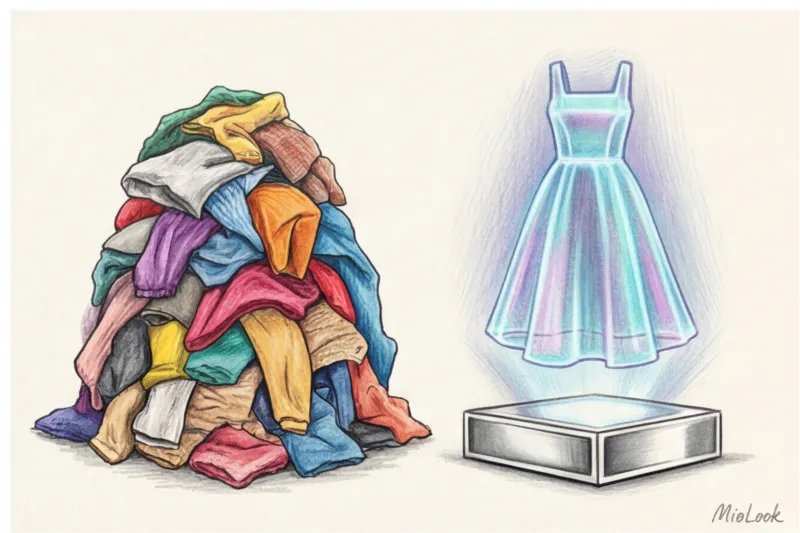
Did you know that producing one basic cotton T-shirt requires approximately 2,700 liters of water? That's roughly the amount an adult drinks in two and a half years. When I first saw this statistic, my view of everyday shopping changed forever. Today eco-friendly fashion and virtual clothing — this isn't just a fun toy for Zoomers or a marketing gimmick. It's a thoroughly pragmatic tool that addresses a fundamental conflict of our time: our psychological need for novelty and the planet's physical inability to handle it.
We have already discussed the origins of this phenomenon in more detail in our The complete guide to digital clothing and why you should buy it But as a practicing stylist, I see the narrative shifting. We're moving away from viewing 3D fashion as a video game and toward embracing it as a tangible way to reduce our carbon footprint without sacrificing the pleasure of dressing up.
Sustainable Fashion and Virtual Clothing: The Scale of the Overconsumption Problem
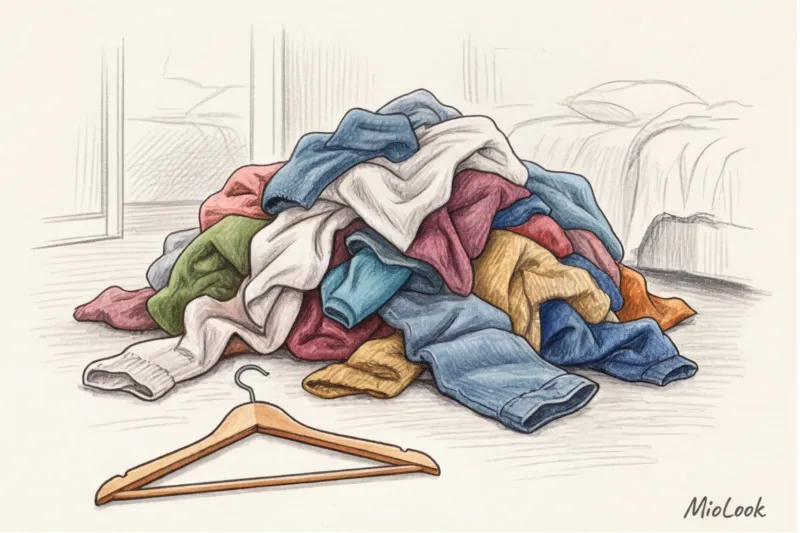
If you look at the McKinsey "State of Fashion" report for 2024, the numbers will be horrifying. Around 92 million tons of textile waste are produced globally each year. A significant portion of this volume consists of items worn exactly once.
Working at Paris and Milan Fashion Weeks for the past 10 years, I've noticed a tectonic shift in brand rhetoric. While five years ago, releasing a capsule collection made from recycled polyester or organic cotton was considered the pinnacle of sustainability, today, behind the scenes, people are discussing "digital twins." Brands have realized that producing a physical item that is destined to have a short lifespan for a single appearance is not only an environmental crime but also a financial one. Up to 30% of clothes produced by fast fashion brands are never sold and are sent straight to landfills or incinerators.
How virtual clothing is replacing disposable outfits for social media
A Barclays bank study revealed a shocking statistic: almost one in ten young shoppers buys clothes solely based on a single Instagram or TikTok photo, and then returns them. Imagine the entire chain: manufacturing, plastic packaging, courier delivery, fitting, return shipping, dry cleaning (at best), or recycling.
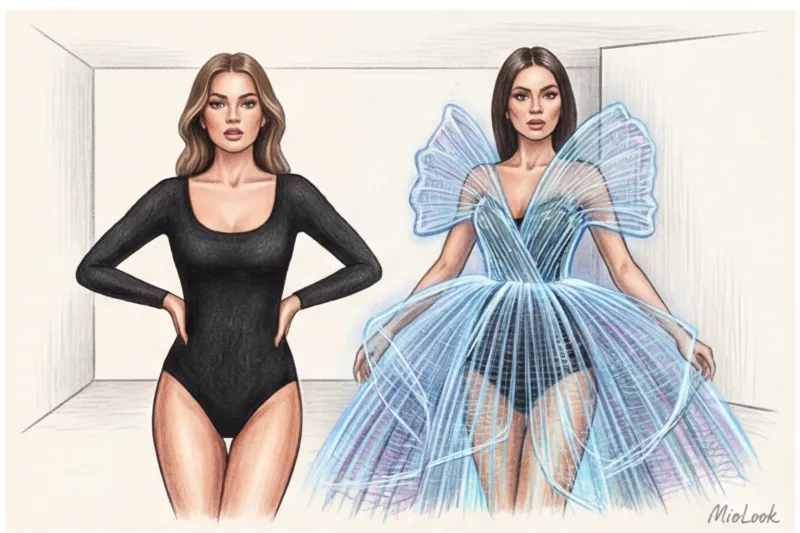
I had a revealing case in my practice. A lifestyle blogger approached me with the task of putting together 15 vibrant, avant-garde looks for a month-long social media campaign. The budget for purchasing physical items would have been around €4,000, plus logistics. Instead, we took a radical solution. I dressed her in a basic black bodysuit (which she already owned), set up the right studio lighting, and then commissioned a digital couture creation from 3D designers. The result? Zero shipping emissions, no mountains of unwanted clothing after the shoot, and a fourfold budget savings.
The Psychology of Novelty: Why We Always Have Nothing to Wear
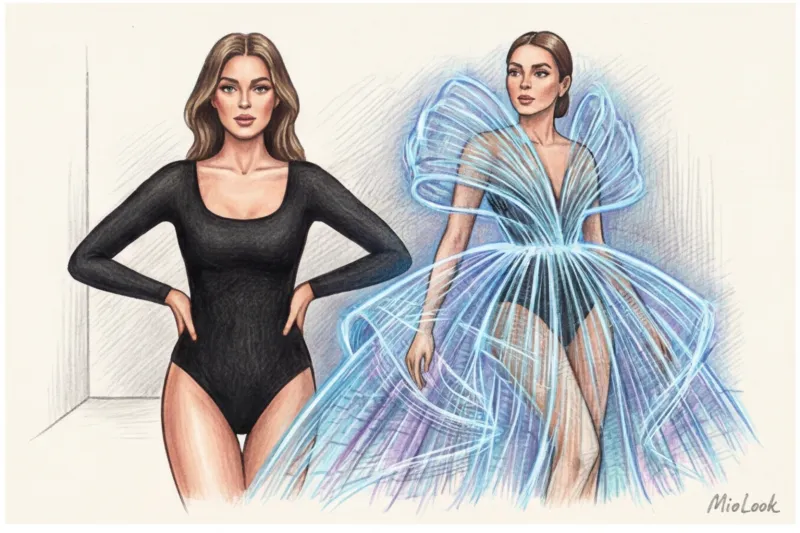
Have you ever noticed how the phrase "I have nothing to wear" usually accompanies a packed closet? That's because we don't need clothing to protect us from the cold. We crave the dopamine rush of visual novelty. We crave the challenge of trying on a new identity.
Virtual clothing brilliantly addresses this need. It provides complete visual stimulation, allowing you to try on the look of a vamp, a cyberpunk rebel, or a Disney princess, without cluttering your bedroom.
Access to MioLook for €0.99 — one-time payment
A smart AI stylist will help you digitize your closet and find the perfect looks without unnecessary purchases.
Get access — €0.99 onceThe Invisible Carbon Footprint: Is 3D Fashion Really 100% Green?
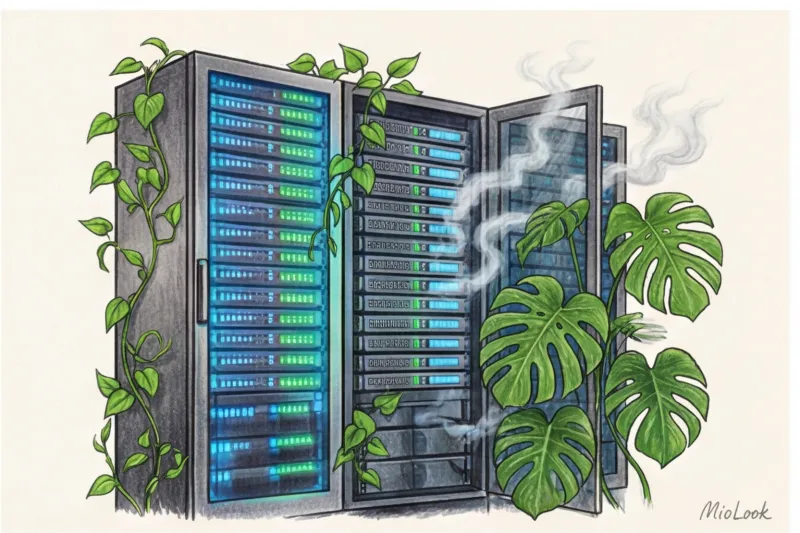
Now let's take off our rose-colored glasses. It would be dishonest to claim that the digital world is completely sterile and harmless to the planet. 3D fashion has its own "dirty secret," which the IT industry prefers to keep quiet about.
According to sustainability reports from DressX, producing a single digital dress emits 97% less carbon dioxide than creating a physical one. This sounds great until we discuss NFTs. If a digital jacket is minted on an energy-intensive blockchain like Proof-of-Work, the carbon footprint of a single transaction can exceed the emissions from sewing a real cotton T-shirt. Complex fabric physics simulations in programs like Marvelous Designer also require powerful render farms, consuming megawatts of electricity.
This is precisely why the industry is urgently migrating to environmentally friendly Proof-of-Stake protocols (like modern-day Ethereum or Polygon). When purchasing a digital asset, always clarify what technology it's based on—otherwise, an environmentally friendly initiative will turn into hypocrisy.
B2B Revolution: How Digital Patterns Are Saving the Planet Before the Sewing Stage
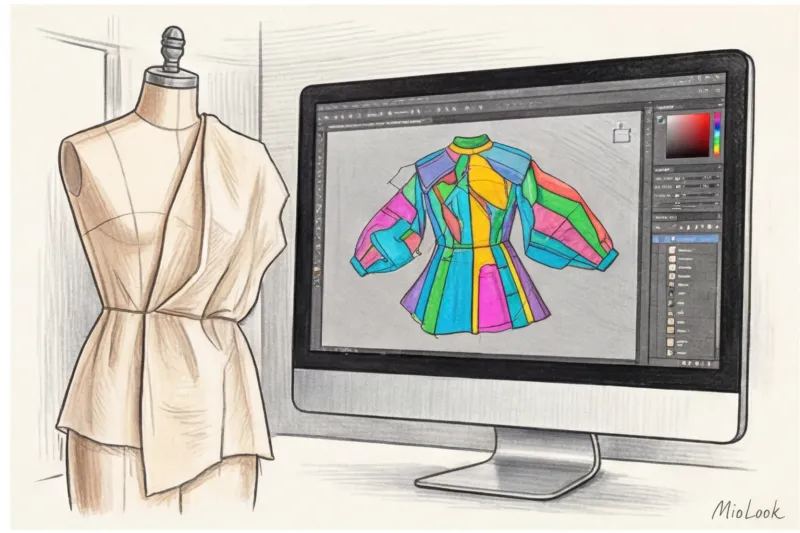
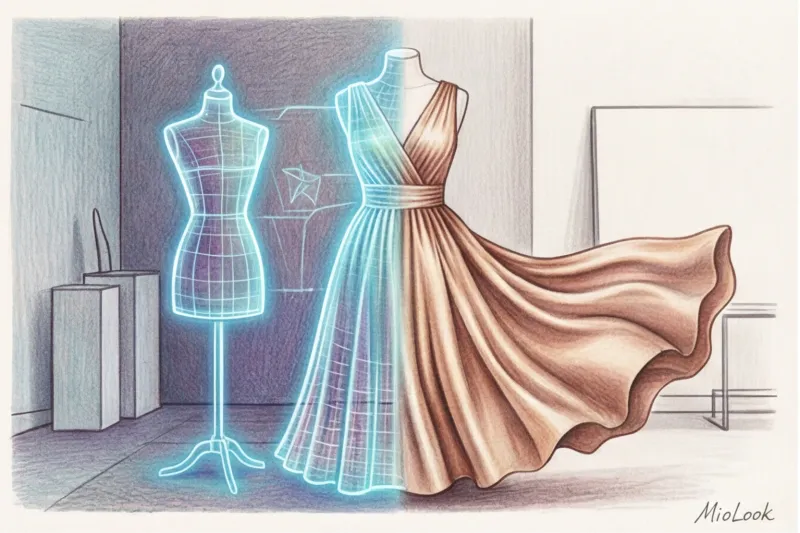
Few customers realize what happens before a garment hits the shelves. In the traditional collection creation process, a brand sews three to four physical samples for each garment, simply to check the fit, collar width, or sleeve length. These rough samples, made from muslin and scrap fabric, are discarded by the ton even before mass production begins.
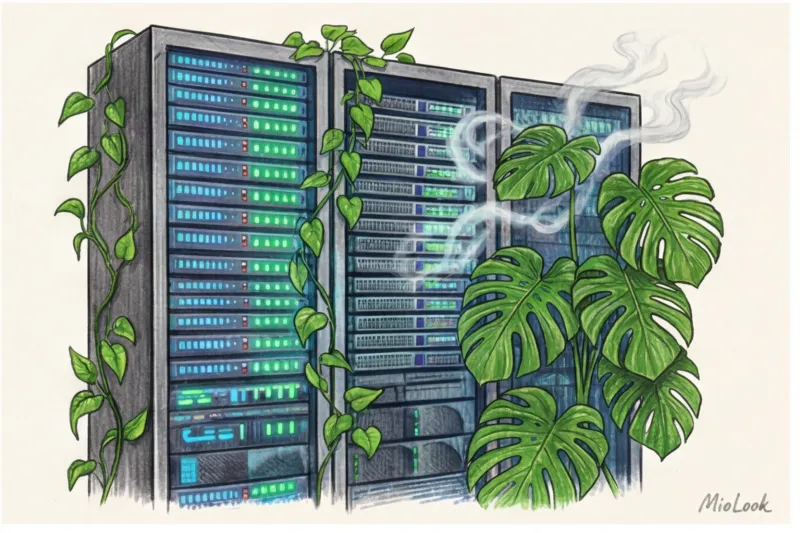
Over my 12 years in the industry, I've seen design studios piled high with fabric scraps. Today, the integration of software like CLO3D allows cutters to visualize how the fabric will drape on a figure, down to the millimeter, in a virtual environment. According to leading European brands, the transition to digital prototyping reduces fabric consumption during the development stage by 30%. Moreover, digital showrooms have emerged: wholesale buyers place orders based on 3D models, and the brand produces exactly the number of units sold. No overproduction.
Your perfect look starts here
Join thousands of users who look flawless and conscious every day with MioLook.
Get access — €0.99 onceWardrobe of the Future: Physical Base and Digital Avant-garde
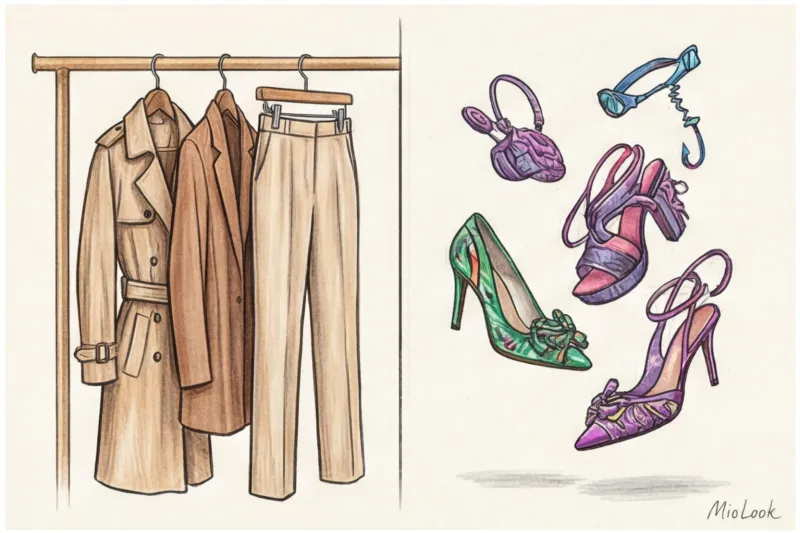
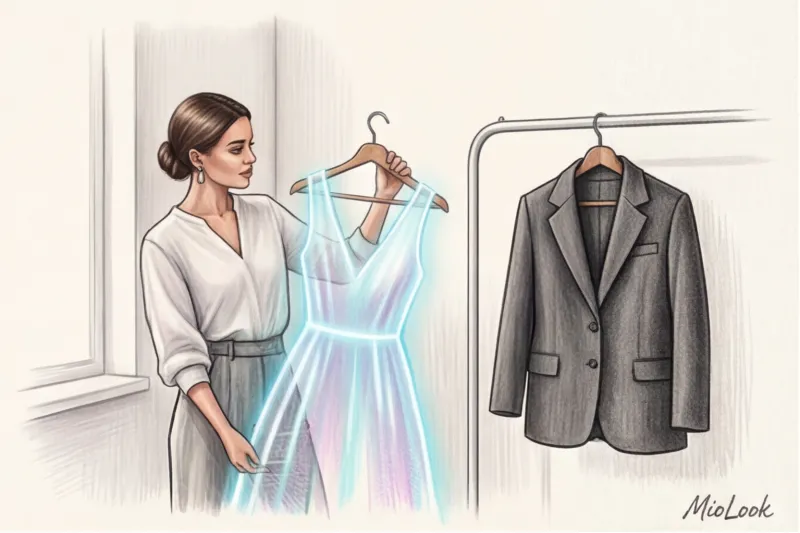
As a stylist, I advocate a hybrid approach. The ideal eco-friendly wardrobe for a modern professional should be divided into two distinct zones.
Physical wardrobe — is a zone of investment and comfort. It's home to impeccably tailored, timeless pieces: a camel-colored wool coat (in the €300–€500 range from brands like COS or Massimo Dutti), perfect denim without elastane, and silk blouses. These pieces last 10+ years, are comfortable against the skin, and keep you warm. In real life, we rarely need feathers or neon latex.
Digital wardrobe — this is the territory of pure avant-garde. This is where you should "buy" holographic dresses, gravity-defying accessories, and metallic textures. The production of such textures in real life is incredibly toxic to the environment (dyeing neon and producing synthetic glitter pollutes waterways with microplastics). In digital form, they are safe and striking.
Integration with the real image of the expert
This approach is ideal for speakers, business consultants, and psychologists who blog. You don't need to buy ten different jackets for €200 each to record reels or webinars. All you need is a good camera, a basic T-shirt, and some experience in the virtual fitting room. Digital tailoring has reached such a level that a virtual business suit looks absolutely authentic on camera.
Checklist: How to Make Your Wardrobe Eco-Friendly with Digital Tools
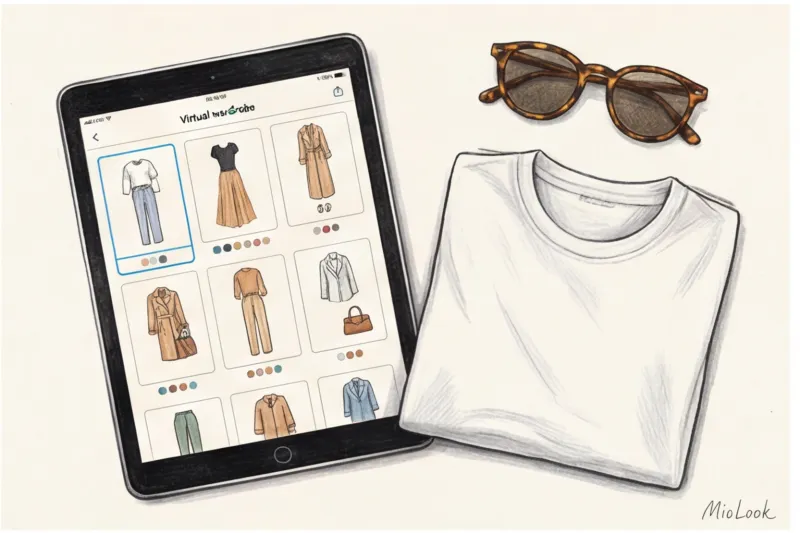
Mindfulness doesn't start with buying a recycled plastic shopping bag, but with analyzing your habits. Here are 5 steps you can take today:
- Conduct a content needs audit. Be honest with yourself: how many bright items in your closet have you bought solely for the sake of looking impressive on camera?
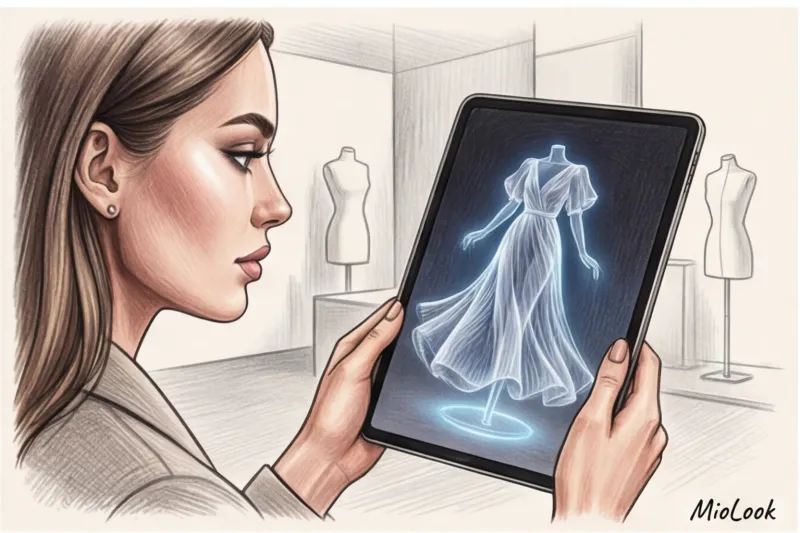
- Use AI try-on before ordering. Before you order something online, upload your photo to a smart app like MioLook to see if the style suits your style. This dramatically reduces the return rate.
- Reallocate your budget to trends. Next time you're tempted to buy a trendy (but definitely one-season) item from Zara for €50, spend €30 on a digital equivalent on a marketplace like DressX for a stylish photoshoot.
- Hand over your items for repair, not for recycling. Physical clothing requires care. Invest the money you save on fast fashion in a good dry cleaner and tailor.
- Rent instead of buy. If digital fashion seems too complicated for you yet, consider using physical clothing rental platforms for events—they're a transitional step between traditional clothing ownership and a digital wardrobe.
Virtual clothing isn't a rejection of reality or an escape into the metaverse. It's an elegant way to keep only what truly has value, quality, and meaning in our physical closets.