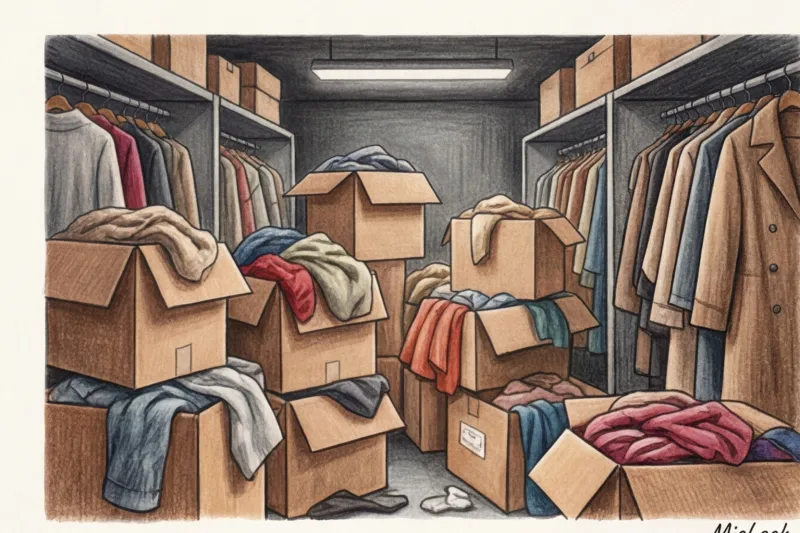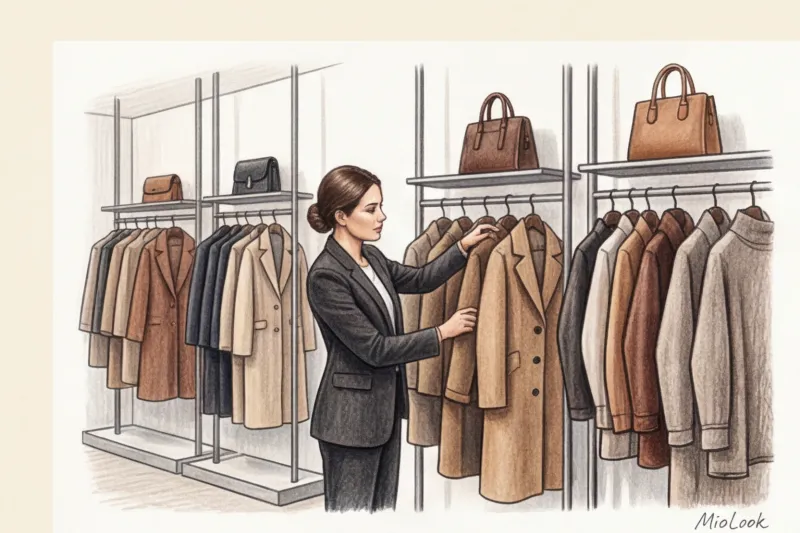
A few years ago, I was consulting for a local premium clothing brand. They had a fantastic flagship double-breasted jacket made of thick wool, priced at €280. The item sold reliably until the brand decided to experiment and implemented a standard discount management plugin. What did the algorithm do? After seeing a two-week sales drop due to the unusually hot weather in September, the algorithm automatically slashed the price by 40% at the very beginning of the fall season. The result was disastrous: loyal customers who had bought the jacket at full price a week earlier felt cheated, and the jacket itself lost its status as an "investment purchase" forever.
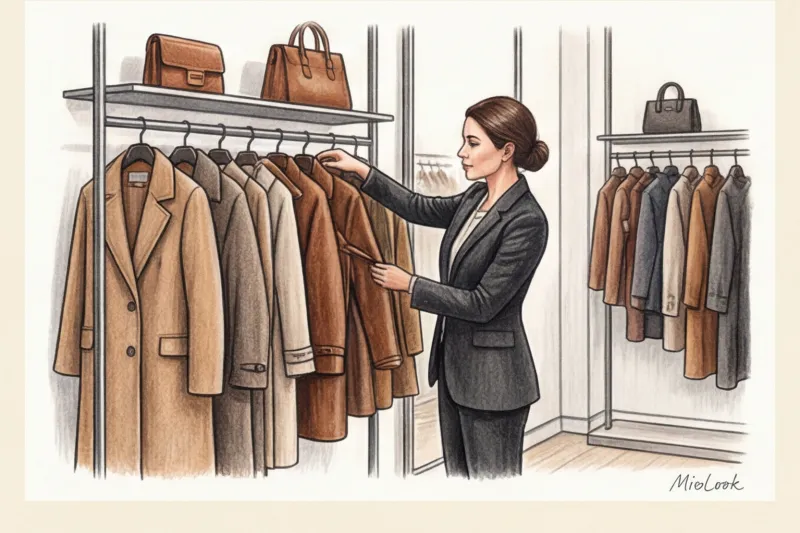
This is a classic example of how blind math can devalue a fashion product. For some reason, everyone thinks dynamic pricing involves constantly flashing price tags, like when buying airline tickets. In reality, successful pricing for the fashion business means rigidly fixing prices for the "eternal base" and aggressively but meticulously algorithmically working only on the trendiest parts of the collection.
What is dynamic pricing in fashion (and why it's more than just discounts)
The fashion industry can no longer afford to guess. The traditional model, where a buyer buys a collection and then the brand simply waits until the end of the season to display a "70% off" banner, is dead. pricing in fashion Today, it is a continuous process in which AI algorithms analyze demand, weather, competitor activity, and warehouse stock levels in real time.
We talked about this transition from intuition to data-driven decisions in more detail in our The Complete Guide to Analytics for Fashion Business: AI and Trend Forecasting Dynamic pricing allows for price adjustments not at the end of a season, but in micro-steps throughout the product's lifecycle. This protects business margins from sudden drops.
Algorithms vs. Psychology: How Shoppers React to Price Changes
Having worked as a stylist for over 14 years, I constantly observe the behavior patterns of my clients. Today's shoppers are incredibly smart. They have developed a "smart shopping" mentality. My clients will happily spend €150-250 on a perfect basic trench coat from COS or Massimo Dutti without a single discount, but they insist on seeing a sale on a statement leopard skirt for €80.
When the price of an item jumps without apparent reason, the buyer senses a trap. The transparency and logic of discounts are far more important than their size. If a customer sees a summer sundress getting cheaper at the end of August, that's logical. If classic straight-leg jeans suddenly drop in price by half in the middle of the season, that raises questions about the quality of the fabric or the actual cost of production.
The Hidden Threat of Frequent Sales: Brand Devaluation
According to a large-scale study by Business of Fashion (2022), brands that overuse flash sales (short-term sales) lose up to 40% of their core loyal audience within two years. Why? You're hooking customers on the discount craze.
Customers simply stop buying at full price, knowing there will be a special offer in three weeks. As a result, the brand loses its premium positioning, becoming a discounter in the eyes of the customer. Returning from this trap to a normal pricing policy is almost impossible.
Your perfect look starts here
Join thousands of users who look flawless every day with MioLook.
Get access — €0.99 onceThe Life Cycle of a Thing: How Style Dictates Pricing in Fashion
Here's the key insight that IT specialists miss when setting up programs: the algorithm itself doesn't understand the difference between a basic cashmere sweater and a neon mesh crop top. To a machine, these are simply two SKUs. But their life cycles are radically different.
Before launching any mathematical model, the product range must be segmented through the lens of styling. Mathematics and styling must be aligned, otherwise you risk selling out of what should sustain the brand for years.
Basic Wardrobe: Why You Shouldn't Discount Your "Eternal Capsule"
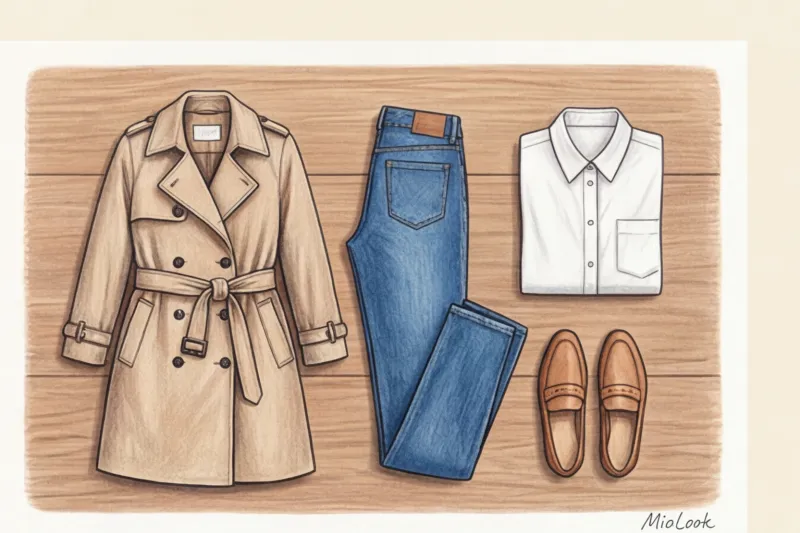
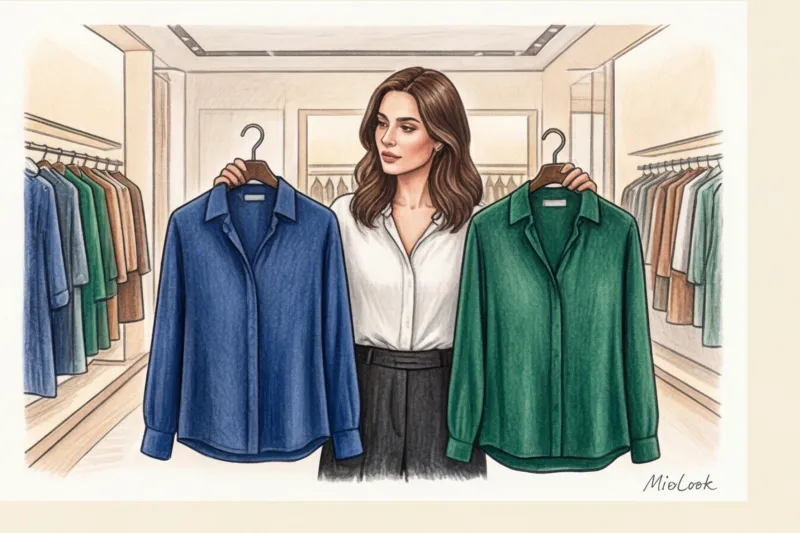
What is a core collection? It's a perfectly tailored jacket, straight-leg blue jeans of at least 12 ounces, and a white poplin shirt. The psychology of investing in such items presupposes stability. By buying the basics, a woman buys confidence.
Basic Wardrobe Strategy - zero discounts (Or symbolic seasonal offers for a select group of VIP clients). Once you put -50% on the perfect black trousers, you admit they weren't worth their original €120 price. Keep the price at a base level—it maintains the brand's status.
Trending Items: A Quick Response Strategy
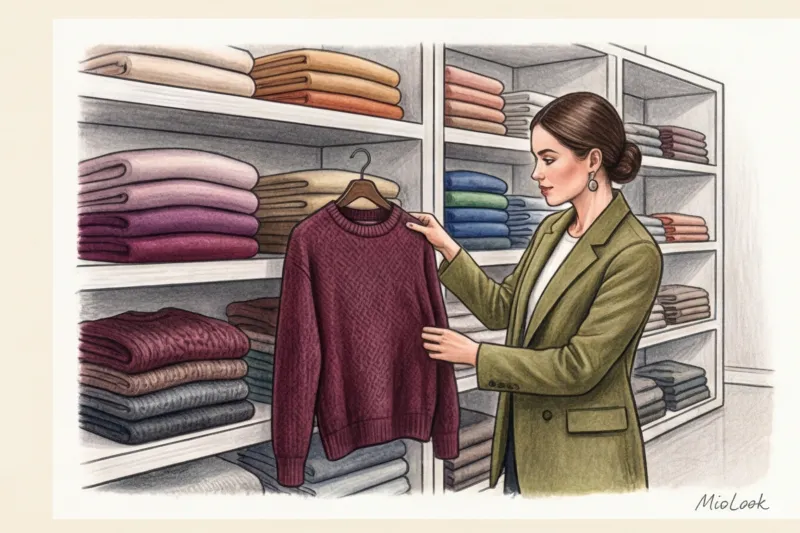
Microtrends are the opposite. Remember the explosive demand for the shade Brat green in the summer of 2024? Such trends fade within 3-4 months. Here, the algorithm must be aggressive.
The key to smart pricing here is to start gradually lowering the price of a trend (-10%, then -15%) *before* it completely goes out of style. Your goal is to unload your remaining stock at the peak of the trend's decline, not to try to sell neon green bags at 80% off in November, when no one wants them even for free.
Discount Management: How Analytics Solves Overstock's Problem
According to the McKinsey State of Fashion 2023 report, approximately 30% of the world's clothing production finds no buyer without extreme discounts and often ends up in landfills. Overproduction is the retail industry's main problem.
The solution lies in markdown optimization. Instead of waiting until the end of the season and cutting margins in half, smart systems monitor the sell-through rate. If a viscose summer dress is selling 20% slower than expected by mid-June, the algorithm reduces its price by an insignificant €7–10.
In my experience, implementing such timely, almost imperceptible adjustments saved the collection of one mid-up brand. We avoided dead stock, maintaining margins 18% higher than with their usual final-clearance strategy.
Access to MioLook for €0.99 — one-time payment
A smart AI stylist will select the perfect look for your clients or your personal wardrobe.
Get access — €0.99 oncePersonalized Pricing: The Future of Retail
The most elegant way to offer a discount without losing brand equity is to make it hidden. The future lies in personalized pricing through loyalty programs and targeted promotions.
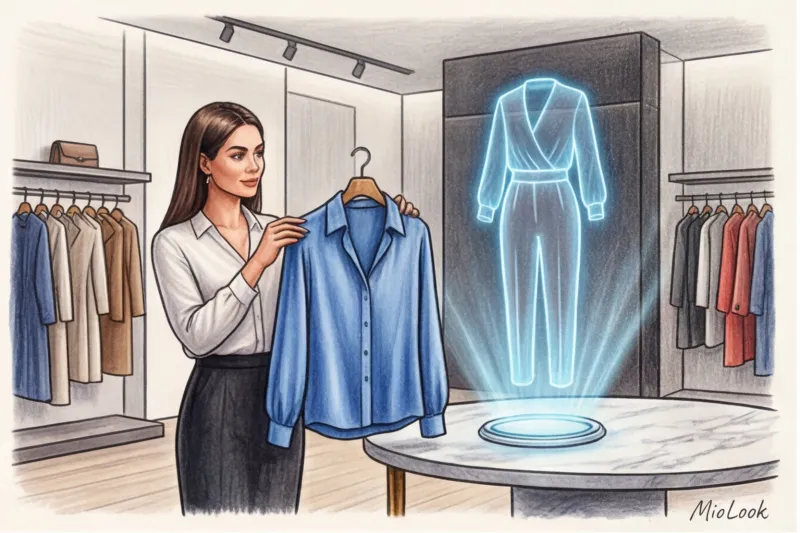
It's important for customers to feel like VIPs, not just lucky bargain hunters. AI tools analyze purchase history and create a personalized offer capsule. For example, if a customer regularly buys office shirts from you for €90, the system will offer a personalized discount on matching trousers that have been sitting in your warehouse for a while.
An excellent assistant in organizing your wardrobe and creating such capsules is the application MioLook Brands and stylists can use AI tools like these to show customers complete looks rather than individual discounted items—significantly increasing the likelihood of a purchase without having to drastically reduce the price.

Fashion Business Checklist: Implementing Smart Pricing
Where do you start if you want to stop burning money on chaotic sales? Over 14 years in the industry, I've developed three ironclad rules for myself (and my business clients). Let me clarify upfront when this doesn't work: if you represent the ultra-fast fashion segment, where the planning horizon is two weeks, these tips won't work for you. But for brands building long-term relationships with their customers, this is the foundation:
- Segment your product range before launching AI. Clearly divide your collection into three baskets: a permanent base (0% discount), a seasonal base (discounts only at the end of the season up to -30%) and trends/hot colors (dynamic pricing throughout the season).
- Set strict limits on price reduction. The algorithm should not be allowed to sell an item below cost plus a fixed markup (floor price), unless this is manually authorized to eliminate dead stock.
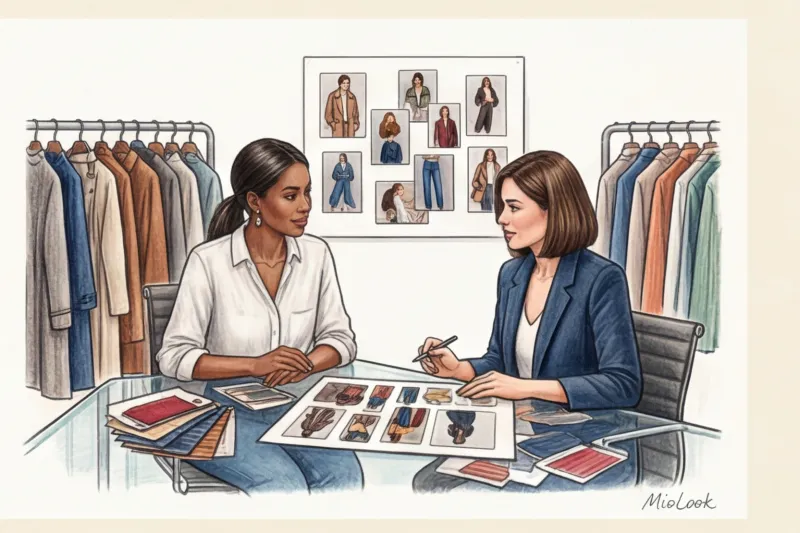
- Synchronize the work of buyers, marketers, and AI. Marketing shouldn't offer promo codes for items that the algorithm has already discounted due to the weather. Double discounts are a business killer.
Results: Balance between margins and brand status
The main goal of dynamic pricing in fashion is not to sell an item for less, but to sell it *on time*. Technology today gives us an incredible advantage: we can manage customer expectations without devaluing the work of designers and tailors.
Remember the key: a discount isn't an excuse for a poor product; it's a tool for regulating sales velocity. Respect your core models, discard microtrends early, and use analytics not as a substitute for stylistic vision, but as a smart extension of it. This approach makes modern brands both more environmentally friendly and more profitable.