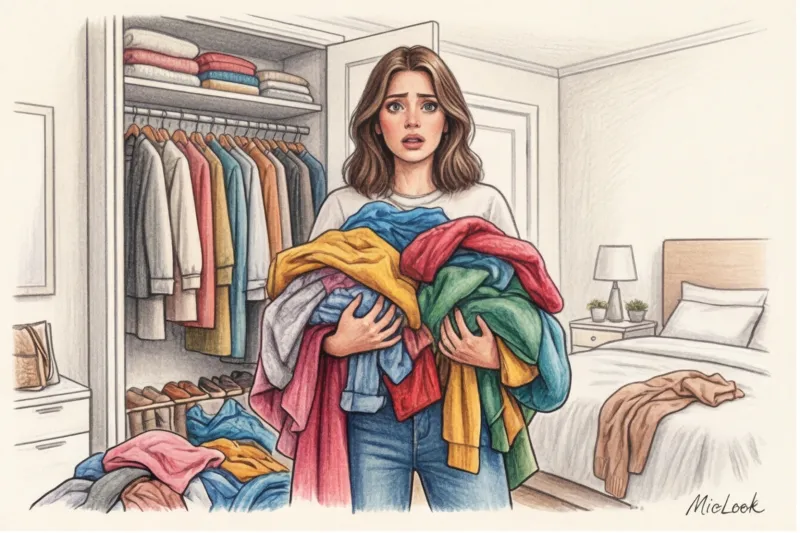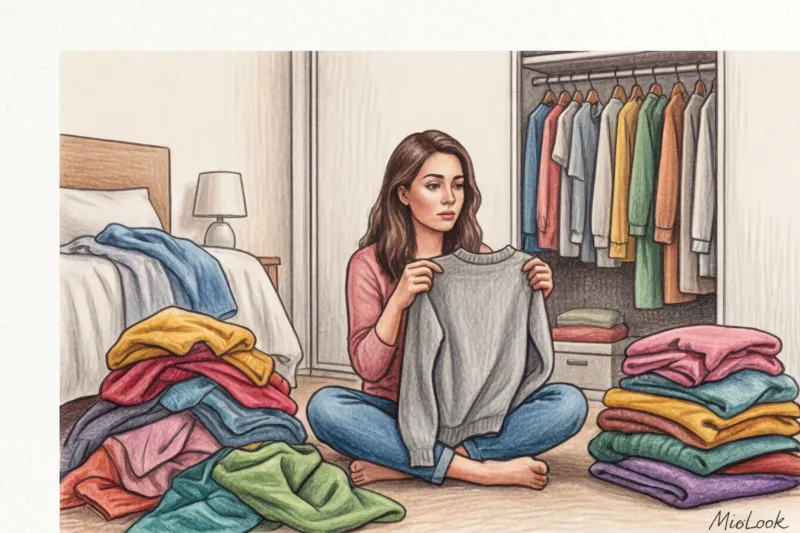
Last week, during a wardrobe review, my client burst into tears over a €400 cashmere sweater. She hadn't worn it in three years because the color made her look tired. However, the guilt over spending the money literally paralyzed her, preventing her from donating the item and finally building a functional foundation. This is a typical picture I see as a stylist: wardrobes suffocate not from a lack of clothes, but from an inability to let them go.
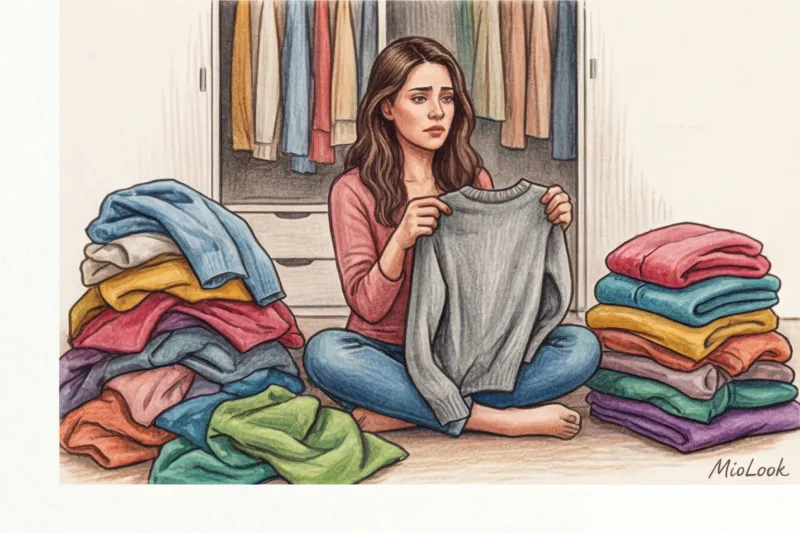
The solution to the question of Where can I donate clothes to charity? It's more than just the final touch of a spring cleaning. It's a full-fledged "offboarding" of your belongings, a process that shapes your personal style far more than just another shopping trip. We've already covered the basic principles of eco-recycling in more detail in our comprehensive guide. Where to donate old clothes: recycling rules Today, we'll explore the charitable aspect: how to donate items so they truly benefit and donate them without becoming a burden to nonprofit organizations.
The Psychology of Clutter: Why Your Closet Is Full, But You're Sorry to Give It Away
Over 12 years of working in the fashion industry, I've discovered a pattern: morning "decision paralysis" is directly related to the visual noise in your closet. When you open the door, your brain processes dozens of signals from the items you're holding in a split second. you can't Put it on right now. Here hang pants for the "future slimmer version of yourself," there lie faded T-shirts "for the dacha" (which you visit twice a year), and in the corner, that same sweater-mistake sits lonely.
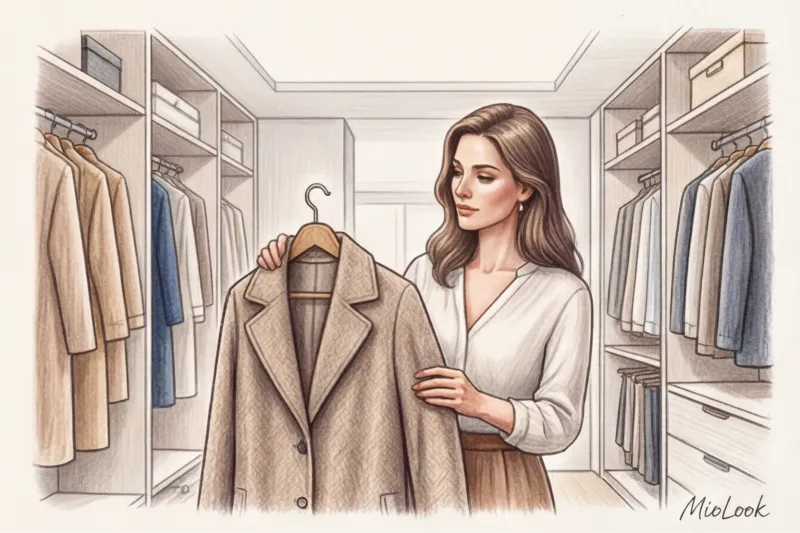
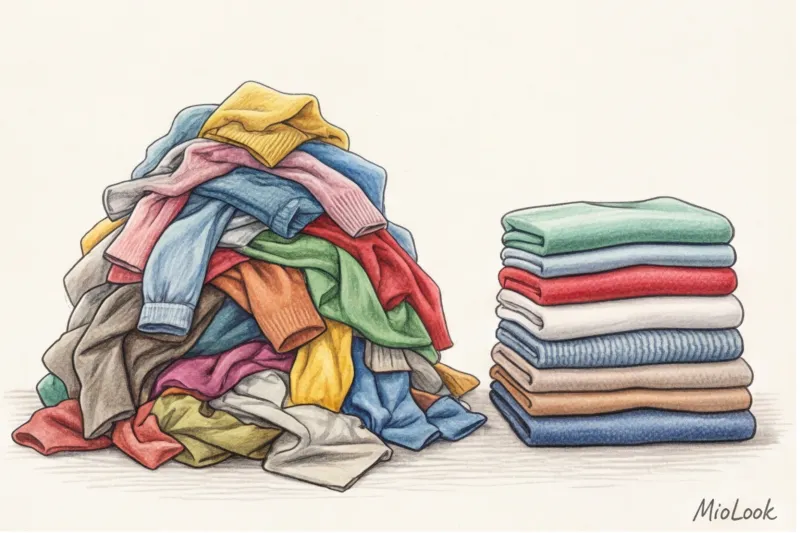
One of my clients in Paris got rid of 50% of the clothes that didn't fit her size or lifestyle. At our next appointment, she confessed: "Camilla, for the first time I saw that I actually have the perfect silk skirt and a great blazer." When we remove visual noise, the remaining things begin to work for us.
In my consultations, I use the strict but effective “Three Boxes” rule:
- Box 1: Leave. Things that fit perfectly, correspond to your current size and make you happy.
- Box 2: Repair/Adaptation. Garments requiring atelier alterations or dry cleaning. Strict condition: if you haven't returned them to a tailor within two weeks, they go into a third box.
- Box 3: Offboarding. Items for sale, recycling or charity.
Access to MioLook for €0.99 — one-time payment
A smart AI stylist will select the perfect look based on your real wardrobe.
Get access — €0.99 onceThe Illusion of a Good Deed: What You Absolutely Shouldn't Donate to Charities
Let's be honest: many of us view charities as a free trash removal service, cloaked in the beautiful word "virtue." Giving away stretched-out, deodorant-stained T-shirts to charity isn't helping. It's arrogantly shifting the burden of waste disposal onto nonprofits.
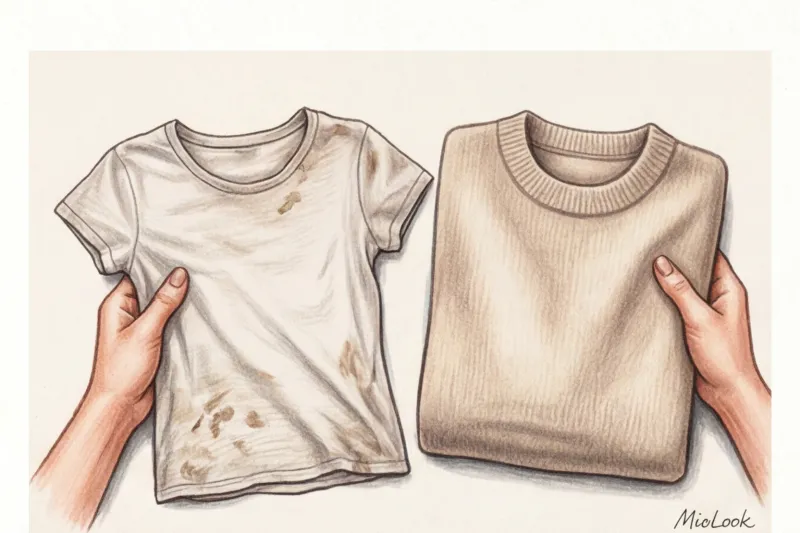
"Foundations spend up to 30% of their limited budget on logistics and disposal of outright junk clothing, which is handed over to them under the guise of donations. Only about 10-15% of the incoming clothing is of suitable quality for resale in charity shops."
According to the Ellen MacArthur Foundation's 2023 report on textile waste, the crisis of overproduction has led to a sharp decline in fabric quality. Synthetic materials like polyester and elastane take over 200 years to decompose in landfills. I recently visited the foundation's large sorting center and witnessed with my own eyes the "charity burnout" of its volunteers. They spend hours sorting through dirty, torn laundry that people hadn't even considered throwing into the bin.
Exists strict taboo for the transfer of the following items (if they are not new with tags):
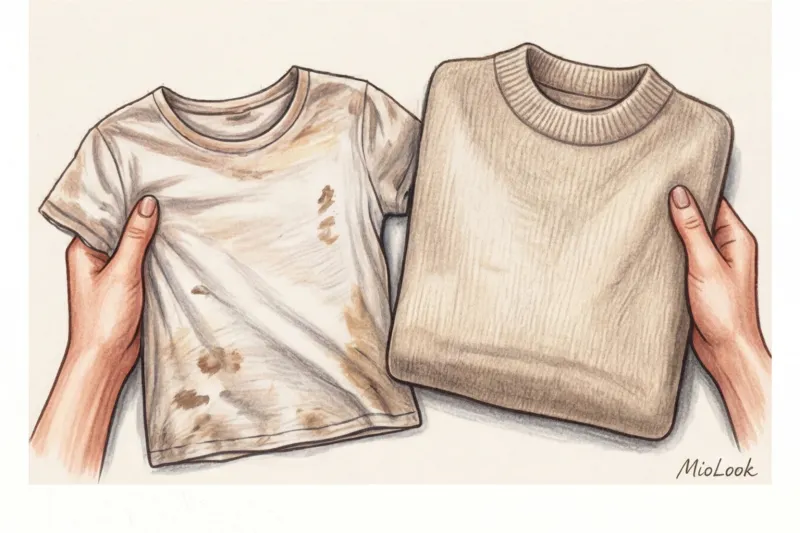
- Underwear and socks
- Old swimsuits and swimming trunks
- Worn-out shoes with worn heels and creases
- Tights and leggings with extended knees
My personal test for clients is called Blind Date If you'd be embarrassed to hand this item over to a friendly stranger on the street, don't put it in a charity bin. Recycle it (into a rag).
Where to Donate Clothes to Charity: A Guide to Organizations
To understand where to donate unwanted items, it's important to understand how nonprofits operate. Most foundations don't distribute 100% of the sweaters they receive directly to the poor. Instead, they use a cross-subsidization model.
The best (branded, in perfect condition) items are sent to charity shops Charity shops are thrift stores. The proceeds from their sales cover warehouse rent, sorters' salaries, and logistics. Good, basic-quality items are sent to the regions as humanitarian aid. And the outright rags are sold for pennies to recycling plants to make cleaning materials or mattress stuffing.
Smart containers and charity shops
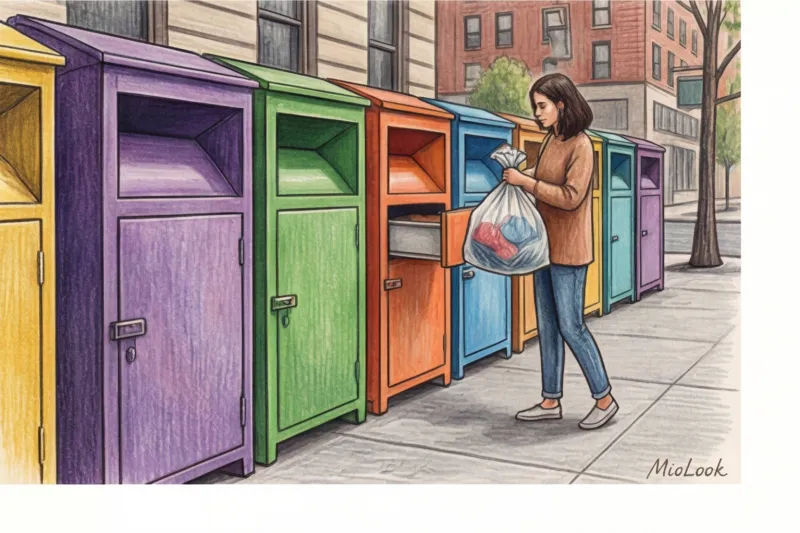
For city dwellers, street boxes (chains like Vtoroe Dykhanie, Charity Shop, and their international counterparts) are the most environmentally friendly and quick way to offboard. Containers are often located in shopping malls or creative clusters. You simply bring a bag on your way to get coffee.
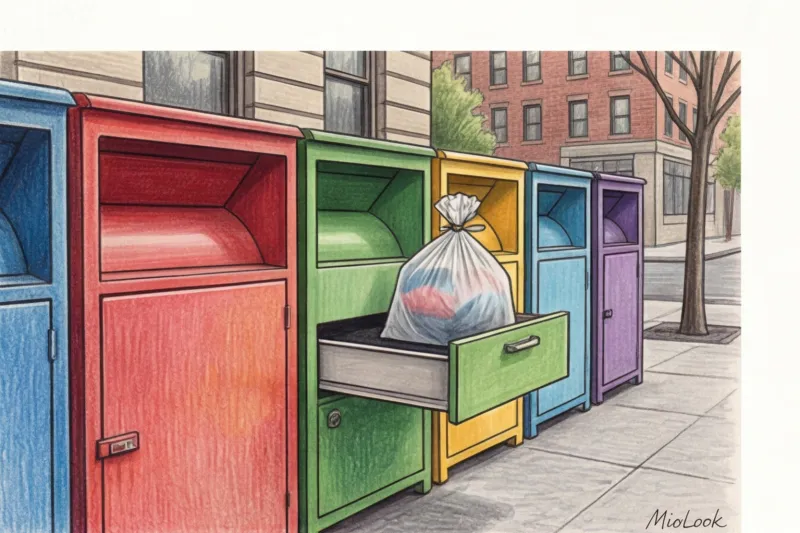
Targeted assistance: orphanages and crisis centers
This is where the biggest misconception lies. Many people collect old children's clothes and try to take them to orphanages. The reality is this: due to strict sanitary regulations (SanPiN), most government institutions are not allowed to accept used clothing. They require items with factory tags.
But your basic things are in dire need crisis centers for women Women fleeing domestic violence often need smart, neat clothes (blazers, trousers, shirts) for job interviews and to gain financial independence. But old bed linens and terry towels are happily taken. animal shelters — they are always needed there for bedding and cleaning.
Your perfect look starts here
Join thousands of users who look flawless every day with MioLook. Digitize your wardrobe in just a few clicks.
Get access — €0.99 onceA stylist's checklist: how to transform unwanted items into gifts
Preparing clothes for donation is a matter of basic respect for the people who will wear or sort them. Here's a professional checklist I give to clients after sorting their wardrobe:
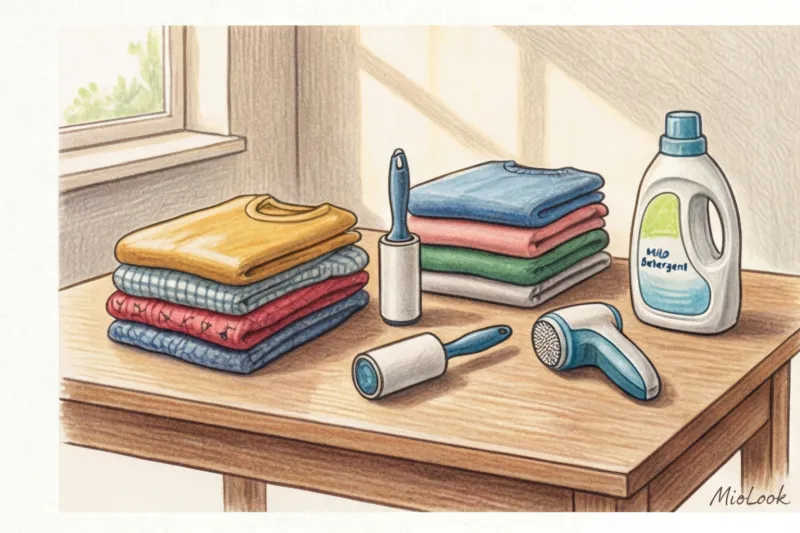
- Washing and drying are mandatory. Even if an item has been hanging in a closet for a year, it will have absorbed odors. Wash it and make sure it's completely dry. A damp item in a closed metal container will mold within 24 hours and ruin the entire container.
- Checking pockets. In my experience, we've found forgotten passports, keys, and once, a crumpled €200 bill in old coats. Turn out all the pockets.
- Minor repairs. Do buttons need sewing on? Yes. If a button is missing or a zipper is stuck, please fix it before donating. A mother of many children in a remote region doesn't have the time or money to run to a tailor.
- Correct packaging. Always tie shoes together with laces or masking tape—pairs will quickly separate in containers. Place clothes in sturdy bags and tie the handles tightly.
The Premium Segment: Why Foundations Are Not the Best Place for Expensive Brands
Sometimes, in a fit of decluttering, clients want to throw a silk Saint Laurent blouse or a Celine jacket into a street bin. I always stop them. Throwing "heavy luxury" into a general bin is a bad idea.
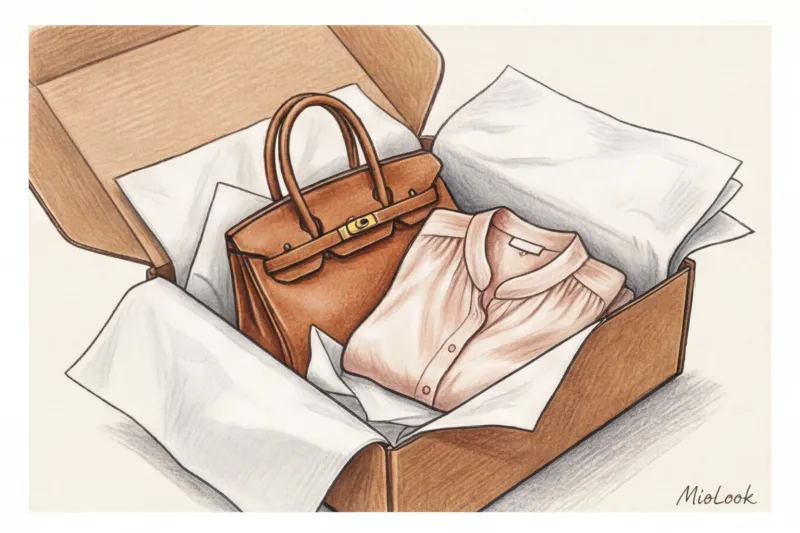
Firstly, thin, delicate fabrics (silk, cashmere) can be damaged by the fittings of other items during transportation. Secondly, ordinary collection sorters simply don't have the expertise to authenticate luxury items. Your expensive item could be sold for next to nothing or, worse, rejected due to an unconventional cut.
What to do with the premium segment?
- Resale platforms: Donate to global platforms like Vestiaire Collective, Oskelly, or The Cultt. Sell the bag for €500, then donate the €500 directly to your favorite charity. This will benefit the NGO tenfold more than the bag itself.
- Swap parties: Organize a brunch with friends who are similar in size. Sharing quality, eco-friendly items among your circle is a great way to update your wardrobe without breaking the bank.
When it does NOT work: If you're completely burnt out and have neither the energy nor the time to photograph items for resale, don't torture yourself. Donate the item to a charity shop (preferably in person, giving the manager a mention of the brand). Your mental health is more valuable than the potential profit.
Life After: How to Prevent New Clutter
Decluttering is pointless if, six months from now, your closet is once again filled with emotionally charged sales purchases. Transitioning to a mindful wardrobe requires discipline.
Implement the rule: "One thing comes, one thing goes" Bought a pair of perfect new jeans for €120? Immediately find an old pair in your closet that's lost its shape and donate them to a recycling center or charity. This method makes you think twice before buying.
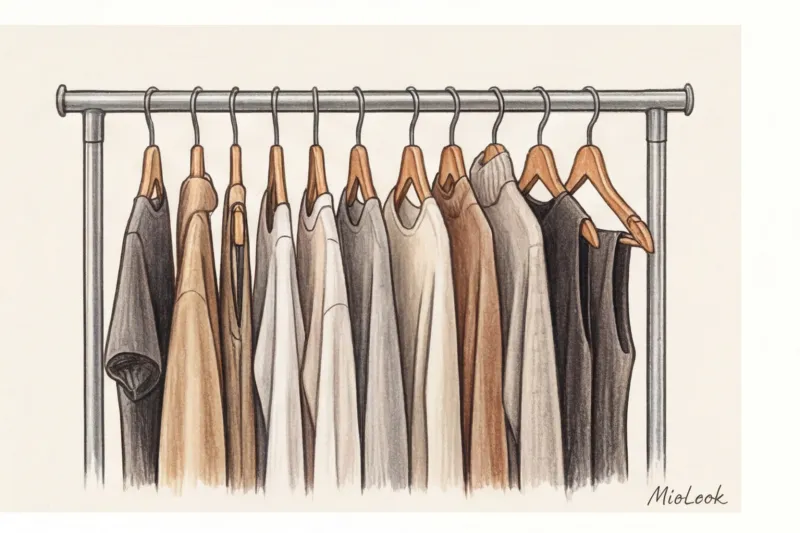
I strongly recommend my clients to collect capsule wardrobe , where the focus shifts from the quantity of items to their variability and compatibility. And to always remember what exactly is hanging on your rails, use modern technology. About How to quickly digitize your wardrobe over the weekend , I already wrote, but to put it briefly - upload your things to MioLook When your entire closet is on your smartphone, you stop buying duplicate items.
Ultimately, your personal style isn't defined by what you constantly buy, but by what you consciously choose to keep. By decluttering sustainably and respectfully, you free up space not only in your closet, but also in your life.