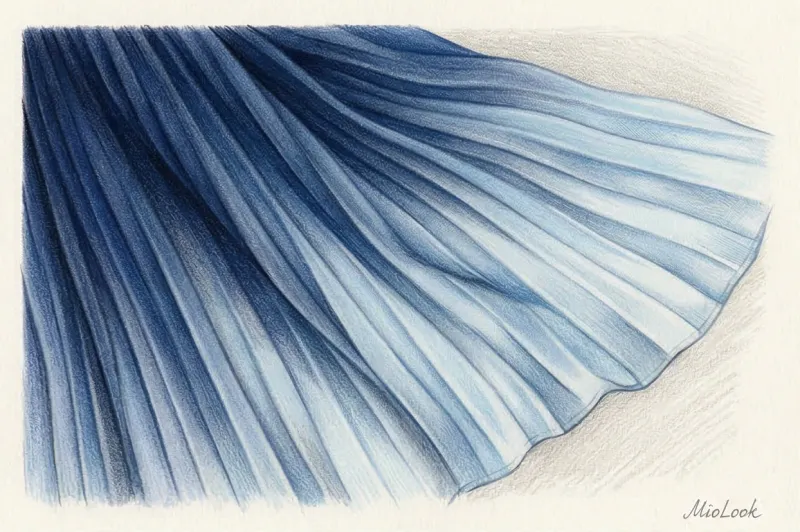
What is ombre (gradient)?
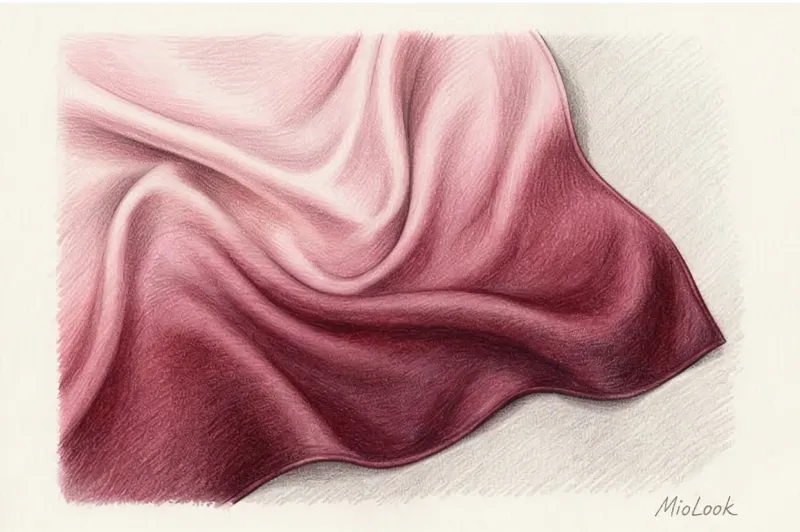
Ombre (gradient) — is a fabric dyeing technique that creates a smooth, seamless transition from one color to another or from a light shade to a dark one.
The term comes from the French word ombre , which translates as "shaded." The main characteristic of ombre in clothing is the lack of clear boundaries between colors. The shades literally dissolve into each other, creating a soft transition effect.
Technically, this result is achieved in three main ways. The classic method is dip dyeing, where the fabric is gradually dipped into a vat of dye for varying periods of time. Modern production often uses digital textile printing. The third, most complex option is a jacquard weave of differently colored threads, creating a gradient directly within the fabric's structure.
Main types of gradient
Designers use several variations of this technique, which differ in contrast and the nature of the color transition.
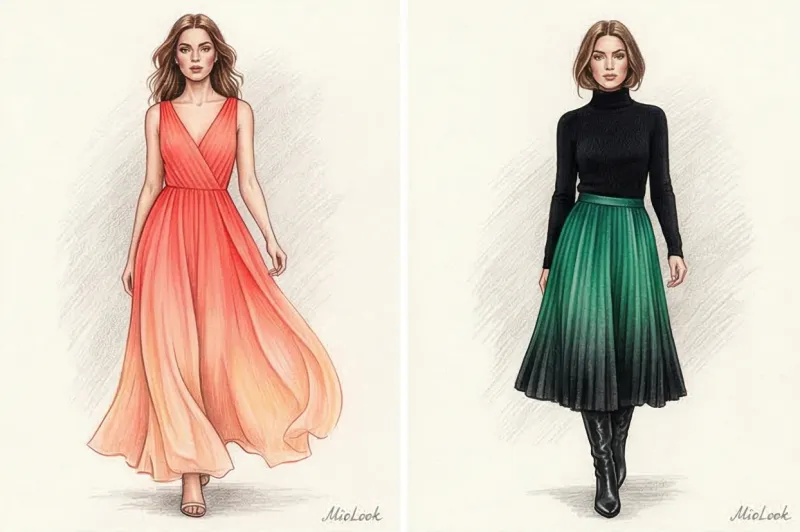
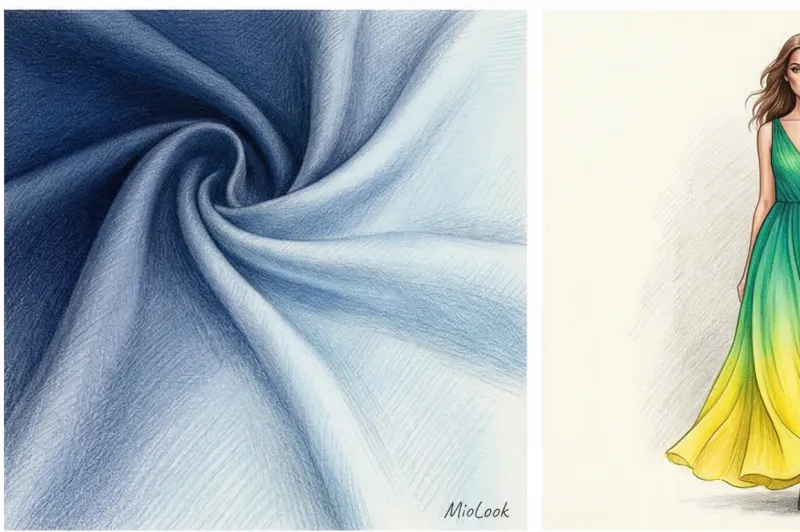
- Tonal (monochrome) ombre. Saturation changes occur within a single color. A common example is a smooth transition from pastel blue to deep navy.
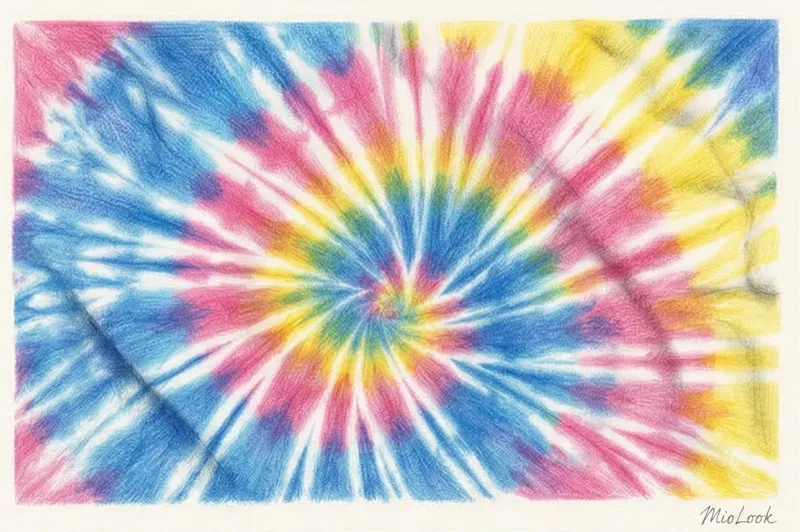
- Contrast ombre (multicolor). A fusion of two or more different colors. Often mimics natural phenomena, such as a sunset sky with its transition from yellow to orange to purple.
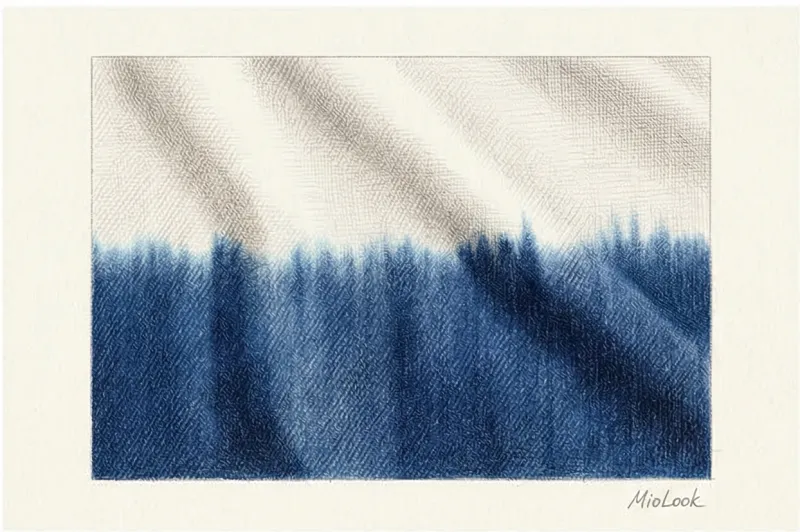
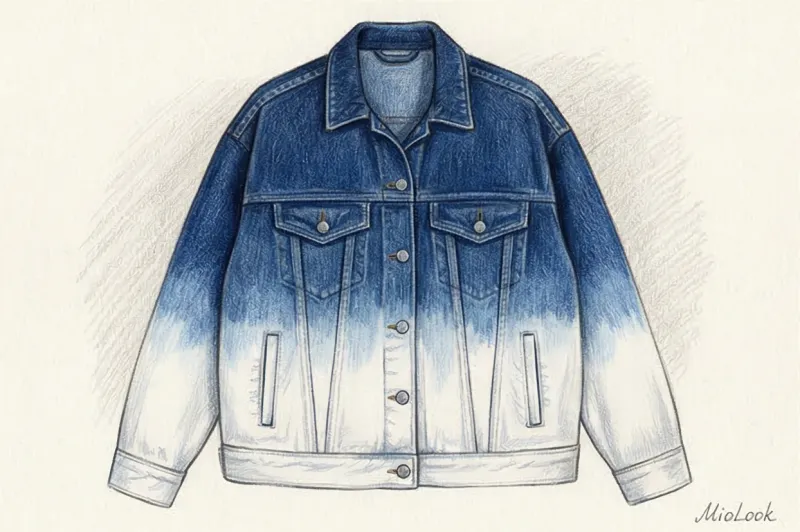
- Dip-dye. A specific type of gradient with a sharper, often horizontal, color transition. This technique is typical for creating casual clothing from denim and heavy cotton.
How to Wear Ombre
Gradient is a powerful visual accent, so it requires careful balance when creating an outfit. The basic rule for a neutral background is to pair an ombre item with a solid color. For example, a pleated ombre skirt is complemented by a sleek white shirt or a black turtleneck.
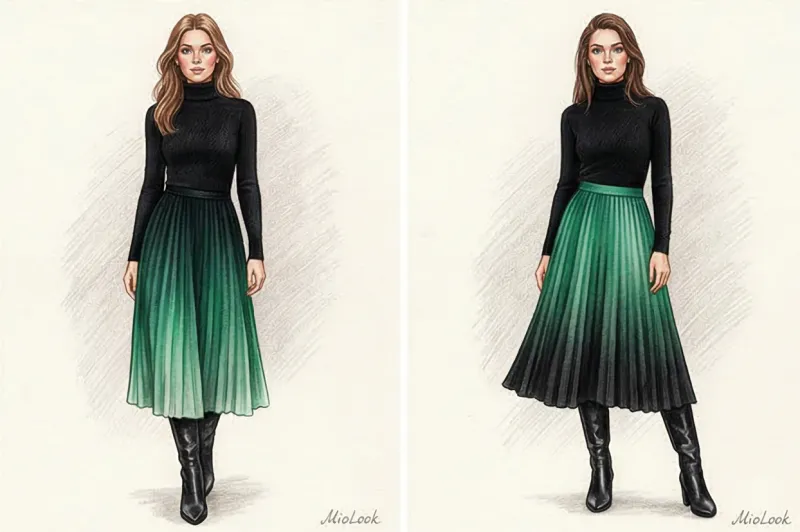
Color synchronization is used to create a harmonious ensemble. Shoes, a bag, or a second layer are chosen to match exactly one of the shades present in the gradient itself. This helps create a "loop" through the look and avoid visual noise.
Moreover, the gradient works as a visual figure-shaping tool. Darker transition areas visually narrow the silhouette, while lighter ones widen it. Placing a lighter shade closer to the face on tops or dresses highlights the skin and brightens the portrait area.