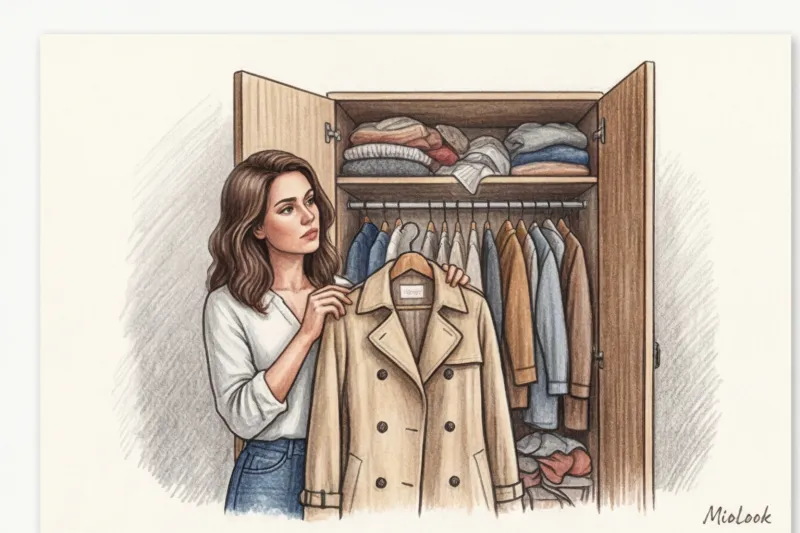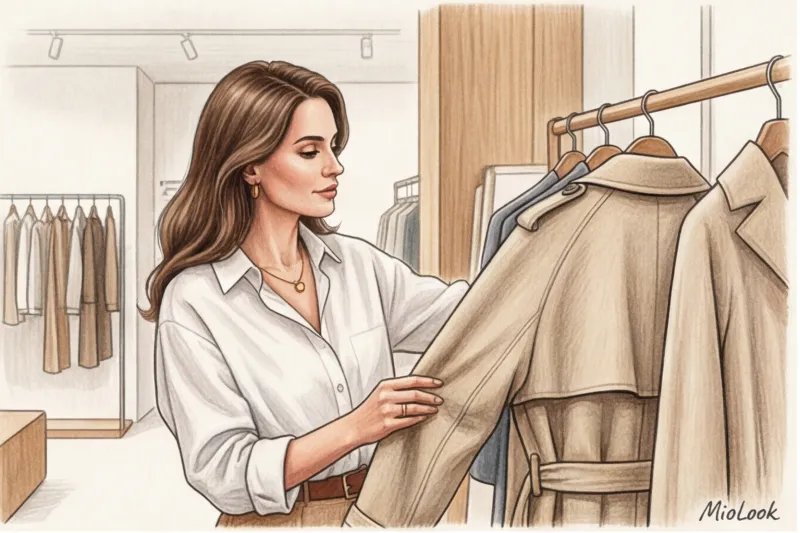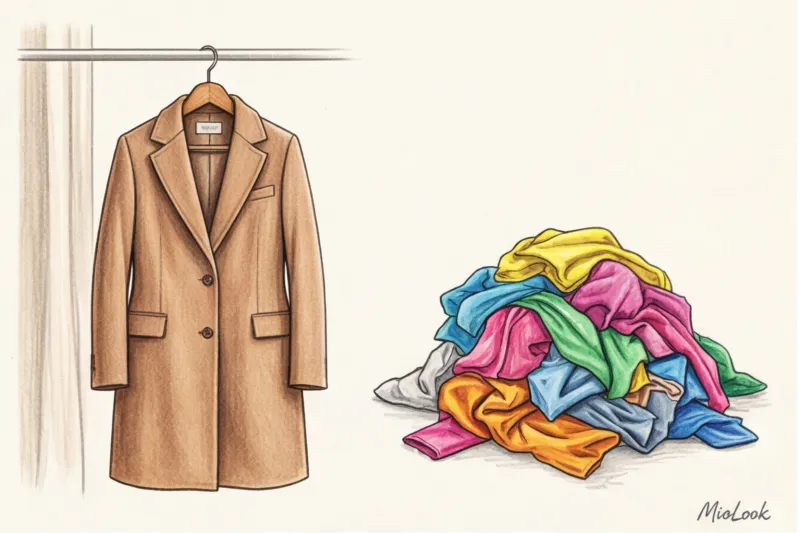
Imagine standing in the fitting room of a popular fast-fashion brand, holding a T-shirt with a bright green tag that says "Conscious" or "Eco-friendly." Sounds like a great deal and a great idea, right? As a stylist, I have to disappoint you. That green tag is often just a shiny marketing gimmick. The real deal. conscious consumption in fashion looks completely different and has nothing to do with buying your tenth eco-shirt made from recycled plastic.
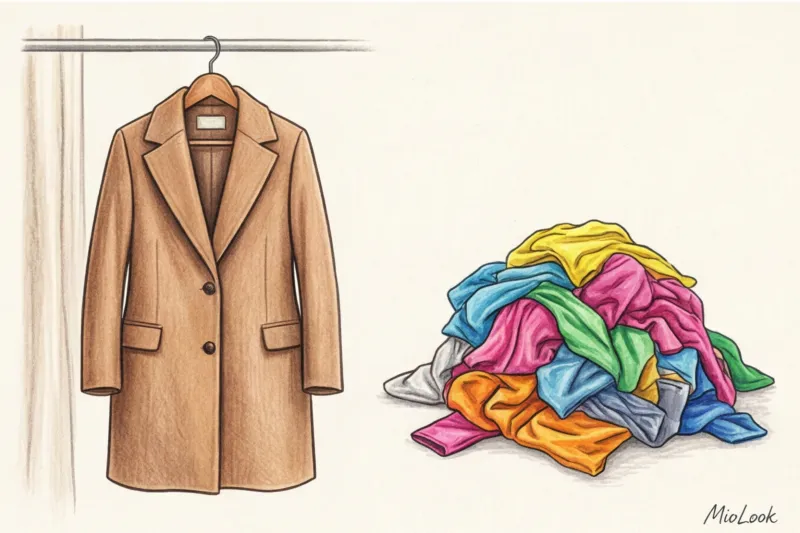
We've already covered more details on how to navigate the world of the secondary market and find real treasures in our the complete guide to resale and vintage Today, I want to show you the inside story of the fashion industry. Instead of preaching about saving the planet, we'll explore the specific mathematics of style. I'll prove to you that mindfulness isn't about giving up beautiful things, but rather the most elegant style hack that allows you to wear premium cashmere, thick silk, and heavy wool, looking visually more expensive without overpaying.
The Mathematics of Conscious Consumption: Why Resale Is a Winner
Let's start with some hard numbers that will forever change the way you look at new things. Did you know that it takes about 2,700 liters of water to produce one regular cotton shirt? That's about the amount an adult drinks in two and a half years. When you buy a new shirt, you're encouraging the production of another one just like it.
But when you buy an item on a resale platform, the concept of "sunk environmental costs" comes into play. The item has already been produced. The water has already been used, the carbon footprint has already been created. By buying it secondhand, you eliminate the production footprint of your wardrobe. You're literally saving the item from landfill and giving it a second life.
According to a large-scale study by the Ellen MacArthur Foundation (2023), clothing recycling rates (the number of times we wear an item before throwing it away) have decreased by 36% over the past 15 years. We've started buying twice as much and wearing half as much. Meanwhile, according to the annual ThredUp Resale Report, extending the life of an item by just nine months reduces its carbon, water, and waste footprint by 20-30%.
The Main Myth: The Fast Fashion Eco-Collections Trap
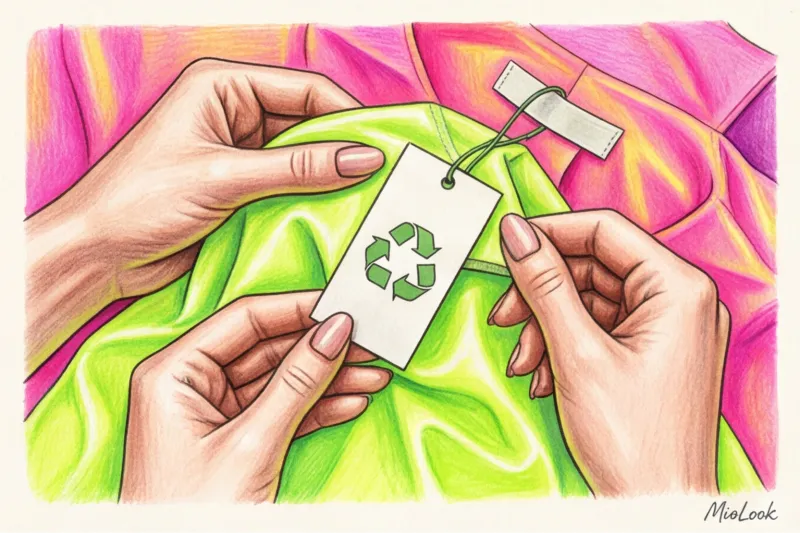
One of the biggest problems facing the modern industry is greenwashing. Mass-market brands offer to recycle old clothes right in the store and receive a discount on new ones. It sounds great, but the reality is: less than 1% of clothing worldwide is recycled into new clothing. Most so-called "recycled" fabrics are polyester made from plastic bottles.
"Buying a new dress made from 'recycled polyester' from the Conscious line does more harm to the planet than buying a five-year-old, 100% premium wool coat at a resale store. Recycled plastic releases microplastics into the water with every wash and is almost never recycled."
As a stylist, I always tell my clients: true eco-friendliness means buying something that will last 10 years, not a biodegradable T-shirt that will lose its shape after 10 days. A brand-new, "ethical" acrylic turtleneck from a mass-market store will pill after the third wash. But a vintage 100% cashmere sweater that someone else wore five years ago will last just as long with proper care.
Your perfect look starts here
Join thousands of users who look flawless every day with MioLook. This smart assistant will help you integrate vintage finds into your modern wardrobe.
Get access — €0.99 onceInvesting in Quality: How Resale Changes the DNA of Your Wardrobe
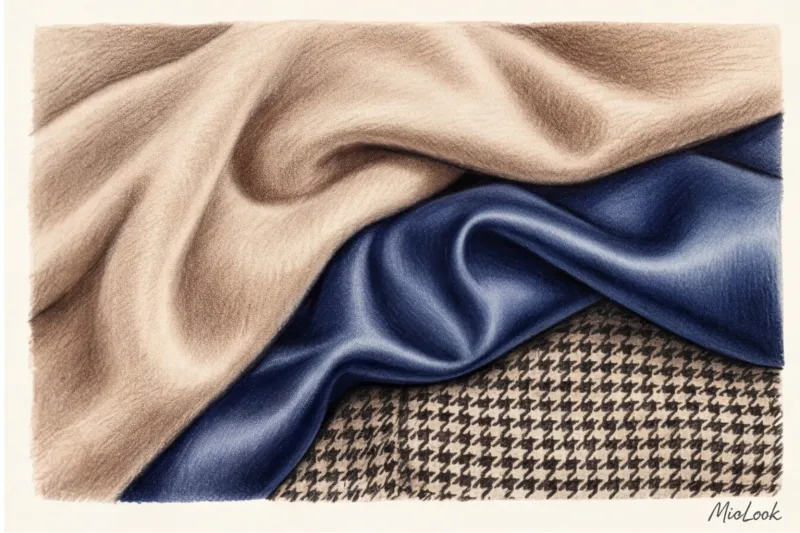
Don't you think things used to be better? It's not nostalgia, it's a fact. In 12 years of working as a personal stylist, I've seen firsthand the degradation of fabrics. What mid-market brands offered in 2010 (heavy viscose, pure 180 g/m² cotton, high-quality hardware) can now only be found in premium and luxury brands. The mass market of 2024 is the realm of the finest polyester and acrylic.
One of my clients used to spend around €300 a month on impulse purchases at Zara, H&M, and Mango. Her closet was overflowing, but she had nothing to wear—her clothes quickly fell into disrepair. We changed our strategy. Instead of five synthetic sweaters, she bought a vintage Jil Sander jacket in thick wool at a resale store for the same €300. This jacket instantly transformed her silhouette. My philosophy has always been based on Mediterranean relaxation: to look luxurious, you need impeccable tailoring, not an abundance of details. The structure of mid-up and premium brands automatically creates this "expensive look" effect.
It is important to remember the formula here Cost Per Wear (cost of one output):
- A fast fashion dress for €50, worn twice = 25 € per exit.
- Vintage Max Mara dress for €150, worn 50 times = 3 € per exit.
Resale is your ticket to premium materials at mass-market prices.
The Circular Economy: How Your Stuff Can Work for You
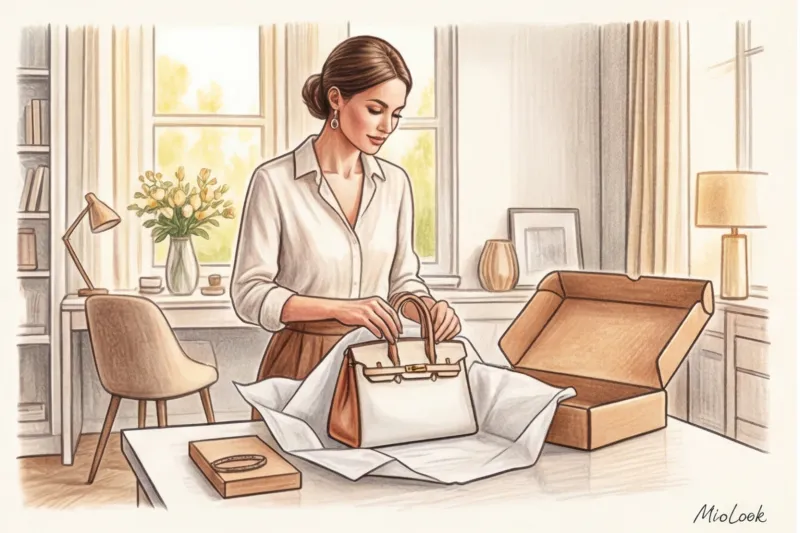
We're accustomed to the linear model: buy, wear, throw away. Circular fashion offers a different approach: buy, wear, sell. And herein lies another critical difference between resale and mass-market fashion: liquidity.
Mass-market items have zero value on the secondary market. You won't sell a used T-shirt for a reasonable price. But premium brands retain their value. According to Vogue Business (2024), integrating resale has become a key strategy for luxury conglomerates precisely because high-quality items have become assets.
Sure, Hermès or Chanel bags are a whole other league of investments, but even solid mid-range brands like Acne Studios, Toteme, or COS hold their value very well. When you know you can sell an item for 60-70% of its value on resale, your attitude toward your wardrobe changes. You start caring for your items: washing them properly, storing them on the right hangers, using a machine to de-pill. Your closet becomes an asset.
Access to MioLook for €0.99 — one-time payment
Digitize your wardrobe. Find out what you wear most often and plan your purchases consciously with the help of artificial intelligence.
Get access — €0.99 onceFrom impulse buying to mindful hunting

Let's be honest: fast fashion sells us cheap dopamine. The endorphin rush happens the moment you carry a mountain of bags to the checkout. But that joy evaporates the next day.
Shopping on professional resale platforms offers a completely different experience—the thrill of a true hunt. Modern resale has nothing in common with rummaging through the dusty bins of traditional secondhand stores. It's about curated selections, authentication, and the search for that one precious gem.
Paradoxically, the "complexities" of reselling (the need to check measurements, study ingredients, communicate with the seller, wait for delivery) are a huge advantage. It's a natural filter against impulse buying. You no longer throw things in your cart simply because they cost €15. You create a wish list and wait for the right size and brand to appear. This mindfulness develops your taste and crystallizes your personal style.
A Stylist's Checklist: How to Start Buying on Resale and Avoid Mistakes
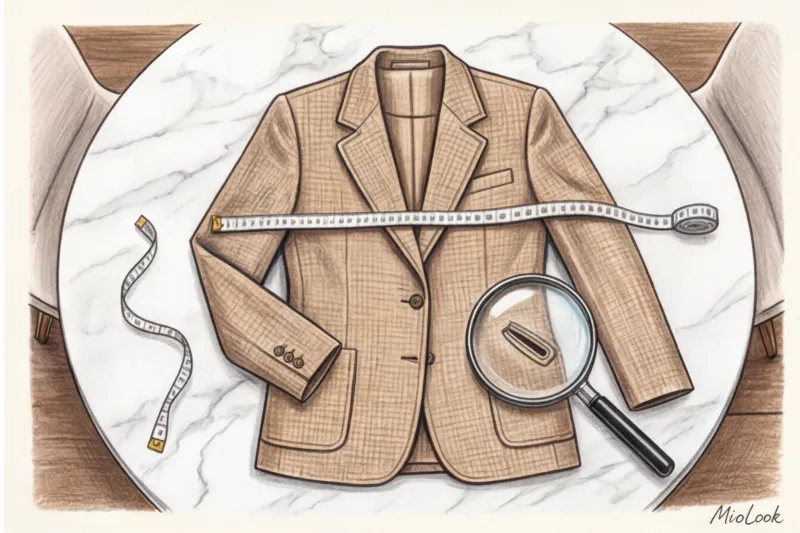
If you're just starting out on your conscious fashion journey, here's my step-by-step guide to help you avoid disappointment:
- Know your measurements, not your size. This is crucial. A vintage Dior size L from the 90s can fit like a modern S. Always ask for the back length, chest measurement, and sleeve length.
- Start with safe categories. Oversized jackets, coats, trench coats, and designer bags are a perfect starting point. To be fair, resale has its limitations. I never advise beginners to buy vintage shoes or tailored trousers without trying them on first—the chance of getting the fit or last wrong is close to 90%.
- Filter by composition. Look for only 100% wool, silk, heavy cotton, cashmere, or linen. Leave polyester and acrylic to the mass-market brands.
- Use platforms with authentication. Vestiaire Collective, The RealReal, Oskelly—these services employ experts who verify the authenticity of brands. Buying secondhand on regular classifieds always carries the risk of buying a counterfeit.
Ready to get started?
Add your vintage finds to the app MioLook , and our AI stylist will create dozens of new outfits with your current items.
Get access — €0.99 onceSummary: Your New Fashion IQ
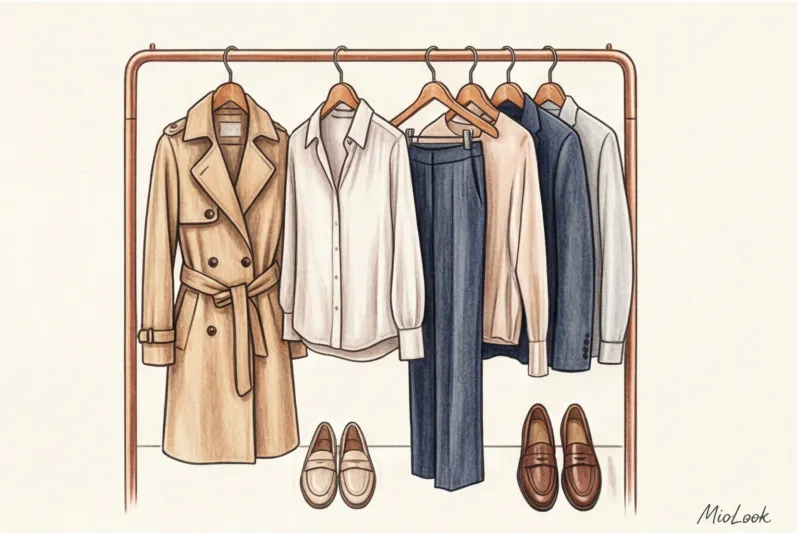
Conscious consumption in fashion doesn't mean abandoning style in favor of gray burlap. It's an elegant intersection of environmental responsibility and impeccable taste. By choosing resale instead of another trip to the mass market, you demonstrate a high fashion IQ.
A modern, educated woman understands that true luxury lies in the quality, uniqueness, and history of a garment, not in the speed of its production. Every high-quality, historically-acclaimed item you purchase makes your wardrobe truly individual and our planet a little cleaner. Invest in quality, love your pieces, and they will reciprocate, making every appearance flawless.