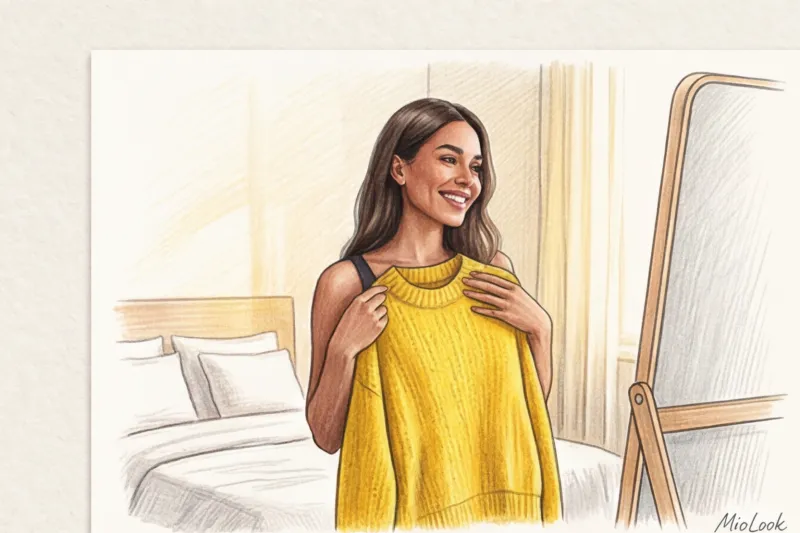
"Wear something bright and the blues will disappear," proclaim the headlines of fashion magazines. But what if I told you that that "happy" neon yellow sweater could actually be triggering microstress and raising your cortisol levels? In 12 years of working as a colorist and image consultant, I've learned one thing: the impact of clothing on self-esteem and mood works quite differently than the mass market would have us believe.
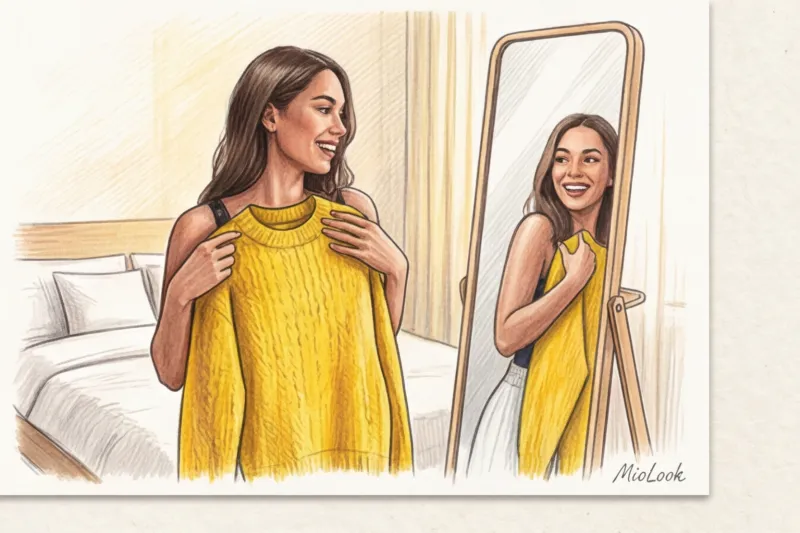
We have already talked in more detail about why we impulsively buy things, trying to “buy” ourselves joy, in our the complete guide to wardrobe psychology Today, we'll explore the biochemistry of style: how your clothes physically change your brain function and why a black jacket sometimes produces more dopamine than a pink dress.
What is dopamine dressing: Why glossy magazines are deceiving you
A couple of years ago, the world was taken over by a trend Dopamine Dressing Brands quickly got their bearings and filled their shelves with items in garish shades. The idea was that the visual explosion of color would automatically inject happiness hormones into the bloodstream. But neurobiology is more subtle than that.
In 2012, Northwestern University researchers Hayo Adam and Adam Galinsky coined the term Enclothed Cognition Their experiment revealed shocking figures: when subjects donned a white coat, which they associated with a doctor's attentiveness, their concentration and cognitive test scores soared by 50–96%. The clothing literally reprogrammed the brain.
Dopamine is the hormone of anticipation, motivation, and goal achievement, not just abstract "joy." True dopamine-fueled dressing isn't about trying to dress up like a parrot to look cheerful. It's about choosing items whose symbolism, texture, and color empower you to tackle the challenges of the day.
The Neuroscience of Style: The Direct Impact of Clothing on Self-Esteem
Have you ever noticed how your gait changes when you put on a pair of comfortable heels or a perfectly tailored jacket? It's not magic, it's biomechanics.
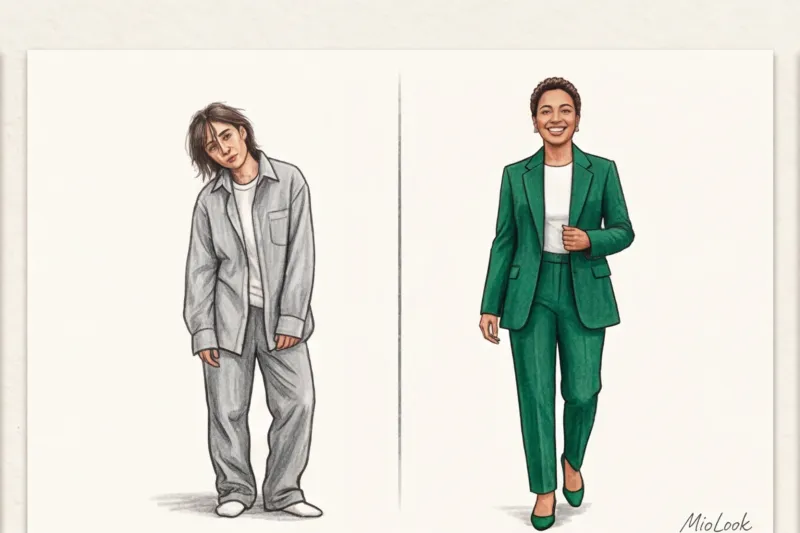
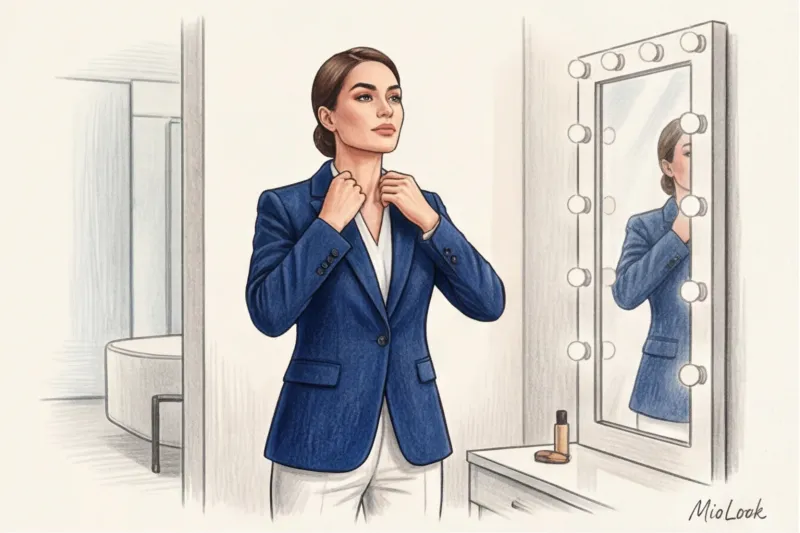
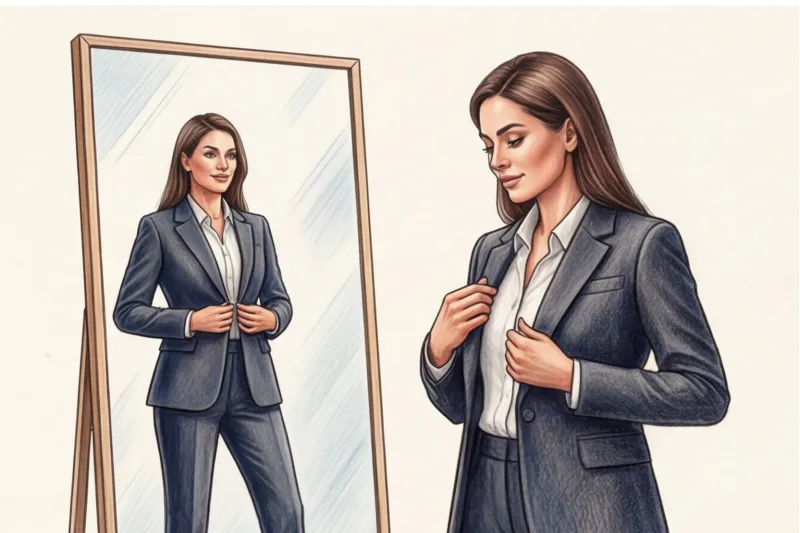
A complex, structured cut (for example, a jacket with defined shoulders) physically forces you to straighten your back. According to body language research, upright posture sends a signal to the brain: "I'm safe, I'm in control." In response, the body slightly increases testosterone levels (the confidence hormone) and decreases cortisol (the stress hormone). The impact of clothing on self-esteem begins not in the eyes of others, but in the signals your body sends to your nervous system.
In my practice, I divide things into two categories: protective clothing (when we are anxious and want to wrap ourselves up) and clothes for manifestation (when we're ready to assert ourselves). The problem arises when a woman goes to an important interview wearing a soft, shapeless, "protective" cardigan—her body physically switches to relaxation mode, making it harder for her to project expertise.
Your perfect look starts here
Join thousands of users who look flawless every day with MioLook. Our smart algorithm will select a wardrobe to suit your mood.
Get access — €0.99 onceColor and Emotion: Debunking the Myth of "Happy Yellow" and "Depressing Black"
Let's move on to the main myth: bright colors lift everyone's spirits. This isn't true.
One of my clients, a top manager at an IT company, bought a trendy fuchsia pantsuit for €250 during a period of burnout. She hoped it would give her energy. In reality, when she put it on, she felt like a "clown at a children's party" and was tired by lunchtime. Why? Because her natural coloring is Soft Summer (muted, grayish tones). The neon color created a visual noise effect for her—a cognitive overload every time she looked in the mirror.
When we replaced fuchsia with its own unique dopamine-inducing hue—a deep, complex emerald-pine—everything changed: from her skin's glow to her inner confidence. True visual comfort only occurs when the fabric's hue resonates with your appearance, reducing brain strain.
What about black? If you belong to the Rebel or Ruler archetype, all-black isn't mourning for you. It's armor that protects you from unwanted attention and delivers maximum serotonin levels, a feeling of complete control.
How to find your personal antidepressant shades
- Window test: Hold the fabric to your face in daylight. Your color is the one that makes your skin glow, not the one that "walks into the room before you do." If people compliment you on "what a beautiful dress" instead of "how wonderful you look," your color steals the show.
- Associative memory: Think back to your moments of greatest triumph. What were you wearing? Our brains strongly associate success with a specific color palette.
- Dosage rule: Sometimes, a powerful dopamine rush doesn't require a total look. A coral silk scarf on your bag or a pop of bright lipstick will suffice.
Tactile dopamine: Why fabric texture is sometimes more important than color
When I'm reviewing wardrobes or accompanying clients on a shopping trip, I always observe my clients' hands. Before checking the price tag or color, they iron the item. Physical comfort is the foundation of psychological comfort.
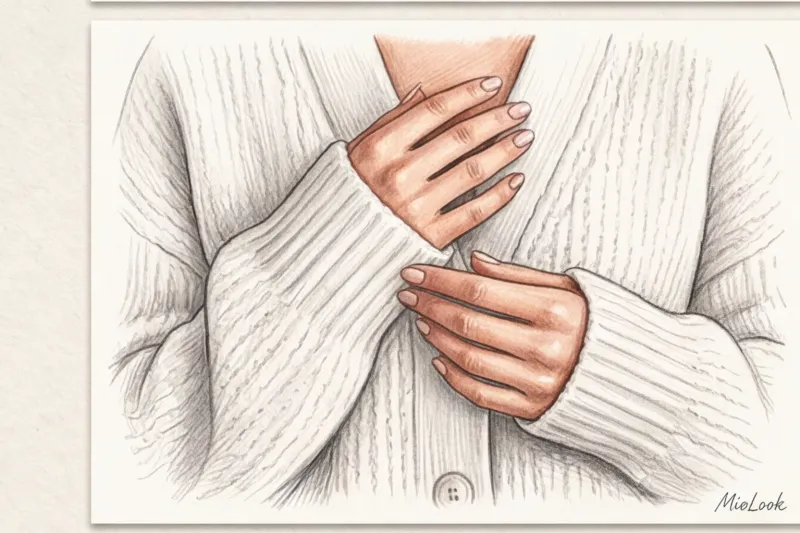
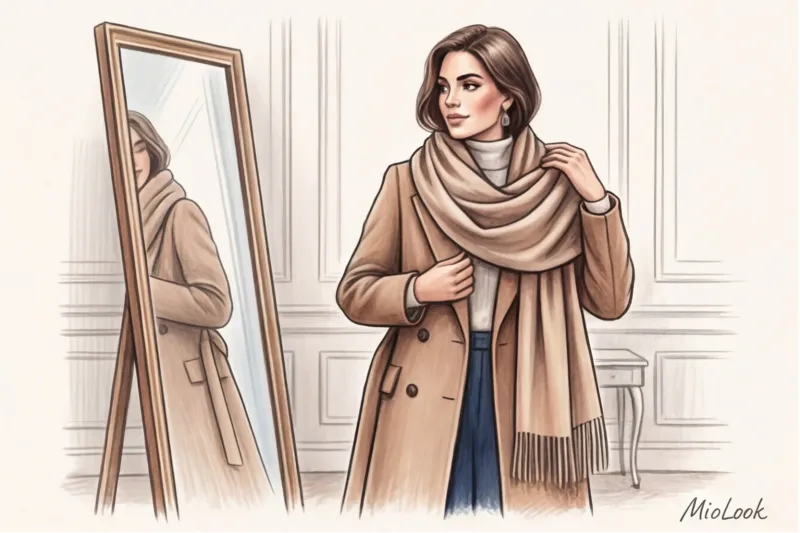
Squeaky, mass-market polyester creates microfriction and disrupts thermoregulation. You may not realize it, but your body is experiencing mild stress. Compare this to the feel of thick cotton (180 g/m² and above) or cashmere. The sensory integration of the right fabric acts as a calming agent.
Here's how to use fabrics strategically:
- Heavy textures (heavy denim, tweed, wool): They work like a weighted blanket. They ground you, provide a sense of boundaries, and reduce anxiety. Perfect for those days when everything feels out of control.
- Flowing fabrics (viscose, silk, cupra): Activates lightness and flexibility of thought. An excellent choice for brainstorming sessions and creative gatherings.
Ready to rethink your wardrobe?
Find out what really works for you. Try the MioLook free plan—no commitments.
Get access — €0.99 onceSilhouettes that "embrace" and "mobilize": the psychology of cut
Oversized clothing has become our uniform during the pandemic, but we need to be careful with it. A chunky, chunky knit sweater can be a safe haven for a Sunday morning. But it has its limitations. Frankly, it does NOT work during periods of prolonged apathy. Shapeless clothing only exacerbates the desire to hide and "disappear."
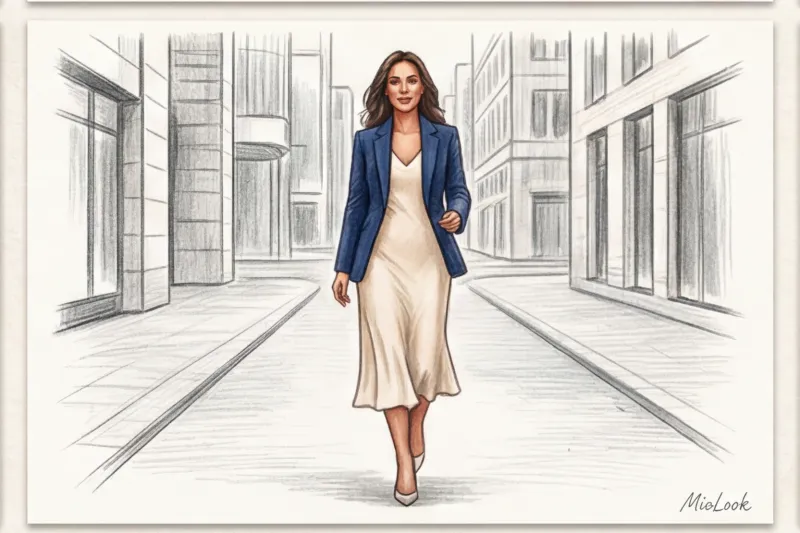
If you need to pick yourself up and be more productive, use mobilizing cut My expert clients, who needed to confidently quote a high price for their services, were always helped by a combination of invoices:
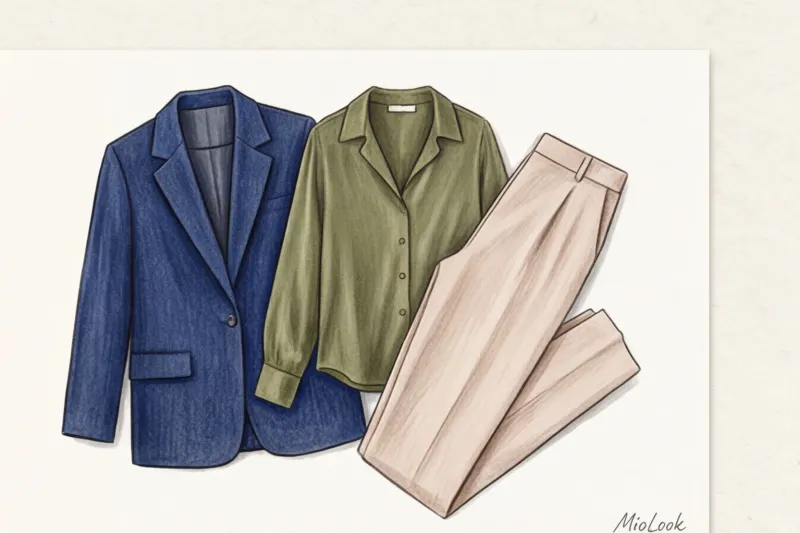
We put on a rigid, structured top (for example, a men's-cut jacket made of a dense wool blend for €120-150) and add a flowing bottom (a slip skirt made of thick viscose). The jacket provides support and status, while the skirt maintains dynamism and prevents the look from becoming too dry. This combo is a pure dopamine rush for everyday work.
The Connection with an Overflowing Closet: Buying "Joy" and Receiving Stress
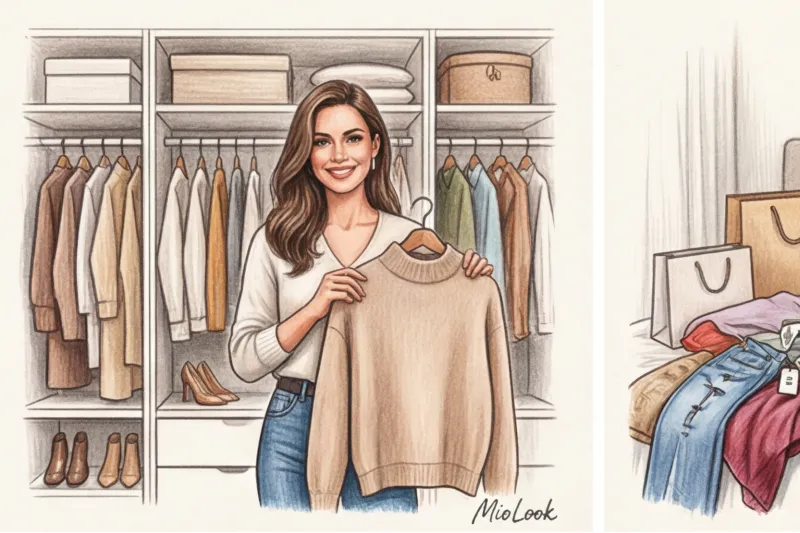
It's a modern paradox: we buy things to treat ourselves, but end up stressed out in the morning by a crowded closet full of clashing items. Buying a bright green bag on sale is a fleeting impulse. Trying to fit it into a wardrobe filled with gray office suits is a daily headache.
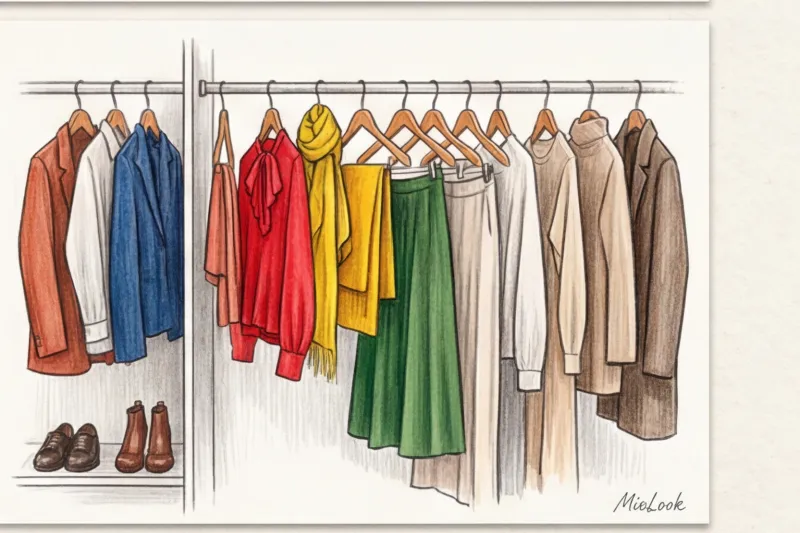
The secret to dopamine-fueled dressing is that each item should work in conjunction with the rest of your wardrobe. This is where technology comes in. If you want to declutter your closet once and for all, I highly recommend the "smart wardrobe" feature in the MioLook app You digitize your belongings (even those random, flashy purchases), and artificial intelligence automatically assembles them into harmonious, wearable capsules for every day. This completely eliminates the cognitive load of mornings.
Checklist: How to Create a Dopamine-Filled Look Without Looking Like a Crazy City Girl
To avoid mistakes, I developed a morning setup routine for my clients. It takes exactly three minutes in front of the open closet:
- Set a task for the day: What do you need today? Focus and concentration? Gentleness and diplomacy? Or protection from a toxic environment?
- Select the texture: Hard wool for protection, soft knit for comfort, smooth silk for lightness.
- Add a color from your palette: Find a shade that complements your natural contrasts. If you're a brunette with striking features, choose a rich cobalt. If you're blonde with light eyes, choose a sophisticated dusty blue.
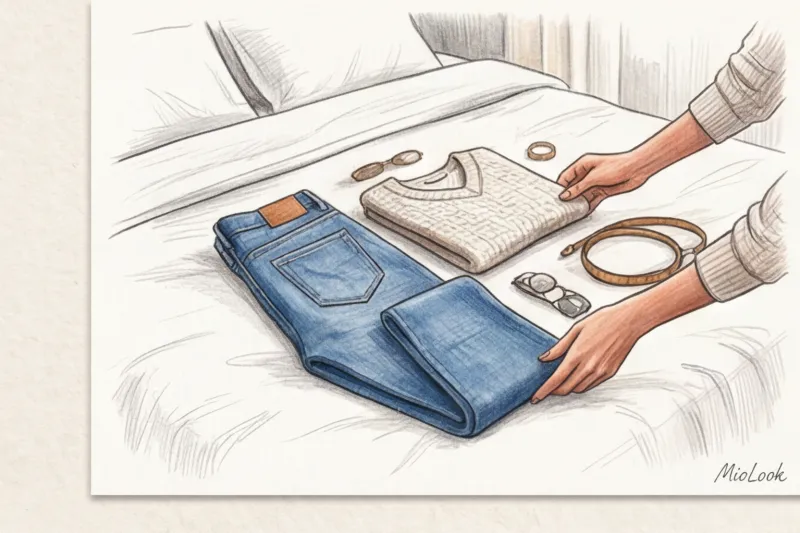
- Balance the emphasis: If you've chosen a bright sweater, keep your pants basic (for example, high-quality denim or camel-colored palazzo pants from trusted brands like Massimo Dutti).
Summary: Your Personal Mood Control Panel
Clothing has long ceased to be simply a cover for nakedness. It's an interface between your inner state and the outside world. The influence of clothing on self-esteem is colossal, but this mechanism works not through blindly copying trends, but through a deep understanding of your body, your colors, and your textures.
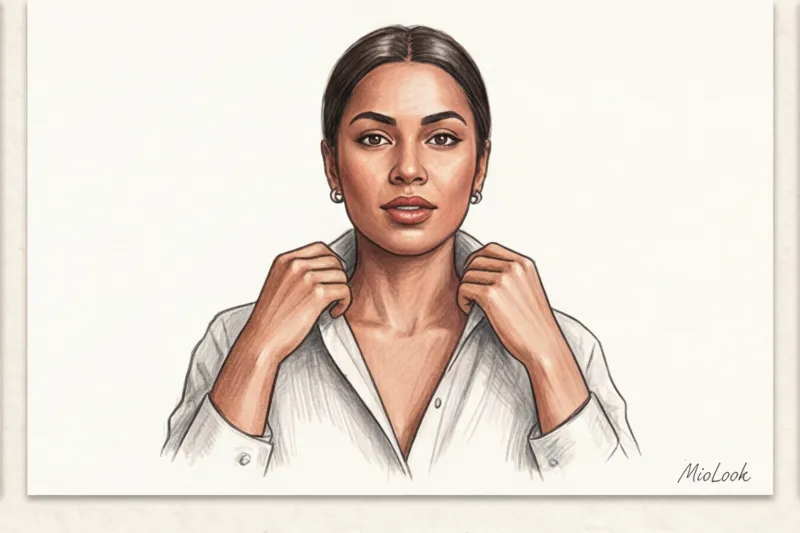
True dopamine-fueled dressing is when a piece embraces you in the way you need it today. Keep only what gives you energy in your closet. Get rid of itchy sweaters, awkward fasteners, and colors that "eat you up." Your energy is too valuable to waste on struggling with your wardrobe.
Access to MioLook for €0.99 — one-time payment
A smart AI stylist will select the perfect look from your own clothes and help you find your style without unnecessary stress.
Get access — €0.99 once