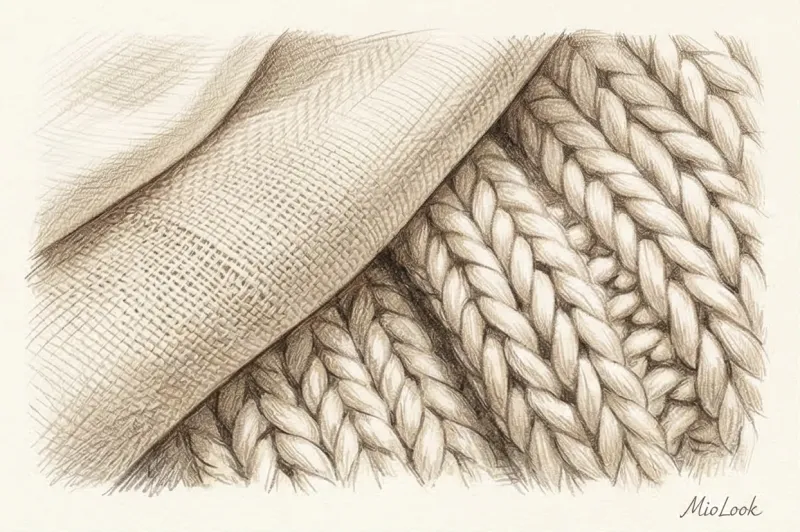
What is the color ecru?
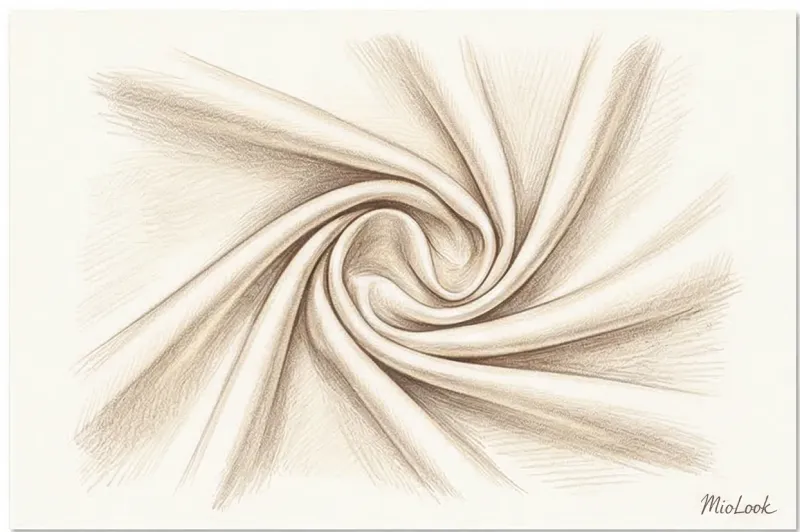
Ecru - It is a pale grayish-yellow or very light beige shade that replicates the natural color of untreated silk or linen.
The name comes from the French word écru , which translates as "raw" or "unbleached." Historically, this term was used exclusively to describe natural fabrics in their original state, before the use of chemical bleaches or dyes. Today, ecru is perceived as a standalone basic color. It is widely used in clothing, footwear, and accessories, serving as a softer alternative to classic white.
Distinctive features of the shade
The complex structure of ecru is due to subtle hints of gray and yellow. This characteristic makes it visually deeper and more multifaceted than pure white.
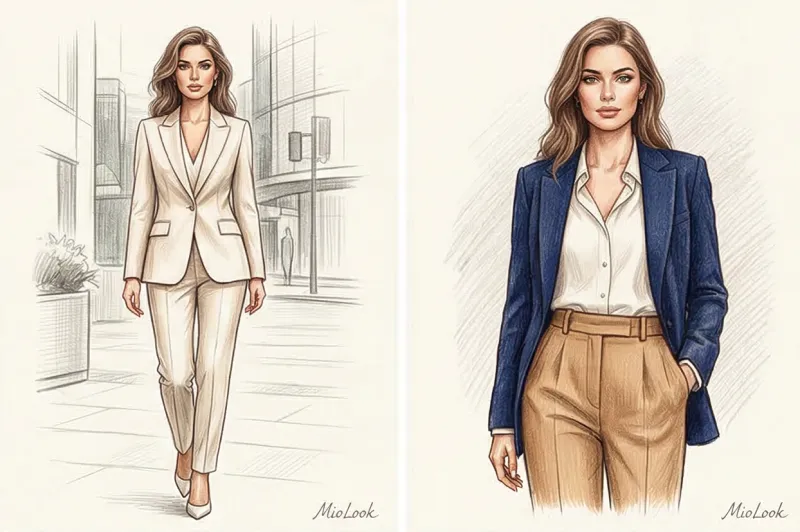
Unlike cream, ecru contains less yellow pigment. Compared to ivory, ecru has a more pronounced grayish-beige undertone. Thanks to this composition, the shade doesn't create a sharp contrast with the skin, gently highlighting the face and not accentuating redness.
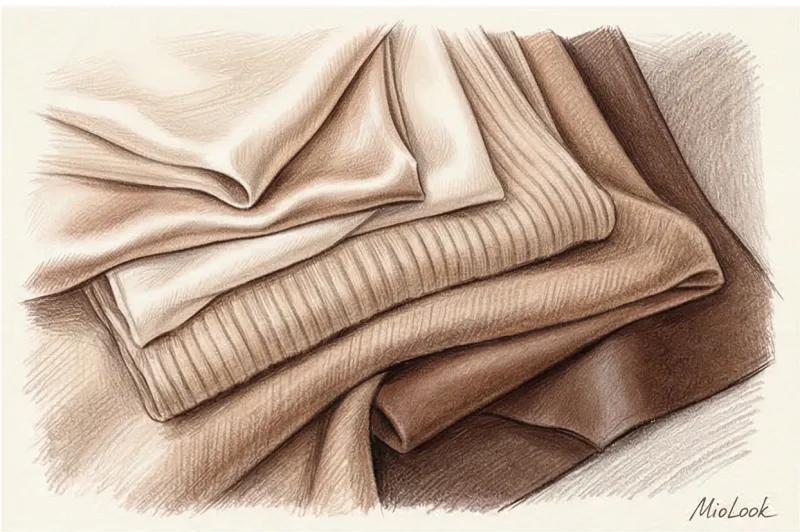
In the wardrobe, ecru is firmly associated with the aesthetics of "quiet luxury" (old money). It reveals its true colors best when paired with premium natural materials: cashmere, wild silk, dense cotton, and linen.
What to wear with ecru
The shade easily integrates into everyday and business looks thanks to its neutrality.
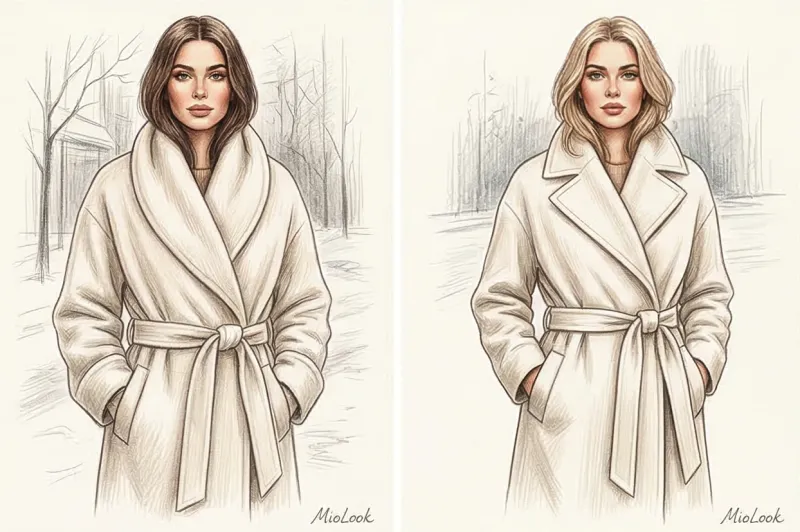
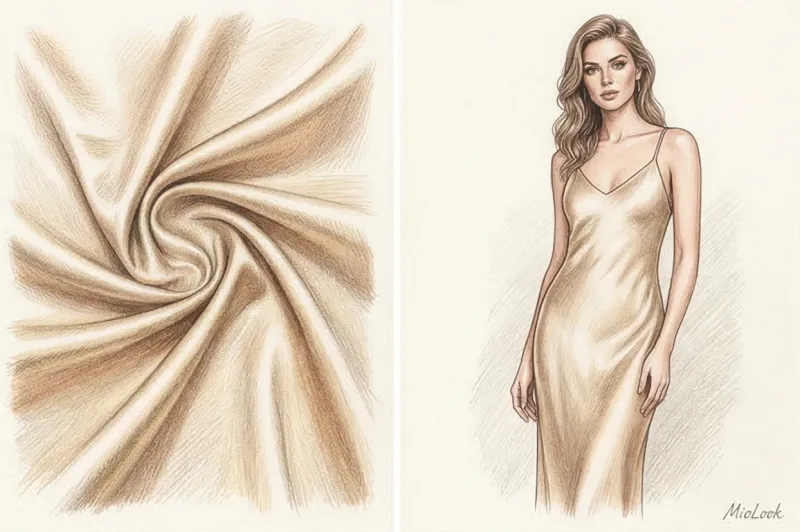
Monochrome ensembles (total looks) in ecru rely on contrasting textures. A voluminous chunky-knit wool sweater looks harmonious when paired with a smooth satin or silk skirt in the same tone.
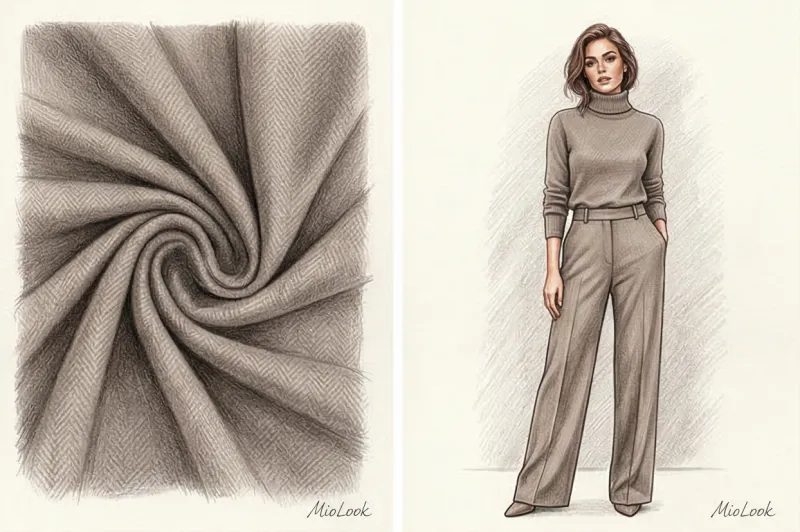
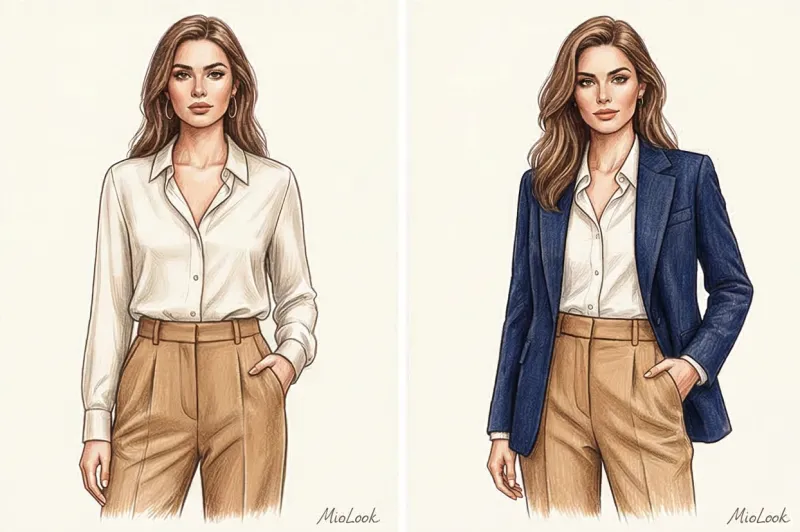
In classic combinations, ecru softens dark elements of clothing. A light blouse under a navy blue jacket or wide-leg ecru trousers with a charcoal cashmere turtleneck create a clean, yet not overly harsh, silhouette.
The color creates harmonious combinations with a warm, natural palette. It pairs well with caramel, chocolate, olive, and terracotta—for example, a camel coat over an ecru dress. For summer ensembles, ecru is paired with pastel tones, such as muted dusty pink, pistachio, or light blue denim.