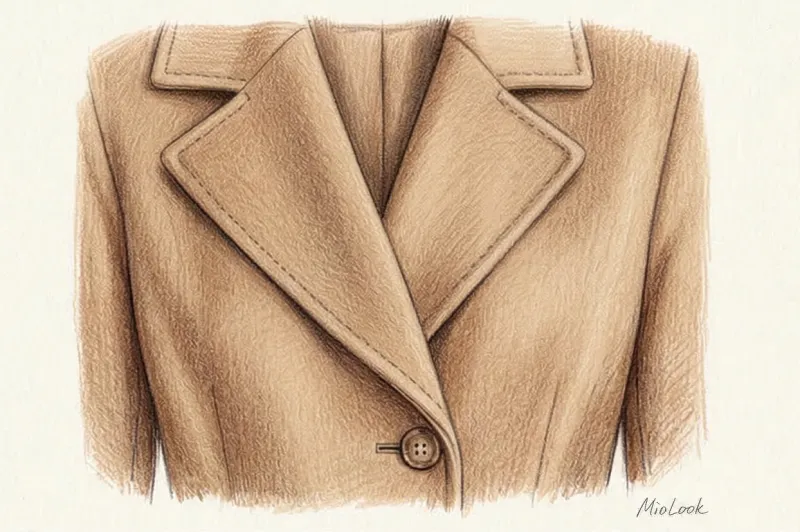
Camel color is a warm, light brown neutral shade characterized by a distinct sandy or golden undertone. It sits between pale beige and medium caramel on the spectrum, offering a rich earthy appearance. Designers primarily use this hue for classic outerwear, knitwear, and leather goods.
What Shade Is Camel Color?
When people ask what shade camel is, they are usually looking for a precise definition within the vast spectrum of neutral tones. Camel is not just a simple brown; it is a sophisticated blend of yellow, brown, and a touch of red, which together create its signature golden warmth. Unlike flat beige, which can sometimes appear washed out, camel possesses an inherent richness. This depth allows it to function as a highly versatile foundation for both everyday outfits and formal attire.
The hue takes its name directly from the natural hair of a camel, which exhibits this exact sandy, sun-baked tone. Because it mimics a natural fiber, the color carries an organic, grounded feel that resonates well across different seasons, though it is most heavily favored in autumn and winter collections.
The History of the Camel Colour in Fashion
The camel colour first gained significant traction in the early 20th century. Originally, manufacturers used actual camel hair to produce warm, durable fabrics for menswear. The classic double-breasted polo coat emerged from this era, becoming a symbol of sporting elegance and upper-class leisure. As textile manufacturing evolved, designers began replicating the distinctive shade using sheep's wool and synthetic blends, making the color accessible to a broader audience.
The shade reached true iconic status in 1981. That year, the Italian luxury brand Max Mara introduced the 101801 coat model. Crafted from a plush blend of wool and cashmere, this double-breasted, slouchy coat cemented camel as a permanent fixture in women's fashion. Today, a camel coat remains a definitive wardrobe staple. The color is inextricably linked to the quiet luxury aesthetic, representing understated wealth, timeless elegance, and a preference for enduring quality over fleeting trends.
Distinctive Features and Popular Variations
Classic camel belongs strictly to the warm color family. This inherent warmth is the primary characteristic that prevents it from being confused with taupe, which has a cool, greyish cast, or chocolate, which is significantly darker and heavier. While the traditional shade is universally recognized, the fashion industry utilizes a broader palette that ranges from pale, sandy tones to deep, almost terracotta variations.
| Shade Name | HEX Code | RGB Values | Best Suited For |
|---|---|---|---|
| Pale Camel | #D4B996 | 212, 185, 150 | Summer linen, lightweight knitwear, silk blouses |
| Classic Camel | #C19A6B | 193, 154, 107 | Wool coats, cashmere sweaters, leather accessories |
| Dark Camel | #A07855 | 160, 120, 85 | Heavy winter outerwear, suede boots, structured bags |
Best Fabrics for the Camel Shade
A color's impact relies heavily on the texture of the material it dyes. Camel reveals its fullest, most luxurious beauty on natural fibers that can absorb and reflect light dynamically. Smooth, high-quality wool and pure cashmere are the ultimate canvases for this shade, as their soft surface amplifies the golden undertones.
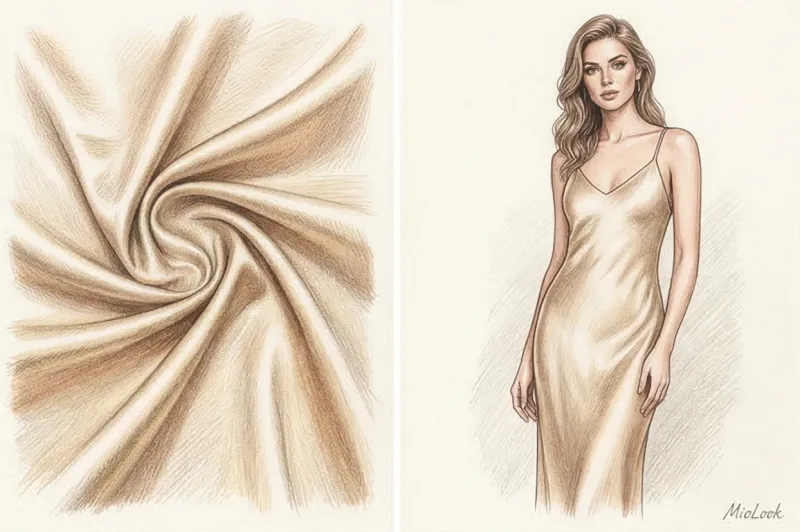
Thick suede is another excellent medium. A light sand camel on a textured suede jacket creates a rugged yet refined look, perfect for transitional weather. Matte leather in this hue offers a softer alternative to harsh black or stark white accessories, making camel-colored bags and shoes highly sought-after. Conversely, synthetic, shiny fabrics like cheap polyester or satin can make the color appear flat and artificial, stripping away the elegance that defines the shade.
How to Style and Pair Camel Color
Building outfits around this versatile neutral is intuitive, provided you understand color balance. The shade acts as a grounding element, capable of softening harsh contrasts or elevating simple basics.
Neutral Combinations
In foundational wardrobe combinations, camel looks stunning alongside white, off-white, cream, and black. Pairing a camel coat with a crisp white shirt creates a fresh, expensive-looking contrast. When combined with black, the result is sharp and graphic. A black turtleneck tucked into tailored trousers, finished with a camel overcoat, is a foolproof formula for a polished business or evening look.
Denim Pairings
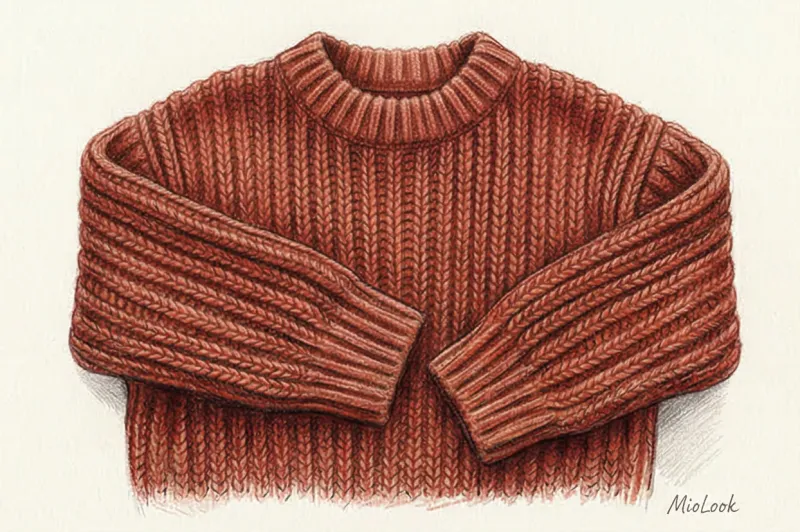
For a relaxed, everyday approach, denim is the perfect partner. A voluminous camel sweater or a tailored blazer complements straight-leg jeans beautifully. The traditional blue indigo shade of denim contrasts with the warm golden tones of the camel, creating a visually appealing, balanced outfit that feels effortlessly chic.
Bold and Vibrant Contrasts
As a background canvas, this color emphasizes the depth of noble, vibrant hues. It pairs exceptionally well with jewel tones. Emerald green, deep burgundy, and navy blue all look richer when placed next to camel. For a more daring statement, classic bright red accessories or garments create a striking, high-energy contrast against the muted earthy background.
Monochromatic Looks
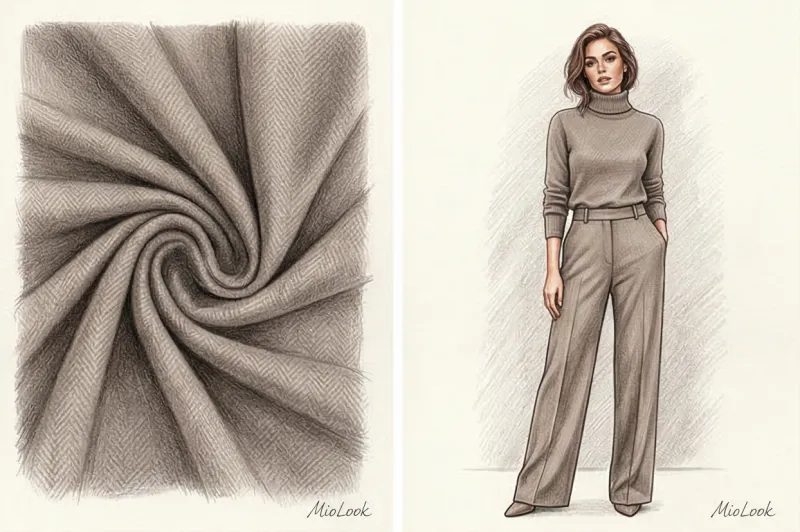
Monochrome styling in camel shades visually elongates the silhouette while projecting immense sophistication. Wearing varying tones of the same color family—such as pairing a pale camel turtleneck with medium-toned wide-leg trousers and a dark camel coat—creates a cohesive, layered appearance. This tonal dressing technique results in a classy, understated look that maximizes the luxurious appeal of the shade.