What are achromats?
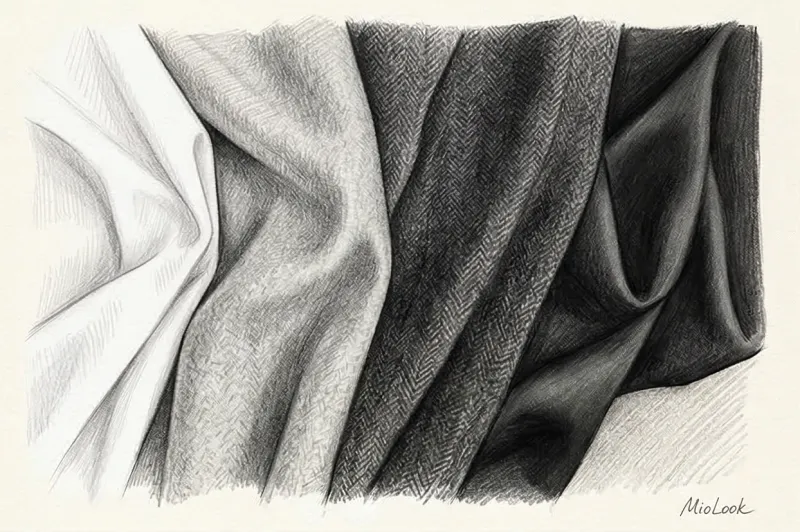
Achromats (Achromatic colors) are shades completely devoid of hue and spectral characteristics. This group includes exclusively black, white, and all intermediate shades of gray.
The term itself comes from the Greek word "achromos," which literally translates as "colorless." In color theory and fashion design, achromats differ from chromatic (colored) shades in that they share only one physical characteristic: lightness. Pure achromats, without impurities, completely lack saturation and temperature.
When creating a wardrobe, these colors serve as a completely neutral base. Physiologically, they don't cause color irritation to the optic nerve, so they are perceived by the eye as a calming backdrop for other elements of the outfit.
Main types
The achromatic palette consists of three basic components, each of which performs its own visual task in the silhouette.
White It has the highest lightness and reflectivity. In clothing design, it visually expands the boundaries of an object, adds a graphic quality to the image, and highlights the texture of the material, such as the density of starched cotton or the smoothness of satin.
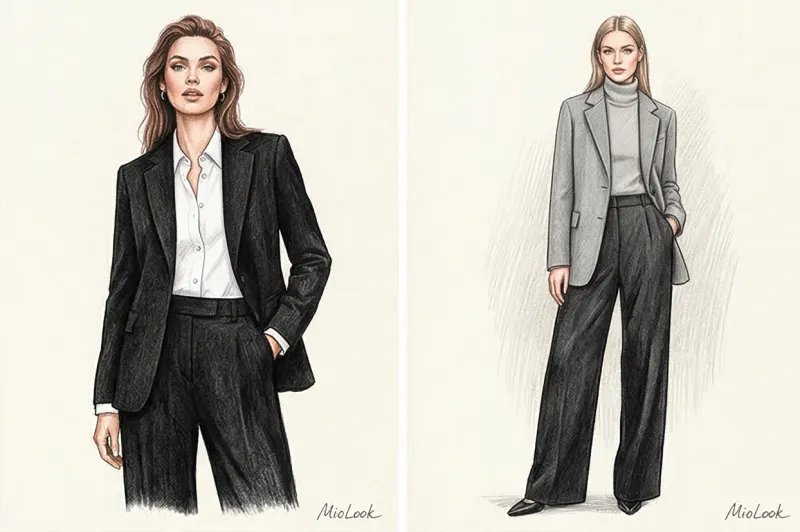
Black It has zero lightness and completely absorbs light rays. It creates a clear outline, visually cinches the figure, and conveys austerity. Black is often used in classic tailoring—from tuxedos to formal sheath dresses.
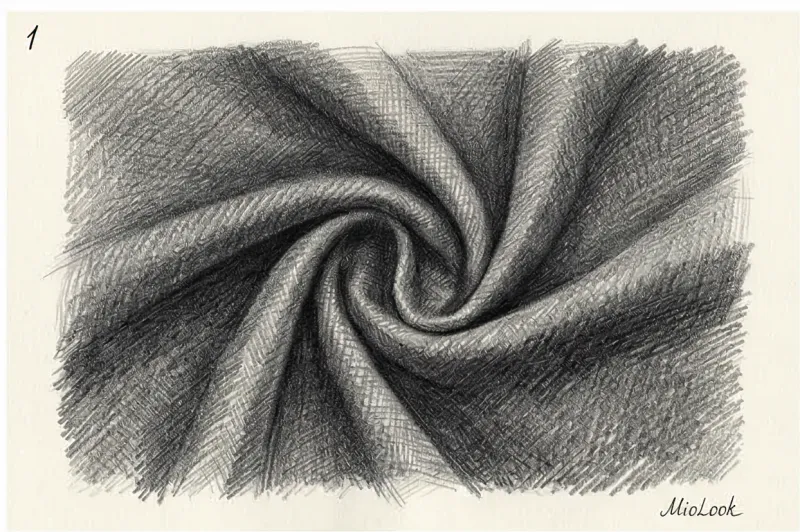
Gray Gray represents an intermediate step between black and white. It encompasses a wide range of gradations, from light pearl gray to dark charcoal. In both business and casual wardrobes, gray is considered the most adaptable neutral color, softening sharp lines.
How to use
In clothing styling, achromatic palettes are used in several classic techniques that allow for control of proportions and focus.
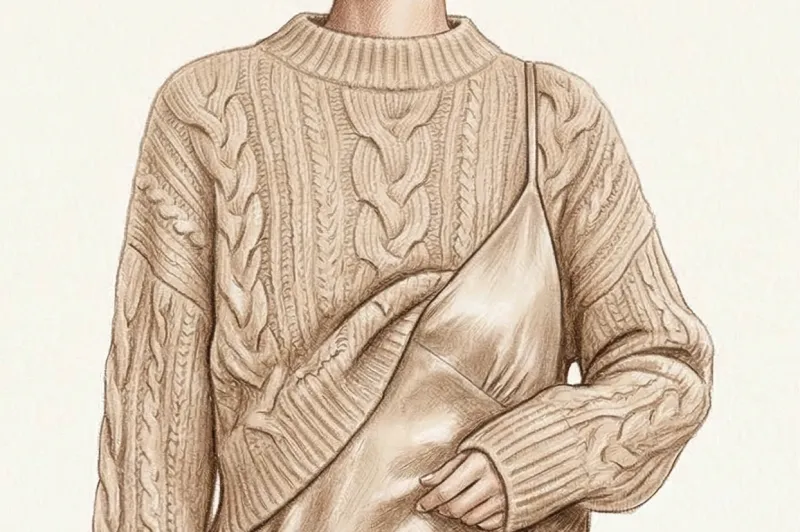
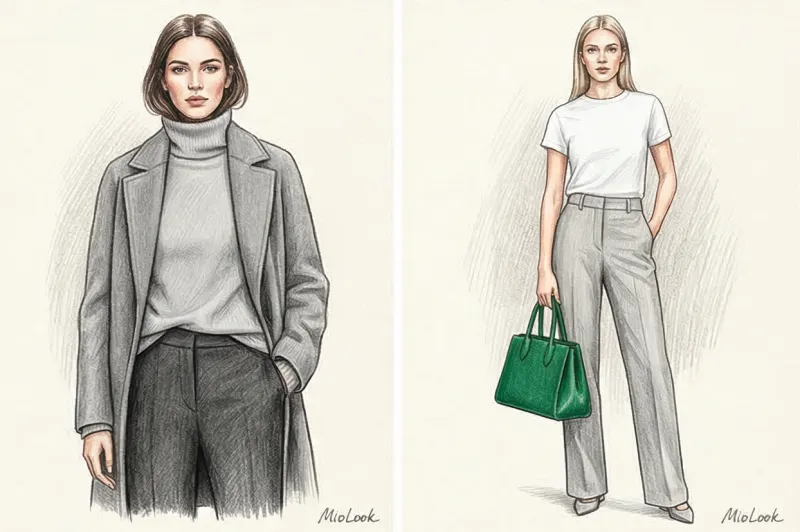
Achromatic Total Look This approach involves creating a look in a single color (Total Black, Total White) or creating a layered ensemble using different shades of gray. The lack of color contrast in such outfits is compensated for by the variety of textures. The combination of smooth leather, fluffy mohair, and dense wool in the same shade creates a voluminous silhouette.
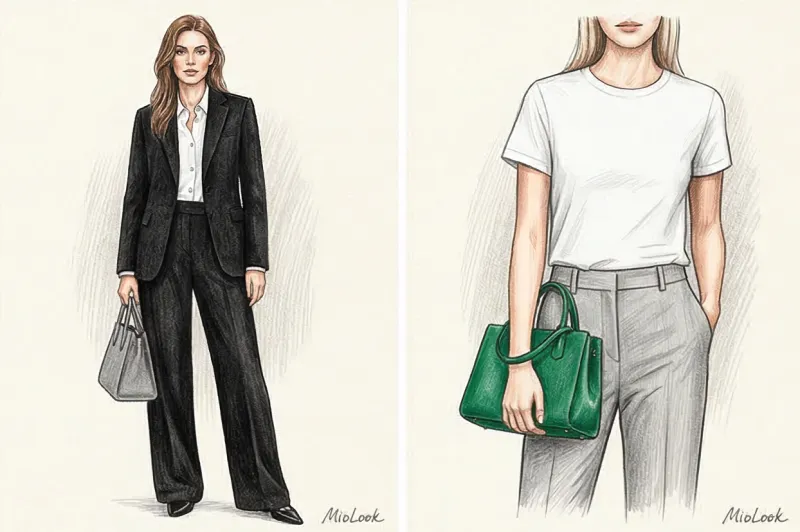
High-contrast combinations are based on the use of polar achromats in a single outfit. A classic example is a black pantsuit paired with a crisp white shirt. This technique creates a clean, graphic silhouette, typical of business dress codes and minimalist styles.
Base for chromatic accents Achromatic tones make the perfect backdrop for vibrant details. Light gray trousers or a basic white T-shirt offer the opportunity to seamlessly integrate a statement piece into the look. For example, a red jacket or emerald bag looks striking against this backdrop without being visually overwhelming.