What is ivory?
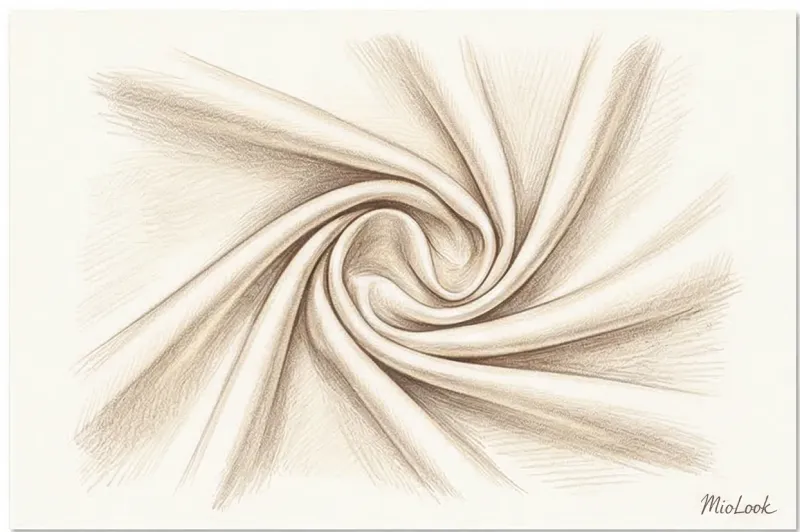
Ivory (ivory) is a complex shade of white with a slight yellowish or creamy undertone, visually imitating natural ivory.
Read also our full guide: Fashion Color Names and Shades: A Stylist's Guide
Unlike pure snow-white, which has a cool, bluish glow and can appear harsh, ivory is perceived by the eye as a softer, warmer, and more natural shade. Historically, this color was associated with luxury and high status due to the high cost of its natural material. This cemented its popularity in wedding and evening wear, and later in everyday and business attire.
Main types
Depending on the predominant color nuance, there are several variations of this shade:
- Paper ivory: the lightest version of the palette, as close as possible to classic white, but lacking its frosty harshness.
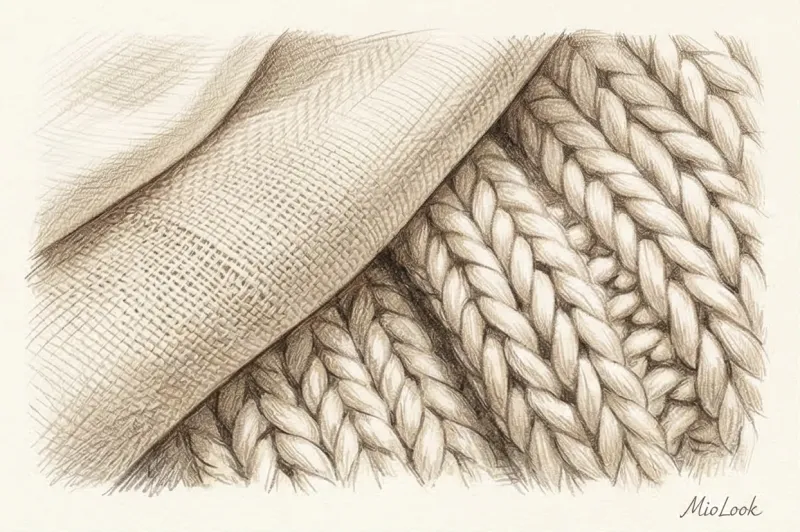
- Beige ivory: has a distinctly warm, flesh-toned undertone. Often used in the production of basic cashmere knitwear and wool outerwear.
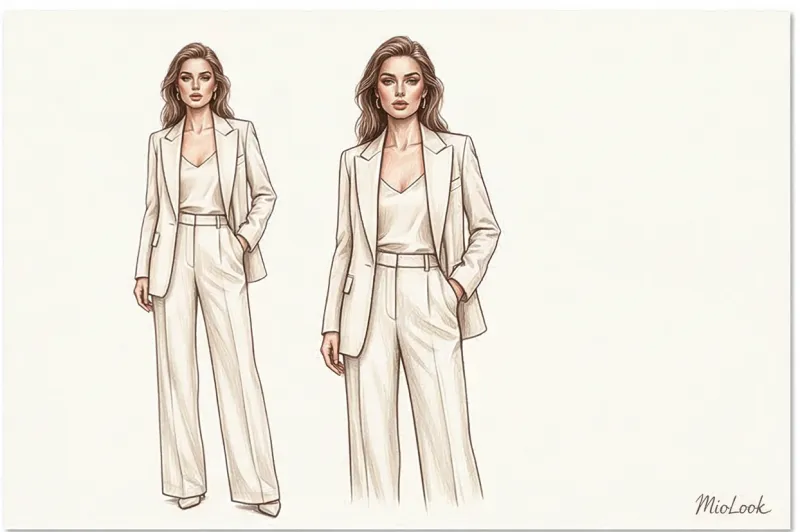
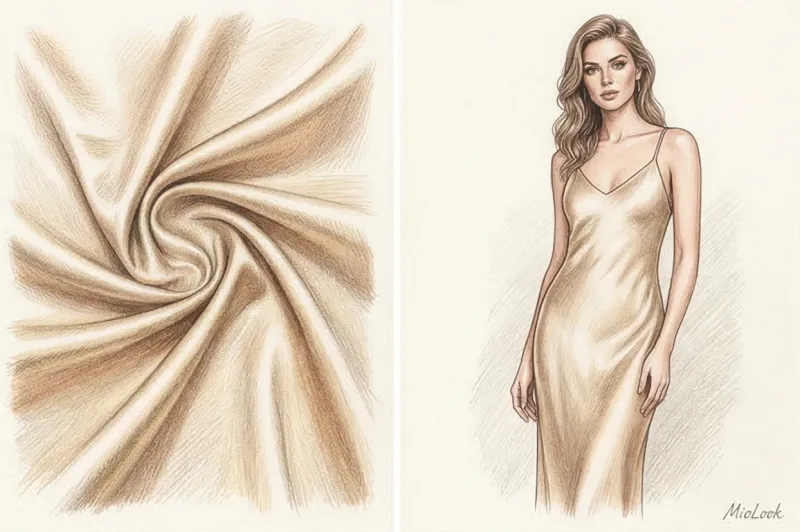
- Pink ivory: contains a subtle powdery pink nuance that reveals itself especially well on smooth textures such as silk and satin.
- Peach ivory: a warm shade with a slight presence of yellow-orange pigment, traditionally used in summer collections made of cotton and linen.
What to combine with
Ivory serves as a universal base and allows you to create both contrasting and monochrome sets.
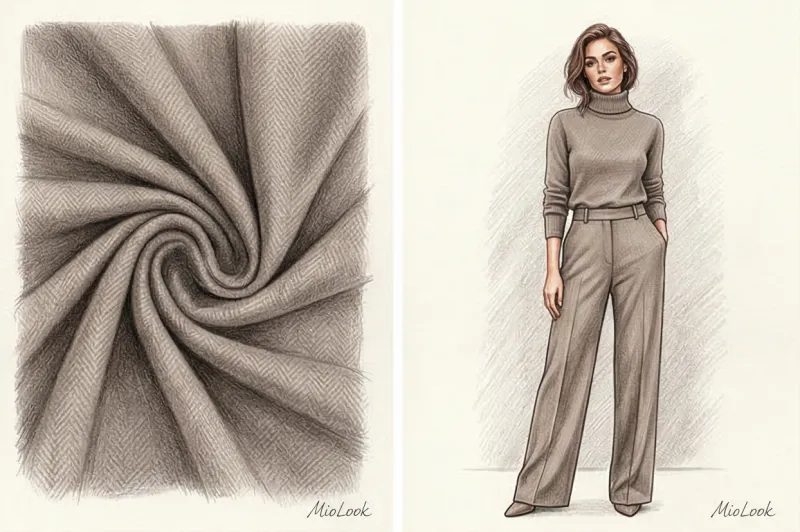
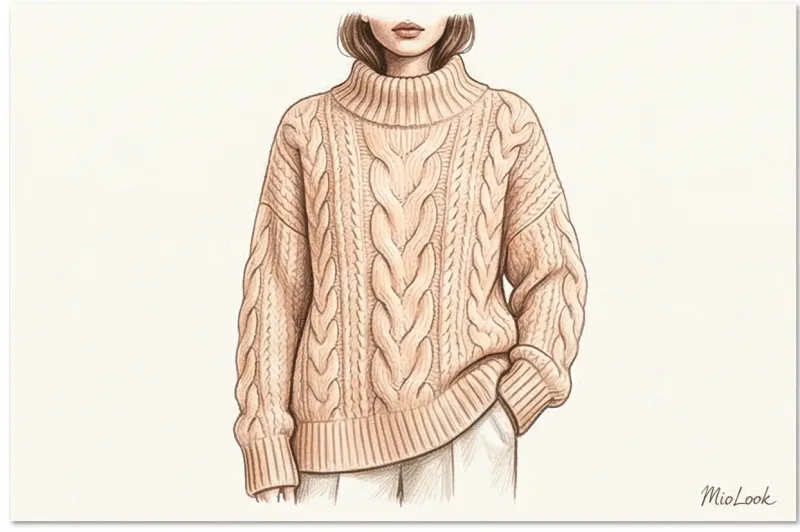
- Monochrome looks (Total Ivory) Combining different textures in a single shade creates a classy look without being overpowering. An example is a smooth silk blouse paired with thick wool trousers.
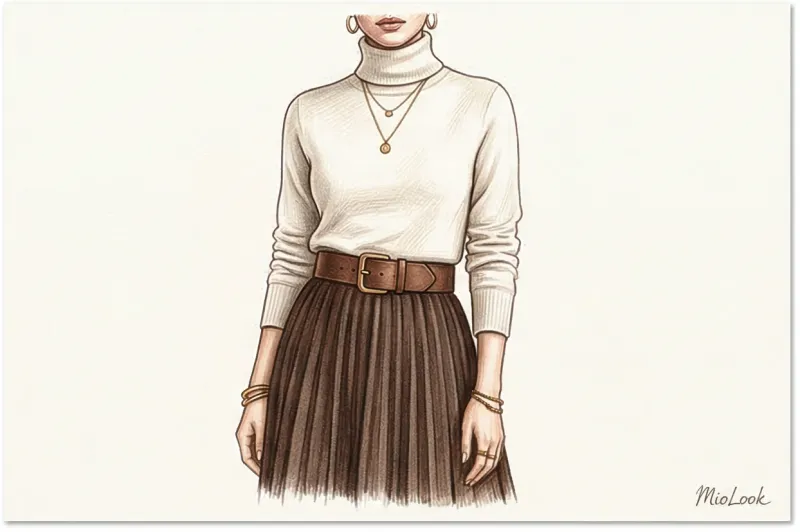
- Classic contrasts: Ivory works harmoniously with deep dark colors such as navy, emerald, burgundy and chocolate, softening their severity.
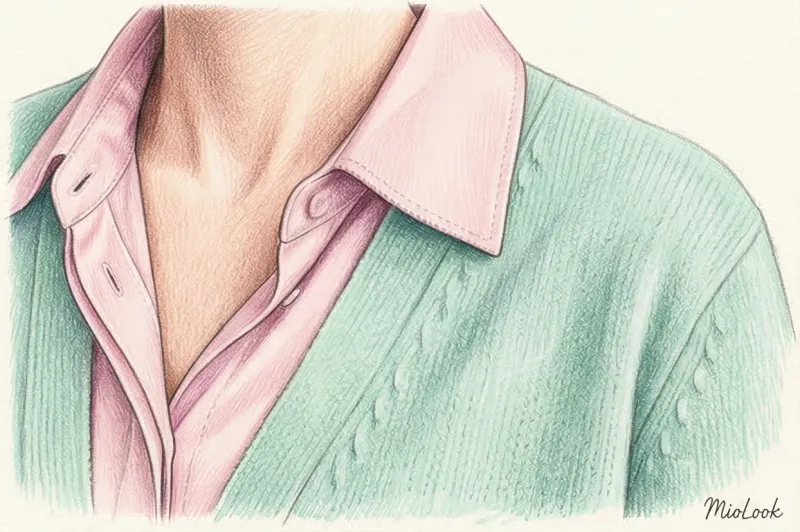
- Pastel palette: The shade easily combines with powder, dusty pink, pistachio and light blue to create soft, relaxed looks.
- Accessories: Due to its warm undertone, ivory clothing pairs best with yellow gold or brass fittings and jewelry, while cool silver can create visual disharmony.