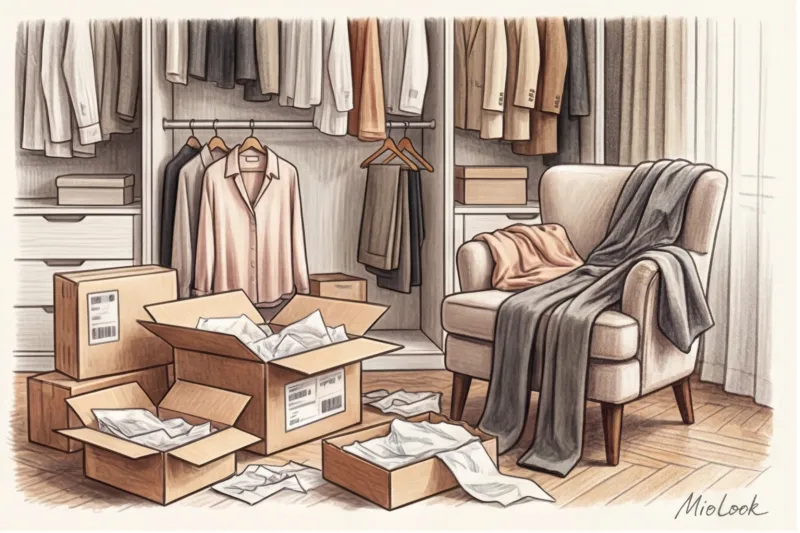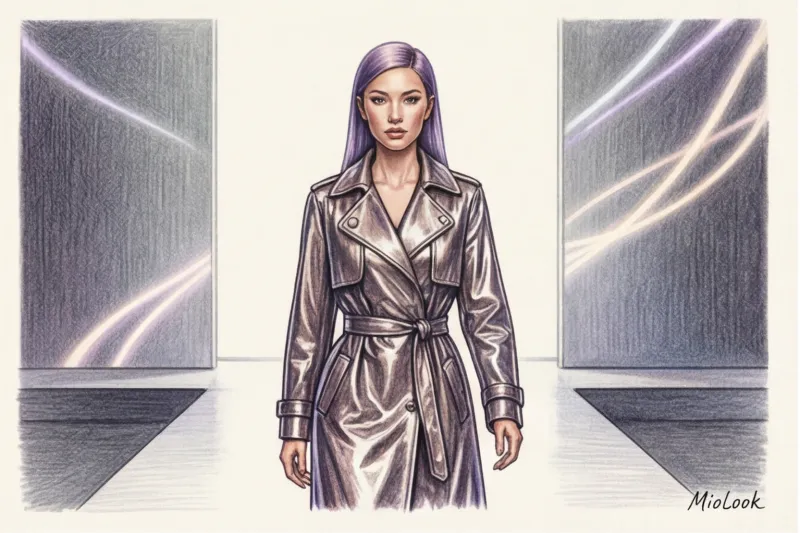
Last month, my client Anna sent me a link to an incredibly beautiful flowing silk dress. For €850, the brand promised a perfect fit, and in the Instagram photo, it truly looked like a masterpiece of sculptural design. But when the courier delivered the box, we were disappointed: the fabric hung limply, and the famous drape at the waist was bulging. The problem? The woman in the photo modeling the dress never existed.
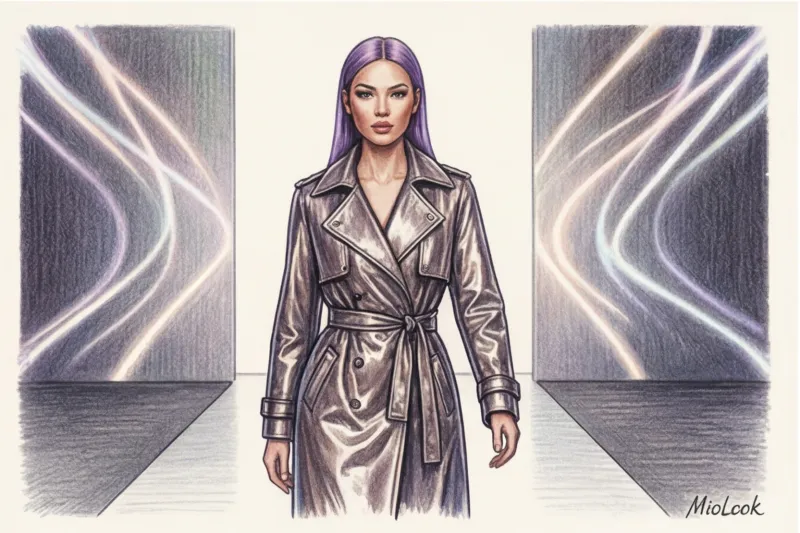
While we are discussing seasonal trends, the industry has been quietly taken over by virtual models for clothing We discussed this global shift in more detail in our The complete guide to neural networks in the fashion industry , but today I want to talk about something else. As a stylist working in the premium segment, I suggest looking at perfect pixels without rose-colored glasses. Why 3D avatars will never replace the fit of real Loro Piana wool, and how to use this technology not as a fun toy, but as a smart tool for saving money on online shopping.
Who are virtual fashion models and how are they taking over the industry?
The evolution of digital faces has been meteoric. Just a couple of years ago, we marveled at Lil Miquela, a freckled Los Angeles girl with millions of followers who "wore" Prada and Chanel while being entirely drawn. Then came Shudu Graham, the world's first digital supermodel, whose flawless dark skin and graceful demeanor led thousands to believe she was a real person.
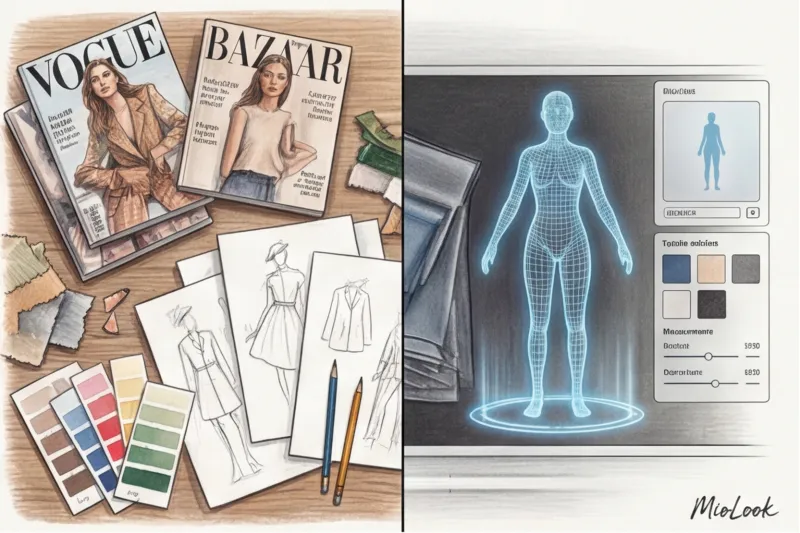
But it's important to understand the technical difference here. The first generation were CGI influencers. Highly paid 3D artists spent weeks creating them. Today, generative AI models rule the roost. Neural networks can "put" any item of clothing on a generated person of the desired build, race, and age in seconds.
This is precisely why mass-market and niche brands are abandoning traditional photo shoots en masse. Why take a team to Tenerife if an algorithm can create the perfect beach and a flawless girl in your swimsuit right on the server? This trend is especially noticeable in Asian streetwear—if you look at how brands are adapting New Jeans style and Korean Y2K , you'll notice that half of the lookbooks there have already been created with the help of AI.
Access to MioLook for €0.99 — one-time payment
A smart AI stylist will select the perfect look for your body type and color type.
Get access — €0.99 onceWhy do luxury brands need non-existent faces?
It would seem logical for the mass market to save money. But why do the oldest fashion houses, with centuries of history, surrender their creations to pixels? The math here is incredibly cynical.
According to McKinsey's "State of Fashion 2024" report, 73% of fashion brand executives consider generative AI a top investment priority. A typical campaign shoot in Paris or Milan involves paying models, photographers, makeup artists, location rentals, catering, and logistics. The budget easily exceeds €50,000–€100,000. Generating a lookbook with virtual models costs 5–10 times less.
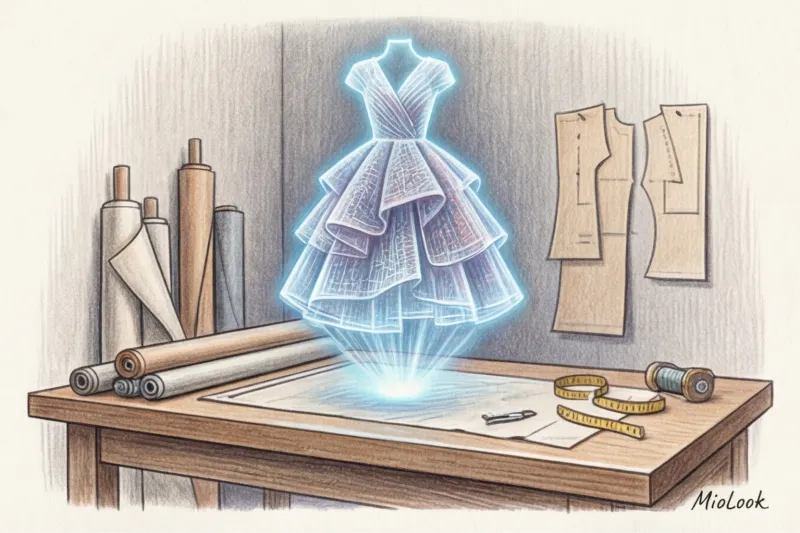
But it's not just about money. Virtual models for clothing give you total control. Think of the famous Balmain campaign, where Olivier Rousteing presented three digital muses: Margot, Shudu, and Zhi. Or Prada's virtual muse, Candy.
"A digital model won't oversleep a flight, won't develop an allergy to makeup, won't require a complicated makeup rider, and, most importantly, will never find herself at the center of a reputational scandal that would devastate a brand's stock," industry insiders bluntly describe the situation.
AI blurs the boundaries between physical luxury and digital art, offering brands flawless ambassadors.
Picture-perfect vs. real fabric: a stylist's perspective
And here's where my favorite part begins. As an expert who works with living wardrobes and premium fabrics every day, I see a huge gap between the screen and reality.
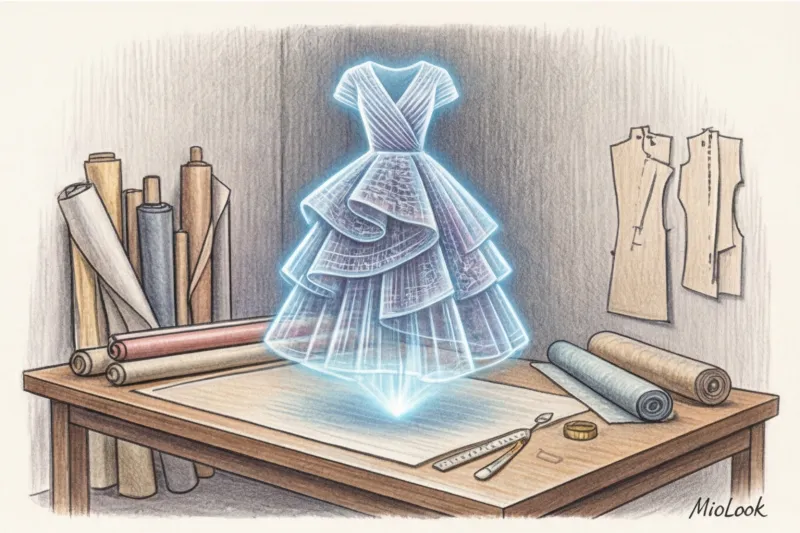
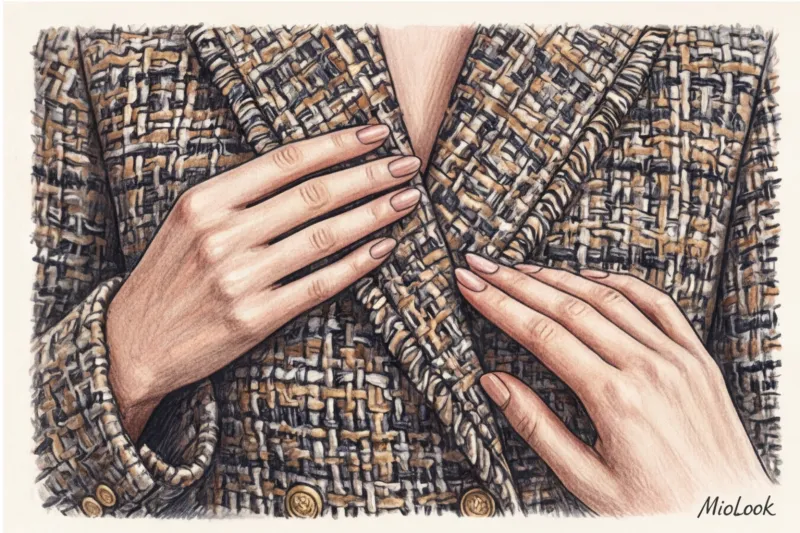
Pixels can't convey texture. On a 3D model, cheap polyester shines like thick Italian silk, and thin acrylic looks like four-thread cashmere. Over 12 years of practice, I've learned the key rule of a high-status wardrobe (which we discussed in detail in the article). about the secrets of the "old mane" style ): Luxury is how fabric interacts with gravity and air.
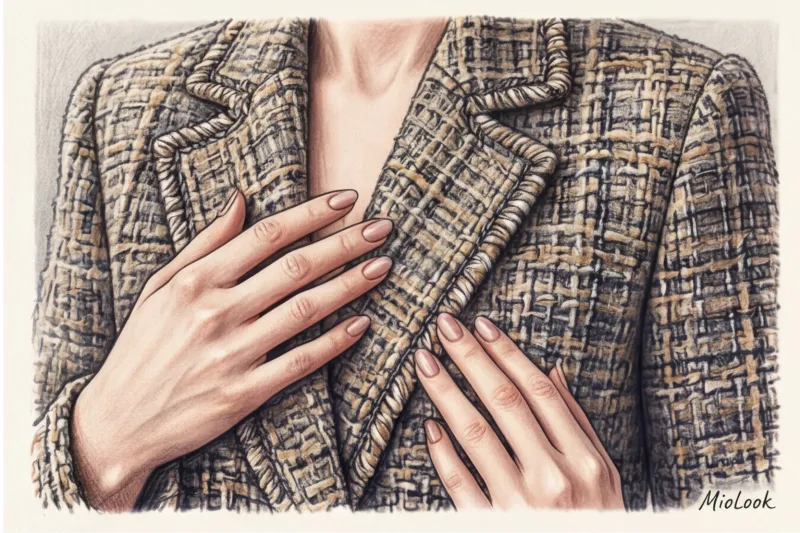
Virtual avatars trick our eyes, creating impossible silhouettes. The stiffness of a tweed jacket, the patina of genuine leather, the way a heavy wool skirt gently slaps against your legs as you walk—AI can't yet simulate this physical weight. This creates the illusion of a proper fit: on a digital model, the garment doesn't bunch up at the stomach or feel tight at the shoulders.
Moreover, the problem of the "uncanny valley" in styling arises. An overly perfect, polished look, without a single wrinkle on the fabric, looks flat and, paradoxically, cheap. A slight carelessness and the dynamism of the human body give life to a garment.
Your perfect look starts here
Join thousands of users who look flawless every day with MioLook. Upload your items and let the AI assemble a capsule.
Get access — €0.99 onceFrom Instagram Influencers to Your Smart Wardrobe
Does this mean technology is useless for real women? Absolutely not. A real revolution is happening now: virtual models are transforming from unattainable influencers into utilitarian assistants on your phone.
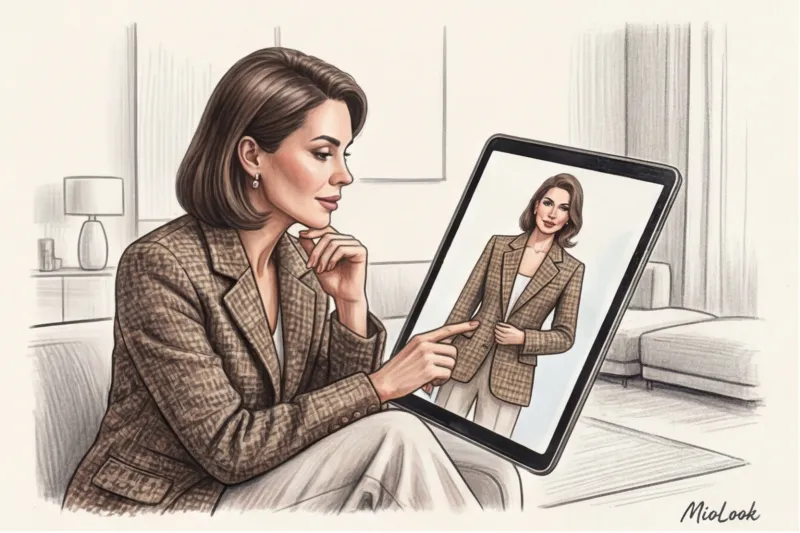
Today, we're seeing a rapid shift toward virtual try-on technologies. You're no longer looking at an unattainable Shudu. You scan your body, upload it to an app, and an algorithm creates a personal, mathematically precise 3D replica of yourself.
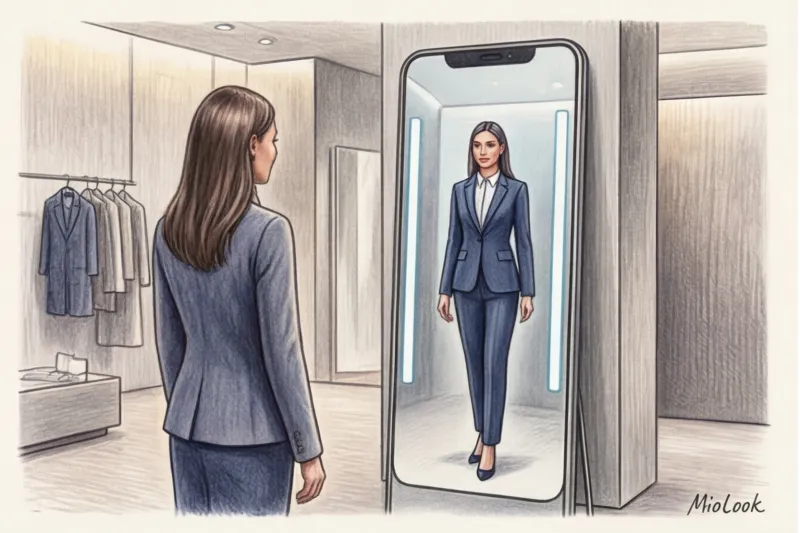
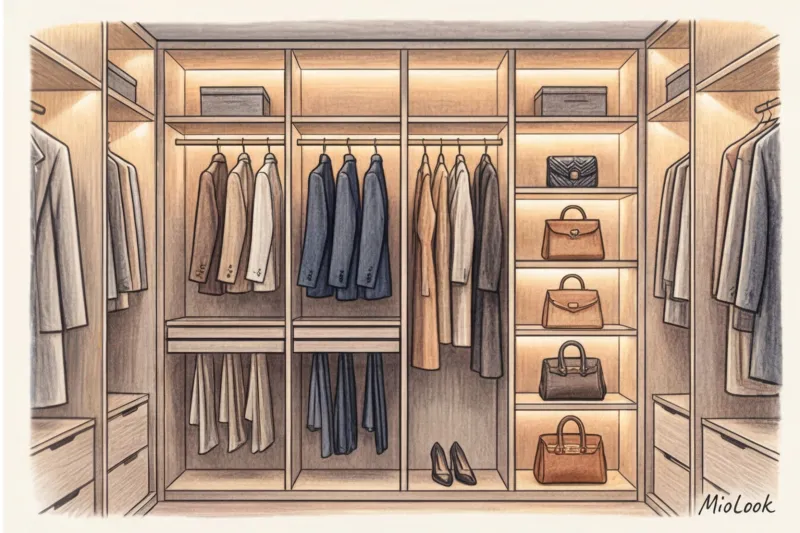
I personally tested several of these services before recommending them to my clients. creating a capsule wardrobe For example, using the "smart wardrobe" feature in MioLook , you can not only overlay photos of clothes on yourself but also analyze how a new €150 item will fit into your existing outfits. The AI analyzes proportions and color palette, acting as your personal pocket stylist.
How virtual try-ons reduce shopping errors
Before the introduction of AI fitting rooms, online stores were overwhelmed by returns. According to e-commerce statistics, up to 40% of purchased clothes were returned with the label "wrong size" or "doesn't fit right."
The introduction of personalized virtual shopper avatars has reduced this figure to 30%, and in some niches, almost halved. Creating your own digital mannequin is the best investment in error-free online shopping. You can see in advance where a jacket will be too tight, and where trousers will treacherously distort the proportions of your legs.
Will virtual models replace live ones?
Sounds scary for modeling agencies, right? But let me express an unpopular opinion. AI won't kill the modeling profession. It will make it elite.
The market is facing severe polarization. The budget segment (items in the €30–€80 range) will be completely relegated to generation. Mass-market catalogs will feature exclusively neural-networked women.
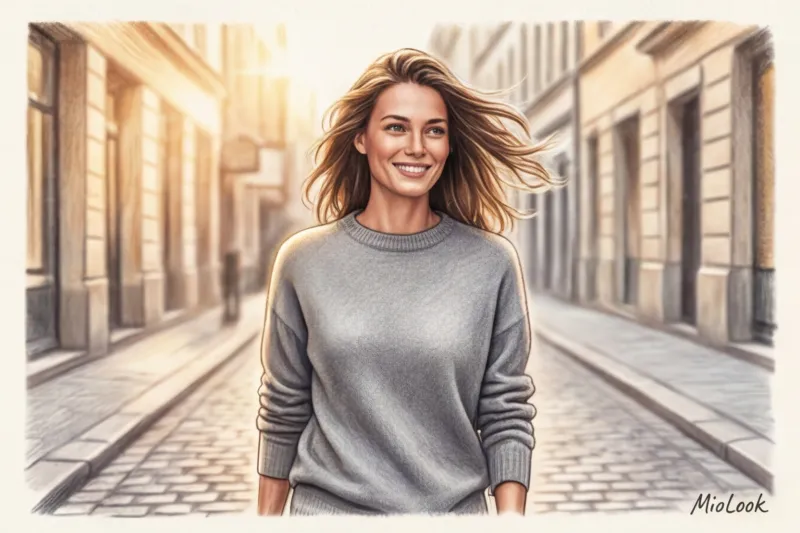
But for high-end luxury, the use of real, imperfect people will become the ultimate status symbol. Crow's feet, uneven skin tone, windblown hair, genuine emotions, and tactile sensations—this is what will become the new luxury. Physical fashion shows with live top models will become closed, insanely expensive performances, inaccessible to the masses. We will begin to value humanity again.
Ready to get started?
Try the MioLook plan for free—no commitments required. Digitize your wardrobe in minutes.
Get access — €0.99 onceChecklist: How to Use AI Modeling for Yourself
Technology only works for you when you understand its rules. Here's my quick guide on how to adapt virtual trends to real-world shopping.
1. Learn to recognize fake landings
If you're buying an item online and suspect the photo is of an AI model, look at the armpits, shoulder seams, and hem. Neural networks often ignore the laws of gravity: heavy fabric can't hang perfectly straight without a single wrinkle. If the item looks like plastic armor, it's likely to lose its shape in real life.
2. Use virtual fitting correctly
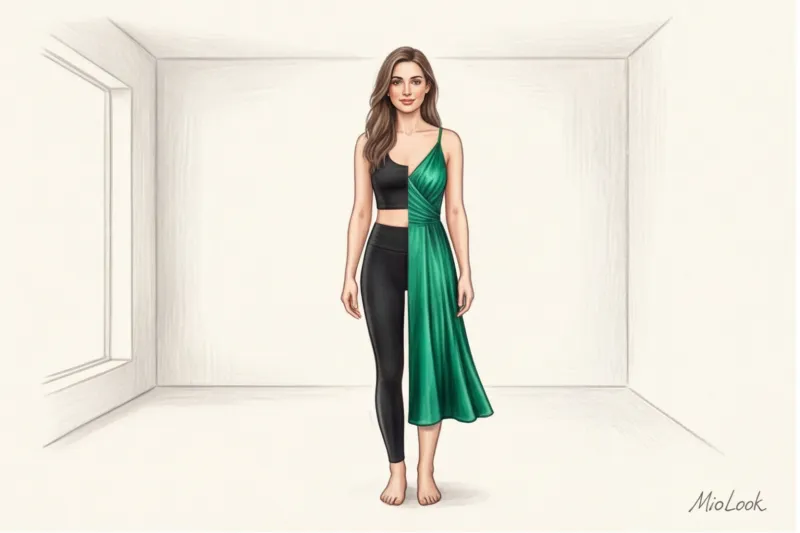
This technology has its limitations. It works great for basic items (T-shirts, classic jeans, straight coats). But it doesn't work for complex deconstructed garments, oversized draped pieces, or asymmetrical cuts. The algorithm can't yet predict how a complex dart will behave in motion.
3. Build your wardrobe from the basics, not from the picture
Instead of being fascinated by how 90s style sits on generated Bella Hadid, use apps like MioLook To test its usability. Found the perfect trench coat for €250 in the store? Upload a photo of it to the app and see if it matches at least three pairs of your shoes and bags.
We live in an exciting time when digital technology frees us from routine. The main conclusion I suggest you draw is this: let virtual models sell perfect images, and use AI as a cold, calculating tool to create your own real, flawless, and tangible style.