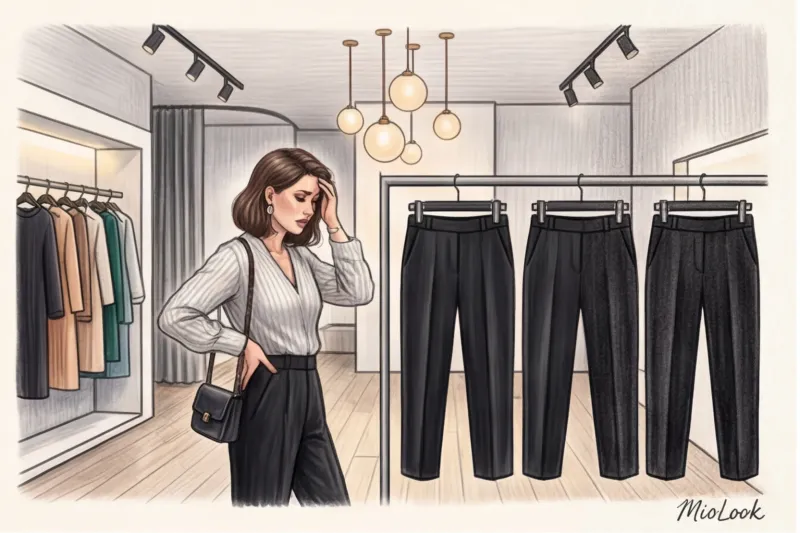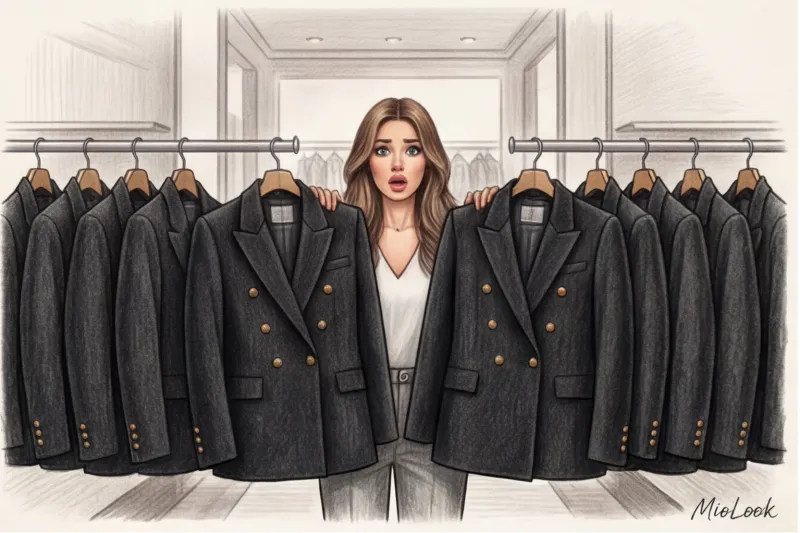
Last week, a client of mine dropped off a €1,500 shopping cart at a well-known luxury online boutique. She was looking for the perfect double-breasted jacket in heavy wool. She found it. But as soon as she added it to her cart, the website helpfully dumped a "You might also like" section on her... with six other black double-breasted jackets.
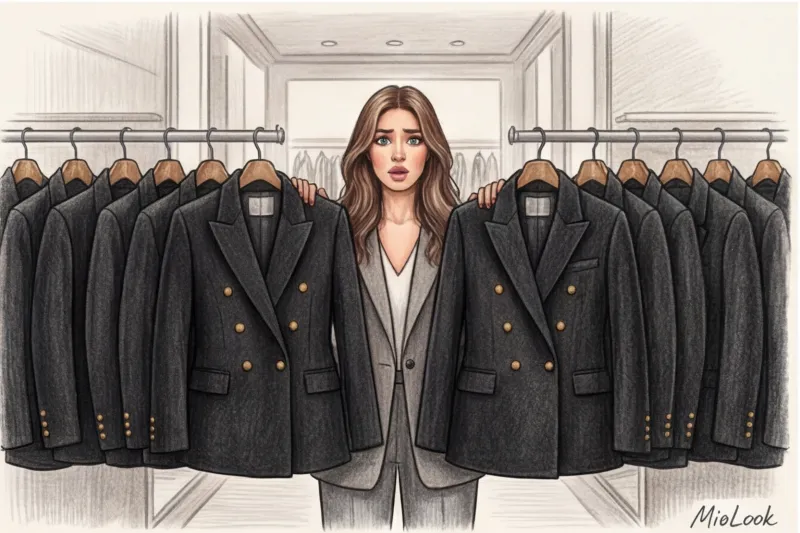
Why did she need seven identical jackets? She needed a pair of wide, mid-rise palazzo pants, soft leather loafers, and maybe a basic silk blouse to make the jacket wearable. Instead of helping her put together the look, the store left her hesitating. Choice paralysis set in, and she simply closed the tab.
Let's be honest: the "Similar Products" block on a product page is a silent conversion killer. And today I want to tell you why a high-quality recommendation system for an online clothing store should think not in terms of pixels and mathematical similarities, but in terms of a capsule wardrobe, situationality, and compatibility. We discussed the technical aspects of this transition in more detail in our The Complete Guide to Personalization in E-Commerce , and now let's look at the algorithms through the eyes of a stylist.
Choice Paralysis: Why Classic Algorithms Are Killing Conversion in Fashion Retail
Buying clothes, especially in the mid-up and premium segments, isn't about buying "fabric and stitches." It's about buying wealth, status, and a solution to the "I have nothing to wear to tomorrow's presentation" problem. When a store offers dozens of similar items, it shifts the burden of style onto the customer.
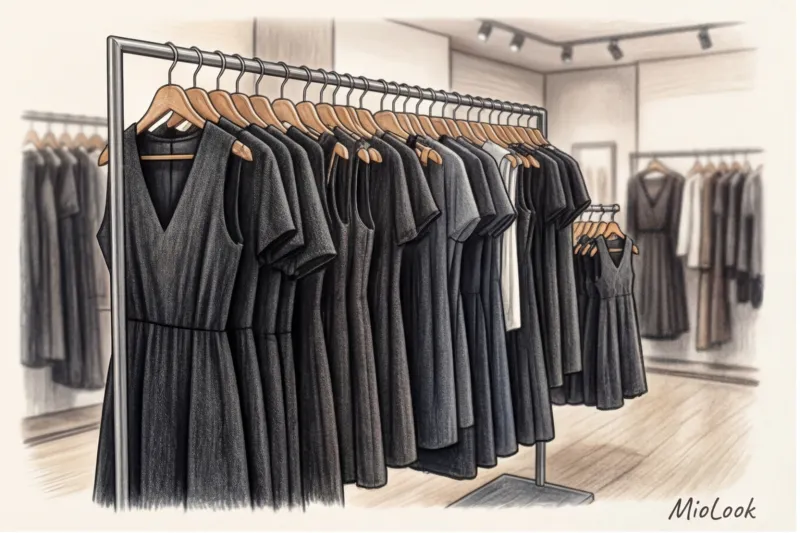
In psychology it's called decision fatigue (Decision fatigue). According to a 2023 study by the Baymard Institute, an overabundance of irrelevant or overly similar alternatives at the checkout stage increases the abandonment rate by 12-15%. A premium shopper values her time more than discounts. If she spends 40 minutes scrolling through endless "similar" white shirts, the brand's magic is destroyed. The store turns into a warehouse.
"Luxury today isn't just a logo on a bag. It's a service that anticipates your needs and saves you time. An algorithm that suggests your tenth white T-shirt is stealing your time."
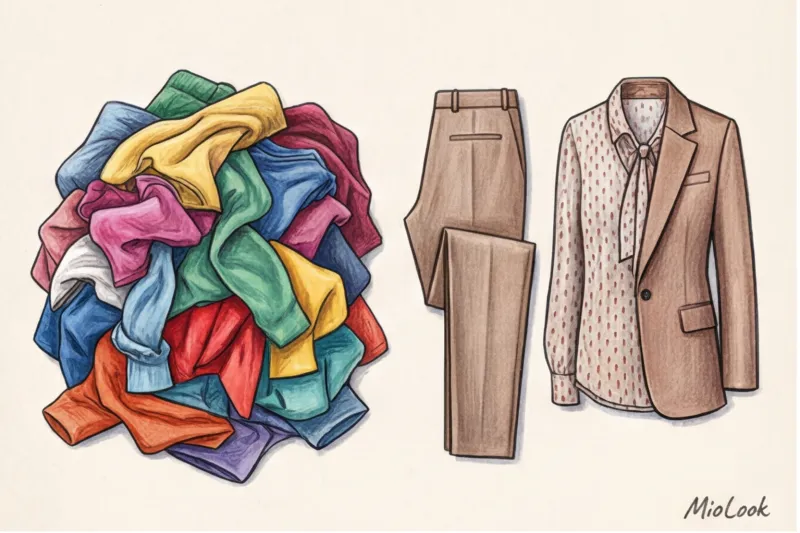
You won't sell Business wardrobe for a 40-year-old woman , simply by showing her a thousand formal skirts. She needs a ready-made, thoughtful answer to the question "What will I wear with this?" And classic algorithms fail miserably at this.
How a basic recommendation system for an online clothing store works (and why it fails)
Most platforms still use outdated methods. Let's explore why mathematical logic fails where aesthetics and good taste are required.
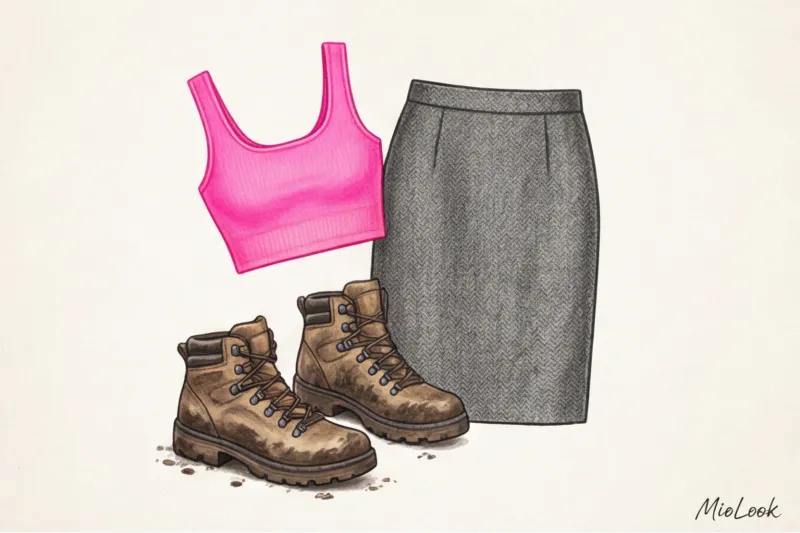
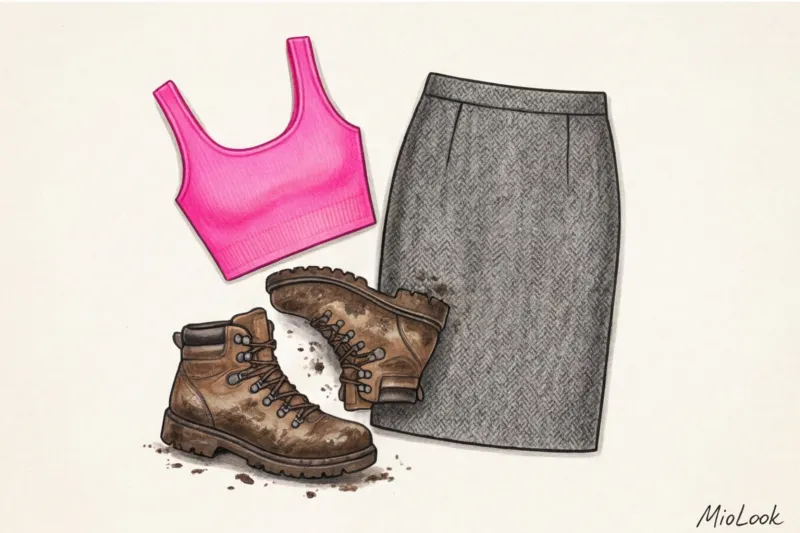
- Collaborative filtering ("People also bought this"): The most dangerous algorithm. I experienced an absurd case: the system persistently suggested a neon crop top to a client with a strict camel-colored pencil skirt. Why? Because during a sale, someone bought these items in the same receipt (probably for themselves and their teenage daughter for a party). The machine doesn't understand the context; it only sees the combined purchase statistics.
- Content filtering: The algorithm analyzes tags. But for it, a shiny polyester blouse for €15 and a premium silk top for €250 are simply "red tops." It doesn't understand the difference in textures or how they drape on the body.
- Visual search: Search by pattern or color. You're looking for a flowy midi dress for a summer wedding, and the algorithm returns cotton robes with a similar floral print. It ignores fit, body type, and, most importantly, dress code (appropriateness).
Anatomy of Failure: A Case Study of the "People Also Buy" Algorithm
When a system doesn't understand the concept of capsule packaging, it makes stupid mistakes. Imagine you added a tote bag to your cart. What would a classic recommendation system for an online clothing store suggest? Right, three more bags! But a person doesn't need four bags at once. They need a silk scarf for the handle, a matching leather belt, or gloves. The algorithm misses an obvious cross-selling opportunity because it doesn't understand basic styling rules.
Access to MioLook for €0.99 — one-time payment
A smart AI stylist will select the perfect look based on your preferences and existing wardrobe.
Get access — €0.99 onceAI Stylist: Moving from Selling Items to Selling Ready-Made Stylistic Ideas
Artificial intelligence is a game-changer. Technologies like those used in the app MioLook , shift the focus from the item (product-centric) to the image (outfit-centric). AI is trained not on dry click statistics, but on the rules of style.
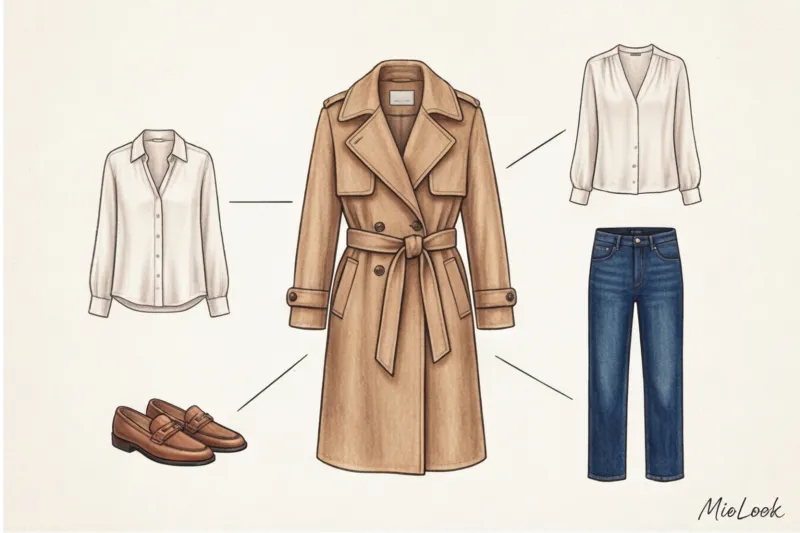
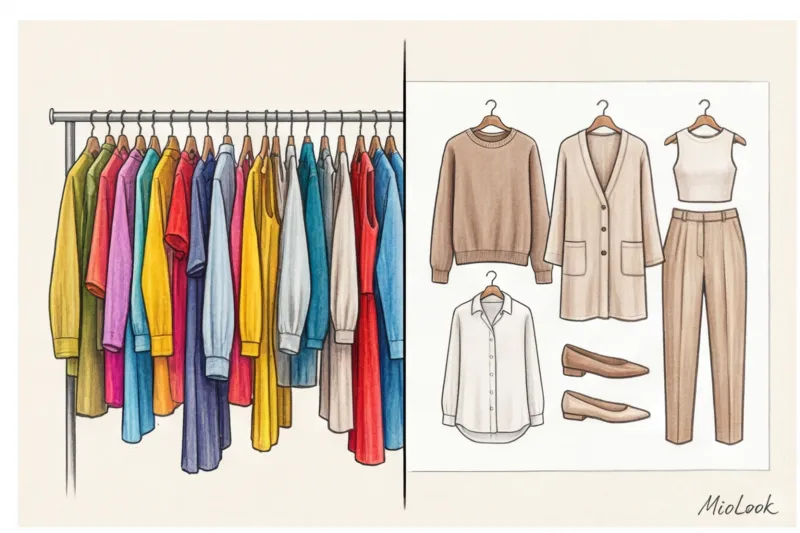
A modern neural network "understands" Itten's color wheel. It knows that emerald trousers will pair perfectly with complementary burgundy loafers. It understands the balance of proportions: if you've chosen a voluminous oversized sweater, it will suggest structured bottoms (like straight jeans or a slip skirt) rather than equally baggy trousers.
But the main weapon of an AI stylist is working with a concept. Cost-per-Wear (CPW) , or "price per outing." As an investment wardrobe expert, I often explain to my clients: an €800 Italian leather bag is expensive if you wear it twice. But if you wear it every day for three years, it's worth less than €1 per outing.
A smart algorithm does this work for the salesperson. When a customer hesitates before making an expensive purchase, the AI recommendation engine instantly shows her five styling options for the item: for the office, for the theater, for brunch with friends. The perceived value of the item instantly soars.
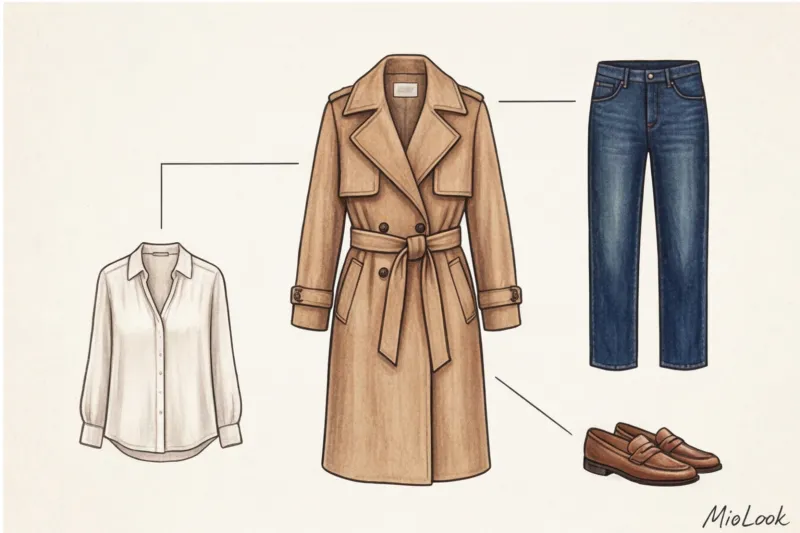
Real-time capsule generation
Advanced systems can assemble a mini-capsule around an "anchor" item. You put a basic trench coat in your basket, and the AI builds a collection around it. capsule for a business trip , offering wrinkle-resistant fabrics, comfortable shoes, and high-end watches. This isn't just aggressive selling; it's premium service.
Implementing AI Personalization: A Checklist for Fashion E-Commerce
If you want your store to sell like a professional stylist, you'll have to change your approach to data. A smart recommendation system for an online clothing store won't work if your products are poorly described (and this is the main limitation—AI is powerless against empty product cards).
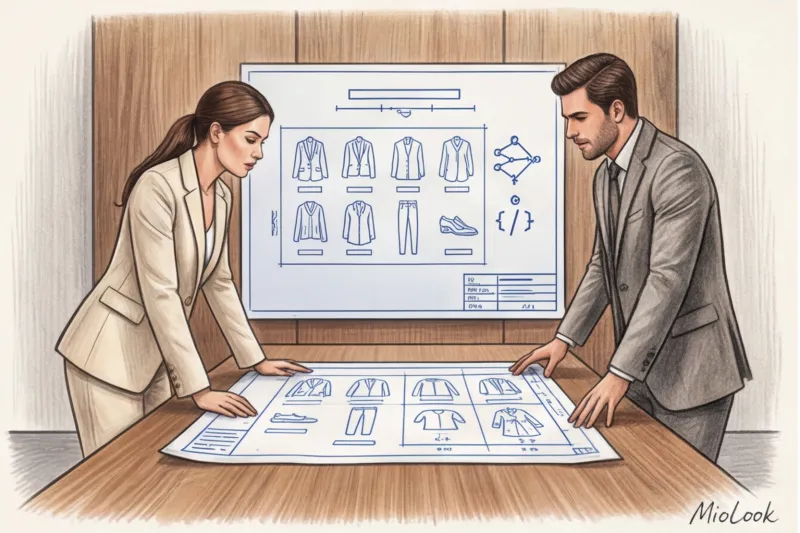
- Deep Data Enrichment (Tagging): Tags like "blue" and "cotton" aren't enough. Get real stylists to tag the data (approach human-in-the-loop ). Each item should have style tags (smart casual, dramatic, romantic), silhouettes (A-line, straight), and even seasonal archetypes.
- Integration with shape types: Recommendations should take morphology into account. Replace the selection of "similar" with selection by body type and height - This will radically reduce the number of returns due to poor fit.
- Changing scripts on checkout: Ruthlessly remove the "Similar Products" section from your cart. Replace it with "Complete the look" or "Pairs perfectly with..." sections. Suggest accessories (belts, scarves, jewelry)—these are impulse buys that don't cause choice paralysis.
- Training on returns: If a dress has been returned 10 times, the AI should understand the reason. Is it a size mismatch? Is the fabric too thin and doesn't hold the shape shown in the photo? The algorithm should downgrade such items in its recommendations.
Your perfect look starts here
Join thousands of users who look flawless every day with MioLook. Digitize your wardrobe and receive smart recommendations.
Get access — €0.99 onceThe Economics of Smart Recommendations: AOV, LTV, and Rebate Reduction
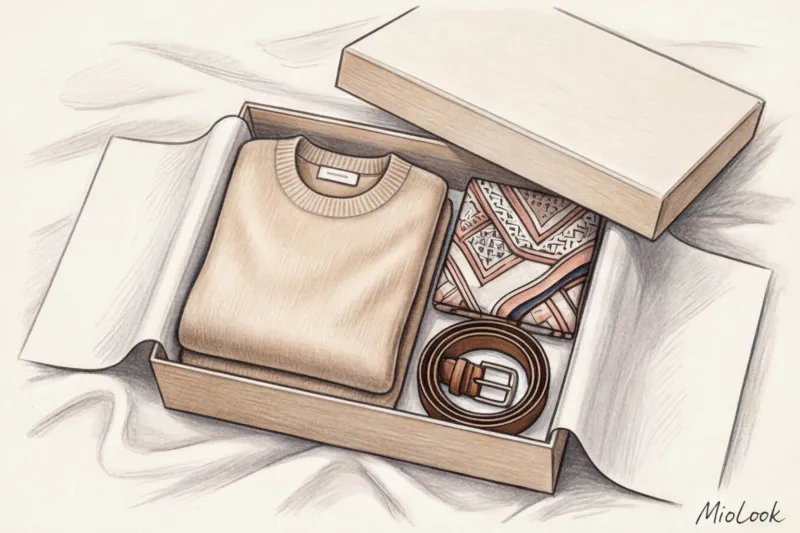
Beautiful images are great, but let's talk numbers. The transition from recommending single products to selling complete products Looks (looks) organically increases the average order value (AOV) by 30–50%. A client came in for a €100 skirt and left with a finished outfit for €250 because the blouse and belt she was offered "fit perfectly together."
According to a major report by McKinsey State of Fashion (2024) 71% of consumers expect a personalized approach from brands, and 76% are disappointed when they don't receive it. In the premium segment, loyalty (LTV) isn't built on discount coupons. It's built on the "quiet luxury" effect—when an online store becomes a personal fashion advisor who remembers your sizes and preferences and never suggests acrylic items if you only buy cashmere.
Furthermore, precise recommendations on fit and pairing dramatically reduce logistics costs. According to statistics, up to 25% of e-commerce returns are not due to defects, but because the item doesn't fit or the customer realizes they have nothing to wear it with at home. An AI stylist eliminates this objection even while browsing the catalog.
Summary: The future lies in the integration of stores and smart wardrobes
Fashion retail is stuck in the supermarket paradigm: here are the shelves, choose your own. But the future belongs to ecosystems that blur the line between the storefront and the customer's personal closet.
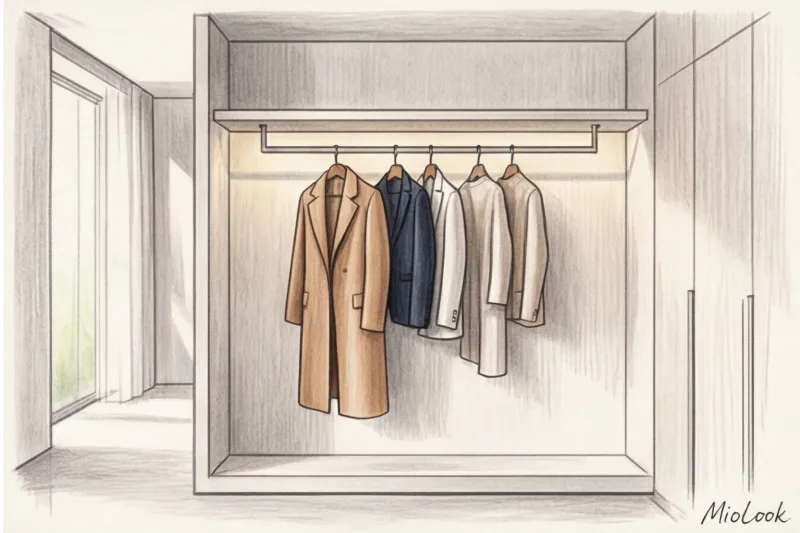
Imagine an app that knows a customer's digital wardrobe. You visit your favorite online boutique, and the system analyzes your blind spots and tells you: "You have three great midi skirts hanging in your closet that you rarely pair with tops. Here's a basic cashmere jumper that will tie them together into six new looks." This is no longer science fiction – this is exactly the direction in which technology is developing. MioLook smart wardrobe.
Investing in AI styling today is a matter of a brand's survival tomorrow. Because true luxury in today's world isn't a label with a famous name. It's about saving time and feeling absolutely confident when you look in the mirror. Technology should serve precisely this purpose.