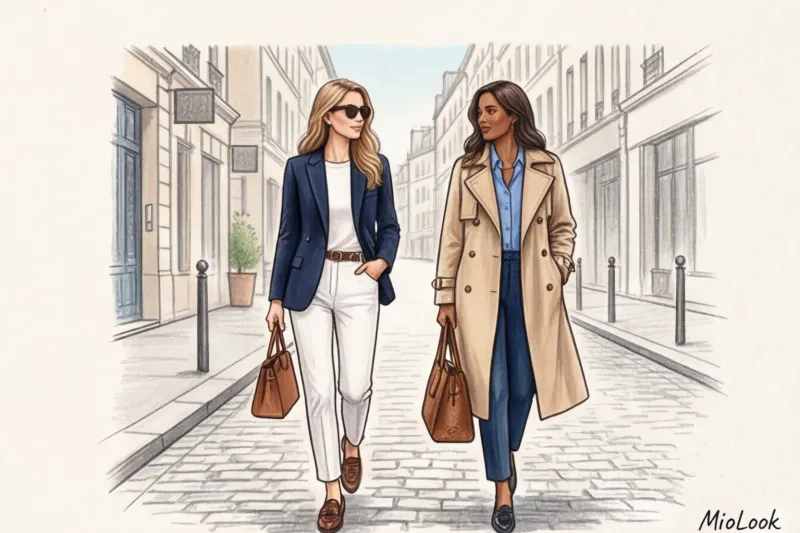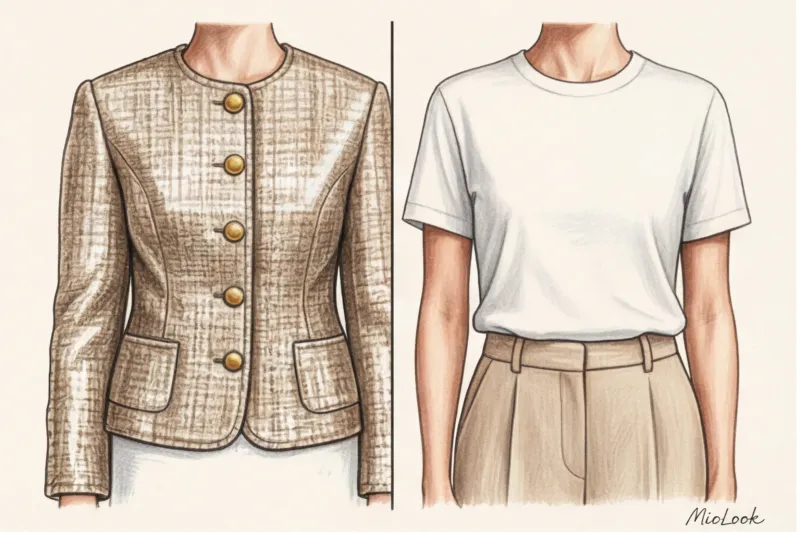
Have you ever noticed how often trying to look like a million dollars ends in a visual disaster? I was once drinking coffee in Milan and watching the people passing by. The girls in their downright cheap polyester jackets with shiny gold buttons looked like they'd robbed a theater costume department, while the Italian women in simple but thick cotton shirts exuded that same "quiet luxury."
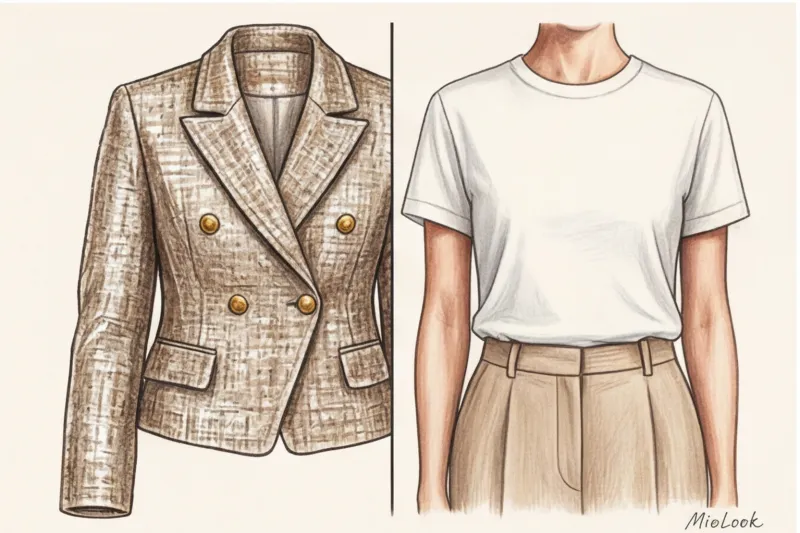
Create Old Mane style at a low price — a completely realistic goal if you stop chasing after brand imitations and start understanding the materials. We discussed the fundamentals of this aesthetic in more detail in our The Complete Guide to Old Man Style Today, I want to talk about practice: how to walk into a mass-market store like Zara, Mango, or H&M and walk out with items that look ten times more expensive than they actually are.
The Tweed and Pearl Myth: Why Cheap Luxury Imitations Work Against You
The desire to buy "luxury" textures on a budget is the main mistake I regularly see from new clients. Tweed, natural silk, and cashmere cannot be produced cheaply. If you see a tweed jacket on a hanger for €40, rest assured: it's made of squeaky acrylic that will pill before even the first wash.
Research into visual perception of fashion reveals an interesting statistic: around 80% of our impression of a garment's value depends on the density of the fabric and the quality of the edge finish. Cheap faux bouclé with plastic trim screams economy. True old-money style at a minimum is a matter of budget. The best 100% heavy cotton T-shirt for €25 has a far higher status than the cheapest Chanel knockoff.
As I often repeat in my consultations: the difference between “looking rich” and “looking noble” is the difference between a flashy logo and an impeccable fit.
Access to MioLook for €0.99 — one-time payment
A smart AI stylist will select the perfect look from your items and suggest additional purchases.
Get access — €0.99 onceTextile Expertise: How to Find Fabrics with Character on Mass-Market Shelves
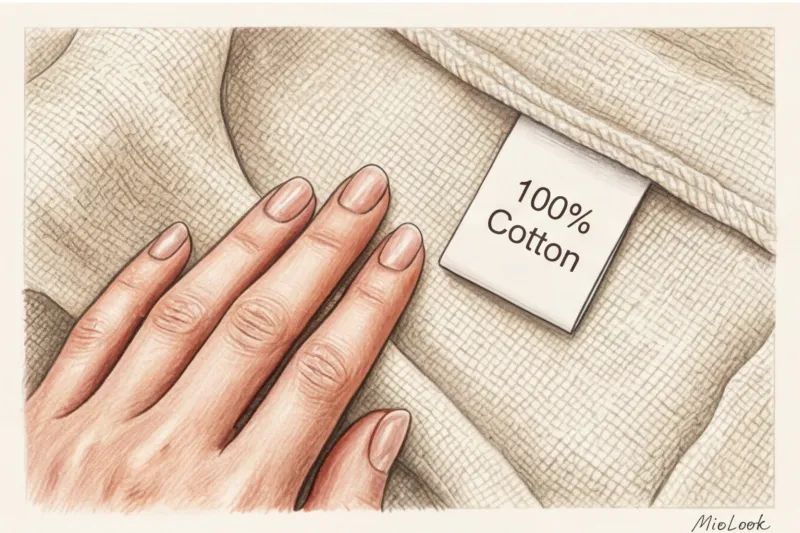
During shopping sessions, I teach clients not to look at the price tag, but to "read" the fabric with their hands. Thin, see-through knitwear always cheapens a look because it doesn't hold its shape and highlights even the slightest nuances of the figure (even those that aren't there). We need weight—the density per square meter.
The Ellen MacArthur Foundation's 2021 clothing durability reports confirm that tightly woven fabrics not only last three times longer but also age beautifully, developing a rich patina rather than losing their shape.
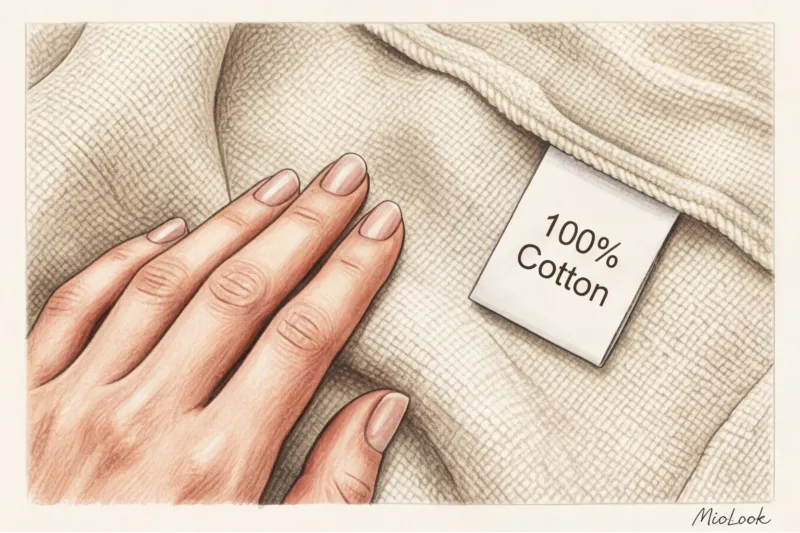
Investment Ingredients: What to Look for on Labels
If you want update your wardrobe without spending extra money , look for the following ingredients on the labels:
- Double cotton: Unlike the usual one, it maintains the architecture of the cut and does not hang like a rag.
- Linen and viscose blend (usually 50/50): Pure linen wrinkles at the first glance, but the addition of viscose makes the fabric heavier, flowing, and wrinkle-resistant.
- Dense polyviscose: When your budget doesn't allow for a suit made from natural wool (which usually starts at €150), a high-quality suit made from viscose with added polyester is an excellent compromise.
- Tencel (lyocell): An eco-friendly alternative to silk, now readily available in mass-market stores. It has a delicate, luxurious shine without the cheap sheen.
Stop list: invoices that show savings
Here's what you should avoid without a second thought: shiny polyester (the kind that gives you an electric shock), thin acrylic knits, and loose machine knits. Right in the store, try my favorite wrinkle and pilling test: squeeze the edge of the item tightly in your fist for 10 seconds, then rub the fabric against itself. If there are deep, stubborn creases or you notice the fibers have started to fuzz, return the item to the hanger.
Cut Architecture: Hidden Signs of an Expensive €50 Item
Last year, my client Anna received more compliments at the office in her basic €35 high-street trousers than her colleague in her €400 designer trousers. The secret? Anna's trousers had the perfect deep darts and a full length, creating the perfect drape.
Brand copywriters rarely write about the architecture of a garment, but it is precisely this that defines its status. Turn a jacket inside out. What do you see? A sloppy, constricting overlock or closed seams (bias binding)? The presence of a thick lining in skirts and trousers also instantly brings together the silhouette.
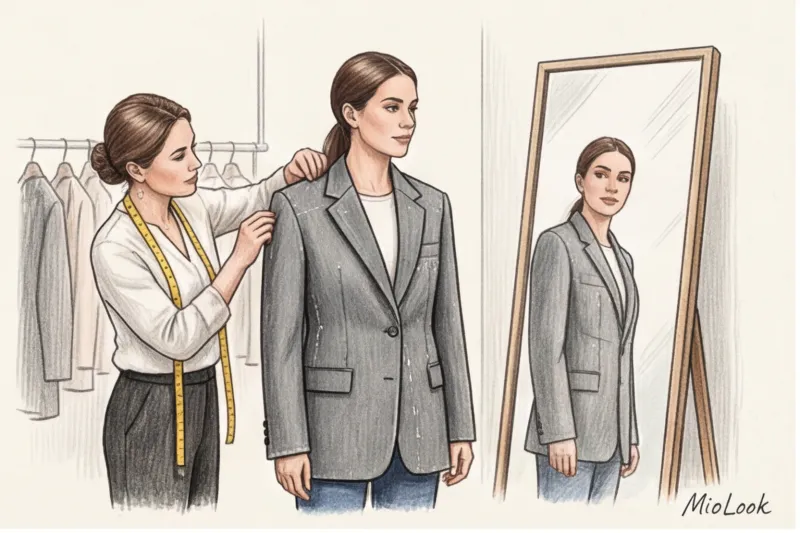
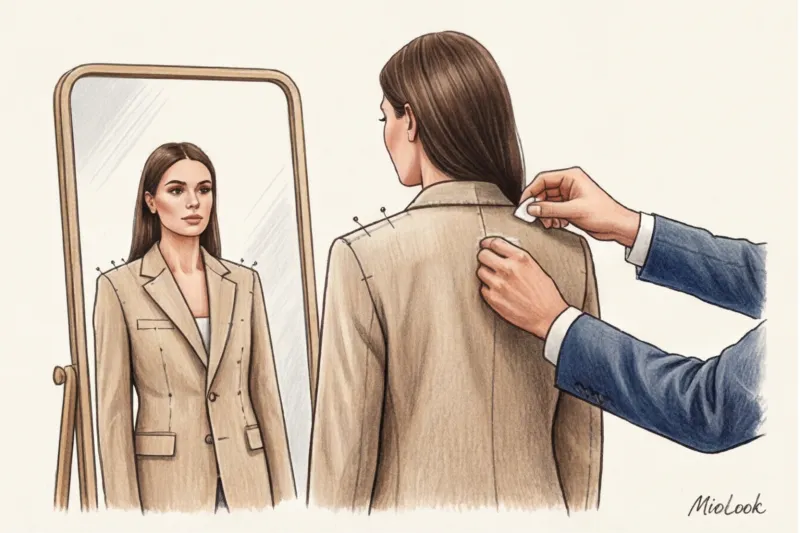
Secret trick of stylists: Mass-market brands skimp on fabric. Because of this, their size "M" often fits snugly, hugging the shoulders. Always buy basic shirts, jackets, and coats 1-2 sizes larger. A slight oversize creates a feeling of air between the body and the fabric—that casual, relaxed chic of billionaires who don't have to rush anywhere.
Hardware as a Status Marker: The Rule of Replacement
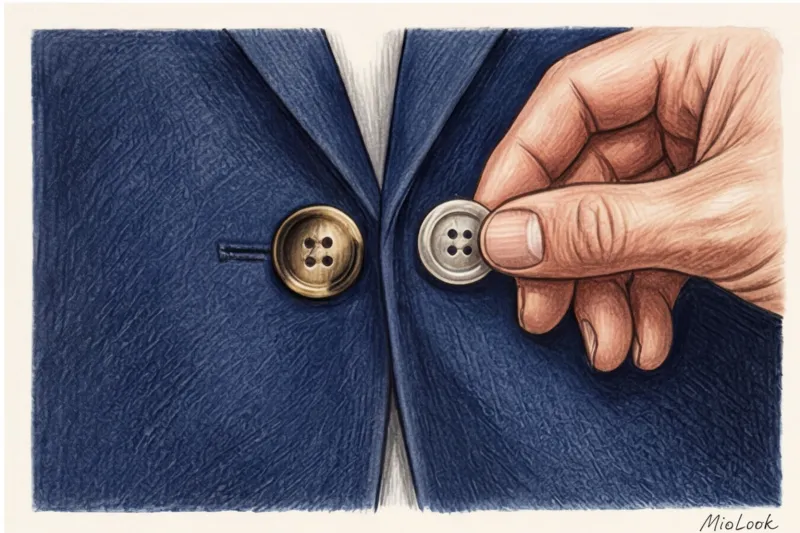
Plastic buttons are the biggest culprit of budget clothing. A brand might use a decent blended fabric for a trench coat, but sew thin, scratchy plastic circles onto it.
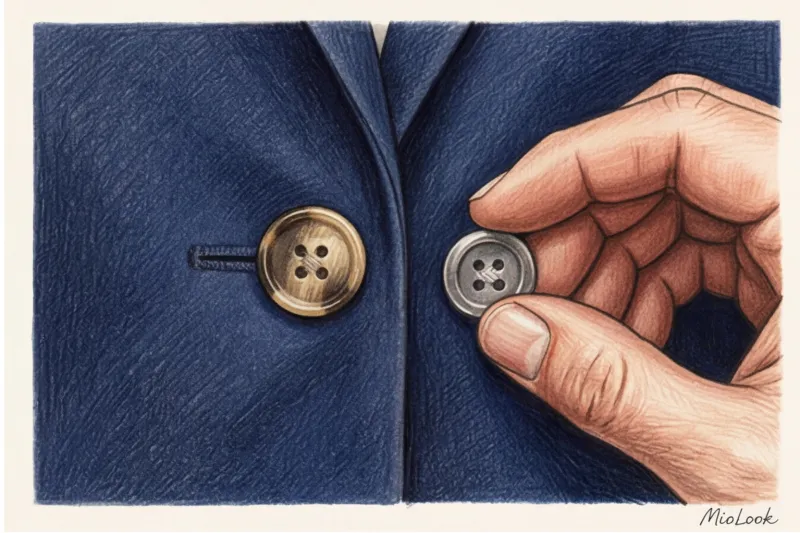
The instructions are simple: buy a basic jacket for €60, go to a fabric store, choose high-quality buttons made of natural horn, mother-of-pearl, or textured metal (about €10-15 per set), and take them to a tailor. This small change visually adds at least €150 to the jacket's price.
Your perfect look starts here
Join thousands of users who look flawless every day with our app.
Get access — €0.99 onceA Palette of Quiet Luxury: Which Colors Hide a Piece's Origins
Let's turn to textile chemistry. Natural and synthetic fibers absorb dye differently. Deep black or rich navy on cheap polyester or thin cotton will fade after just three washes, acquiring a rusty undertone and looking sloppy.
As WGSN experts note in their 2024 color reports, light matte fabrics reflect light better, creating the illusion of a denser and more expensive fabric. That's why opting for complex, natural shades is your trump card.
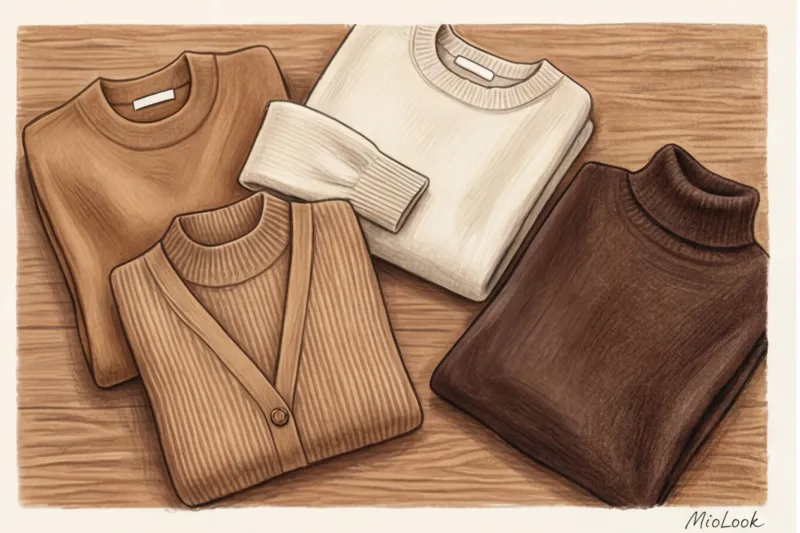
Choose ecru, camel, sage, taupe, and dark chocolate. The easiest way to create an expensive look is with a monochromatic tonal palette. Pairing a turtleneck, trousers, and coat in different shades of beige or gray instantly elevates the look, even if all the pieces were bought on sale.
Old Man Style on a Budget: Building a Smart Capsule
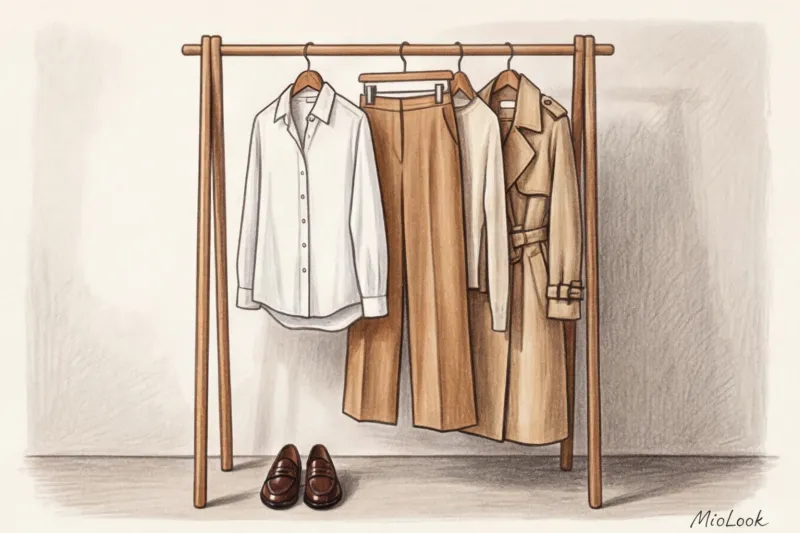
To make your wardrobe work for you, rather than you working for it, ditch the microtrends. A basic old-fashioned capsule collection is built on timeless silhouettes. My tried-and-true formula for starting out: 3 tops + 2 bottoms + 1 jacket.
- Top: A crisp white straight-cut shirt (not fitted), a thick-knit cotton V-neck jumper (perfect for layering), and a basic ribbed top.
- Bottom: wide trousers with creases made of suit polyviscose, straight jeans without scuffs or torn edges (classic blue or ecru).
- Second layer: structured single-breasted jacket.
- Shoes: Rigid leather loafers or minimalist sneakers without logos.
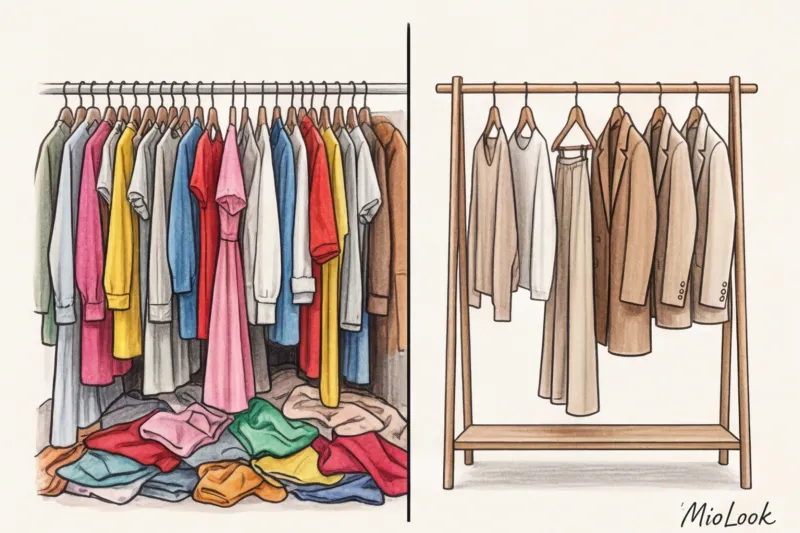
To avoid having to keep these formulas in your head and to easily combine purchases, I recommend using the "smart wardrobe" feature in MioLook AI algorithms help identify unobvious combinations with existing items, preventing impulse purchases.
A Stylist's Checklist: Care That Transforms Mass-Market Into Premium
No Loro Piana item, even the most expensive one, will look prestigious if it's covered in pilling and creases. Care is the foundation of sustainable fashion and the main rule of quiet luxury.
Your home care triad should consist of three elements:
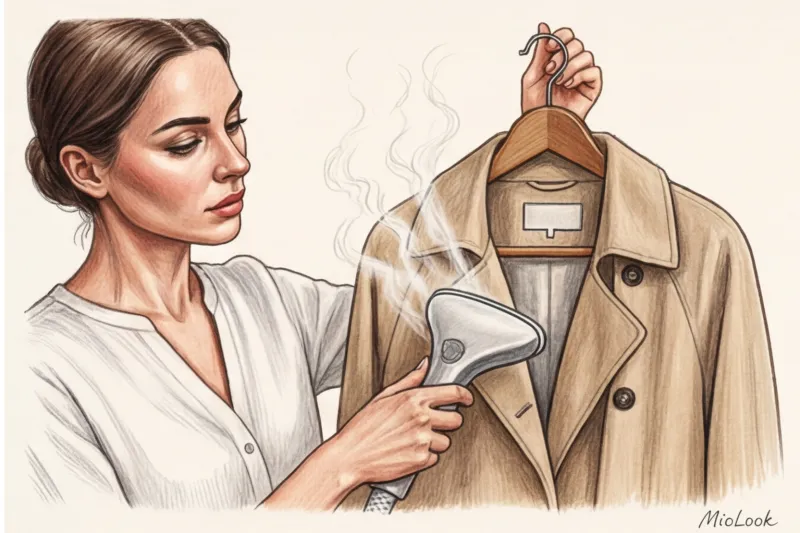
- Steamer instead of iron: An iron flattens the fibers of the fabric, causing it to appear shiny (especially along the seams). Steam, on the other hand, penetrates the fibers, straightening them out, and returning the fabric to its original volume.
- The right hangers: Throw away those thin wire hangers from the dry cleaner. They stretch the shoulders of knitwear and distort the shape of jackets. Use wide wooden hangers for outerwear and thin velour hangers for silk and viscose.
- Machine for removing lint: Go over your sweaters and coats with it once every two weeks during the active wear season.
An important but fair caveat: this advice does NOT work if the garment was originally made of thin, low-quality viscose that has already shrunk two sizes after the first wash. No amount of steam will restore its shape. That's why we always return to rule number one: choose the right fabrics.
Old money style isn't a wallet competition or an elite club for the chosen few. It's self-respect expressed through precision, attention to detail, and a conscious choice of materials. Start by reviewing what's already hanging in your closet (you might just need learn to check things correctly or replace the buttons on an old trench coat), and remember: status is measured not by the price tag, but by how well the item holds its shape.