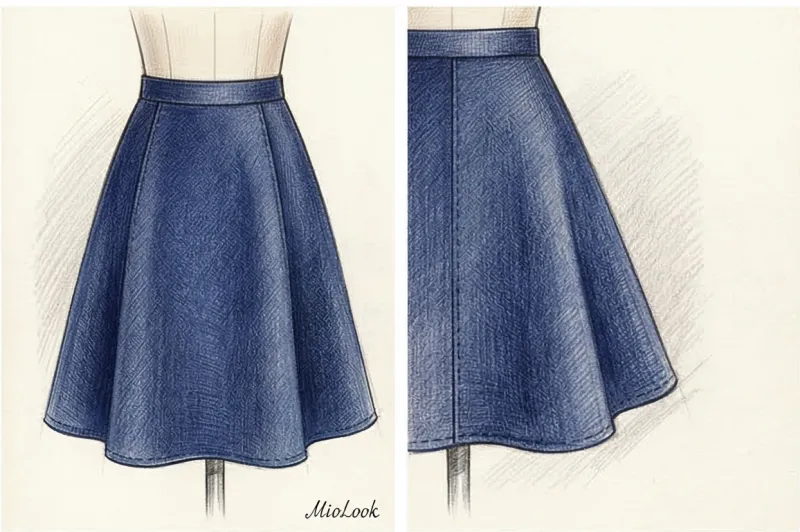
What is an A-line silhouette?
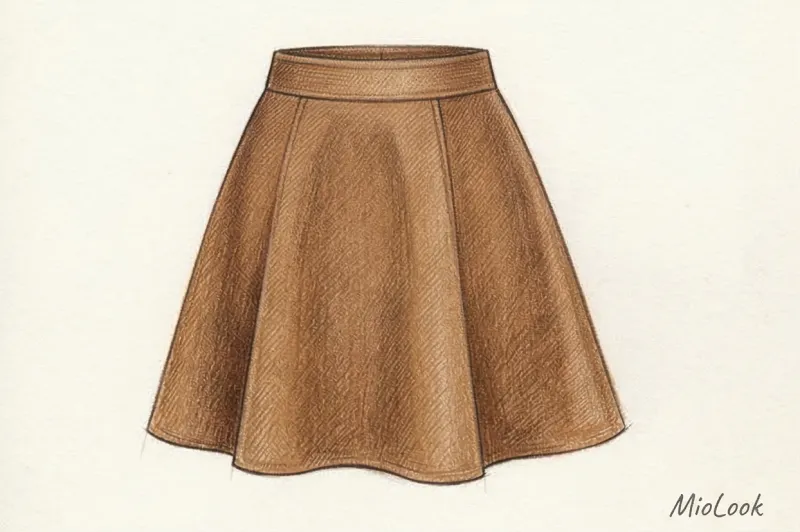
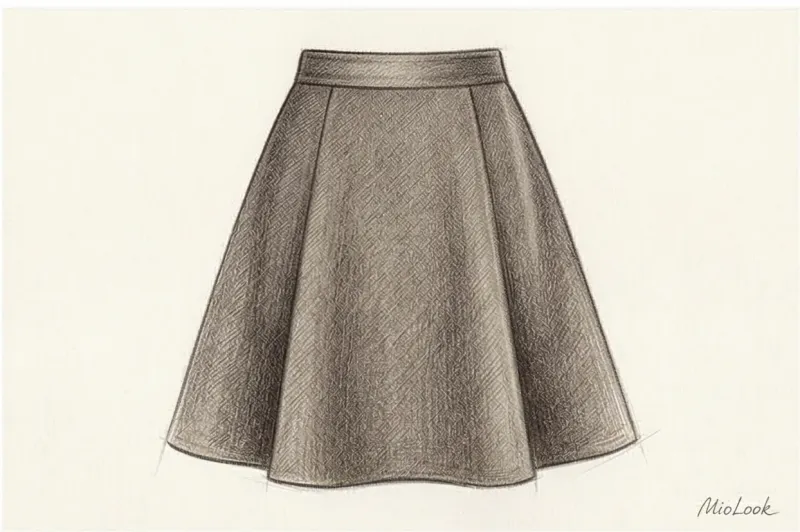
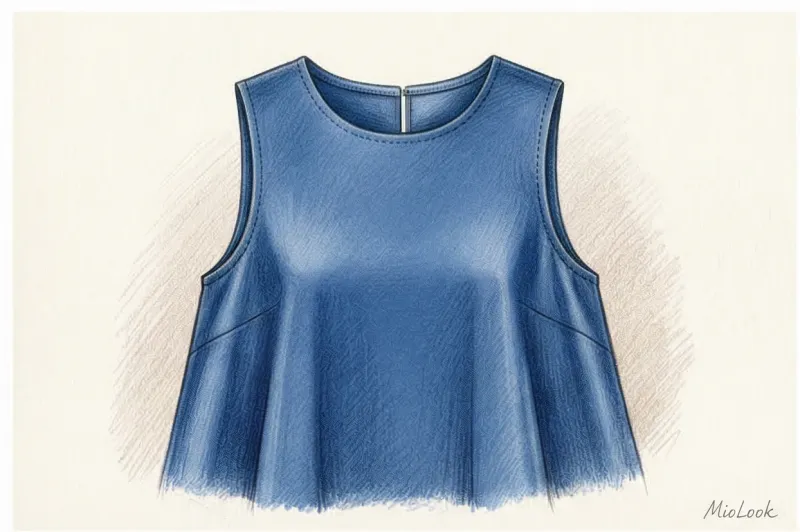
A-line silhouette — is a style of clothing that resembles a capital letter A: narrow at the top (shoulders and chest) and gradually widens towards the bottom.
The term was coined by French couturier Christian Dior in 1955, when he presented his spring collection, dubbed "A-line." Before this style, women's fashion gravitated toward rigid corsets and a defined waist. The new cut offered a looser yet elegant alternative. The basic geometric shape creates a clear yet smooth contour without excessive volume or complex draping.
Distinctive features
The key feature of the cut is a snug fit across the shoulders and chest. The classic version of the dress lacks a sharp waistline, and the fabric falls freely and evenly to the hem.
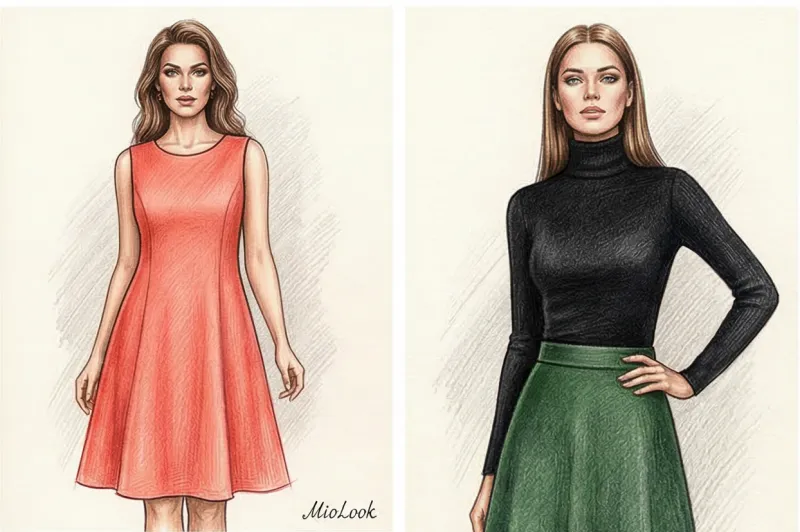
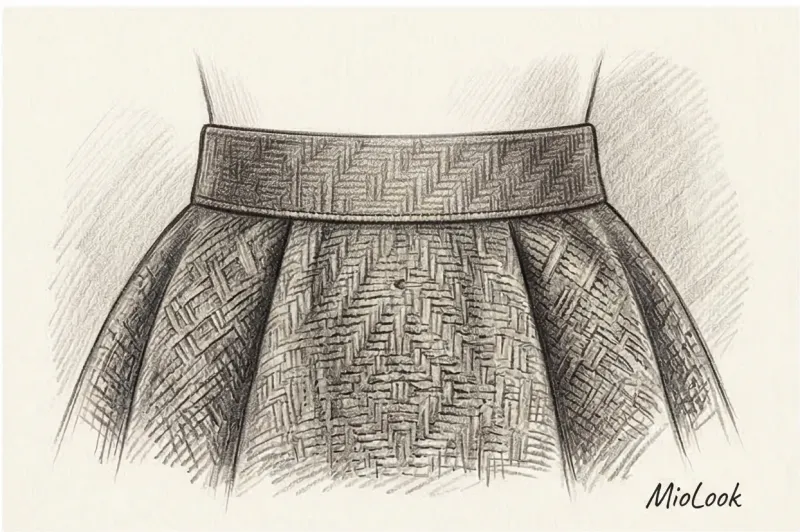
The main garments in this style are A-line skirts, A-line dresses (from 1960s-style minis to modern midi versions), and flared coats and trench coats (swing coats). To maintain the correct geometry, these garments are most often made from shape-resistant materials: heavy cotton, wool, denim, or gabardine. Soft fabrics tend to fold and distort the intended A-line shape.
The style visually elongates the figure and creates clear proportions. The flared bottom allows the garment to sit loosely on the hips, allowing freedom of movement while maintaining clean lines.
What to combine with
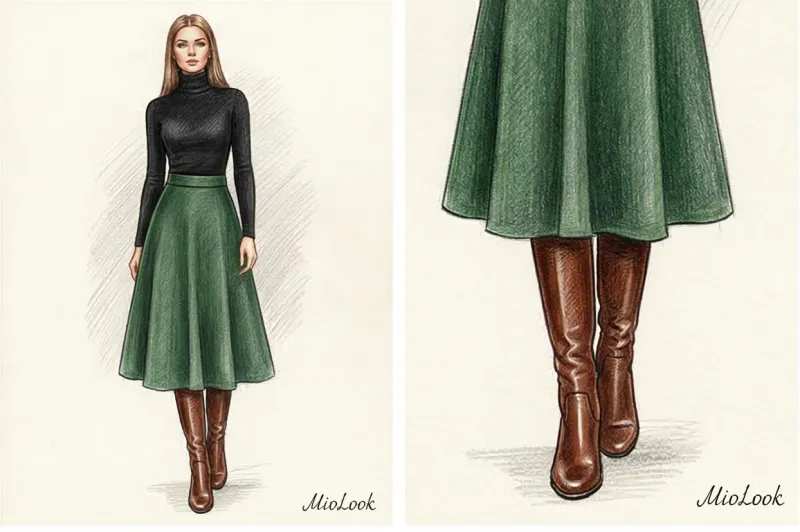
When styling A-line silhouettes, balance the volumes. Flared skirts should be paired with compact, fitted tops: turtlenecks, fitted long-sleeved tops, or tucked-in basic shirts. Bulky sweaters worn untucked or oversized jackets paired with A-line skirts will add weight to the silhouette and throw off the proportions.
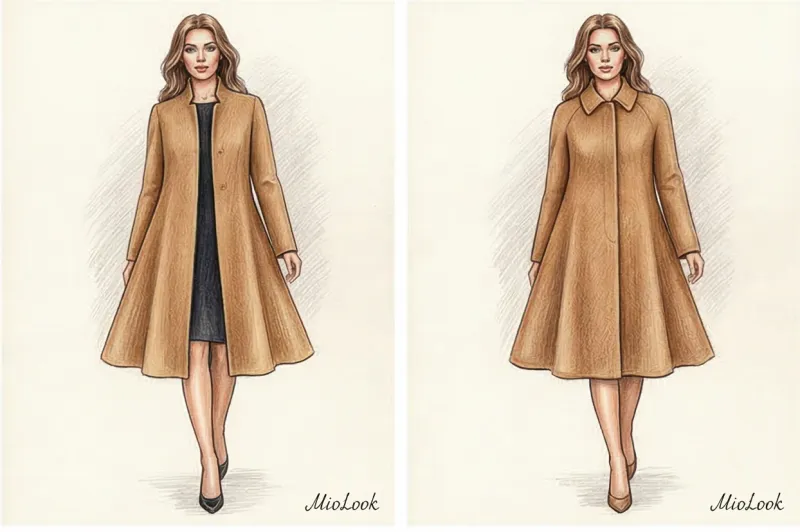
The geometric cut is best complemented by pointed-toe pumps or simple loafers. In cold weather, tall tube boots, with the shaft tucked under the hem of a skirt or dress, are the ideal choice.
An A-line coat should be paired with straight-cut or tapered trousers. If you wear a skirt, the hem should not be visible beneath the coat to avoid disrupting the overall silhouette.