Eco-friendly decluttering of a prestigious wardrobe: where to donate clothes to charity
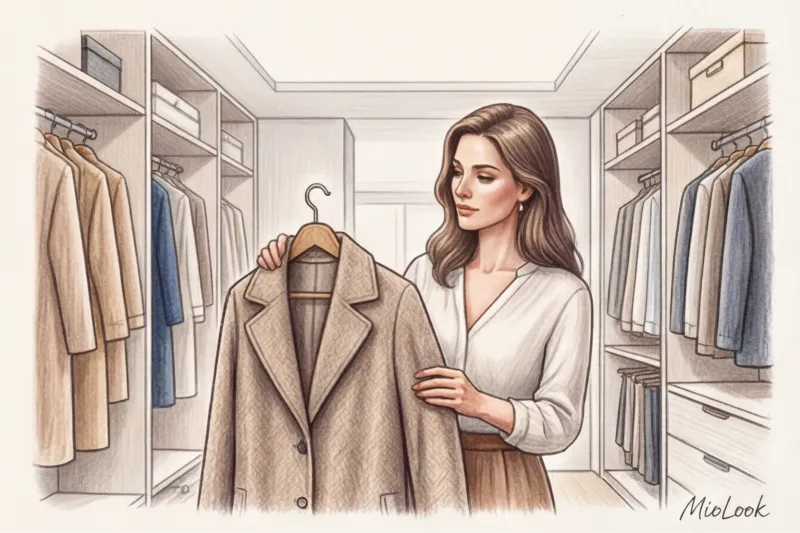
It's a familiar feeling: you open the closet door and see a perfect €350 silk blouse, bought in a fit of passion two years ago, staring back at you reproachfully. It still has the tag, but you know you'll never wear it. Throwing it away is a crime not only against the environment but also against the work of the artisans. Letting it hang? That's a recipe for visual clutter and morning stress: "nothing to wear."
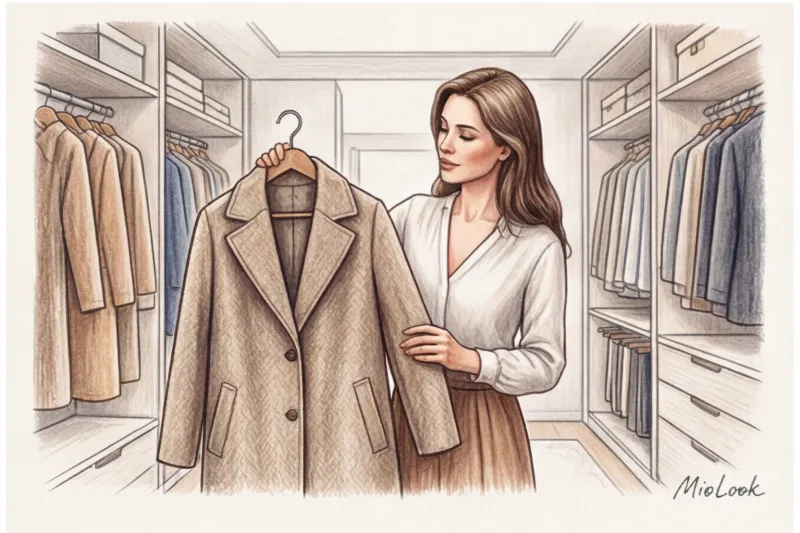
It is at this point that the question arises, Where can I donate clothes to charity? so that it brings real benefits, and not just replaces one landfill with another. We've already discussed the basics of eco-decluttering and the impact of textiles on the planet in our The complete guide to eco-friendly wardrobe recycling.
Over 12 years of working as a personal stylist, I've learned one thing: respect for your belongings is a sign of truly good taste. But when it comes to investment purchases that didn't pay off, standard packing strategies often fail. Today, we'll explore this process from the perspective of a luxury wardrobe.
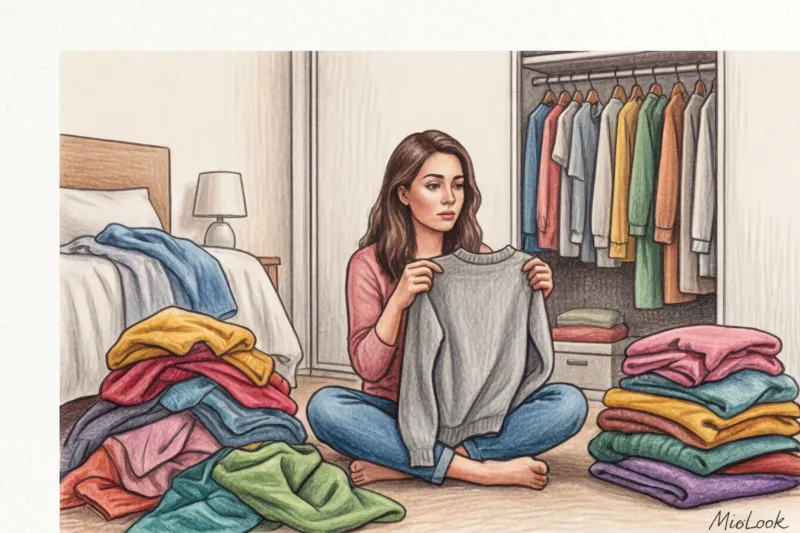
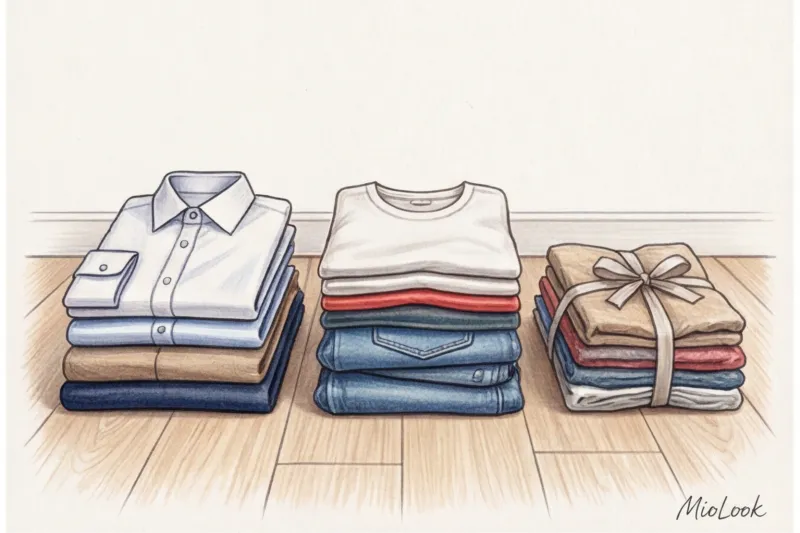
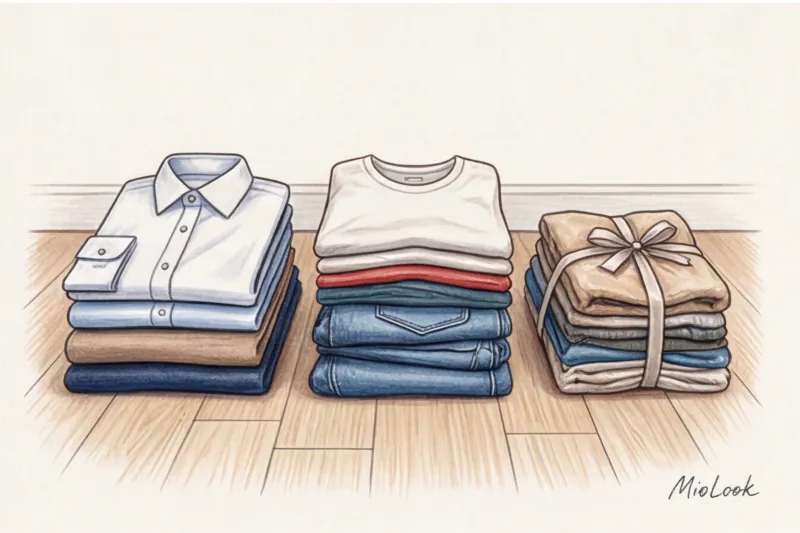
The Three-Pile Rule: How Stylists Sort Clothes Before Drop-Off
When I audit my clients' wardrobes, I never allow them to dump everything they don't need into one giant black bag. It's inefficient and disrespectful to the items themselves. We use a strict "three-stack rule."
Condition evaluation criteria should be ruthless. If you're unsure which pile to place an item in, always choose the lower category.
Items are in perfect condition and with tags
Those "mistake items." Trousers you bought a size too small as motivation to lose weight, or an avant-garde jacket that didn't fit the corporate dress code. For charities operating under the Charity Shop system, these are pure gold. These items aren't given directly to those in need—they're sold to connoisseurs, and the proceeds are donated to social programs.
Basic clothing with signs of wear
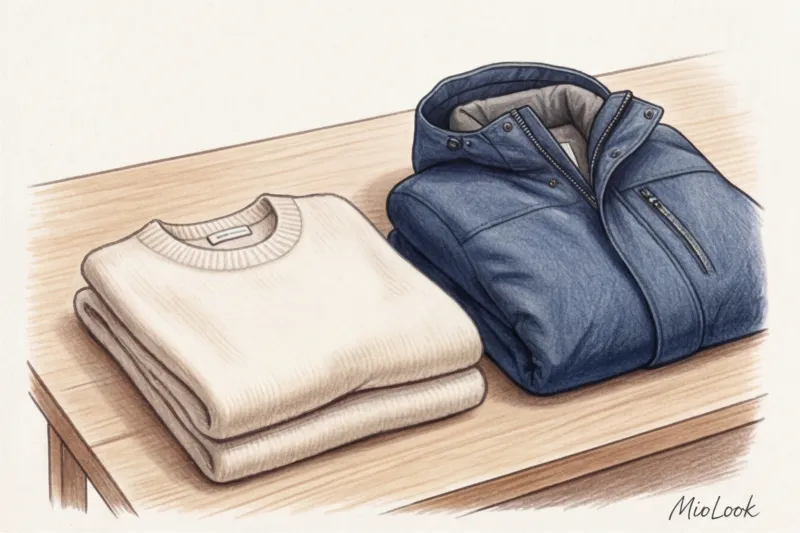
This category includes heavy cotton T-shirts (180 g/m² and above), sweaters with signs of pilling, classic blue jeans without elaborate embellishments, and warm jackets. These are utilitarian essentials. These items will be used for direct humanitarian aid: to people in difficult circumstances, refugees, or orphanage graduates. The main requirement is that the hardware must function perfectly.
Rags and surplus goods for recycling
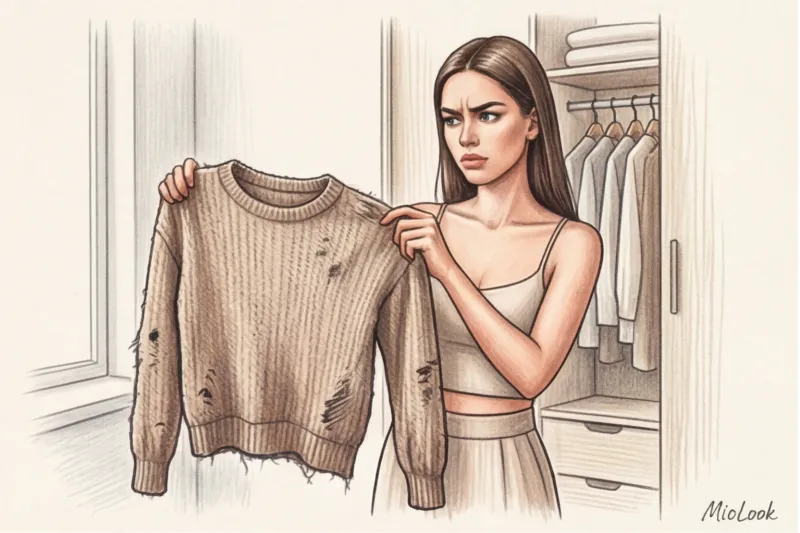
Stretched collars, indelible wine stains on viscose, and synthetics that have lost their shape. According to a 2023 report by the Ellen MacArthur Foundation, polyester and acrylic can take up to 200 years to decompose in landfills, releasing microplastics. Therefore, we exclusively recycle such items (for fiber recovery or for the production of cleaning rags for auto repair shops).
The Myth of Direct Aid: Why Your Cashmere Sweaters and Suits Are Unwanted at Shelters
The biggest misconception I encounter in my practice is the desire to give expensive luxury goods directly into the hands of those in need.
One of my clients, a top IT manager, insisted on taking her old Max Mara suits and cashmere coats to a rural nursing home. I had to stop her sternly. Why? Ask yourself: how would a pensioner in the countryside care for 100% virgin wool, which requires dry cleaning only? It would be ruined after the first machine wash and would end up in the trash.
Shelters and aid centers don't need complicated designs or delicate fabrics. They need practical, warm, and easy-to-care-for clothing. Your status symbols don't solve problems there; they create them.
It's much more effective to donate this suit to a specialized charity shop. They'll sell it for €150-€200, and with that money, the foundation can purchase dozens of new, practical sets of thermal underwear or pay for vital medications. That's how smart charity works.
Access to MioLook for €0.99 — one-time payment
A smart AI stylist will select the perfect look from your items to reduce impulse purchases.
Get access — €0.99 onceTrusted funds, second-hand stores, and containers: who can you trust?
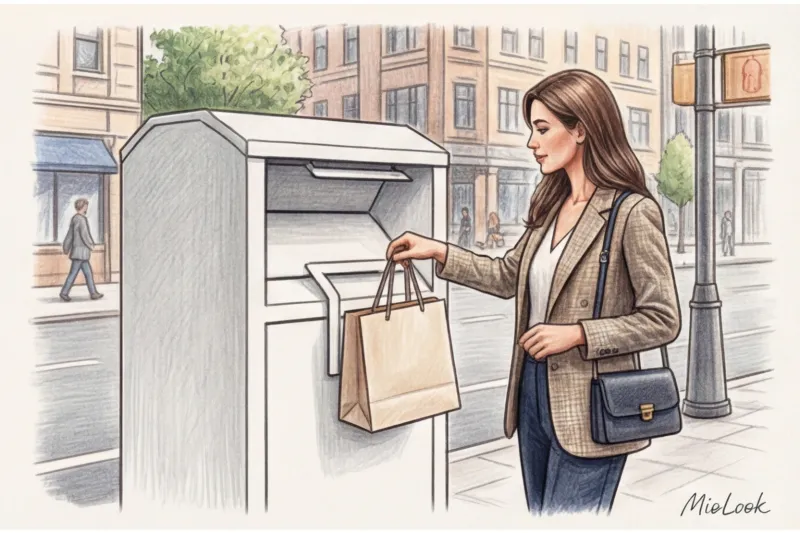
The statistics are stark: of all collected clothing, only about 15–20% is suitable for direct donation. The rest requires complex logistics, sorting, and recycling. Therefore, donating clothing should only be done to organizations with transparent reporting.
How can you distinguish a reliable fund from "illegal" collectors who simply resell items by weight to African countries, killing the local textile industry?
- Availability of public reports. Self-respecting foundations (for example, the Oxfam system in Europe or large local projects like Second Wind) publish an annual audit: how many tons were collected, how much was sold, and where the money was spent.
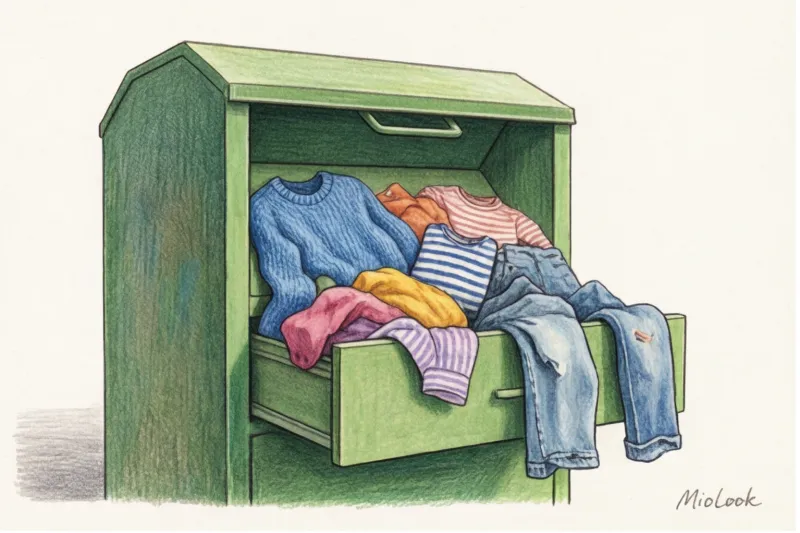
- Clear infrastructure. Their yellow or green containers are located in large shopping centers, and not hidden in dark alleys.
- Availability of own stores. If a foundation has its own charity shop, it means they know how to monetize quality items.
Fair Limit: Yellow bins in shopping malls are convenient, but they're absolutely not suitable for fragile or framed items. If you throw a silk dress in there without a cover, the weight of jeans and jackets falling on top (dozens of kilograms) will turn it into a wrinkled, knotted rag.
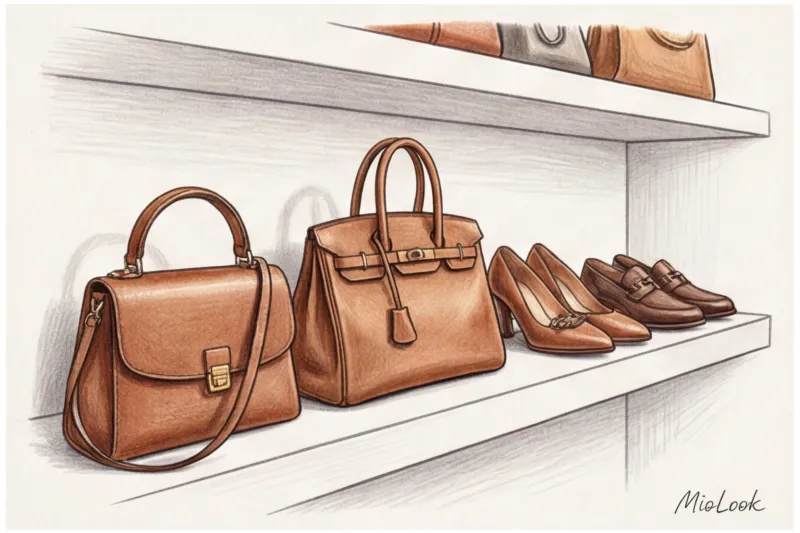
Where to donate designer bags, shoes, and status accessories?
Leather shoes and rigid frame bags are a separate headache. You can't just toss a €1,200 bag into the general collection. I once had a client donate a vintage Loewe bag without its dust bag. The hardware from someone else's jacket had scratched the smooth calfskin so badly, the item lost 80% of its value.
For status accessories there is another way:
- Resale platforms with a charity option. Large international platforms (such as Vestiaire Collective or local equivalents) often offer a "donate a percentage of sales to a charity" feature. You sell an item at market price, and the proceeds automatically go to a good cause.
- Charity auctions. If you have unique vintage items or limited collections, contact major collections directly. They regularly hold private auctions, where such items fetch enormous prices.
We talked about how to correctly evaluate and fit such things into your wardrobe in the article about differences between a basic and capsule wardrobe.
Ready to get started?
Digitize your wardrobe with MioLook and find out which items you actually wear and which ones are time to donate.
Get access — €0.99 onceChecklist: How to Properly Prepare Your Items for Return
Sorting center regulations are strict, and if you want your item to be truly useful, prepare it properly. Respect is shown in the details.
- Washing is mandatory. The foundations don't accept dirty items. Even one unwashed hoodie can ruin the scent of an entire bale of clothes. We also wash items with stubborn stains—clean rags are needed for recycling.
- Fasten everything. Zippers, hooks, buttons. An unzipped metal zipper on jeans, when transported in a bag, has a 99% chance of ripping a thin blouse lying next to it.
- Check your pockets. I'm not kidding. Foundation employees regularly find keys, passports, and even jewelry. Once, a client almost sent the foundation a coat containing €500 she'd forgotten in the pocket from a previous trip to Milan.
- Sort by packages. Tie shoes together in pairs (a single shoe at the sorting center will never find its match). Place ideal items in a separate, sturdy bag and label them: "In excellent condition, women's, size M." You'll save volunteers hours of work.
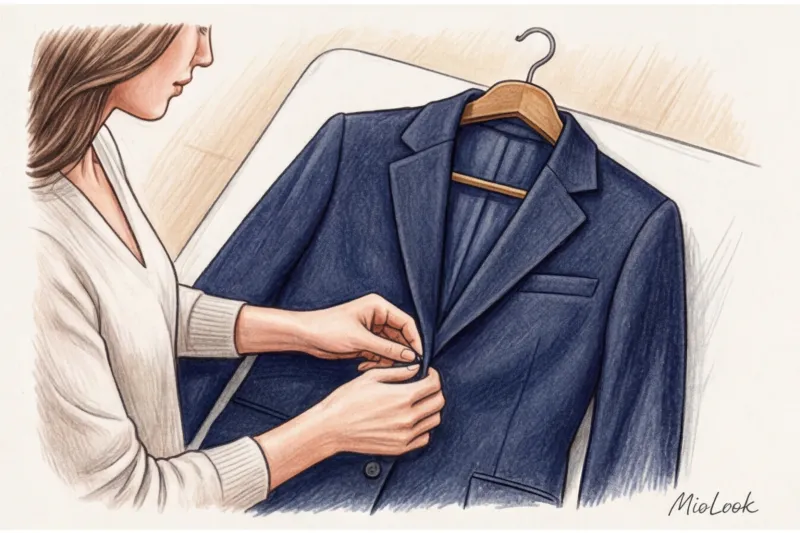
A Mindful Approach: How to Avoid Re-Cluttering
Decluttering and donating things to charities is a wonderful, noble cause. But let's be honest: this is a fight against the symptoms, not the disease itself. The disease is unconscious consumption and a lack of understanding of one's personal style.
If you're giving away bags of good stuff every season, it's time to stop and rethink your strategy. Switching to a capsule wardrobe is an investment in quality, not quantity. To avoid buying duplicates and pieces that won't last, start planning your purchases. If you need help with your basics, check out our Guide to creating a capsule.
I highly recommend digitizing your closet. Use smart wardrobe feature in the MioLook app When AI shows you that you already own four similar beige sweaters, your hand automatically reaches out to return the fifth one to the hanger in the store.
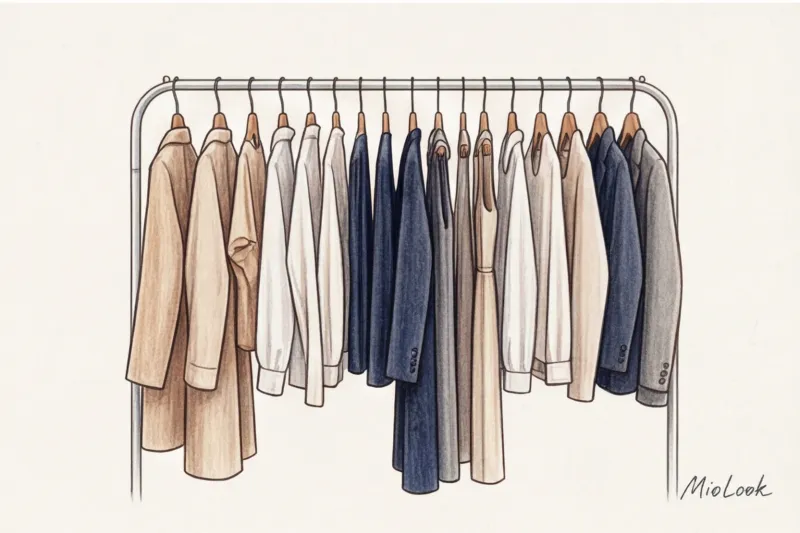
Philanthropy doesn't start at the yellow bin. It starts in the fitting room, when you ask yourself, "Will I really wear this item for years, or will it be recycled in a couple of months?" Choose quality. Treat fabrics with respect. And keep only those items in your closet that work for you 100%.