Total Look: почему подобрать прическу по фото нейросеть — это больше, чем просто игра
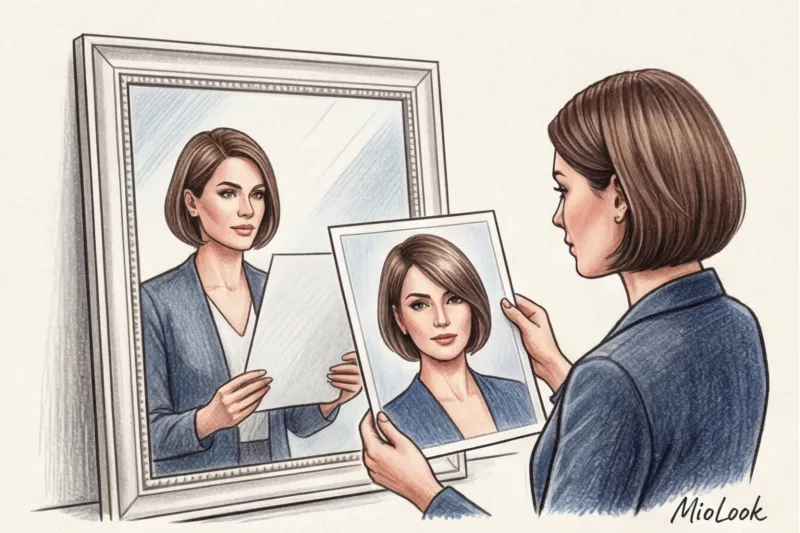
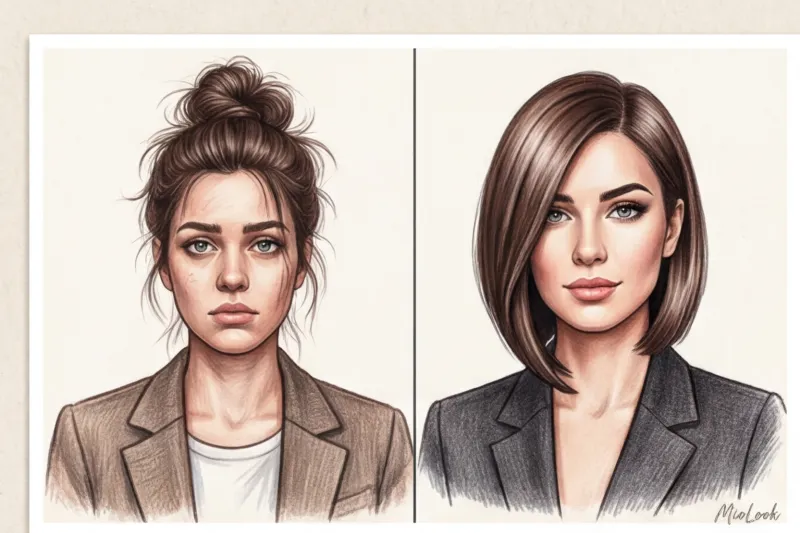
Знаете, что причиняет мне, как стилисту, почти физическую боль? Когда женщина инвестирует 500 € в идеальный шерстяной брючный костюм, тщательно подбирает кожаные лоферы, а потом... просто собирает волосы в небрежный пучок «на скорую руку», потому что не знает, как правильно уложить их под строгий воротник. В этот момент вся магия рушится. За 12 лет практики я видела это сотни раз. Но сегодня возможность подобрать прическу по фото нейросеть предоставляет на совершенно ином уровне — это уже не забавная игра с фильтрами, а серьезный инструмент конструирования вашего личного бренда.
Я всегда говорю своим клиенткам: образ работает только тогда, когда он собран по принципу Total Look. Ваша одежда, макияж и архитектура волос должны звучать в один голос, как слаженный оркестр. Проблема разобщенности — главная беда современного повседневного стиля. Идеально скроенный жакет с жесткой линией плеча не спасет ситуацию, если укладка живет своей, отдельной от дресс-кода жизнью.
«Моя базовая формула безупречности: структурированный пиджак + гладкая, геометричная укладка + легкий контуринг скул = мгновенный авторитет. Выньте из этого уравнения прическу, и формула распадется на части».
В социологии существует феномен, известный как эффект «beauty premium». Масштабное исследование, проведенное социологами из Чикагского университета и Калифорнийского университета (2016), доказало потрясающую вещь: на работе и важных встречах финансово поощряется не столько природная красота, сколько уровень вашей ухоженности. Люди с продуманной прической и гармоничным макияжем воспринимаются как более компетентные и ответственные профессионалы. ИИ-технологии позволяют спроектировать этот статусный образ еще до того, как вы запишетесь в салон и отдадите 150 € за новую стрижку.
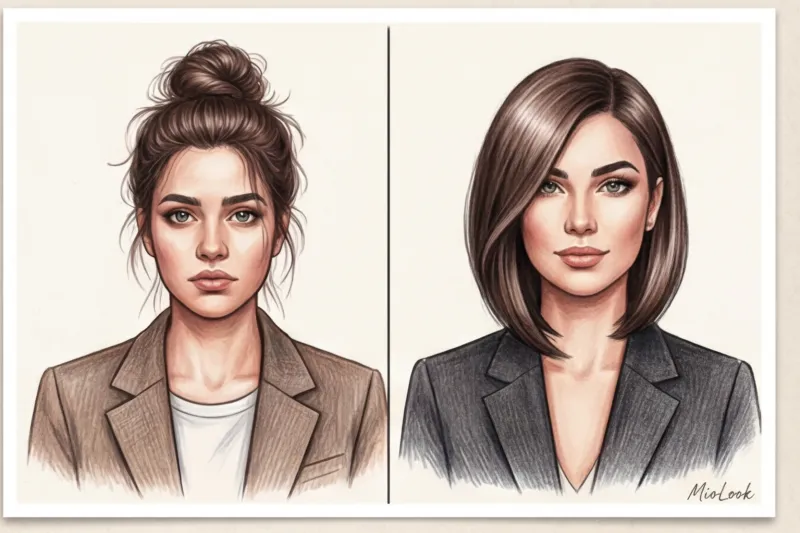
Именно поэтому MioLook — это не просто очередное «приложение-парик», где можно посмеяться над собой в образе блондинки с экстремальным каре. Это полноценный виртуальный инструмент архитектуры вашего стиля. Алгоритмы синхронизируют геометрию лица с вашим реальным гардеробом. Если вам интересно техническое закулисье этого процесса, советую прочитать наш материал о том, как работает приложение для примерки причесок MioLook.
Вы можете примерить строгий боб к своей рабочей блузе или легкие текстурные волны к шелковому платью, мгновенно оценивая цельность картинки. Вы больше не гадаете вслепую, подойдет ли вам эта челка, когда нужно подобрать образ по случаю, а видите готовый результат и идете к мастеру с абсолютной, железобетонной уверенностью.
Как искусственный интеллект MioLook анализирует вашу внешность
Задумывались ли вы когда-нибудь, почему одна и та же стрижка «боб» делает одну женщину иконой стиля, а другой визуально прибавляет десять лет? Спойлер: дело не в мастерстве парикмахера. Дело в архитектуре лица. Многие думают, что когда нужно подобрать прическу по фото нейросеть работает как обычная маска в соцсетях. Но профессиональные алгоритмы устроены гораздо сложнее.
В своей практике стилиста я постоянно вижу, как клиентки приносят референсы из глянца, совершенно не учитывая собственную костную структуру. Алгоритмы MioLook работают иначе — как педантичный диагност. Первым этапом происходит детальное сканирование геометрии лица: выявление пропорций, челюстных углов и линии скул. Система считывает десятки опорных точек на вашем фото. Это полностью исключает субъективность: если у вас выраженный квадратный подбородок (форма «прямоугольник»), ИИ не предложит вам прямую густую челку, которая сделает нижнюю треть лица еще более массивной и тяжелой.
Но форма — это только половина успеха. Знаете ли вы, почему машина часто точнее человеческого глаза определяет вашу температуру и подтон кожи? Наш глаз легко обмануть. Освещение в комнате, усталость, рефлексы от яркой блузки — все это искажает восприятие. По статистике института PANTONE (2023), около 68% женщин ошибаются при самостоятельном определении своего подтона. Опираясь на профессиональную систему 12 колоритов, ИИ анализирует объективные пиксельные данные. Он безошибочно считывает скрытые оливковые (зеленоватые) или холодные синеватые полутона вашей кожи, формируя идеальную базу для колористики и подтона кожи.
«Важно понимать ограничение: ИИ не заменит биохимическую пробу красителя на ваших волосах. Если у вас было сложное окрашивание хной, нейросеть не предскажет, как ляжет реальный осветлитель. Но она безошибочно укажет стилистическое направление, в котором вам нужно двигаться», — Изабелла Гарсия.
Еще один критический параметр, который отличает профессиональный инструмент от игрушки — учет текстуры волос при виртуальной генерации. Алгоритм понимает физику прядей. Если ваша природная база — пористые средиземноморские кудри, программа покажет реалистичный объем и пушистость. Она не будет обещать вам «стеклянную гладкость» прямых волос, которой вы сможете добиться только с помощью ежедневной часовой укладки утюжком на 200 градусах (что неизбежно приведет к ломкости). И наоборот, тонким и прямым волосам система подберет градуировку, создающую визуальную плотность.
Отталкиваясь от вашей природной базы, система запускает алгоритм подбора контрастности для макияжа в зависимости от природного колорита. Что это значит? У каждой внешности есть свой индекс контраста (разница между оттенком кожи, цветом глаз и волос). Если вы мягкое «лето» с низким контрастом, плотные черные смоки-айс сделают ваше лицо уставшим и грубым. Нейросеть вычисляет эту грань и предлагает ту интенсивность, которая не «съест» ваши черты, а деликатно их усилит.
Геометрия и золотое сечение в прическах
Принцип золотого сечения использовался еще в эпоху Ренессанса, но сегодня эти сложнейшие расчеты за секунды выполняет математический код. Как только вы загружаете селфи, ИИ мгновенно вычисляет «точку баланса» на вашем лице. Это невидимая ось, которая диктует идеальную длину челки, глубину пробора и то, где именно должен начинаться объем укладки.
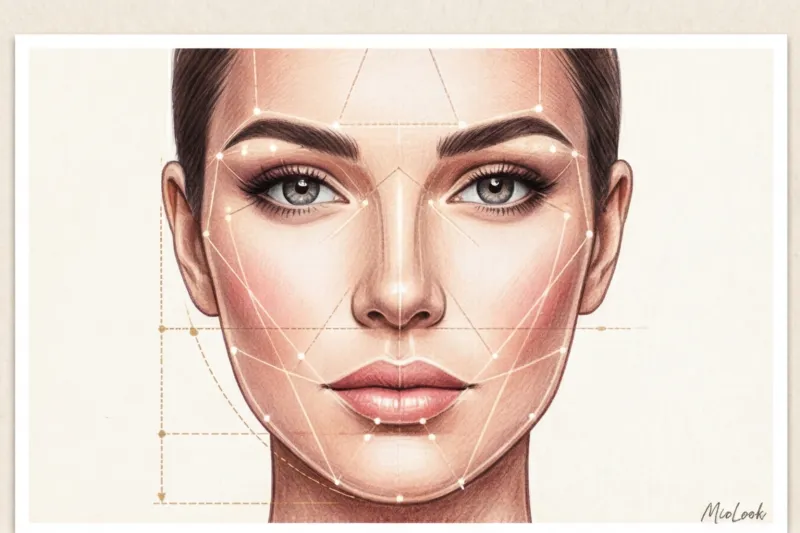
Если у лица есть природная асимметрия (а она присутствует у 99% из нас), алгоритм предлагает элегантную коррекцию с помощью виртуальных теней и бликов. Например, смещенный боковой пробор в сочетании со светлыми прядями (балаяж) с более узкой стороны лица визуально выравнивает пропорции. Это чистая физика света, которую топовые колористы используют ежедневно, и теперь она доступна вам еще до записи в салон.
Адаптация макияжа под цветотип
Я часто повторяю своим клиенткам: нет женщин, которым не идет красная помада, есть женщины, которые просто еще не нашли «свой» красный. Виртуальный тест помад в MioLook экономит не только часы сомнений у стендов с косметикой, но и десятки евро на ошибочные покупки, которые потом годами лежат в косметичке.
Система помогает безошибочно найти идеальный красный (с синим подтоном для холодной внешности или с кирпичным для теплой), правильный «нюд», который не сделает губы бледными, и сочный ягодный оттенки. То же правило работает при выборе скульптурирующих продуктов: подбор температуры румян и скульптора строго индивидуален. Нейросеть никогда не наложит вам на скулы теплый персик, если ваш холодный колорит требует полупрозрачный холодный тауп для создания естественной, а не рыжей тени.
Доступ к MioLook за €0,99 — разовый платёж
Умный AI-стилист подберёт идеальный образ: от формы стрижки до идеального оттенка помады за пару кликов.
Открыть доступ — €0,99 разовоПошаговый гайд: как создать виртуальный бьюти-образ в приложении
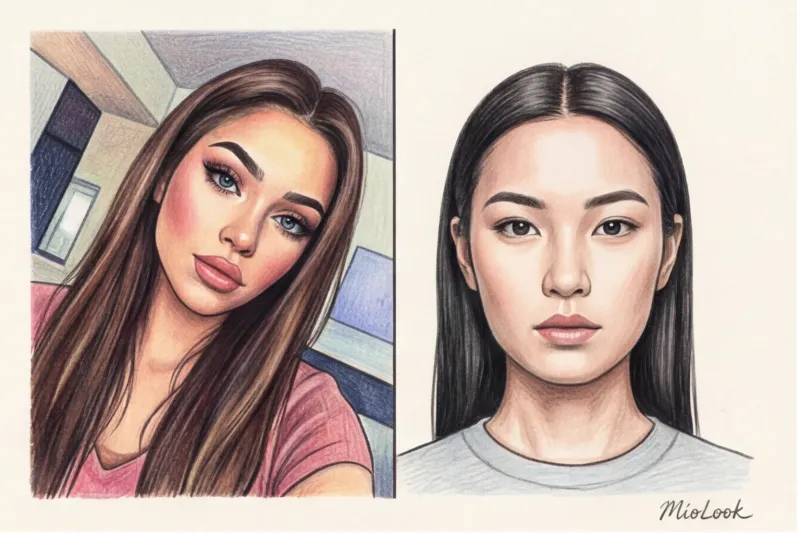
Нейросети работают по жесткому принципу: результат напрямую зависит от качества исходных данных. Если вы загружаете селфи, сделанное в тускло освещенном лифте или под резкой желтой лампой в ванной, не удивляйтесь, если алгоритм предложит вам землистый оттенок тонального крема. Чтобы грамотно подобрать прическу по фото нейросеть должна получить от вас идеальный, ничем не искаженный «чистый холст».
Мое главное правило для клиенток перед тестированием образов: техническая подготовка важнее самого творческого процесса. Однажды в моей практике случился показательный казус. Клиентка загрузила фото, где жесткая тень от оконной рамы падала ровно на половину лица. Искусственный интеллект считал эту тень как экстремальный графичный контуринг челюсти, из-за чего все сгенерированные короткие стрижки выглядели тяжело и диспропорционально. Как избежать подобных ошибок? Встаньте строго лицом к окну (рассеянный утренний дневной свет — ваш лучший фильтр). Уберите волосы в максимально тугой хвост, а еще лучше — наденьте широкую косметическую повязку. Никаких «пушков» вокруг лица и распущенных прядей на шее быть не должно: системе нужна абсолютно четкая линия роста волос и открытая архитектура скул.
Когда базовое фото готово, начинается работа с каталогом укладок. Я настоятельно рекомендую не скроллить ленту хаотично, а сразу использовать фильтры по длине и объему. Встроенные инструменты позволяют отсортировать базу по фактуре волоса. Ищете форму под строгий офисный дресс-код с пиджаком? Выставляйте фильтр на «миди-длину», «минимальный объем» и «гладкую текстуру» (тот самый трендовый эффект glass hair). Система мгновенно отсеет лишнее, предложив варианты от французского каре до прямого боба. На этом этапе обязательно отслеживайте, как виртуальный объем у корней визуально сужает или, наоборот, расширяет ваше лицо.
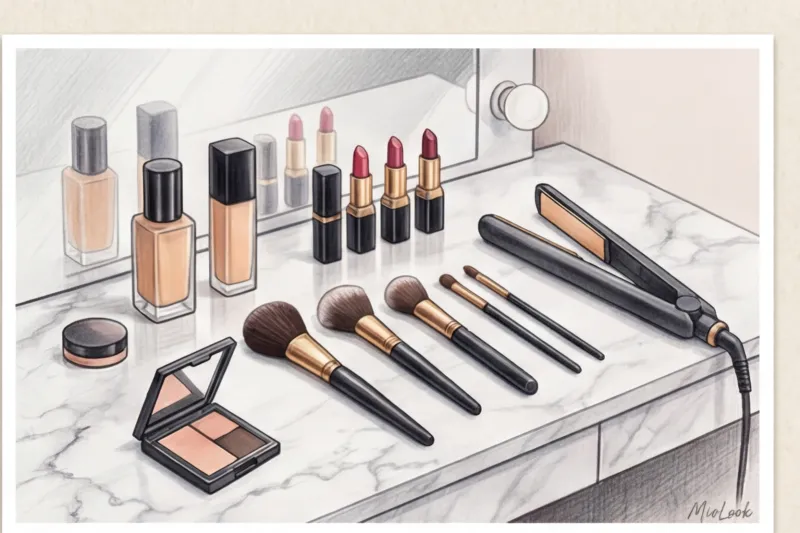
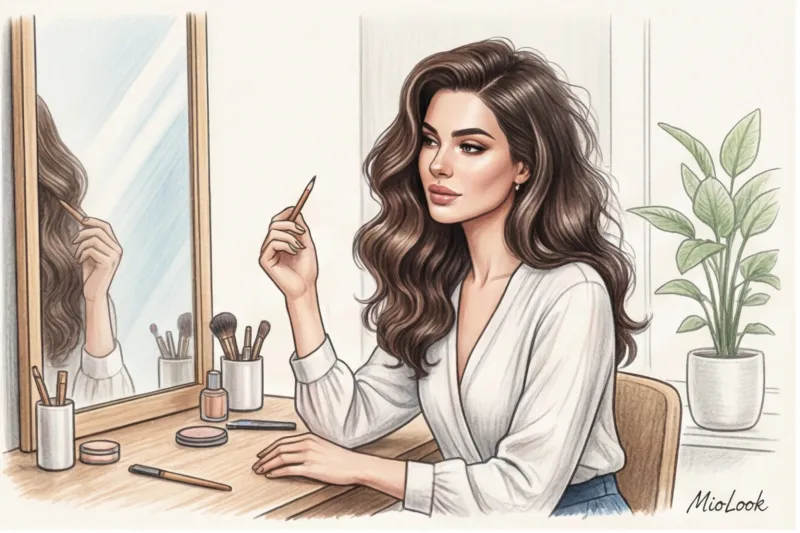
Следующий важный шаг — тонкая настройка макияжа. В приложении MioLook встроен функционал, который спасает от неестественного эффекта «восковой маски». Мой стилистический лайфхак: никогда не выкручивайте интенсивность тона на 100%. Оставьте ползунок на уровне 60–70%, чтобы сквозь пигмент просвечивала ваша живая текстура кожи. Затем переходите к геометрии глаз. Сравните классическую растушеванную стрелку с дерзкой графичной линией — вы наглядно увидите, как буквально пара миллиметров меняет наклон глаз. При работе с виртуальным контурингом попробуйте сместить точку затемнения на сантиметр выше вашей естественной впадины под скуловой костью. Этот прием визуально подтягивает овал лица, создавая эффект лифтинга без инъекций.
Финальный аккорд — сохранение самых удачных комбинаций в ваш личный виртуальный бьюти-гардероб. Относитесь к этому не просто как к развлечению, а как к умной инвестиции. Например, если вы нашли идеальный ягодный оттенок помады в сочетании с легкими пляжными волнами, сохраните этот лук. Во-первых, это защитит вас от импульсивных покупок (когда вы случайно тратите 40 € на люксовую помаду, которая в итоге желтит зубы, потому что вы не учли подтон кожи). Во-вторых, у вас появится структурированная библиотека референсов. Когда вы придете в салон перед важным мероприятием, вам не придется объяснять мастеру на пальцах, что значит «немного объема сверху и холодный нюд». Вы просто откроете свой сохраненный профиль и покажете готовый мудборд.
Секрет стилиста: синхронизируем прическу с вашим капсульным гардеробом
Разрушим один из самых застарелых глянцевых мифов: стрижку нельзя выбирать, ориентируясь исключительно на овал лица. Безусловно, углы челюсти и высота лба имеют значение, но открою вам парадоксальную истину — форма лица вторична. Первичен ваш гардероб. Линии кроя и силуэты одежды, которые вы носите ежедневно, жестко диктуют правила обрамления вашей головы.
Один из самых показательных уроков в моей практике произошел с топ-менеджером крупной компании. Она инвестировала около 3500 € в премиальную осеннюю капсулу: мы закупили потрясающие плотные водолазки из кашемира и архитектурные жакеты в эстетике Maison Margiela. Но финальная примерка обернулась провалом. Роскошные, густые волосы клиентки длиной до талии, распущенные по плечам, полностью сломали геометрию образов. В зоне шеи образовался неопрятный объемный валик из волос и плотной ткани, который визуально укоротил шею и сделал силуэт грузным. Это наглядная иллюстрация того, как неподходящая длина и укладка способны удешевить и испортить даже самые изысканные вещи.
Чтобы избежать подобных визуальных катастроф, я использую железную формулу «Воротник + Укладка». Ваша одежда и волосы никогда не должны конкурировать за пространство вокруг лица — они обязаны работать в тандеме.
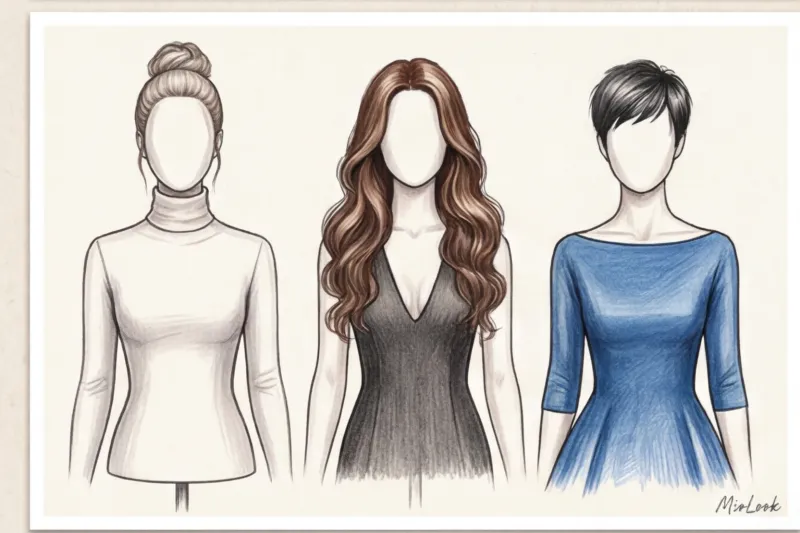
Начнем с водолазок и глухих воротов. Главная стилистическая ошибка — оставлять длинные волосы распущенными поверх высокого горла. Такая комбинация «съедает» шею, создавая эффект головы, лежащей прямо на плечах. Здесь критически необходимы гладко собранные волосы (высокий хвост, низкий гладкий пучок) либо короткое графичное каре. Идеальный геометрический срез короткой стрижки должен заканчиваться ровно на 1–2 сантиметра выше линии воротника, позволяя воздуху циркулировать между тканью и кончиками волос.
Совершенно иная физика работает для V-образного выреза и классической лодочки. Эти формы щедро оголяют ключицы и создают так называемое «негативное пространство» на груди. Правила обрамления декольте требуют заполнить эту пустоту, и именно здесь распущенные локоны смотрятся максимально выигрышно. Глубокий V-образный вырез мощно вытягивает силуэт по вертикали, поэтому мягкие волны, спадающие на плечи, создают идеальный баланс: они добавляют горизонтального объема, не перегружая образ.
А как быть с жакетами с жестким плечом? Объемные подплечники — это сильное маскулинное заявление, отсылающее к стилю power-dressing 80-х. Если добавить к ним зализанные назад волосы, вы рискуете уйти в излишнюю строгость или даже милитари-агрессивность. Мы балансируем маскулинность кроя женственными текстурами: мягкими крупными волнами или нарочито небрежными локонами. Эта игра на контрастах делает образ по-настоящему сложным и дорогим.
Прежде чем браться за ножницы в попытке адаптировать длину под новый сезонный гардероб, протестируйте идеи виртуально. Сегодня вам достаточно подобрать прическу по фото нейросеть MioLook сделает это прямо поверх вашей одежды. Загрузите селфи в вашем самом сложном жакете или любимой водолазке и посмотрите, какая геометрия волос уравновесит пропорции воротника.
Дресс-коды и интенсивность макияжа
Гармония образа не заканчивается на длине волос. Интенсивность макияжа обязана масштабироваться в зависимости от вашего дресс-кода, словно громкость музыки, которую вы регулируете при переходе из шумного клуба в тихий офис.
В парадигме Business Formal (классический корпоративный сегмент, банкинг, юриспруденция) царствуют чистота и строгость. Укладка должна быть идеальной, без пушащихся baby-hair — здесь безупречно работают низкие пучки с геометрически ровным пробором. Макияж строится по принципу «макияж без макияжа» с абсолютным фокусом на ухоженную кожу. Мы категорически отказываемся от графичных черных стрелок и плотных теней в пользу мягкой межресничной подводки коричневым кайалом и полупрозрачных матовых текстур. Румяна — едва заметного персикового подтона, губы — в нейтральной нюдовой гамме, повторяющей природный оттенок.
Стиль Smart Casual, характерный для IT-индустрии, стартапов и креативных агентств, позволяет дышать гораздо свободнее. Здесь приветствуется продуманная легкая небрежность. В укладке солируют текстурирующие солевые спреи и сухие шампуни для прикорневого объема, создающие эффект парижского шика. Главный стилистический прием для таких образов — чистая сияющая кожа плюс один яркий фокусный элемент. Например, сочетание простых прямых джинсов, базового оверсайз-пиджака и акцентной помады глубокого ягодного или классического красного оттенка выглядит невероятно свежо и уверенно.
Когда речь заходит про вечерний выход, ключевой задачей становится грамотная трансформация дневного офисного образа без необходимости умываться и начинать все с нуля. Вечернее искусственное освещение и софиты «съедают» до трети цвета на вашем лице, поэтому контрастность необходимо усиливать. С помощью ИИ-инструментов вы можете заранее спроектировать этот переход. Загрузите утреннее фото в приложение и виртуально примерьте, как добавление винных смоки-айс или насыщенного глянцевого финиша на губы изменит градус нарядности. Это позволяет точечно скорректировать образ перед выходом, точно зная, что результат будет смотреться гармонично.
Доступ к MioLook за €0,99 — разовый платёж
Начните создавать идеальные бьюти-образы с помощью искусственного интеллекта и синхронизируйте их со своим гардеробом уже сегодня.
Открыть доступ — €0,99 разовоМакияж и прическа для спикеров: тестирование образов для сцены
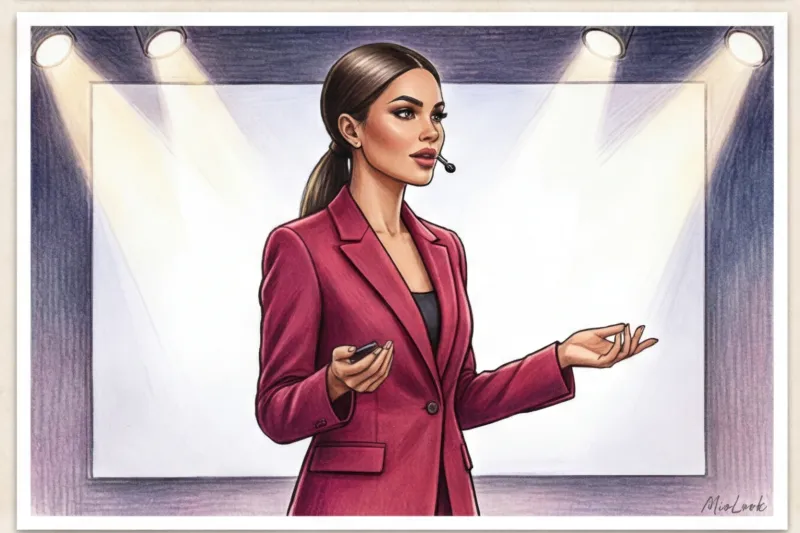
Согласно стандартам телевизионного грима (например, классическим гайдлайнам BBC), студийные софиты с цветовой температурой около 5600K безжалостно «съедают» до 30% насыщенности вашего макияжа. Мощный направленный свет визуально сглаживает естественные тени лица, превращая деликатный нюдовый мейкап в абсолютно бледное, лишенное объема пятно. Учитывая, что услуги профессионального визажиста перед важным выступлением могут обойтись в сумму от 100 до 250 €, обидно терять эти инвестиции из-за незнания законов оптики. То, что в зеркале гримерки при дневном свете кажется вам слишком плотным слоем тона или избыточным контурингом, на сцене через объектив камеры будет выглядеть как просто здоровый, отдохнувший цвет лица.
Именно здесь функция виртуального макияжа становится незаменимым инструментом. При подготовке моих клиенток к выступлениям в формате TEDx или масштабным вебинарам, мы всегда проводим стресс-тест образа. Загрузив исходник в MioLook, я рекомендую искусственно завысить ползунки интенсивности скульптора, румян и помады на те самые 30–40% от вашей привычной нормы. Это позволяет наглядно увидеть, не уйдет ли выбранный теплый контур в грязные пятна при уплотнении, и как будет смотреться активная пигментация на губах с расстояния в несколько метров.
Особое внимание стоит уделить финишу кожи. Популярный сегодня эффект «glass skin» с влажным сиянием на сцене категорически противопоказан. Под лампами деликатный хайлайтер мгновенно трансформируется в иллюзию жирного блеска. В приложении обязательно тестируйте матовые текстуры. Выбирая виртуальный матовый финиш, вы проектируете архитектуру лица исключительно за счет цветотени (матовых бронзеров и румян), избегая риска появления случайных бликов на лбу и спинке носа. Будем честны: виртуальная примерка не спасет вас от реального жара софитов, но она дает идеальную карту для визажиста, показывая, где именно требуется железобетонная матовая фиксация транспарентной пудрой.
Не менее строгие правила диктует и сценическая кинетика. Когда вы используете инструмент, чтобы подобрать прическу по фото, нейросеть может предложить вам роскошные объемные волны. Для статичной фотосессии — да, для сцены — категорическое нет. Если вы активно жестикулируете (а хороший спикер всегда работает телом), распущенные пряди неизбежно падают на лицо. Спикер начинает рефлекторно заправлять волосы за ухо каждые две минуты — этот навязчивый микрожест невероятно раздражает аудиторию и выдает вашу внутреннюю нервозность.
Моя сценическая формула выглядит так: открытое лицо + жесткая фиксация. Идеально работают гладкий низкий хвост, архитектурный пучок или графичное каре, надежно заколотое невидимками за ушами. Такая геометрия создает четкий визуальный фрейм, позволяя слушателям фокусироваться на вашей мимике и смысловой артикуляции, а не на танцующих вокруг щек локонах.
4 частые ошибки при выборе прически онлайн (и как их избежать)
Согласно индустриальному исследованию косметического рынка за 2023 год, 68% женщин хотя бы раз в жизни горько жалели о кардинальной смене имиджа в первые 24 часа после выхода из салона. Сегодня подобрать прическу по фото нейросеть может за несколько секунд, минимизируя этот риск. Но, как практикующий стилист, я обязана озвучить жесткую правду: у алгоритмов есть свои слепые зоны.
Искусственный интеллект превосходно считывает геометрию лица, но он не знает, сколько у вас времени на утреннюю укладку, каков ваш бюджет на косметику и умеете ли вы пользоваться стайлером Дайсон. Давайте разберем четыре главные ловушки виртуальной бьюти-примерки и способы их изящно обойти.
Ошибка 1: Игнорирование вашей реальной структуры волос (пористые, тонкие, тяжелые)
Вы загружаете селфи и примеряете архитектурный «стеклянный боб» (glass hair) с зеркальным блеском. На экране это выглядит роскошно, в духе рекламных кампаний Prada. Но если в реальности у вас пористые, пушащиеся от влажности волны или тяжелые, густые пряди, которые не поддаются укладке, эта стрижка обернется ежедневным 40-минутным сражением с утюжком и термозащитой.
«Виртуальная примерка показывает вам эстетический потенциал, но не учитывает физику волоса. ИИ не будет стоять с вами перед зеркалом в 7 утра с брашингом в руках», — именно эту фразу я произношу на первой же консультации.
Решение: Всегда делайте поправку на свою текстуру. Если волосы от природы тонкие, ищите в каталоге слоистые, текстурные стрижки (шегги, маллет или градуированный боб), которые дают визуальный объем за счет воздуха между слоями, а не за счет жесткой фиксации.
Ошибка 2: Выбор оттенка блонда без учета частоты походов в салон
Тотальный платиновый или пепельный блонд — безусловный лидер среди запросов на виртуальную трансформацию. Экран смартфона легко стирает желтизну, но он не показывает вам финансовую изнанку этого цвета. Поддержание холодного скандинавского блонда требует обновления корней каждые три-четыре недели. В хорошем салоне это обойдется вам в диапазоне 150–250 € за каждый визит, не считая обязательной покупки профессиональных липидных масок.
Решение: Если ваш график или бюджет не предполагают ежемесячных визитов к колористу, используйте приложение для примерки более автономных техник. Балаяж, эйртач или легкое контурирование лица светлыми прядями (money piece) освежат образ, но позволят посещать мастера раз в четыре-шесть месяцев.
Ошибка 3: Оценка образа «в вакууме», без примерки виртуального наряда в MioLook
Колоссальная ошибка — рассматривать новую прическу как изолированный элемент, просто как рамку для лица. Дерзкая ультракороткая пикси будет транслировать совершенно разные смыслы, если вы наденете уютный оверсайз-свитер или строгий двубортный жакет с широкими плечами.
Решение: Никогда не принимайте финальное решение, глядя только на портрет по плечи. Я настоятельно рекомендую использовать возможности MioLook для создания полноценного силуэта. Скомбинируйте сгенерированную укладку с вашим любимым офисным костюмом или вечерним платьем прямо в приложении. Только оценив пропорции в полный рост, вы поймете, не нарушила ли новая масса волос баланс вашей фигуры.
Ошибка 4: Слишком радикальная смена имиджа перед важным событием
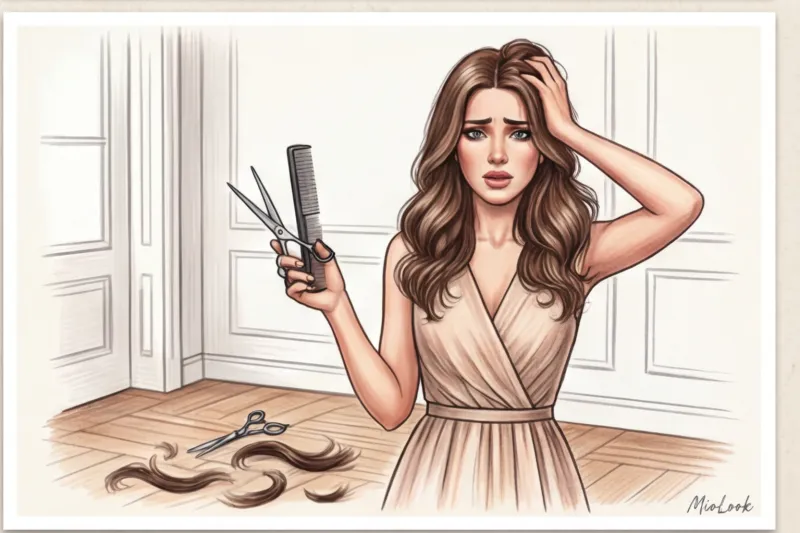
Отрезать челку за два дня до собственной свадьбы или перекраситься в медный накануне выступления на бизнес-форуме — классический сценарий модного саботажа. Даже если нейросеть показала вам безупречный результат, вашей психике требуется время на адаптацию к новому отражению. Возникает так называемый «синдром чужого лица», когда вы физически чувствуете себя некомфортно.
Решение: Если предстоит важное событие, где планируется фото- и видеосъемка, начинайте эксперименты минимум за месяц. Приложение работает здесь как отличный визуальный терапевт: сгенерируйте 3-4 экстремальных варианта, сохраните в телефон и дайте себе неделю просто на них смотреть. Эффект шока от новизны спадет, эмоции утихнут, и вы сможете оценить идею холодным рассудком.
Ваш идеальный образ начинается здесь
Присоединяйтесь к тысячам пользователей, которые каждый день принимают безошибочные стильные решения вместе с умными алгоритмами MioLook.
Открыть доступ — €0,99 разовоВаш бьюти-план на 7 дней: от виртуального теста к реальности
Исследования в области нейроэстетики доказывают: нашему мозгу требуется от 72 до 120 часов, чтобы адаптироваться к изменениям в собственной внешности и начать воспринимать их адекватно. Именно поэтому импульсивная запись в салон «день в день» — главный враг продуманного стиля. В своей закрытой группе я внедрила строгое правило: между возникновением идеи о смене имиджа и ножницами мастера должна пройти ровно неделя.
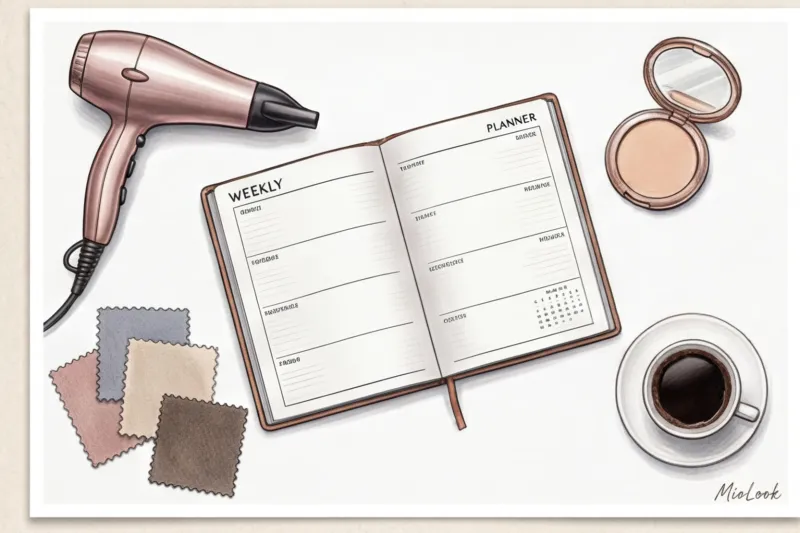
Я разработала пошаговый алгоритм, который переводит ваши эксперименты из цифровой плоскости в реальную жизнь без стресса и разочарований.
День 1-2: Загрузка базы и тестирование 10 кардинально разных форм
В первые двое суток ваша задача — снять внутренние рамки. Откройте приложение и позвольте себе примерить то, на что никогда бы не решились в реальности. Поскольку сегодня подобрать прическу по фото нейросеть может буквально за пару кликов, используйте этот функционал на максимум: протестируйте дерзкую пикси, удлиненный шегги в стиле 70-х, асимметричный боб. Сгенерируйте минимум десяток вариантов, сохраните их в галерею и... отложите телефон. Дайте визуальному шоку улечься.
День 3-4: Примерка топ-3 причесок и макияжа к вашим любимым офисным лукам в приложении
Теперь включаем холодную аналитику. Отберите три самых удачных варианта и начните «женить» их с вашим гардеробом. Дорогая стрижка (скажем, в диапазоне 100–150 €) не принесет радости, если она стилистически спорит с вашей повседневной одеждой. В виртуальной примерочной проверьте, как выбранная укладка и макияж смотрятся с вашей плотной базовой рубашкой от COS, строгим жакетом Zara или любимым кашемировым свитером.
День 5: «Опрос зала» — делимся сгенерированными мудбордами с доверенным кругом
Стилистическая слепота — реальный феномен, когда мы настолько привыкаем к своему отражению, что не видим очевидных диспропорций. Отправьте коллажи из топ-3 образов двум-трем людям, чьему вкусу вы безоговорочно доверяете (но не устраивайте голосование в рабочем чате на 20 человек!). Задайте им конкретный вопрос: «Какой из этих образов транслирует больше уверенности и собранности?»
День 6-7: Составление технического задания для вашего парикмахера и визажиста
Мастера ненавидят абстракцию вроде «сделайте мне как-нибудь свежо». К концу недели у вас на руках будет четкое визуальное ТЗ. Вы приходите в салон не с одной случайной фотографией модели из Pinterest, а с собственными портретами. Вы сможете предметно сказать: «Мне нравится вот эта линия среза, такой уровень контрастности макияжа, и я точно знаю, что мне нужен именно этот объем у корней».
Этот семидневный инкубационный период гарантирует, что вы идете в кресло к специалисту не за спонтанной эмоцией, а за прогнозируемым, устойчивым результатом, который будет работать на вашу уверенность каждый день.
Резюме: инвестируйте в уверенность
По данным психологических исследований в сфере бьюти-индустрии, более 40% женщин испытывают так называемую «салонную тревожность» перед кардинальной сменой имиджа. И это абсолютно нормально. Когда вы садитесь в кресло мастера, пульс учащается, потому что цена ошибки — это не только условные 150 €, оставленные на кассе. Это месяцы мучительного отращивания некомфортной длины и ежедневная борьба с укладкой, которая вас не радует.
Именно поэтому сегодня возможность подобрать прическу по фото нейросеть — это не просто развлечение на вечер. Это самый мощный антидот против стресса. Визуализация переключает наш мозг из режима паники в режим аналитики. Когда вы видите готовый результат на собственном лице, а не на отретушированной фотографии голливудской звезды, страх неизвестности уходит. Вы начинаете мыслить предметно: оцениваете, как удлиненная челка-шторка смягчает линию квадратной челюсти, или как глубокий медный оттенок «зажигает» ваши карие глаза.
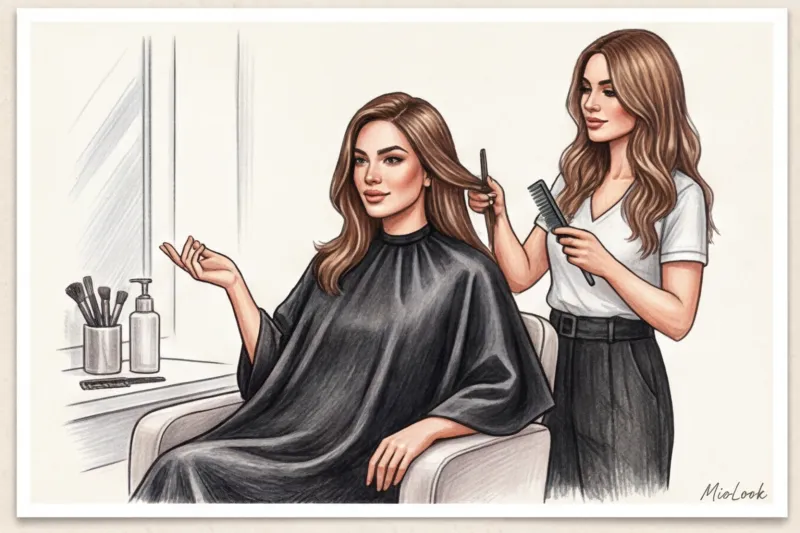
Давайте посчитаем реальную стоимость комплексного подхода. Чтобы собрать безупречный Total Look в реальной жизни, вам потребуются три специалиста: парикмахер-колорист (чтобы выстроить форму), визажист (чтобы адаптировать вашу косметичку под новый цвет волос) и стилист (чтобы объяснить, какие вырезы жакетов теперь будут выигрышно смотреться с вашей новой длиной). В Европе полноценная совместная консультация такого консилиума экспертов легко обойдется в сумму от 450 до 600 €.
«Приложение MioLook буквально помещает эту команду премиальных специалистов в ваш карман. Алгоритмы не рассматривают ваше лицо в вакууме — они анализируют геометрию черт, температуру кожи и связывают это с вашим виртуальным гардеробом».
В этом и заключается подлинная магия технологий. ИИ берет на себя самую сложную рутину — прогнозирование результата. Вы получаете возможность провести десятки безопасных экспериментов: примерить плотный матовый тон для сцены, добавить холодный скульптор, срезать длину до дерзкого французского боба — и все это без единого касания ножниц.
Мой финальный и самый важный совет на сегодня: прекратите собирать абстрактные мудборды с фотографиями селебрити. Эпоха референсов «хочу стрижку как у этой актрисы» давно прошла — хотя бы потому, что у вас совершенно разная костная структура. Настало время изучать собственную уникальную внешность.
Хватит гадать, пойдет ли вам дерзкая пикси или элегантная многослойность. Вы заслуживаете того, чтобы чувствовать абсолютную уверенность в своей привлекательности каждый раз, когда выходите за порог дома. Сделайте первый шаг прямо сейчас: найдите окно с хорошим дневным светом, уберите волосы от лица, сделайте честное селфи и загрузите его в MioLook. Ваша идеальная челка, тот самый правильный оттенок румян и ваш новый, качественно иной уровень уверенности в себе — все это уже ждет вас. От грандиозной трансформации вас отделяет всего один клик.
Главы гайда
Как примерить модные стрижки по фото: советы стилиста
Узнайте, как современные технологии помогают подбирать прическу, которая идеально впишется в ваш гардероб и образ жизни.
Как омолаживающие стрижки подобрать онлайн по фото
Не спешите отрезать волосы в погоне за молодостью. Узнайте, как виртуальная примерка поможет найти идеальную стрижку и избежать неудачного похода в салон.
Как невесте подобрать свадебную прическу и макияж онлайн
Свадебный образ — это не просто «мечта принцессы», а строгий проект. Рассказываем, как избежать ошибок стиля и собрать гармоничный Total Look до похода к мастеру.
Как узнать пойдет ли короткая стрижка по фото
Стилист объясняет, почему нельзя выбирать стрижку только по лицу. Узнайте, как оценить свои пропорции перед кардинальной сменой имиджа.
Идеальный цвет волос по цветотипу внешности: тест с фото
Неправильное окрашивание может испортить образ и стоить сотни евро. Узнайте, как ИИ помогает подобрать идеальный оттенок волос по вашему фото.
Как подобрать форму бровей по типу лица онлайн с ИИ
Брови — это геометрический каркас лица, и ошибка мастера может испортить ваш образ. Узнайте, как искусственный интеллект помогает найти идеальную форму.
Как подобрать макияж к одежде онлайн: смарт-советы
Макияж — это ваш главный аксессуар, который собирает образ воедино. Узнайте, как избежать дисбаланса между стилем наряда и мейкапом.
Пойдет ли мне челка: проверить по фото онлайн
Желание отрезать челку часто бывает импульсивным. Рассказываем, как безопасно примерить новый образ по фото с помощью нейросети до похода в салон.
Подобрать цвет волос по фото: нейросеть поможет без риска
Смена оттенка волос — это полная перестройка образа, способная нарушить гармонию вашего гардероба. Узнайте, как заранее примерить новый цвет с помощью ИИ.
Виртуальный макияж онлайн с фото: примерьте образ
Хватит тратить деньги на косметику, которая вам не идет. Узнайте, как виртуальная примерка макияжа помогает планировать бюджет и стиль.
Как подобрать стрижку по форме лица онлайн в MioLook
Дорогой гардероб бессилен, если ваша прическа не продумана. Узнайте, почему выбор идеальной стрижки с помощью ИИ — это фундамент вашего личного бренда.
MioLook: приложение для подбора причесок и макияжа
Устали от неудачных экспериментов с внешностью? Узнайте, как виртуальная примерка образов в приложении MioLook спасет ваши волосы от катастрофы.