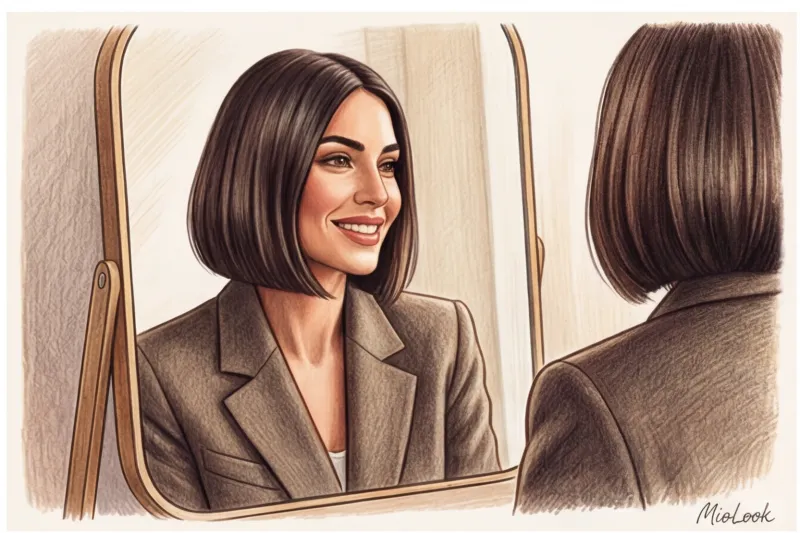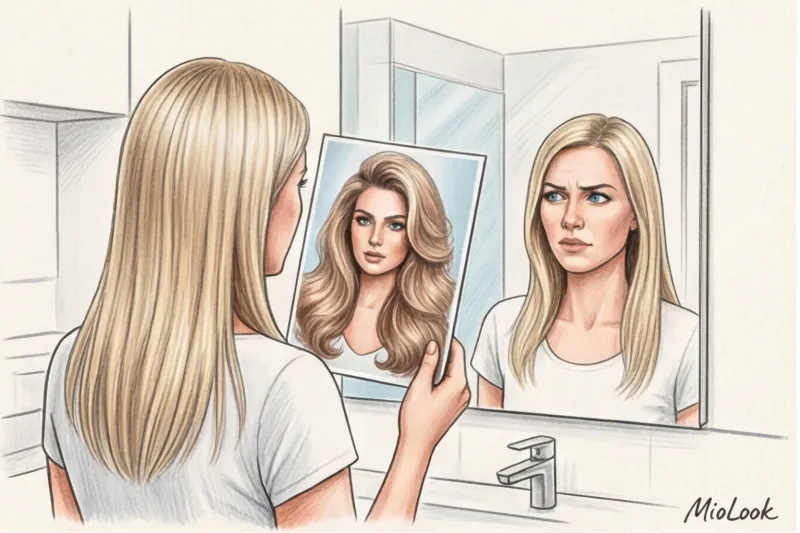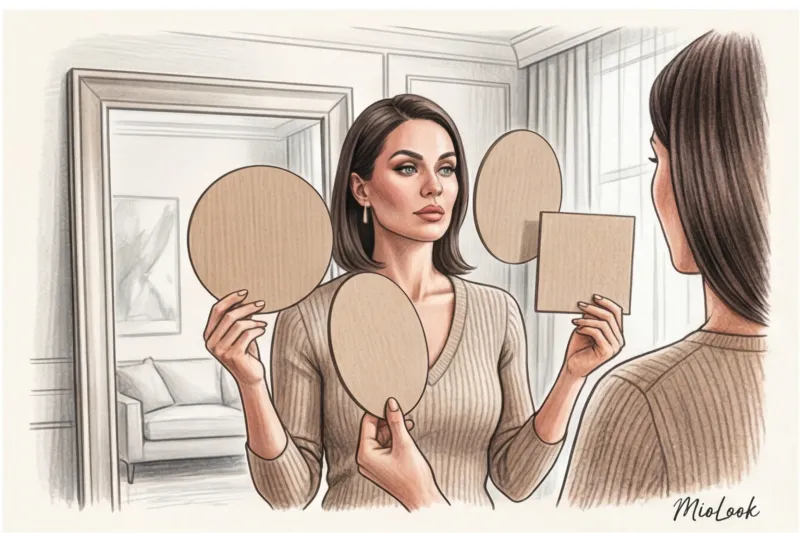
За 12 лет работы стилистом и колористом я видела сотни девушек, которые с линейкой у зеркала пытались вычислить, «кто они»: квадрат, круг или, о боже, перевернутый треугольник. Одна из моих клиенток, топ-менеджер IT-компании, призналась: «Я прочитала, что моему круглому лицу нельзя носить каре, и уже пять лет мучаюсь с длинными волосами, на укладку которых уходит час каждое утро».
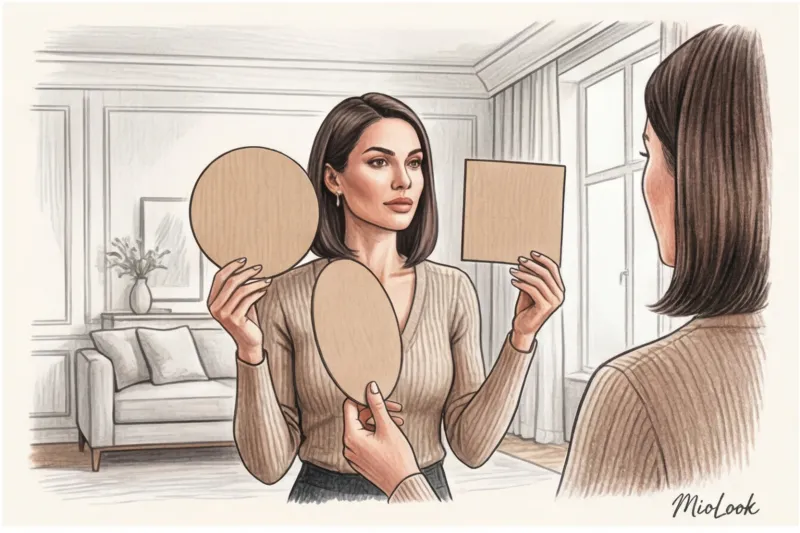
Давайте начистоту: идея о том, что нужно любой ценой подогнать свое лицо под «идеальный овал», безнадежно устарела. Сегодня мы используем искусственный интеллект не как забавный инстаграм-фильтр, а как серьезный инструмент биометрического и финансового риск-менеджмента. Подробнее о технологиях, стоящих за этим процессом, мы рассказали в нашем полном гиде по виртуальной примерке причесок. Моя задача сейчас — научить вас правильно подобрать стрижку по фото так, чтобы результат в зеркале радовал вас следующие полгода, а не заставлял покупать шапки в июле.
Почему старые правила геометрии лица больше не работают
Долгие годы бьюти-индустрия жила по правилам, заложенным еще в эпоху классической школы Видала Сассуна: есть «эталонный» овал, и все остальные формы (круг, квадрат, груша) нужно визуально к нему сводить. Использовались жесткие контуринги, скрывающие челки и пряди у лица, создающие иллюзию узкого подбородка.
Согласно исследованию трендов WGSN (2024 год), глобальный вектор сместился от «маскировки недостатков» к архитектурному подчеркиванию уникальной костной структуры. Деление на «чистые» типы — это опасное упрощение. Ваша широкая волевая челюсть — это не дефект, который нужно прятать за жидкими прядями, а признак статуса, уверенности и внутренней силы. Посмотрите на современных CEO или моделей на подиуме — графичные скулы и выраженный подбородок сейчас являются главным бьюти-капиталом.
Иллюзия идеального овала: что мы упускаем?
Самая большая ловушка при выборе прически кроется в кадрировании. Когда мы смотрим на себя в зеркало (или делаем селфи), мы видим только лицо и шею. В этой изолированной картинке конкретная стрижка может делать овал лица безупречным.
Но в жизни мы не летающие головы. Наше лицо неразрывно связано с длиной шеи, шириной плечевого пояса, осанкой и даже объемом грудной клетки. Стрижка, которая идеально вытягивает «круглое лицо» на фото крупным планом (например, удлиненный боб ниже ключиц), может визуально отрезать шею и сделать фигуру приземистой, если у вас от природы покатые плечи. О том, как пропорции влияют на восприятие силуэта, мы детально разбирали в статье о поиске нового стиля без разорения.
Как подобрать стрижку по фото: эволюция от масок к биометрии
Многие до сих пор путают профессиональные алгоритмы с масками в соцсетях. Фильтры просто накладывают 2D-картинку парика поверх вашего видео, часто игнорируя реальные объемы черепа. В результате получается комичный эффект шлема.
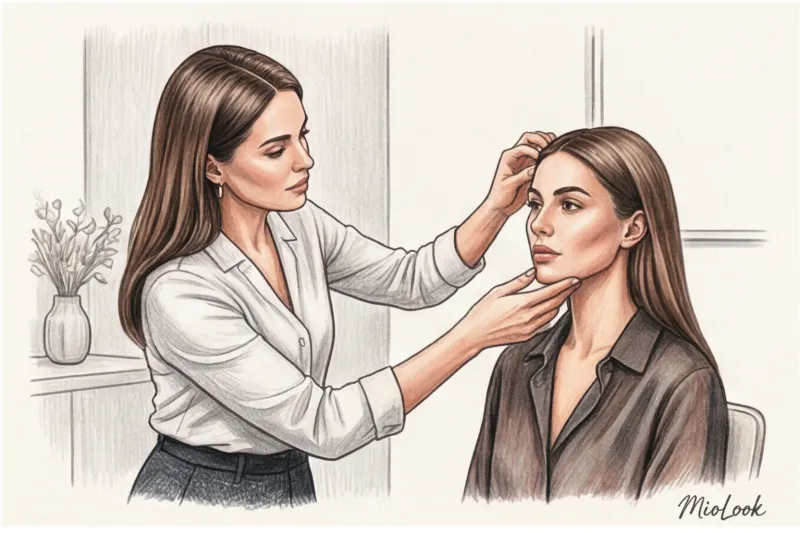
Современная нейросеть работает как биометрический сканер. Она считывает более 150 точек на вашем лице, анализирует глубину теней, посадку глаз и линию роста волос. Алгоритмы способны даже учитывать подтон кожи (опираясь на стандарты PANTONE), когда вы тестируете не только форму, но и цвет. Если вы хотите углубиться в эту тему, рекомендую материал о советах стилиста по примерке стрижек онлайн.
Но самое важное здесь — финансовая прагматика. ИИ — это ваш персональный риск-менеджер. Давайте посчитаем: импульсивное отрезание челки в хорошем европейском салоне обойдется в 40–80 €. Если она вам не пойдет, вы потратите от 50 € в месяц на профессиональные стайлинговые средства (пасты, глины, лаки сильной фиксации), чтобы ее усмирять. Если вы решили закрасить неудачный эксперимент и выйти, скажем, из черного цвета — готовьте от 200 € и выше, плюс качество волос неизбежно пострадает. А время отращивания ошибочного короткого среза — это в среднем 6–8 месяцев дискомфорта. Виртуальная примерка сводит этот риск к нулю.
Ваш идеальный образ начинается здесь
Присоединяйтесь к тысячам пользователей, которые каждый день выглядят безупречно с MioLook. Примерьте сотни вариантов стрижек без риска для волос.
Открыть доступ — €0,99 разовоИнструкция: как подготовить идеальное селфи для нейросети
Проанализировав тысячи загруженных фотографий в приложение MioLook, я вывела железное правило: ошибка на входе всегда равна ошибке алгоритма на выходе. ИИ невероятно умен, но он не умеет додумывать то, что скрыто в глубокой тени или засвечено лампой.
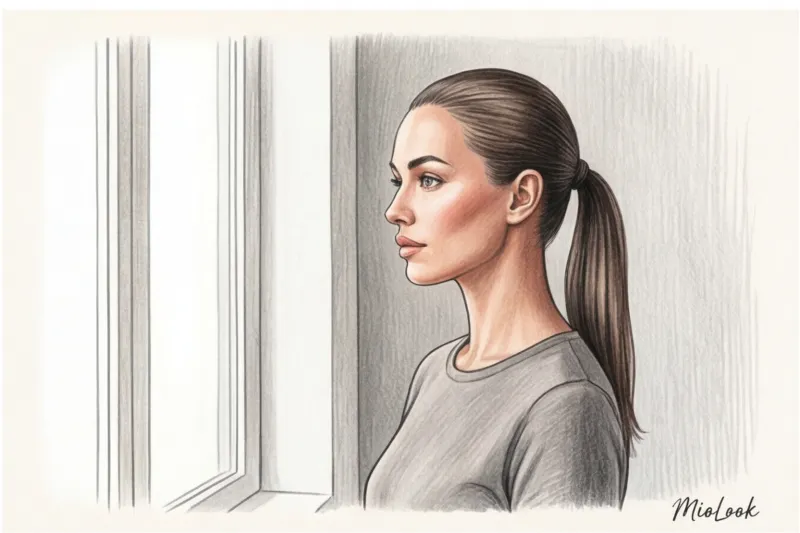
- Правило нейтрального света. Никогда не делайте фото под теплыми лампами накаливания или в ванной (они дают желтый подтон и искажают тени) и не снимайтесь под прямыми солнечными лучами (они «съедают» рельеф). Идеальный вариант — встать лицом к окну в пасмурный день. Свет должен равномерно заливать лицо.
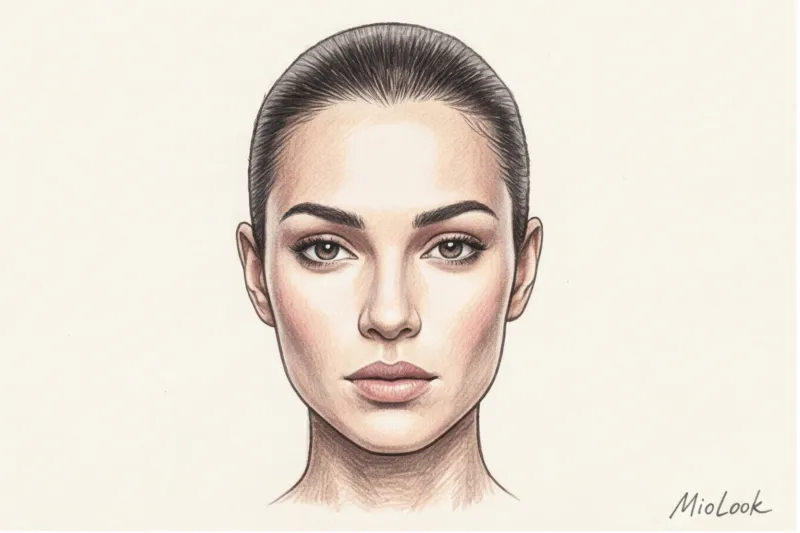
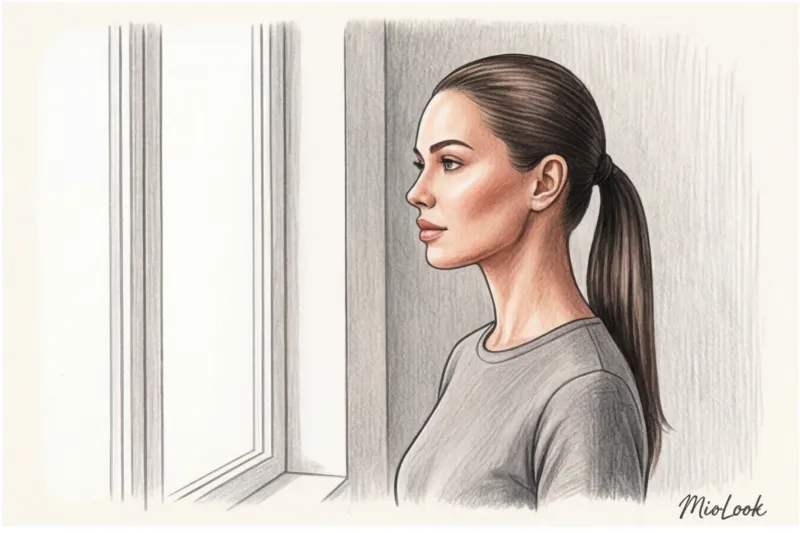
- Убираем лишний объем. Нейросети нужно видеть вашу реальную форму черепа и линию роста волос. Гладко зачешите волосы назад, соберите их в тугой хвост или пучок. Если у вас есть пушок у лица — пригладьте его водой или каплей геля.
- Строгий ракурс. Камера должна находиться строго на уровне глаз. Снимаете снизу — получите тяжелую челюсть. Снимаете сверху — нейросеть «увидит» огромный лоб и подберет вам густую челку, которая в реальности вам не нужна. Лицо расслаблено, никаких широких улыбок, меняющих архитектуру скул.
Разбор по типажам: тестируем гипотезы без ножниц
В колористике и архитектуре стиля есть два базовых принципа: «подобное усиливает подобное» и «контраст создает баланс». Это значит, что если у вас очень мягкие, округлые черты лица (пухлые щеки, неявные скулы), и вы сделаете стрижку с обилием мягких кудрей у лица, вы визуально превратитесь в «облако». Мы теряем структуру.
Используя ИИ, вы можете легко протестировать, как челка меняет пропорции третей лица. Прямая густая челка визуально укорачивает нос (так как он становится единственной вертикалью на открытой части лица) и переносит весь фокус на губы и подбородок. Готовы ли вы сделать подбородок центром композиции? Онлайн-тест покажет это за секунду.
Стрижки для мягких и угловатых структур
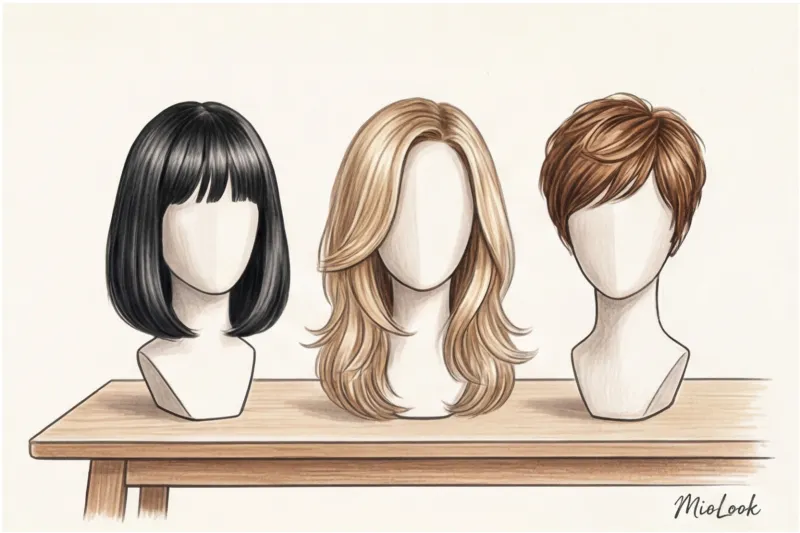
Для мягких линий (круг, сердечко) нам необходимо создать вертикаль и динамику без лишнего объема по бокам. Загрузите в приложение варианты с асимметричным пробором, удлиненной косой челкой или рваными слоями у ключиц. Наша цель — добавить немного «остроты» и геометрии.
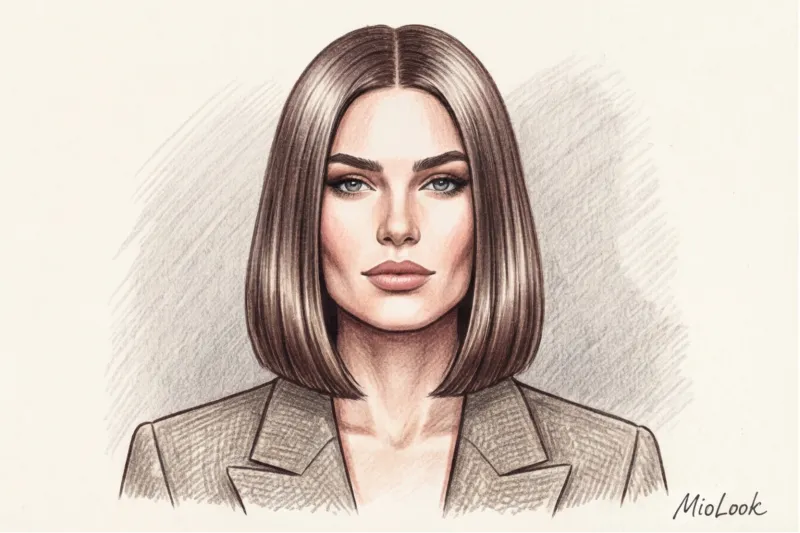
Для угловатой структуры (прямоугольник, квадрат) у вас есть два стратегических пути. Первый: смягчение. Выбирайте слоистые текстурные стрижки (шэгги, маллет с мягкими краями), которые сгладят углы. Второй (мой любимый): усиление. Сделайте абсолютно графичный, как по линейке, срез у подбородка (вспомните Анну Винтур). Это возведет вашу «квадратность» в ранг высокой моды и абсолютной статности. Искусственный интеллект отлично справляется с визуализацией обоих вариантов.
Главная ошибка при выборе стрижки: синдром «оторванной головы»
Я называю это «синдромом оторванной головы» — когда женщина выбирает стрижку исключительно по лицу, полностью игнорируя то, что висит у нее в шкафу. Стрижка — это ваш самый главный аксессуар, который вы носите 24/7. Ее нельзя рассматривать вне контекста вашего капсульного гардероба.
Приведу пример из практики. Клиентка сделала идеальный, выглаженный утюжком графичный боб-каре. На фото в салоне — потрясающе. Но в жизни она носит расслабленные кардиганы крупной вязки из H&M и объемные худи от Uniqlo. Жесткая, строгая геометрия волос вступила в жесточайший диссонанс с мягкой, уютной фактурой одежды. Казалось, что голова принадлежит другому человеку. Если вы выбираете графику на голове, вам понадобятся структурные жакеты с четкой линией плеча. Больше идей для таких сочетаний мы собрали в подборке строгих укладок для офиса.
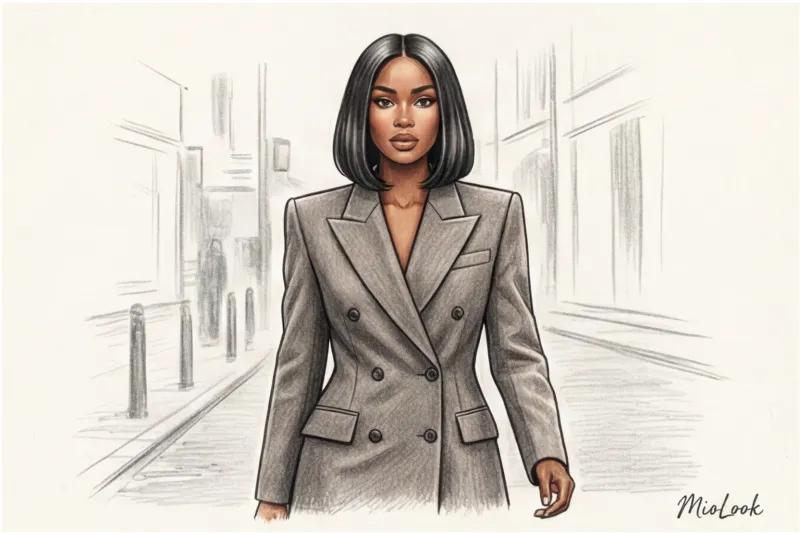
Также следите за взаимосвязью длины волос и воротников. Если вы носите рубашки с жестким воротником или водолазки, стрижка длиной ровно до основания шеи будет постоянно заламываться, создавая эффект «утиного хвоста». Либо стрижем выше воротника, либо отращиваем ниже.
Доступ к MioLook за €0,99 — разовый платёж
Умный AI-стилист подберёт идеальный образ, учитывая не только ваше лицо, но и гардероб.
Открыть доступ — €0,99 разовоЧек-лист: 5 вопросов перед походом в салон (после онлайн-примерки)
У онлайн-примерки есть одно честное ограничение: нейросеть не потрогает ваши волосы руками. Если у вас жесткая стекловидная седина или пористый кудрявый блонд, форма с картинки потребует адаптации мастером. Поэтому, когда вы нашли идеальный силуэт в приложении, задайте себе 5 вопросов:
- Готова ли я укладывать это каждое утро? Пикси на фото выглядит дерзко, но в реальности короткая стрижка требует мытья головы и укладки брашингом каждый день, без исключений.
- Вписывается ли этот силуэт в мой рабочий дресс-код? Для пятничного casual это отлично, но как небрежные слои будут смотреться с вашим строгим костюмом на совете директоров?
- Соответствует ли длина моим любимым вырезам? Не укорачивает ли визуально шею в сочетании с любимым свитером Massimo Dutti?
- Как это будет выглядеть через 2 месяца? Спросите мастера (именно мастера, а не ИИ), как форма будет отрастать. Хорошая архитектурная стрижка держит форму до 3 месяцев.
- Показала ли я мастеру фото «ДО»? Несите в салон не только сгенерированный результат, но и то самое «голое» селфи без волос на лице. Мастер должен видеть, на какую костную структуру мы сажаем форму.
Секрет удачной стрижки не в том, чтобы найти мифический «овал», а в том, чтобы создать гармоничный силуэт, который легко поддерживать в реальной жизни. Используйте технологии для тестов, доверяйте зеркалу в полный рост и не бойтесь подчеркивать свою уникальную архитектуру лица.