Эра бьюти-технологий: зачем стилисту и вам нужен ИИ?
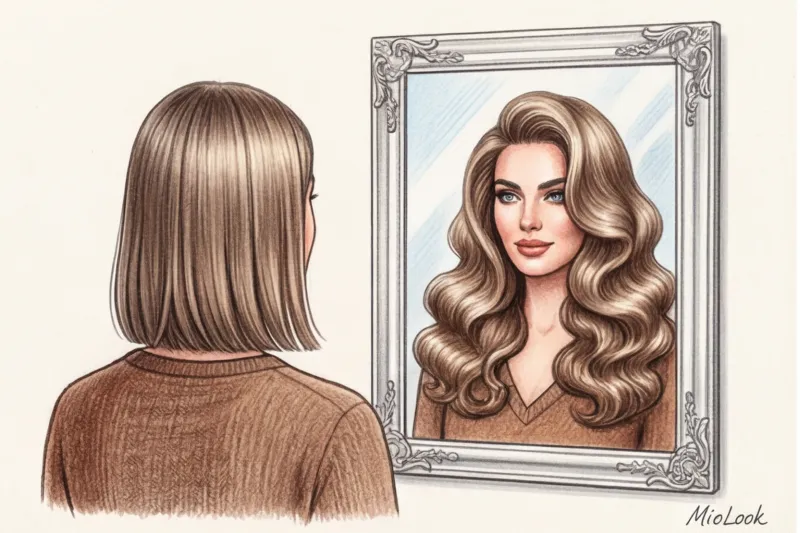
Знаете, какую фразу я чаще всего слышу от новых клиенток на первом разборе гардероба? «Вчера я психанула и отрезала каре, а теперь мне совершенно нечего носить». За 12 лет практики персонального стайлинга я убедилась: спонтанные бьюти-решения обходятся слишком дорого. Сегодня виртуальная примерка причесок и макияжа перестала быть просто забавной маской в соцсетях с неестественно приклеенными ресницами — она превратилась в мощный инструмент биометрического анализа.
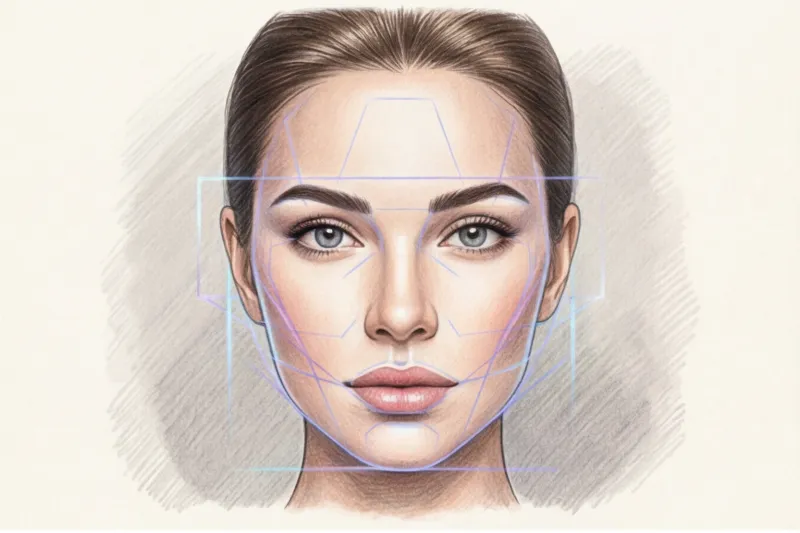
Современные алгоритмы научились считывать до 150 точек на лице, учитывая глубину теней, наклон головы и даже температуру подтона кожи. Это значит, что мы наконец-то совершаем глобальный переход от интуитивного имиджа к просчитанному. Вы больше не надеетесь на удачу, гадая, подойдет ли вам платиновый блонд или удлиненный боб, а осознанно тестируете эту бьюти-гипотезу до похода в салон.
В моем подходе к стилю нет места лотерее. Как стилист-прагматик, я рассматриваю нейросети исключительно как рабочий инструмент для снижения рисков и жесткой экономии вашего бюджета.
Давайте считать реальные цифры. Отрезать густую прямую челку в порыве эмоций можно за копейки. А вот покупка профессиональных стайлингов для ее ежедневного усмирения и регулярные корректирующие визиты к мастеру на протяжении долгих месяцев отращивания обойдутся вам минимум в 150–300 €. Исправить неудачный срез или смыть внезапный черный пигмент в хорошем европейском салоне стоит от 200 €. Зачем платить за ошибку, если ее можно бесплатно увидеть на экране телефона? Особенно это критично, когда мы подбираем умную стрижку, не требующую укладки — здесь миллиметры решают всё, и права на ошибку просто нет.
И самое важное: ваше лицо и волосы никогда не существуют в отрыве от одежды. Идеально вытянутый гладкий боб требует одних силуэтов (например, архитектурных жакетов COS или плотных минималистичных рубашек Massimo Dutti), а небрежная, текстурная шегги — совершенно других фактур. Именно поэтому бьюти-ИИ неразрывно связан с планированием умного гардероба. Когда мы с клиентками собираем сезонную капсулу в приложении MioLook, мы всегда синхронизируем потенциальные покупки с возможной сменой прически. Мы создаем единый визуальный знаменатель, чтобы не столкнуться с ситуацией, когда новая классная стрижка категорически старит вас на фоне привычных вещей.
Виртуальная примерка причесок: как это работает на самом деле
Когда я предлагаю клиенткам протестировать новую стрижку через приложение, многие поначалу скептически закатывают глаза. В памяти еще слишком свежи нелепые инстаграм-фильтры из 2017 года, где пластиковый шлем из пиксельных волос жил своей отдельной жизнью и съезжал на ухо при малейшем повороте головы. Но забудьте об этом. Целевая виртуальная примерка причесок сегодня — это не развлекательная игрушка для соцсетей, а высокоточная математическая модель, работающая по строгим законам физики и архитектуры лица.
Чтобы понять, почему современным результатам действительно можно доверять, давайте заглянем под капот технологии. Старые «маски» работали по принципу плоской 2D-аппликации. Актуальные же системы используют сложную механику дополненной реальности (AR) в неразрывной связке с генеративными нейросетями (GANs). Согласно профильному отчету Perfect Corp (2023) о развитии технологий трекинга лица (Face Tracking), современные алгоритмы выстраивают сверхточную объемную 3D-сетку. Камера вашего смартфона считывает более 200 микроточек на лице в режиме реального времени. Система анализирует не только базовый контур овала, но и глубину посадки глаз, анатомическую высоту скул, ширину челюсти и даже то, как комнатное освещение ложится на микрорельеф кожи.
Далее запускается процесс так называемой семантической сегментации. ИИ буквально «стирает» ваши настоящие волосы с кадра, математически вычисляя истинную линию роста волос с точностью до миллиметра, и только затем плавно накладывает сгенерированную 3D-модель. Новые пряди отбрасывают реалистичные тени на ваш лоб и шею, двигаются с учетом физики гравитации при повороте головы и натурально отражают свет.
Как стилист, я всегда повторяю: стрижка — это такой же элемент базового гардероба, как структурный жакет или качественная обувь. Она задает общую геометрию вашего силуэта. Вы не можете рассматривать прическу в отрыве от того, какие вырезы, воротники или линии плеч вы носите чаще всего. Возможность протестировать эту геометрию до первого щелчка ножниц полностью меняет правила игры.
Именно поэтому качественная виртуальная примерка причесок — это объективно лучший способ найти свою идеальную длину, не проливая горьких слез над безжалостно отрезанными сантиметрами. Буквально в прошлом месяце одна из моих клиенток в Берлине была одержима идеей экстремально короткого пикси. Вместо того чтобы поддаться импульсу и сразу идти в салон, мы прогнали ее фото через нейросеть. Экран безжалостно, но честно показал: такая длина визуально нарушает пропорции ее лица, делая нижнюю треть слишком тяжелой и массивной. Мы вовремя остановились. Качественное наращивание для исправления подобной ошибки обошлось бы ей минимум в 400–600 €, не говоря уже о потраченных нервах на ежедневную укладку. А проверка гипотезы через приложение обошлась ровно в 0 €.
Стрижка, окрашивание или челка: что ИИ подбирает лучше всего?
Нейросети невероятно мощны, но у них есть своя специализация. Из моей постоянной практики работы с цифровыми бьюти-инструментами я четко вижу, с какими задачами алгоритмы справляются безупречно, а где пока дают лишь примерный ориентир для размышлений.
Начнем с цвета волос. Здесь алгоритмы работают как первоклассный, насмотренный колорист. Они виртуозно считывают природную температуру вашей кожи и позволяют проводить самые смелые колористические тесты без вреда для кутикулы волоса. Вы можете наглядно и за секунду сравнить теплый медовый блонд с холодным пепельным. Это критически важный шаг, так как неправильная температура оттенка способна визуально прибавить вам 5–7 лет возраста и подчеркнуть малейшие покраснения на лице. ИИ мгновенно демонстрирует, как холодный подтон волос вступает в конфликт с теплой кожей, спасая вас от дорогостоящих провалов. Для сравнения: сложное окрашивание с выходом из темного каштана в блонд в хорошем европейском салоне легко достигает 250–350 €, и переделывать его — сомнительное удовольствие.
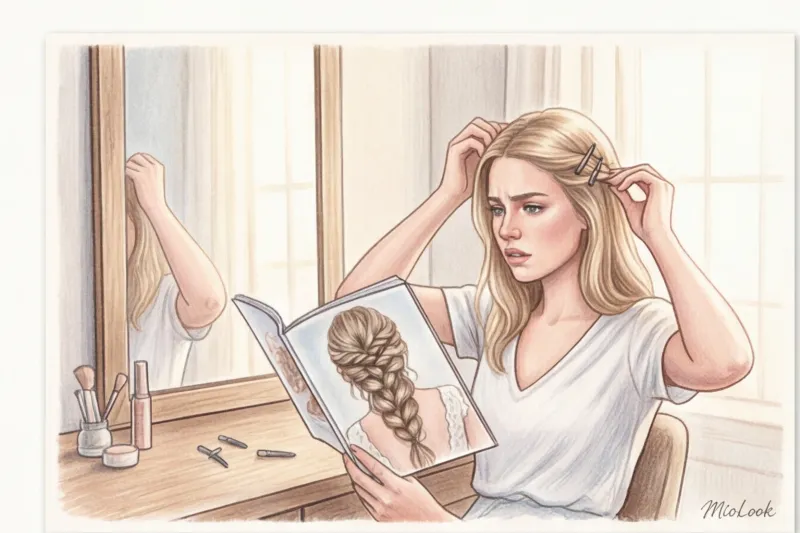
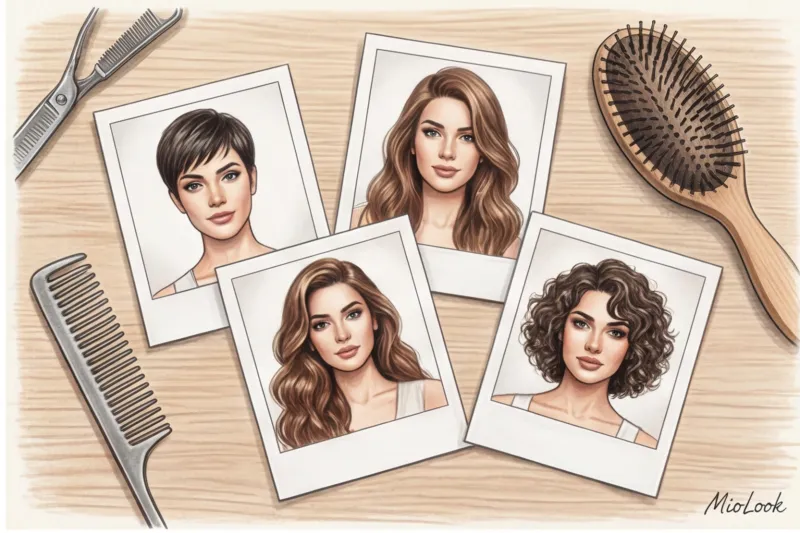
Челка — это, пожалуй, самый безопасный и показательный виртуальный тест из всех возможных. В реальной жизни отрезать челку — дело трех минут, а вот мучительное отращивание с использованием десятков заколок-невидимок и стайлинговых гелей займет от полугода до девяти месяцев. Нейросеть блестяще показывает геометрию лица в новом обрамлении: утяжелит ли густая прямая челка ваш подбородок, или же удлиненная текстурная челка-шторка в стиле Джейн Биркин гармонично подчеркнет скулы, сузив слишком широкое лицо.
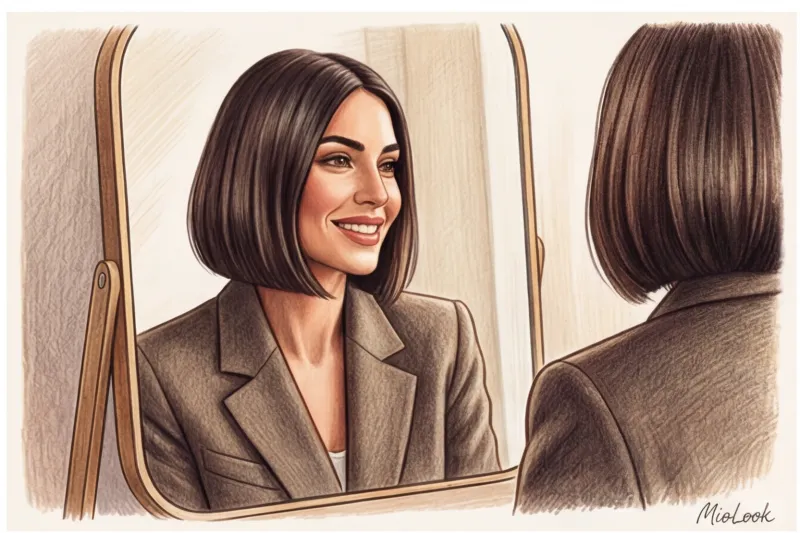
Что касается длины, то здесь ИИ выступает как строгий архитектор пропорций. Он помогает найти тот самый физический баланс. Правильно подобранная виртуальная геометрия наглядно демонстрирует оптические иллюзии: вы четко увидите, как плотный прямой срез каре чуть ниже подбородка способен визуально вытянуть короткую шею, а мягкая каскадная стрижка ниже ключиц — деликатно смягчить слишком острую, квадратную линию челюсти.
Доступ к MioLook за €0,99 — разовый платёж
Умный AI-стилист подберёт идеальный образ: от гардероба до рекомендаций по прическе
Открыть доступ — €0,99 разовоТест-драйв от стилиста: плюсы и минусы популярных приложений
Откройте магазин приложений, вбейте в поиск «виртуальная примерка причесок» — и вы утонете в сотнях одинаковых иконок. По данным аналитического агентства WGSN за 2023 год, рынок бьюти-AR перенасыщен, но суровая правда заключается в том, что 90% этих программ остаются на уровне комичных масок из соцсетей. Если наша цель — спланировать реальный поход в салон и не потратить впустую 150–200 € на сложное окрашивание, которое придется переделывать, нам нужны совершенно другие мощности. Давайте разберем инструменты на практике: от примитивного масс-маркета до профессиональных нейросетей.
Начнем с самого сложного — с волос. Недавно я решила устроить популярным алгоритмам краш-тест. Я протестировала 5 разных сервисов, пытаясь примерить стрижку пикси, и вот где алгоритмы «сломались». В базовых бесплатных редакторах мои густые волосы просто замазывались размытым фоном, а сверху «надевался» жесткий 3D-парик. Пикси требует безупречного считывания костной структуры лица, формы челюсти и линии роста волос. Ни одно приложение из топ-10 бесплатной выдачи не смогло аккуратно «убрать» мой реальный объем на затылке без сильного искажения пропорций шеи.
Где же тогда искать самые реалистичные текстуры? На сегодняшний день лучшие результаты показывают специализированные платформы на базе генеративного ИИ, такие как StyleMyHair от L'Oréal Professionnel, и встроенные модули в продвинутых нейросетях. Они работают по иному принципу: не приклеивают готовый шаблон поверх вашей фотографии, а перерисовывают пиксели, учитывая плотность прядей и падение света. Разница колоссальная: дешевая программа покажет вам идеальные «стеклянные» волосы, а профессиональный ИИ честно продемонстрирует, как эта длина будет лежать на ваших слегка вьющихся, пористых прядях.
С приложениями для макияжа ситуация обстоит гораздо оптимистичнее — здесь AR-технологии ушли далеко вперед. Главная боль при покупке косметики онлайн — это непопадание в свой подтон. Одно дело купить базовый прозрачный блеск за 10 €, и совершенно другое — инвестировать 40–50 € в плотную матовую помаду, которая на студийном фото выглядит как благородный пыльный нюд, а на ваших губах уходит в мертвенно-лиловый.
Именно здесь раскрывается потенциал профессиональных движков вроде L'Oreal ModiFace. Их алгоритм считывает 64 ключевые точки на лице и накладывает цвет с учетом естественного пигмента вашей кожи и губ, а не просто закрашивает область полупрозрачной заливкой.
Интеграции ModiFace в приложениях Sephora или на сайтах крупных брендов (например, при примерке культовых оттенков M·A·C) работают практически безупречно. Вы тестируете реальные оттенки конкретных продуктов из каталога. Система понимает разницу между сатиновым финишем и глухим матом, правильно отражая блики при повороте головы. Если вы ищете сложный цвет — например, идеальный красный с холодным подтоном, который визуально отбеливает зубы — проверяйте его только через такие официальные интеграции.
Но в этой технологической бочке меда есть существенный минус: разрозненность форматов. Вы нашли идеальную помаду в одном приложении, подобрали графичный боб в другом, а затем надеваете свой любимый объемный свитер крупной вязки — и весь образ рассыпается. Строгая геометрия новой стрижки внезапно конфликтует с расслабленным силуэтом одежды. Имидж не существует частями, он работает только в комплексе.
Именно поэтому я, как стилист, ратую за единые платформы. В этом плане показательна экосистема MioLook, которая элегантно объединяет анализ внешности с подбором гардероба и бьюти-рекомендациями. Когда виртуальная примерка причесок перестает быть изолированной картинкой в вакууме, вы начинаете видеть картину целиком. Приложение позволяет синхронизировать ваш новый бьюти-образ с оцифрованной капсулой. Задумали отрезать челку? Сразу проверьте, как она будет смотреться с вашими любимыми водолазками, структурными жакетами и формой очков. Это экономит утреннее время на сборы и навсегда страхует от ситуации, когда новая дорогая укладка абсолютно не вписывается в ваш привычный базовый гардероб.
Главная ловушка ИИ: почему виртуальная прическа может разочаровать
По статистике профессиональных парикмахерских ассоциаций Европы, около 40% конфликтов в салонах красоты происходят из-за огромного разрыва между референсом клиента и физическими возможностями его волос. И когда в роли такого референса выступает сгенерированная нейросетью картинка, риск эстетической катастрофы возрастает кратно. Виртуальная примерка причесок — гениальный инструмент для поиска формы, но это очень плохой пророк. Давайте разберем четыре слепые зоны алгоритмов, из-за которых вы можете жестоко разочароваться, сидя перед зеркалом в салоне.
Иллюзия густоты и «стеклянные волосы»
Искусственный интеллект оперирует идеальными 3D-лекалами. Когда вы примеряете графичный французский боб-каре, нейросеть «надевает» на вас так называемые glass hair — плотные, тяжелые, сияющие волосы, как у моделей из премиальных лукбуков. Алгоритм абсолютно игнорирует тот факт, что в реальности у вас могут быть тонкие, пушистые или пористые волосы. Если ваша природная густота не позволяет создать монолитный плотный срез, реальная стрижка будет лежать полупрозрачными перышками, а не архитектурным шедевром с экрана.
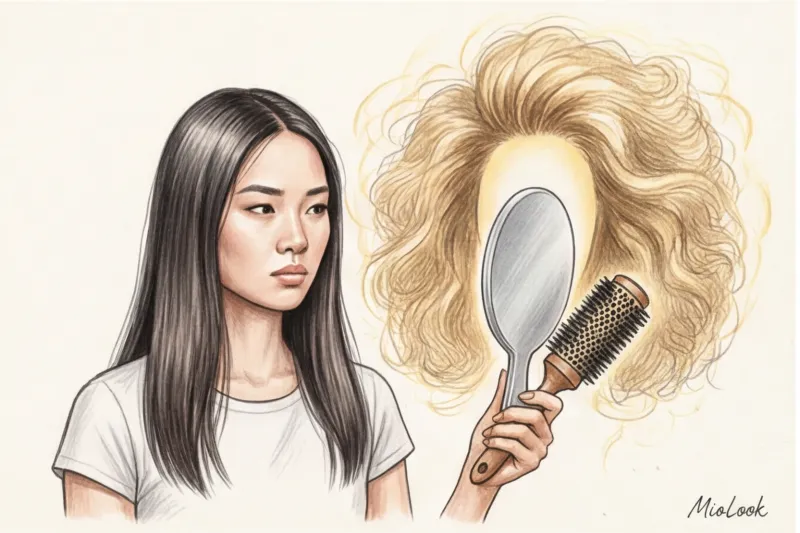
Фактор салонной укладки
Нейросеть всегда показывает вам результат кропотливой укладки на брашинг с использованием профессионального стайлинга на 50–70 €. Программа не покажет, как эта небрежная шегги или удлиненная челка будет выглядеть в 7:30 утра, когда вы только встали с постели. ИИ продает вам финальный глянцевый образ, скрывая ежедневную рутину: готовы ли вы тратить по 40 минут каждое утро, вытягивая пряди утюжком или укладывая их феном-щеткой?
Рост волос и упрямые вихры
Компьютерное зрение отлично анализирует геометрию лица, но технологии пока не научились сканировать физиологию скальпа. У каждой из нас есть индивидуальные особенности направления роста волос: упрямые вихры на макушке, асимметричные линии у лба или жесткие краевые зоны. Программа легко нарисует вам челку-шторку в стиле Брижит Бардо, идеально распадающуюся по центру. Но если у вас на лбу природный вихор, в реальности эта челка будет всегда стоять колом в одну сторону, требуя жесткой фиксации лаком. Ни один алгоритм не предскажет физику поведения волоса в динамике.
Искажение цветотипа и метамерия
Еще одна коварная ловушка — искажение вашего природного колорита. В колористике есть понятие метамерии — изменения восприятия цвета при разном освещении. Когда вы делаете селфи для приложения в ванной комнате с теплым желтым светом, а экран смартфона добавляет холодного синего свечения, реальный подтон вашей кожи необратимо меняется. ИИ считывает искаженные пигменты и предлагает вам, к примеру, холодный пепельный блонд. На экране это выглядит гармонично. Но когда вы выйдете из салона на дневной свет, холодный оттенок волос вдруг вытянет на поверхность всю скрытую красноту или землистость лица. Ошибка алгоритма обойдется вам в 150–300 € за сложное исправление окрашивания.
Разрушение мифа от стилиста: Никогда не приносите мастеру сгенерированное фото с безапелляционным требованием «сделайте мне ровно так». ИИ-картинка — это вектор направления, а не технический чертеж. Ваша задача — показать парикмахеру идею формы, а затем задать главный вопрос: «Как эта геометрия будет жить на моей текстуре волос без сложной укладки?»
Именно поэтому в экосистеме MioLook мы призываем рассматривать любые бьюти-решения не в цифровом вакууме, а в жесткой привязке к вашему реальному типу внешности, образу жизни и повседневному гардеробу. Умный стиль не терпит иллюзий.
Доступ к MioLook за €0,99 — разовый платёж
Начните создавать идеальные образы с помощью искусственного интеллекта. Оцените, как новая прическа впишется в ваш реальный гардероб.
Открыть доступ — €0,99 разовоИнструкция: как правильно подготовить фото для виртуальной примерки
По данным разработчиков AR-интерфейсов за 2023 год, более 80% комичных и неестественных результатов в бьюти-приложениях возникают не из-за слабого алгоритма, а из-за некорректного исходного кадра. Нейросеть не умеет додумывать — она накладывает на ваше лицо невидимую 3D-сетку из сотен опорных точек (landmarks). Если вы отправите алгоритму селфи из темного лифта или фото с развевающимися прядями, виртуальная примерка причесок превратится в генерацию нелепых пластиковых париков.
Как стилист, который ежедневно тестирует гипотезы перед тем, как отправлять клиенток в салоны с чеками от 150 до 300 €, я вывела строгий технический протокол. Представьте, что вы сдаете биометрию на документы. Никакого позирования — только чистые данные для ИИ.
1. Свет: беспощадная честность дневного освещения
Встаньте лицом к окну в дневное время. Забудьте про модный кольцевой свет или желтые лампы накаливания в ванной. Специалисты лаборатории PANTONE в своих гайдах по цифровому цвету неоднократно доказывали, что искусственный свет кардинально искажает температуру кожи и меняет рисунок теней. Нейросеть считает этот искаженный подтон и, например, предложит вам теплый медный оттенок, который в реальности сделает ваше лицо болезненным.
2. Волосы: архитектурная зачистка холста
Главная ошибка — оставить распущенные волосы или небрежный пучок. Алгоритм должен четко видеть истинные границы лица и линию роста волос. Гладко зачешите волосы назад в тугой хвост на затылке. Используйте каплю геля или воды, чтобы пригладить пушок у лба (baby hair). Если ИИ попытается «надеть» новую стрижку поверх вашего реального объема, вы получите эффект непропорционального шлема, искажающего форму головы.
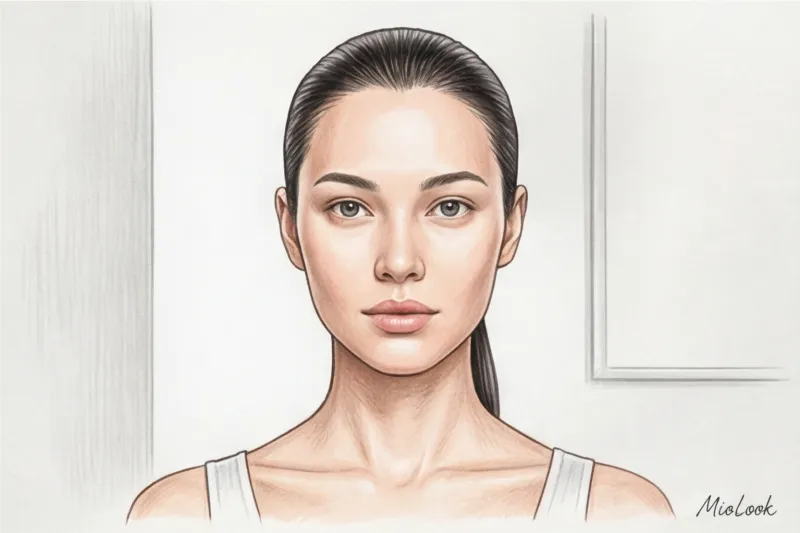
3. Лицо: дифференцированный подход к макияжу
Здесь правило зависит от вашей конечной цели:
- Для подбора косметики: лицо должно быть полностью без макияжа. Никакого консилера или румян, иначе AR-алгоритм некорректно смешает виртуальный пигмент с реальным.
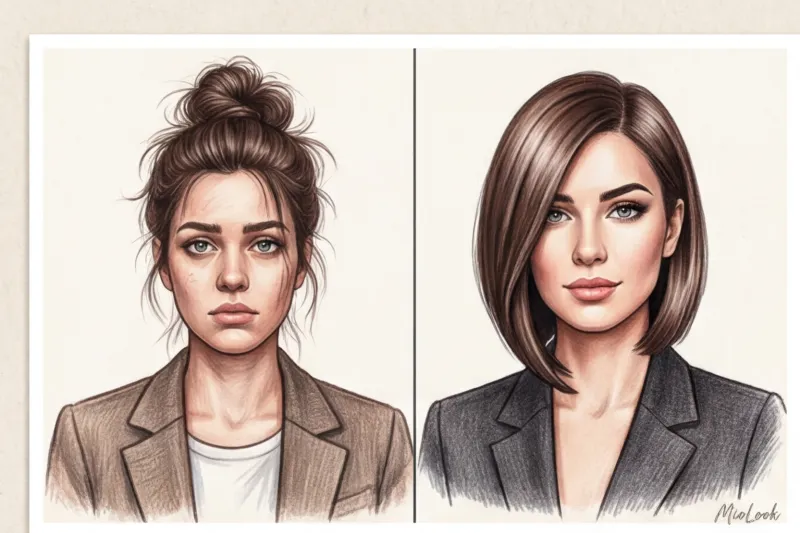
- Для подбора стрижки: я настоятельно рекомендую нанести легкий базовый тон. Почему? Без ровного тона новая графичная прическа (особенно темных или ярких оттенков) визуально вытащит на первый план все покраснения и синяки под глазами. Вы подсознательно забракуете отличную форму просто из-за несвежего вида кожи на фото.
4. Ракурс: геометрия без эмоций
Держите камеру строго анфас, объектив должен находиться на уровне глаз. Снимаете чуть снизу — получаете массивную челюсть, сверху — гипертрофированный лоб. И самое сложное для многих моих клиенток: сохраняйте абсолютно нейтральное выражение лица. Улыбка моментально меняет объем скул и расширяет подбородок. Вспомните, как приподнимаются очки, когда вы смеетесь — точно так же исказится геометрия виртуальной челки.
Честное предупреждение: у этого технического подхода есть ограничение. Правильно сделанное «биометрическое» фото редко получается эстетичным. Скорее всего, вы себе на нем совершенно не понравитесь.
Но наша задача здесь — не собрать лайки, а провести грамотную инженерную работу с пропорциями. Загружая такой подготовленный исходник в приложение MioLook, вы даете алгоритмам шанс максимально точно оценить контрастность вашей внешности. Только после этого умная система сможет рассчитать, как именно новая длина волос или оттенок помады будут работать в связке с палитрой вашего капсульного гардероба.
ИИ для деловых событий: примеряем макияж и укладку для офиса и сцены
По данным исследования поведенческой психологии, опубликованного в Harvard Business Review (2023), на формирование первого впечатления во время видеозвонка уходит ровно 7 секунд. И львиную долю этого времени собеседник изучает ваше лицо. Работая с топ-менеджерами и клиентками на управляющих позициях, я часто сталкиваюсь с одной и той же проблемой: строгий корпоративный дресс-код диктует жесткие рамки, но женщине все равно хочется выглядеть актуально и не сливаться с серыми стенами переговорной.
Именно здесь алгоритмы дополненной реальности превращаются из развлечения в стратегический бизнес-инструмент. Согласовать виртуальную бьюти-примерку с консервативным протоколом (например, в банковском или юридическом секторе) гораздо проще, чем кажется. Нейросети позволяют безопасно протестировать границы дозволенного: найти тот самый оттенок красной помады, который выглядит статусно, а не вызывающе, или проверить, насколько небрежной может быть текстура волос, прежде чем она начнет казаться неопрятной.
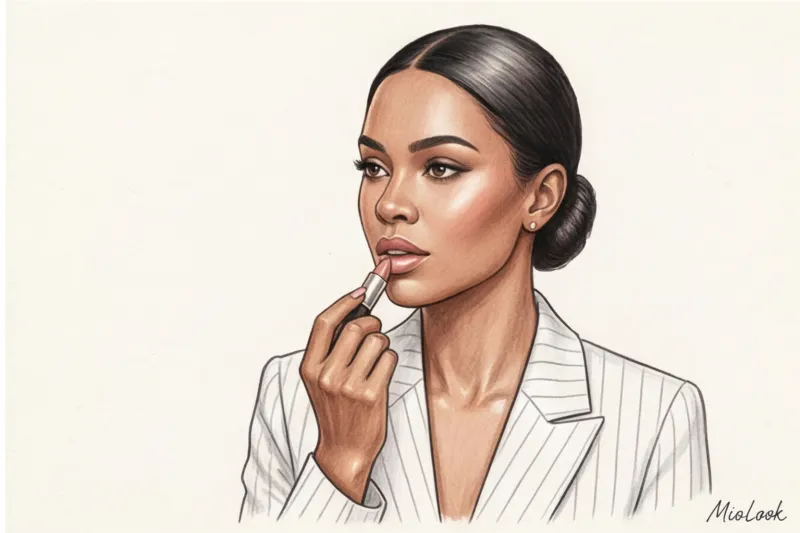
Геометрия власти: тестирование строгих укладок
Для офисных будней и командировок я рекомендую тестировать в приложениях архитектурные формы. Качественная виртуальная примерка причесок поможет вам примерить гладкие пучки (sleek buns), аккуратные низкие хвосты и графичные, структурированные каре. Обращайте особое внимание на пробор. Вы удивитесь, но перенос пробора всего на два сантиметра в сторону может кардинально изменить восприятие вашей челюсти и скул на экране. ИИ позволяет прокликать десяток вариантов за пару минут и найти ту самую линию, которая придаст лицу собранное, волевое выражение.
Макияж для Zoom-коллов: управление контрастностью
Камеры ноутбуков безжалостны: они «съедают» объемы лица и понижают общую контрастность внешности. То, что в зеркале кажется элегантным нюдом, в Zoom превратит вас в уставшего человека без губ и бровей. Используйте бьюти-приложения, чтобы подобрать макияж с искусственно завышенным контрастом. Примерьте более глубокие ягодные тинты для губ и четкую проработку межресничного пространства — на экране это будет читаться как свежесть и бодрость.
Успешный имидж — это всегда система. Комплексный подход заключается в том, чтобы ваше лицо не «спорило» с архитектурой костюма. Сгенерировав удачный макияж и строгий пучок, загрузите этот портрет в MioLook, чтобы визуально соединить бьюти-образ с вашей деловой капсулой.
Нельзя рассматривать макияж в отрыве от одежды. Если вы надеваете структурный двубортный жакет из плотной шерсти (в духе Massimo Dutti или COS), мягкие романтичные локоны создадут стилистический диссонанс. Алгоритмы помогут вам увидеть эту ошибку до того, как вы выйдете из дома. Гладкий хвост, напротив, поддержит строгую геометрию плеч и вытянет силуэт.
Виртуальная примерка для деловой фотосессии
Стоимость профессиональной бизнес-съемки в Европе сегодня варьируется в диапазоне 250–500 €. Переделывать кадры из-за того, что прическа вам не идет, — непозволительная роскошь. Я всегда заставляю клиенток использовать ИИ для создания четкого мудборда перед съемкой. Не пытайтесь объяснить визажисту «на пальцах», какую именно стрелку вы хотите. Покажите сгенерированный на вашем собственном лице референс — это экономит часы работы и тонны нервных клеток.
Еще один профессиональный секрет, о котором редко говорят: макияж для камеры должен быть на 30% ярче вашего обычного максимума. Вспышки и студийные софтбоксы безжалостно выбеливают лицо. В любом хорошем AR-приложении есть ползунок интенсивности (Intensity slider). Выкрутите его на 130%. На экране телефона результат может показаться вам чрезмерным, театральным, но именно эта плотность пигмента нужна объективу фотокамеры, чтобы вы выглядели естественно.
Наконец, следите за синхронизацией фактур, чтобы избежать конфликта в кадре. Правило простое: балансируйте блеск. Если для портрета вы выбрали шелковую блузу от &Other Stories с характерным сатиновым переливом, виртуально примеряйте только матовые текстуры косметики (глухой тон, пудровые румяна, матовая помада). Если же на вас глухой матовый твид — смело добавляйте коже влажное сияние через хайлайтер. ИИ отлично справляется с симуляцией этих финишей, позволяя продумать образ до мельчайших бликов.
Ваш идеальный образ начинается здесь
Присоединяйтесь к тысячам пользователей, которые каждый день выглядят безупречно с MioLook.
Открыть доступ — €0,99 разовоЧек-лист: как использовать результаты ИИ в кресле парикмахера
Разрыв между тем, что мы видим на экране смартфона, и тем, что может сделать мастер с живыми волосами — это настоящая лингвистическая пропасть. Я часто сопровождаю клиенток в европейских салонах, где чек за комплексную работу легко достигает 250–400 €, и выступаю своеобразным переводчиком между «хочу как на картинке» и суровой анатомией волоса. Чтобы виртуальная примерка причесок не обернулась разочарованием у мойки, я составила жесткий протокол общения с мастером.
- Не показывайте просто картинку: обсудите с мастером вашу реальную структуру волос. Нейросеть рисует идеальное стекловидное полотно (glass hair) или упругие локоны, игнорируя тот факт, что ваши волосы могут быть пористыми, тонкими или иметь жесткие вихры. Начинайте диалог с физики: «Мне нравится эта плотная линия среза, сгенерированная приложением. Сможем ли мы добиться похожего эффекта на моей пушащейся текстуре?».
- Покажите мастеру 3 разных сгенерированных варианта, чтобы выявить общую геометрию, которая вам нравится. По данным преподавателей британских парикмахерских академий (2024), клиенты крайне редко могут точно вербализовать свои желания. Серия из нескольких удачных ИИ-генераций помогает профессионалу увидеть паттерн. Возможно, вас цепляет не сама форма пикси или боба, а открытая линия шеи, диагональ у лица или конкретный объем в затылочной зоне.
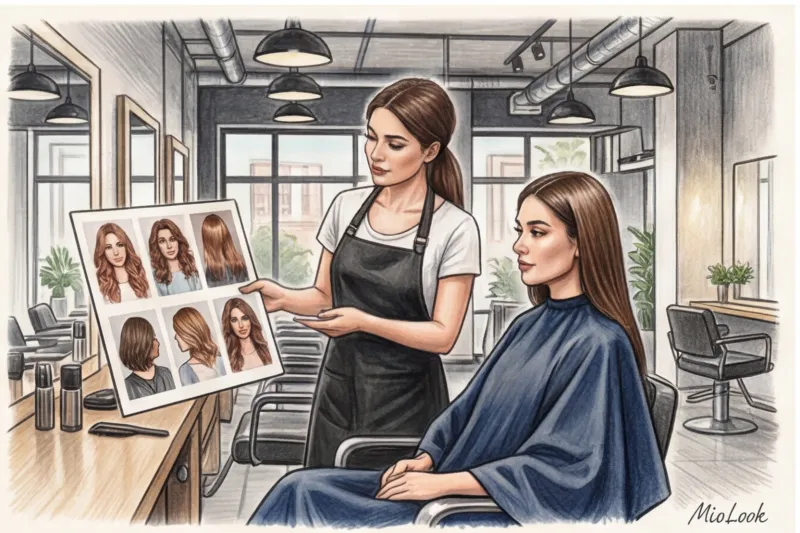
- Используйте ИИ как референс цвета, а не как жесткую инструкцию для колориста. Пиксели на AMOLED-экране светятся, а реальный волос лишь отражает свет. Грамотный колорист должен оценить ваш текущий фон осветления и качество кутикулы. Фотография из нейросети нужна только для того, чтобы задать вектор: «Я хочу уйти в холодный спектр» или «Мне нужен этот уровень контрастности». Формулу смешивания красок мастер составит сам, ориентируясь на ваш исходный пигмент.
- Задайте правильный вопрос: «Смогу ли я укладывать это дома за 10 минут?». В салоне вашу новую форму вытянут на брашинг и закрепят профессиональным текстурирующим спреем. Но утро вторника перед выходом в офис — это совершенно иная реальность. Если мастер честно говорит, что с вашей структурой поддержание такой ИИ-формы потребует получаса работы с феном каждый день, лучше отказаться от идеи.
Стрижка обязана работать на вас, а не вы на неё. Это правило тесно связано с концепцией умного имиджа: если вы привыкли тратить минимум времени на утренние сборы, ваш бьюти-образ должен соответствовать этому ритму. Я всегда советую своим клиенткам загрузить повседневные аутфиты в MioLook и наглядно проверить, требует ли выбранная после работы с алгоритмами стрижка сложной стилизации под каждый пиджак, или она органично вписывается в вашу базу без лишних усилий.
Резюме: умный подход к стилю начинается с технологий
Давайте говорить начистоту и считать реальные цифры. Средняя стоимость качественного сложного окрашивания и хорошей стрижки в европейском салоне сегодня составляет около 150–250 €. Добавим к этому покупку пары новых свитеров или рубашек, потому что ваши привычные вещи с новым каре внезапно смотрятся «как-то не так» — это еще минимум 150 € в масс-маркете уровня Zara или Massimo Dutti. Ошибка в выборе имиджа обходится слишком дорого, чтобы полагаться исключительно на интуицию. Именно поэтому бьюти-технологии — это, в первую очередь, способ минимизировать риски и сохранить нервы, а уже потом забавная игрушка для социальных сетей.
Моё заключительное слово как эксперта, ежедневно работающего с гардеробами и внешностью: искусственный интеллект реально экономит деньги, если использовать его с умом. По данным аналитического отчета McKinsey о будущем бьюти-индустрии (2024), потребители, которые осознанно используют AR-инструменты перед походом к стилисту, на 64% реже возвращаются за экстренной коррекцией цвета или формы. Качественная виртуальная примерка причесок позволяет вам прожить «демо-версию» нового образа. Вы тестируете смелую гипотезу бесплатно, сидя на собственном диване, а платите только за предсказуемый и выверенный результат.
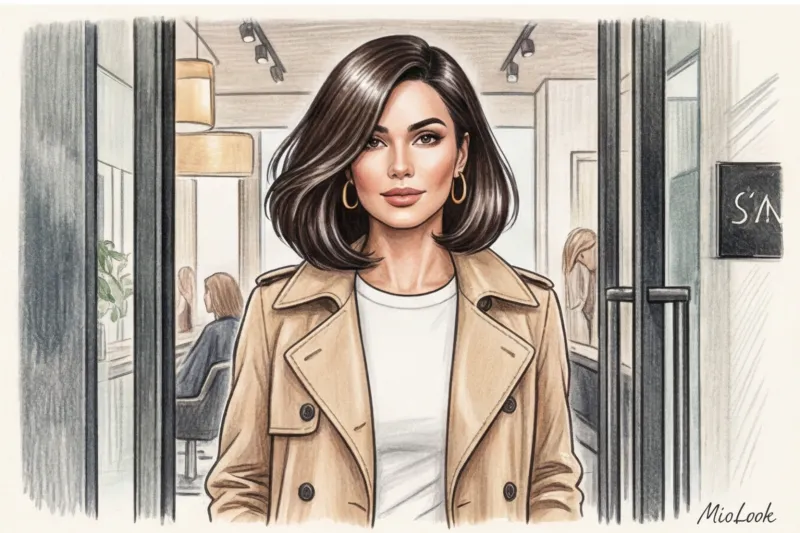
Однако здесь кроется важнейший нюанс, о котором забывают 9 из 10 женщин. Виртуальная примерка причесок и макияжа должна работать в строгой синергии с подбором гардероба. Одна из моих клиенток в прошлом месяце загорелась идеей сделать ультракороткий графичный боб, вдохновившись показом Prada. Сама по себе стрижка в AR-приложении смотрелась на её лице роскошно. Но когда мы виртуально «приложили» этот бьюти-образ к её текущей капсуле, состоящей из расслабленных бохо-платьев и мягких кардиганов крупной вязки, случился визуальный конфликт. Холодная геометрия волос спорила с мягкой фактурой тканей. Если бы она пошла в салон до этого теста, ей пришлось бы экстренно инвестировать не менее 400 € в покупку структурированных пиджаков и базовых футболок плотной вязки от COS.
Чтобы не получить эффект «чужой головы», я всегда настаиваю на комплексном планировании. В приложении MioLook мы не рассматриваем лицо в отрыве от тела. Платформа позволяет взять ваш оцифрованный умный гардероб и наложить на него новый бьюти-сценарий. Вы примеряете новую укладку или смелую красную помаду сразу с вашим любимым офисным костюмом или базовым тренчем. Только так можно понять, интегрируется ли идея в ваш реальный лайфстайл.
Так как же начать использовать умные инструменты в планировании своего имиджа уже сегодня? Забудьте про спонтанные решения, принятые под влиянием эмоций или модных журналов. Вот ваш пошаговый план действий на эти выходные:
- Оцифруйте базу: Сфотографируйте 3-4 своих самых любимых, «рабочих» комплекта одежды, в которых вы чувствуете себя на 100% уверенно.
- Запустите тест-драйв: Прогоните свое портретное фото (сделанное по правилам, которые мы обсуждали выше) через ИИ-алгоритмы. Примерьте кардинально новую длину, челку или холодный подтон.
- Соберите пазл: Сопоставьте полученный портрет с вашей реальной одеждой. Задайте себе вопрос: «Подходит ли эта девушка к этому пальто?».
Умный стиль — это не врожденный талант и не магия. Это навык грамотного управления своими визуальными активами. Технологии уже сделали всю сложную аналитическую работу за нас. Вам осталось лишь взять эти инструменты на вооружение и позволить себе выглядеть безупречно каждый день, не переплачивая за чужие ошибки.
Главы гайда
Как подобрать свадебную прическу онлайн с ИИ
Выбор свадебного образа по чужим фото — это лотерея. Узнайте, как нейросети помогают невестам найти идеальный стиль без лишних трат на пробные укладки.
Как омолаживающие стрижки подобрать онлайн с помощью ИИ
Забудьте о слепом доверии глянцевым стереотипам. Узнайте, как с помощью искусственного интеллекта найти идеальную анти-эйдж прическу без риска.
Как подобрать тональный крем онлайн с помощью ИИ
Устали тратить деньги на неподходящие оттенки? Узнайте, как искусственный интеллект помогает безошибочно выбрать идеальный тон прямо со смартфона.
Как подобрать форму бровей по фото онлайн с помощью ИИ
Брови задают геометрию всего лица, и малейшая ошибка мастера может испортить ваш образ. Узнайте, как виртуальная примерка и ИИ помогают найти идеальную форму без рисков.
Виртуальный макияж онлайн: примерь образ за минуту
Ежегодно мы тратим сотни евро на неподходящую косметику. Узнайте, как AR-технологии помогают подбирать идеальные образы и экономить деньги.
Как примерить каре онлайн по фото: советы стилиста
Короткая стрижка полностью меняет пропорции фигуры и требует пересмотра гардероба. Узнайте, как виртуальная примерка спасет вас от бьюти-провалов.
Как подобрать макияж по цветотипу онлайн с помощью ИИ
Забудьте о неточных тестах из глянцевых журналов. Узнайте, как современные ИИ-алгоритмы анализируют вашу внешность и безошибочно подбирают косметику.
Идеальная красная: как подобрать цвет помады онлайн
Забудьте про устаревшие тесты и неудачные покупки косметики. Искусственный интеллект и AR-примерка помогут найти идеальную красную помаду всего за 5 минут.
Как подобрать цвет волос по фото: стоит ли быть блондинкой
Смена цвета волос на блонд может обойтись в тысячи евро из-за необходимости менять гардероб. Узнайте, как виртуальная примерка поможет избежать дорогостоящих ошибок.
Как работает приложение для примерки причесок miolook
Избежать неудачной стрижки и сэкономить на гардеробе поможет виртуальная примерка. Читайте подробный гайд от стилиста по работе с нейросетью MioLook.
Пойдет ли мне челка: проверить онлайн с ИИ
Спонтанная стрижка может обойтись слишком дорого для вашего стиля. Узнайте, как с помощью ИИ примерить челку онлайн и избежать ошибок.
Как подобрать стрижку по фото: онлайн-примерка
Устали подгонять лицо под «идеальный овал»? Стилист рассказывает, почему старые правила больше не работают и как нейросети помогают найти идеальную прическу.