Два года назад на Неделе моды в Париже я зашла в шоурум многообещающего молодого бренда. На манекене висело потрясающее шерстяное пальто глубокого оттенка camel, которое визуально кричало о роскоши. Но стоило мне вывернуть его наизнанку, как иллюзия рассыпалась: кривая строчка оверлока, отсутствие подкладки в рукавах и дешевый, «стеклянный» полиэстер на спинке. Бренд просил за эту вещь 800 €, хотя сшита она была по лекалам масс-маркета за 50 €.
Как профессиональный фэшн-журналист, я регулярно вижу, как индустрия умело пускает пыль в глаза. Мы привыкли оценивать вещи по биркам и лицевой стороне, игнорируя скрытую архитектуру кроя. Но настоящие признаки дешевой одежды закладываются еще на этапе раскроя ткани, а не пошива. Подробнее о базовых принципах оценки материалов мы рассказали в нашем полном гиде «Как выбрать качественную одежду: гид по тканям». Сегодня же мы займемся «детективным шопингом» — научимся видеть то, что бренды отчаянно пытаются скрыть.
Архитектура кроя: как фабрики ломают силуэт ради экономии
Давайте вспомним историю. Когда Кристиан Диор создал свой знаменитый силуэт New Look в 1947 году, на одну юбку могло уходить до 20 метров ткани. Одежда конструировалась вокруг женского тела. Современный масс-маркет работает иначе: там одежда конструируется вокруг рулона ткани.
Программное обеспечение раскладчика на фабриках fast-fashion работает как тетрис. Главная цель — оставить 0% обрезков. Детали выкройки (лекала) втискиваются на полотно любой ценой, часто в ущерб правильному направлению нити и анатомии человека. Именно здесь закладываются главные признаки дешевой одежды, которые невозможно исправить даже самым дорогим утюгом.
Дефицит ткани: микро-припуски и отсутствие вытачек
Обращали внимание, что в винтажных вещах (или в современном премиуме) припуски на швы составляют 1.5–2 сантиметра? Это зазор для портного, чтобы подогнать вещь идеально по вашей фигуре. В масс-маркете припуски срезают до микроскопических 0.5 см.
- Такую вещь невозможно расставить, если вы немного поправились.
- Шов испытывает колоссальную нагрузку и быстро расползается (появляются дырки прямо по линии строчки).
Еще один способ сэкономить — отказ от вытачек. Создание правильной нагрудной или талиевой вытачки требует времени и мастерства закройщика. Бренды нашли дешевый выход: они просто добавляют в хлопковую или вискозную ткань 5–10% эластана. В итоге рубашка не «сидит» по фигуре, она ее просто «обтягивает», подчеркивая малейшие несовершенства.
Перекос долевой нити: почему штанины перекручиваются
Это классика «детективного шопинга». У любой ткани есть долевая нить (идет вдоль рулона, почти не тянется) и поперечная (идет поперек, слегка пружинит). Чтобы брюки или рукава висели ровно, выкройка должна лежать строго по долевой нити.
Но помните про фабричный тетрис? Чтобы втиснуть деталь в остаток ткани, ее кроят по косой или слегка развернув. В магазине, благодаря жесткой промышленной утюжке, вещь выглядит нормально. Но после первой же стирки волокна стремятся вернуться в естественное положение.
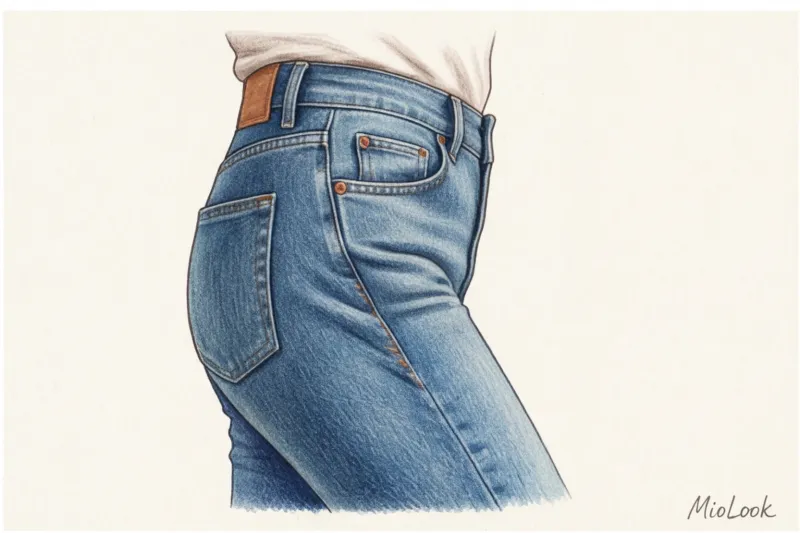
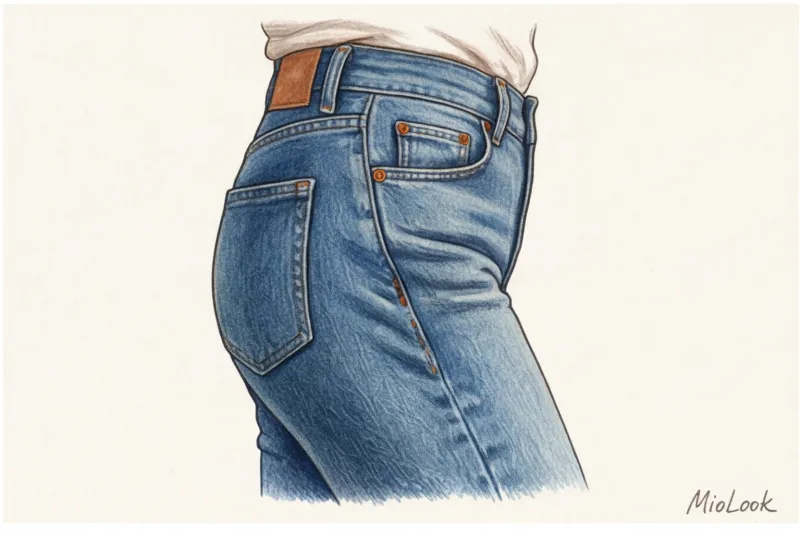
Итог мы все видели: боковой шов на джинсах или футболке предательски ползет вперед, перекручивая штанину или рукав. Исправить это невозможно — вещь испорчена навсегда.
Доступ к MioLook за €0,99 — разовый платёж
Умный AI-стилист подберёт идеальный образ
Открыть доступ — €0,99 разовоИзнанка выдает все: скрытые признаки дешевой одежды
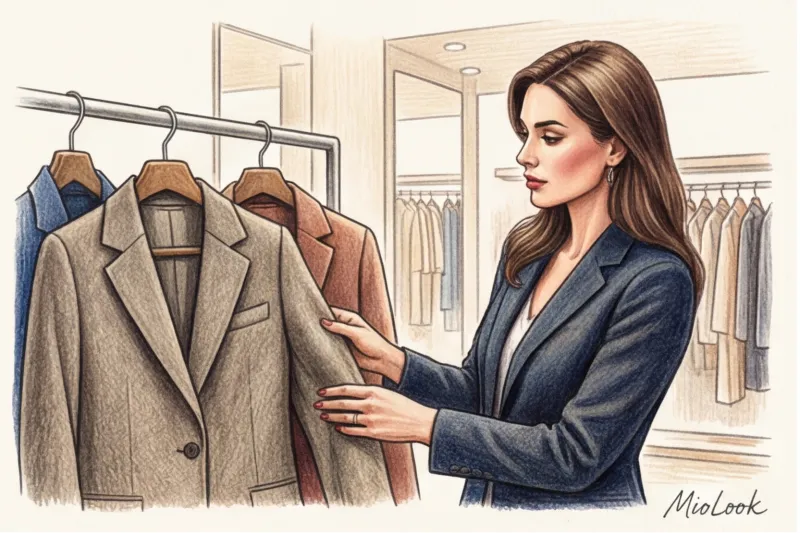
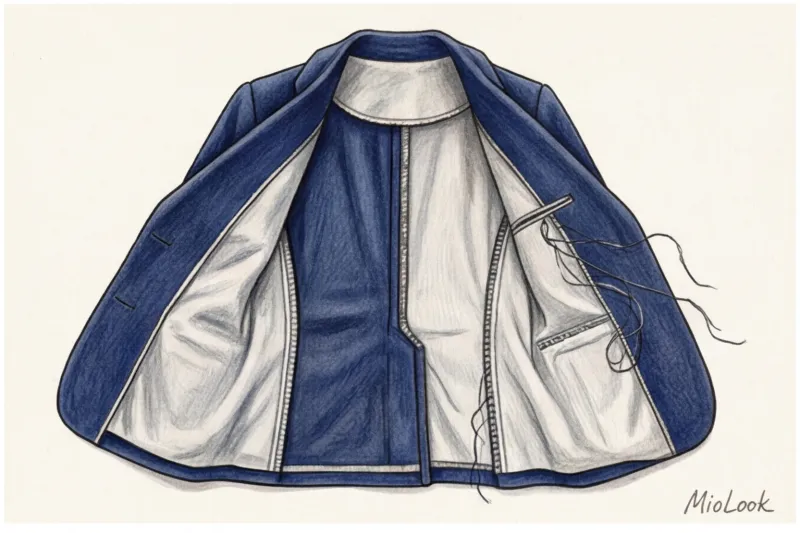
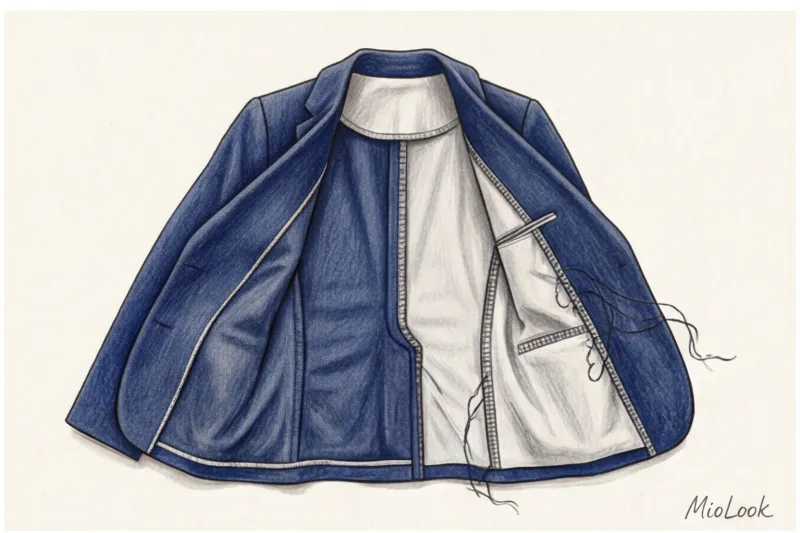
За 12 лет работы я выработала рефлекс: заходя в гардеробную клиентки на разбор, я первым делом выворачиваю ее жакеты наизнанку. Изнанка — это паспорт изделия. Люксовая вещь внутри должна выглядеть так же безупречно, как и снаружи.
«Тяжесть жакета не всегда говорит о плотности шерсти. Часто масс-маркет берет рыхлую, дешевую ткань и намертво проклеивает ее жестким дублерином, чтобы создать иллюзию структуры».
Еще один популярный трюк — частичная подкладка или замена вискозы на электризующийся полиэстер. Если в жакете за 150 € подкладка выполнена из 100% полиэстера, вы будете потеть в нем, как в пластиковом пакете, независимо от того, насколько хороша шерсть сверху. Качественные бренды используют дышащую вискозу, купро или ацетат.
Оверлок вместо закрытых швов
Посмотрите на внутренние швы. Если вы видите рыхлую, спутанную строчку из трех ниток — это дешевый оверлок. В хороших вещах (особенно из шелка, тонкого хлопка или льна) швы должны быть закрытыми. Французский шов (когда срез спрятан внутри самого шва) или окантовка косой бейкой — маркеры высокого качества. Они требуют в три раза больше времени на производство, поэтому масс-маркет их игнорирует.
Попробуйте MioLook
бесплатно
Начните создавать идеальные образы с помощью искусственного интеллекта
Открыть доступ — €0,99 разовоПринты и фурнитура: где масс-маркет безжалостно срезает углы
По данным аналитического отчета Business of Fashion, маржинальность многих fast-fashion гигантов строится на микро-экономии. Одна из самых показательных деталей — несовпадение рисунка на стыках.
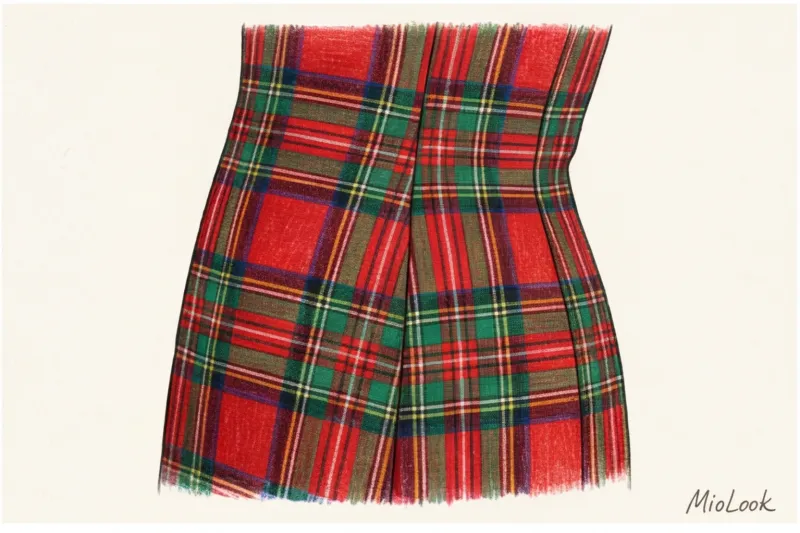
Если вы покупаете жакет, рубашку или пальто в клетку, полоску или со сложным геометрическим паттерном, посмотрите на боковые швы, карманы и линию плеча. Рисунок должен идеально перетекать из одной детали в другую.
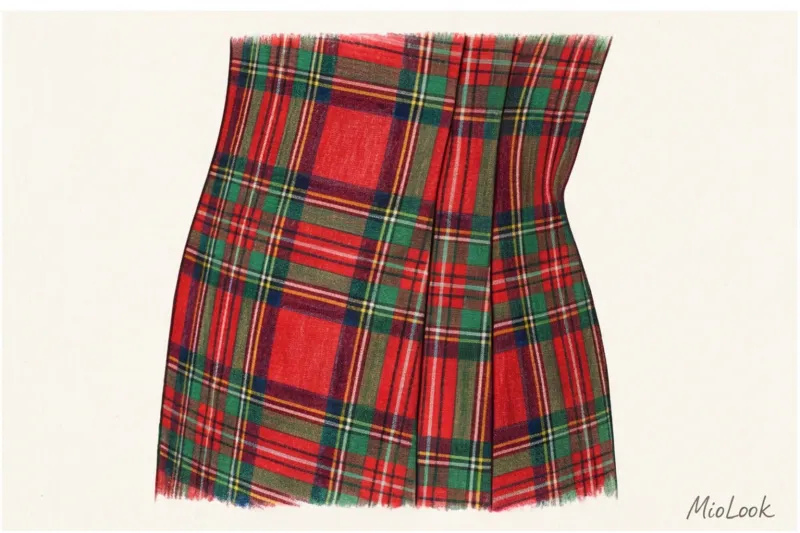
Игнорирование подгонки принта экономит до 15% ткани на производстве. Но именно этот визуальный шум мгновенно выдает дешевую одежду, разрушая гармонию силуэта. Если бренд не смог состыковать клетку, он гарантированно сэкономил и на всем остальном.
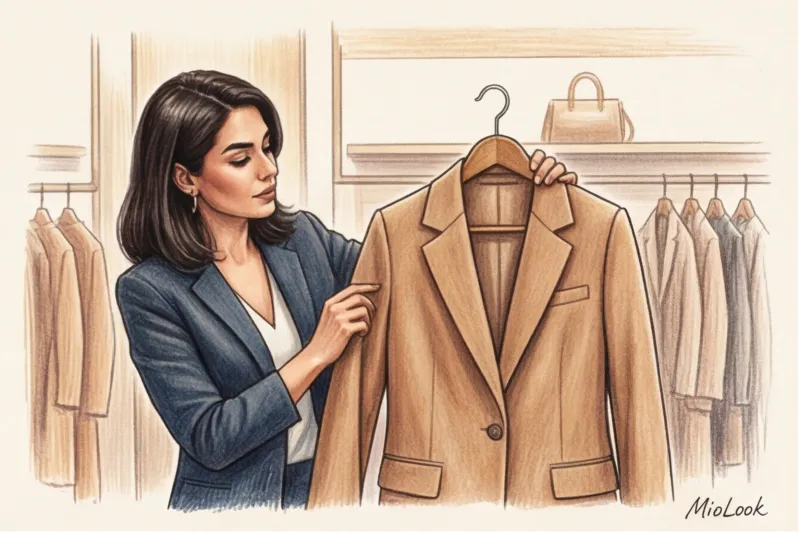
Отдельная боль — фурнитура. Масс-маркет обожает пластиковые пуговицы, пришитые в один прокол машинки, с которых краска «под золото» облезает через месяц. Инсайдерский совет: покупка базового блейзера из плотной ткани в сегменте 50–80 € и замена пуговиц на качественные роговые или металлические в ателье (за 10–15 €) моментально переводит вещь в визуальную категорию «премиум». Этот прием — основа статусного гардероба.
Иллюзия качества: тактильные уловки и обман на бирке
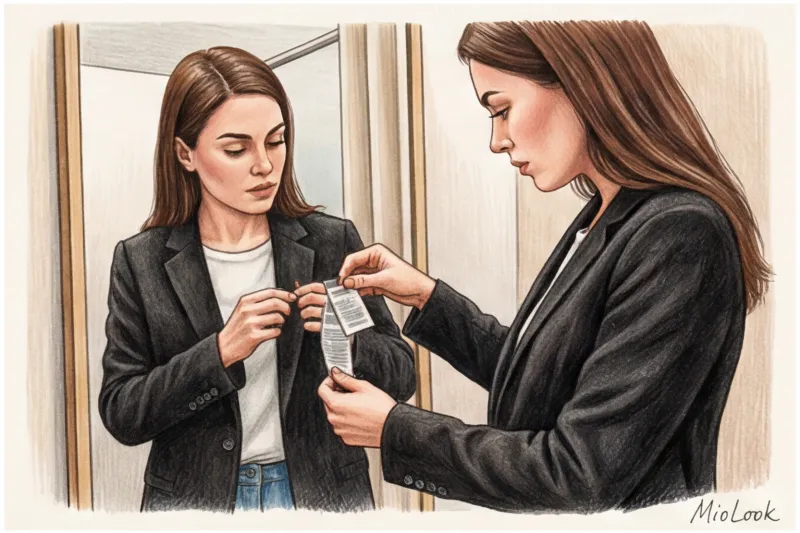
Здесь мы подходим к самому контринтуитивному инсайту. Нас годами учили: ищите на бирке «100% натуральный состав». Но сегодня надпись «100% кашемир» или «100% хлопок» в масс-маркете — это ловкая маркетинговая ловушка.
Дело не в происхождении волокна, а в его качестве. По данным исследования McKinsey & Company (2024) о снижении срока службы одежды, бренды массово переходят на сырье с короткой нитью слабой крутки.
- Слабая крутка: Нить не скручена туго, она пушистая и рыхлая.
- Короткие волокна: Менее 20 мм. При трении кончики этих волокон мгновенно выбиваются на поверхность.
Результат? Свитер из 100% шерсти за 60 € покроется пиллями (катышками) уже через три дня носки под пальто. При этом смесовая ткань (например, 70% плотной длинноволокнистой шерсти и 30% качественного полиамида для формоустойчивости) прослужит вам пять лет.
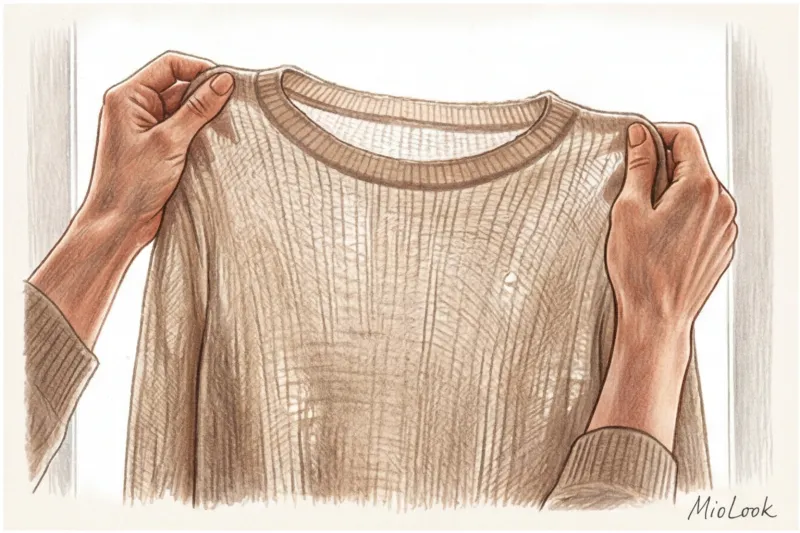
Но как бренды обманывают нас в магазине? Они используют химический «макияж» для одежды. Рыхлую ткань пропитывают силиконами, формальдегидными смолами и крахмалом. Когда вы трогаете такую рубашку или джинсы в ТЦ, они кажутся плотными, гладкими и тяжелыми. Но после первой же стирки пропитка смывается, и в ваших руках остается бесформенная, тонкая тряпочка.
Ваш идеальный образ
начинается здесь
Присоединяйтесь к тысячам пользователей, которые каждый день выглядят безупречно с MioLook.
Открыть доступ — €0,99 разовоЧек-лист «детективного шопинга»: 5 тестов в примерочной
Чтобы не стать жертвой фабричных иллюзий, применяйте эти пять тестов профессиональных стилистов прямо в кабинке для переодевания:
- Тест на сминаемость. Зажмите край ткани в кулаке на 10 секунд, затем отпустите. Если ткань осталась жеваной бумагой — она будет выглядеть так же через час сидения в офисе. (Исключение: 100% лен, для него легкая помятость благородна).
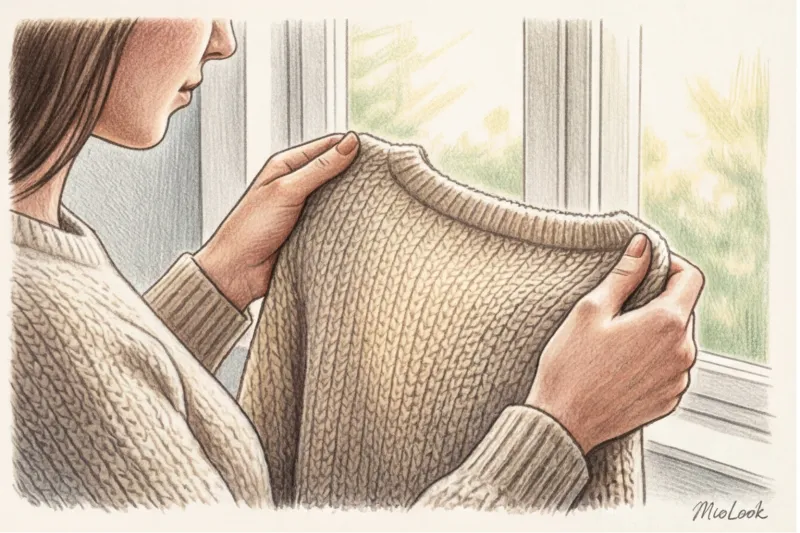
- Тест на свет. Поднимите вещь (особенно трикотаж) и посмотрите сквозь нее на лампу в примерочной. Если вы видите неравномерные просветы и рыхлое плетение — вещь быстро потеряет форму.
- Тест натяжения шва. Аккуратно потяните ткань в стороны у бокового шва. Если на просвет видны нитки самой строчки, а в ткани образуются микро-дырочки — припуск слишком мал, вещь расползется.
- Тест симметрии. Сложите брюки или рубашку пополам вдоль центральной оси. Совпадают ли плечевые швы? Равны ли по ширине штанины? Если есть перекос лекал хотя бы на 1 см — вещь будет «уезжать» на фигуре.
- Тест Cost-Per-Wear (цена за носку). Здесь вам поможет математика. Добавьте фотографию планируемой покупки в приложение MioLook и посмотрите, с каким количеством ваших текущих вещей она сочетается. Дешевая футболка за 15 €, которая потеряет вид после двух стирок (7.5 € за выход) — это дорого. Жакет за 200 €, который вы наденете 100 раз (2 € за выход) — это разумная инвестиция в ваш капсульный гардероб.
Инвестиции и разумная экономия: как собрать статусный гардероб
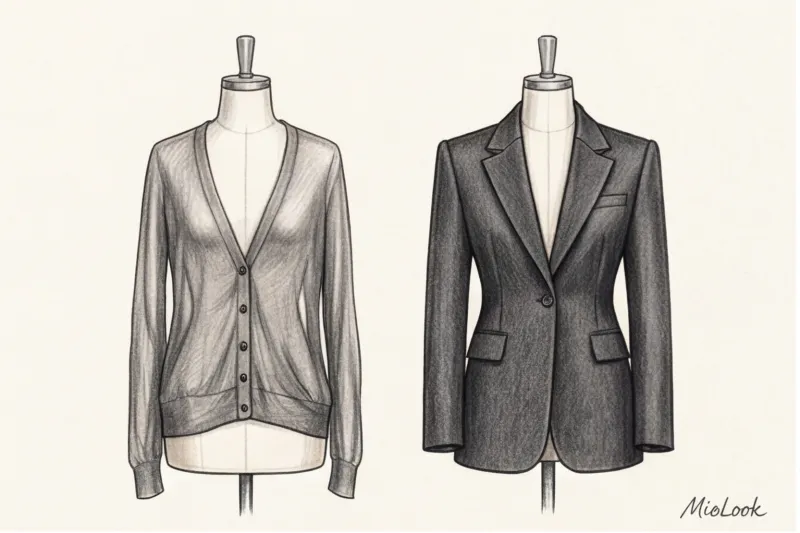
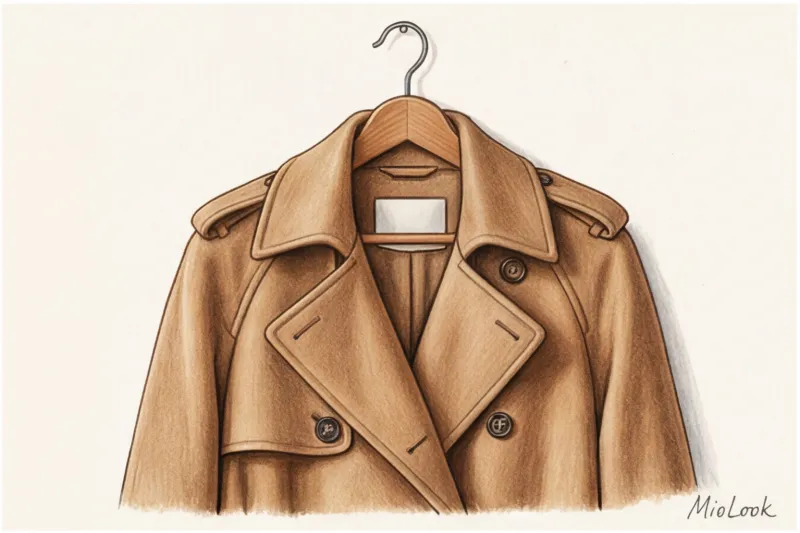
Знание признаков дешевой одежды — это не призыв покупать исключительно люкс. Это свобода управлять своим бюджетом. Существуют категории, на которых экономить категорически нельзя, потому что их внешний вид зависит от сложной архитектуры кроя. Это жакеты, классические шерстяные пальто и строгие брюки. Их посадка определяет то, насколько «дорого» и собрано вы выглядите.
Однако есть вещи, на которых экономить можно и нужно без ущерба для имиджа. Базовые хлопковые футболки (главное, выбирайте плотность от 180 г/м²), простые трикотажные топы для многослойности и остромодные, трендовые аксессуары на один сезон вполне могут быть родом из бюджетного сегмента (30–60 €).
В конечном итоге, качество вашего гардероба измеряется не логотипами на подкладке, а вашим умением читать одежду между строк. Откажитесь от иллюзии, что высокая цена гарантирует качество, а низкая — оправдывает плохой крой. Выворачивайте вещи наизнанку, проверяйте швы на просвет и не позволяйте маркетинговым уловкам диктовать вам правила стиля.