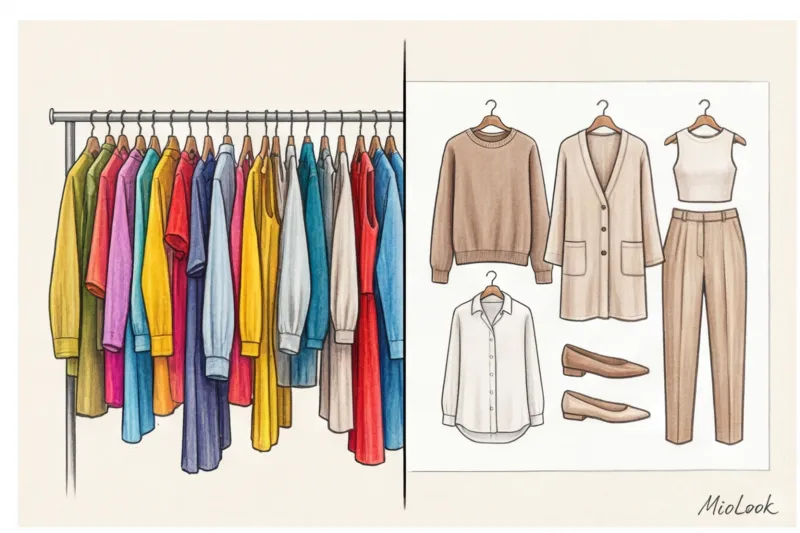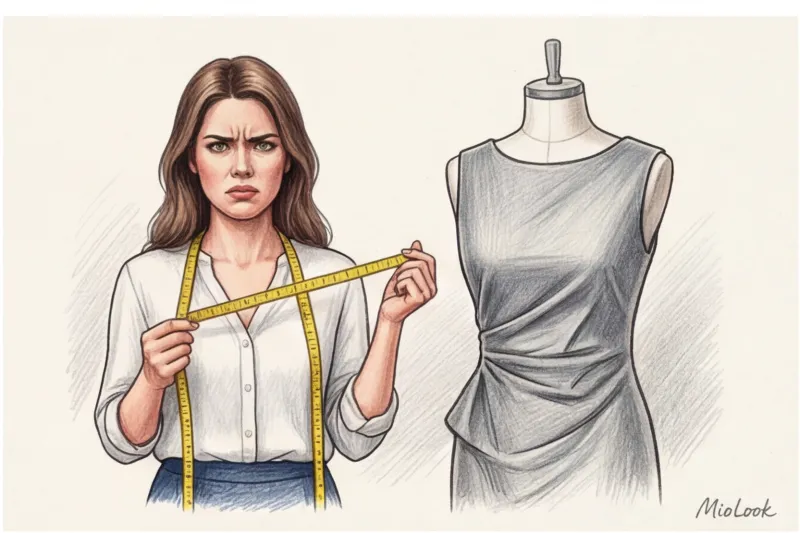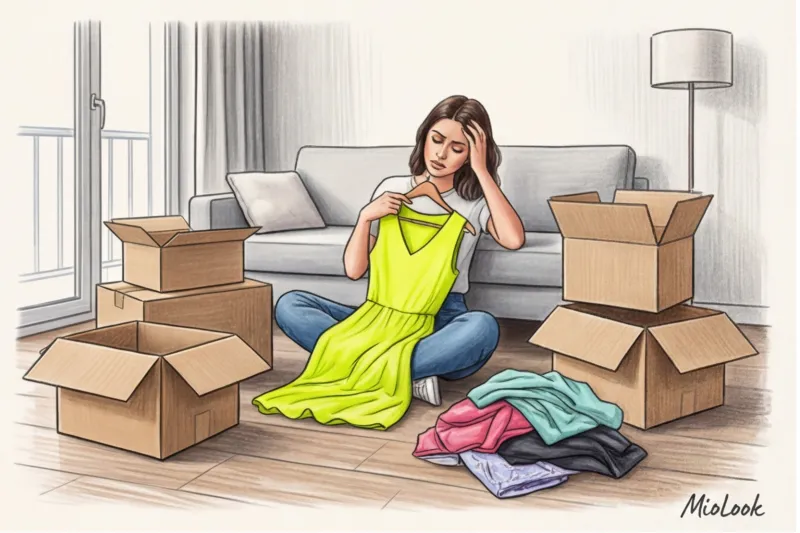
На прошлой неделе мы разбирали гардероб с моей клиенткой Анной. Из недр шкафа мы достали четыре платья с бирками известного европейского бренда (каждое стоимостью около 150 €). История их появления типична: Анна заказала в интернет-магазине шесть платьев, три вернула сразу, так как не подошел размер, а эти четыре оставила. И ни разу не надела. Знаете, почему? Одно делало ее лицо землисто-серым, второе требовало совершенно иной обуви, которой у нее нет, а третье просто не вписывалось ни в один жизненный сценарий.
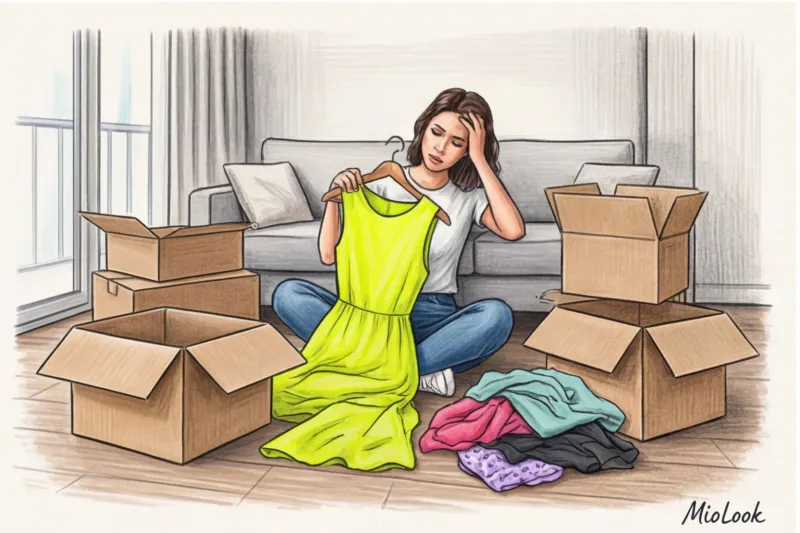
Для владелицы гардероба это потраченные впустую 600 €. А для интернет-магазина? Это потерянный клиент, который больше не вернется, и раздутая статистика возвратов. Как практикующий стилист и колорист, я постоянно вижу этот разрыв: e-commerce продает вещи, а женщины хотят покупать готовые образы. Именно поэтому стандартная виртуальная примерочная для сайта одежды в ее классическом понимании больше не спасает конверсию. Подробнее о глобальном тренде перехода от продажи единиц к продаже стиля мы рассказали в нашем полном гиде по персонализации в e-commerce.
Давайте разберемся, почему бизнесу пора перестать инвестировать в «надевалки» одежды на фото и начать внедрять алгоритмы с реальным стилистическим интеллектом.
Почему базовая виртуальная примерочная для сайта одежды больше не работает
Давайте развенчаем главный миф fashion e-commerce: простая накладка 2D-картинки платья на загруженное фото пользователя — это забавная игрушка из 2010-х, а не бизнес-инструмент. Покупательницы давно переросли этот функционал.
За 12 лет разборов гардеробов я вывела неутешительную статистику: около 80% вещей с бирками в шкафах моих клиенток — это импульсивные онлайн-покупки. Вещь идеально сидела на модели в каталоге. Размерная сетка магазина подсказала правильный M. Но когда посылка приехала, случился феномен «вещи-одиночки». Покупатель возвращает (или забрасывает в дальний угол) одежду не потому, что она плохо сшита, а потому что в каталоге с тысячами SKU у него наступает усталость от принятия решений (decision fatigue).
Девушка не может в уме сопоставить фактуру нового свитера плотной вязки с теми легкими шелковыми юбками, которые уже висят у нее дома. Обычный виджет примерки показывает лишь физические габариты. Он не решает главную боль: «А мне это вообще идет? И с чем я буду это носить?»
Доступ к MioLook за €0,99 — разовый платёж
Умный AI-стилист подберёт идеальный образ для ваших клиентов или лично для вас.
Открыть доступ — €0,99 разовоИИ-стилист vs Обычный 3D-виджет: разница в архитектуре продаж
Большинство владельцев интернет-магазинов совершают одну и ту же ошибку. Они искренне считают, что дорогое и качественное 3D-моделирование одежды решит проблему возвратов. На самом деле, покупателю не нужен 4K-рендер швов на юбке. Ему нужен сценарий использования.
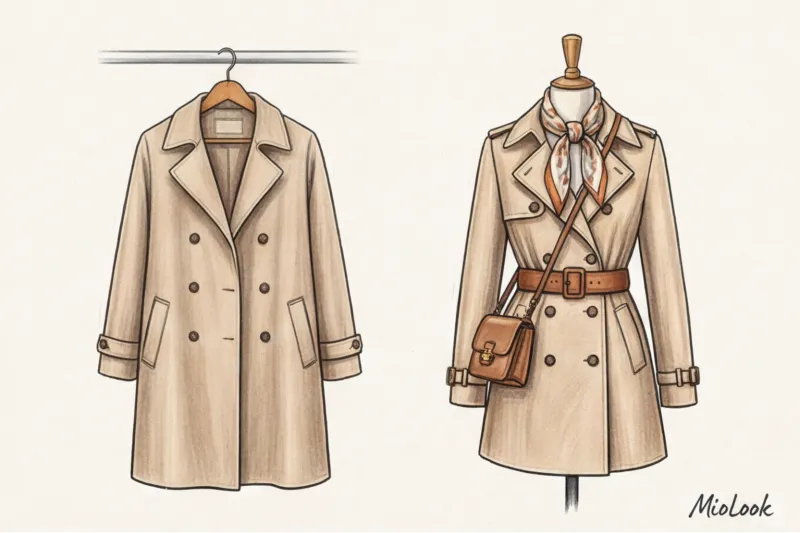
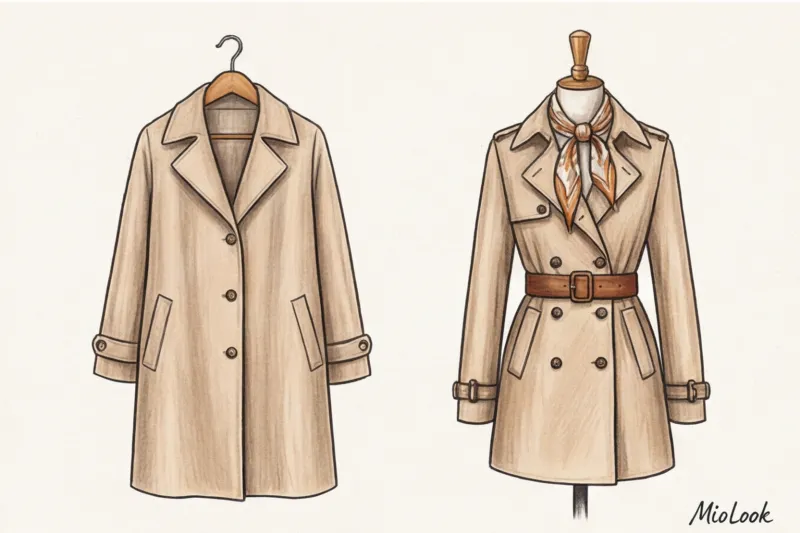
Обычный виджет знает, что длина этой юбки — 65 сантиметров. ИИ-стилист с заложенным «стилистическим интеллектом» знает, что эта юбка из вельвета требует гладкой контрастной фактуры сверху (например, шелка или тонкой шерсти) и совершенно не терпит замшевой обуви.
Это принципиальный переход от «посадки по размеру» к «гармоничному образу».
Интеграция цветового анализа в алгоритм
Как сертифицированный колорист, я всегда проверяю, как алгоритмы работают с цветом. Базовые примерочные просто игнорируют контрастность внешности. Современный ИИ оценивает селфи пользователя по принципам дирекционной теории цвета: он считывает температуру (подтон кожи), глубину и чистоту красок.
Если девушка с мягким, приглушенным колоритом пытается примерить неоново-фуксиевый жакет, умный алгоритм не просто «наденет» его на нее. Он мягко предложит альтернативу: пыльно-розовый или сложный ягодный оттенок из вашего же каталога. Клиентка купит «свой» цвет и гарантированно оставит вещь себе. (Кстати, если вы хотите глубже понять, как это работает на практике, загляните в наш материал про 12 цветотипов внешности).
Архитектура капсулы вместо «С этим покупают»
Алгоритм «С этим покупают» официально мертв. Если я кладу в корзину черные брюки, стандартный магазин предлагает мне... еще три пары черных брюк. Зачем?
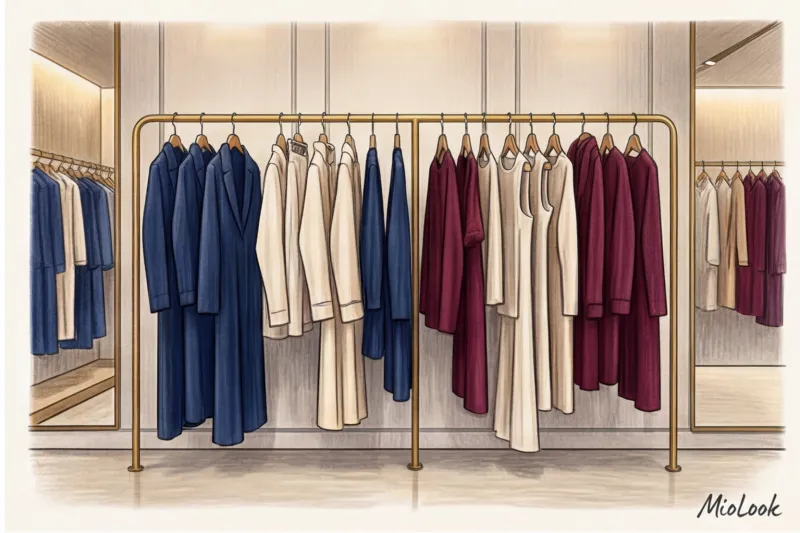
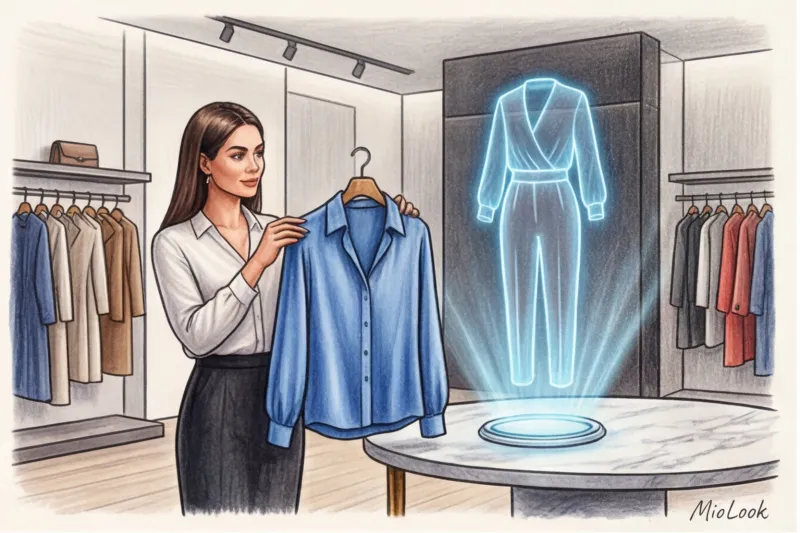
ИИ-стилист работает иначе. Он берет выбранную вещь как флагманскую и мгновенно генерирует вокруг нее мини-капсулу. Выбрали структурный жакет? Вот топ, который не будет сборить под ним, брюки правильной посадки и лоферы. Это уже не просто кросс-сейл, это услуга персонального стайлинга, за которую в оффлайне платят от 100 до 300 € в час. Здесь клиент получает ее бесплатно, а магазин получает х3 к чеку. Подробнее о том, как строится такая структура, мы писали в полном руководстве по созданию капсульного гардероба.
Ваш идеальный образ начинается здесь
Присоединяйтесь к тысячам пользователей, которые каждый день выглядят безупречно с MioLook, или внедрите эти технологии в свой бизнес.
Открыть доступ — €0,99 разово5 метрик, которые улучшит умная виртуальная примерочная для сайта одежды
Давайте перейдем от красивых образов к сухим цифрам. По данным отчета McKinsey (2024), возвраты съедают до 40% маржи fashion-ритейлеров. Внедрение алгоритмического стилиста бьет точно по главным болям e-commerce.
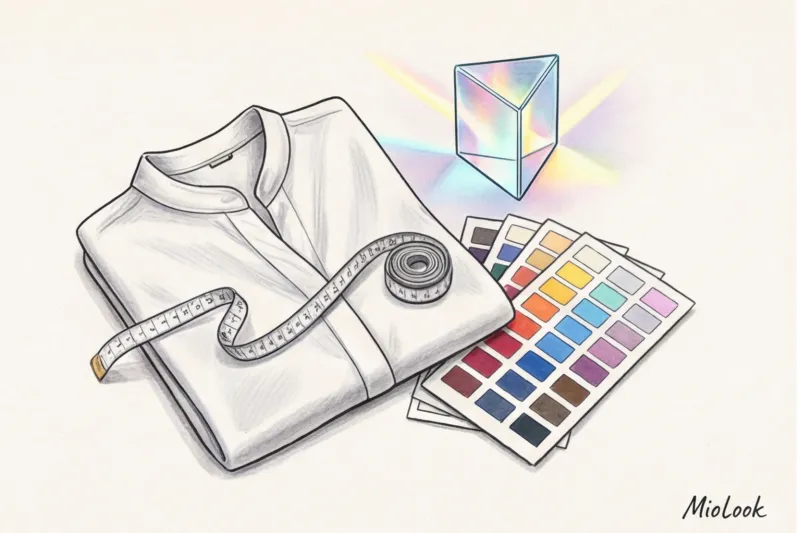
- Снижение Return Rate (процента возвратов) на 20-30%. Клиент больше не играет в угадайку «подойдет ли мне этот фасон». ИИ отсекает вещи, которые категорически не подходят по пропорциям фигуры и колориту.
- Рост AOV (среднего чека) на 15-25%. Продавая капсулу вместо разрозненных позиций, вы легко увеличиваете средний чек, скажем, со 120 € до 150 €. Покупательница видит готовое решение и забирает образ целиком.
- Увеличение Time on Site. Геймификация творит чудеса. Девушки могут часами собирать образы в умной примерочной. Это не бесящий всплывающий баннер, это полезный инструмент, который удерживает внимание.
- Рост LTV (пожизненной ценности клиента). Если ваш магазин однажды помог клиентке собрать идеальный чемодан в отпуск (без стресса и возвратов), куда она придет за осенним пальто? Правильно, к вам. Формируется доверие уровня «мой личный стилист».
- Сокращение нагрузки на поддержку. Вопросы в чат вроде «а эта блузка просвечивает?» или «с чем носить эти зеленые брюки?» забирает на себя алгоритм, выдавая наглядные визуальные ответы.
Как визуально и технически встроить ИИ-стилиста в каталог
Эргономика — наше всё. Худшее, что можно сделать, это повесить огромную мигающую кнопку «ПРИМЕРИТЬ» поверх фотографии товара. Стиль должен быть легким, а покупка — еще легче.
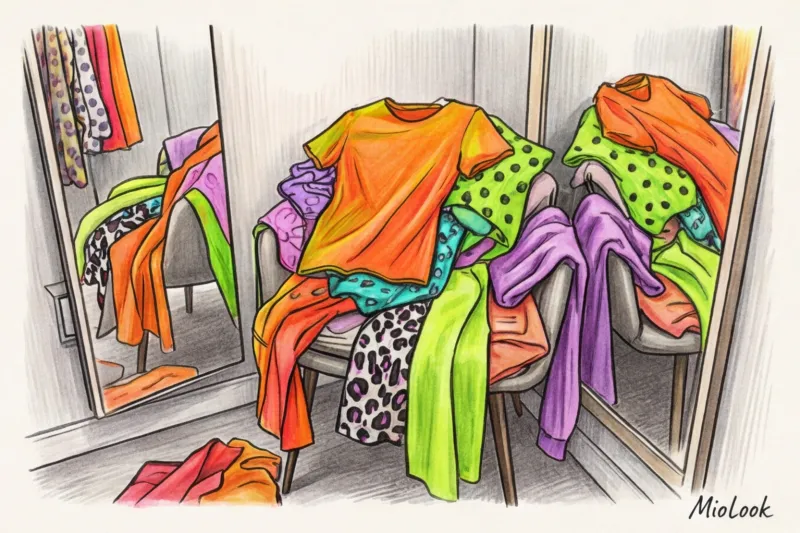
Где лучше всего разместить точку входа?
- Карточка товара: Аккуратная иконка рядом с выбором размера с текстом «Посмотреть на мне» или «Собрать образ».
- Корзина: Когда вещь уже лежит в корзине, виджет может мягко предложить: «Дополните образ, чтобы эти брюки не висели в шкафу без дела».
- Личный кабинет: Здесь хранится «цифровой гардероб» клиента из прошлых покупок, с которыми алгоритм будет мэтчить новинки.
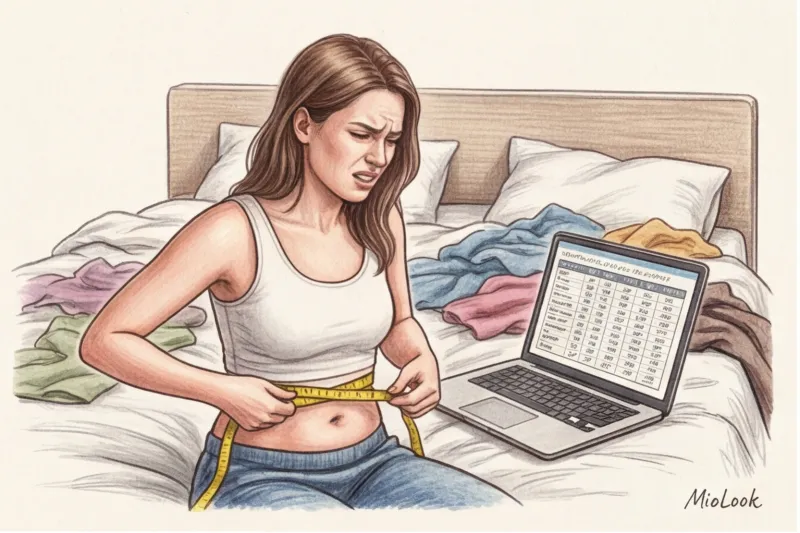
Важнейший момент — сбор данных. Не заставляйте клиента на старте вводить 15 параметров обхватов с сантиметровой лентой. Запросите одно фото при хорошем освещении и рост. Современные алгоритмы MioLook способны вытащить базовую информацию о цветотипе и контрастности из одного качественного селфи, достраивая профиль по мере совершения покупок.
Готовы начать?
Попробуйте бесплатный план MioLook — оцените возможности ИИ-стилиста без обязательств.
Открыть доступ — €0,99 разовоКритичные ошибки бизнеса при внедрении примерочных виджетов
Как эксперт, я должна быть честной: виртуальная примерочная работает не всегда и не для всех. Есть три критичные ошибки, которые разрушают всю магию технологии.
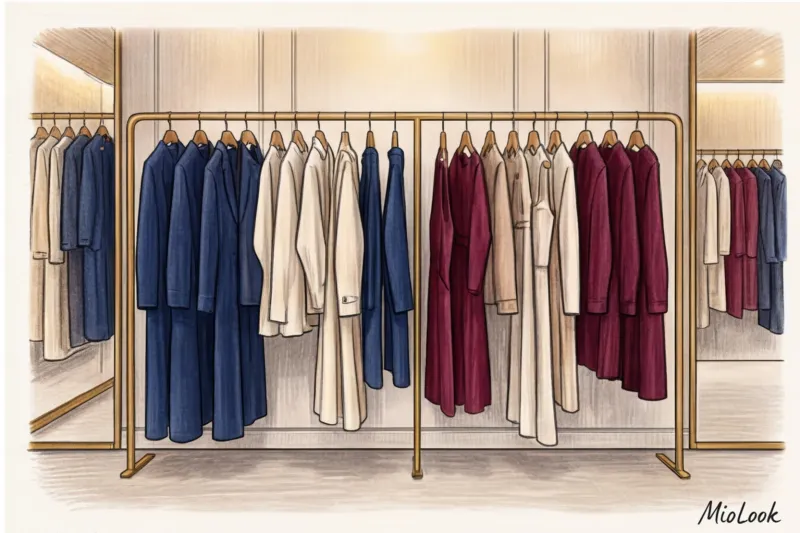
Ошибка 1: Сложный онбординг. Если для получения рекомендации мне нужно сфотографироваться в обтягивающей одежде с трех ракурсов при дневном свете — я закрою вкладку. Пользователь ленив. Процесс должен занимать секунды.
Ошибка 2: Игнорирование мобильной верстки. В 2024 году более 80% fashion-трафика приходится на смартфоны. Если ваш виджет ИИ-стилиста идеально выглядит на десктопе, но на экране iPhone перекрывает кнопку «Купить», вы теряете деньги.
Ошибка 3: Предлагать то, чего нет. Представьте: алгоритм собирает потрясающий образ, клиентка влюбляется в предложенный терракотовый топ, кликает... а его нет в ее размере. Это вызывает дикое раздражение. ИИ обязан быть жестко синхронизирован со складскими остатками в реальном времени.
Чек-лист: Готов ли ваш интернет-магазин к ИИ-стилисту MioLook?
Чтобы алгоритм работал как швейцарские часы, а не как генератор случайных картинок, ваш каталог должен быть подготовлен.
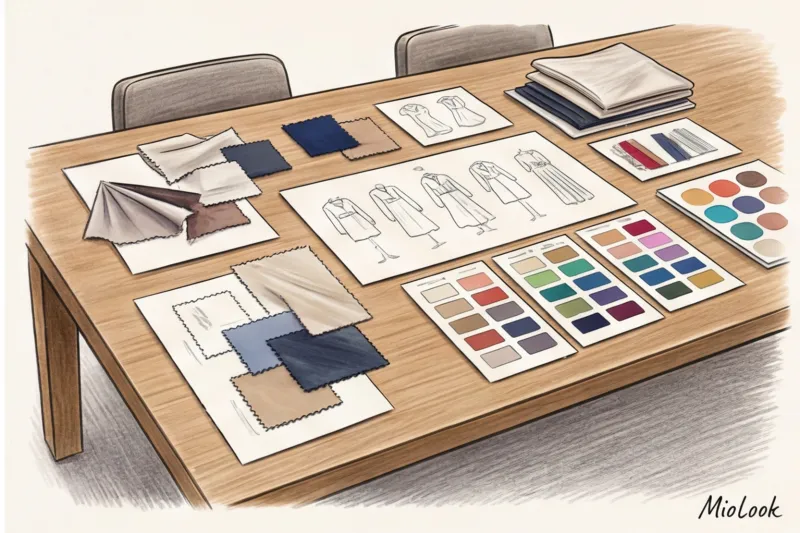
- Качество исходников: У вас есть четкие фотографии товаров на нейтральном фоне (белый/светло-серый)? Без них ИИ не сможет корректно «вырезать» вещь для коллажей.
- Структура метаданных: Размечены ли ваши товары не просто как «платье красное», а с указанием состава (плотность ткани влияет на драпировку), длины, типа выреза и стилистического направления?
- Техническая готовность: Возможна ли интеграция по API для бесшовной передачи данных между вашей CMS и алгоритмами стилизации?
Интеграция виджета от MioLook — это не просто установка плагина. Это стратегический шаг, созданный на стыке высоких технологий и реальной экспертизы профессиональных стилистов.
Внедряя умную виртуальную примерочную, вы перестаете быть просто онлайн-витриной с фильтрами по цене. Вы становитесь для своего клиента сервисом, который решает его главную утреннюю проблему: «полный шкаф, а надеть нечего». А бизнес, который решает эту проблему, навсегда избавляется от необходимости конкурировать только за счет скидок.