За 12 років роботи фешн-журналістом та персональним стилістом я засвоїла одне жорстке правило: жоден принт не видає реальну вартість вашого гардеробу так швидко та безжально, як клітина. Ви можете обдурити очі якісним однотонним поліестером, але з геометрією цей трюк не пройде. Розбираючи шафи клієнток, я регулярно бачу, як неправильно підібрані види клітини в одязі візуально накидають обсяги або перетворюють потенційно статусний образ на уніформу лісоруба, що втомився.
Якщо ви тільки починаєте вибудовувати стосунки з патернами, раджу для початку заглянути в наш повний гід за поєднанням принтів в одязі. А сьогодні ми підемо на рівень глибше. Ми препаруватимемо картатий орнамент не як банальний малюнок, а як складну архітектурну конструкцію, що підкоряється суворим законам фізики та оптики.
Анатомія візерунка: чому види клітини в одязі – це архітектура, а не малюнок
А ви знали, що справжньої клітини у масовому сегменті майже не лишилося? За даними аналітичного звіту WGSN за 2024 рік, близько 85% речей із картатим орнаментом у секторі фаст-фешн – це поверхневий пігментний друк на дешевій синтетиці.
У чому важлива різниця? Справжня клітка тчеться. Це фізичне переплетення заздалегідь пофарбованих поздовжніх та поперечних ниток. Друкована клітка – це просто чорнильний штамп поверх готового білого полотна.
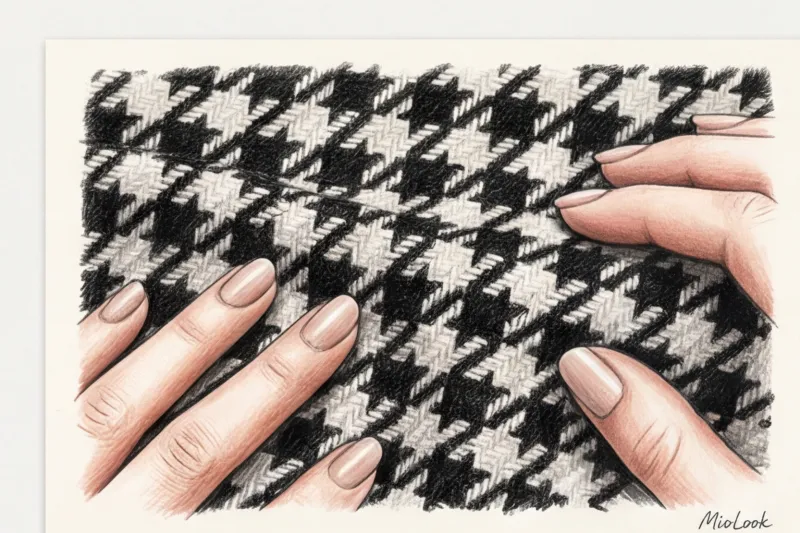
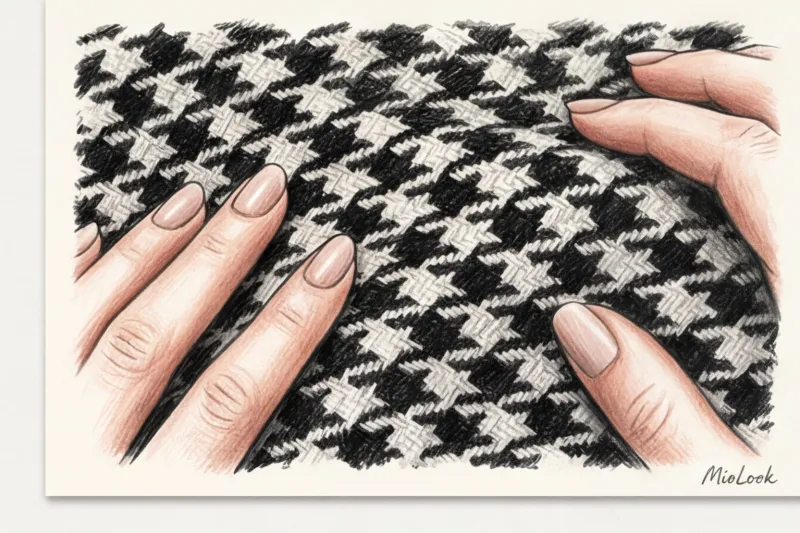
На першому ж шопінг-супроводі я змушую своїх клієнток проходити тест «сліпого торкання». Закрийте очі та проведіть подушечками пальців по тканині піджака. Тканий орнамент завжди має мікрорельєф на стику кольорів (ви буквально відчуваєте перетин ниток). Друкований - абсолютно плоский, а з вивороту річ зрадливо біла або блякла.
Саме тому справжній тканий жакет виглядає дорого та авторитетно. Він чудово тримає форму, а його малюнок має візуальну глибину, яку неможливо зімітувати промисловим принтером.
Ваш ідеальний образ починається тут
Приєднуйтесь до тисяч користувачів, які щодня виглядають бездоганно з MioLook. Наш AI-стиліст допоможе підібрати ідеальну клітинку під вашу фігуру.
Відкрити доступ — €0,99 разовоАристократи та бунтарі: 5 головних видів клітини, які потрібно знати
Щоб не виглядати так, ніби ви просто одягли «якусь сорочку», потрібно розуміти історичний код орнаменту. Кожен з них має свою яскраво виражену стильову ДНК.
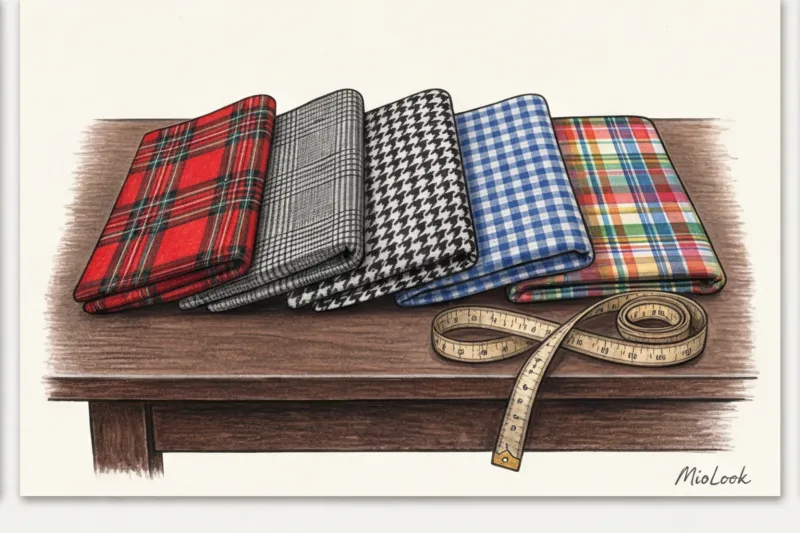
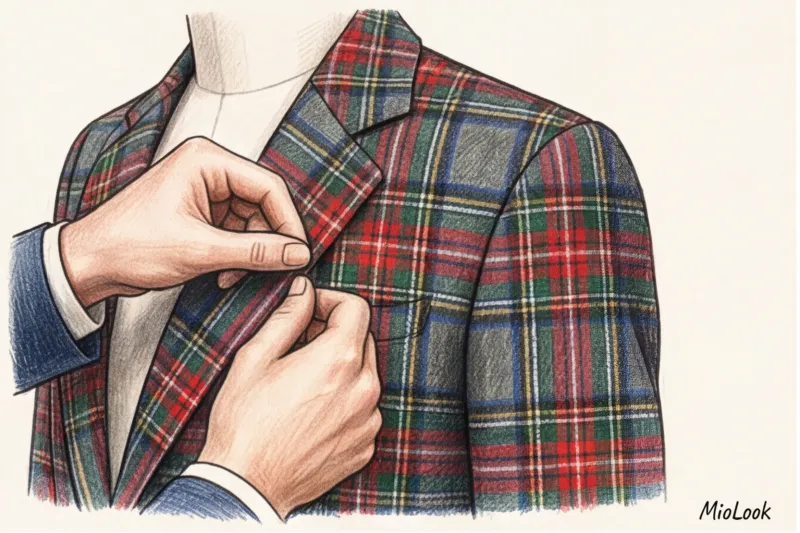
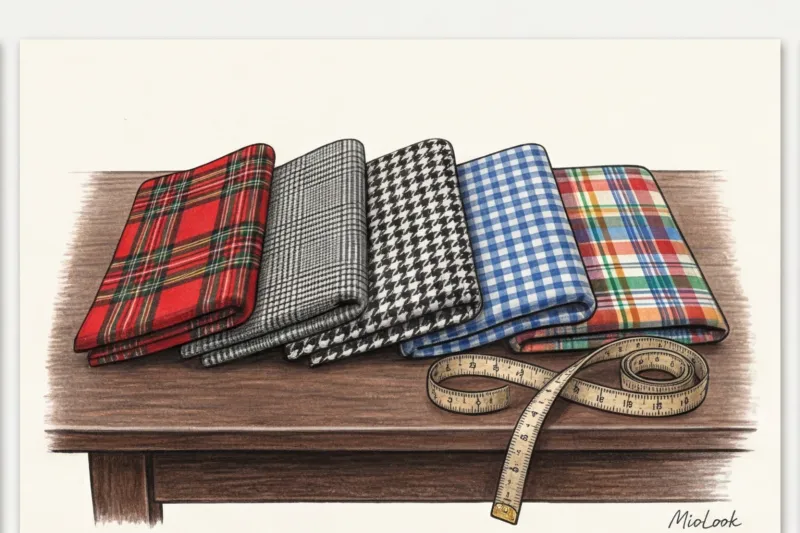
- Тартан (Шотландія). Найсуворіша система переплетення ниток. У базі Scottish Register of Tartans зареєстровано понад 7000 офіційних візерунків. Історично – знак приналежності до клану. У 1970-х роках дизайнер Вів'єн Вествуд розрізала класичний червоний тартан і скріпила його шпильками, перетворивши аристократичний візерунок на символ панк-року. Сьогодні це чудовий інструмент для зухвалих, акцентних образів.
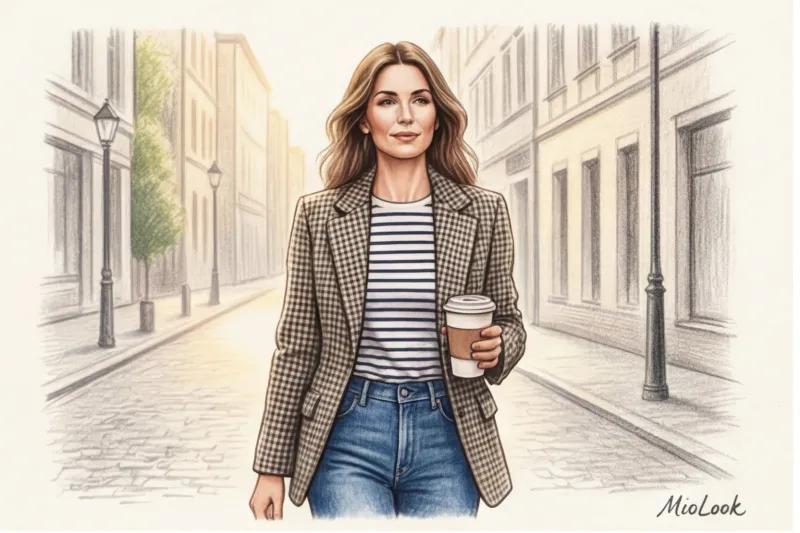
- Гленчек та Принц Уельський (Prince of Wales). Улюблений візерунок короля Едуарда VII, який у 1920-х роках перекочував до гардеробів брокерів Уолл-стріт. Це дрібне переплетення ниток, що здалеку створює ілюзію гладкої сірої тканини. Відмінність "Принца Уельського" від базового гленчека в тому, що поверх основного візерунка накинута велика кольорова рамка (найчастіше тонка блакитна, рожева або бордова нитка).
- П'є де куль (гусяча лапка). Абстрактна двокольорова геометрія ламається. Своєю безсмертною славою вона завдячує Крістіану Діору. У легендарній колекції New Look 1947 року він використав цей орнамент не тільки для одягу, але й для упаковки перших своїх духів Miss Dior. Абсолютна класика з неймовірною оптичною силою.
- Віші (Gingham). Двоколірна симетрична клітка (зазвичай білий плюс червоний або синій), що прийшла із французького Провансу. Після того як Бріжит Бардо вийшла заміж у 1959 році у сукні з рожевої віші, цей візерунок назавжди став синонімом естетики Французької Рів'єри та літнього шику.
- Мадраська клітка. Асиметричний багатобарвний орнамент родом з Індії, що став базою для університетського стилю преппі в США. Легкі мадраські сорочки – незамінна база для розслаблених літніх вихідних.
Математика пропорцій: як види клітини в одязі коригують фігуру
«Велика клітка повнить» — мабуть, найживучий і помилковий стереотип, з яким мені доводиться боротися щотижня. Об'єм додає не розмір принта. Повне жорстка контрастна горизонтальна лінія, пущена закрійником точно по найширшій частині ваших стегон.
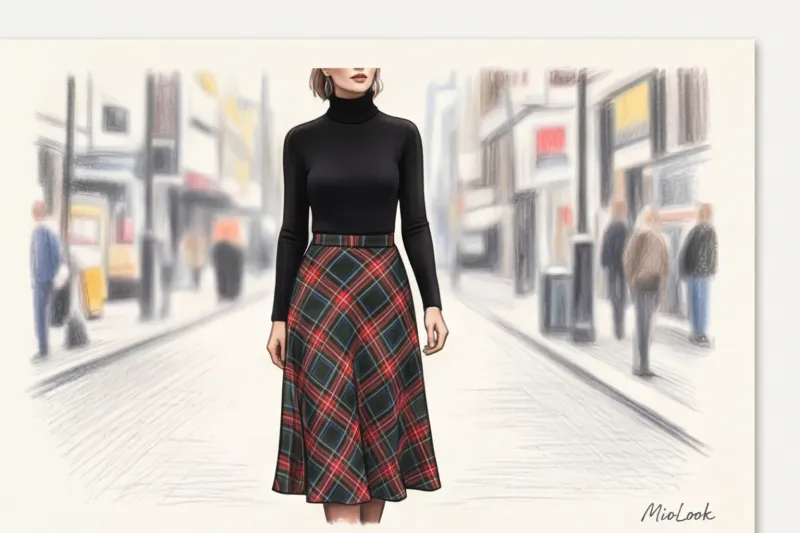
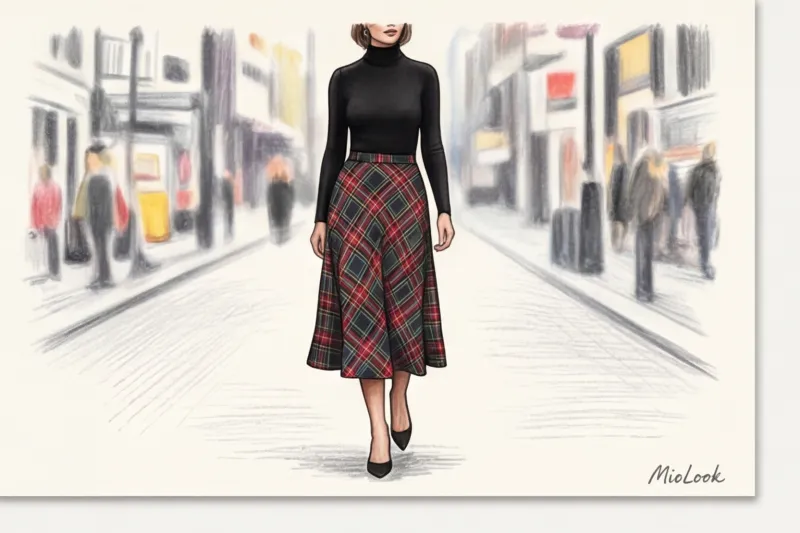
Секрет елегантності криється у напрямку нитки. Розкрій по косій (bias cut) змінює все. Коли строгий тартан криється під кутом 45 градусів до пайової нитки, квадрати перетворюються на витягнуті ромби. Тканина стає пластичною, м'яко облягає фігуру, а діагональний візерунок феноменально витягує силует. Одна з моїх клієнток із вираженою фігурою «груша» роками уникала принтованих спідниць, поки ми не приміряли спідницю-міді з діагональним тартаном. Візуально вона втратила півтора розміри за одну примірку.
Також безвідмовно працює закон фокусної точки. Велика, контрастна макроклітина у зоні плечей чи декольте (наприклад, на укороченому жакеті) перетягує він всю увагу, повністю відволікаючи погляд від важкого низу. Ви просто керуєте поглядом співрозмовника, наче режисер.
Правила вищого пілотажу: як поєднувати клітину з іншими принтами
Спостерігаючи за стрітстайлом на Тижнях моди в Парижі, я завжди помічаю одну закономірність: інфлюєнсери вищого ешелону ніколи не поєднують принти навмання. У їхній недбалості завжди прихована сувора математика.
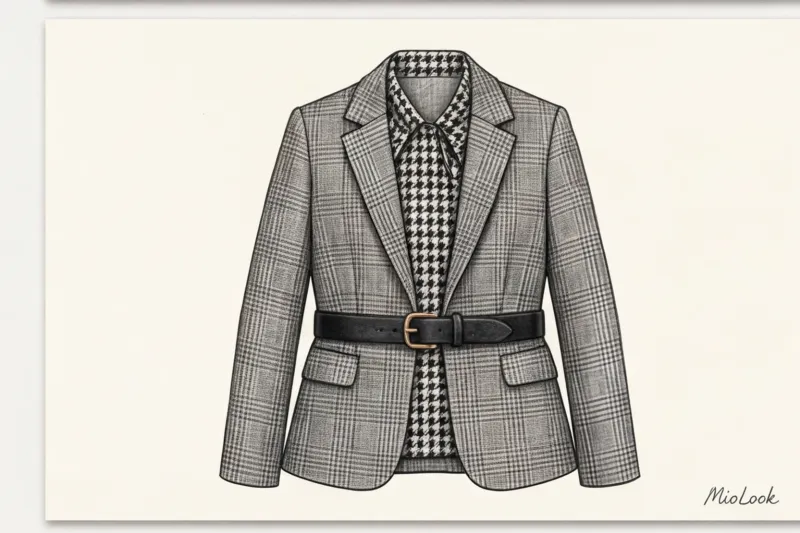
- Клітина+Клітка. Головне правило тут – золотий переріз масштабів 2:1 чи 3:1. Ніколи не міксуйте два візерунки однакового розміру, інакше вони почнуть візуально конфліктувати і створювати брижі в очах. Безпрограшний варіант: надягніть вільний жакет у великий гліночок і шовкову блузу в мікроскопічну гусячу лапку.
- Клітина + Смужка. Секрет успіху полягає у пошуку об'єднуючої колірної ДНК. Якщо у вашому мадраському жакеті простежується тонка смарагдова нитка, смужка на сорочці під ним має бути рівно такого ж відтінку. Це створює невидимий місток між речами.
- Клітина + Флористика. Мій улюблений стилістичний прийом, який дизайнер Дріс Ван Нотен довів до абсолюту на своїх показах. Сувора чоловіча геометрія ідеально заземлює зайву романтичність і нудотність квіткового принта.
«Секрет бездоганного поєднання складних принтів – у контрасті настроїв. Сувора геометрія завжди вимагає м'якого, ірраціонального сусідства, щоб образ здавався живим, а чи не наглухо застебнутим у математичну формулу».
Якщо ви боїтеся перебрати з експериментами, скачайте MioLook. Алгоритми програми допоможуть наочно оцінити у віртуальній примірювальній, як різні масштаби принтів працюють разом на вашій фігурі, ще до того, як ви витратите гроші.
Статусний гардероб: види клітини у суворому діловому дрес-коді
Працюючи з жінками на керівних постах (C-level), я часто чую той самий запит: «Мені потрібно виглядати авторитетно, але не нудно». Чорний чи темно-синій костюм наводить тугу, а яскраві кольори не завжди доречні на раді директорів. І тут на сцену виходить правильна клітка.
Як уникнути горезвісного ефекту лісорубу в офісі? Виключіть пухку фланель та високий контраст (особливо поєднання червоного з чорним). Ваш вибір – тонка гладка камвольна вовна (super 100s або 120s) та мінімальний контраст відтінків.
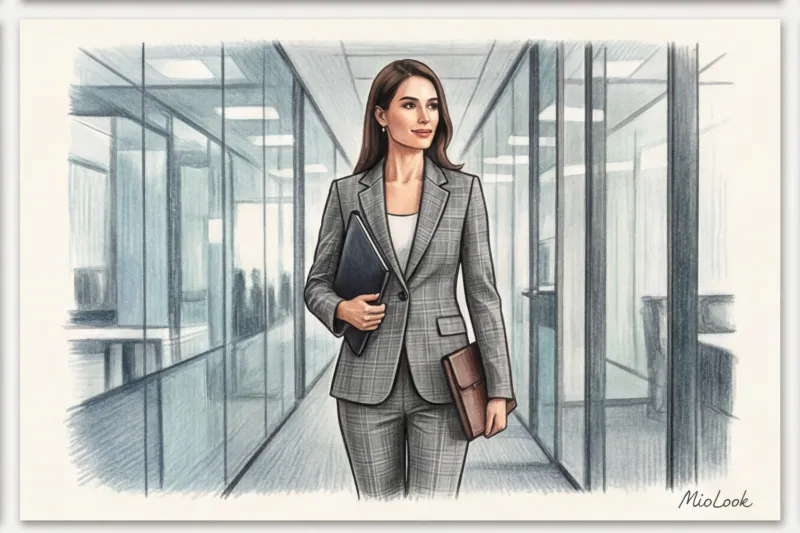
Візерунок «Принц Уельський» - це еталонна інвестиція для бізнес-вумен. З відстані п'ять метрів ваш костюм виглядає однотонним, сіро-сталевим, але при наближенні розкривається найскладнішою фактурою. Це транслює увагу до деталей та високий соціальний статус. Якісний жакет з такої тканини у брендів середнього сегмента коштуватиме приблизно 150–250 €, але він відпрацює кожну вкладену копійку.
Важливе обмеження, про яке майже ніхто не попереджає: ніколи не надягайте дрібну, висококонтрастну чорно-білу «гусячу лапку» або віші, якщо вам доведеться виступати на телебаченні, записувати подкаст на відео або вести важливий Zoom-колл. На камері такі патерни створюють ефект муару - зображення починає неприємно мерехтіти і "стробити", що фізично дратує очі ваших співрозмовників.
Чи готові почати?
Спробуйте безкоштовний план без зобов'язань. Завантажте свій гардероб у MioLook і дізнайтеся, скільки стильних поєднань із кліткою ви пропускаєте щодня.
Відкрити доступ — €0,99 разовоЧек-лист стиліста: на що дивитись перед покупкою картатої речі
Ви можете вибрати найтрендовіший відтінок та актуальний оверсайз-фасон, але одна технічна деталь миттєво видасть дешеве виробництво. Я говорю про стикування малюнка на швах.
У суворих традиціях кравців лондонської вулиці Севіл-Роу (Savile Row) нестиковка ліній клітини вважається справжнім професійним злочином. Мас-маркет економить на цьому мільйони, тому що для ідеального збігу патерну потрібно на 15–20% більше тканини при розкрої.
Перед тим, як нести річ на касу, перевірте три критичні зони:
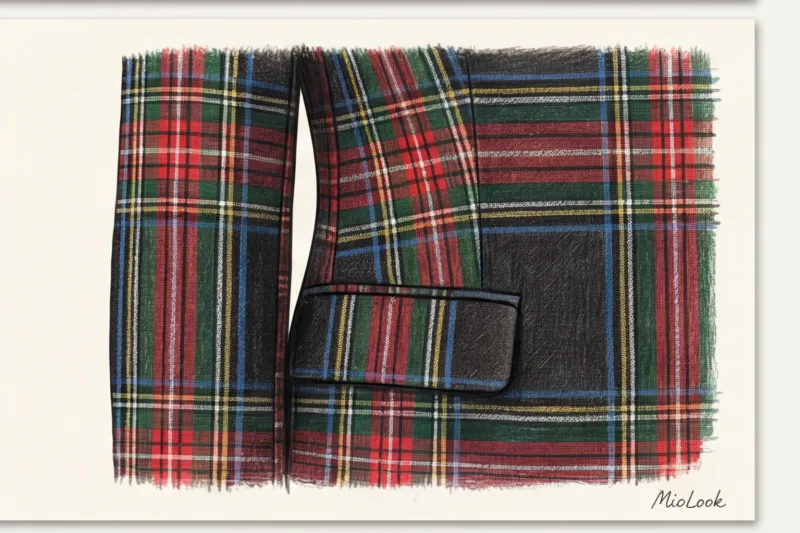
- Бічні шви. Горизонтальні лінії клітини повинні переходити зі спинки на передню поличку безперервно, утворюючи єдине кільце навколо вашого тіла.
- Клапани кишень. Малюнок на накладній кишені або його клапані має ідеально, до міліметра, зливатися з малюнком самого піджака. Правильно пошита кишеня має бути практично невидимою.
- Лацкани та комір. Оцініть симетрію. Якщо правий лацкан починається з чорної вертикальної смуги, а лівий з білої вас візуально перекосить, і фігура здаватиметься асиметричною.
Не забувайте і про склад тканини. Якщо матеріал схильний до утворення катишків (пілінгу), то через місяць активного носіння пух розмиє межі кольорів, і графічний візерунок перетвориться на брудне місиво. Вибирайте щільну бавовну (від 180 г/м²), гладку вовну змішування, де синтетики не більше 20–30%.
Клітина - це не тренд-одноденка, який зникне наступного сезону. Це потужний інструмент конструювання вашого іміджу, який не прощає економії як крою, але щедро винагороджує тих, хто вміє з ним працювати. Купуючи свою наступну картату річ, закрийте очі, торкніться фактури тканини та переконайтеся, що перед вами не просто малюнок, а справжня інвестиція у ваш стиль.