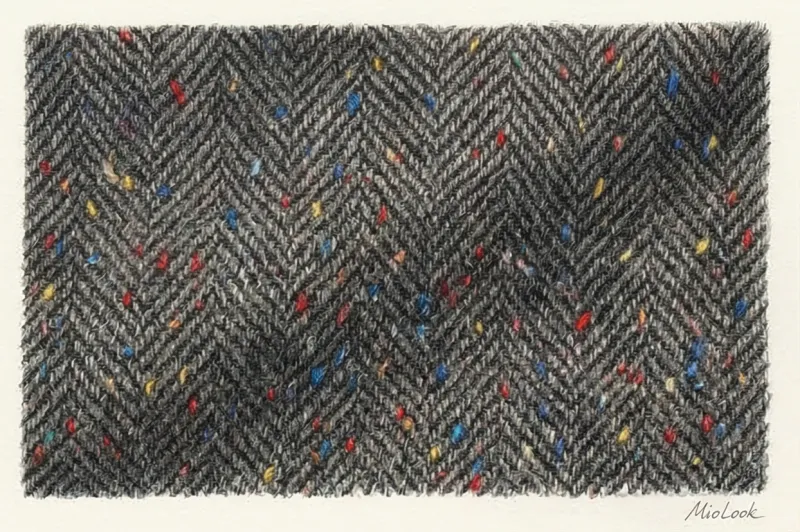
What is tweed?
Tweed — is a dense, textured woolen fabric with a small pile, traditionally created using a diagonal (twill) weave.
Historically, the material originated in Scotland and Ireland. Thick sheep's wool was used to protect against harsh climates, piercing winds, and dampness.
The key production feature of classic tweed is the use of thick, untwisted yarn dyed with natural dyes. The fabric has a distinctive mélange effect: fibers of other shades are often woven into the main thread, creating complex color transitions and inclusions.
Main types
- Harris Tweed — a benchmark Scottish handcrafted material, protected by law. It is distinguished by its high wear resistance, rough texture, and earthy tones.
- Donegal tweed — an Irish variety of fabric, easily recognizable by its plain background (often gray or brown) with brightly colored knotted patches.
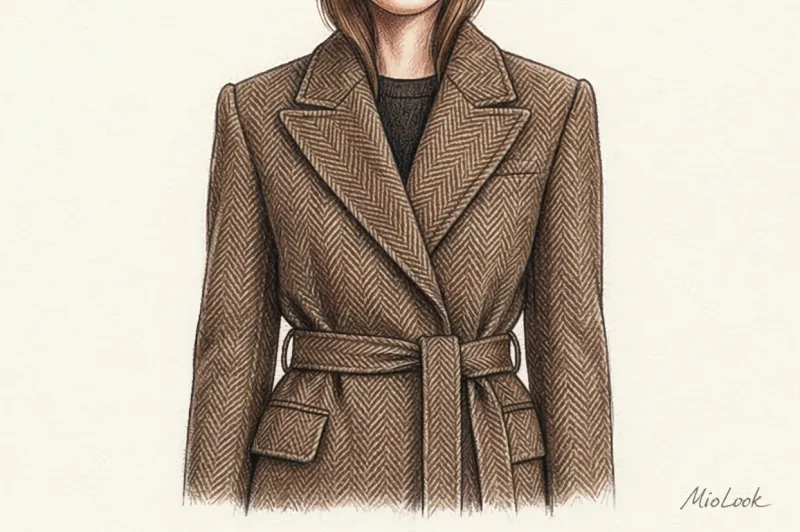
- Herringbone — a tweed with a classic geometric pattern that forms V-shaped zigzags. Traditionally used for tailored coats and jackets.
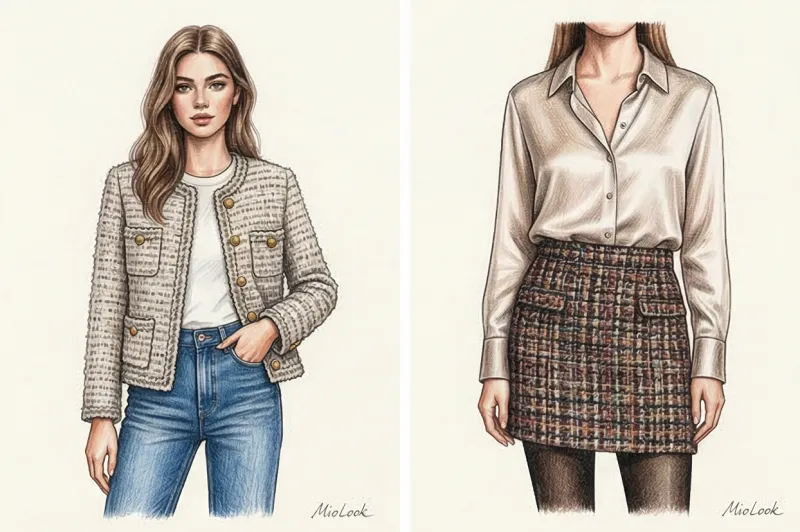
- Tweed bouclé (Chanel style) — a looser, softer, and more voluminous fabric with a pronounced knotted texture, adapted by Coco Chanel to create iconic women's suits.
What to combine with
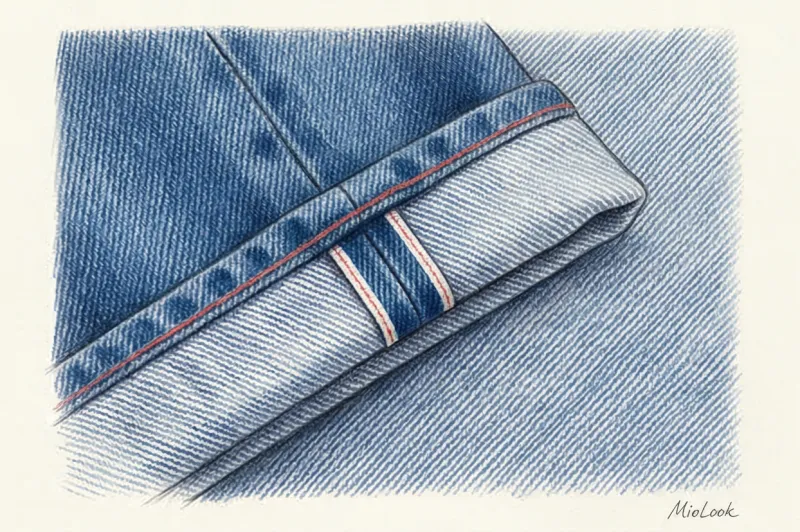
A classic straight-cut tweed jacket easily integrates into a casual look. It pairs well with basic straight-leg jeans and a plain T-shirt for a more casual feel.
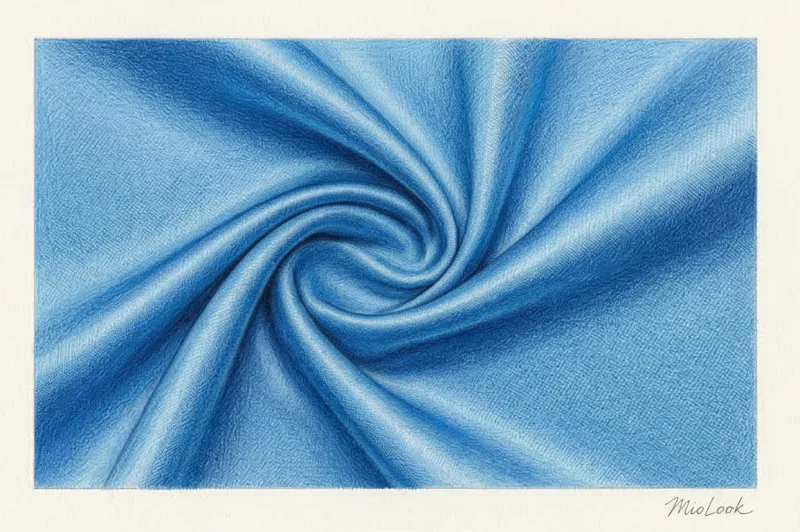
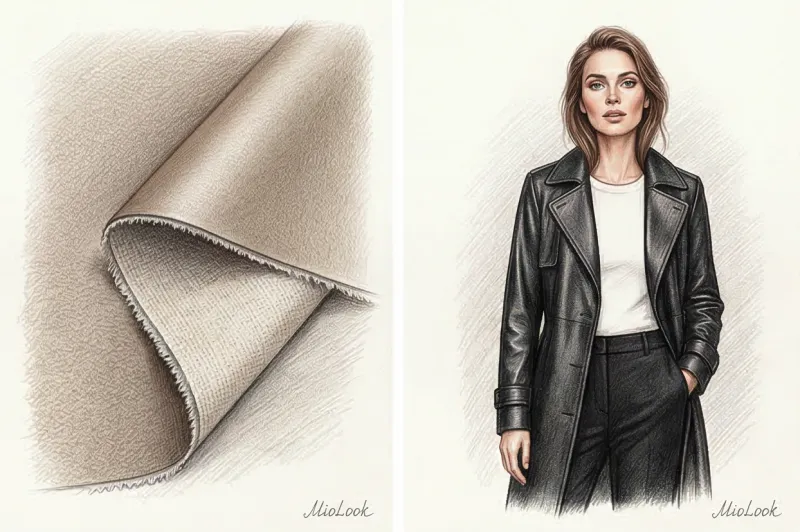
Rough and matte tweed wool pairs harmoniously with smooth materials, creating contrasting textures. These pieces are paired with silk blouses, satin tops, or fine, smooth leather pieces.
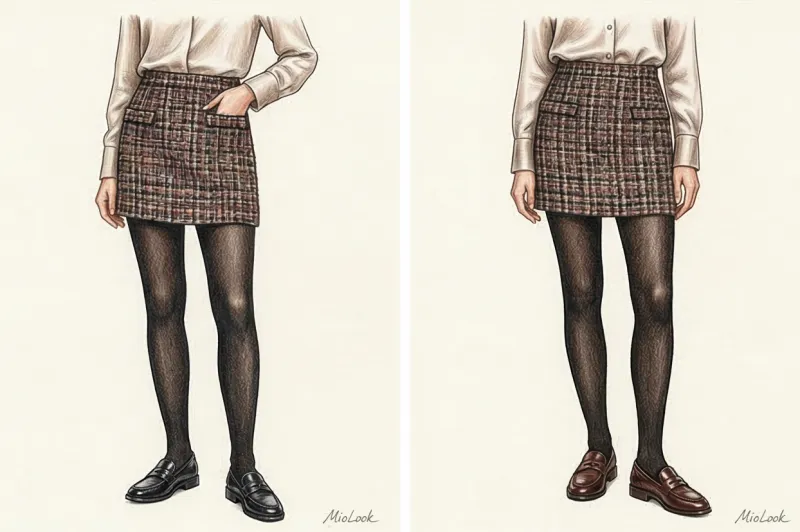
Monochromatic ensembles, such as a tweed two-piece suit (jacket and A-line skirt), are worn with thick matte tights in a matching color. The look is completed with simple, unadorned shoes: loafers, Chelsea boots, or ankle boots.
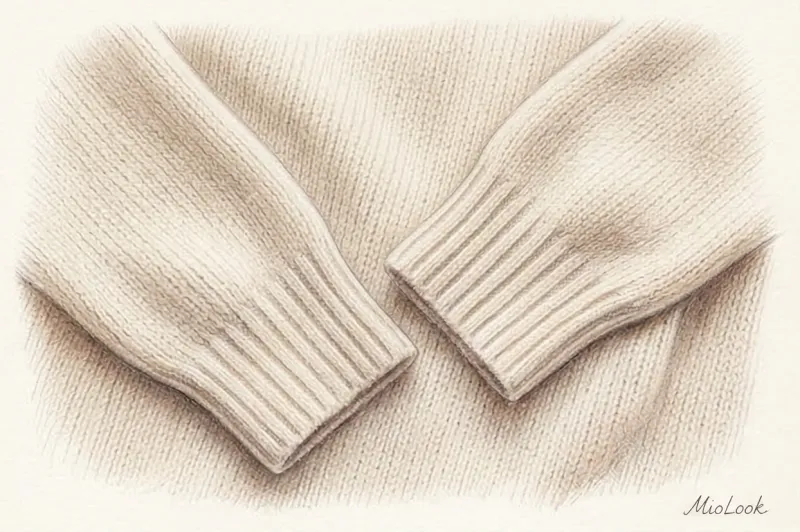
For outerwear, a voluminous herringbone tweed coat is paired with smooth knit midi dresses and tall leather tube boots.