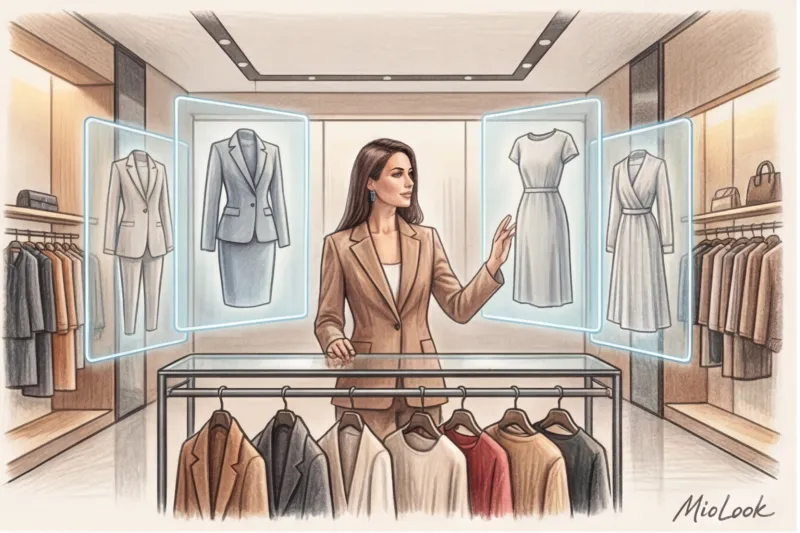
Last month, I ran an experiment: for 30 days straight, I logged into work VR meetings wearing various digital outfits—from a shapeless hoodie to a tailored three-piece suit.
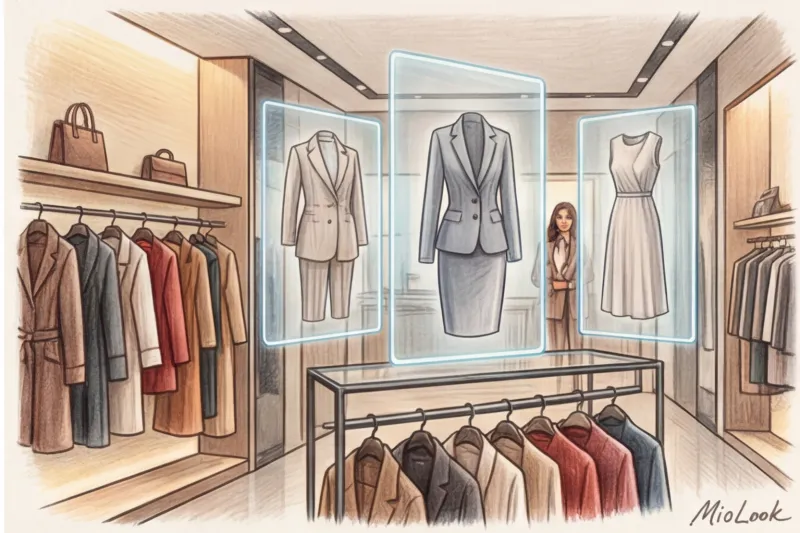
You know what happened? My colleagues unconsciously changed the tone of their conversations. When my avatar sat at a virtual desk in a hoodie, meetings dragged on and discussions became more chaotic. But as soon as I "put on" a perfectly fitted digital blazer, meetings moved faster, and my suggestions were accepted on the first try without unnecessary debate. We wrote more about how technology is changing our perception of wardrobe in our the complete guide to digital clothing , but today I want to talk about the purely practical side of the issue.
For a long time, avatar clothing was considered a purely gaming pastime—something akin to buying new skins in Fortnite or Roblox. Today, it's a strategic tool for experts, speakers, and entrepreneurs building their personal brands in the metaverse.
The Evolution of Digital Style: Why Avatar Clothing Has Become a Status Item
The difference between in-game skins and high-polygon clothing for platforms like Spatial or Decentraland is stark. In games, we buy a fantasy image (often unrelated to reality), while in business metaverses, we buy our social status.
Morgan Stanley (2022) predicts that the luxury virtual fashion market will reach €50 billion by 2030. And brands like Gucci and Balenciaga are investing millions in pixels for good reason. Statistics show that 70% of Generation Z already consider their digital identity more important than their physical one. And this trend is quickly being adopted by millennials in the corporate sector.
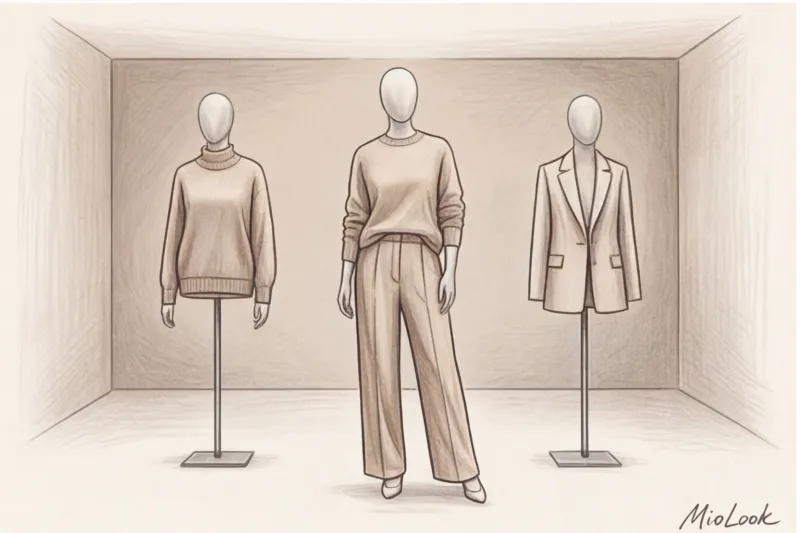
Over my 12 years as a stylist, I've seen clients' requests change. While I used to be asked to put together a wardrobe for a conference in Dubai, now they tell me, "Emily, I'm pitching a startup in VR. My default avatar looks like a student. I need a digital Tom Ford."
"Creating a custom 3D avatar today costs between €50 and €5,000, depending on the complexity of the textures and the exclusivity of the design. And this investment pays for itself faster than buying a real suit."
Your perfect look starts here
Join thousands of users who look flawless every day with MioLook, both in real life and digitally.
Start for freeThe Myth of "Neon Cyberpunk": What's Really Worn in the Metaverses
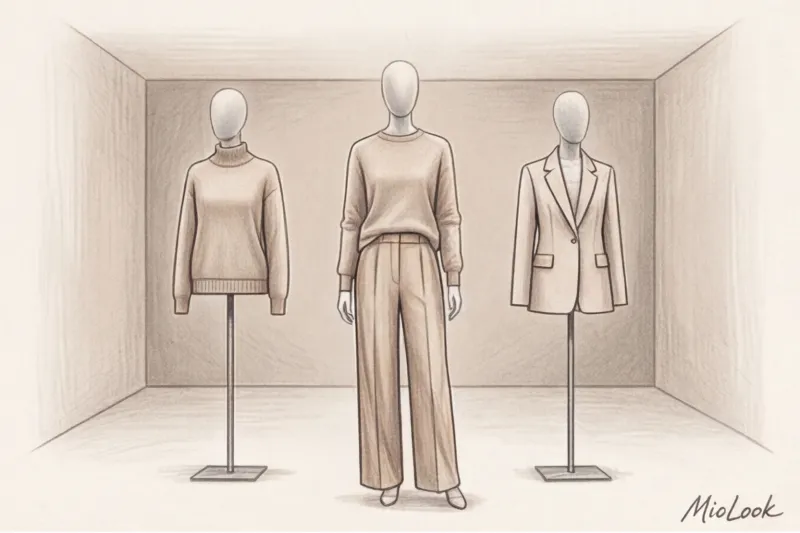
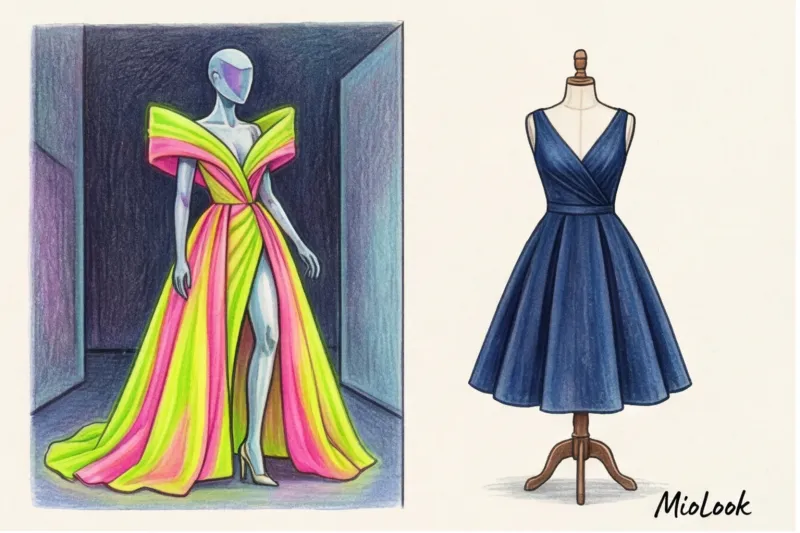
There's a persistent misconception: just because we're in virtual reality, avatars must wear soaring neon wings, flaming sneakers, and surreal armor. This is the main cliché I'm fighting against.
The paradox is that the fastest growing segment of virtual fashion right now is quiet luxury style Businesses don't need bat wings for board meetings. They need virtual minimalism and smart casual.
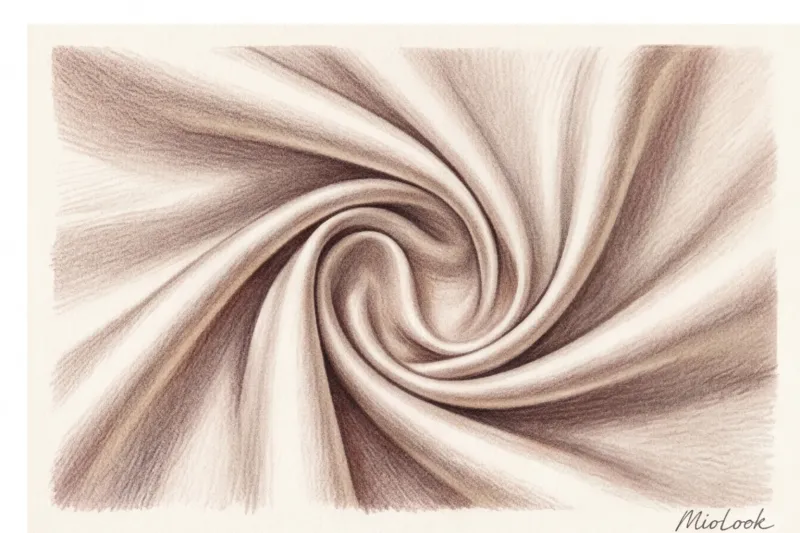
Of course, this rule doesn't apply if you're going to a virtual rave or a Travis Scott concert in the metaverse. There, fantasy still reigns supreme. But for expert presentations and networking events, the demand for realism is absolute. Clients want their virtual fabrics—silk, heavy denim, cashmere—to behave according to the laws of physics.
Quiet Luxury in 3D: How Brands Adapt Classics
Creating a flaming sword in 3D is easier than realistically rendering the pile of a cashmere sweater or the matte sheen of 22-momme silk. That's why a basic beige trench coat for an avatar, with every seam and fold of fabric carefully crafted, can cost more than its physical counterpart from Zara or Massimo Dutti.
In digital fashion, complexity lies in the micro-details. Three-dimensional cashmere requires colossal computing power to ensure the fibers react correctly to virtual lighting. It is precisely this realism that is now the hallmark of true wealth in the metaverse.
The Psychology of Virtual Style: How Avatar Clothing Changes Our Behavior
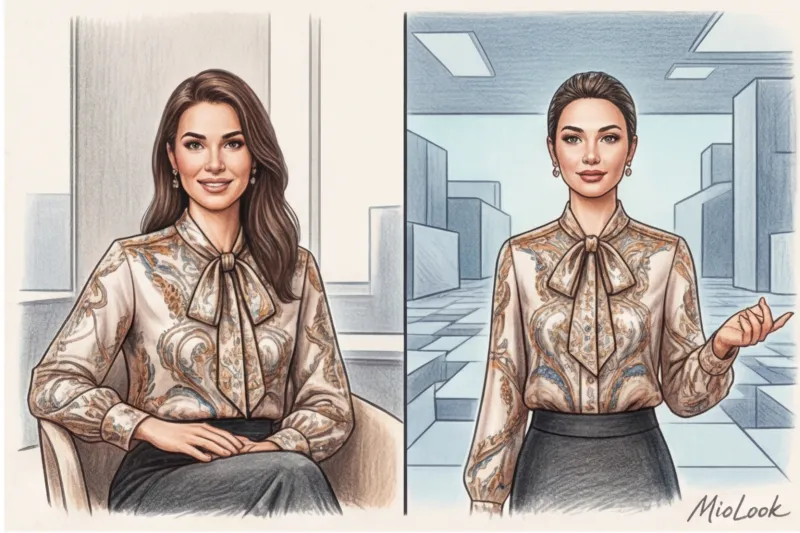
Have you ever noticed how your posture changes when you put on a well-tailored jacket in real life? The same mechanism works in VR. In psychology, this is called the "Proteus Effect"—a term coined by Stanford University researchers Nick Yee and Jeremy Bailenson in 2007. The idea is simple: people unconsciously adapt their behavior to the appearance of their avatar.
I had a striking experience. One of my clients, a premium business coach, was preparing to present at a major international VR conference. Initially, she decided to use a free skin—a girl in a basic white T-shirt and jeans. During rehearsals, her voice sounded uncertain, she lost her train of thought, and slouched even in the VR headset.
We commissioned a tailored navy blue 3D suit for her avatar, imitating the fine wool of Super 150s. The effect was immediate. As soon as she saw her digital double in high-status attire, her real-life speech pattern changed. Pauses appeared, and impostor syndrome disappeared. The avatar uniform acted as a confidence anchor.
Try MioLook for free
A smart AI stylist will select the perfect look based on your parameters and goals.
Start for freeTechnology Under the Hood: How Your Digital Twin's Wardrobe Is Created
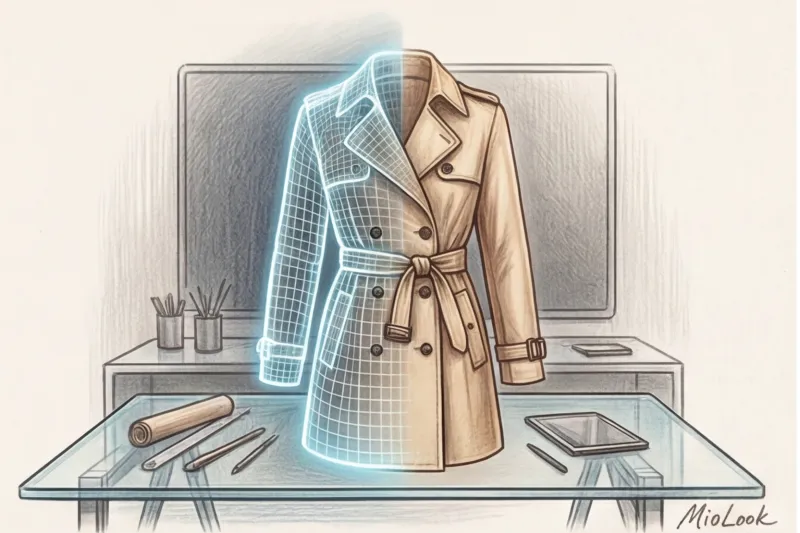
Many people think that 3D clothing is simply drawn with a brush in Photoshop. In reality, the process of creating a digital wardrobe is no different from the work of a tailor in a Milanese atelier.
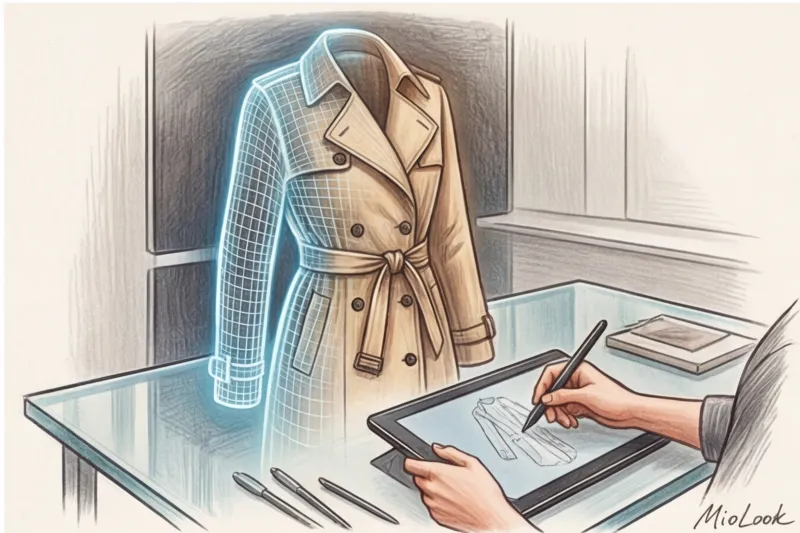
Designers use programs like Clo3D or Marvelous Designer. They create real digital patterns, stitch them with virtual threads, and define the fabric's physical properties: weight, stretch, and density. If the garment's architecture is compromised, the digital skirt will stand up unnaturally or, worse, "clip" into the avatar's body texture as it walks.
Incidentally, according to The Institute of Digital Fashion (2023), it's inclusivity and the ability to try on any item without size restrictions that attracts users. And this perfectly aligns with the philosophy of smart wardrobes. If you're already using MioLook To digitize your physical closet, imagine that in the future, you'll be able to transfer your favorite physical images directly to your avatar with a single click.
Checklist: Assembling a Basic Capsule for a Virtual Avatar
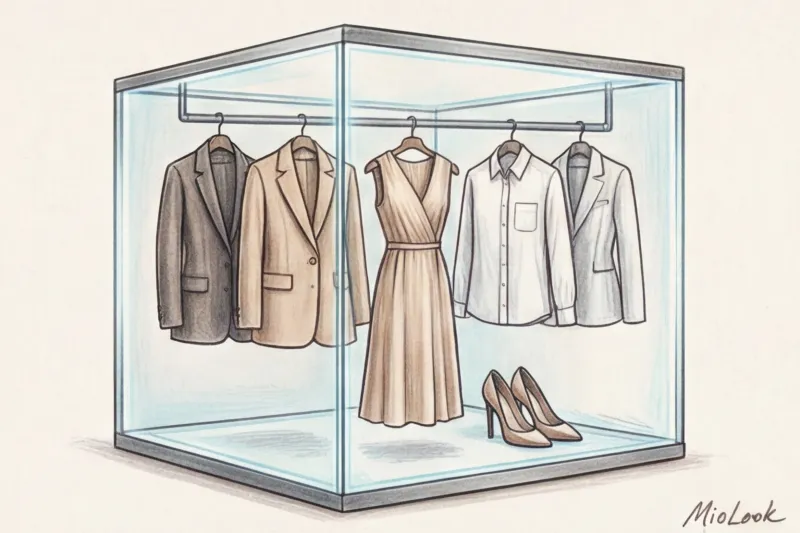
If you plan to enter the metaverse for business or professional purposes, you'll need a basic digital capsule wardrobe. I recommend applying the same functional wardrobe formulas as in real life, but with a digital twist.
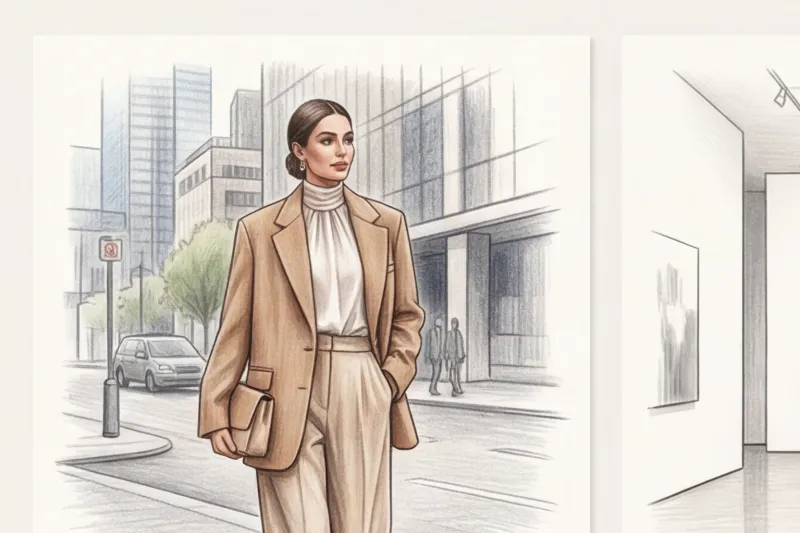
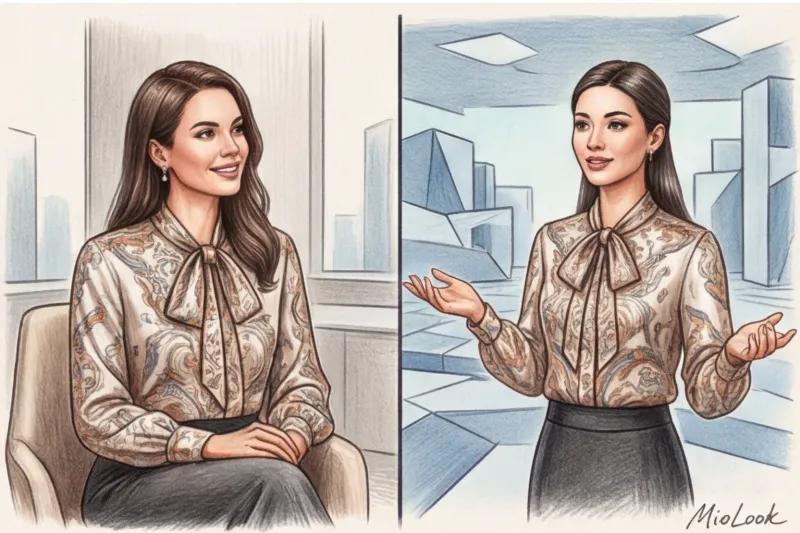
- Top (Portrait Area): As with Zoom, your avatar will be seen from the waist up 80% of the time. Invest in structured pieces. Jackets with defined shoulders or silk blouses with a statement collar are excellent choices. Virtual knitwear often looks cheap if it's poorly rendered, so opt for smooth, matte textures.
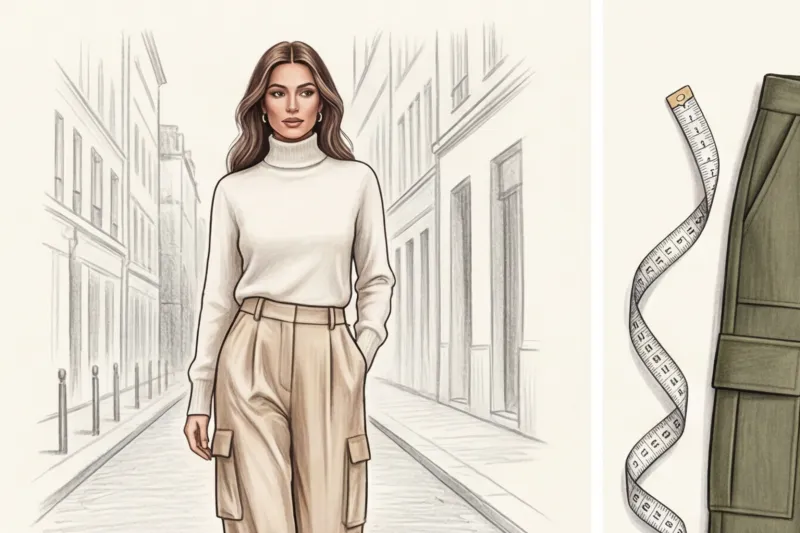
- Bottom: Here you have more freedom. Wide palazzo pants are a great option. The high-quality 3D animation of these pants looks mesmerizing in motion and gives the avatar a smooth gait.
- Shoes: A fatal mistake is neglecting footwear, saying, "I'm invisible at the virtual table anyway." In most metaverses, avatars sit with their legs crossed. Digital suede loafers or classic pumps will save your reputation when the camera accidentally cuts to a wide shot.
- Accessories: Digital watches (especially classic chronographs on a metal bracelet) and eyeglass frames are key markers of expertise. They add a touch of intelligence to the avatar's face and complete the look.
Avatar clothing is no longer a dress-up game. It's your digital business card, working for you even before you turn on the microphone in a virtual meeting room. Treat your pixels with the same respect you would the cashmere in your real-life closet—and the results will be immediate.