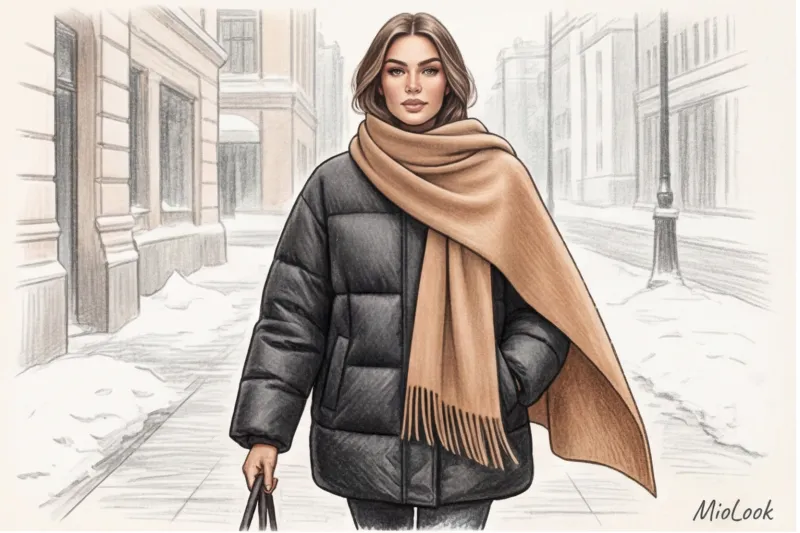
За 14 лет работы стилистом я убедилась: ничто так быстро не убивает дорогой зимний образ, как неправильно подобранный аксессуар на шее. Вы можете потратить 500 € на идеальную куртку, но если сверху намотан куцый акриловый снуд или сложный узел-косичка, образ мгновенно теряет актуальность. В профессиональной среде мы называем это синдромом «бортпроводницы на северном полюсе».
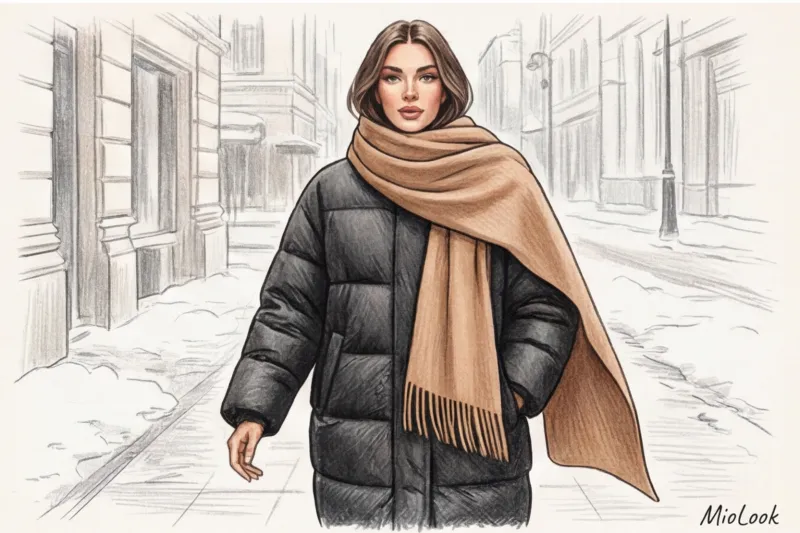
Подробнее о базовых принципах драпировки мы уже рассказывали в нашем полном гиде по тому, как красиво завязать шарф. Но сегодня мы разберем самую сложную задачу для наших широт. Я покажу вам, как носить шарф с пуховиком так, чтобы не выглядеть сутулым бочонком, а заодно использовать законы физики и колористики себе на пользу.
Архитектура зимнего образа: почему шарф важнее шапки
Когда я работала фэшн-журналистом, меня всегда удивлял один факт. Женщины готовы часами искать куртку правильного кроя, которая «не полнит», а затем перечеркивают всю геометрию неподходящим скомканным комком ткани на шее.
Исследователи из института прогнозирования трендов WGSN отмечают, что в зимней верхней одежде 80% визуального внимания собеседника концентрируется в зоне груди и шеи. Шарф — это не просто способ не простудиться. Это архитектурная деталь, которая задает вертикаль. Правильно спадающие концы палантина визуально вытягивают рост и компенсируют излишнюю «дутость» пуховика.
Более того, именно ткань у лица определяет, насколько свежим и отдохнувшим вы выглядите. Но об этом бьюти-эффекте мы поговорим чуть позже.
Как носить шарф с пуховиком: геометрия и баланс объемов
Давайте сразу развеем главный зимний миф, который передается из поколения в поколение. Прятать толстый шарф крупной вязки внутрь застегнутой до подбородка куртки — это худшее, что вы можете сделать со своим силуэтом.
«Попытка забить плотный трикотаж под воротник не делает вас теплее. Она растягивает молнию, пропускает холодный воздух через деформированный ворот и визуально создает вам горб. Широкая свободная драпировка поверх куртки греет эффективнее за счет создания воздушной подушки».
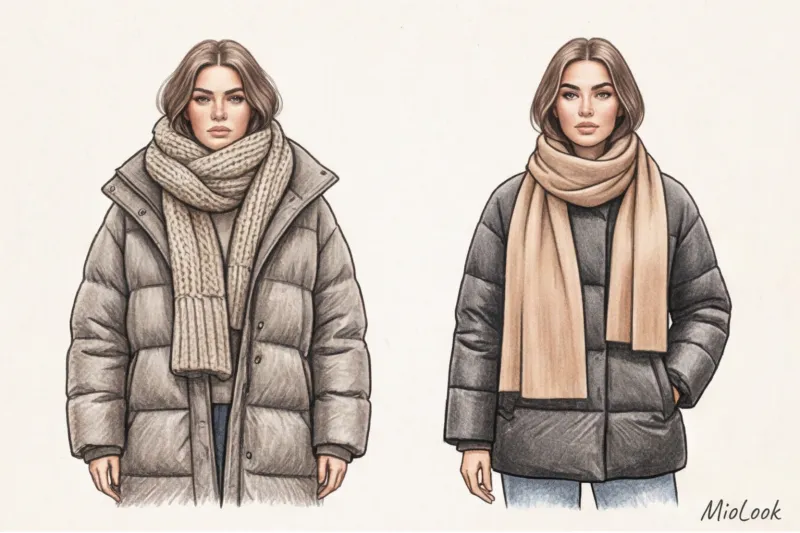
Для объемных пуховиков оверсайз
Если ваша куртка сама по себе напоминает уютное одеяло, главное правило — не дублировать этот объем на шее. Выбирайте гладкие, тонкие, но максимально теплые фактуры (например, 100% кашемир или тонкую мериносовую шерсть).
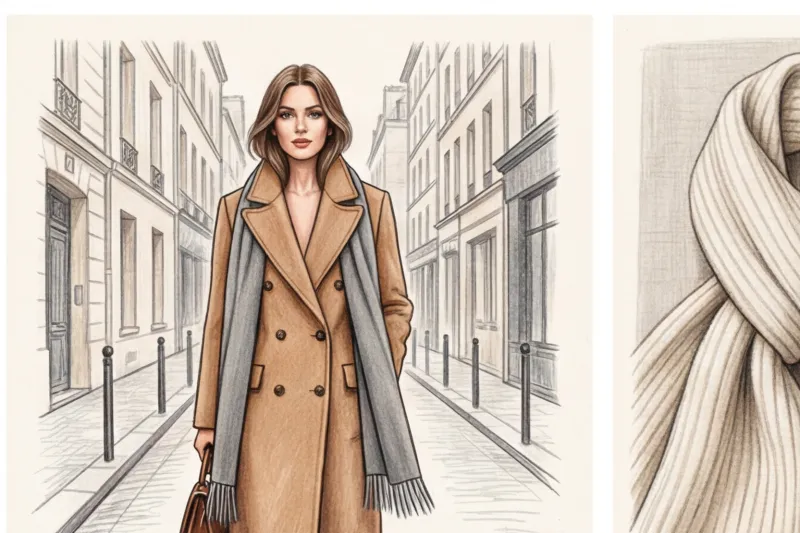
Здесь отлично работает техника «вертикального спуска»: просто перекиньте шарф через шею так, чтобы оба длинных конца свободно свисали вдоль тела. Это мгновенно разбивает монолитный горизонтальный объем оверсайза на три стройнящие вертикальные полосы.
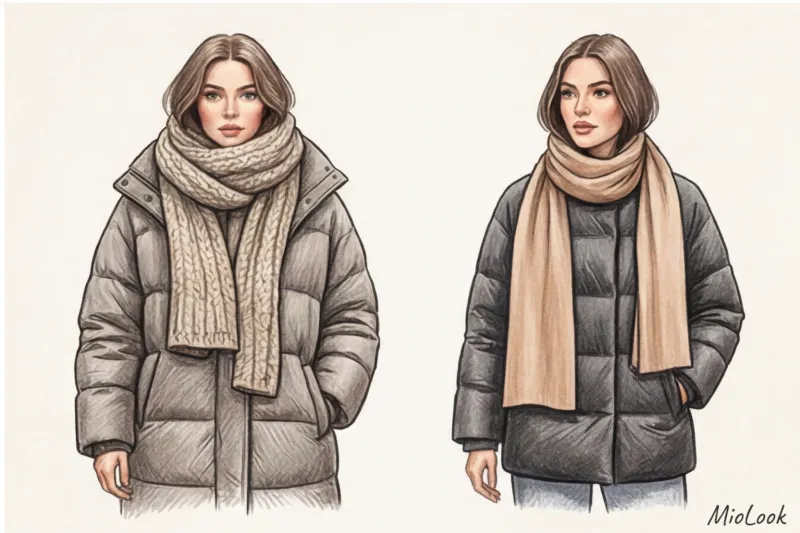
Для приталенных курток и коротких пуховиков
А вот короткая база или куртка по фигуре, наоборот, требует контраста. Здесь будут роскошно смотреться объемные шарфы крупной вязки или пушистый мохер. Мой любимый прием — асимметричная драпировка: один конец оставляем на груди, второй небрежно закидываем за спину. Это добавляет образу динамики, которую так любят стритстайл-фотографы.
Ваш идеальный образ начинается здесь
Присоединяйтесь к тысячам пользователей, которые каждый день выглядят безупречно с AI-стилистом MioLook. Загрузите свой гардероб и получайте готовые формулы образов.
Открыть доступ — €0,99 разовоЗакон трения: как подружить материалы куртки и шарфа
Почему некоторые шарфы лежат идеально весь день, а другие постоянно сползают, развязываются и откровенно бесят? Ответ кроется в текстильной механике — коэффициенте трения между тканями.
Два года назад ко мне обратилась клиентка, купившая потрясающий глянцевый пуховик Moncler за внушительную сумму. Она пыталась носить с ним дорогой палантин из смеси шелка и вискозы. Конструкция разваливалась каждые пять минут, потому что гладкое скользило по гладкому.
Мы просто заменили шелк на матовую, ворсистую альпаку. Проблема решилась мгновенно.
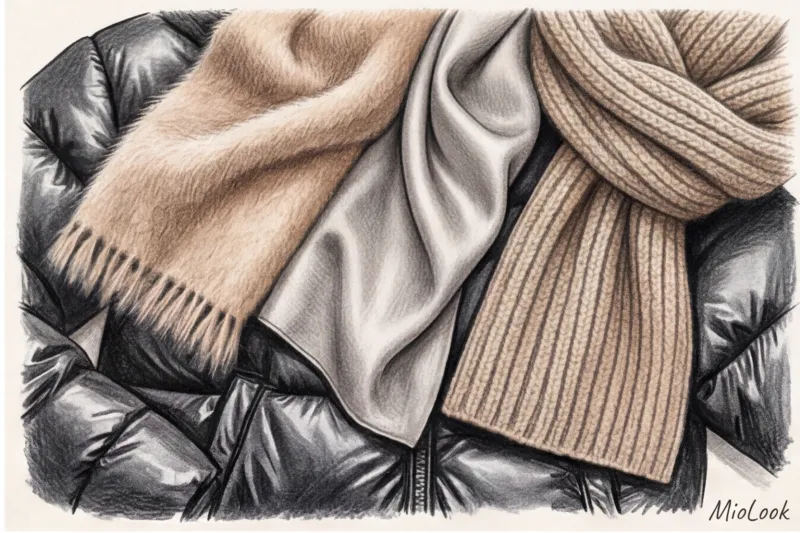
- Формула 1: Глянцевый нейлон + ворсистая шерсть. Если ваша куртка блестит и скользит, шарф должен цепляться. Идеально подойдут мохер, альпака или букле.
- Формула 2: Матовый пуховик + гладкий кашемир или шелк. Шершавые хлопковые или матовые полиэстеровые ткани курток отлично удерживают гладкие, струящиеся шарфы, создавая благородный контраст фактур.
Топ-3 актуальных способа завязать шарф на пуховик (без сложных узлов)
Забудьте про видеоинструкции из 2012 года, где шарф заплетают в сложные косы или скручивают в розочки. Современная мода строится на естественности. Вещь должна выглядеть так, словно вы накинули ее за секунду до выхода.
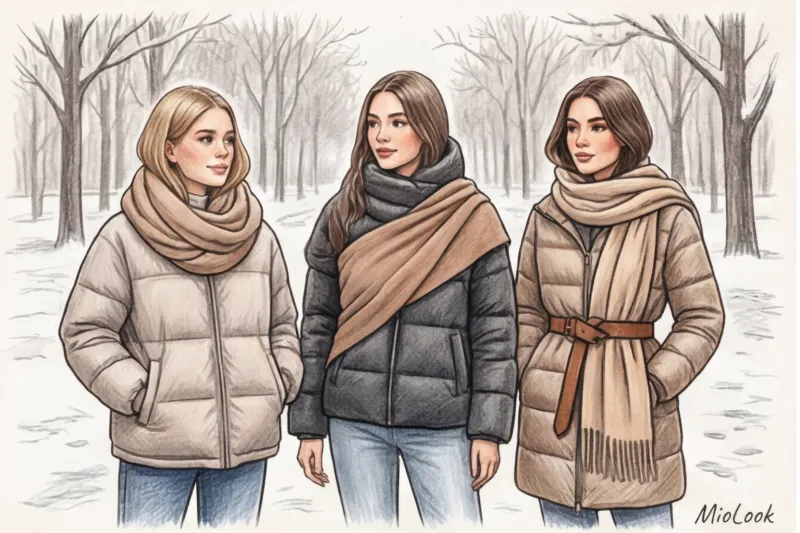
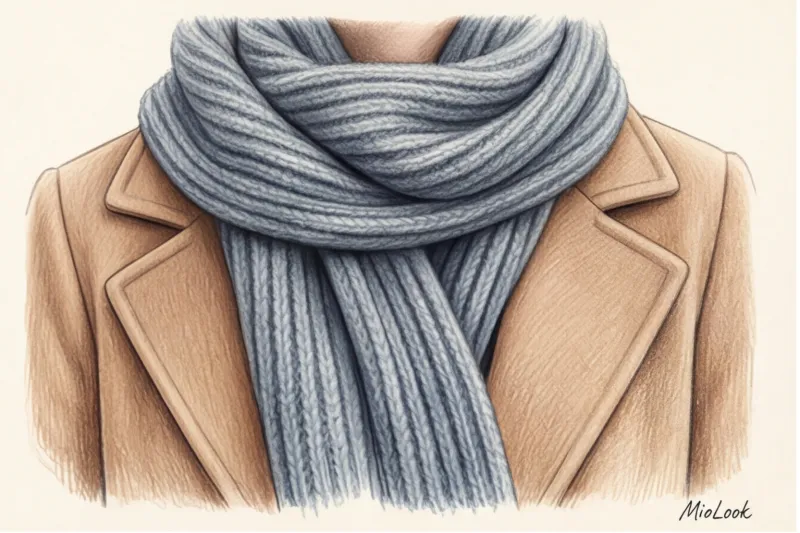
- «Небрежная петля» (The Lazy Loop). Самый французский метод. Складываете длинный шарф пополам, перекидываете через шею и продеваете концы в образовавшуюся петлю. Секрет стилиста: петлю нужно слегка расслабить и сдвинуть от центра немного вбок.
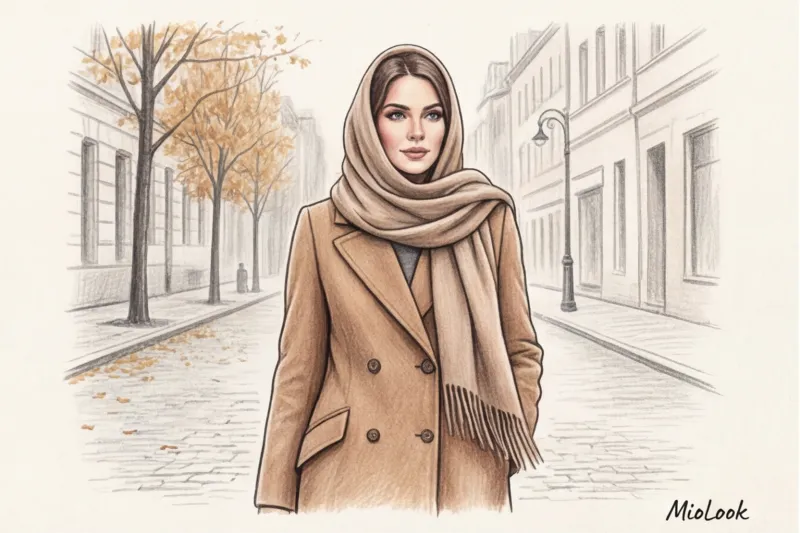
- «Капюшон-снуд». Берете широкий мягкий палантин, накидываете на голову как свободный капюшон, а длинные концы перекрещиваете под подбородком и забрасываете за спину. Это элегантнее шапки и отлично защищает от ледяного ветра.
- Под пояс. Идеально для теплых зимних дней или поездок в автомобиле. Накидываете длинный шарф на шею поверх расстегнутого или полурасстегнутого пуховика, а затем фиксируете его кожаным ремнем на талии.
Честное ограничение: способ с поясом категорически НЕ работает, если у вас тип фигуры «яблоко» в сочетании с очень толстым пуховиком. В этом случае ремень не создаст талию, а лишь перетянет объем, создав нежелательный эффект «гусеницы». Выбирайте асимметричную свободную драпировку.
Доступ к MioLook за €0,99 — разовый платёж
Умный AI-стилист подберёт идеальный образ за вас. Анализ ваших пропорций и цветотипа прямо в смартфоне.
Открыть доступ — €0,99 разовоШарф как бьюти-фильтр: цветокоррекция зимней кожи
Зимой наша кожа из-за недостатка солнца и сухого воздуха часто приобретает бледный или сероватый подтон. И что мы делаем? Надеваем практичный черный, глухой хаки или горчичный пуховик, которые безжалостно подчеркивают каждую тень на лице.
Эксперты института цвета PANTONE подтверждают: оттенок ткани, расположенный ближе 5 сантиметров к вашему лицу, работает как студийный отражатель (reflector). Он буквально отбрасывает свой пигмент на вашу кожу.
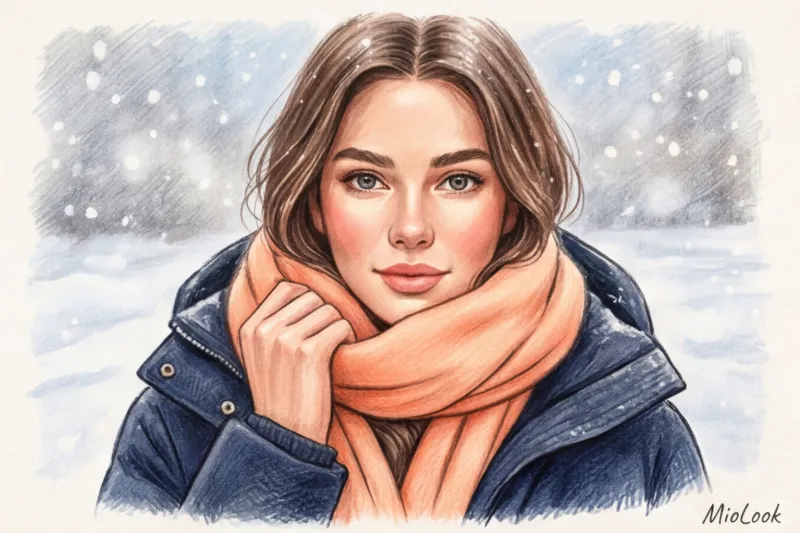
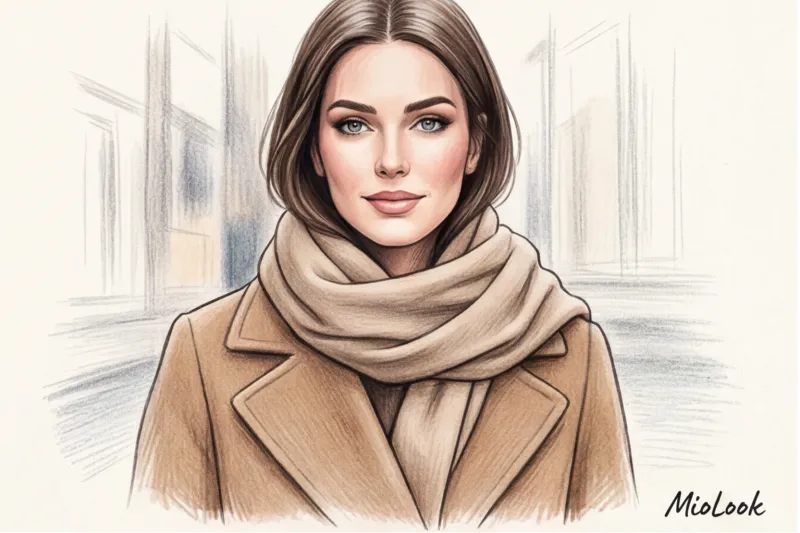
Вам не нужно отказываться от любимой черной куртки. Просто отделите ее от лица правильным шарфом. Пудрово-розовый, персиковый, нежно-голубой или оттенок сливочного масла мгновенно «сотрут» следы усталости. Чтобы точно не промахнуться с оттенком, рекомендую изучить гид по 12 цветотипам внешности — это база, которая экономит сотни евро на неудачных покупках.
Чек-лист стилиста: выбираем идеальный шарф для пуховика
Часто в магазинах мы покупаемся на красивый цвет, игнорируя технические характеристики вещи. Чтобы шарф смотрелся дорого и справлялся со своей задачей, проверяйте его по этим параметрам перед покупкой:
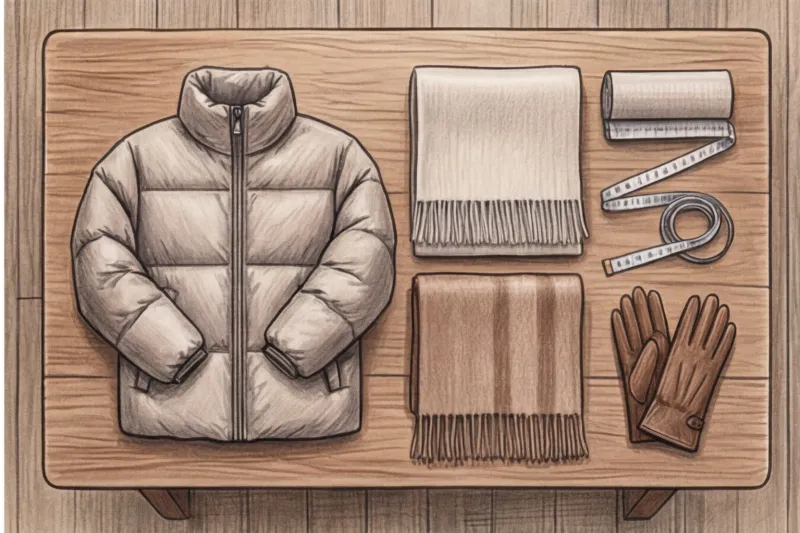
- Длина: Строго не менее 180 см. Все, что короче, не позволит сделать красивую небрежную петлю поверх объемной куртки — концы будут торчать, как у первоклассника.
- Ширина: От 40 см и шире. Узкие шарфики-полоски в сочетании с дутым нейлоном выглядят комично.
- Состав: Минимум 50% натуральных волокон (кашемир, меринос, ангора, альпака). 100% акрил создает на шее парниковый эффект: вы потеете при входе в метро, а выйдя на мороз — мгновенно замерзаете.
- Цена: Хороший полушерстяной шарф в масс-маркете обойдется в 30–50 €, премиальный 100% кашемир или альпака стартуют от 120–150 €. И это та деталь, на которой лучше не экономить.
Резюме: правило одного акцента в зимнем гардеробе
Мой главный профессиональный «тест перед зеркалом» для зимнего образа звучит так: в наряде может солировать только что-то одно. Это золотое правило грамотно составленной капсулы.
Если ваш пуховик имеет сложный крой, активный принт, крупную фурнитуру или яркий цвет — шарф должен быть максимально спокойным, монохромным и базовым. Он уходит на второй план. Но если вы носите лаконичную базовую куртку нейтрального оттенка, именно шарф обязан взять на себя роль главного стилистического заявления (statement piece).
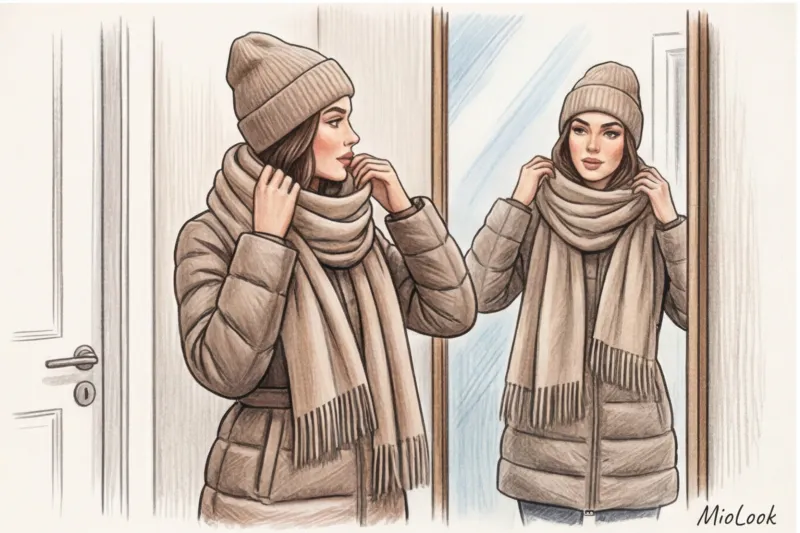
Вместо того чтобы покупать пятую дешевую куртку на зиму, инвестируйте эти деньги в 2-3 роскошных, объемных шарфа с премиальным составом. Окружающие могут не запомнить фасон вашего пуховика, но они точно запомнят то благородное обрамление, которое подсвечивало ваше лицо холодной зимой.