Почему мы забываем про одежду для сна (и как выбрать качественную пижаму)
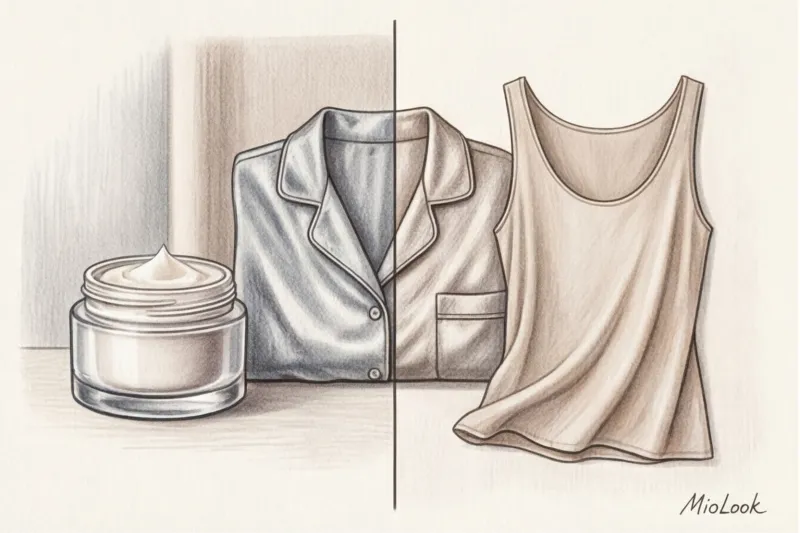
Недавно я проводила аудит гардероба у топ-менеджера крупной IT-компании. В её ванной стоял ночной крем за 200 €, на вешалках висели идеальные жакеты от COS и Massimo Dutti, а в ящике для белья... лежала растянутая корпоративная футболка с полинявшим логотипом десятилетней давности. В ней эта невероятно успешная женщина спала каждую ночь. Знакомая картина?
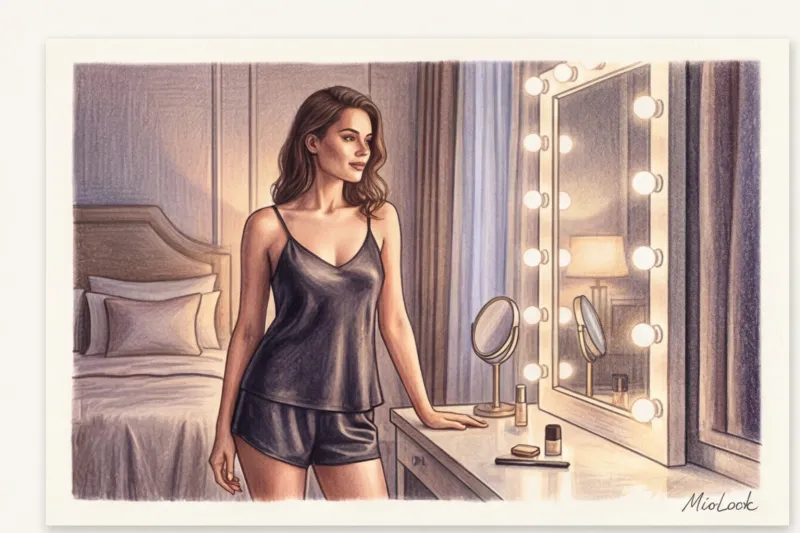
Парадокс нашего отношения к гардеробу заключается в том, что мы готовы инвестировать сотни евро в одежду, которую увидят коллеги и случайные прохожие, но абсолютно пренебрегаем вещами, в которых проводим треть своей жизни. Мы подробно разбирали влияние микроклимата постели на выработку мелатонина в нашем полном гиде по выбору пижамы для здорового сна и красоты кожи. Но сегодня я хочу поговорить о технической стороне вопроса: как выбрать качественную пижаму, используя те же строгие критерии, что и при покупке делового костюма на заказ.
Одежда для сна — это не просто эстетика. Это настоящая экипировка для восстановления организма. Задумывались ли вы, что за ночь человеческое тело выделяет от 200 до 250 мл влаги? То, как ткань справляется с этой задачей, напрямую определяет, проснетесь ли вы отдохнувшей или с чувством тяжести.
Анатомия идеальной пижамы: чек-лист стилиста
Индустрия масс-маркета отлично научилась маскировать дешевое производство за милыми принтами и трендовыми фасонами. На вешалке в магазине синтетический комплект может выглядеть так же привлекательно, как и премиальный. Но визуальная привлекательность не имеет ничего общего с физиологическим комфортом.
За 12 лет работы стилистом я выработала строгий внутренний фильтр. Когда я оцениваю вещи для клиентов, я смотрю не на лицевую сторону, а на изнанку. Именно там кроются детали, которые отделяют качественную вещь от той, что отправится в мусорное ведро через месяц.
Доступ к MioLook за €0,99 — разовый платёж
Умный AI-стилист подберёт идеальный образ для дома и отдыха
Открыть доступ — €0,99 разовоВнимание на швы: французский или оверлок?
Главный враг чувствительной кожи ночью — это объемный оверлочный шов. Во время сна мы ворочаемся десятки раз, и жесткие, плохо обработанные края ткани создают постоянное микротрение. По данным дерматологических исследований (2023), постоянное трение грубых синтетических нитей о кожу в течение 8 часов нарушает защитный барьер и может провоцировать локальные высыпания.
Золотой стандарт для одежды для сна — это французский (запошивочный) шов. При такой обработке край ткани прячется внутрь самого шва, оставляя к телу абсолютно гладкую поверхность без торчащих ниток.
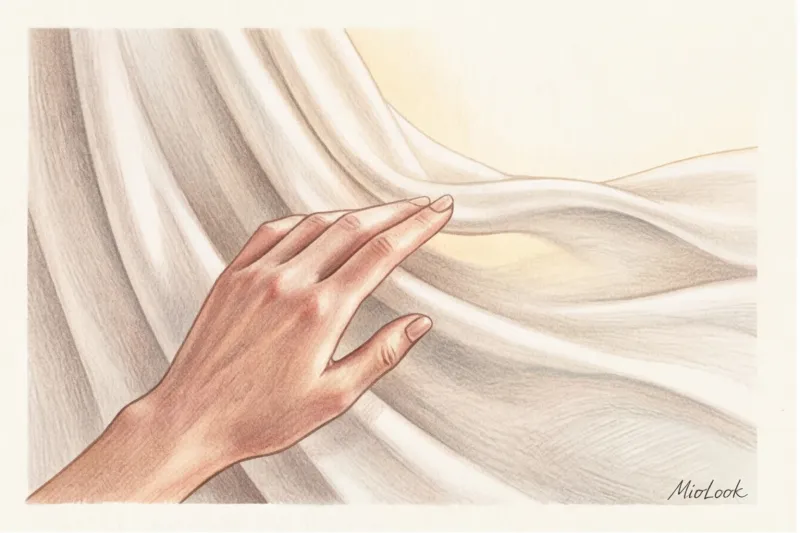
«Мой любимый метод проверки в примерочной — тест вслепую. Закройте глаза и проведите подушечками пальцев по внутреннему шву пижамы. Если пальцы чувствуют шероховатость или жесткость нити, ваше тело гарантированно почувствует это ночью».
Резинки, которые не оставят следов на теле
Ничто так не портит утреннее настроение, как красные вдавленные полосы от белья на животе. Жесткая резинка не просто доставляет дискомфорт — она локально нарушает микроциркуляцию крови.
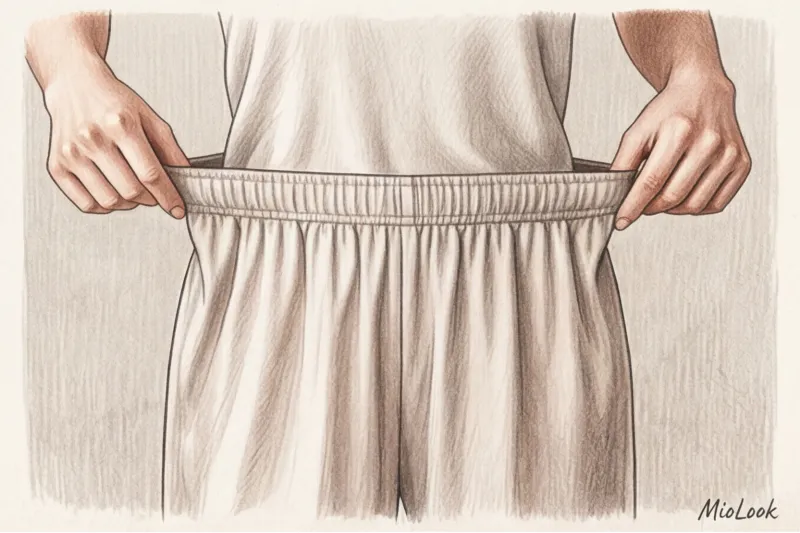
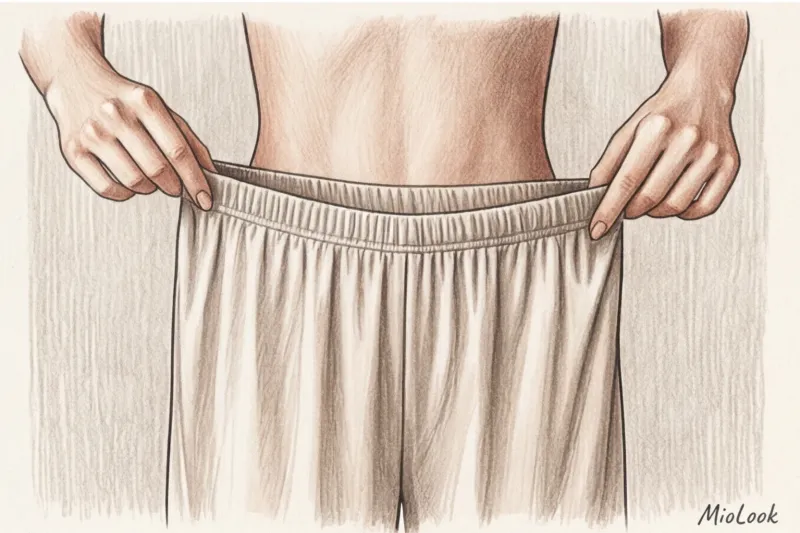
При покупке всегда применяйте «правило двух пальцев»: вы должны иметь возможность без усилий просунуть два пальца под пояс пижамных брюк, когда они надеты на вас, при этом резинка не должна агрессивно впиваться обратно. Ищите модели со скрытой (вшитой в кулиску) резинкой. Открытый эластичный край часто содержит латексные нити, которые при длительном контакте с разогретой кожей могут вызывать контактный дерматит. Если в пижаме есть шнурок, выбирайте плоские хлопковые ленты, а не круглые синтетические шнуры — последние безжалостно впиваются в живот, если вы спите на боку.
Бирки, фурнитура и скрытые угрозы
Вы обращали внимание, что премиальные бренды нижнего белья всё чаще отказываются от вшитых бирок? Жесткая полиэстеровая петля с инструкцией по стирке на задней части шеи — это настоящая пытка. Качественные производители либо печатают информацию прямо на ткани спинки, либо используют легко отрывающиеся хлопковые ярлыки (tear-away labels).
Еще одна скрытая угроза — фурнитура. Для тех, кто спит на животе или на боку, массивные металлические пуговицы, жесткие молнии или плотные кружевные аппликации превращаются в орудие пыток. Выбирайте плоские перламутровые или мягкие пластиковые пуговицы, которые сливаются с поверхностью ткани при надавливании.
Состав ткани: разрушаем миф о 100% хлопке
Если вы спросите большинство людей, какая ткань идеальна для сна, 9 из 10 ответят: «Только 100% хлопок». Я готова оспорить это устоявшееся мнение. Это правило работает далеко не для всех.
Хлопок действительно прекрасно впитывает влагу. Но у него есть один критический недостаток — он крайне медленно сохнет. Если вы склонны к ночной потливости, плотная хлопковая пижама впитает влагу и останется влажной до утра, создавая холодный, липкий микроклимат.
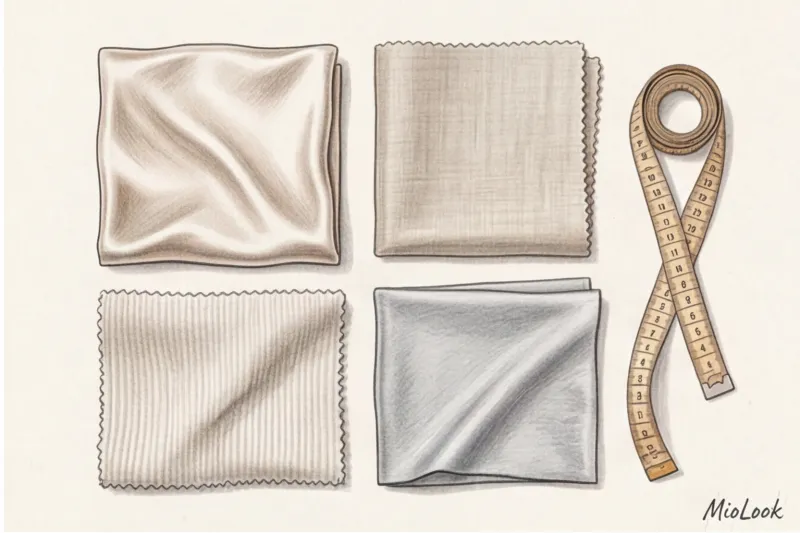
Современной альтернативой выступают целлюлозные волокна нового поколения: тенсель (лиоцелл) и модал. По данным отчета Textile Exchange (2023), эти материалы, производимые из древесной массы эвкалипта и бука, обладают на 50% большей гигроскопичностью, чем хлопок. Они мгновенно отводят влагу и так же быстро испаряют её, оставаясь сухими и прохладными на ощупь.
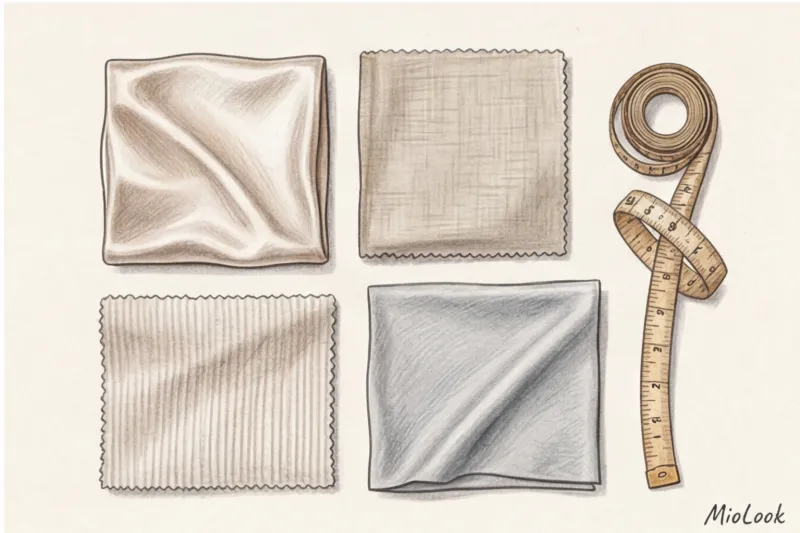
- Тенсель и модал: Идеальны для регулирования температуры. Мягче шелка, но не требуют сложного ухода.
- Натуральный шелк: Роскошная инвестиция. Шелк содержит аминокислоты, которые не забирают влагу из кожи (в отличие от хлопка), что делает его лучшим антивозрастным решением. Минус — высокая цена и необходимость деликатной стирки.
- Полиэстер и флис: Абсолютное табу. По данным National Sleep Foundation (2024), для перехода в глубокую фазу сна температура ядра нашего тела должна снизиться примерно на 1.5 °C. Синтетика удерживает до 30% больше тепла тела, блокируя этот процесс и вызывая тревожные пробуждения посреди ночи.
Ваш идеальный образ начинается здесь
Присоединяйтесь к тысячам пользователей, которые каждый день выглядят безупречно с MioLook, от домашней капсулы до вечерних выходов.
Открыть доступ — €0,99 разовоПосадка и размер: почему пижама не должна сидеть «по фигуре»
Одна из самых частых ошибок моих клиенток — покупка домашней одежды размер в размер. В профессиональном конструировании одежды есть термин «прибавка на свободу облегания». Для дневного платья она может составлять 2-3 см, но для пижамы этот показатель должен быть увеличен как минимум вдвое.
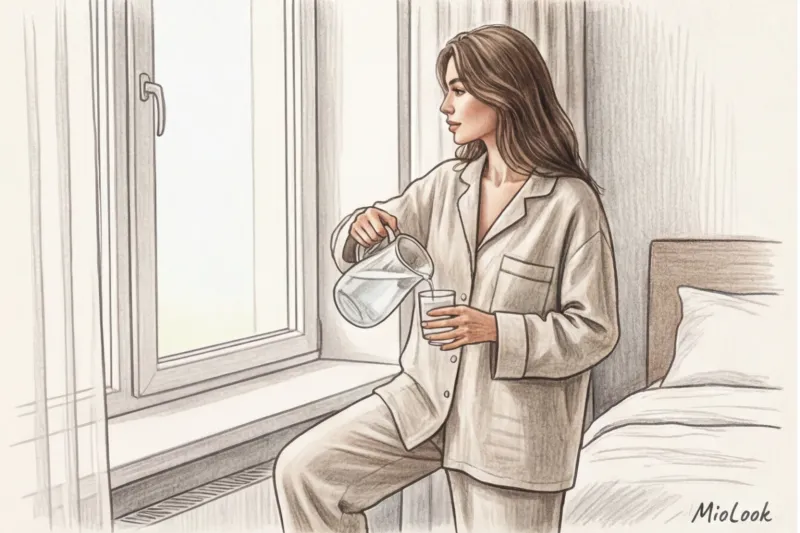
Ночью наше тело расслабляется, а ткани слегка отекают. Слишком плотно сидящие рукава или узкие штанины пережимают лимфатические пути. Если вы просыпаетесь с отечностью на лице или тяжестью в ногах, одной из неочевидных причин может быть именно тесная пижама, блокирующая естественный лимфодренаж.
Запомните простое правило: всегда покупайте пижаму на один размер больше вашей повседневной одежды. Плечевой шов должен быть слегка спущен, а ткань не должна натягиваться на бедрах, даже если вы подтягиваете колени к груди.
Экономика сна: считаем Cost Per Wear
Я обожаю анализировать данные гардероба. Недавно я проводила эксперимент: вносила все свои образы в приложение MioLook в течение шести месяцев. Результат меня поразил. Я обнаружила, что ношу домашнюю одежду и пижаму чаще, чем любую другую категорию в шкафу — около 30% всего времени.
Давайте посчитаем Cost Per Wear (цену за одно надевание). Многие считают безумием купить шелковую или качественную тенселевую пижаму за 100 €. При этом те же люди легко отдают 50 € за блестящее платье в масс-маркете для корпоратива.
Платье вы наденете максимум два раза. Итого: 25 € за выход. Пижаму за 100 € вы будете носить минимум 150 ночей в году. Итого: 0.66 € за ночь безупречного, здорового сна. С финансовой точки зрения, инвестиция в два комплекта премиальной одежды для сна гораздо разумнее, чем покупка пяти дешевых «одноразовых» футболок со смешными надписями.
Ревизия бельевого ящика: что нужно сделать прямо сейчас
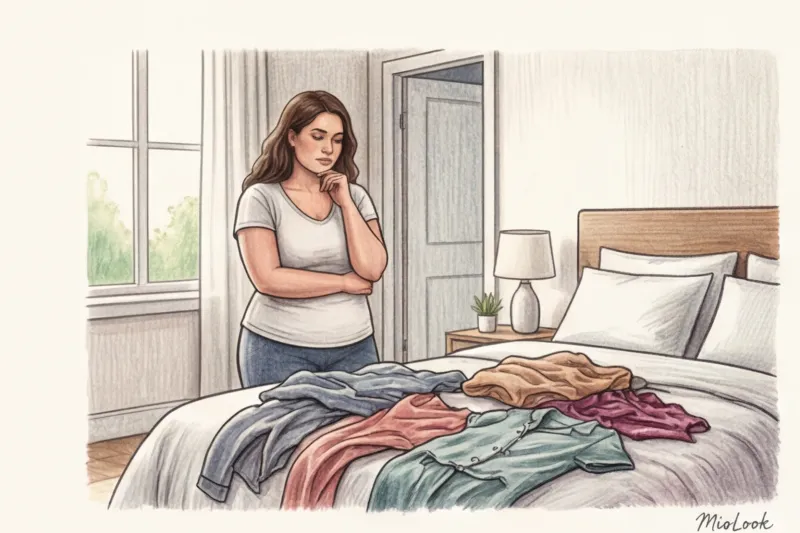
Чтение статей о стиле полезно только тогда, когда за ними следует действие. Я предлагаю вам провести микро-аудит прямо сейчас, это займет не более пяти минут.
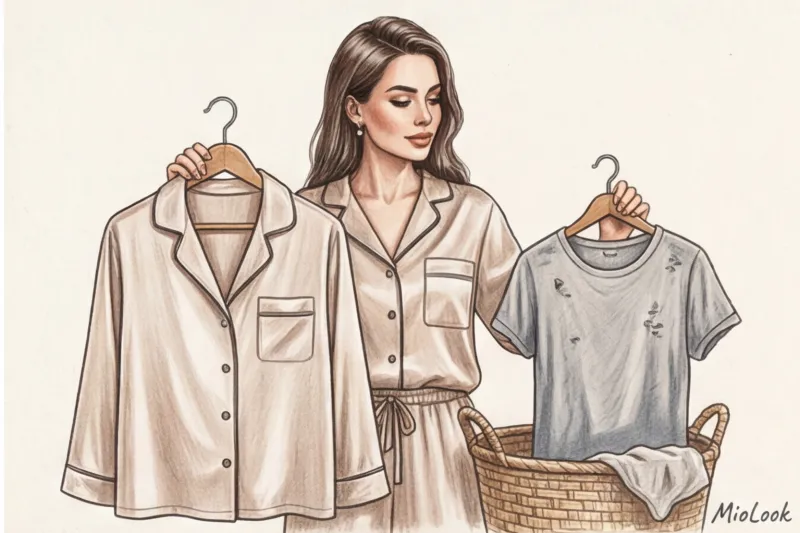
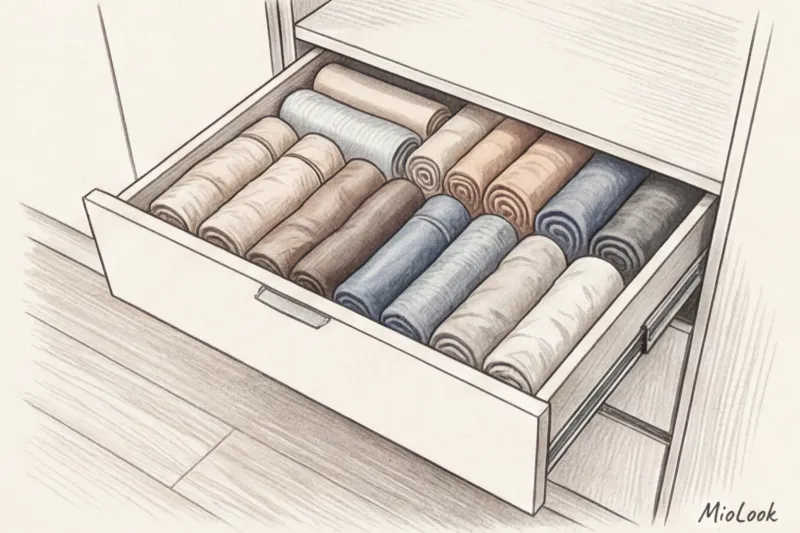
Выдвиньте ящик с домашней одеждой и разделите содержимое на две стопки, задавая себе жесткие вопросы:
- На выброс (или в переработку): Любые вещи с катышками (они создают микротрение), выцветшими принтами, жесткими швами или в составе которых более 10% синтетики (полиэстер, акрил). Избавьтесь от старых футболок бойфренда — они сшиты из плотного, недышащего кулирного трикотажа, не предназначенного для сна.
- Оставить: Вещи, которые проходят тест «вслепую» на мягкость швов, легко проходят тест двух пальцев на резинке и имеют свободную посадку.
Замените выброшенное хотя бы одним, но безупречным комплектом, выбранным по всем правилам портновского искусства. Потому что уважение к себе начинается не с того идеального тренча, в котором вы выходите на улицу, а с той невидимой миру одежды, в которой вы остаетесь наедине с собой каждую ночь.