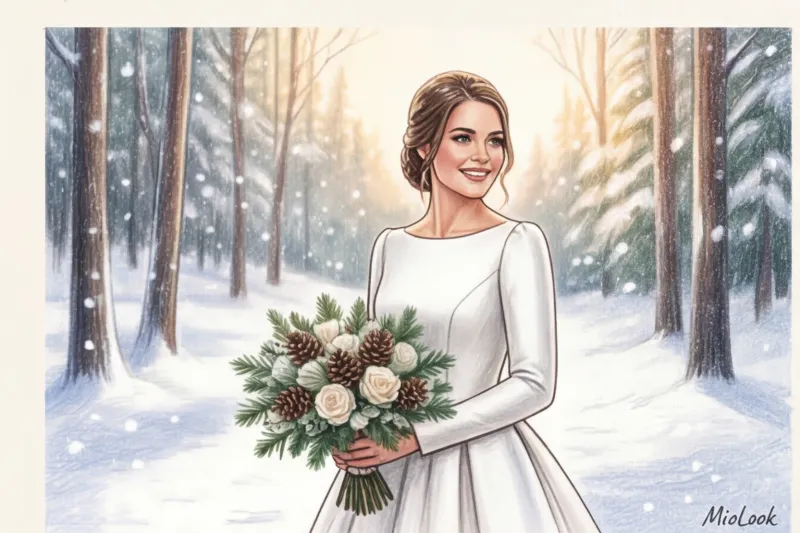
Three years ago, a client came to me with a clear request: she wanted a flowing chiffon dress with an open back for a January wedding. Her mood board was filled with perfect Pinterest photos of brides laughing carefree against a backdrop of snow-covered fir trees. I asked her just one question: "Have you ever tried standing in a refrigerator in a silk nightgown for even five minutes?" We ended up choosing a thick crepe, added a voluminous cashmere sweater for the outdoors, and she became the only bride that season who didn't take antibiotics during her honeymoon.
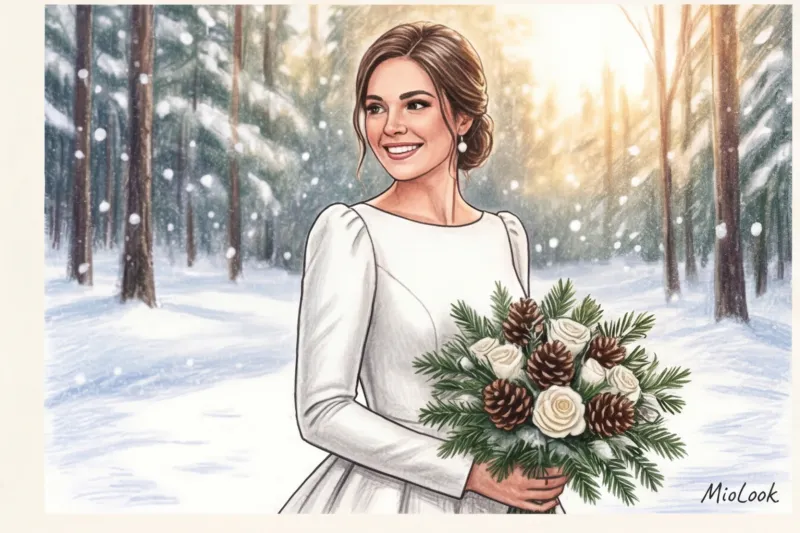
The perfect winter wedding dress isn't just a pretty white gown worn in December. It's a complex project that requires an understanding of textile thermodynamics and clever layering. We discussed the basic principles of finding "that perfect" silhouette in more detail in our The complete guide: how to choose a wedding dress , but winter dictates its own, very harsh rules.
Winter Wedding Dress: Why Summer Fashion Rules Don't Apply
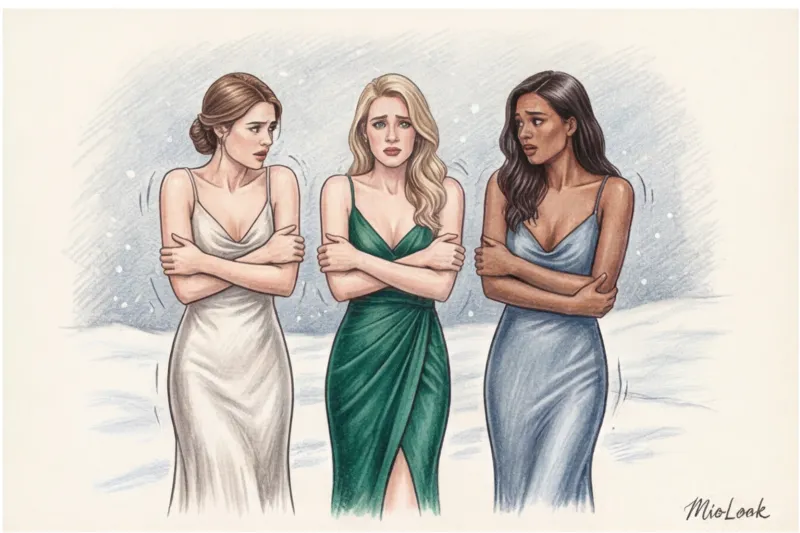
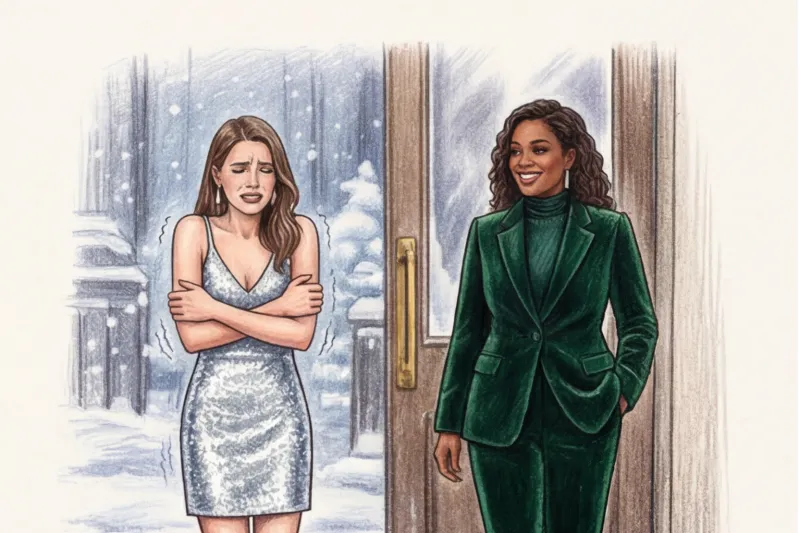
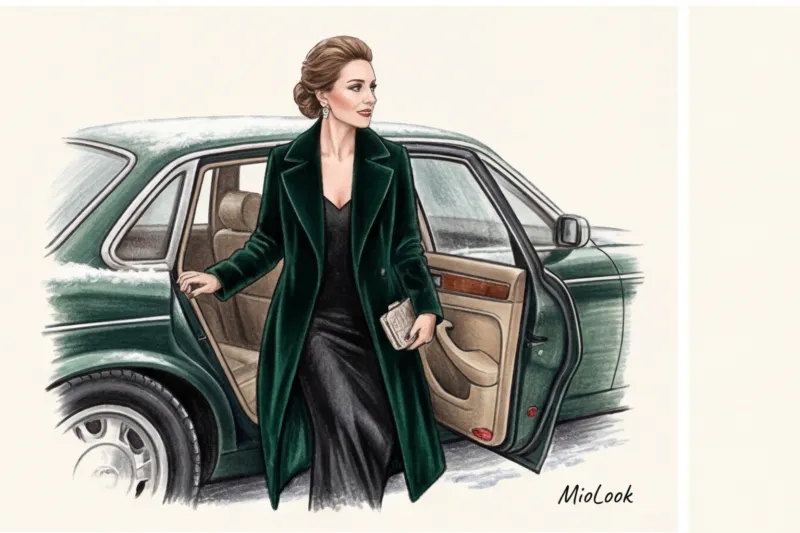
The biggest mistake winter brides make is ignoring the concept of "microclimate." Your wedding day will be filled with extreme temperature fluctuations: from the freezing cold outside (where you'll spend at least an hour on the photo shoot) to a heated car interior and a stuffy banquet hall.
While in summer we strive for every gram of lightness, in winter the weight of a dress is critical, but in a different way. According to clothing ergonomics studies, a dress made of natural mikado silk weighs approximately 1.5–2 kg. A visually identical dress made of cheap polyester can reach 4 kg due to the need to layer the fabric for density. By choosing synthetic fabrics, you're literally donning a suit of armor that will leave you with aching lower back pain by the end of the evening.
"Winter wedding styling is a project management exercise. You need to anticipate the physical strain that heavy fabric will impose and compensate for it with a perfectly fitted corset."
The Anatomy of Warmth: The Best Fabrics for a Winter Wedding
Let's talk about thermodynamics. Why do natural fibers (silk, wool, cotton) act like smart climate control, while polyester creates a greenhouse effect? Natural fibers are porous. They retain your body heat but allow moisture to evaporate. Synthetics, on the other hand, act like a plastic bag: you sweat instantly indoors, and when you step outside, you instantly freeze, as the moisture underneath the fabric cools.
In my practice, I often encounter situations where a bride chooses an expensive dress made of natural crepe, but the manufacturer cuts corners and installs a 100% polyester lining. All the magic of the natural fabric is lost. The lining is the layer that comes into contact with your skin. obliged be made of viscose, cupro or natural silk.
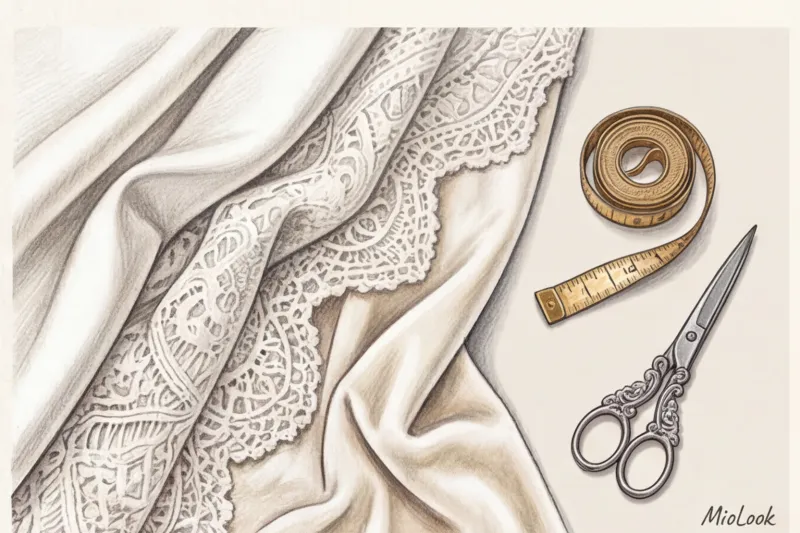
Mikado silk, brocade and heavy crepe: heavy luxury with temperature regulation
Mikado silk is an absolute favorite for winter celebrations. This fabric has a refined matte sheen and holds its shape perfectly without wrinkling. This dense silk can maintain a comfortable body temperature down to -5°C (with the right concealing layer, which we'll discuss below).
Historic winter fabrics like brocade and jacquard are currently experiencing a renaissance. According to WGSN (2024), textured fabrics with embossed patterns are becoming a leading alternative to classic smooth satin. And for brides who prefer minimalism and freedom of movement, heavy crepe is the ideal choice.
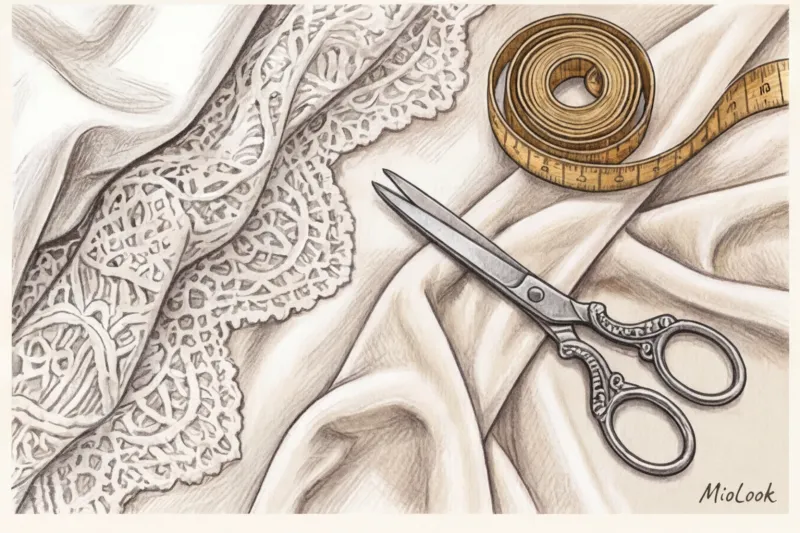
Velvet and thick lace: textures that keep you warm
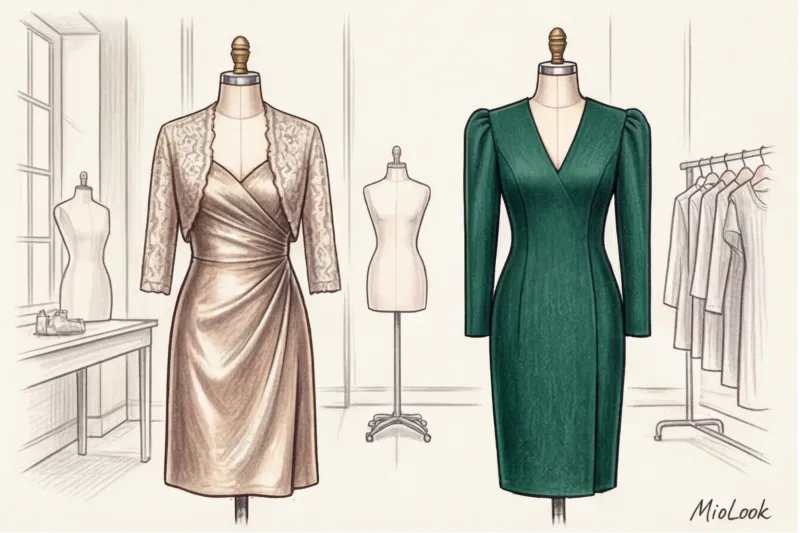
If you want to add a touch of regal luxury to your look, consider velvet. But be careful: cotton or silk velvet looks deep and expensive, while synthetic velour cheapens the look and becomes staticky with every touch.
As for lace, forget about delicate Chantilly. It looks lonely in winter. Opt for thick macrame or corded Alençon lace—their voluminous texture adds visual and physical warmth.
Your perfect look starts here
Join thousands of users who look flawless every day with MioLook. A smart AI stylist will find the perfect combinations.
Get access — €0.99 onceThe Long Sleeve Myth: How to Choose a Style and Stay Warm
Here we come to the biggest misconception in wedding fashion. Almost every winter bride believes that to stay warm, she needs a dress with long sleeves. This is only partially true.
A thin tulle sleeve with lace appliqués isn't warm at all. However, it does create a huge problem: when you try to wear a coat or jacket over such a dress, the stiff lace will chafe your skin, and the sleeve itself will bunch up into untidy folds.
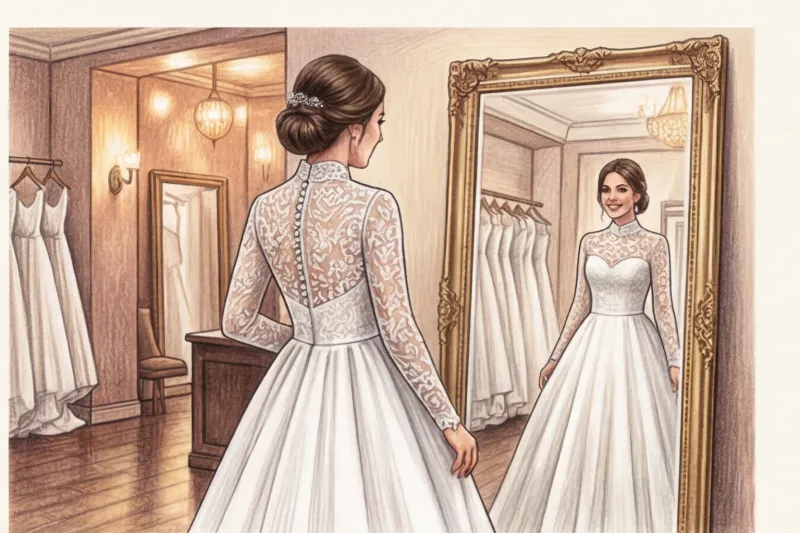
Other design elements are much more effective: a closed back and an elegant stand-up collar. It's through the open neck and back that we lose the most heat. If you still want sleeves, choose convertible dresses with detachable sleeves or models made of thick crepe. Paradoxically, a sleeveless dress made of thick material paired with a luxurious cashmere coat is a much warmer and more stylish option than synthetic lace in the cold.
Smart insulation: from thermal underwear to cashmere coats
It's time to talk about conscious consumption. Did you know that approximately 95% of brides never wear traditional short faux fur wedding coats again? As part of the sustainable fashion concept, we use the Cost Per Wear (CPOW) metric. For a wedding coat, this metric is catastrophically high.
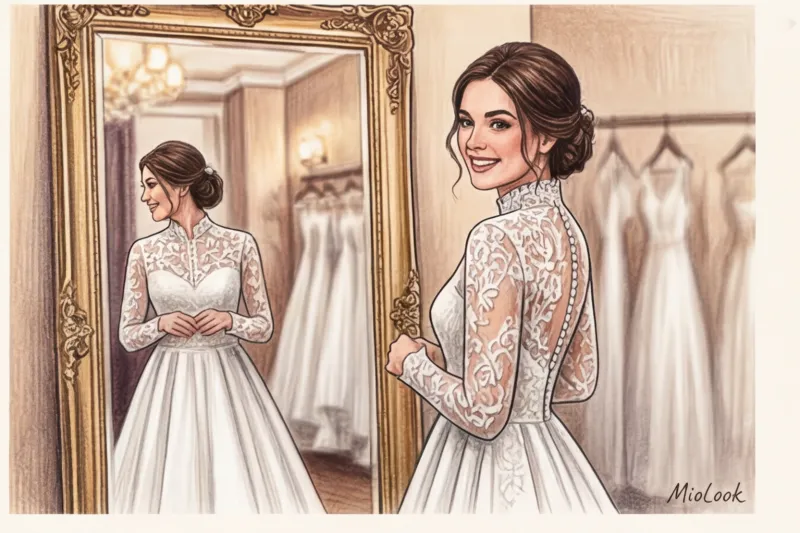
Instead of a disposable item, invest in a classic double-breasted coat in camel, ivory, or pearl gray, made of wool with added cashmere. Not only does it look a hundred times more classy in photos, but it's also a great investment for your everyday wardrobe. capsule wardrobe after the wedding.
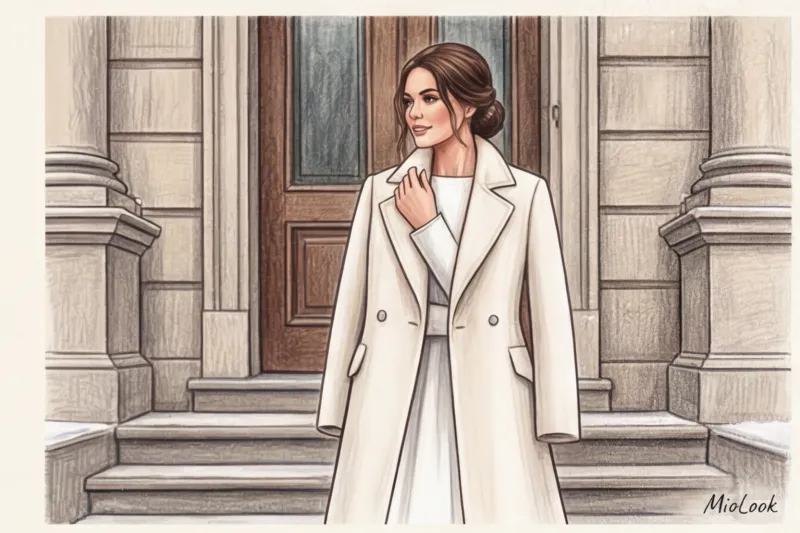
Another stunning styling trick is playing with contrasting textures. A smooth silk slip dress paired with a voluminous, fluffy mohair or angora sweater creates an incredibly cozy and modern look. It's the perfect choice for the informal portion of a celebration.
Hidden Layer: Wedding Thermal Underwear and the Right Tights
If you're wearing a full A-line dress, thermal underwear is your best friend. Thin shorts or leggings made from a merino wool and silk blend in a nude color will keep you safe during an hour-long photo shoot in the cold. No one will see them, but you'll feel comfortable.
Pay special attention to your tights. Rule number one: no shiny textures. A photographer's flash will turn shiny tights into plastic mannequin legs. Choose completely matte styles with a density of 40-60 denier. If your dress has a slit, the color of your tights should perfectly match the skin tone of your hands and face.
Winter Bride Shoes: Balancing Elegance and Snowdrifts
Trying to spend an entire winter wedding day in just one pair of shoes is a dream. A stylist's strategy always involves two pairs: insulated ankle boots or tube boots for the street and classic pumps for the reception.
For outdoor shoes, choose smooth leather. Suede is a wonderful material, but winter slush and chemicals on sidewalks will destroy it in 15 minutes. Pay attention to the thickness of the sole: the further your foot is from the frozen ground, the warmer it will be. A stable block heel will ensure safety on the slippery steps of the registry office.
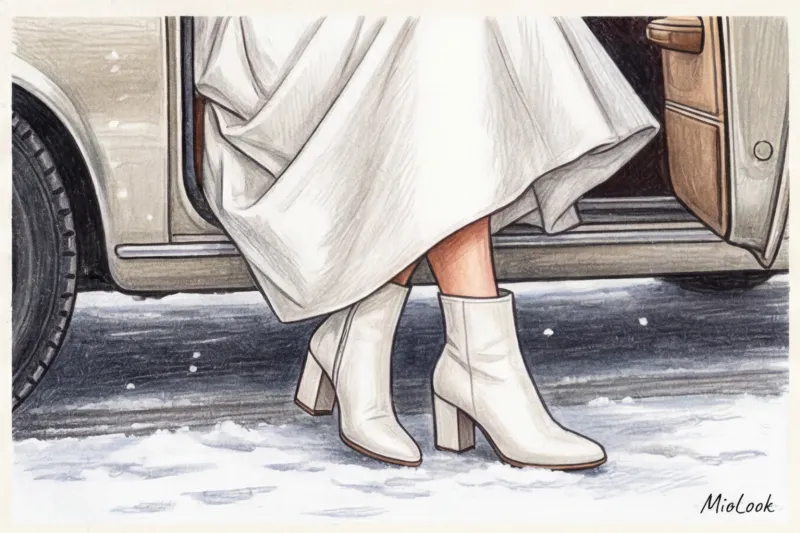
Practical advice from my experience: 24 hours before the wedding, generously spray your light-colored street shoes with a high-quality water-repellent spray. This will not only protect the leather but also prevent dirt from transferring from your shoes to the inside hem of your dress.
Access to MioLook for €0.99 — one-time payment
Start creating your perfect looks with the help of artificial intelligence. Upload your items and receive ready-made capsule collections for every day.
Get access — €0.99 onceStylist Checklist: How to Test Your Winter Wedding Look Before Buying
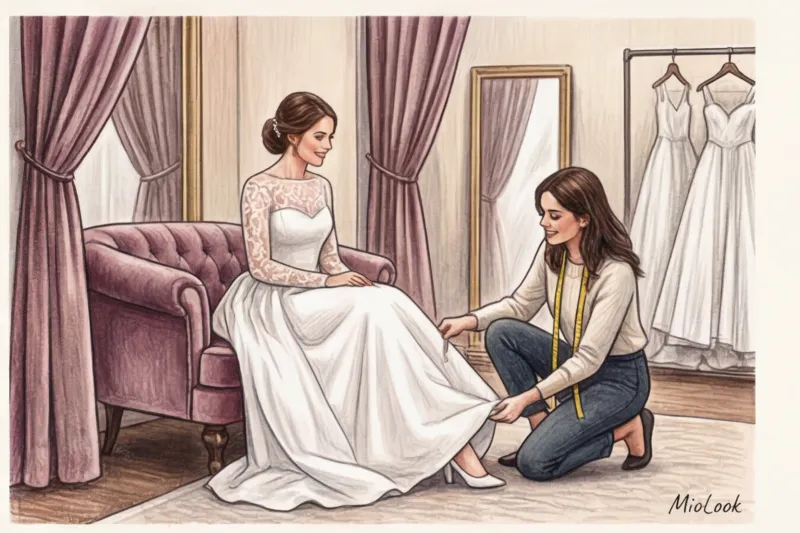
You've found a dress that seems perfect. Don't rush to the checkout. A winter outfit requires a rigorous crash test right in the fitting room. Here's the insider algorithm I use during personal shopping sessions:
- Cabbage test: Be sure to try the dress on with the sweater, jacket, or coat you plan to wear over it. Raise your arms and hug your shoulders. If the armholes are tight or the sleeves are bunched up, the combination won't work.
- Static test: In winter, indoor air is dry due to heating. Rub the hem of your dress against your tights. If the fabric instantly sticks to your legs and cracks, you'll have to pour a liter of antistatic spray on yourself or abandon the purchase.
- Sitting test: Thick winter fabrics (mikado, brocade) behave completely differently than summer tulle. Sit on a chair and look at your stomach area. Does the stiff fabric form a rough, protruding "bubble"? Is it comfortable to breathe?
A winter wedding is always a challenge, but the cold season allows for the most aristocratic, complex, and multifaceted looks. Forget the stereotypes of synthetic white fur coats and uncomfortable lace sleeves. Invest in quality fabric, the right cut, and clever layering. Then, in your wedding photos, you'll radiate not a shiver of icy coldness, but absolute, relaxed confidence.