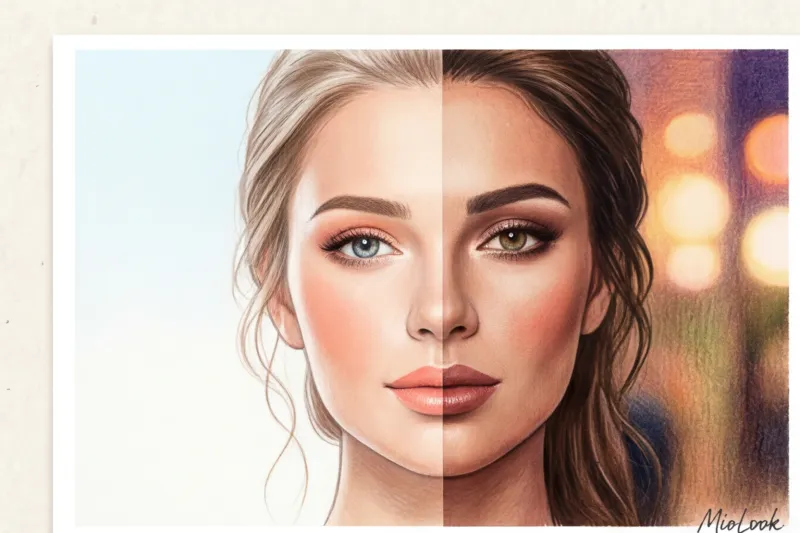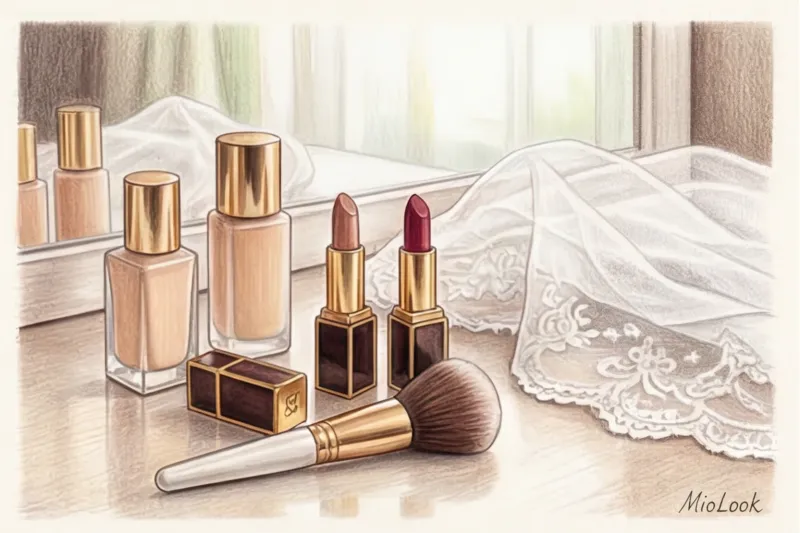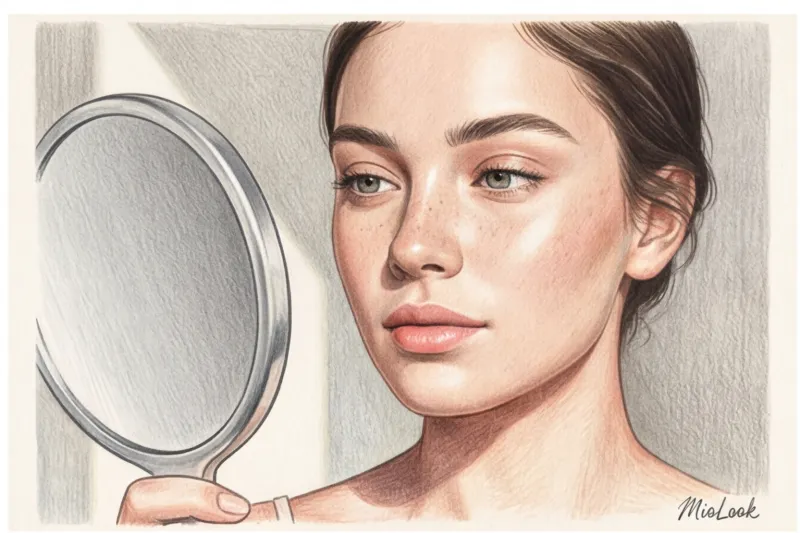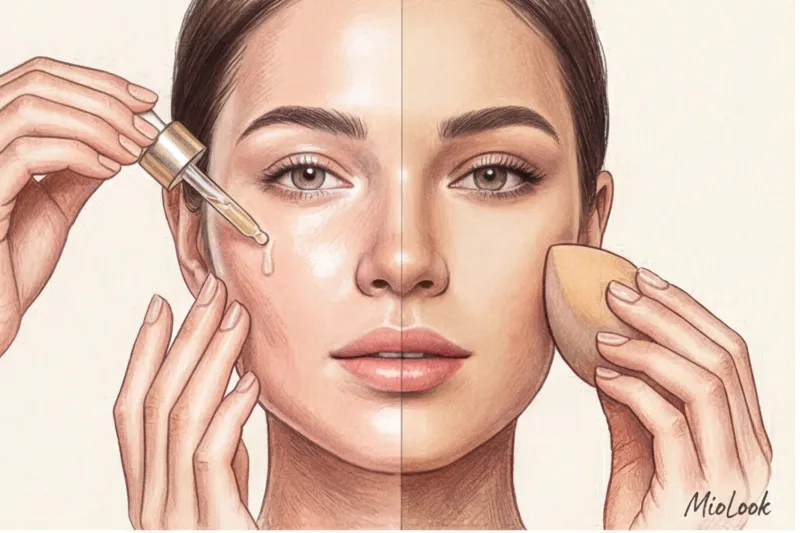
Three years ago, a bride sat down in my chair in tears. Three days before the wedding, she decided her skin wasn't radiant enough, so on the advice of a friend, she tried an aggressive acid peel at home. On the day of the wedding, we were met with a real disaster: the most expensive professional foundation was peeling off her face in chunks, clinging to micro-flaking that no silicone primer could smooth out. It was then that I finally realized: a competent skincare routine preparing skin for makeup This isn't a sheet mask applied an hour before the makeup artist arrives. It's a full-fledged engineering project to restore the lipid barrier.
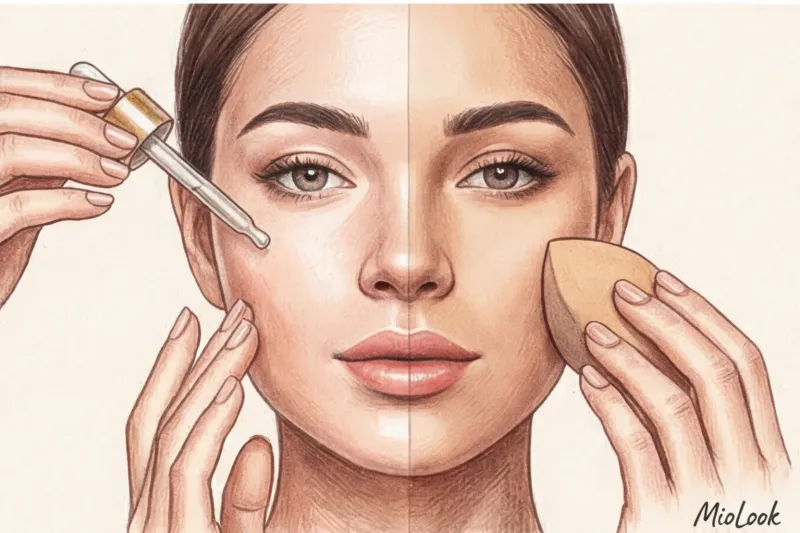
Many girls spend months searching for the perfect dress, but only think about their face the night before. But if you want your makeup to survive tears at the registry office, a photo shoot in the scorching sun, and dancing until dawn, you need to think about the canvas in advance. We've covered the architecture of a long-lasting holiday look in more detail in our the complete guide to wedding makeup , and today we'll talk exclusively about the foundation - your skin.
Why Proper Skin Preparation for Makeup is More Important Than the Foundation Itself
Wedding makeup is completely different from what you do every morning before going to the office (and even from how we create a formal look). business makeup for executives ). It must last 12 to 16 hours of continuous wear, withstand hundreds of camera flashes, hugs from family members, and temperature fluctuations. And this is where physics comes into play.
As a professional colorist, I often observe the same effect: a perfectly matched foundation shade suddenly begins to oxidize, becoming a couple of shades darker or taking on a reddish undertone after just two hours. Why does this happen? When your skin is dehydrated, it literally acts like a sponge. It begins to greedily draw moisture from the foundation you applied. The water and skincare ingredients are absorbed, leaving behind a dry, concentrated pigment on the surface of your face, which changes color upon contact with oxygen and sebum.
"Even a $100 foundation will look like cheap putty on an unprepared, peeling canvas. We makeup artists paint with light and shadow, but we can't change the physical texture of your skin in an hour."
That's why preparation isn't a one-time action, but a systematic restructuring of your skin's protective barrier.
Access to MioLook for €0.99 — one-time payment
A smart AI stylist will select the perfect look for any important event, taking into account your personality.
Get access — €0.99 onceThe Anatomy of Longevity: How Skin Care Affects the Chemistry of Wedding Makeup
Let's look at the process through the eyes of a cosmetic chemist. Common beauty articles advise "cleansing your face thoroughly," but harsh, squeaky-cleaning washing destroys your acid mantle. The optimal pH level for healthy skin is around 5.5. If you wash your face with harsh soaps with an alkaline pH (8-9), your skin begins to produce sebum in a panic to protect itself. The result? Your foundation will simply melt away within a couple of hours.
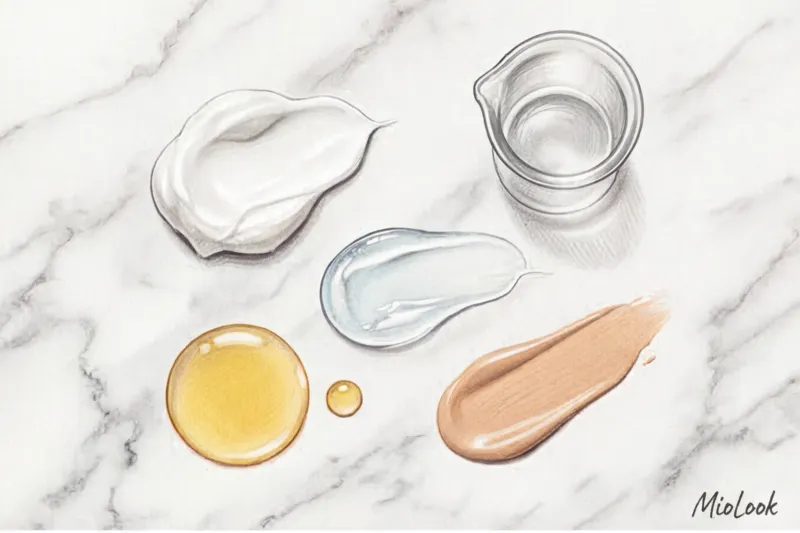
The second problem is texture clashes. Have you ever noticed how your foundation sometimes forms tiny pellets right under your brush? Most often, this is because your favorite daily moisturizer is water-based, while the thick, bridal foundation your makeup artist uses is silicone-based. These formulas repel each other, like water and oil.
The third enemy of perfect photos is hyperkeratosis (the accumulation of dead skin cells). Modern HD cosmetics rely on tiny light-reflecting particles. If the skin's microrelief is uneven, these flakes absorb the light from flashes in a chaotic manner. In professional photos, the face looks dull, gray, and tired, no matter how much highlighter is applied.
A Bride's Beauty Plan: A Timeline for Preparation from 6 Months to the Big Day
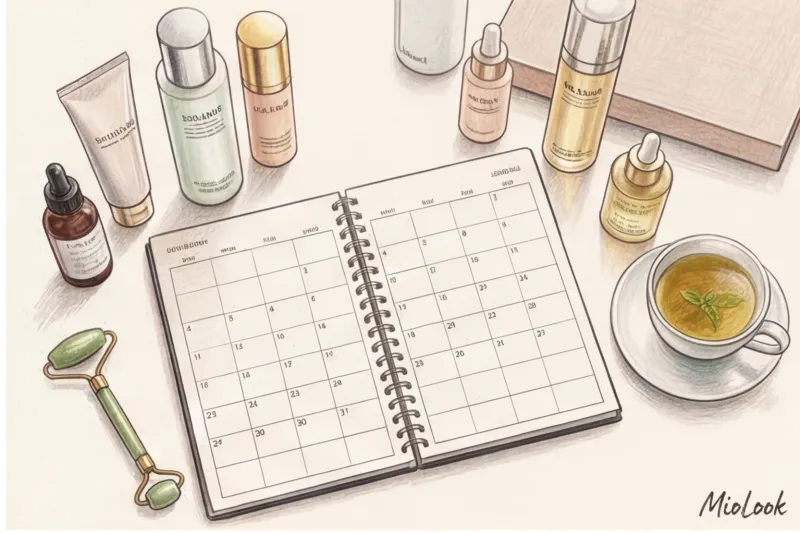
According to dermatologists, the standard epidermal cell renewal cycle in adults takes 28 to 35 days. This means that any new cream or serum will only show real, lasting results after a month. For a lasting effect, we need at least three to four such cycles. Therefore, starting preparations a week in advance is pointless.
Important note: this plan works for skin without serious clinical pathologies. If you have acute acne or rosacea, you need to consult a dermatologist, not my skincare tips.
6-3 months: Heavy artillery and experiments
This is your window of opportunity for any aggressive treatments. If you've been planning laser resurfacing, a course of medium-depth peels, or pigmentation removal, do it now.
- Introduction of assets: This is a safe time to start using retinol or strong AHAs. Your skin will have enough time to go through the inevitable adjustment period (retinoic dermatitis, peeling, and temporary breakouts).
- Testing the new: Want to try a trendy snail mucin essence? Give it a try. If you have an allergic reaction, you have months to recover.
For 1 month: Stabilization and ban on new
A month before the wedding, we begin a strict beauty diet. The main rule: completely avoid introducing any new cosmetic products. Even if a friend gave you a luxurious La Mer cream, put it off until your honeymoon.
- Cancellation of aggressors: Stop using harsh acids and retinol to prevent thinning of the stratum corneum and skin hypersensitivity.
- Focus on the barrier: Switch to products containing ceramides (classes 1, 3, and 6), cholesterol, and fatty acids. Your goal is deep hydration and "repair" of the hydrolipidic mantle.
- Makeup rehearsal: Be sure to do a makeup test. You shouldn't just choose shades, but also see how your skin reacts to the makeup artist's primers and setting products.
Your perfect look starts here
Join thousands of users who look flawless every day with the MioLook app.
Get access — €0.99 onceDebunking the myths: what you absolutely shouldn't do on the eve of your wedding
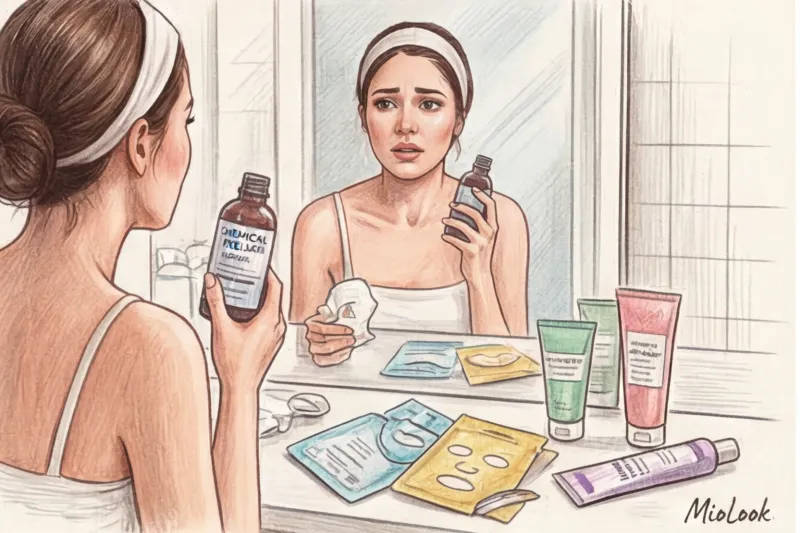
Over the years, I've collected a whole collection of harmful advice from glossy magazines that consistently frustrates brides and makeup artists. Let's look at the main mistakes.
Myth 1: A sheet mask in the morning before applying makeup will prevent dryness.
This is my least favorite piece of advice. 90% of mass-market sheet masks contain huge amounts of cheap glycerin and thickeners. They leave a sticky film on your face. When the makeup artist applies the foundation with a brush, this glycerin layer will react with the pigment and simply roll off into dirty clumps. If you really want hydration, use your trusted base cream.
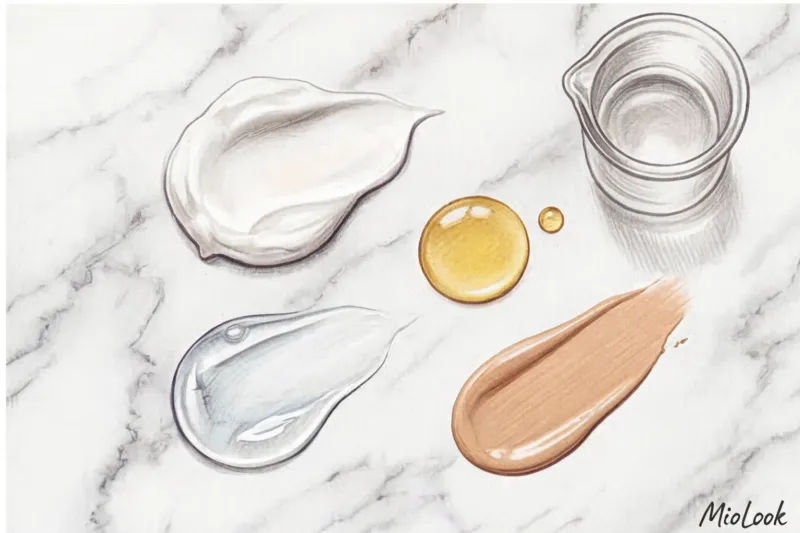
Myth 2: You need to exfoliate your face thoroughly the night before to get a “smooth” complexion.
Mechanical scrubs containing apricot kernels or hard granules leave micro-scratches on the skin. These scratches are invisible to the naked eye, but foundation will quickly settle into these micro-injuries, creating a blotchy, pockmarked appearance.
Myth 3: Facial cleansing by a cosmetologist 3-4 days before the celebration.
Mechanical or ultrasonic cleaning is traumatic. For many women, redness and minor inflammation subside within 7-10 days. Get your cleaning done at least two weeks beforehand.
Myth 4: Self-tanning the day before the wedding.
One time, a client of mine got a self-tan the night before. In the morning, I opened my case and realized that all the foundations we'd approved at the rehearsal a month earlier were now five shades lighter than her new complexion. Furthermore, self-tanner dries out her skin terribly, leaving it with a parchment-like texture.
SOS guide: how to save the situation if you have a pimple or peeling skin
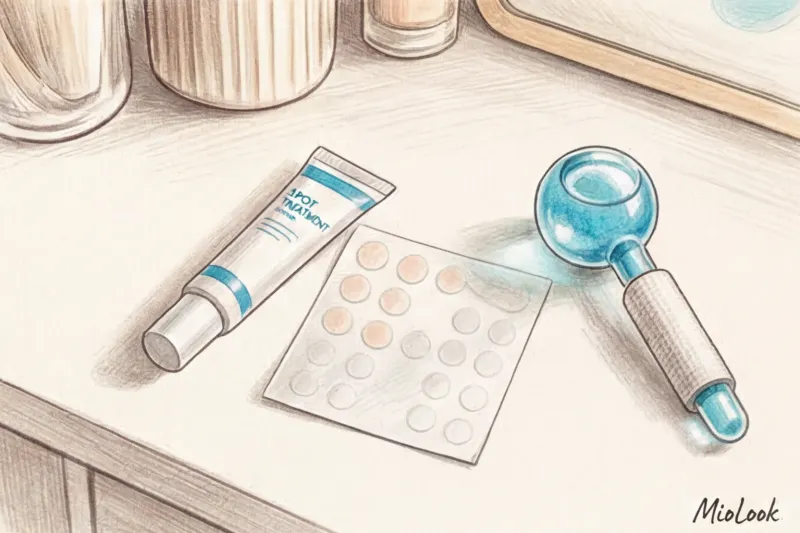
Stress, lack of sleep, a glass of champagne at the bachelorette party—and then on the morning of the wedding, you discover a surprise in the form of an inflammation on your chin. Don't panic. We have a protocol.
Rule #1: No squeezing. I repeat this to every client: a makeup artist can easily cover up the red or blue color of a pimple with color-correcting concealer (green or peach). But we physically can't hide a large scab or a oozing wound from a squeezed blemish. Foundation simply won't work.
What to do at night: Apply a hydrocolloid patch to the inflammation. It will draw out the exudate, reduce redness, and, most importantly, physically prevent you from touching your face while you sleep.
If your face is peeling in the morning: Forget scrubs. Use a gentle enzyme powder. Enzymes (papain, bromelain) gently dissolve only dead skin cells without damaging living cells, leaving skin smooth and ready for makeup.
If your face is swollen: Avoid rubbing your skin with ice cubes from the refrigerator (this can cause vascular spasms). Use special glass ice globes, pre-chilled, and perform a light lymphatic drainage massage strictly along the massage lines over the light serum, without stretching the epidermis.
Checklist: Step-by-step skin preparation for makeup on the morning of your wedding day
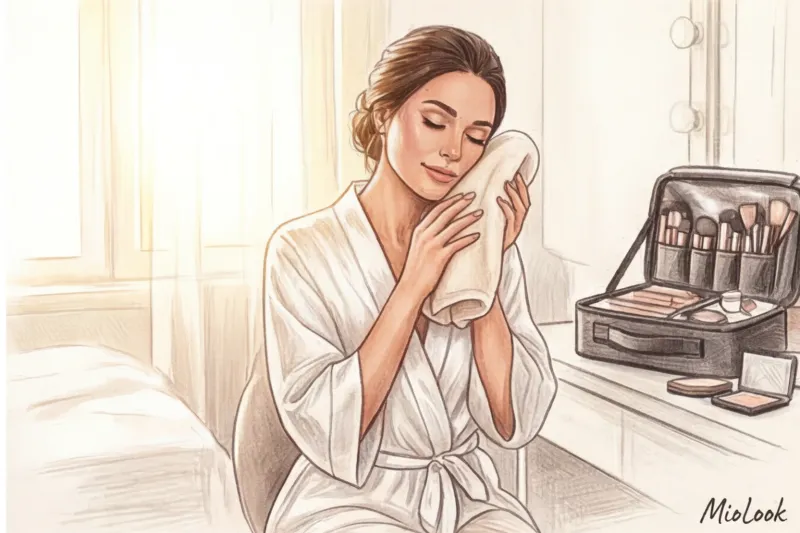
Here's a clear sequence of steps to follow before the makeup artist opens their case. It takes exactly 15 minutes.
- Gentle cleansing: Wash your face with a basic gel or foam without harsh surfactants (sodium lauryl sulfate). We want to remove overnight sebum but keep the hydrolipidic film intact.
- Toning: Apply a basic hydrating toner with your hands, using light patting motions. No acidic toners today!
- Moisturizing: Use your trusted lightweight cream. Important note: if your wedding involves a lot of flash photography in the evening, the cream shouldn't Contain physical SPF filters (zinc oxide or titanium dioxide). These have a flashback effect and will make your face look ghostly white in photos.
- Under eye patches: Only hydrogel ones, and strictly for 15 minutes (no longer, otherwise they will start to draw moisture back). After removing Be sure to rinse off any remaining essence with water.! Otherwise, the concealer will roll into wrinkles.
- Lips: Apply your thickest, heaviest lip balm or lanolin at least an hour before applying your makeup. This will soften your lips, and before applying matte lipstick, the makeup artist will simply remove any excess with a dry tissue—your lips will be perfect.
Ready to get started?
Try the free plan—no commitments. Create your smart wardrobe and beauty profile in one click.
Get access — €0.99 onceSummary: Your Perfect Canvas for Your Wedding Look

Preparing your skin for makeup is a classic marathon, not a sprint. Your daily investment in basic skincare six months before the event will yield a hundred times more results than the most luxurious jar of cream applied five minutes beforehand. A healthy lipid barrier is the foundation on which your look will last for the entire 16 hours of the event.
To reduce pre-wedding anxiety, I advise my clients to visualize their look beforehand. You can upload your photos to MioLook app and test how different color palettes and makeup textures will look with your natural complexion. This is a great way to avoid surprises during your rehearsal with the makeup artist.
And the main advice from a stylist who has seen hundreds of brides: on your wedding day, just relax. The stress hormone cortisol constricts blood vessels, making the face look pale and haggard faster than any lack of sleep. Drink coffee, turn on your favorite music, trust the professionals, and remember—you're already beautiful, and the right makeup will only enhance that radiance.