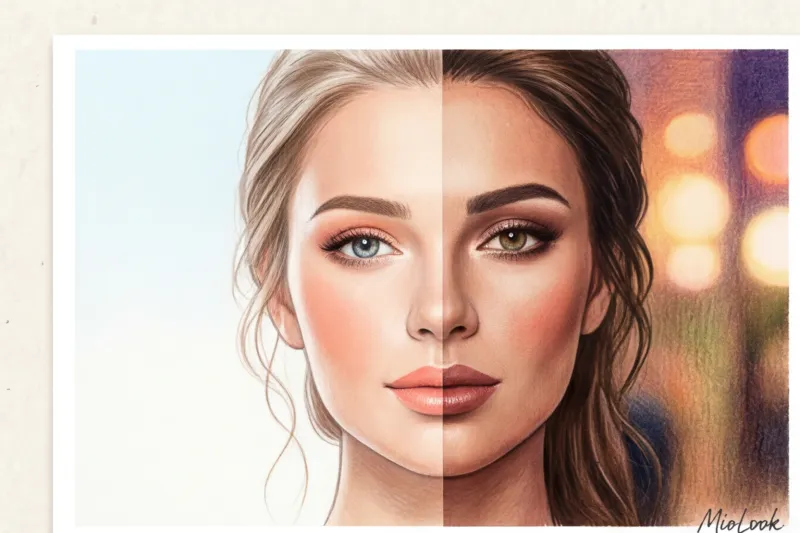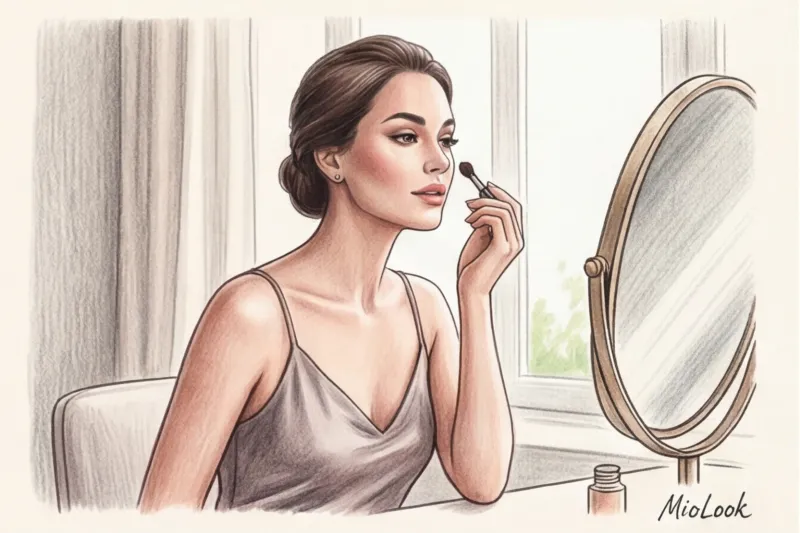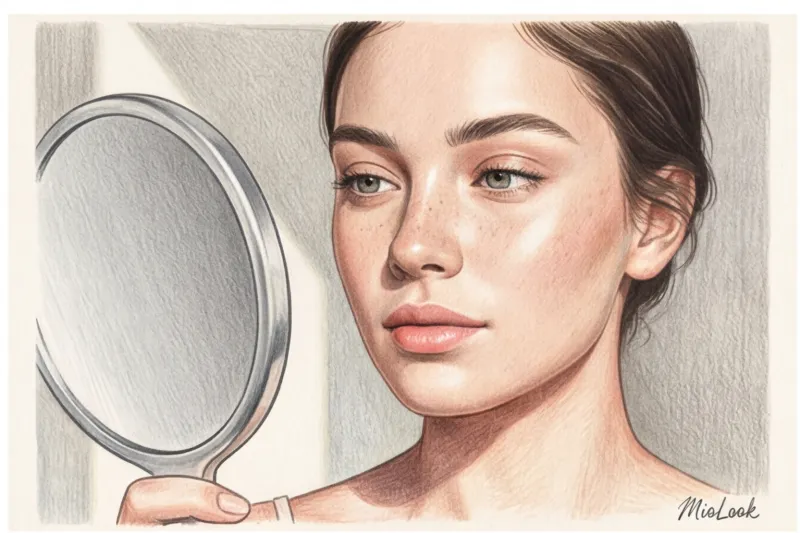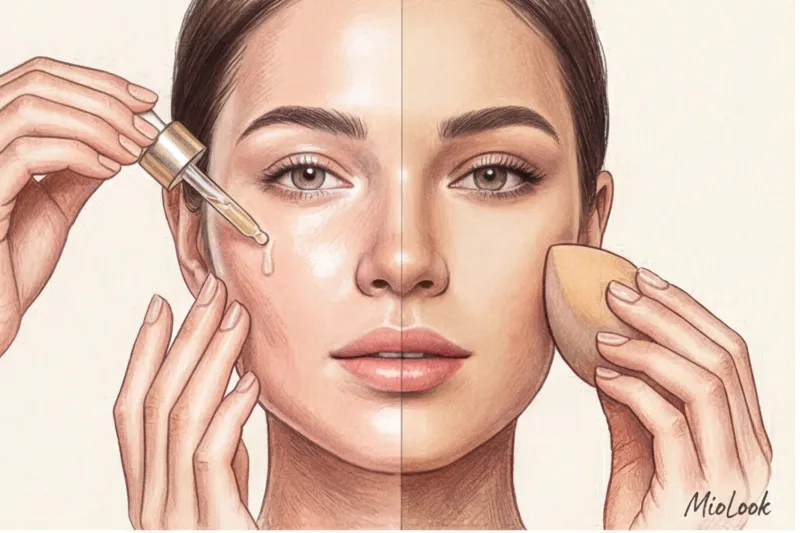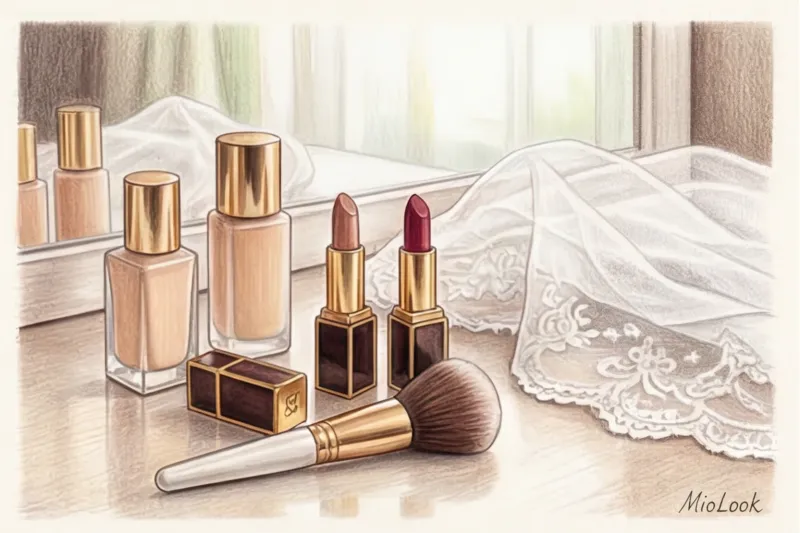
Three years ago, disaster struck at Villa Balbianello near Lake Como: due to an Italian transport strike, my client's celebrity makeup artist was unable to reach the location. The ceremony was just four hours away. Panic was in the air, but we made the only right decision—to do it. wedding makeup for yourself , having quickly assembled a beauty arsenal from what she could find in her guests' makeup bags and the nearest luxury boutique. You know what's most surprising? She looked flawless in the photos, and later that evening she admitted, "For the first time in a long time, I felt 100% myself with makeup on, not like a painted doll."
This incident forever changed my professional approach to wedding preparations. If you are preparing for a celebration, I highly recommend checking out our A complete guide to the rules of a lasting festive look , where we explore the fundamental differences between formal makeup and everyday makeup. Today, we'll debunk the main stereotype: forgoing a professional's services isn't a compromise for budget reasons, but a conscious, luxurious investment in yourself.
Doing Your Own Wedding Makeup: Investing in a Luxury Beauty Kit, Not Compromising
A common myth holds that a bride only does her own makeup if her wedding budget is stretched to the limit. This is fundamentally untrue. Choosing to do her own makeup is a bold, status-defying move by a mature woman who takes complete control of her own aesthetics.
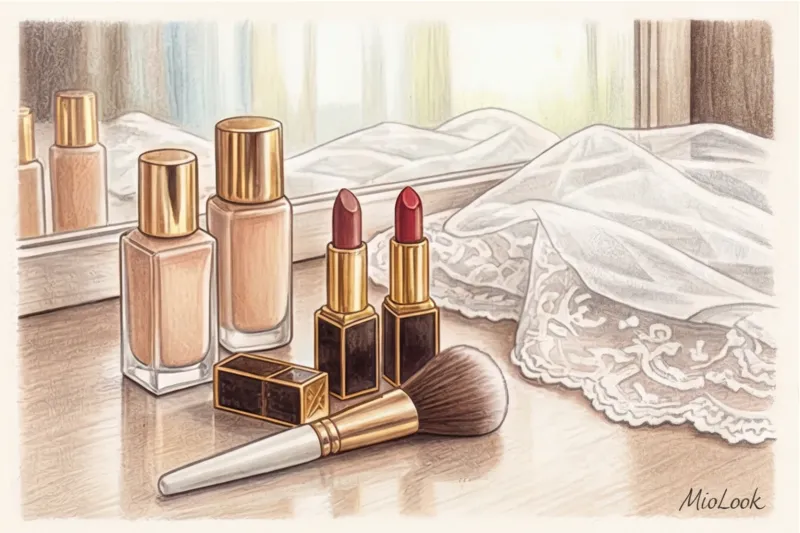
Let's do the math. A top makeup artist in a major city will cost you a price comparable to a luxury boutique. For the same price, you could put together a complete beauty regimen: buy a renowned foundation. Armani Luminous Silk , the legendary palette Charlotte Tilbury Pillow Talk and the perfect nude lipstick Tom Ford The difference is clear: the makeup artist will wash off their expensive work in the evening, but these luxurious cosmetics will remain in your beauty wardrobe for years to come.
Beyond the financial mathematics, there's a crucial psychological aspect. A bride's morning should be meditative. No strangers with suitcases of cosmetics invading your personal space in the hotel room. Just you, your favorite playlist, a silk robe, a glass of champagne, and the tranquil process of creating your look yourself.
Your perfect look starts here
Join thousands of users who look flawless every day with MioLook.
Get access — €0.99 onceAn engineered approach to leather: preparing the canvas long before the celebration
As a practicing stylist, I often see the same mistake: trying to hide unkempt skin texture with a thick layer of expensive foundation. I'll let you in on a secret: even a $200 foundation will settle in patches if your skin is dehydrated. I call this the craquelure effect, when luxury pigment gets caught in micro-flakes, turning your face into an antique porcelain doll.
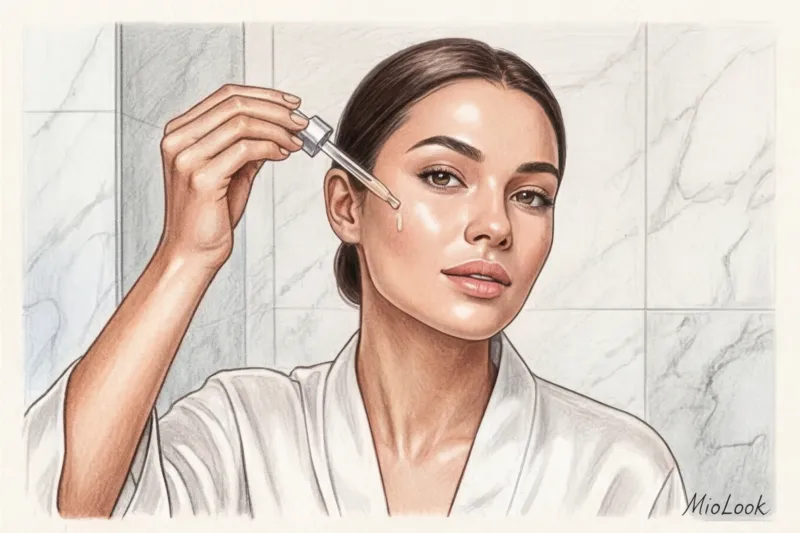
Skin preparation should be considered an engineering project, and it should begin 3-4 weeks before the big day. Focus on restoring the lipid barrier (look for ceramides and squalane) and gentle, non-traumatic exfoliation with enzymatic powders containing papain.
The main restriction I always make clear is that any aggressive experiments are strictly prohibited a month before the wedding. No new medium-strength acid peels, mechanical cleansing, or injections from an unfamiliar cosmetologist. The risk of an allergic reaction or persistent redness doesn't justify the potential results.
The Bride's Morning: The Right Pre-Makeup Skincare Algorithm
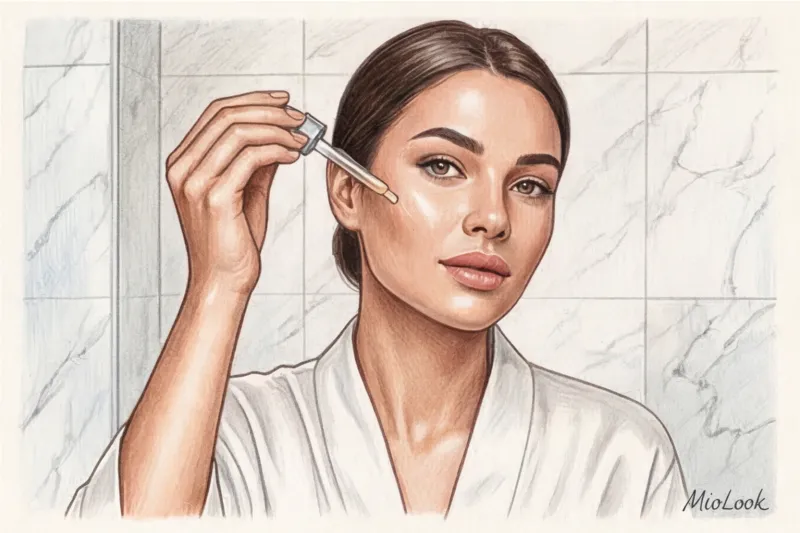
On the day of the big day, your morning skincare routine should be meticulously meticulous. Start with a gentle cleansing gel, then use a basic hydrating toner with Centella Asiatica and apply hydrogel patches. Important: be sure to rinse off any sticky essence residue from the patches with mineral water, otherwise the concealer will instantly flake off.
Why shouldn't you use thick, nourishing creams or your favorite oil-based serums before long-lasting makeup? This is a surefire way to clash with your foundation. A thick lipid layer prevents foundation from bonding securely to the skin. As a result, your perfect complexion will simply fade after a couple of hours. Opt for lightweight, gel-like sorbets that absorb without leaving any residue.
The Anatomy of Resilience: The Laws of Chemistry and Facial Architecture
Wedding makeup is fundamentally different from regular evening makeup (by the way, we discussed similar principles of durability in detail in the article about business makeup for executives A wedding is a beauty marathon of 12-16 hours of continuous wear, despite fluctuating temperatures, humidity, and lighting.
This is where the harsh laws of cosmetic chemistry come into play. The golden rule of texture compatibility is: like attracts like. If your smoothing primer is silicone-based (look for the word "silicone" at the beginning of the ingredients) dimethicone ), then your foundation must also be strictly silicone-based. If you apply a water-based foundation over a silicone base, you'll get an ugly "cakey" effect right while you're getting ready.
The second law of longevity is architectural layering. According to Vogue Beauty (2024), this technique, popularized by celebrity makeup artists like Mary Greenwell, remains the only way to achieve rock-solid longevity without the heavy mask effect. The rule is simple: all creamy textures should be layered and set with dry counterparts. Creamy foundation is set with dry bronzer, liquid blush is set with powder. Only this "layered" architecture can withstand tears of joy and dancing until dawn.
Step-by-step guide: creating flawless wedding makeup yourself
Let's move from theory to facial architecture. The process should be consistent and not rushed. Start by applying primer, but don't try to cover your entire face with it. Work in specific areas: apply a mattifying pore primer exclusively to the T-zone (nose, center of forehead, chin), and apply an illuminating base to the high points of your cheekbones.
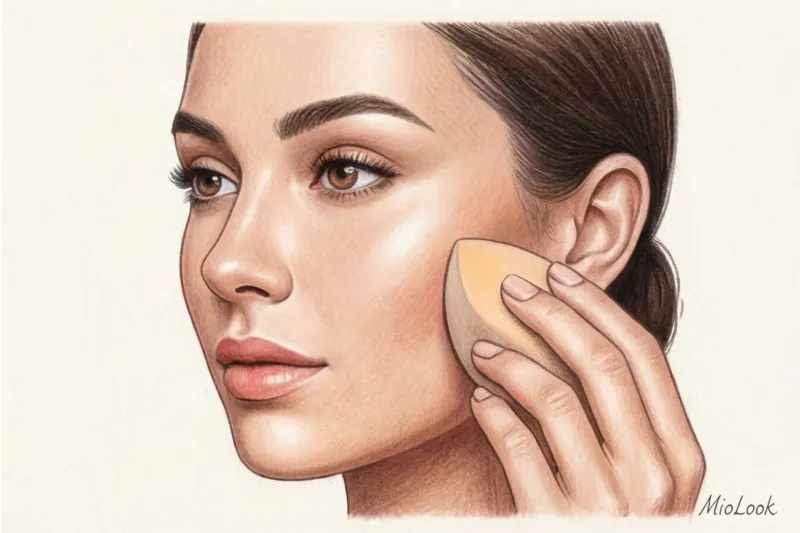
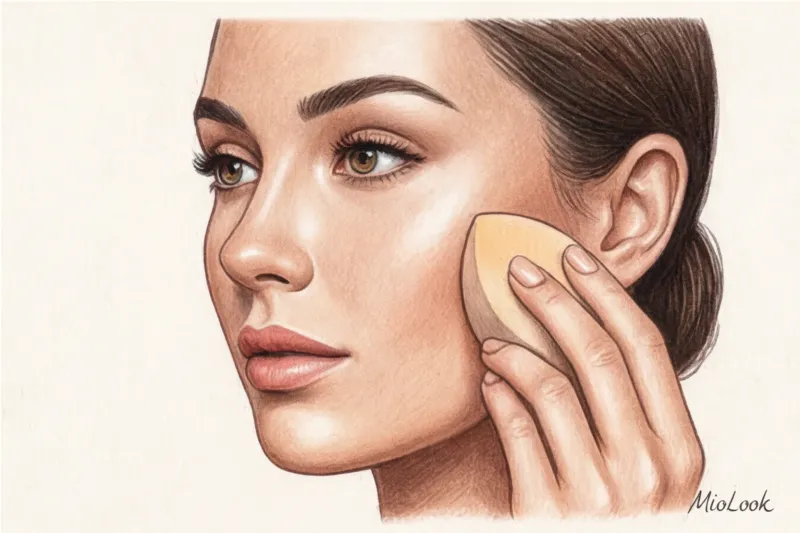
Foundation and concealer. Forget smearing with a flat brush. Your main tool today is a high-quality damp sponge (the original Beautyblender works best). Use the stippling technique. Having personally tested luxury foundations under harsh lights during long fashion shoots, I've found that a thin but firmly applied layer of foundation lasts twice as long as a thick mask smeared with a brush.
Sculpting. Camera lenses love a defined contour, but they don't forgive smudges. Apply a cool-toned cream contouring foundation just above the natural hollow under your cheekbone—this will create a modern, visually lifting effect without weighing your face down.
Fixation. Use the baking technique selectively, targeting high-risk areas only: under the eyes, on the sides of the nose, and in the center of the forehead. Apply a layer of translucent loose powder (such as Laura Mercier) with the same damp sponge, leave for 3-5 minutes to allow the product to absorb the skin's warmth, then gently brush off any excess with a fluffy brush. Finish with a generous spritz of setting spray. Iconic Urban Decay All Nighter still has no equal in its ability to “glue” all layers of makeup together.
Access to MioLook for €0.99 — one-time payment
A smart AI stylist will choose the perfect look for you.
Get access — €0.99 onceEyes and lips: focus on moisture resistance and noble shades
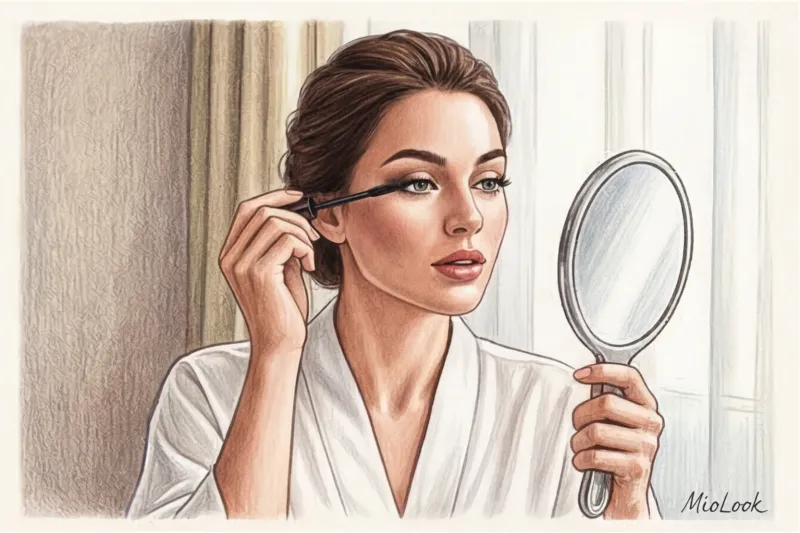
Dry eyeshadow applied to bare lids will fade or crease into stripes by cake-cutting time. Be sure to use long-lasting cream eyeshadows (sparkling champagne, dusty rose, or rich taupe) as a solid base for dry pigments. Waterproof mascara and gel eyeliner (not a pencil, but a long-lasting gel) are absolute must-haves for a bride.
A red-carpet secret for long-lasting lips: line your lips with a long-lasting lip liner in the same color as your lipstick, apply a thin layer of pigment, blot your lips with a tissue, lightly powder your lips through the thin layer of tissue, and then reapply. This trick ensures the color will last through the event.
The Biggest Mistakes in DIY Wedding Makeup (and How to Avoid Them)
Over the years working in the fashion industry, I've seen dozens of ruined wedding photo albums. Most often, they were the result of trivial technical errors that the women simply weren't aware of when putting them together themselves.
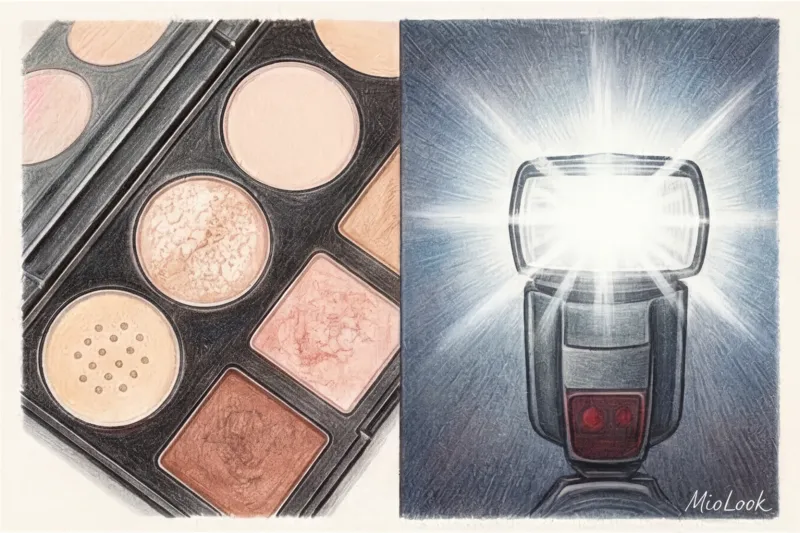
Error 1: White mask effect (Flashback). This happens when a bride, with the best of intentions, uses creams with physical SPF filters (titanium dioxide or zinc oxide) or setting powders with 100% HD silicates. Physical filters act like microscopic mirrors. You look great in daylight, but a photographer's powerful studio flash reflects off these particles, making your face appear deathly white in photos. Choose cosmetics exclusively with the latest generation of chemical filters or without SPF at all (this won't harm your skin for one special evening).
Mistake 2: Ignoring the neck and ears. Your face doesn't exist in a vacuum, separate from your body. Any remaining foundation from the sponge should be gently blended onto your neck, collarbones, décolleté, and—here's a heads up—your earlobes. Ears that are naturally red from stress against a perfectly porcelain face are a classic fail in portrait shots.
Mistake 3: Fear of color and graphic eyebrows. According to professional retouchers and photographers, the camera lens and flash reduce the color intensity of any makeup by approximately 30-40%. What appears to you as a vibrant peachy blush in the mirror under room light will look washed out and tired in photographs. Wedding makeup should be exactly half a shade more intense than your usual evening look. Avoid harsh, graphic contouring and overly dark, defined eyebrows—they visually add age and make your look heavy.
Rehearsal and SOS Cosmetic Bag: Your Safety Plan
Even the most detailed and professional YouTube tutorial can't replace real muscle memory. A makeup practice a month before the wedding isn't a whim, but a necessary general test drive. Apply a full makeup look early in the morning and wear it throughout the day, assessing how it looks on your skin, whether your foundation oxidizes by evening, and whether your mascara runs.
To understand how the chosen makeup palette will match with the dress and hairstyle, I always recommend my clients to use MioLook This smart AI stylist lets you upload a photo of your outfit and try on various beauty looks virtually. This eliminates those nagging doubts like, "Will classic red lips work here or should I choose a warm nude?" Incidentally, visualizing your entire look in the app also helps with choosing a fragrance—we covered this in detail in our article about How to choose a long-lasting perfume , which will become an invisible, but most important accessory of the bride.
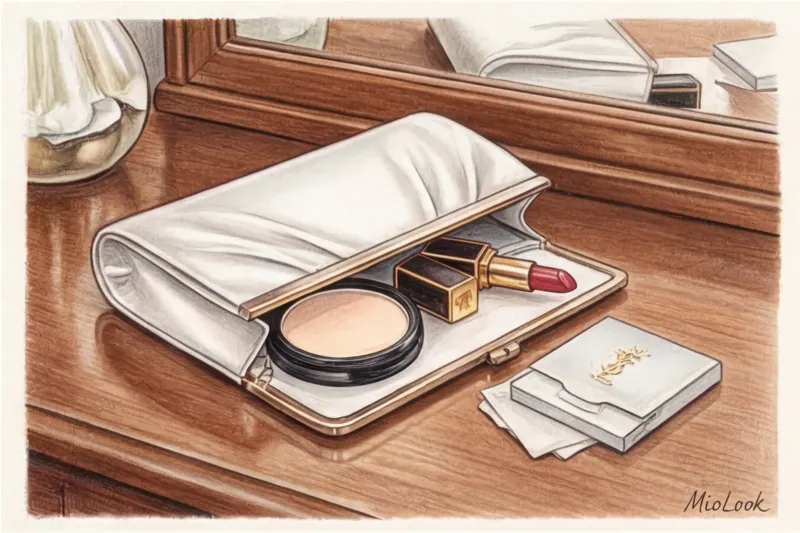
Finally, think about your fallback options—put together a smart SOS makeup kit and assign it to the most responsible bridesmaid. It should definitely contain: blotting wipes (important rule: never powder a sweaty face; blot the oil with a wipe first!), compact translucent powder, your wedding lipstick for touching up your lash line after the reception, cotton swabs, and a tiny tube of reliable eyelash glue in case of unexpected tears.
Doing your own wedding makeup isn't risky if you're armed with a basic understanding of cosmetic chemistry and a good understanding of your own facial structure. Invest in premium cosmetics that will delight you every morning after your honeymoon, and allow yourself the luxury of spending the crucial hours before the ceremony in complete, meditative harmony with yourself.