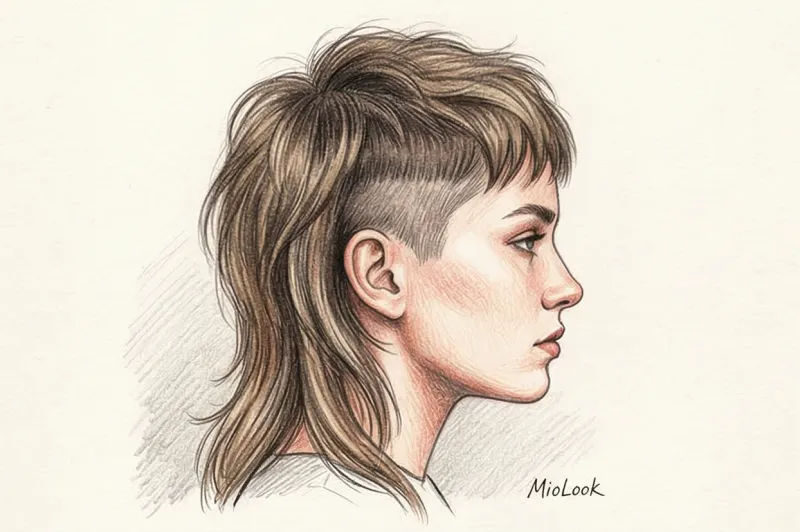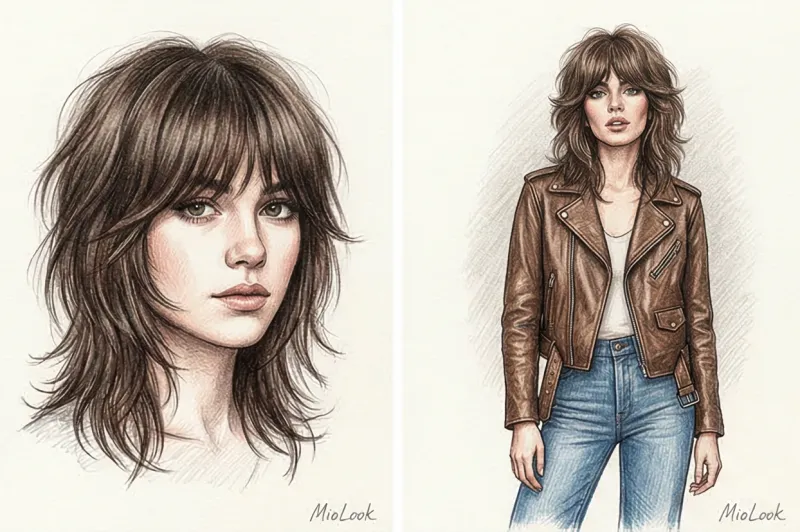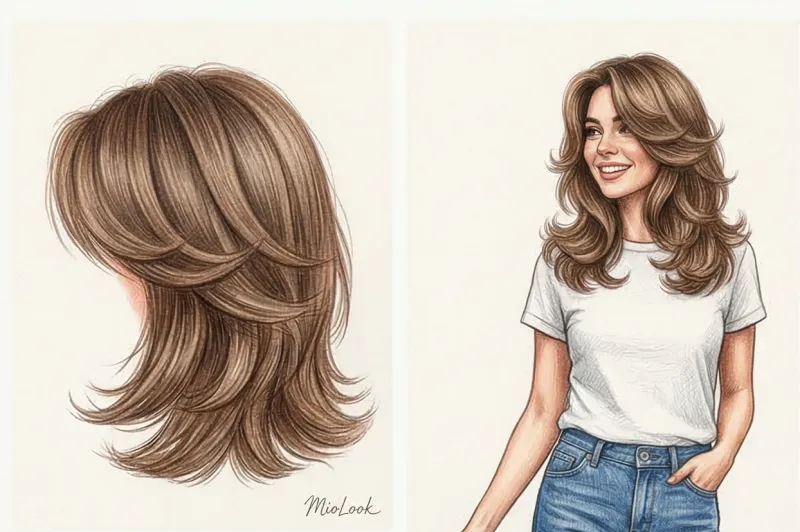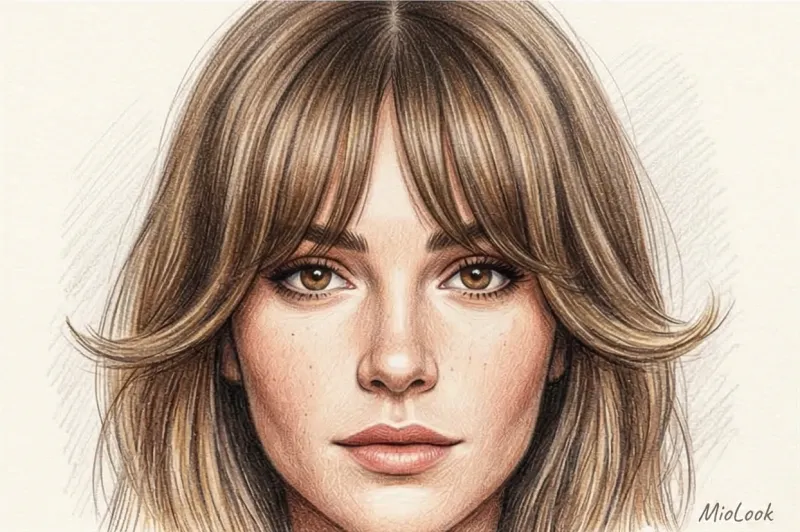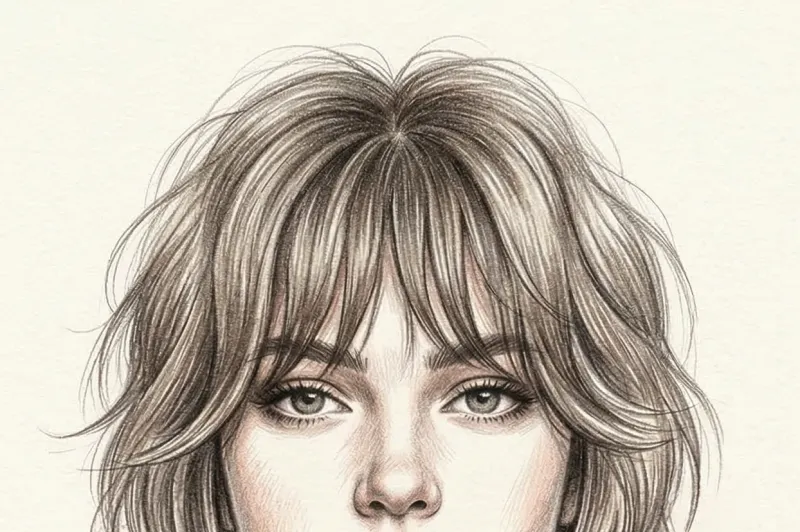
A wolf cut is a layered haircut that blends the bold shape of a mullet with the texture of a shag. The style features a voluminous crown with short layers that taper into longer, thinned ends at the back. It is widely worn by people seeking an edgy and low-maintenance everyday look.
Where Did the Wolf Cut Originate?
The haircut first gained traction in South Korean salons before exploding into a global phenomenon. It draws heavy inspiration from the retro aesthetics of the 1970s and 1980s, echoing the rebellious energy of classic rock musicians. However, modern hairstylists refined these vintage silhouettes by integrating advanced texturing techniques. The result is a softer, more wearable shape that avoids the harsh lines of a traditional mullet.
K-pop idols played a massive role in popularizing the look, wearing it on stage and in music videos. Soon after, the style went viral on social media platforms. Users began cutting their own hair at home, securing the style's reputation as a symbol of youthful rebellion and effortless cool. Today, it remains a staple in salons worldwide, favored for its gender-neutral appeal and striking silhouette.
What Are the Distinctive Features of a Wolf Cut?
The entire design relies on a contrasting distribution of volume. Stylists concentrate maximum density and fullness at the crown and the top of the head. They achieve this by cutting short, choppy strands that create immediate lift at the roots. This deliberate volume visually mimics the wild, untamed look of animal fur, which gives the haircut its name.
While the top remains thick, the hair at the back is kept long but heavily thinned out. This technique produces a fine, flowing cascade that contrasts sharply with the bulky crown. The transition between these two zones must be seamless, relying on expert layering rather than blunt cuts.
Bangs are an essential component of the silhouette. Most variations feature long curtain bangs or a choppy, textured fringe. These front pieces blend smoothly into the side strands, framing the face and softening the abrupt length transitions. The bangs draw attention to the cheekbones and eyes, making the style highly flattering for various face shapes.
Which Hair Types Suit the Wolf Cut Best?
One of the greatest advantages of this hairstyle is its versatility. It adapts easily to different textures, though the cutting technique must be adjusted accordingly.
- Straight hair: Needs the most manipulation to achieve the signature messy look. Stylists often use razors to create jagged ends. Daily styling with texturizing products is mandatory to prevent the hair from falling flat.
- Wavy hair: The ideal canvas. Natural waves effortlessly support the choppy layers, providing built-in volume and movement. The style requires minimal daily effort, as the natural texture does most of the work.
- Curly hair: Creates a beautifully rounded, voluminous shape. Stylists must cut curly hair dry to account for shrinkage and avoid the dreaded triangle effect. The layers help remove excess bulk from the bottom, allowing the curls to spring up naturally.
Key Characteristics of the Wolf Cut
Before booking a salon appointment, it helps to understand the technical specifications of the style.
| Characteristic | Details |
|---|---|
| Base Length | Adaptable (works on shoulder-length bobs to waist-length hair) |
| Layering Technique | Heavy point cutting and razor texturizing |
| Volume Placement | Concentrated at the crown and upper sides |
| Ideal Face Shapes | Oval, round, and square (bangs provide contouring) |
| Maintenance Level | Medium (requires trims every 6–8 weeks to maintain crown volume) |
How to Style a Wolf Cut at Home?
The goal of styling is to enhance the choppy texture and create a slightly careless effect. Heavy gels and stiff hairsprays will ruin the dynamic movement of the layers. Instead, build your routine around lightweight, texture-enhancing products.
Start with damp hair. Apply a sea salt spray or a lightweight mousse evenly from the roots to the ends. These products define individual strands and add grip without weighing the hair down. If you have fine hair, sprinkle a little texturizing powder directly at the roots for extra lift.
For drying, you have two main options. Air drying works perfectly for wavy and curly textures. Simply scrunch the strands gently with your hands while the hair dries to encourage the natural wave pattern. If you prefer using a hairdryer, attach a diffuser. Flip your head upside down and dry the roots first to maximize volume. Use your fingers to twist and separate the ends, creating that signature casual flow.
What Clothes Complement a Wolf Cut?
Because the haircut carries a strong attitude, it naturally aligns with specific fashion aesthetics. It seamlessly complements grunge, Y2K, and streetwear styles. The messy, undone hair pairs perfectly with oversized vintage tees, distressed leather biker jackets, crop tops, and wide-leg cargo jeans. This combination leans into the rebellious, nostalgic energy of the late 90s and early 2000s.
However, the hairstyle also creates brilliant contrast when paired with smart casual or minimalist wardrobes. The choppy texture of the hair softens the strict formality of masculine oversized blazers, crisp tailored shirts, and structured wool coats. When you wear a wild, textured haircut with clean, architectural clothing, it adds instant dynamism and edge to an otherwise traditional look. Minimalist silver jewelry, like thick hoops or simple chains, bridges the gap between the messy hair and the polished outfit.