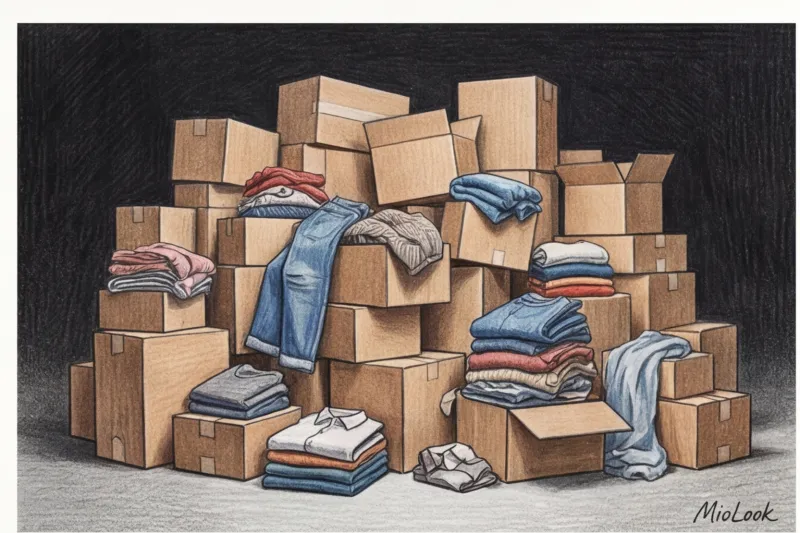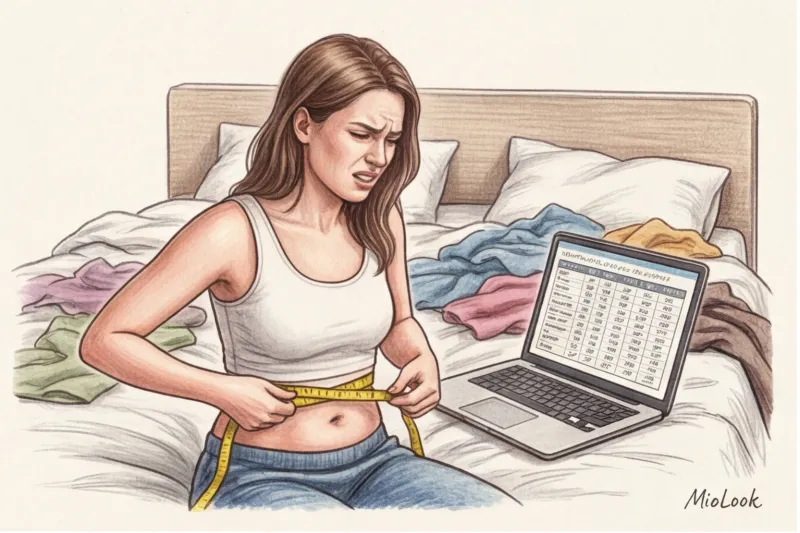
Last week, my client Anna ordered a basic double-breasted camel jacket. More precisely, she ordered three identical jackets in sizes S, M, and L. "I'm just not sure how it'll fit in the shoulders, Isabella," she said guiltily. "I'll keep this one and return the rest."
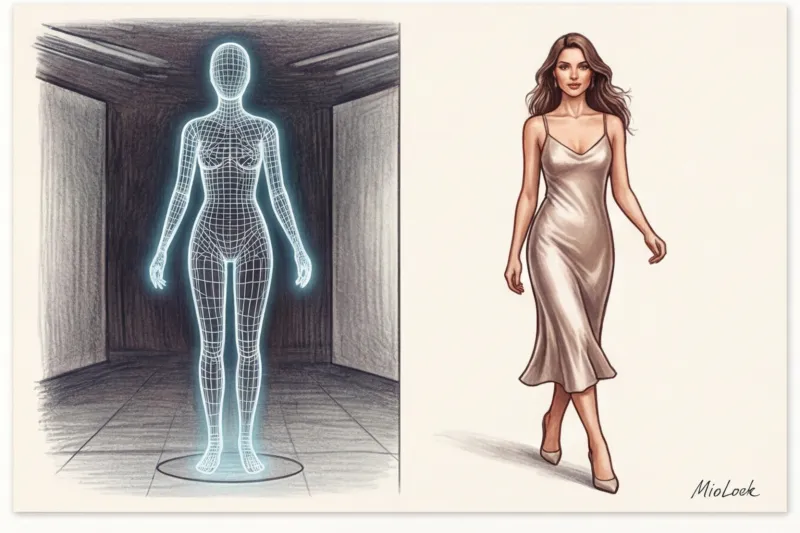
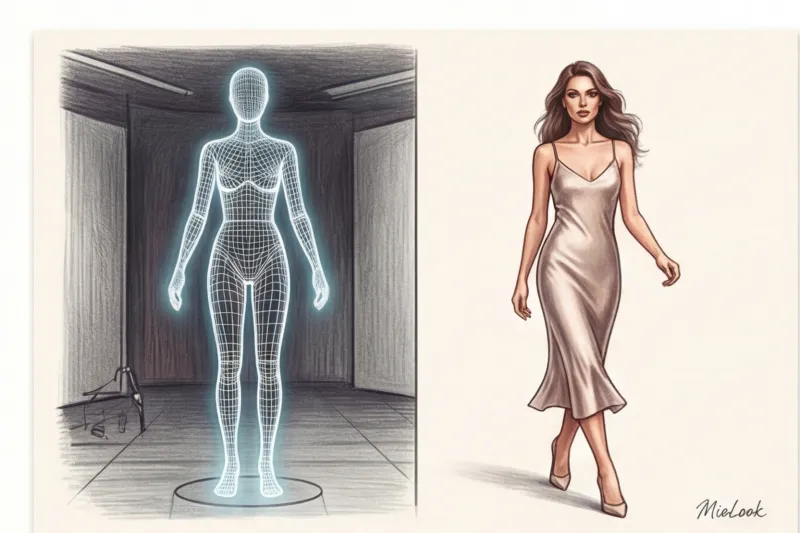
For Anna, it's convenient shopping. But for the CFO of the brand that sold the jacket, it's a nightmare, what's known in e-commerce as "bracketing" (buying multiple sizes with the intention of returning the ones that don't fit). We discussed this financial pain in more detail in our a complete guide to virtual fitting rooms for the website To break this vicious circle, brands are massively introducing virtual fitting technologies But here the main dilemma arises: which technology to choose? The market is clearly divided into two camps: 3D modeling and generative artificial intelligence.
Instead of comparing dry lines of IT code, let's look at these technologies through the eyes of a stylist and a buyer. Because, spoiler alert: the choice between AI and 3D depends not on your IT budget, but on the fabric of your clothes.
Why virtual fitting technologies are divided into two camps
According to a McKinsey report (2023), the return rate in the online fashion industry reaches a staggering 50%. Moreover, processing one returned item (logistics, inspection, repackaging, dry cleaning) costs businesses an average of $10-20. This eats into a significant portion of profit margins.
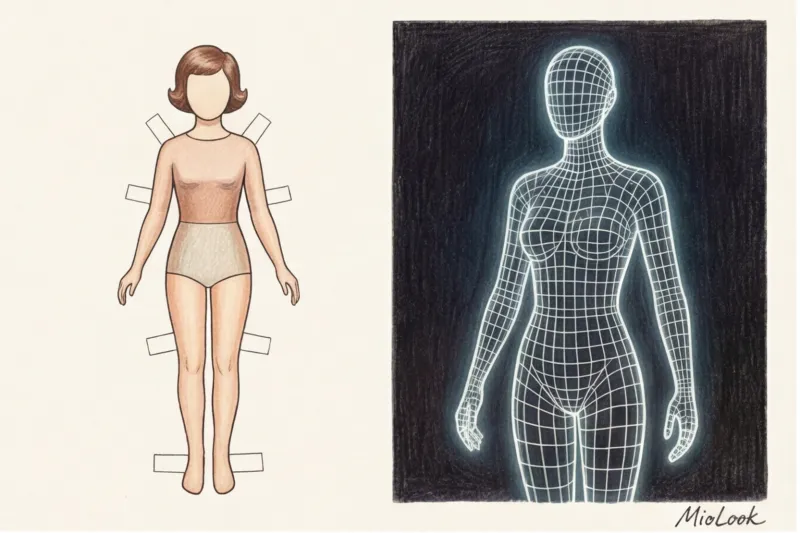
In an attempt to solve this problem, the developers took two fundamentally different approaches:
- Physical simulation (3D): The approach of engineers and designers. The garment is literally re-sewn in a digital environment, taking into account the physics of the fabric and seam tension.
- Visual generation (AI): An approach used by artists and photographers. The neural network doesn't understand how a garment is cut, but it can transfer a 2D photograph of clothing onto the human body with phenomenal accuracy, preserving light, shadows, and aesthetics.
There's no universal "magic pill" yet. Brands have to choose between sacrificing millimeter-level fit or speed of implementation and customer emotional response.
3D Clothing Modeling: Architectural Fit Accuracy
If you've ever seen the interface of programs like CLO 3D or Marvelous Designer, you know: 3D clothing isn't just a pretty picture. It's math.
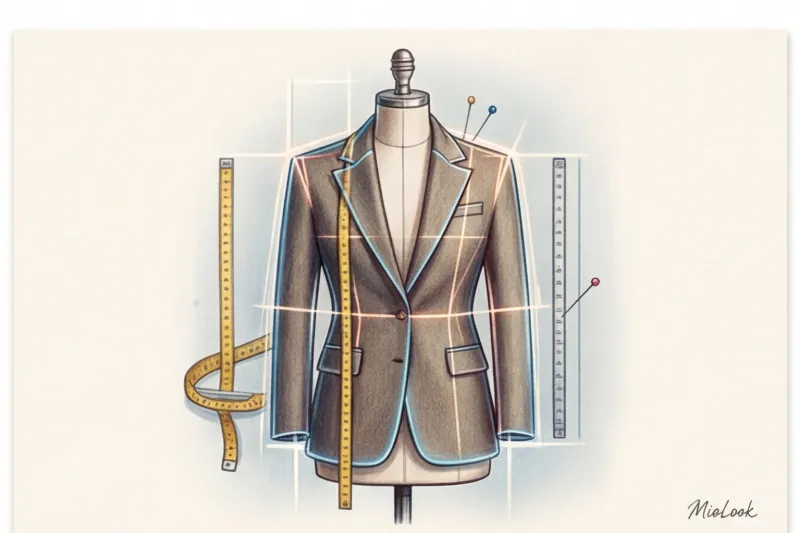
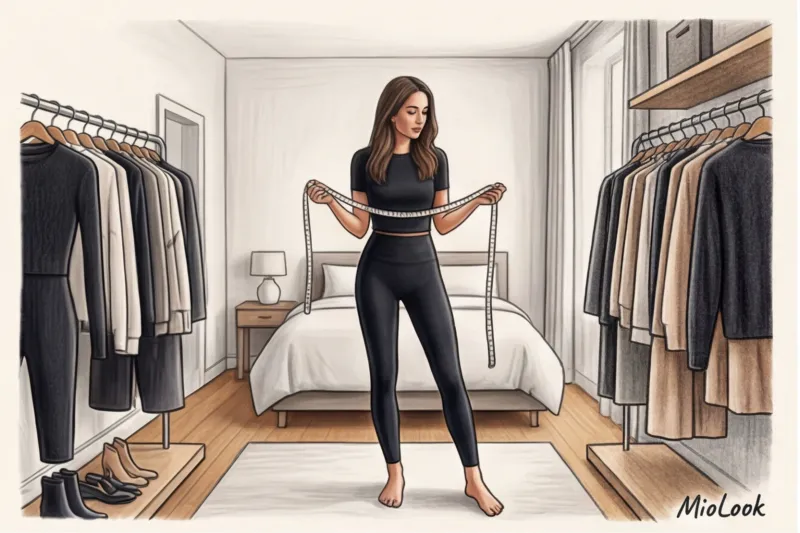
The designer uploads digital patterns, stitches them together with virtual threads, and specifies the physical properties of the fabric (weight, density, warp and weft stretch). The main superpower of 3D is the so-called tension maps (tension maps). The program shows in red where the fabric will cut into the body and where it will sag.
But this architectural precision comes at a price. According to fashion-tech developers, creating a high-quality 3D model of a single item (SKU) costs a brand between $50 and $150 and requires hours of manual labor by a specialist.
For which brands is 3D a must-have investment?
In my experience, 3D is an absolute must-have for brands with complex tailoring. If you sell formal business suits, coats, or corsets, you need precision.
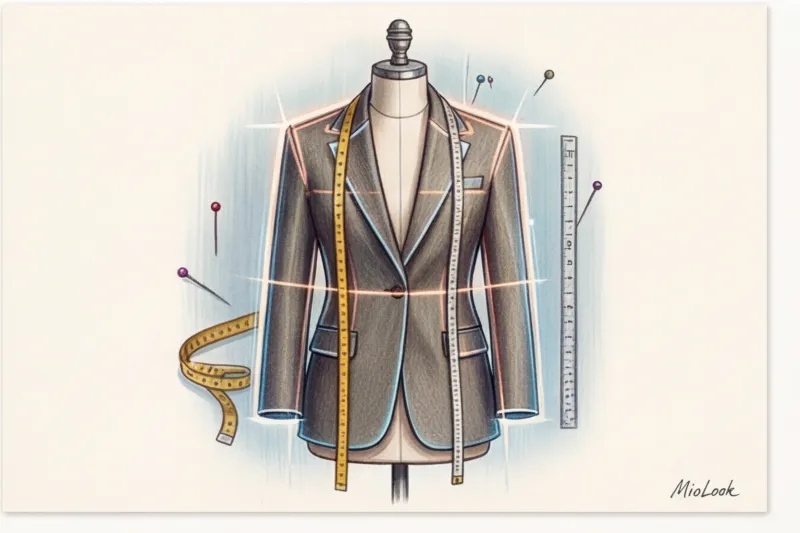
- Classic business wear brands: The shoulder girdle of a good wool jacket can't be "drawn" by a neural network. It must be constructed. Darts, lapels, a firm shoulder line—all of this requires mathematical calculation.
- Hard fabrics: Gabardine, heavy cotton (from 180 g/m²), tweed and raw denim are ideally simulated in 3D, as they hold their shape and have predictable fold geometry.
- Slow fashion: If you have a small base black and white capsule , which carries over from season to season, the high cost of digitizing each item will quickly pay for itself through reduced returns.
Ready to get started?
Try the free plan—no commitments required. Start creating perfect looks with AI.
Get access — €0.99 onceNeural Networks and Generative AI: Emotion, Speed, and Scale
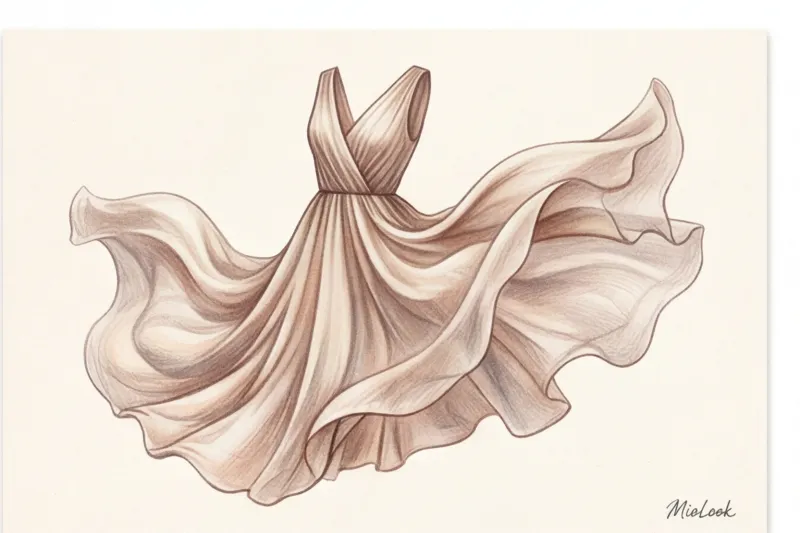
If 3D is a virtual tailor, then AI is a brilliant retoucher. Neural networks (such as technologies based on Stable Diffusion or specialized SaaS solutions) don't create patterns. They take a photo of a dress on a transparent background and "stretch" it over the buyer's photo.
The cost difference is colossal. Processing thousands of SKUs takes hours instead of weeks, and the image generation costs pennies. But the main advantage of AI lies not in the cost, but in the emotion. The neural network preserves the client's lively facial expressions, natural poses, hair dynamics, and the actual lighting of the room.
Who is AI fitting ideal for?
I always tell my showroom-owning clients: if you're selling a relaxed vibe, don't waste your money on 3D.
- Mass market and fast fashion: When updating the product range by 500 items per week, 3D digitalization is simply physically impossible.
- Soft, flowing fabrics: This is 3D's weakest point and AI's triumph. We once tried to digitize a silk slip dress in 3D—on the virtual mannequin, it looked like a piece of crumpled cardboard. AI, however, perfectly captures the flowing, organic drape of viscose, chiffon, and fine knits.
- Casual brands: If your clothes include hoodies, joggers, and oversized t-shirts, the client doesn't need millimeter-perfect waist fit. They want to see how the color brightens their complexion.
The Illusion of the Perfect Avatar: Why 3D Sometimes Kills Conversions
Here we come to the most interesting paradox of the fashion-tech industry, one that developers rarely discuss. A common myth states: "Create a precise 3D avatar to your client's measurements, and your sales will skyrocket." In practice, this often leads to a drop in conversion.
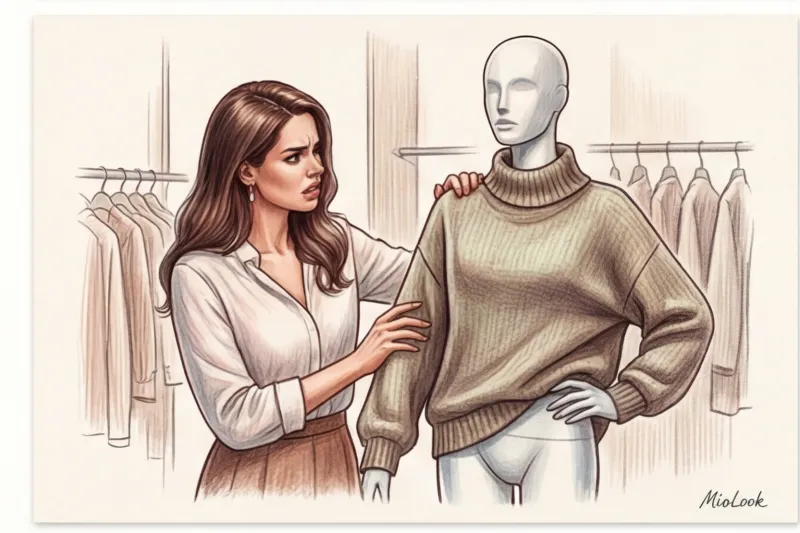
Why does this happen? The "uncanny valley" effect kicks in. A shopper enters her honest measurements (for example, hips 105 cm, waist 75 cm) and sees on the screen a faceless gray mannequin with realistic folds of fat, wearing a technically perfect 3D dress. This causes shock and rejection.
Women rarely buy simply utilitarian fabric to cover their bodies. We buy an emotion. We buy the "best version of ourselves," the mood for an upcoming vacation, or confidence before difficult negotiations.
The rigid, clinical precision of a 3D mannequin ruins this magic. Meanwhile, AI-powered virtual fitting technologies work differently: they superimpose clothing onto a beautiful, lively selfie of the client. Yes, the neural network may slightly distort the geometry of the chest print (this is an honest limitation of the technology). But the final image looks like a still from a magazine shoot. The client falls in love with the look and clicks "Add to Cart."
Use Cases: Virtual Try-On Technologies in Action
To finally dot the i's and cross the t's, let's look at two typical situations from my stylistic practice.
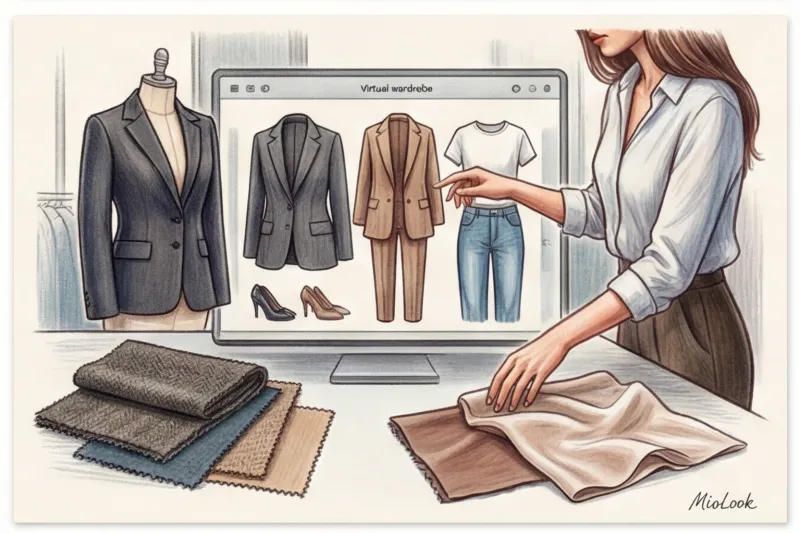
Scenario 1: Preparing for a status conference.
A customer is choosing a $1,000 wool suit. It's crucial for her that the shoulder line doesn't make her figure look bulky, and that the pants don't bunch up at the crotch. Here, AI generation can deceive by smoothing out fit flaws. In this case, the online store needs an honest 3D visualization or a hybrid system that shows the real behavior of the stiff fabric. Read more about such images in the article about ideal clothes for public speaking.
Scenario 2: Assembling a seasonal wardrobe.
A girl is putting together an autumn capsule: a sweater, jeans, a trench coat, and a light scarf. She needs to figure out in five minutes whether the items match in color and proportions. Speed is key here, and generative AI is doing a brilliant job. Incidentally, this is exactly the approach used. MioLook — a smart AI stylist helps you quickly assemble capsule wardrobes on the fly, checking the compatibility of items directly from your photos.
Checklist: Which Virtual Fitting Technology Should Your Brand Choose?
If you're a CEO or brand owner, answer these four questions before investing in IT development:
- What is the range of your products?
- Up to 50 SKUs of complex cuts that sell for years → invest in 3D.
- From 500 SKUs, collections change monthly → AI only.
- What materials do you work with?
- Suit wool, thick denim, leather, corset mesh (rigid form) → 3D modeling.
- Silk, viscose, cashmere, fine linen (soft drape) → generative AI.
- What is your budget and infrastructure?
- There is money for in-house 3D designers and powerful servers → 3D.
- Need a fast, pay-per-use SaaS solution → AI plugins.
- What is your key metric?
- Reduce the huge percentage of returns due to wrong size → 3D (with size recommendation function).
- Increase conversion from product card views to purchases through the wow effect → AI.
Your perfect look starts here
Join thousands of users who look flawless every day with MioLook. Our intelligent AI stylist will create the perfect look for you.
Get access — €0.99 onceThe Future of E-Commerce: Inevitable Hybridization
Do you know what leading developers are currently moving toward? A complete fusion of these two approaches. The future of e-commerce is hybrid virtual try-on technologies.
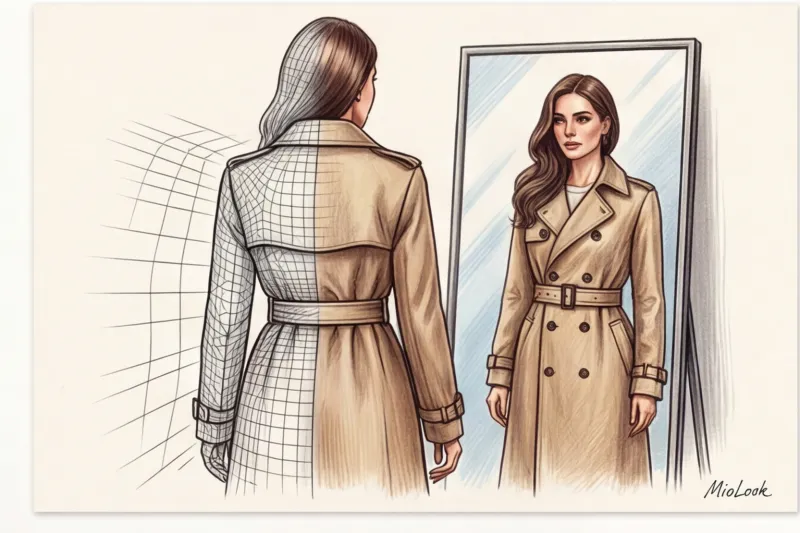
How it works in practice: on the backend (in the store's hidden algorithms), a 3D simulation runs. It accurately calculates your measurements and understands how tight the jacket will be in the armholes. But on the frontend (what the customer sees), this technical model is processed by AI, turning it into a beautiful, vibrant, photorealistic image of your face.
When choosing a tool for your business today, remember: virtual fitting technologies aren't a competition between IT departments. They're a tool for working with your client's psychology. Give them technical precision where structure is important, and gift them with a beautiful fairy tale where they want to buy a dream.