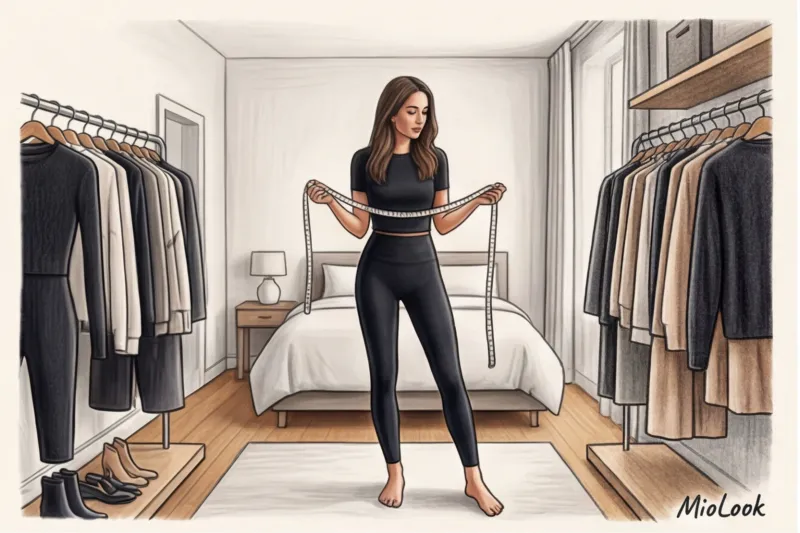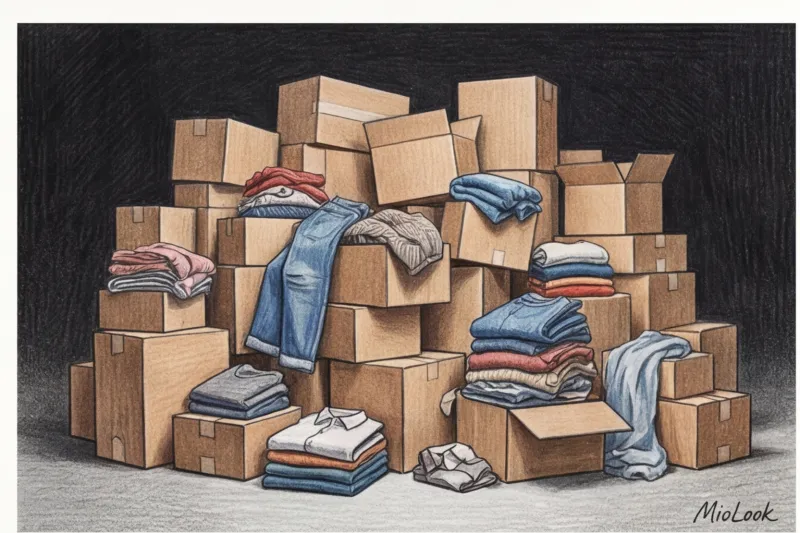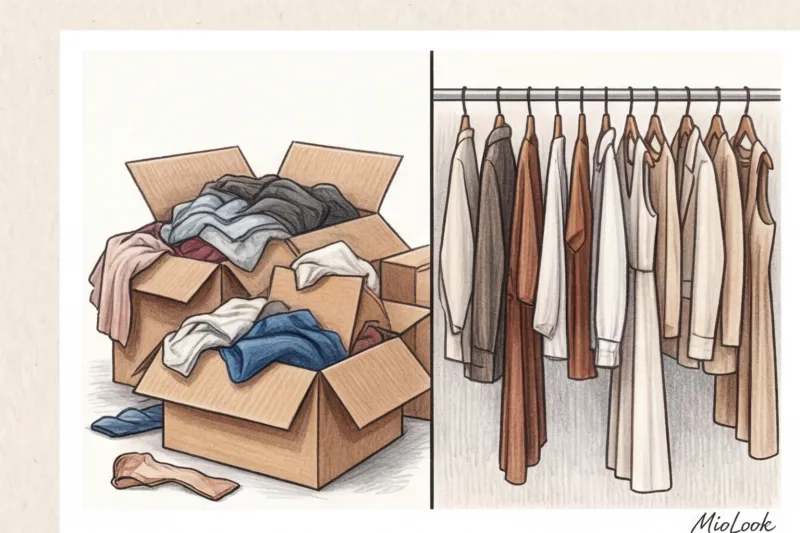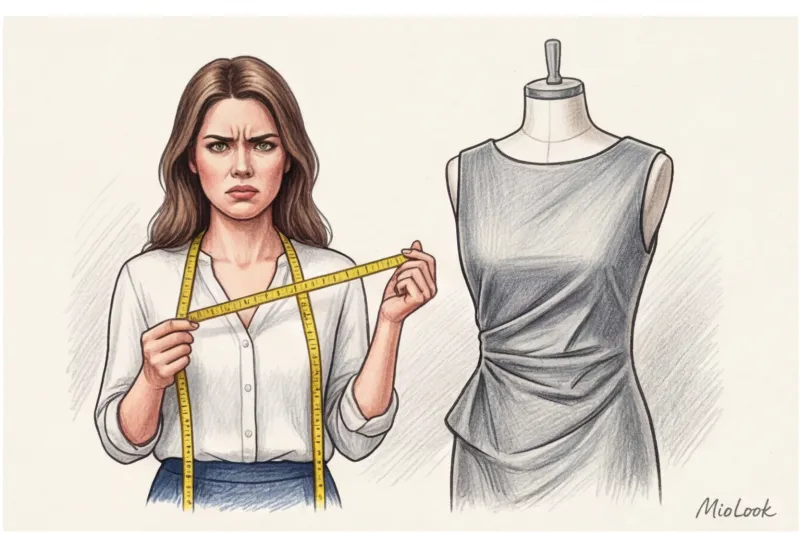

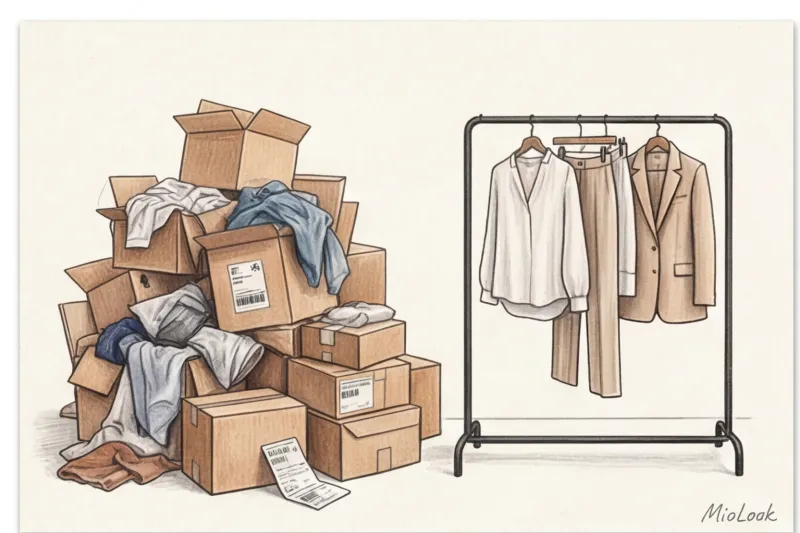
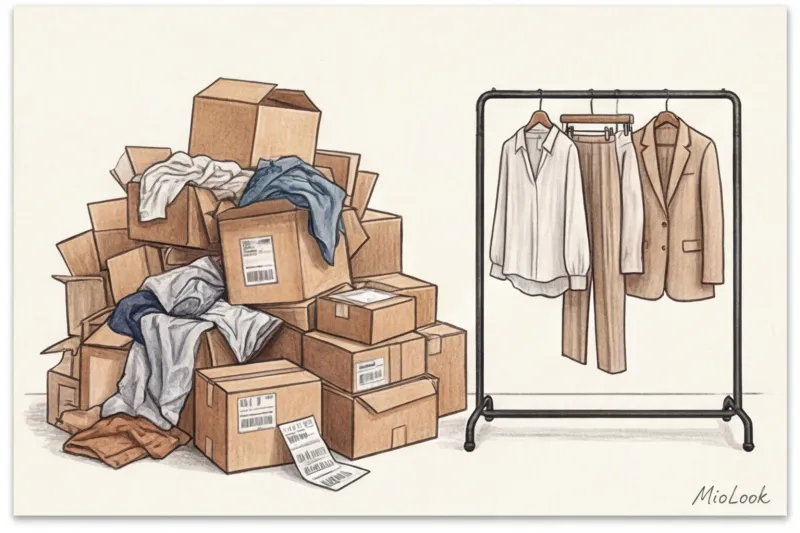
Do you know what 8 out of 10 of my new clients have in common? Their online order history always includes three sizes for the same dress. XS for ambition, S for reality, and M just in case the pattern runs small. In retail, this habit of buying too big is called bracketing For the buyer, this is simply a convenient insurance policy, but for the business, it is a logistical and financial disaster.
Studying examples of virtual fitting rooms In global e-commerce, I realized one important thing: top brands no longer invest in AR (augmented reality) for the sake of slick press releases. The most realistic 3D hologram is absolutely useless if it doesn't show how the fabric will stretch across the hips. We've already covered the technical side of this process in more detail in our a complete guide to integrating a virtual fitting room into your website Today, I want to look at these cases through the prism of real retail economics and consumer psychology.
From Fashion Toy to Survival Tool: The Economy of Virtual Fitting Rooms
According to a 2023 McKinsey report, the return rate in fashion e-commerce remains stable at 30-50%. Each returned item isn't just a canceled transaction. It represents $10 to $20 in direct operating losses: logistics, repackaging, dry cleaning, and sometimes even disposal if the item is no longer marketable.
As a practicing stylist, I constantly see how the fear of "getting the wrong size and having to deal with returns" blocks people from purchasing high-quality but expensive basics. A client would rather buy a tenth cheap top that they don't mind throwing away than risk ordering a $300 cashmere sweater online.
This is precisely why a paradigm shift has occurred. Previously, virtual try-ons were a marketing gimmick (engagement for the sake of virality). Now, they're a rigorous tool for operational efficiency. Brands have realized that customers don't need a cartoon avatar. They want an answer to one simple question: "How will these pants fit over my protruding belly?"
Successful examples of virtual fitting rooms in mass-market retail
Mass-market fashion is fighting for every penny in the supply chain. The primary goal of technology implementation here is to demonstrate an adequate fit on a real body, not on an idealized size zero mannequin. Modern shoppers refuse to associate themselves with unrealistic standards, and AI must take this into account.
ASOS and See My Fit: focus on body diversity
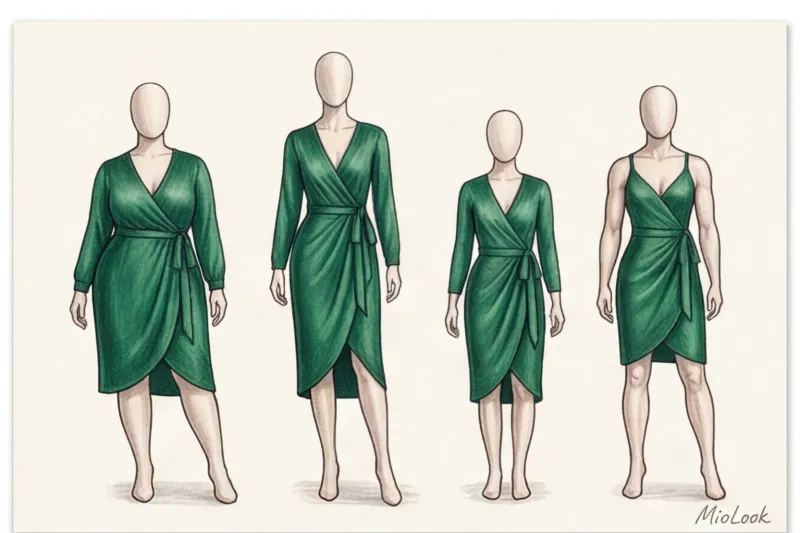
The ASOS case is my favorite example of a counterintuitive approach in tech fashion. While competitors were trying to get users to scan their bodies with lidar, ASOS took a different approach. Their technology See My Fit , developed jointly with the Israeli company Zeekit, uses 2D simulation.
The idea is ingeniously simple: one real item is digitized and, using neural networks, superimposed onto photographs of 16 models of varying heights (from 155 to 180 cm) and builds (from size UK 4 to UK 18).
"The psychological effect of a 2D photograph of a real woman with imperfect proportions was more powerful than a flawless 3D render. The customer sees how the fabric fits on wide hips or a short stature, and their trust in the brand soars."
The result? A dramatic reduction in returns on basic merchandise and an increase in purchase conversions. No complicated scanning—simply click on the item that most closely resembles you.
Walmart and Zeekit Algorithms: Shopping Without the Roulette
Walmart made a bold move and simply acquired the startup Zeekit in 2021. The retail giant implemented two features: Choose My Model (select a model from the catalog) and Be Your Own Model (using your own photo).
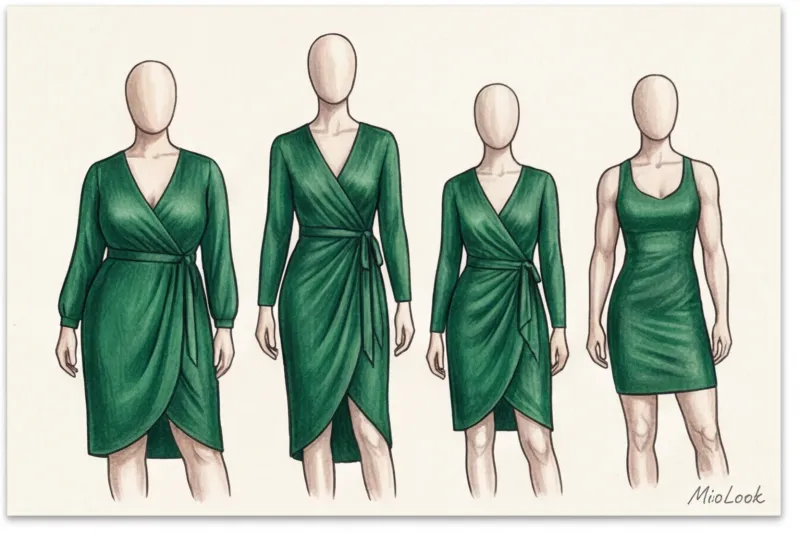
Why did Walmart's hybrid approach beat out creating complex 3D avatars from scratch? Because they use topographic mapping. The algorithm analyzes shadows, fabric drape, and lighting in your flat photo, creating the illusion of volume. This works flawlessly on T-shirts, jeans, and simple dresses—the very product range that accounts for 80% of Walmart's revenue.
Your perfect look starts here
Join thousands of users who look flawless every day with MioLook. Our smart AI stylist will help you create a capsule wardrobe of what truly suits you.
Get access — €0.99 onceLuxury segment: examples of virtual fitting rooms for selling status
While mass-market brands are solving the problem of returns, luxury uses AR to sell emotion and status. In the premium segment, it's not just the overall fit that matters, but also micro-details: how the light plays on the grain of a bag's leather, how the gold hardware shines, the texture of the suede. According to a Lyst report (2024), integrating AR into luxury product cards increases interaction time with the product threefold.
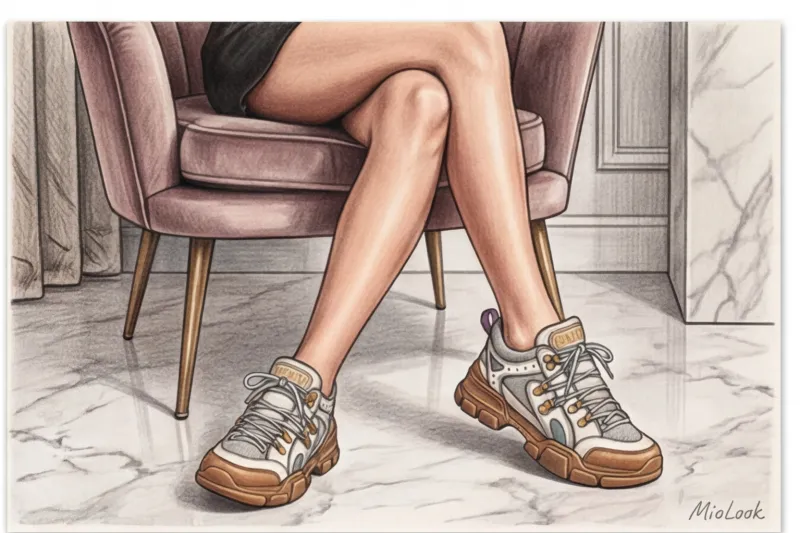
A case in point is the Gucci and Snapchat collaboration. They launched a virtual sneaker try-on experience with the ability to immediately click the "Buy" button. The filter went viral, achieving a record ROAS (return on ad spend).
As a stylist, I often help clients find high-status accessories online, and I can confirm: virtual try-ons of shoes, glasses, or structured bags (like Prada's) work amazingly well. The reason is physics—these items are rigid. They don't deform on the body, unlike a silk dress, so the AR model looks 100% authentic.
Accessories and beauty: the highest-converting niches
According to Shopify statistics, using AR technology in the accessories category can increase conversion rates by a staggering 94%. Why is it easier to try on glasses online than skirts?
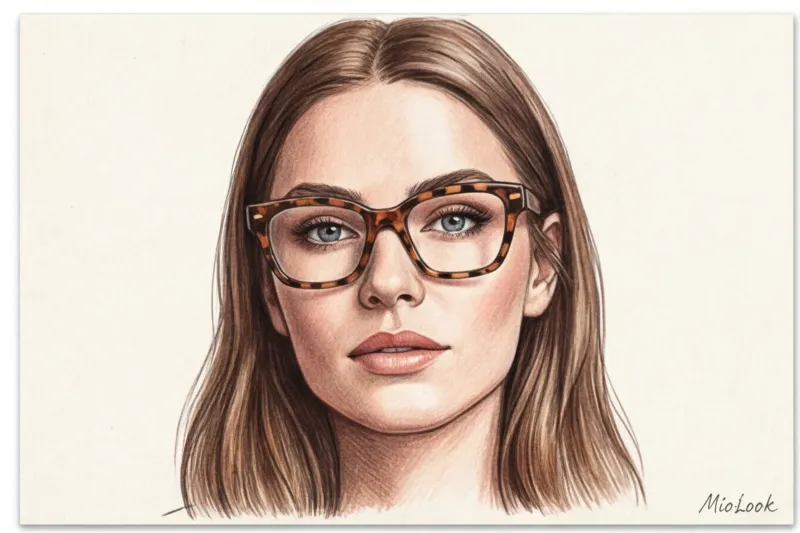
The answer is technology Face Mapping Companies like Warby Parker and Ray-Ban use smartphone cameras (Face ID) to build a facial map with millimeter-level accuracy. The AI doesn't need to calculate how the frame of your glasses will behave—it's static. You can see the exact width of the frame relative to your cheekbones.
In the beauty industry, L'Oréal (who acquired ModiFace) and Sephora pioneered this approach. Virtual try-on of lipsticks and eyeshadows has become a powerful cross-selling tool. A customer comes in for foundation, tries on a red lipstick through the camera out of curiosity, sees that the undertone suits her, and adds it to her cart. It's an impulse purchase based on visual confirmation.
Ready to digitize your style?
Try the MioLook free plan—no commitments required. Upload your items and see how they go together without even taking them out of your closet.
Get access — €0.99 onceThe Dark Side: When AI Fitting Rooms Kill Conversion Rates
But let's be honest. I've seen dozens of startups whose fitting rooms only evoked nervous laughter. A bad AR fitting room is worse than no fitting room at all. If a customer sees a plasticky, unnatural fit on the screen, they instantly lose trust in the quality of the brand itself.
Here are three main reasons why the technology might fail:
- Ignoring the properties of the fabric. This is the main challenge of virtual styling. The algorithm can't "stretch" a flowing silk blouse and a stiff cotton jacket (with a density of 180 g/m² or higher) onto a 3D avatar equally well. If the AI doesn't take into account the stretch coefficient of elastane, the garment will look like cardboard armor.
- Uncanny Valley effect. When a virtual model of a face or body looks almost human, but with dead eyes or unnatural plasticity, this causes psychological rejection in the user on a subconscious level.
- Complex UX (user experience). If an app requires a user to take 10 photos of themselves in tight underwear in perfect lighting to create an avatar, 80% of users will simply close the app. No one wants to spend 15 minutes setting up their profile just to buy a T-shirt.
When it does NOT work: Virtual fitting is currently completely useless when it comes to selecting complex shapewear, corsets, or clothing with complex deconstructivist cuts (in the style of Rick Owens or Yohji Yamamoto). Where the fit depends on millimeter-level fabric tension along specific body curves, AI is still inferior to a real fitting room.
Business Checklist: How to Evaluate Implementation Effectiveness
If you're a fashion business owner or product manager, don't focus on the number of views of your AR widget. That's a vanity metric. As a fashion industry process analyst, I recommend evaluating success using the following strict metrics:
- Reducing the Return Rate for specific items. Compare the return rate of a shirt before and after enabling virtual try-on on its product page. A drop of even 15% is already a colossal savings.
- Dynamics of Bracketing orders. Analyze your shopping carts. Are users less likely to stack two adjacent sizes of the same item?
- Reducing the load on support. Has the number of chat requests with questions like: "Should I get a size M or L for a 95 cm bust?" decreased?
- Engagement rate & Time on site. The longer a client “plays” with images, the higher the likelihood of emotional attachment to the product.
The Future of E-Commerce: Integrating Stores with Smart Wardrobes
We're on the threshold of the next stage of evolution. Trying an abstract sweater on your avatar is so yesterday. Clients need to know something else: "Will this new Zara jacket go with those wide-leg trousers I already have in my closet?"
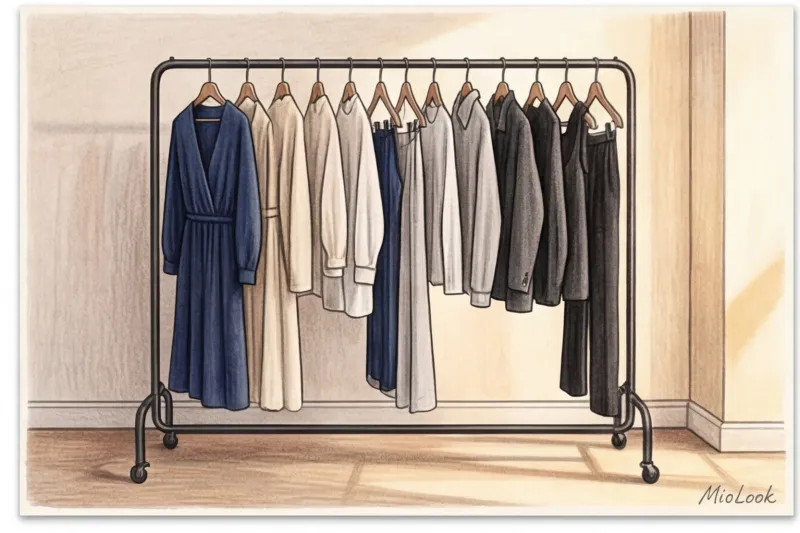
This is where apps like MioLook A paradigm shift is underway: we're moving from "buying a single item" to "buying a complete look." Imagine an online store integrated with your digital wardrobe. You click a button, and AI shows you how a new bag fits into your daily capsule wardrobe, calculating the potential cost per wear.
Virtual try-on technologies are no longer just a toy for geeks. Today, they're a basic hygiene requirement for brands hoping to survive in the era of conscious consumption. The key takeaway from all these successful cases is that the ideal virtual try-on isn't about selling the item itself, but rather about the customer's confidence in making the right choice.